

Kanem-Bornu, Nigeria Travel Guide
Discover the ancient kingdom of Kanem-Bornu in Nigeria, a land of rich history, stunning landscapes, and vibrant culture, offering an unforgettable journey into West African heritage.
Kanem-Bornu, located in the northeastern part of Nigeria, is a destination steeped in history and cultural heritage. As one of the oldest kingdoms in West Africa, Kanem-Bornu offers a unique glimpse into the rich past of the region. Visitors can explore ancient ruins, traditional villages, and vibrant markets that tell the story of a once-powerful empire. The region is also known for its stunning natural beauty, with vast deserts and the scenic Lake Chad. Adventure seekers can enjoy camel rides through the desert, while nature lovers can explore the diverse wildlife around Lake Chad. The local cuisine, rich in flavors and spices, provides an authentic taste of the region’s culinary traditions. Kanem-Bornu is not just a historical and natural treasure; it is also a place where visitors can experience the warmth and hospitality of the local people. The culture here is a blend of ancient traditions and modern influences, making it a fascinating destination for anyone interested in West African history and culture.

Know before you go
Hi, I'm Eve. Here are a few practical things to know before exploring Kanem-Bornu.
- Visit in the cooler months (November to February) to avoid the extreme heat.
- Hire a local guide to get the most out of your historical and cultural tours.
- Respect local customs and dress modestly, especially in rural areas.
- Bring cash, as many places do not accept credit cards.
- Stay hydrated and carry water bottles, especially when exploring the desert areas.
Top City Travel Guides in Kanem-Bornu
The cities of Kanem-Bornu, and the easiest places to base yourself.
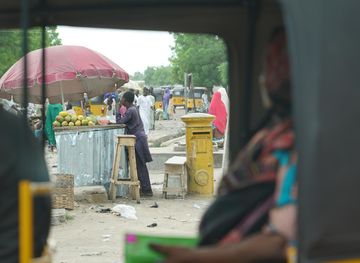
Explore Kanem-Bornu: Things to Do, Places to Eat, Hotels & More
Handpicked recommendations for top attractions, local dining, accommodations, and more

Top Attractions & Sightseeing in Kanem-Bornu
Top-rated picks
Best Attractions

Sanda Kyarimi Park
Explore Sanda Kyarimi Park—Maiduguri's enchanting zoo that unites wildlife, education, and serenity in a beautiful natural setting.

Borno State Museum
Explore the Borno State Museum in Maiduguri, where Nigeria's rich culture and history come alive through captivating artifacts and exhibits.

Shehu Of Borno Palace
Explore the Shehu Of Borno Palace, a remarkable cultural landmark in Maiduguri, steeped in the history of the Kanem-Borno Empire.

GFYS
Explore the natural wonder of GFYS National Forest in Borno, Nigeria - a perfect getaway for nature lovers and adventure seekers alike.

Best landmarks in Kanem-Bornu
Top-rated picks
Best Landmarks

Shehu Of Borno Palace
Explore the Shehu Of Borno Palace, a captivating cultural landmark in Maiduguri that tells the story of Nigeria's rich history and traditions.

El kanemi hall
Experience the rich cultural scene at El Kanemi Hall in Maiduguri, a premier concert venue for live performances and community events.

Bornocunun yeri
Discover the elegance of Bornocunun Yeri, a premier banquet hall in Borno perfect for weddings, corporate events, and special occasions.

Gashaka gumti office
Explore the serene landscapes and rich biodiversity at Gashaka Gumti Office, a hidden gem in Jimeta, Adamawa, Nigeria.

Best restaurants in Kanem-Bornu
Top-rated picks
Best Restaurants

RSVP restaurant
Experience modern American cuisine at RSVP Restaurant in Lagos - where culinary innovation meets vibrant atmosphere.

Nkoyo
Explore the flavors of Nigeria and beyond at Nkoyo, Abuja's top continental restaurant offering exquisite dishes in a vibrant atmosphere.

Kapadoccia Lagos
Discover the culinary treasures of Nigeria at Kapadoccia Lagos - where tradition meets modern dining in Victoria Island.

Beekemon Multi-Excel Restaurant
Discover authentic Nigerian cuisine at Beekemon Multi-Excel Restaurant in Asuta - where every dish tells a story.

Best bars in Kanem-Bornu
Top-rated picks
Best Bars

W Bar Lounge
Experience the epitome of luxury at W Bar Lounge in Ikoyi, Lagos, where exquisite cocktails and stunning views create unforgettable nights.

Captains Bar Ilupeju Lagos
Discover the lively ambiance at Captain's Bar Ilupeju Lagos, where great drinks and vibrant social scenes await every visitor.

Beer Barn
Experience the vibrant nightlife at Beer Barn, Port Harcourt's ultimate bar for great drinks and lively ambiance.

Cue Bar
Experience the vibrant nightlife at Cue Bar, Abuja's finest cocktail destination, offering a remarkable selection of drinks and a lively atmosphere.

Best nightclubs in Kanem-Bornu
Top-rated picks
Best Nightclubs

Silverfox - Luxury Adult Entertainment Club
Discover the allure of Silverfox, Lagos' top luxury adult entertainment club for an unforgettable night of music, dance, and premium service.

Tokyo Nightlife Abuja
Discover the vibrant nightlife and delicious breakfast offerings at Tokyo Nightlife Abuja, where every night is an adventure.

Club Quilox
Discover the vibrant nightlife of Lagos at Club Quilox, where luxury meets electrifying entertainment in a stylish atmosphere.

Rumors Night Club
Dive into the vibrant nightlife of Lagos at Rumors Night Club, where unforgettable music and an electric atmosphere await every visitor.

Best shops in Kanem-Bornu
Top-rated picks
Best Shops

Acorns n Gold Boutiques
Explore Acorns n Gold Boutiques in Abuja for stylish women's fashion that blends contemporary trends with traditional Nigerian elegance.

1k Shop
Discover a shopping paradise in Benin City at 1k Shop, where local charm meets diverse retail offerings.

UniqueMike Boutique - Best male boutique in Abuja NIGERIA
Explore UniqueMike Boutique in Abuja for the finest selection of men's fashion, combining modern style with traditional craftsmanship.

Namua Junction
Explore Namua Junction in Jos, where vibrant local culture meets a diverse selection of authentic products and friendly interactions.

Explore Kanem-Bornu on the Map
A handpicked selection of must-see spots in Kanem-Bornu, mapped for you.
Kanem-Bornu Essentials
-
Kanem-Bornu is located in the northeastern region of Nigeria. The nearest major airport is Maiduguri International Airport, which has domestic flights from major Nigerian cities such as Lagos and Abuja. From Maiduguri, you can hire a taxi or take a bus to Kanem-Bornu. The road journey can take several hours depending on the specific destination within the region.
-
Within Kanem-Bornu, local transportation options include taxis, buses, and motorbike taxis known as 'okadas'. Taxis and buses are relatively inexpensive, but it's advisable to negotiate the fare beforehand. For a more comfortable and flexible experience, consider renting a car from Maiduguri. Note that road conditions can vary, so a 4x4 vehicle might be preferable for certain areas.
-
The official currency in Nigeria is the Nigerian Naira (NGN). Credit cards are accepted in some hotels and restaurants in larger towns, but it is advisable to carry cash, especially when visiting rural areas. ATMs are available in Maiduguri, but may be scarce in smaller towns, so ensure you withdraw enough cash before heading out.
-
While Kanem-Bornu has many fascinating historical sites, it is essential to stay informed about the current security situation as the region has experienced instability due to insurgent activities. Avoid traveling at night and stay in well-populated areas. Areas with high crime rates targeting tourists include isolated roads and some border areas. Always check travel advisories and consult local authorities for the latest information.
-
In case of an emergency, dial 112 for immediate assistance. There are hospitals and medical facilities in Maiduguri, but they may be limited in more remote areas. It's strongly recommended to have travel insurance that covers medical emergencies and evacuation. For minor health issues, carry a basic first-aid kit and necessary medications.
-
Fashion: Do dress modestly, especially in rural areas and when visiting religious sites. Avoid wearing revealing clothing. Religion: Do respect local customs and traditions. Always ask for permission before taking photos in religious or sacred sites. Public Transport: Do be polite and courteous to fellow passengers. Don't eat or drink on public transport. Greetings: Do greet people with a handshake and a smile. In more traditional settings, a slight bow of the head is also a sign of respect. Eating & Drinking: Do try local delicacies and accept food offerings graciously. Don't refuse hospitality, as it is considered impolite.
-
To experience Kanem-Bornu like a local, visit the local markets and bazaars where you can find traditional crafts and fresh produce. Engage with locals, as they are often friendly and willing to share stories about the region's rich history. Don't miss visiting the ancient ruins of the Kanem-Bornu Empire, including the impressive walls of the old capital. For a unique experience, attend a local festival or cultural event to witness traditional music and dance.
When is the best time to visit Kanem-Bornu?
Useful Local Phrases for Kanem-Bornu
You don't need to speak the language perfectly. Even learning a few simple words can make conversations warmer—and locals usually appreciate the effort.
— Eve

Here are the phrases I use most often in Kanem-Bornu. Try a few—you'll be surprised how far they go! 😊
❤️
-
- HelloSannu
[San-noo] - GoodbyeSai an jima
[Sigh an jee-mah] - YesEh
[Eh] - NoA'a
[Ah-ah] - Please/You're welcomeDon Allah
[Don Ah-lah] - Thank youNa gode
[Nah goh-deh] - Excuse me/SorryYi hakuri
[Yee hah-koo-ree] - How are you?Lafiya lau?
[Lah-fee-yah lah-oo] - Fine. And you?Lafiya, kai fa?
[Lah-fee-yah, kai fah] - Do you speak English?Shin kana jin turanci?
[Sheen kah-nah jeen too-rahn-chee] - I don't understandBan gane ba
[Ban gah-neh bah]
- HelloSannu
-
- I'd like to see the menu, pleaseZan so in ga menu, don Allah
[Zan so in gah meh-noo, don Ah-lah] - I don't eat meatBan ci nama
[Ban chee nah-mah] - Cheers!Lafiya!
[Lah-fee-yah] - I would like to pay, pleaseZan so in biya, don Allah
[Zan so in bee-yah, don Ah-lah]
- I'd like to see the menu, pleaseZan so in ga menu, don Allah
-
- Help!Taimako!
[Tai-mah-koh] - Go away!Tafi!
[Tah-fee] - Call the Police!Kira 'yan sanda!
[Kee-rah 'yan sahn-dah] - Call a doctor!Kira likita!
[Kee-rah lee-kee-tah] - I'm lostNa ɓace
[Nah bah-cheh] - I'm illIna da ciwo
[Ee-nah dah chee-wo]
- Help!Taimako!
-
- I'd like to buy...Zan so in sayi...
[Zan so in sigh-ee] - I'm just lookingIna kallon ne
[Ee-nah kah-lon neh] - How much is it?Nawa ne?
[Nah-wah neh] - That's too expensiveWannan yana da tsada
[Wah-nan yah-nah dah tsah-dah] - Can you lower the price?Za ka iya rage farashi?
[Zah kah ee-yah rah-geh fah-rah-shee]
- I'd like to buy...Zan so in sayi...
-
- What time is it?Wane lokaci ne?
[Wah-neh loh-kah-chee neh] - It's one o'clockKarfe daya
[Kar-feh dah-yah] - Half past (10)Rabi bayan (10)
[Rah-bee bye-ahn (10)] - MorningSafiya
[Sah-fee-yah] - AfternoonYamma
[Yah-mah] - EveningDare
[Dah-reh] - YesterdayJiya
[Jee-yah] - TodayYau
[Yah-oo] - TomorrowGobe
[Goh-beh] - 1Daya
[Dah-yah] - 2Biyu
[Bee-yoo] - 3Uku
[Oo-koo] - 4Hudu
[Hoo-doo] - 5Biyar
[Bee-yar] - 6Shida
[Shee-dah] - 7Bakwai
[Bah-kwhy] - 8Takwas
[Tah-kwahs] - 9Tara
[Tah-rah] - 10Goma
[Goh-mah]
- What time is it?Wane lokaci ne?
-
- Where's a/the...?Ina wurin...?
[Ee-nah woo-rin...?] - What's the address?Menene adireshin?
[Men-eh-neh ah-dee-reh-sheen?] - Can you show me (on the map)?Za ka iya nuna mini (a taswira)?
[Zah kah ee-yah noo-nah mee-nee (ah tahs-weerah)?] - When's the next (bus)?Yaushe za a kawo (busa)?
[Yah-oo-sheh zah ah kah-woh (boo-sah)?] - A ticket (to ....)Tikit (zuwa ...)
[Tee-kit (zoo-wah ...)]
- Where's a/the...?Ina wurin...?
History of Kanem-Bornu
-
The Kanem-Bornu Empire, one of Africa's longest-lasting empires, traces its origins back to the Kanem Empire, which began around the 9th century. Situated in the region of the present-day Chad and Nigeria, Kanem was founded by the nomadic Tebu-speaking Kanembu people. The empire thrived due to its strategic position along trans-Saharan trade routes, dealing in goods such as salt, gold, and slaves.
-
One of the most notable rulers of the Kanem Empire was Mai Dunama Dabbalemi, who reigned from around 1221 to 1259. His reign marked a golden age for Kanem, expanding its influence far and wide. Dabbalemi adopted Islam, which helped to consolidate his rule and establish Kanem as a significant center of Islamic learning and culture. His military campaigns extended the empire's territory, enhancing its wealth and power.
-
By the late 14th century, internal strife and external pressures led to the decline of the Kanem Empire. The Kanembu people moved westward and established the Bornu Empire in the region around Lake Chad, present-day northeastern Nigeria. Bornu inherited much of Kanem's legacy, including its political structure and trade networks. This transition marked the beginning of a new chapter in the region's history.
-
Idris Alooma, who ruled Bornu from 1564 to 1596, is often regarded as one of the greatest rulers of the Bornu Empire. His reign is noted for military conquests, administrative reforms, and the strengthening of Islam as the state religion. Alooma's military campaigns expanded Bornu's territory, while his diplomatic skills forged alliances with neighboring states. Under his rule, Bornu saw a period of prosperity and cultural flourishing.
-
The Kanem-Bornu Empire owed much of its wealth and influence to its strategic position along trans-Saharan trade routes. These routes facilitated the exchange of goods such as salt, gold, textiles, and slaves between North Africa, the Middle East, and sub-Saharan Africa. The empire's control over these trade networks allowed it to amass significant wealth and power, which in turn supported its political and military ambitions.
-
The decline of the Bornu Empire began in the 18th century, due to internal conflicts and external pressures from neighboring states and European colonial powers. By the late 19th century, Bornu had become a shadow of its former self. The arrival of British and French colonial forces in the region led to the eventual incorporation of Kanem-Bornu into colonial territories. The legacy of the empire, however, continued to influence the cultural and political landscape of the region.
Neighbouring Regions of Kanem-Bornu
The closest regions to Kanem-Bornu, if you have time for more than one.


Your all‑in‑one travel companion app
Explore expert travel guides, compare and book tours, experiences, hotels, and more—all from the palm of your hand. Download now for seamless trip planning wherever your wanderlust takes you.


Explore More of Nigeria
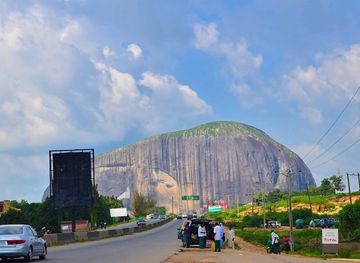
Looking beyond Kanem-Bornu? Discover Nigeria for broader travel guides, local hot-spots, and regional highlights.
Explore NigeriaKanem-Bornu in Photos
Browse through our photo collection highlighting the charm and character of the destination.


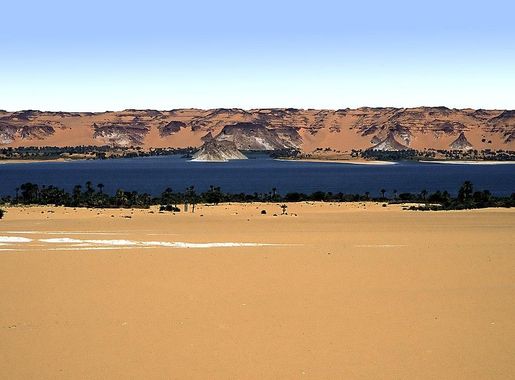


Kanem-Bornu: The Cradle of West African Civilization
Kanem-Bornu, located in the northeastern part of Nigeria, is a destination steeped in history and cultural heritage. As one of the oldest kingdoms in West Africa, Kanem-Bornu offers a unique glimpse into the rich past of the region. Visitors can explore ancient ruins, traditional villages, and vibrant markets that tell the story of a once-powerful empire. The region is also known for its stunning natural beauty, with vast deserts and the scenic Lake Chad. Adventure seekers can enjoy camel rides through the desert, while nature lovers can explore the diverse wildlife around Lake Chad. The local cuisine, rich in flavors and spices, provides an authentic taste of the region’s culinary traditions. Kanem-Bornu is not just a historical and natural treasure; it is also a place where visitors can experience the warmth and hospitality of the local people. The culture here is a blend of ancient traditions and modern influences, making it a fascinating destination for anyone interested in West African history and culture.