

Free North East Travel Guide & Mobile App
Explore North East with free travel guides. Discover regional history, expert tips, proposed trips, and audio guides on web or mobile app.


North East Nigeria combines Kanem-Bornu heritage, highland landscapes, wildlife reserves and diverse cultures across six widely contrasting states.
Read more about North East
When is the best time to visit North East?
Best: March, October–November · 23–27°C| Month | High (°C) | Rainfall (mm) |
|---|---|---|
| January | 20 | 20 |
| February | 21 | 25 |
| March (best) | 24 | 30 |
| April | 27 | 35 |
| May | 29 | 40 |
| June | 31 | 45 |
| July | 30 | 50 |
| August | 30 | 55 |
| September | 29 | 50 |
| October (best) | 27 | 40 |
| November (best) | 23 | 30 |
| December | 19 | 25 |
Getting to and around North East
How to get there
Transportation
Top city travel guides in North East
The cities of North East, and the easiest places to base yourself.
-

-

-

-

-

-


Swipe for more cities
Destinations in North East
Resorts, valleys and scenic spots worth a trip of their own.
-

-
 Kajuru Castle
 in Nigeria offers medieval-style architecture, hilltop views, Kaduna heritage and a distinctive rural escape near Kaduna city for curious visitors.
Kajuru Castle
Kajuru Castle in Nigeria offers medieval-style architecture, hilltop views, Kaduna heritage and a distinctive rural escape near Kaduna city for curious visitors.
-

-

-

-


Swipe for more destinations
Best attractions in North East
North East Nigeria's attractions range from wildlife and mountain landscapes to historic cities and living cultural sites. Yankari National Park in Bauchi is the region's most established visitor destination, combining woodland savanna, game-viewing opportunities and the Wikki Warm Spring. Gashaka-Gumti National Park, across parts of Taraba and Adamawa, offers a far wilder setting of forest, steep country, rivers and exceptional bird and primate habitat, but access is remote and requires careful preparation. Gombe National Park and the Tula Plateau add forest-edge and highland experiences in Gombe State. The Sukur Cultural Landscape in Adamawa is important for its terraced fields, stone structures and continuing cultural traditions. State capitals provide markets, museums or civic institutions where available, while rural areas reveal farming landscapes, seasonal waterways and craft traditions. Attractions in Borno and Yobe should be approached with particular caution because security conditions may restrict travel, access and photography. Across the region, experienced local guides are more than a convenience: they are essential for navigating distances, permissions, environmental conditions and rapidly changing travel advice.
-
National park
Yankari Game Reserve
Discover the enchanting beauty and rich biodiversity of Yankari Game Reserve, Nigeria's premier national park for wildlife and nature enthusiasts.
-
Park
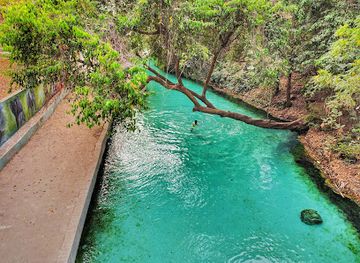
Tashan Dukku
Discover Tashan Dukku Park in Gombe, a lush escape for nature lovers and a cultural hub that embodies the spirit of Nigeria.
-
Mosque
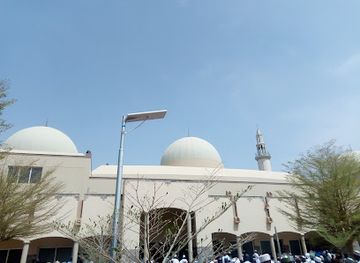
Bubayero Central Mosque Gombe
Explore the architectural beauty and spiritual significance of Bubayero Central Mosque, Gombe's iconic tourist attraction and a center of community life.
-
Historical place
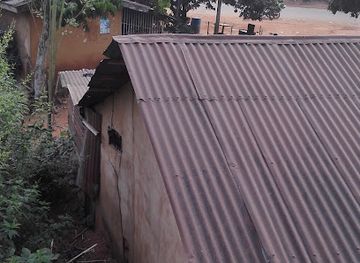
Eze Nri Monument
Explore the Eze Nri Monument, a historical gem showcasing the rich heritage and cultural significance of the Nri Kingdom in Nigeria.

Best landmarks in North East
The Sukur Cultural Landscape in Adamawa is North East Nigeria's most internationally recognised heritage landmark. Its terraces, drystone walls, stone buildings and mountain setting express a long relationship between agriculture, architecture and community life, and its UNESCO World Heritage status reflects that cultural importance. Bauchi's historic emirate institutions and traditional urban fabric represent another strand of regional identity, although individual buildings and access arrangements should be checked locally. Around Yola and the Benue valley, the combination of river plains and upland horizons provides a geographical landmark landscape rather than a single monumental site. The rugged escarpments and forested mountains of Gashaka-Gumti form one of Nigeria's most significant natural landmarks, while the open savanna around Yankari gives Bauchi its strongest visual identity. In Gombe State, the Tula Plateau and surrounding hills mark the transition from the northern plains to the more elevated country south and east. Historic sites in Borno and Yobe are important to the Kanem-Bornu story, but security conditions mean that access and photography must be verified before any visit.
-
National park
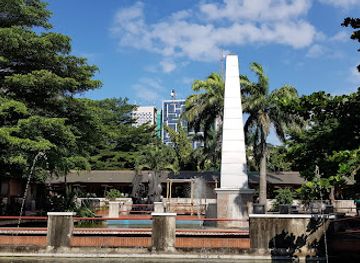
Freedom Park Lagos
Experience the serene beauty and cultural richness of Freedom Park Lagos, a restored national park that celebrates Nigeria's history and natural landscapes.
-
National park
Yankari Game Reserve
Explore Yankari Game Reserve - Nigeria's premier national park brimming with wildlife, natural hot springs, and cultural heritage.
-
Historical landmark
Olumo Rock Tourist Centre
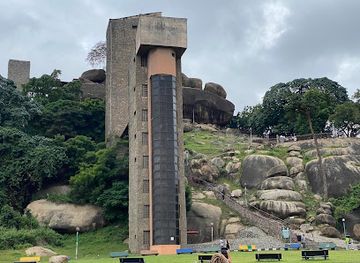
Explore the breathtaking Olumo Rock Tourist Centre, a historical landmark offering stunning views and rich cultural experiences in Abeokuta, Ogun State.
-
 Historical place museum
Jaekel House
Explore the colonial history and cultural heritage of Nigeria at Jaekel House, a must-visit museum in Lagos, showcasing captivating exhibits and architecture.

Explore North East on the map
Plan your trip on one map. See where the top cities, national parks and sights are, and book hotels and experiences in a few clicks.
Best hotels in North East
Best restaurants in North East
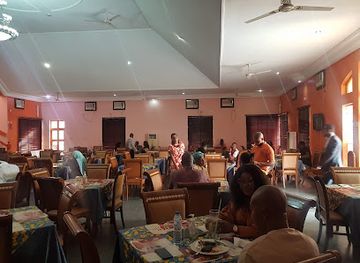
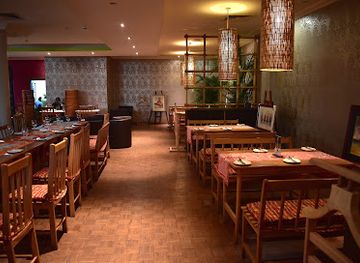
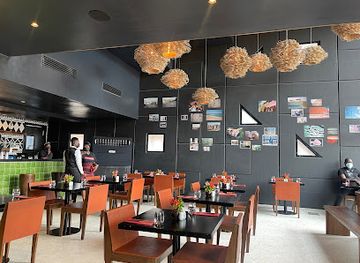
Dining in North East Nigeria is shaped by Sahelian, savanna and Middle Belt ingredients, with strong differences between the Muslim north, the Benue valley and southern highland communities. Urban eateries and hotel restaurants in Bauchi, Gombe, Yola, Jalingo and other larger towns commonly serve rice dishes, beans, grilled meat, soups, stews and pepper-rich sauces, while roadside food culture includes suya, masa, akara and other familiar Nigerian specialities. In Kanuri-influenced areas, millet, sorghum and rice are important staples, and dried or smoked ingredients reflect the climate and long-distance trading traditions. Close to rivers and irrigated farmland, fish, vegetables and grains feature more prominently. Eating options become simpler outside the state capitals, where trusted local restaurants, market stalls and accommodation kitchens are often the practical choices. Ask about ingredients and water, choose busy establishments with good turnover, and carry provisions on journeys to parks, mountain settlements or remote heritage sites.
-
Restaurant
BluCabana Restaurant & Cafe
Experience the vibrant flavors of Mediterranean and Middle Eastern cuisine at BluCabana Restaurant & Cafe in Abuja.
-
West African
Jevinik Restaurant
Experience authentic West African cuisine at Jevinik Restaurant in Abuja – where every dish tells a story.
-
Continental restaurant
Nkoyo
Experience the essence of Nigerian hospitality at Nkoyo - Abuja's premier continental restaurant offering exquisite dishes and vibrant ambiance.
-
African
NOK by Alara
Experience modern African cuisine at NOK by Alara on Victoria Island - where tradition meets innovation in every dish.

Best bars in North East
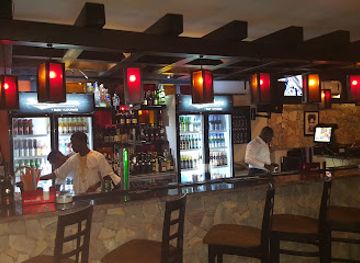
Evening life varies widely across North East Nigeria and is generally more subdued in predominantly Muslim towns and in areas affected by insecurity. In larger cities such as Yola, Bauchi, Gombe and Jalingo, hotel lounges, restaurants, cafés and selected bars provide the most reliable social settings, while live music and local events may be seasonal or dependent on security arrangements. Traditional tea stalls and small food businesses can be more characteristic of evening street life than nightclubs, particularly in northern communities. Maiduguri and other areas affected by conflict should not be approached as conventional nightlife destinations, and curfews or local restrictions may apply. Alcohol is not appropriate in every setting, so visitors should follow local guidance and avoid public drinking where it may cause offence. Confirm current operating conditions locally rather than relying on old online listings.
-
Lounge
Beer Barn Abuja
Discover the vibrant nightlife of Abuja at Beer Barn, a popular lounge and sports bar offering a lively atmosphere and a great selection of drinks.
-
Lounge
Pub69 Lounge
Discover the lively atmosphere of Pub69 Lounge in Abuja – a vibrant bar and grill experience with delicious food and drinks.
-
Bar
W Bar Lounge
Experience the vibrant nightlife of Lagos at W Bar Lounge, where exquisite cocktails meet stunning views in a chic atmosphere.
-
Lounge
Xovar
Discover Xovar, Lekki's top lounge and grill, where vibrant nightlife meets exquisite cuisine and refreshing drinks.


Best nightclubs in North East
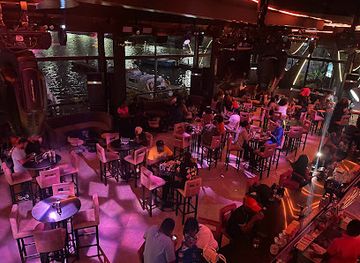
Evening life varies widely across North East Nigeria and is generally more subdued in predominantly Muslim towns and in areas affected by insecurity. In larger cities such as Yola, Bauchi, Gombe and Jalingo, hotel lounges, restaurants, cafés and selected bars provide the most reliable social settings, while live music and local events may be seasonal or dependent on security arrangements. Traditional tea stalls and small food businesses can be more characteristic of evening street life than nightclubs, particularly in northern communities. Maiduguri and other areas affected by conflict should not be approached as conventional nightlife destinations, and curfews or local restrictions may apply. Alcohol is not appropriate in every setting, so visitors should follow local guidance and avoid public drinking where it may cause offence. Confirm current operating conditions locally rather than relying on old online listings.
-
Night club
Tokyo Nightlife Abuja
Experience the exhilarating blend of nightlife and breakfast at Tokyo Nightlife Abuja, where vibrant energy meets delightful flavors.
-
Night club
Avatar Hush Lounge and Nightclub
Discover the pulsating nightlife at Avatar Hush Lounge and Nightclub in Abuja, where music, dance, and great cocktails await!
-
Lounge
Club Envy
Discover the heart of Lagos nightlife at Club Envy, where exquisite dining meets electrifying entertainment in a stylish setting.
-
Night club
Club Quilox
Dive into the electrifying nightlife of Lagos at Club Quilox, where luxury meets rhythm in the heart of Victoria Island.




Best shops in North East
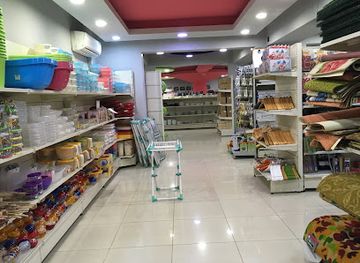
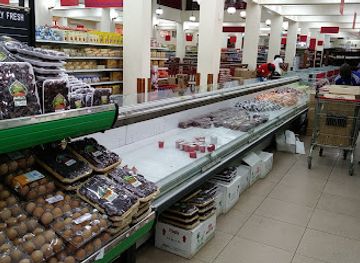
Shopping is centred on the markets and high streets of the state capitals, where visitors can find fabrics, clothing, leather goods, household wares, grains, spices and locally produced foods. Yola and Jalingo are useful bases for exploring Adamawa and Taraba craft traditions, while Bauchi and Gombe serve broad agricultural hinterlands with busy produce markets. In Kanuri areas, textiles, embroidered garments and leatherwork reflect the region's Sahelian connections, although quality and provenance vary between sellers. Small-scale craft products, woven items, baskets and foodstuffs are more likely to be found through established markets or cultural centres than in dedicated tourist shops. Bargaining may be customary in open markets but should remain courteous and proportionate. Avoid purchasing archaeological objects, wildlife products or antiquities without clear legal provenance, and remember that some market locations and photography rules may be restricted for security reasons.
-
Shopping mall
Dunes Center
Explore the Dunes Center in Abuja: A shopping mall that blends luxury and local culture with unique boutiques, dining options, and delightful experiences.
-
Department store
Exclusive Stores
Explore Exclusive Stores in Abuja for a unique fusion of luxury shopping and authentic Nigerian culture, perfect for every tourist.
-
National park
Yankari Game Reserve
Explore the breathtaking wonders of Yankari Game Reserve, Nigeria's premier national park, rich in wildlife and natural hot springs.
-
Women's clothing store
Acorns n Gold Boutiques
Discover the latest in women's fashion at Acorns n Gold Boutiques, Abuja's premier destination for stylish clothing and accessories.
Get your free copy of our complete guide to North East, delivered straight to you.
Everything on this page, from attractions and restaurants to essentials and local phrases, in one PDF you can read offline, print or share.
Already have an account? Sign in
Your North East guide is ready.
We'll send it to · Not you? Sign out

Getting your guide ready…
We are putting together a fresh copy of the North East guide. This can take up to a minute.
This can take a few moments. If your browser asks, choose Allow so the download can start. You'll find the guide in your Downloads folder.
Nothing happened? Download it again
Sorry, the guide is taking longer than usual. Please try again in a minute, or get it by email instead.
North East essentials
Currency and Payment
Safety
Emergency Situations
Do's and Don'ts
Local Tips
From Eve
Local phrases worth knowing
You don't need to get them perfect. A few words go a long way, and locals appreciate the effort.
Basics
| English | Local | Say it |
|---|---|---|
| Hello | Sannu | [sahn-noo] |
| Goodbye | Sai an jima | [sigh ahn jee-mah] |
| Yes | Eh | [eh] |
| No | A'a | [ah-ah] |
| Please/You're welcome | Don Allah | [dohn ah-lah] |
| Thank you | Nagode | [nah-goh-deh] |
| Excuse me/Sorry | Yi hakuri | [yee hah-koo-ree] |
| How are you? | Lafiya lau? | [lah-fee-yah lah-oo] |
| Fine. And you? | Lafiya. Kai fa? | [lah-fee-yah. kah-ee fah?] |
| Do you speak English? | Shin kuna magana da Turanci? | [sheen koo-nah mah-gah-nah dah too-rah-nee] |
| I don't understand | Ban fahimta ba | [bahn fah-heem-tah bah] |
Eating & Drinking
| English | Local | Say it |
|---|---|---|
| I'd like to see the menu, please | Zan so ganin menu, don Allah | [zah-n soh gah-neen meh-noo, dohn ah-lah] |
| I don't eat meat | Ban ci nama | [bahn chee nah-mah] |
| Cheers! | Lafiya | [lah-fee-yah] |
| I would like to pay, please | Zan so in biya, don Allah | [zah-n soh een bee-yah, dohn ah-lah] |
Emergencies
| English | Local | Say it |
|---|---|---|
| Help! | Taimako! | [tie-mah-koh] |
| Go away! | Tafi! | [tah-fee] |
| Call the Police! | Kira 'yan sanda! | [kee-rah yan sahn-dah] |
| Call a doctor! | Kira likita! | [kee-rah lee-kee-tah] |
| I'm lost | Na bace | [nah bah-cheh] |
| I'm ill | Ina rashin lafiya | [ee-nah rah-sheen lah-fee-yah] |
Shopping
| English | Local | Say it |
|---|---|---|
| I'd like to buy... | Zan so in sayi... | [zah-n soh een sah-yee] |
| I'm just looking | Ina kallon ne kawai | [ee-nah kah-lon neh kah-wah-ee] |
| How much is it? | Nawa ne? | [nah-wah neh?] |
| That's too expensive | Wannan yana da tsada | [wah-nahn yah-nah dah tsah-dah] |
| Can you lower the price? | Za ka iya rage farashi? | [zah kah ee-yah rah-geh fah-rah-shee] |
Time & Numbers
| English | Local | Say it |
|---|---|---|
| What time is it? | Wanne lokaci ne? | [wah-neh loh-kah-cheh neh?] |
| It's one o'clock | Karfe daya | [kar-feh dah-yah] |
| Half past (10) | Rabi (10) | [rah-bee (ten)] |
| Morning | Safiya | [sah-fee-yah] |
| Afternoon | Yamma | [yah-mah] |
| Evening | Yamma | [yah-mah] |
| Yesterday | Jiya | [jee-yah] |
| Today | Yau | [yah-oo] |
| Tomorrow | Gobe | [goh-beh] |
| 1 | Daya | [dah-yah] |
| 2 | Biyu | [bee-yoo] |
| 3 | Uku | [oo-koo] |
| 4 | Hudu | [hoo-doo] |
| 5 | Biyar | [bee-yahr] |
| 6 | Shida | [shee-dah] |
| 7 | Bakwai | [bah-kwah-ee] |
| 8 | Takwas | [tah-kwahs] |
| 9 | Tara | [tah-rah] |
| 10 | Goma | [goh-mah] |
Transport & Directions
| English | Local | Say it |
|---|---|---|
| Where's a/the...? | Ina ...? | [ee-nah ...?] |
| What's the address? | Menene adireshin? | [meh-neh-neh ah-dee-reh-sheen?] |
| Can you show me (on the map)? | Za ka iya nuna mini (a taswirar)? | [zah kah ee-yah noo-nah mee-nee (ah tah-swee-rah)?] |
| When's the next (bus)? | Yaushe za a kawo (bas)? | [yow-sheh zah ah kah-woh (bahs)?] |
| A ticket (to ....) | Tikit (zuwa ...) | [tee-keet (zoo-wah ...)] |
History of North East
Early Sahelian and Highland Communities
The region has a long archaeological and cultural history shaped by farming, herding, ironworking and movement between the Sahel, the Benue valley and the central highlands. Around the Lake Chad basin, early communities developed ways of living with seasonal flooding and dryland conditions, while upland societies built terraced fields and defended settlements. The precise history of many communities remains preserved chiefly through oral traditions, material culture and living landscapes. These older patterns help explain the region's extraordinary linguistic and cultural variety, as well as the contrast between open northern plains and densely settled southern highlands.
Kanem-Bornu and Trans-Saharan Networks
From the medieval period, the Kanem-Bornu empire became one of the major political powers of the central Sudan, with influence extending around Lake Chad and across parts of present-day Nigeria, Niger, Chad and Cameroon. Its rulers supported Islamic scholarship, administration and long-distance commerce, while trade routes connected the basin with North Africa and the wider Sahel. The Bornu tradition remains particularly important in Borno, where Kanuri identity, Islamic learning and royal institutions continue to shape cultural life. Conflict and insecurity have restricted access to some historic places, but the region's historical importance is still visible in its traditions and urban stories.
Islamic Scholarship and the Emirate Era
The nineteenth century brought major political change as reform movements and expanding emirates reshaped northern Nigeria. Bauchi became an important emirate centre, while Islamic institutions, courts, markets and systems of taxation influenced towns and rural communities across the zone. The resulting political geography was never uniform: older kingdoms, chiefdoms and autonomous communities continued to exist alongside emirate authority, particularly in the highlands and Benue valley. Historic palaces, mosques, market traditions and patterns of settlement reflect this layered history, although many buildings have been altered or rebuilt over time.
Colonial Rule and New Administrative Boundaries
British conquest and administration in the early twentieth century brought the territories of the region into the framework that became northern Nigeria and later the Nigerian federation. Colonial officials governed through a mixture of emirate institutions, appointed authorities and indirect rule, while roads, schools, taxation and new administrative centres changed patterns of movement and commerce. Southern highland communities often experienced colonial power differently from the Muslim emirates of the north. The boundaries of today's six North East states are modern arrangements and should not be mistaken for the older cultural or historical territories of the region's many peoples.
Agriculture, Dams and Urban Growth
After independence, irrigation, road building, public administration and expanding regional cities became major forces of change. The Benue and Gongola river systems support farming, while schemes such as the Kiri Dam in Adamawa and Tiga-related water networks beyond the zone reflect wider efforts to manage northern Nigeria's seasonal climate. Yola, Bauchi, Gombe, Jalingo and Maiduguri developed as administrative, educational and commercial centres, each drawing on different regional hinterlands. Population growth and environmental pressure have also increased competition over land and water, especially where farming and pastoral movement overlap.
Conflict and Humanitarian Displacement in the Lake Chad Region
Since the late 2000s, Boko Haram insurgency and related armed violence have profoundly affected Borno, Yobe and parts of neighbouring states. Maiduguri became a major centre for displaced people and humanitarian activity, while attacks and insecurity disrupted farming, trade, education and access to heritage sites. The conflict has regional dimensions extending across the Lake Chad basin and has caused severe civilian suffering. Conditions differ by district and can change quickly; visitors should not treat the whole zone as having a single security profile, but neither should they underestimate the risks in affected areas.
Contemporary Cultural and Environmental Renewal
Alongside serious security and development challenges, communities, conservation bodies, cultural organisations and public institutions continue working to protect landscapes and sustain local economies. Yankari, Gashaka-Gumti, Sukur and other sites illustrate the relationship between heritage, biodiversity and livelihoods. Craft production, farming, regional markets, music and religious scholarship remain important parts of daily life. Contemporary North East Nigeria is therefore not defined only by its past or by conflict: it is also a region of active cultural adaptation and efforts to strengthen conservation, education and local enterprise.
North East in Photos
Browse through our photo collection highlighting the charm and character of the destination.
Neighbouring regions of North East
The closest regions to North East, if you have time for more than one.
-

-

-

-

-


Swipe for more regions
Explore more
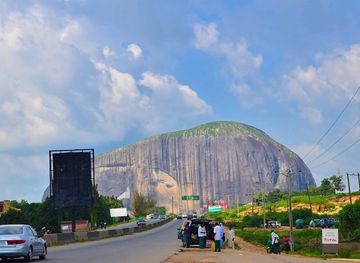
Explore more of Nigeria
Discover Nigeria: A Land of Vibrant Cultures, Stunning Landscapes, and Rich History in the Heart of Africa.
Explore Nigeria