

Free South West Travel Guide & Mobile App
Explore South West with free travel guides. Discover regional history, expert tips, proposed trips, and audio guides on web or mobile app.


Explore South West Nigeria for Lagos energy, Yoruba heritage, forested hills, historic towns, sacred landscapes and distinctive regional food.
Read more about South West
When is the best time to visit South West?
Best: December–February · 31–32°C| Month | High (°C) | Rainfall (mm) |
|---|---|---|
| January (best) | 31 | 4 |
| February (best) | 32 | 4 |
| March | 33 | 5 |
| April | 34 | 6 |
| May | 33 | 8 |
| June | 33 | 9 |
| July | 32 | 10 |
| August | 32 | 9 |
| September | 32 | 9 |
| October | 32 | 7 |
| November | 32 | 5 |
| December (best) | 31 | 4 |
Getting to and around South West
How to get there
Transportation
Top city travel guides in South West
The cities of South West, and the easiest places to base yourself.
-

-

-

-

-

-


Swipe for more cities
Destinations in South West
Resorts, valleys and scenic spots worth a trip of their own.
-

-

-

-


Swipe for more destinations
Best attractions in South West
South West Nigeria offers a varied mix of urban culture, Yoruba heritage, sacred landscapes and outdoor settings. Lagos provides museums, galleries, waterfront districts, markets, music and contemporary creative life, while the historic town of Badagry, also in Lagos State, interprets the region's coastal and Atlantic past. Abeokuta's Olumo Rock combines a geological landmark with stories of settlement and defence, and Ibadan rewards visitors interested in civic history, literary culture and expansive city views. In Osun State, the Osun-Osogbo Sacred Grove is both a religious landscape and an important centre of contemporary Yoruba art. Ile-Ife's museums and heritage institutions explore the city's archaeological and royal traditions. Ondo and Ekiti offer forested hills, waterfalls and rural landscapes, including the dramatic setting of Idanre Hills. Across the region, markets, palace compounds, cultural festivals and food districts add local texture, while Lagos and Ibadan provide the broadest choice of galleries, performance spaces and family-oriented attractions. Outdoor visits are best planned with local guidance because access, weather, road conditions and site arrangements vary considerably.
-
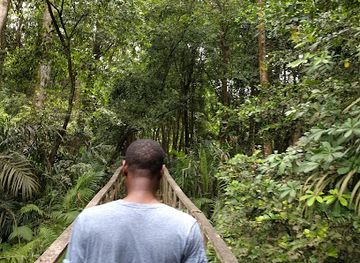
Nature preserve
Lekki Conservation Centre
Explore the rich biodiversity and breathtaking views at Lekki Conservation Centre, a premier nature preserve in Lagos, Nigeria.
-
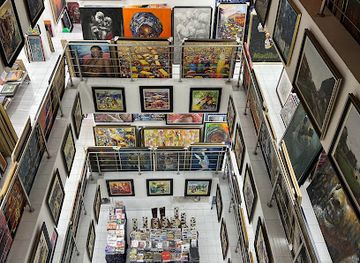
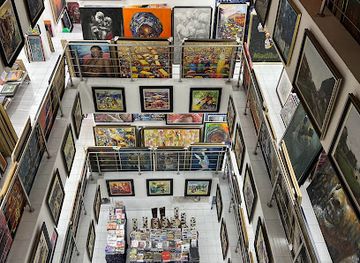
Art gallery
Nike Art Gallery
Discover the heart of Nigerian art at Nike Art Gallery in Lekki, showcasing vibrant collections of traditional and contemporary masterpieces.
-
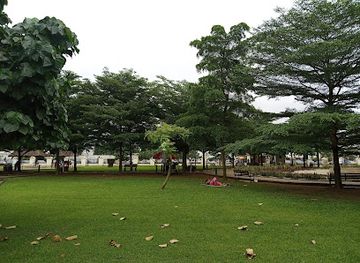
Park
Ndubuisi Kanu Park
Discover the tranquility and beauty of Ndubuisi Kanu Park, a lush urban oasis in Ikeja, Lagos, perfect for relaxation and outdoor activities.
-
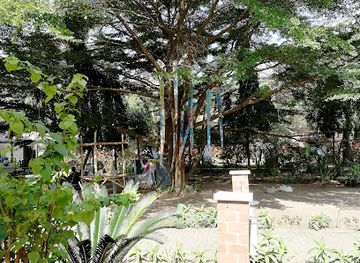
National park
Freedom Park Lagos
Explore the historical and cultural richness of Freedom Park Lagos, a serene national park blending history, nature, and vibrant local culture.
Best landmarks in South West
The most recognisable landmarks of South West Nigeria express its geology, royal history, sacred traditions and modern urban development. Olumo Rock rises above Abeokuta and is closely associated with the city's Egba founders and defensive past. The Osun-Osogbo Sacred Grove is a major cultural landmark: its riverine forest, shrines and sculptures form a living religious environment rather than a conventional monument. Idanre Hills in Ondo State combine steep granite scenery with the remains and traditions of the historic settlement on the heights. Ile-Ife's palace and museum landscape reflects the city's importance in Yoruba history and kingship, while the old Oyo area preserves the setting of a former imperial centre. In Lagos, landmarks include the historic Brazilian-influenced architecture of parts of Lagos Island, colonial-era civic buildings and the long-established commercial waterfront. Ibadan's Mapo Hall, set above the old city, is a prominent civic symbol, and Cocoa House records the importance of agricultural wealth and postcolonial regional ambition.
-
 Hotel
HotelLagos Continental Hotel
Experience unparalleled luxury and breathtaking views at Lagos Continental Hotel, a premier destination on Victoria Island, Lagos.
-
Nature preserve
Lekki Conservation Centre
Explore the enchanting Lekki Conservation Centre, a stunning nature preserve showcasing Nigeria's rich biodiversity and breathtaking landscapes.
-
Art gallery
Nike Art Gallery
Explore the vibrant world of Nigerian art at the Nike Art Gallery in Lekki, showcasing unique pieces and cultural heritage.
-
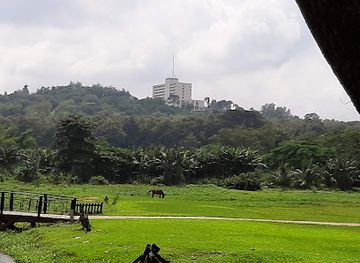
Breakfast
Dache foods
Experience the perfect blend of delicious breakfast and serene nature at Dache Foods in Agodi Gardens, Ibadan.

Explore South West on the map
Plan your trip on one map. See where the top cities, national parks and sights are, and book hotels and experiences in a few clicks.
Best hotels in South West
Best restaurants in South West
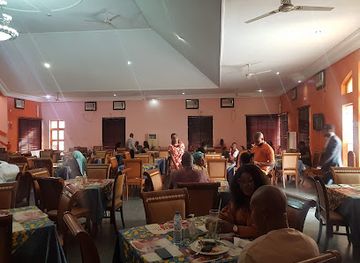
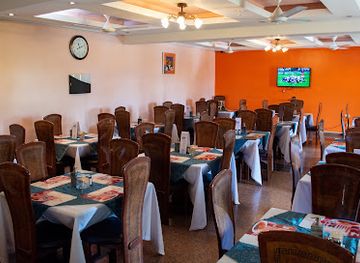
The region's food culture is grounded in Yoruba cooking while reflecting the cosmopolitan influence of Lagos and the migration of people from across Nigeria. Amala with ewedu and gbegiri, pounded yam with vegetable or meat-based soups, Ofada rice with its peppery sauce, beans, plantain and grilled meats are widely encountered, though preparation differs between states and households. Lagos adds extensive seafood, international dining and contemporary Nigerian cuisine, while smaller towns are known for busy bukas, cafés, market stalls and family-run eateries rather than formal dining rooms. Roadside roasted plantain, corn and other snacks are common in season, and cocoa-growing districts connect the region to one of its important agricultural products. Explore food markets and established local restaurants with guidance, especially when ordering unfamiliar soups or very hot pepper sauces. Hotels and larger urban restaurants generally provide the most predictable choice for visitors with specific dietary needs.
-
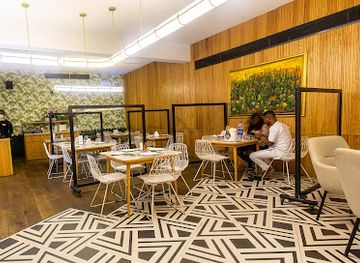
Restaurant
Cactus Restaurant
Discover the vibrant flavors of Lagos at Cactus Restaurant - your go-to spot for breakfast and bakery delights on Victoria Island.
-
American
Hard Rock Cafe
Discover American cuisine and rock 'n' roll culture at Hard Rock Cafe Lagos - a vibrant dining destination in Nigeria.
-
West African
Jevinik Restaurant
Experience authentic West African cuisine at Jevinik Restaurant in Abuja – where tradition meets flavor in every dish.
-
Restaurant
Jevinik Place
Discover authentic Nigerian cuisine at Jevinik Place in Ikeja - where tradition meets modern dining.
Best bars in South West
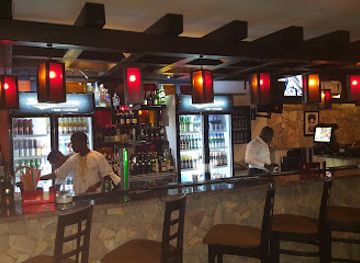
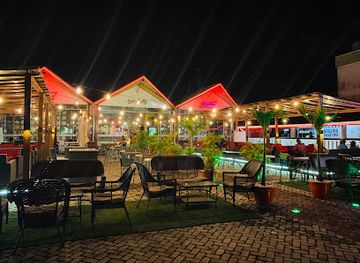
Evening life varies sharply across the region. Lagos has the southwest's broadest choice of cocktail bars, lounges, breweries, restaurants, live-music venues, comedy rooms and nightclubs, with activity concentrated in busy entertainment areas rather than a single district. Ibadan and other university and commercial cities offer pubs, lounges, cultural venues and music spaces, while evenings in Abeokuta, Osogbo, Akure and smaller towns tend to centre on restaurants, neighbourhood bars, hotels and live performances. Traditional pubs and social drinking spots are part of the landscape, but visitors can also experience nightlife through food, theatre, music, galleries and cultural events. Check venue details locally, use trusted transport after dark and remember that opening arrangements and the character of particular areas can change.
-
American
Hard Rock Cafe
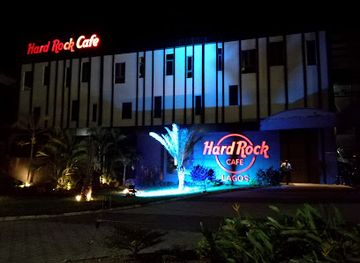
Explore the lively Hard Rock Cafe Lagos, where American flavors meet vibrant local culture amidst iconic rock memorabilia.
-
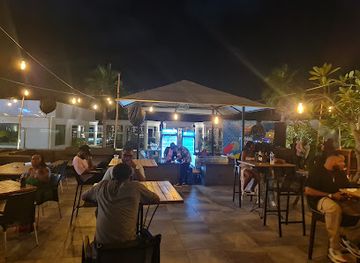
Restaurant
Sailors Lounge | Restaurant | Lounge | Bar in Lekki Lagos
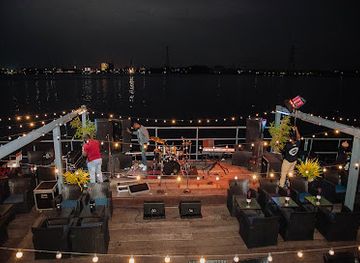
Discover the perfect blend of dining and relaxation at Sailors Lounge in Lekki, Lagos - a culinary haven for tourists.
-
Lounge
Beer Barn Abuja
Experience the vibrant nightlife at Beer Barn Abuja, a premier lounge and sports bar with great drinks and lively entertainment in Nigeria's capital.
-
Bar
Sidewalk Lounge
Experience the vibrant nightlife of Lagos at Sidewalk Lounge, where exquisite drinks and delicious food meet a lively atmosphere.
Best nightclubs in South West
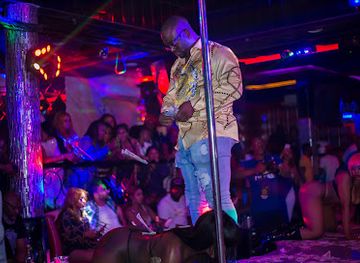
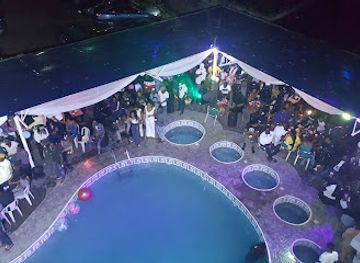
Evening life varies sharply across the region. Lagos has the southwest's broadest choice of cocktail bars, lounges, breweries, restaurants, live-music venues, comedy rooms and nightclubs, with activity concentrated in busy entertainment areas rather than a single district. Ibadan and other university and commercial cities offer pubs, lounges, cultural venues and music spaces, while evenings in Abeokuta, Osogbo, Akure and smaller towns tend to centre on restaurants, neighbourhood bars, hotels and live performances. Traditional pubs and social drinking spots are part of the landscape, but visitors can also experience nightlife through food, theatre, music, galleries and cultural events. Check venue details locally, use trusted transport after dark and remember that opening arrangements and the character of particular areas can change.
-
Disco club
Silverfox - Luxury Adult Entertainment Club
Discover the allure of Silverfox, Lagos' premier luxury adult entertainment club offering unforgettable nightlife and extraordinary performances.
-
Night club
Vaniti Lagos
Discover the electrifying nightlife of Vaniti Lagos, where upscale ambiance meets unforgettable entertainment in the heart of Victoria Island.
-
Bar
360 Lounge N Bar
Experience the vibrant nightlife of Ibadan at 360 Lounge N Bar, where great drinks and a lively atmosphere await.
-
Golf course
IITA Golf Course
Experience the lush landscapes and challenging holes at the IITA Golf Course, a premier golfing destination in Nigeria's vibrant natural setting.

Best shops in South West
Shopping in South West Nigeria ranges from modern Lagos retail and design studios to open markets and specialist food trading in smaller towns. Lagos offers the widest selection of fashion, art, books, crafts, jewellery, homeware and Nigerian-made contemporary products, with major commercial centres and independent boutiques serving different budgets. Ibadan, Abeokuta, Akure, Osogbo and other state capitals are better suited to market browsing, fabrics, clothing, household goods, carved objects and regional produce than to luxury retail. Visitors may find cocoa and other farm products, locally made textile items, leather goods, woven baskets, artworks and Yoruba-inspired souvenirs, although quality and authenticity vary. Ask permission before photographing stalls or craftspeople, negotiate courteously where bargaining is normal and carry small naira notes for markets. For valuable art or antiques, use established sellers and request documentation rather than removing cultural objects of uncertain provenance.
-
Department store
Exclusive Stores
Discover a vibrant shopping haven at Exclusive Stores in Abuja, blending local culture with modern retail experiences for every traveler.
-
Women's clothing store
Acorns n Gold Boutiques
Explore Acorns n Gold Boutiques in Abuja for a unique blend of local and contemporary women's fashion that inspires every style.
-
Shopping mall
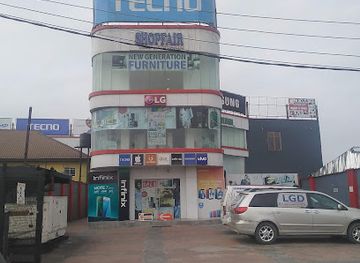
Shopfair Nigeria Limited
Explore the vibrant shopping scene at Shopfair Nigeria Limited in Ughelli, a hub for fashion, electronics, and local delights.
-
Interior designer
Horlar Interiors
Discover the art of interior design at Horlar Interiors, where creativity meets quality in home improvement and decoration.
Get your free copy of our complete guide to South West, delivered straight to you.
Everything on this page, from attractions and restaurants to essentials and local phrases, in one PDF you can read offline, print or share.
Already have an account? Sign in
Your South West guide is ready.
We'll send it to · Not you? Sign out

Getting your guide ready…
We are putting together a fresh copy of the South West guide. This can take up to a minute.
This can take a few moments. If your browser asks, choose Allow so the download can start. You'll find the guide in your Downloads folder.
Nothing happened? Download it again
Sorry, the guide is taking longer than usual. Please try again in a minute, or get it by email instead.
South West essentials
Currency and Payment
Safety
Emergency Situations
Do's and Don'ts
Local Tips
From Eve
Local phrases worth knowing
You don't need to get them perfect. A few words go a long way, and locals appreciate the effort.
Basics
| English | Local | Say it |
|---|---|---|
| Hello | Bawo | [Bah-woh] |
| Goodbye | O dabọ | [Oh dah-boh] |
| Yes | Bẹẹni | [Beh-eh-nee] |
| No | Rara | [Rah-rah] |
| Please/You're welcome | Jọwọ | [Joh-wah] |
| Thank you | E se | [Eh seh] |
| Excuse me/Sorry | E ma binu | [Eh mah bee-noo] |
| How are you? | Bawo ni? | [Bah-woh nee] |
| Fine. And you? | Dara. I nko? | [Dah-rah. Ee noh-koh?] |
| Do you speak English? | Ṣe o sọ Gẹ̀ẹ́sì? | [Sheh oh saw Geh-eh-see?] |
| I don't understand | Mi o ye | [Mee oh yeh] |
Eating & Drinking
| English | Local | Say it |
|---|---|---|
| I'd like to see the menu, please | Mo fẹ́ rí àtẹ̀jáde, jọwọ | [Moh feh ree ah-teh-jah-deh, joh-wah] |
| I don't eat meat | Mi o jẹ́ ẹran | [Mee oh jeh eh-rah-n] |
| Cheers! | Iwọn àyọ̀! | [Ee-won ah-yoh!] |
| I would like to pay, please | Mo fẹ́ san, jọwọ | [Moh feh sahn, joh-wah] |
Emergencies
| English | Local | Say it |
|---|---|---|
| Help! | I ran! | [Ee rahn!] |
| Go away! | Lọ kúrò! | [Law koo-roh!] |
| Call the Police! | Pe ọlọ́pàá! | [Pe oh-loh-pah!] |
| Call a doctor! | Pe dókítà! | [Pe doh-kee-tah!] |
| I'm lost | Mo sọnù | [Moh soh-noo] |
| I'm ill | Mo sick | [Moh seek] |
Shopping
| English | Local | Say it |
|---|---|---|
| I'd like to buy... | Mo fẹ́ ra... | [Moh feh rah...] |
| I'm just looking | Mo n wo nikan | [Moh n woh nee-kahn] |
| How much is it? | Elo ni? | [Eh-loh nee?] |
| That's too expensive | Iyẹn jẹ́ ọlọ́rọ̀ púpọ̀ | [Ee-yen jeh oh-loh-roh poo-poh] |
| Can you lower the price? | Ṣe o le dinku owo? | [Sheh oh leh deen-koo oh-woh?] |
Time & Numbers
| English | Local | Say it |
|---|---|---|
| What time is it? | Kini akoko? | [Key-nee ah-koh-koh?] |
| It's one o'clock | O jẹ́ wáà kan | [Oh jeh wah-kan] |
| Half past (10) | Aarin mẹ́wàá | [Ah-reen meh-wah] |
| Morning | Òwúrọ̀ | [Oh-woo-roh] |
| Afternoon | Ọsan | [Oh-sahn] |
| Evening | Iṣéjù | [Ee-sheh-joo] |
| Yesterday | Ana | [Ah-nah] |
| Today | Loni | [Loh-nee] |
| Tomorrow | Ọjọ́ tí ń bọ | [Oh-joh tee n boh] |
| 1 | Ọkan | [Oh-kahn] |
| 2 | Méjì | [Meh-jee] |
| 3 | Mẹ́ta | [Meh-tah] |
| 4 | Mẹ́rin | [Meh-reen] |
| 5 | Màrùn-ún | [Mah-roon-oon] |
| 6 | Mẹ́fa | [Meh-fah] |
| 7 | Mẹ́ta | [Meh-tah] |
| 8 | Mẹ́jọ | [Meh-joh] |
| 9 | Mẹ́san | [Meh-sahn] |
| 10 | Mẹ́wàá | [Meh-wah] |
Transport & Directions
| English | Local | Say it |
|---|---|---|
| Where's a/the...? | Nibo ni...? | [Nee-boh nee...?] |
| What's the address? | Kini adirẹsi? | [Key-nee ah-dee-reh-see?] |
| Can you show me (on the map)? | Ṣe o le fihan mi (lori maapu)? | [Sheh oh leh fee-hahn mee (loh-ree mah-ah-poo)?] |
| When's the next (bus)? | Nigbawo ni (bọọs) tó n bọ? | [Nee-bah-woh nee (boh-ors) toh n boh?] |
| A ticket (to ....) | Tiketi (sí ....) | [Tee-keh-tee (see ....)] |
History of South West
Early Ife and Yoruba Artistic Traditions
Ile-Ife occupies a central place in the history and religious imagination of the Yoruba world. Archaeological evidence from the wider Ife area points to a long-established urban society, while the region became renowned for highly accomplished terracotta and copper-alloy sculpture, especially during the second millennium. These works demonstrate sophisticated technical knowledge and a complex courtly culture. Ife remains associated with origin traditions, kingship and sacred geography, and its historical importance extends well beyond the boundaries of present-day Osun State. Museums and archaeological collections provide the principal setting for interpreting this legacy, although much of its meaning remains connected to living institutions and traditions.
The Oyo Empire and Regional Political Power
From roughly the seventeenth to the late eighteenth century, the Oyo Empire became one of the most influential political powers in the interior of present-day southwestern Nigeria. Its authority rested on a structured system of kingship, military organisation and long-distance exchange, with influence extending across parts of the Yoruba region and beyond. The old imperial capital lay in the Oyo area of present-day Oyo State, where archaeological remains and the landscape around the old settlement help explain the scale of the polity. The empire's political traditions continued to shape Yoruba histories even after its power declined.
Atlantic Commerce, Lagos and Badagry
Coastal settlements in present-day Lagos State became involved in Atlantic commerce from the early modern period, including the profoundly damaging transatlantic slave trade. Lagos, Badagry and other coastal communities later became connected to legitimate trade in commodities such as palm products. Badagry's museums, waterfront sites and historic buildings interpret this difficult history, though visitors should approach the subject with care rather than treating it as a picturesque heritage theme. The growth of Lagos as a port and commercial centre subsequently gave the coast an importance that continues in the city's modern economic and cultural life.
Abeokuta, Missionary Activity and Nineteenth-Century Change
Abeokuta was established in the nineteenth century by Egba communities seeking security amid regional warfare and political upheaval. Its position among granite outcrops contributed to its defensive character, while the settlement later became an important centre for Christian missions, education and commerce. The arrival of missionaries and expanding links with the coast brought new religious institutions, literacy and trading networks, but these developments interacted with existing political structures rather than simply replacing them. The city's rocks, churches, old quarters and civic traditions reflect the layered history of migration, defence, diplomacy and social change.
Colonial Rule and the Railway Age
British colonial control reshaped the southwest through new administrative boundaries, taxation, courts, schools, roads and railways. The railway from Lagos towards Ibadan and the interior strengthened the movement of people and agricultural produce, helping establish Lagos and Ibadan as major commercial centres. Colonial rule also altered existing systems of authority, although Yoruba kings and titled institutions retained varying degrees of local influence. Cocoa, palm produce and other commodities connected the region to international markets, while mission education helped create new professional and political classes. Many civic buildings, transport corridors and urban patterns still reflect this period.
Nationalism, Western Region and Post-Independence Development
The southwest was a major arena of Nigerian nationalist politics before independence in 1960. Ibadan became an important administrative and political centre, and the former Western Region invested in education, broadcasting, publishing, agriculture and public institutions. These developments helped shape the region's reputation for influential schools, newspapers and cultural production, while political competition also produced serious conflicts. After independence, state reorganisation divided the old Western Region into several states, but Lagos, Ibadan, Abeokuta, Ile-Ife and other centres continued to function as linked economic and cultural nodes.
Urbanisation, Industry and Contemporary Cultural Influence
Since the late twentieth century, rapid population growth and economic change have transformed the southwest. Lagos expanded into a vast metropolitan area and became a major centre for finance, technology, film, music, fashion and creative enterprise. Ibadan, Abeokuta and other state capitals also grew through education, manufacturing, commerce and public administration, while rural areas continued to support cocoa, food crops, fishing and other livelihoods. Contemporary Yoruba culture is therefore both locally rooted and globally connected, expressed through film, popular music, design, festivals, religious life and the continuing importance of royal and community institutions.
South West in Photos
Browse through our photo collection highlighting the charm and character of the destination.
Neighbouring regions of South West
The closest regions to South West, if you have time for more than one.
-

-

-

-

-


Swipe for more regions
Explore more
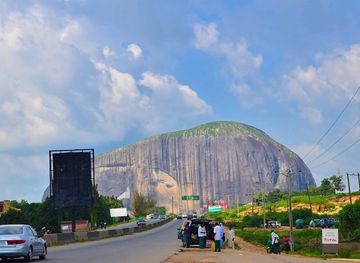
Explore more of Nigeria
Discover Nigeria: A Land of Vibrant Cultures, Stunning Landscapes, and Rich History in the Heart of Africa.
Explore Nigeria