

Free Yoruba Travel Guide & Mobile App
Explore Yoruba with free travel guides. Discover regional history, expert tips, proposed trips, and audio guides on web or mobile app.


Explore Yoruba Nigeria through Lagos, Ile-Ife, Osogbo, Abeokuta and Ibadan, with sacred groves, royal history, hills, markets and distinctive cuisine.
Read more about Yoruba
When is the best time to visit Yoruba?
Best: December–February · 30–31°C| Month | High (°C) | Rainfall (mm) |
|---|---|---|
| January (best) | 30 | 11 |
| February (best) | 31 | 18 |
| March | 32 | 35 |
| April | 33 | 60 |
| May | 32 | 80 |
| June | 32 | 95 |
| July | 31 | 100 |
| August | 31 | 90 |
| September | 31 | 75 |
| October | 31 | 60 |
| November | 31 | 35 |
| December (best) | 30 | 18 |
Getting to and around Yoruba
How to get there
Transportation
Top city travel guides in Yoruba
The cities of Yoruba, and the easiest places to base yourself.
-

-

-

-

-

-


Swipe for more cities
Destinations in Yoruba
Resorts, valleys and scenic spots worth a trip of their own.
-

-

-

-


Swipe for more destinations
Best attractions in Yoruba
Yoruba Nigeria's attractions range from major urban cultural institutions to sacred forests, royal centres and dramatic inland landscapes. Lagos offers galleries, museums, historic districts and contemporary arts venues, although its metropolitan scale and traffic require careful planning. In Abeokuta, Olumo Rock combines a geological landmark with the city's Egba history, while Ibadan provides access to museums, cultural institutions and expansive views across one of Nigeria's largest inland cities. Ile-Ife is central to Yoruba heritage through its museums, palace traditions and archaeological associations. Near Osogbo, the Osun-Osogbo Sacred Grove is both a protected forest and an active religious landscape, with sculptures and shrines integrated into the river environment. Oyo introduces the historical world of the old Oyo Empire, while Idanre offers steep hills, historic settlement remains and broad scenery. Ondo and Ekiti provide additional routes into forest, farming and waterfall country. Outdoor visits are rewarding but can require local guidance, sturdy footwear and flexibility during heavy rain.
-
Public beach
Elegushi Royal Beach Lekki Phase I Lagos
Discover Elegushi Royal Beach in Lagos, where sun-soaked sands meet vibrant culture and unforgettable experiences await every visitor.
-
Tourist attraction
Old Oyo National Park
Explore the rich history and stunning landscapes of Old Oyo National Park, a unique blend of adventure and culture in Nigeria.
-
Zoo
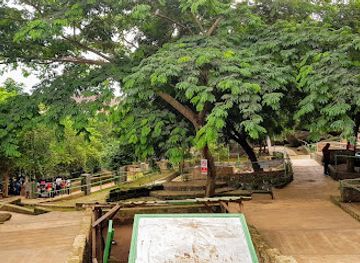
OOPL WILDLIFE PARK
Explore OOPL Wildlife Park in Abeokuta: A wildlife refuge rich in biodiversity, perfect for family outings and nature enthusiasts alike.
-
Tourist attraction
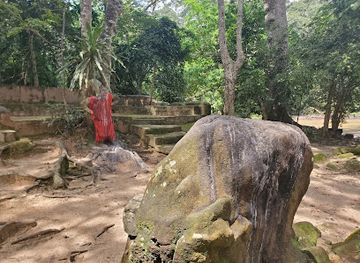
Osun-Osogbo Sacred Grove park and Gardens
Explore the Osun-Osogbo Sacred Grove: a UNESCO World Heritage site blending lush nature with rich Yoruba spiritual heritage.
Best landmarks in Yoruba
Olumo Rock in Abeokuta is one of the region's most recognisable natural and historical landmarks: its granite mass is associated with the refuge of Egba communities during nineteenth-century conflict and remains the defining feature of the city skyline. The Osun River and forest of the Osun-Osogbo Sacred Grove form a landmark cultural landscape where shrines, sculptures and living religious practice are intertwined. Ile-Ife's palace and sacred traditions give the city a significance that extends beyond any single building, while its museum collections and artistic legacy express the authority of the ancient centre. The old Oyo area preserves the historical name of the former empire, although the archaeological landscape should not be confused with the modern town. Idanre Hills, near Akure, provide a striking combination of steep granite ridges, old settlement traces and expansive views. In Lagos, the city's lagoon setting, historic Brazilian-influenced architecture and coastal urban form present a different kind of Yoruba-region landmark, shaped by commerce, migration and modern metropolitan growth.
-
Transportation service
CMS Garage
Discover the bustling energy of CMS Garage in Lagos, a central hub for transport and local culture, perfect for exploring the vibrant city.
-
Park
Tinubu Square
Experience the vibrant culture and lush greenery at Tinubu Square, a must-visit park on Lagos Island for every traveler.
-
Mosque
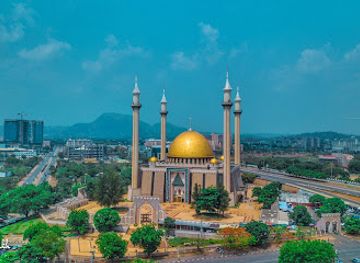
Abuja National Mosque
Explore the grandeur of the Abuja National Mosque, a stunning architectural gem and a vital cultural landmark in Nigeria's capital.
-
National park
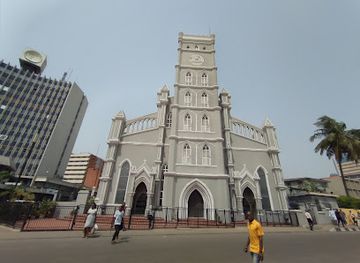
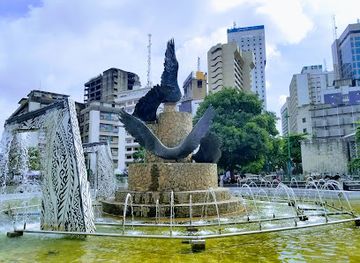
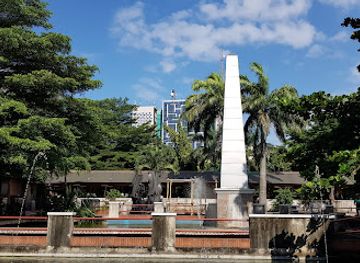
Freedom Park Lagos
Explore Freedom Park Lagos, where history meets nature in a vibrant cultural oasis, perfect for relaxation and cultural immersion.
Explore Yoruba on the map
Plan your trip on one map. See where the top cities, national parks and sights are, and book hotels and experiences in a few clicks.
Best hotels in Yoruba
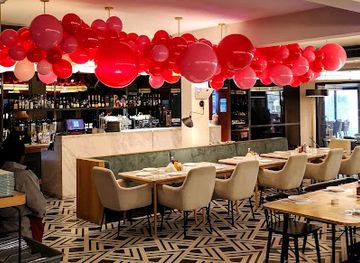
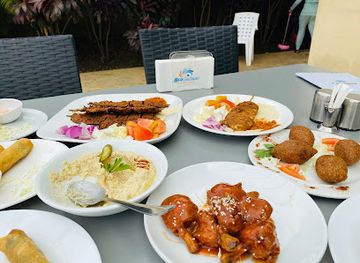
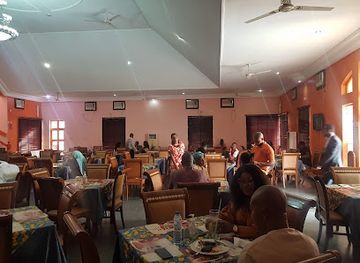
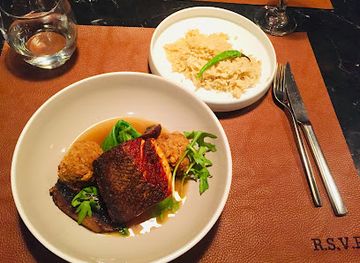
Best restaurants in Yoruba
Food in Yoruba Nigeria is hearty, varied and closely tied to everyday urban and market life. Àmàlà, a soft yam- or cassava-based swallow, is commonly served with gbègìrì, ewédú and richly seasoned stews, while pounded yam, eba, rice, beans and plantain appear widely across the region. Soups and sauces vary between households and towns, so menus often reward asking about the day's preparation rather than expecting a fixed regional formula. Grilled meats, peppered dishes, akara, roasted maize and other street foods are easy to encounter in busy commercial areas, though visitors should choose places with good turnover and visible hygiene. Lagos has the broadest range of contemporary Nigerian and international dining, while Ibadan, Abeokuta, Osogbo and other cities offer local restaurants, cafés, hotel dining rooms and informal food stalls. Markets are useful for seeing the ingredients that underpin Yoruba cooking, including yams, cassava, leafy vegetables, peppers and palm products.
-
Restaurant
Cactus Restaurant
Experience delightful dining at Cactus Restaurant in Victoria Island, Lagos - where exquisite bakery treats meet hearty breakfast options.
-
Restaurant
BluCabana Restaurant & Cafe
Experience exquisite global flavors at BluCabana Restaurant & Cafe - where culinary excellence meets vibrant ambiance.
-
West African
Jevinik Restaurant
Experience authentic West African cuisine at Jevinik Restaurant in Abuja – where every dish tells a story.
-
New American
RSVP restaurant
Discover RSVP Restaurant in Lagos: where New American cuisine meets vibrant nightlife in a stylish setting.
Best bars in Yoruba
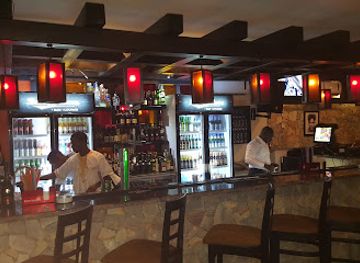
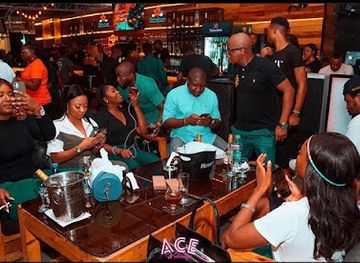
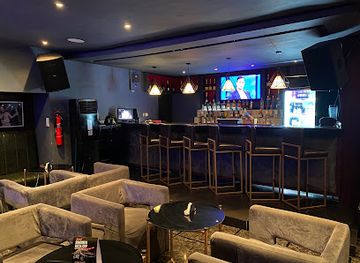
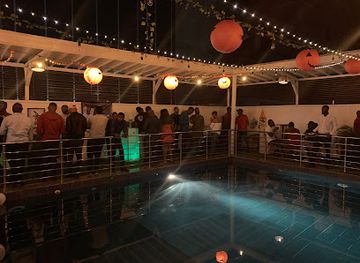
Evening life varies sharply across Yoruba Nigeria. Lagos has the country's most extensive concentration of lounges, live-music venues, restaurants, cocktail bars and clubs, with nightlife spread across a very large metropolitan area rather than confined to one simple district. Ibadan, Abeokuta and Akure offer a more localised scene of bars, restaurants, hotel lounges, live music and social venues, while smaller towns generally centre their evenings on neighbourhood drinking spots, food stalls and family or community gatherings. Traditional palm-wine settings and contemporary Nigerian music provide different ways to experience evening culture, but access and atmosphere vary by neighbourhood. Visitors should use trusted local recommendations, arrange transport in advance and avoid walking unfamiliar streets late at night. During major festivals, cultural performances and public celebrations may extend the evening beyond normal city routines, although programmes and security arrangements are subject to change.
-
Lounge
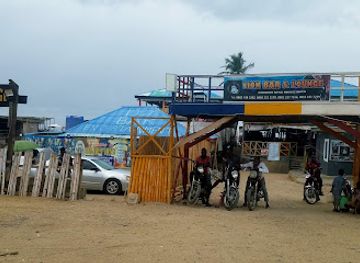
Beer Barn Abuja
Experience the vibrant nightlife of Abuja at Beer Barn, a premier lounge and sports bar offering a lively atmosphere and diverse menu.
-
Bar
W Bar Lounge
Experience the vibrant nightlife of Lagos at W Bar Lounge, where exquisite cocktails and live entertainment create unforgettable evenings.
-
Lounge
Xovar
Discover Xovar, a stylish lounge in Lekki, Lagos, blending modern elegance with local charm for a unique dining and nightlife experience.
-
Cocktail bar
Piper Lounge & Bar
Experience the vibrant nightlife of Abuja at Piper Lounge & Bar, the ultimate destination for cocktails and celebrations.
Best nightclubs in Yoruba
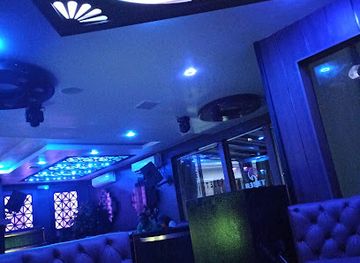
Evening life varies sharply across Yoruba Nigeria. Lagos has the country's most extensive concentration of lounges, live-music venues, restaurants, cocktail bars and clubs, with nightlife spread across a very large metropolitan area rather than confined to one simple district. Ibadan, Abeokuta and Akure offer a more localised scene of bars, restaurants, hotel lounges, live music and social venues, while smaller towns generally centre their evenings on neighbourhood drinking spots, food stalls and family or community gatherings. Traditional palm-wine settings and contemporary Nigerian music provide different ways to experience evening culture, but access and atmosphere vary by neighbourhood. Visitors should use trusted local recommendations, arrange transport in advance and avoid walking unfamiliar streets late at night. During major festivals, cultural performances and public celebrations may extend the evening beyond normal city routines, although programmes and security arrangements are subject to change.
-
Disco club
Silverfox - Luxury Adult Entertainment Club
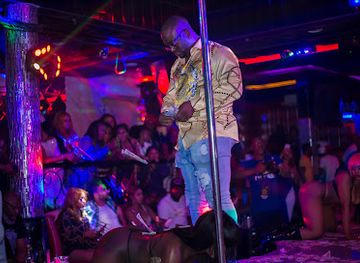
Dive into the luxurious nightlife of Lagos at Silverfox, an upscale adult entertainment club offering dazzling performances and a vibrant dance scene.
-
Disco club
Cubana
Discover the energetic nightlife at Cubana, Abuja's premier disco club, with vibrant music and a welcoming atmosphere for all party lovers.
-
Night club
Tokyo Nightlife Abuja
Discover the vibrant fusion of breakfast and nightlife at Tokyo Nightlife Abuja, where culinary delights meet a lively atmosphere in the heart of Wuse.
-
Night club
Avatar Hush Lounge and Nightclub
Discover the vibrant nightlife at Avatar Hush Lounge and Nightclub in Abuja, featuring great DJs, a lively atmosphere, and delicious cocktails.

Best shops in Yoruba
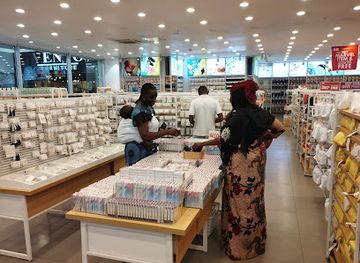
Shopping in Yoruba Nigeria ranges from open markets and informal stalls to modern retail complexes, galleries and specialist craft outlets. Lagos has the widest selection of fashion, contemporary design, art, books and international goods, while Ibadan, Abeokuta, Osogbo, Ile-Ife and Akure are better suited to market browsing, everyday textiles, food products and locally made items. Adire, the indigo-resist textile strongly associated with south-western Yoruba communities, is an important purchase, although quality, production methods and provenance differ between sellers. Visitors may also find aso oke woven cloth, beads, carved objects, basketry, paintings and contemporary Yoruba-inspired design. Food markets offer yams, dried peppers, spices, palm products and packaged snacks, but fresh produce may be impractical to transport. Bargain courteously where prices are not fixed, inspect textiles and artworks carefully, and ask whether a religious or ceremonial object is appropriate to buy rather than assuming every traditional-looking item is a souvenir.
-
Shopping mall
Jabi Lake Mall
Explore Jabi Lake Mall in Abuja for an exceptional shopping, dining, and entertainment experience amidst stunning lakeside views.
-
Book store
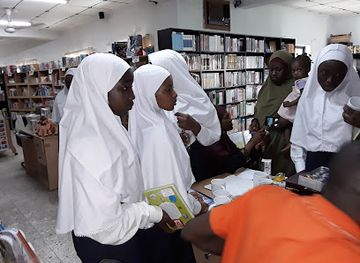
Tarbiyah Books Plus
Discover a unique literary experience at Tarbiyah Books Plus, Abuja's premier bookstore offering diverse literature and a welcoming atmosphere.
-
Fabric store
HAMURISJ STORE
Discover the richness of Nigerian culture through exquisite fabrics at Hamurisj Store in Ikorodu, Lagos.
-
Shopping mall
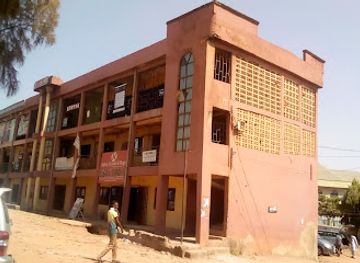
Capital Plaza
Explore Capital Plaza in New Karu, a vibrant shopping mall offering a mix of brands, dining options, and a lively atmosphere for all visitors.
Get your free copy of our complete guide to Yoruba, delivered straight to you.
Everything on this page, from attractions and restaurants to essentials and local phrases, in one PDF you can read offline, print or share.
Already have an account? Sign in
Your Yoruba guide is ready.
We'll send it to · Not you? Sign out

Getting your guide ready…
We are putting together a fresh copy of the Yoruba guide. This can take up to a minute.
This can take a few moments. If your browser asks, choose Allow so the download can start. You'll find the guide in your Downloads folder.
Nothing happened? Download it again
Sorry, the guide is taking longer than usual. Please try again in a minute, or get it by email instead.
Yoruba essentials
Currency and Payment
Safety
Emergency Situations
Do's and Don'ts
Local Tips
From Eve
Local phrases worth knowing
You don't need to get them perfect. A few words go a long way, and locals appreciate the effort.
Basics
| English | Local | Say it |
|---|---|---|
| Hello | Bawo | [Bah-woh] |
| Goodbye | O dabọ | [Oh dah-boh] |
| Yes | Bẹẹni | [Beh-eh-nee] |
| No | Rara | [Rah-rah] |
| Please/You're welcome | Jọwọ | [Joh-wah] |
| Thank you | E se | [Eh sheh] |
| Excuse me/Sorry | E ma binu | [Eh mah bee-noo] |
| How are you? | Bawo ni? | [Bah-woh nee?] |
| Fine. And you? | Dara. Iwọ nko? | [Dah-rah. Ee-wah n-koh?] |
| Do you speak English? | Ṣe o n sọrọ Gẹẹsi? | [Sheh oh n so-roh Geh-eh-see?] |
| I don't understand | Mi o ye | [Mee oh yeh] |
Eating & Drinking
| English | Local | Say it |
|---|---|---|
| I'd like to see the menu, please | Mo fẹ́ rí àtẹ́jáde, jọwọ | [Moh feh ree ah-teh-jah-deh, joh-wah] |
| I don't eat meat | Mi o jẹ ẹran | [Mee oh jeh eh-rahn] |
| Cheers! | Ireti! | [Ee-reh-tee] |
| I would like to pay, please | Mo fẹ́ san owó, jọwọ | [Moh feh sahn oh-woh, joh-wah] |
Emergencies
| English | Local | Say it |
|---|---|---|
| Help! | Irẹ́pọ̀! | [Ee-reh-poh] |
| Go away! | Sọ́wọ́ lọ! | [Soh-wah loh] |
| Call the Police! | Pe ọlọ́pàá! | [Peh oh-loh-pah] |
| Call a doctor! | Pe dókítà! | [Pe doh-kee-tah] |
| I'm lost | Mo ti sọnù | [Moh tee soh-noo] |
| I'm ill | Mo ní ìṣòro | [Moh nee ee-shoh-roh] |
Shopping
| English | Local | Say it |
|---|---|---|
| I'd like to buy... | Mo fẹ́ ra... | [Moh feh rah] |
| I'm just looking | Mo kan n wo | [Moh kahn n woh] |
| How much is it? | Melòó ni? | [Meh-loh nee?] |
| That's too expensive | Eyi jẹ́ gbowó pọ | [Eh-yee jeh gboh-woh poh] |
| Can you lower the price? | Ṣe o le dinku owó? | [Sheh oh leh din-koh oh-woh?] |
Time & Numbers
| English | Local | Say it |
|---|---|---|
| What time is it? | Kini àkókò? | [Kee-nee ah-koh-koh?] |
| It's one o'clock | Ó ti pé méjì | [Oh tee peh meh-jee] |
| Half past (10) | Ìdá ójò (10) | [Ee-dah oh-joh (ten)] |
| Morning | Ọ̀sán | [Oh-sahn] |
| Afternoon | Ọ̀sán | [Oh-sahn] |
| Evening | Alẹ́ | [Ah-leh] |
| Yesterday | Iná | [Ee-nah] |
| Today | Loni | [Loh-nee] |
| Tomorrow | Ọ́la | [Oh-lah] |
| 1 | Ọkan | [Oh-kahn] |
| 2 | Mẹta | [Meh-tah] |
| 3 | Mẹta | [Meh-tah] |
| 4 | Mẹrin | [Meh-reen] |
| 5 | Màrùn-ún | [Mah-roon-oon] |
| 6 | Mẹfa | [Meh-fah] |
| 7 | Mẹje | [Meh-jeh] |
| 8 | Mẹjọ | [Meh-joh] |
| 9 | Mẹsan | [Meh-sahn] |
| 10 | Mẹwa | [Meh-wah] |
Transport & Directions
| English | Local | Say it |
|---|---|---|
| Where's a/the...? | Nibo ni...? | [Knee-boh nee?] |
| What's the address? | Kí ni àdírẹ́sì? | [Kee nee ah-dee-reh-see?] |
| Can you show me (on the map)? | Ṣe o le fihan mi (lórí maapu)? | [Sheh oh leh fee-han mee (loh-ree mah-ah-poo)?] |
| When's the next (bus)? | Nígbà wo ni (búsì) tó n bọ́? | [Nee-gbah woh nee (boo-see) toh n boh?] |
| A ticket (to ....) | Tiketi (sí ....) | [Tee-keh-tee (see ....)] |
History of Yoruba
Ile-Ife and Early Yoruba Civilisation
Ile-Ife, in present-day Osun State, became one of the most important centres of Yoruba civilisation. Archaeological evidence points to a long-established urban society, while celebrated naturalistic heads and figures made through lost-wax casting demonstrate exceptional artistic skill, particularly from the later first and early second millennium CE. Yoruba traditions regard Ile-Ife as a sacred centre connected with creation, kingship and the dispersal of dynasties. The city's importance remains visible in its palace institutions, religious traditions, museums and continuing role in Yoruba cultural memory.
The Oyo Empire and Regional Power
From roughly the seventeenth to the eighteenth centuries, the Oyo Empire became a major political power in the savanna and forest margins west of the lower Niger. Its influence rested on cavalry, tribute, long-distance commerce and a sophisticated system of kingship and political checks associated with the Alaafin and other institutions. Present-day Oyo preserves the name and memory of this empire, although the old imperial centre is distinct from the modern town. Oyo's legacy is also reflected in royal traditions, oral history, titles and political institutions across Yoruba society.
Nineteenth-Century Conflict and Migration
The nineteenth century brought warfare, political realignment and large-scale movement among Yoruba-speaking communities. The collapse of Oyo's imperial order contributed to the rise of new centres, including Ibadan, which developed into a powerful military and political city. Abeokuta became associated with Egba communities who consolidated around the Olumo Rock area, while other towns expanded or defended their autonomy. These upheavals reshaped settlement patterns, leadership and trade, and their memory remains important in local histories, praise poetry, festivals and palace traditions.
Christianity, Islam and Mission-Era Change
Islam had reached parts of the wider region through long-distance trade before the nineteenth century, while Christian missions expanded strongly in the south-west during that century. Schools, printing, churches and new forms of literacy altered public life, even as older religious institutions continued to shape communities. The region produced influential educators, clergy, writers and political figures. Rather than replacing one system with another, these developments created a complex religious landscape in which Christianity, Islam and Yoruba indigenous traditions remain important, sometimes separately and sometimes through overlapping cultural practices.
Colonial Rule and the Growth of Ibadan and Lagos
British colonial expansion brought Yoruba territories into the developing Nigerian colonial state, with Lagos becoming a major port and administrative centre and Ibadan gaining importance as an inland political and commercial hub. Railways, roads, cash-crop commerce and mission education connected towns more closely to coastal markets. Colonial boundaries did not erase older affiliations, but they reorganised administration and economic life. The period also strengthened the region's role in journalism, education, political debate and the emergence of modern Yoruba urban culture.
Independence, Regional Politics and Modern Urbanisation
After Nigerian independence in 1960, the south-west became a major arena of electoral politics, education and economic change. Lagos expanded into a national commercial metropolis, while Ibadan remained an important centre of scholarship, broadcasting and administration. Industrialisation, migration and road development transformed smaller towns and rural areas, often placing pressure on forests, waterways and historic buildings. Contemporary Yoruba Nigeria is consequently both deeply rooted in royal, religious and artistic institutions and shaped by a highly mobile population, new media, film, music, technology and international connections.
Osun-Osogbo and the Recognition of Living Heritage
The Osun-Osogbo Sacred Grove near Osogbo represents the survival of a living Yoruba religious landscape within a rapidly urbanising region. Its river, forest, sculptures and shrines are connected with Osun, the deity associated with the river and with fertility, healing and protection. The annual Osun festival brings devotees, performers, artists and visitors together, while the grove's formal heritage recognition has drawn international attention. Its significance lies not only in its art and conservation value, but also in the continued participation of religious custodians and local communities.
Yoruba in Photos
Browse through our photo collection highlighting the charm and character of the destination.
Neighbouring regions of Yoruba
The closest regions to Yoruba, if you have time for more than one.
-

-

-

-

-


Swipe for more regions
Explore more
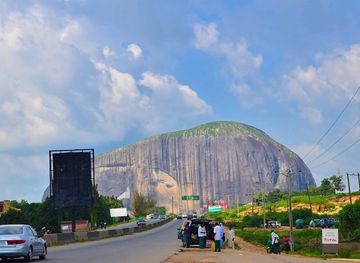
Explore more of Nigeria
Discover Nigeria: A Land of Vibrant Cultures, Stunning Landscapes, and Rich History in the Heart of Africa.
Explore Nigeria