

Free Nepean Island Travel Guide & Mobile App
Explore Nepean Island with free travel guides. Discover regional history, expert tips, proposed trips, and audio guides on web or mobile app.


Nepean Island, near Norfolk Island, combines rugged South Pacific scenery, seabird habitat and convict-era history in a protected offshore setting.
Read more about Nepean Island
When is the best time to visit Nepean Island?
Best: January, March–April · 25–28°C| Month | High (°C) | Rainfall (mm) |
|---|---|---|
| January (best) | 28 | 100 |
| February | 28 | 105 |
| March (best) | 27 | 110 |
| April (best) | 25 | 115 |
| May | 23 | 120 |
| June | 22 | 125 |
| July | 21 | 130 |
| August | 22 | 135 |
| September | 23 | 140 |
| October | 25 | 145 |
| November | 26 | 150 |
| December | 27 | 155 |
Getting to and around Nepean Island
How to get there
Transportation
Best attractions in Nepean Island
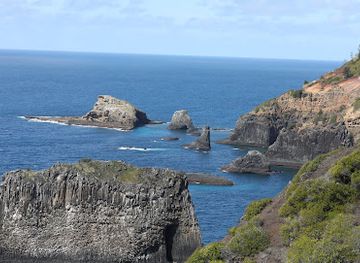
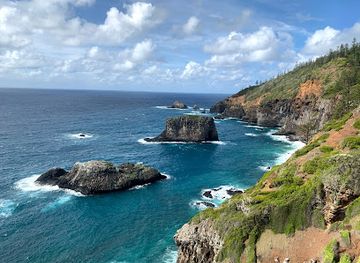
Nepean Island's attractions are primarily environmental and historical rather than recreational. Its rocky shoreline, exposed coastal setting and surrounding waters offer an offshore perspective on the Norfolk Island group, while seabird habitat gives the island ecological interest. There are no visitor buildings, marked trails, beaches with facilities or permanent interpretation panels on the island itself. The strongest cultural attraction is its connection with Kingston and the former penal settlements on Norfolk Island: stone and lime resources from Nepean contributed to construction and maintenance around the colonial site. Visitors usually encounter this story through guided heritage interpretation, museums and approved viewpoints on Norfolk Island rather than through independent exploration of Nepean. Any boat-based viewing or landing must be checked in advance because access can be restricted and conditions can change quickly. The island is therefore best suited to travellers interested in maritime landscapes, conservation and the material history of colonial settlements, rather than those seeking a full day of activities ashore.
-
Church
St Barnabas Chapel
Discover the serene beauty and historical significance of St Barnabas Chapel on Norfolk Island, a must-see landmark for every traveler.
-
Public golf course
Norfolk Island Golf Club
Discover the breathtaking Norfolk Island Golf Club, where stunning views and a friendly atmosphere make every golf game unforgettable.
-
Bay
Emily Bay
Emily Bay, a tranquil paradise on Norfolk Island, offers stunning beaches and crystal-clear waters for swimming and relaxation.
-
Museum
No 10 Quality Row House Museum
Discover the rich history of Norfolk Island at the No 10 Quality Row House Museum, showcasing the lives of early settlers in a preserved historic home.


Best landmarks in Nepean Island
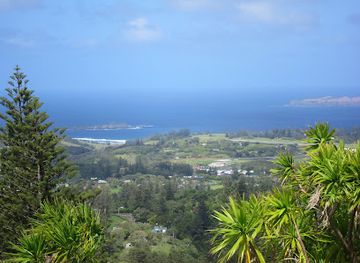
Nepean Island itself is the principal geographical landmark: a compact, rocky offshore mass visible from parts of Norfolk Island's southern coast and closely associated with the waters around Kingston. Its importance comes from its position and historical function rather than monumental architecture. The island's quarried stone and lime materials contributed to the construction of the nearby penal settlement, making it an offshore element of the historic Kingston and Arthur's Vale landscape. Because Nepean has no public trail or developed monument, its shoreline should be viewed as a protected historic and natural setting rather than explored casually. The clearest architectural landmarks connected with its story stand on Norfolk Island, including the surviving colonial buildings and ruins around Kingston; these are outside Nepean Island itself and should not be confused with structures on the offshore island. Together, the offshore rock and the mainland heritage remains illustrate how a small island penal colony relied on the resources of its surrounding environment.
-
Holiday apartment rental
Channers On Norfolk - Norfolk Island Holiday Packages, Tours, Accommodation | Travel to Norfolk Island
Experience the beauty of Norfolk Island at Channers, your perfect self-catering accommodation for a memorable getaway in paradise.
-
National park
Norfolk Island National Park
Discover the stunning landscapes and rich heritage of Norfolk Island National Park, a must-visit destination for nature lovers and history enthusiasts.
-
Park
Mount Pitt Lookout
Discover unparalleled views and tranquility at Mount Pitt Lookout, the premier scenic spot on Norfolk Island, perfect for nature lovers and photographers alike.
-
 Resort hotel
Cumberland Resort and Spa
Discover the luxurious Cumberland Resort and Spa on Norfolk Island, where relaxation meets adventure in a stunning tropical setting.
Explore Nepean Island on the map
Plan your trip on one map. See where the top cities, national parks and sights are, and book hotels and experiences in a few clicks.
Best hotels in Nepean Island
Best restaurants in Nepean Island
Nepean Island has no restaurants, cafés, pubs, food stalls or fresh-water facilities. Dining associated with a visit must be organised on Norfolk Island before travelling to the coast or boarding a permitted vessel. Norfolk Island's food scene includes cafés, restaurants, hotel dining rooms, country-style meals and local produce, with seafood and regional ingredients appearing in some menus, but these experiences belong to the inhabited main island rather than Nepean. Visitors planning an offshore excursion should carry only what the operator permits, keep food securely stored and remove all waste. A picnic may be practical for a mainland coastal outing, but eating on Nepean itself should not be assumed to be allowed. The island's culinary significance is indirect: its historical resources supported the Kingston settlement, while contemporary food experiences are found in Norfolk Island's towns and rural districts.
-
Restaurant
The Olive
Experience the flavors of Norfolk Island at The Olive - where fresh ingredients meet warm hospitality in a charming setting.
-
Restaurant
Hilli Restaurant & Cafe
Experience exquisite dining at Hilli Restaurant & Cafe in Norfolk Island, where local flavors meet international cuisine in a stunning setting.
-
Restaurant
The Bowlo Bistro
Discover exquisite local cuisine at The Bowlo Bistro on Norfolk Island - where flavors meet friendly service in a vibrant atmosphere.
-
Western
Bounty Bar & Grill
Discover the vibrant culinary scene at Bounty Bar & Grill on Norfolk Island, where Western flavors meet island hospitality in a delightful setting.
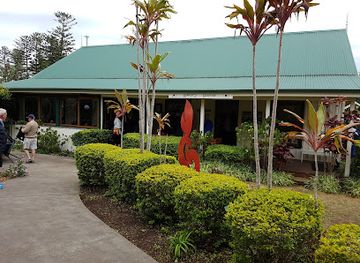


Best bars in Nepean Island
Nepean Island has no nightlife, licensed premises, accommodation or evening entertainment. After dark, the island is an uninhabited and potentially hazardous coastal environment, not a place for independent visits. Evening activities connected with the area take place on Norfolk Island, where visitors may find hotel bars, traditional pubs, restaurants, occasional live music and locally oriented social events. The scale is small and schedules vary, so current local information is more reliable than assuming a permanent club scene. Guided historical presentations or organised cultural programmes on Norfolk Island may offer a more appropriate way to explore the region's past after daytime sightseeing. Anyone viewing Nepean from the main island should remain at an approved, safe location and avoid approaching the coast at night.
-
Restaurant
The Olive
Discover the flavors of Norfolk Island at The Olive, where exquisite cuisine meets a warm, inviting atmosphere for an unforgettable dining experience.
-
Restaurant
Hilli Restaurant & Cafe
Discover the flavors of Norfolk Island at Hilli Restaurant & Cafe, a culinary treasure offering fresh local dishes and stunning views.
-
Restaurant
The Bowlo Bistro
Experience the flavors of Norfolk Island at The Bowlo Bistro, where great food and community spirit meet.
-
Resort hotel
Governor's Lodge
Experience the tranquility of Governor's Lodge, a stunning resort hotel on Norfolk Island, surrounded by natural beauty and rich history.


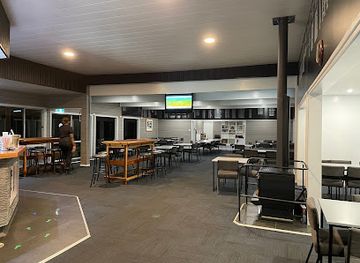

Best nightclubs in Nepean Island
Nepean Island has no nightlife, licensed premises, accommodation or evening entertainment. After dark, the island is an uninhabited and potentially hazardous coastal environment, not a place for independent visits. Evening activities connected with the area take place on Norfolk Island, where visitors may find hotel bars, traditional pubs, restaurants, occasional live music and locally oriented social events. The scale is small and schedules vary, so current local information is more reliable than assuming a permanent club scene. Guided historical presentations or organised cultural programmes on Norfolk Island may offer a more appropriate way to explore the region's past after daytime sightseeing. Anyone viewing Nepean from the main island should remain at an approved, safe location and avoid approaching the coast at night.
-
Restaurant
The Bowlo Bistro
Experience the best of Norfolk Island's flavors at The Bowlo Bistro, where great food meets a vibrant atmosphere.
-
Resort hotel
Castaway Norfolk Island & Norfolk Island Brewing
Experience tranquility at Castaway Norfolk Island, where resort luxury meets local brewing traditions amidst breathtaking island scenery.
-
Club
Norfolk Island RSL Memorial Club
Discover the heart of Norfolk Island's community at the RSL Memorial Club, where great company, live music, and local culture come together.
-
Brewpub
Norfolk Island Brewing
Experience the art of brewing at Norfolk Island Brewing, where local flavors come alive in every pint.
Best shops in Nepean Island
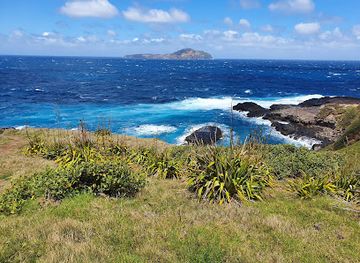
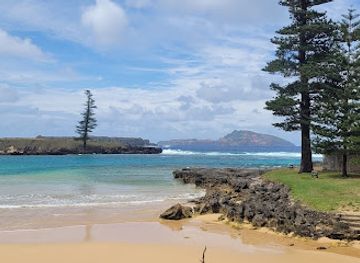
Nepean Island has no shops, markets, craft studios or facilities for purchasing souvenirs. All shopping connected with an excursion must be completed on Norfolk Island, where visitors can find locally produced food, island-made crafts, artwork, books, clothing and historical souvenirs through established retailers and galleries. Products associated with Norfolk Island may include local honey, preserves, woodwork and other regionally themed goods, although availability varies by season and business. Do not collect stone, shells, feathers or historical fragments from Nepean as mementoes; removing natural or cultural material is inappropriate and may be prohibited. Shopping in the Kingston area is particularly useful for heritage books and locally informed material that explains the island's convict history, while other Norfolk Island settlements provide practical supplies before an offshore trip.
-
Supermarket
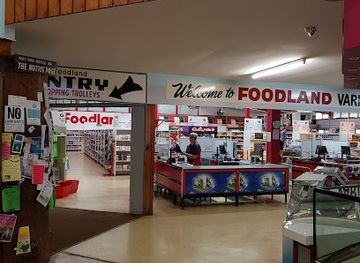
Foodland Supermarket
Explore the flavors of Norfolk Island at Foodland Supermarket, where local products meet convenience in Burnt Pine.
-
Bottle Shop and Liquor Store
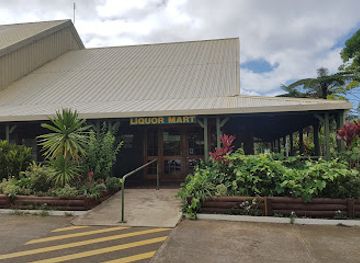
Norfolk Island Liquor Bond Store
Explore an extensive selection of local and international wines, spirits, and craft beers at the Norfolk Island Liquor Bond Store.
-
General store
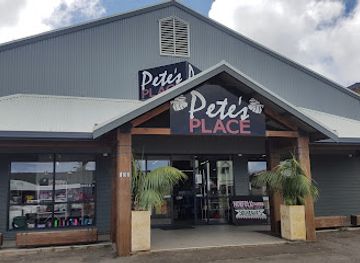
Pete's Place
Experience the charm of Norfolk Island at Pete's Place, a nostalgic general store filled with local treasures and unique souvenirs.
-
Coffee store
Prinke Eco Store
Discover the best of Norfolk Island at Prinke Eco Store, where quality coffee meets fresh local produce and natural goods.
Get your free copy of our complete guide to Nepean Island, delivered straight to you.
Everything on this page, from attractions and restaurants to essentials and local phrases, in one PDF you can read offline, print or share.
Already have an account? Sign in
Your Nepean Island guide is ready.
We'll send it to · Not you? Sign out

Getting your guide ready…
We are putting together a fresh copy of the Nepean Island guide. This can take up to a minute.
This can take a few moments. If your browser asks, choose Allow so the download can start. You'll find the guide in your Downloads folder.
Nothing happened? Download it again
Sorry, the guide is taking longer than usual. Please try again in a minute, or get it by email instead.
Nepean Island essentials
Currency and Payment
Safety
Emergency Situations
Do's and Don'ts
Local Tips
From Eve
Local phrases worth knowing
You don't need to get them perfect. A few words go a long way, and locals appreciate the effort.
Basics
| English | Local | Say it |
|---|---|---|
| Hello | G'day | [g'day] |
| Goodbye | See ya | [see ya] |
| Yes | Aye | [aye] |
| No | Nah | [nah] |
| Please/You're welcome | Please | [pleez] |
| Thank you | Cheers | [cheers] |
| Excuse me/Sorry | Sorry | [sorry] |
| How are you? | How ya going? | [how ya going] |
| Fine. And you? | Good, and you? | [good, and you] |
| Do you speak English? | Can ya speak English? | [can ya speak English] |
| I don't understand | I don't get it | [I don't get it] |
Eating & Drinking
| English | Local | Say it |
|---|---|---|
| I'd like to see the menu, please | Can I see the menu please? | [can I see the menu please] |
| I don't eat meat | I don't eat meat | [I don't eat meat] |
| Cheers! | Cheers! | [cheers] |
| I would like to pay, please | Can I pay please? | [can I pay please] |
Emergencies
| English | Local | Say it |
|---|---|---|
| Help! | Help! | [help] |
| Go away! | Go away! | [go away] |
| Call the Police! | Call the cops! | [call the cops] |
| Call a doctor! | Get a doctor! | [get a doctor] |
| I'm lost | I'm lost | [I'm lost] |
| I'm ill | I'm sick | [I'm sick] |
Shopping
| English | Local | Say it |
|---|---|---|
| I'd like to buy... | I'd like to buy... | [I'd like to buy...] |
| I'm just looking | Just looking, thanks | [just looking, thanks] |
| How much is it? | How much? | [how much] |
| That's too expensive | That's too pricey | [that's too pricey] |
| Can you lower the price? | Can ya lower the price? | [can ya lower the price] |
Time & Numbers
| English | Local | Say it |
|---|---|---|
| What time is it? | What time? | [what time] |
| It's one o'clock | It's one | [it's one] |
| Half past (10) | Half past ten | [half past ten] |
| Morning | Morning | [morning] |
| Afternoon | Afternoon | [afternoon] |
| Evening | Evening | [evening] |
| Yesterday | Yesterday | [yesterday] |
| Today | Today | [today] |
| Tomorrow | Tomorrow | [tomorrow] |
| 1 | One | [one] |
| 2 | Two | [two] |
| 3 | Three | [three] |
| 4 | Four | [four] |
| 5 | Five | [five] |
| 6 | Six | [six] |
| 7 | Seven | [seven] |
| 8 | Eight | [eight] |
| 9 | Nine | [nine] |
| 10 | Ten | [ten] |
Transport & Directions
| English | Local | Say it |
|---|---|---|
| Where's a/the...? | Where's the...? | [where's the] |
| What's the address? | What's the address? | [what's the address] |
| Can you show me (on the map)? | Can ya show me on the map? | [can ya show me on the map] |
| When's the next (bus)? | When's the next bus? | [when's the next bus] |
| A ticket (to ....) | A ticket to ... | [a ticket to ...] |
History of Nepean Island
Polynesian Settlement of Norfolk Island
Before European colonial rule, Norfolk Island was reached and settled by Polynesian voyagers, probably from East Polynesia, between the thirteenth and fifteenth centuries. The archaeological evidence is concentrated on Norfolk Island rather than Nepean Island, and there is no basis for presenting Nepean as a large or permanently settled community. Nevertheless, the island belongs to the same wider archipelago and should be understood within the first human history of Norfolk Island, which predates British settlement by centuries.
European Recognition and Naming
Captain James Cook sighted and named Norfolk Island in 1774, bringing the group into European geographical knowledge. Nepean Island subsequently appeared within the mapped and administered landscape associated with Norfolk Island. Its small size and exposed position meant that it was not developed as a settlement in its own right, but its location near the southern shore of Norfolk Island later gave it practical importance for the colonial outpost established there.
The First Penal Settlement, 1788–1814
Britain established its first penal settlement on Norfolk Island in 1788, shortly after the founding of New South Wales. The settlement occupied areas around present-day Kingston and used local timber, stone and other resources to create buildings and infrastructure. Nepean Island's geological materials were quarried or gathered for lime and construction purposes during the colonial period. Its contribution was utilitarian rather than residential, linking the offshore island to the labour and building demands of the penal settlement.
Convict Industry and the Kingston Landscape
The first settlement on Norfolk Island closed in 1814, but its buildings and ruins remain central to the island's historical identity. Nepean Island is part of this story because materials obtained from it helped support construction around Kingston and Arthur's Vale. Later interpretation of the area has placed emphasis on the convict labour, coercive administration and difficult conditions underlying the surviving colonial fabric. The island's historical importance is therefore best read as part of the wider Kingston landscape, not as a separate penal colony.
The Second Settlement and the Penal Era, 1825–1855
Norfolk Island became a penal settlement again in 1825, primarily for convicts transferred from mainland Australian colonies. The second settlement developed Kingston's buildings, roads, seawalls and industrial facilities, many of which survive as ruins or restored structures. Nepean Island's stone and lime resources were relevant to this period of intensive construction and maintenance. The settlement closed in 1855 after the penal system on Norfolk Island had acquired a reputation for severe discipline.
Pitcairn Islander Resettlement and the Modern Heritage Landscape
In 1856, many descendants of the Bounty mutineers and their Polynesian companions were relocated from Pitcairn Island to Norfolk Island. Their community became a defining part of Norfolk Island's modern culture, although Nepean Island itself remained uninhabited. The former penal buildings and surrounding islands are now interpreted through multiple historical layers, including Indigenous Polynesian settlement, British colonial expansion, convict labour and Pitcairn Islander heritage. Nepean's protected status reflects both its environmental value and its place within that wider historical setting.
Nepean Island in Photos
Browse through our photo collection highlighting the charm and character of the destination.
Neighbouring regions of Nepean Island
The closest regions to Nepean Island, if you have time for more than one.
-

-

-

-
-


Swipe for more regions
Explore more

Explore more of Norfolk Island
Discover Norfolk Island, a serene and historic gem in the South Pacific, known for its stunning landscapes, rich cultural heritage, and abundant natural beauty.
Explore Norfolk Island