

Free Stockyard Valley Travel Guide & Mobile App
Explore Stockyard Valley with free travel guides. Discover regional history, expert tips, proposed trips, and audio guides on web or mobile app.


Stockyard Valley reveals Norfolk Island’s rural landscapes, volcanic countryside and quiet roads, within easy reach of heritage and coastal sights.
Read more about Stockyard Valley
When is the best time to visit Stockyard Valley?
Best: December–January · 25°C| Month | High (°C) | Rainfall (mm) |
|---|---|---|
| January (best) | 25 | 75 |
| February | 26 | 70 |
| March (best) | 25 | 65 |
| April | 22 | 60 |
| May | 20 | 55 |
| June | 17 | 50 |
| July | 16 | 45 |
| August | 17 | 50 |
| September | 20 | 55 |
| October | 22 | 60 |
| November | 24 | 65 |
| December (best) | 25 | 70 |
Getting to and around Stockyard Valley
How to get there
Transportation
Destinations in Stockyard Valley
Resorts, valleys and scenic spots worth a trip of their own.
-

-

-


Swipe for more destinations
Best attractions in Stockyard Valley
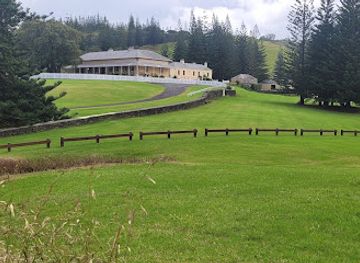
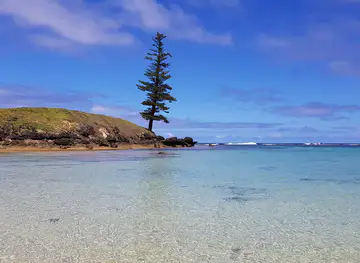
Stockyard Valley’s attractions are primarily landscape-based rather than built for mass tourism. Quiet roads, pasture, volcanic terrain and views towards wooded ridges offer opportunities for short drives, rural photography and observing the relationship between farming and the island’s natural setting. The area is best approached as one part of a wider Norfolk Island itinerary, with visitors using it to contrast the island’s inland countryside with its forests, cliffs and historic settlements. Nearby island attractions, including the convict-era heritage landscape at Kingston, the walks and viewpoints around Norfolk Island National Park, and coastal places such as Emily Bay, are outside Stockyard Valley and require separate journeys. Within the valley itself, the interest lies in its working environment: fences, fields, mature trees, changing weather and the characteristic Norfolk Island pines that punctuate the horizon. Birdwatching can be rewarding, although sightings are never guaranteed and visitors should avoid disturbing farm animals or nesting wildlife. There are no major museums, amusement parks or concentrated visitor facilities in the valley, so practical planning matters. The area suits travellers who value open space, quiet observation and an understanding of how a small island community uses its inland land.
-
Tourist attraction
Captain Cook Lookout
Explore the stunning Captain Cook Lookout on Norfolk Island, where breathtaking ocean views and rich history await every visitor.
-
Tourist attraction
Norfolk Island National Park
Explore the natural wonders and rich history of Norfolk Island National Park, a hidden gem in the South Pacific that captivates all who visit.
-
Museum
Bounty Museum
Explore the Bounty Museum on Norfolk Island to uncover its maritime history and cultural heritage through fascinating exhibits and artifacts.
-
Tourist attraction
Queen Elizabeth Lookout
Discover stunning views at Queen Elizabeth Lookout, where breathtaking landscapes meet Norfolk Island’s rich history.


Best landmarks in Stockyard Valley
Stockyard Valley’s most meaningful landmarks are elements of the rural landscape rather than monumental buildings. The valley’s open pasture, volcanic contours, mature vegetation and scattered Norfolk Island pines express the agricultural character that has supported island communities since the colonial period. Farm lanes and field boundaries also illustrate how settlement expanded beyond the original administrative centre at Kingston, although many working properties are private and should be viewed from public roads only. No major cathedral, castle or civic monument defines the area, so expectations should be adjusted accordingly. The wider island contains better-known landmarks, including the convict buildings and ruins of Kingston, but that heritage precinct is outside Stockyard Valley and should not be attributed to the valley itself. Similarly, the dramatic sea cliffs and forested landscapes of Norfolk Island National Park belong to other parts of the island. For Stockyard Valley, the visual landmark is the pastoral setting: a quiet inland landscape where agricultural land, oceanic weather and volcanic topography meet. Its significance is strongest when understood as part of Norfolk Island’s continuously inhabited cultural landscape rather than as an isolated sightseeing structure.
-
Restaurant
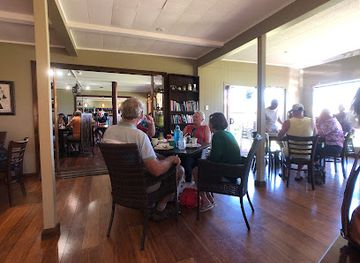
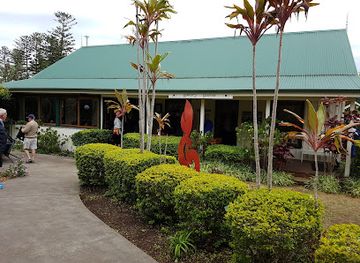
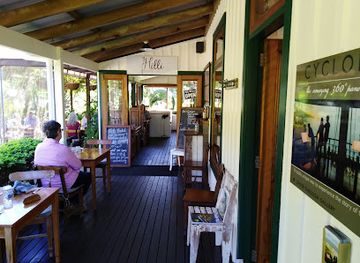
Hilli Restaurant & Cafe
Discover the culinary delights and breathtaking views at Hilli Restaurant & Cafe on Norfolk Island, where every meal is a memorable experience.
-
Resort hotel
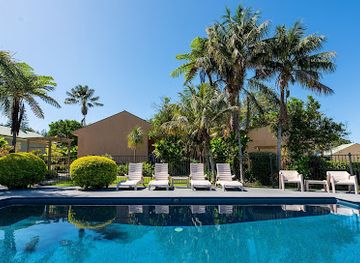
Governor's Lodge
Experience the serene beauty of Norfolk Island at Governor's Lodge Resort, your perfect getaway for relaxation and exploration.
-
Vista point
Captain Cook Lookout
Experience the stunning vistas and rich history at Captain Cook Lookout on Norfolk Island, a perfect spot for nature lovers and history enthusiasts alike.
-
Holiday apartment rental
Channers On Norfolk - Norfolk Island Holiday Packages, Tours, Accommodation | Travel to Norfolk Island
Discover the tranquil beauty of Norfolk Island at Channers On Norfolk, the perfect self-catering accommodation for your island getaway.


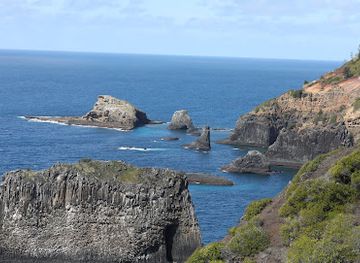
Explore Stockyard Valley on the map
Plan your trip on one map. See where the top cities, national parks and sights are, and book hotels and experiences in a few clicks.
Best hotels in Stockyard Valley
Best restaurants in Stockyard Valley
Stockyard Valley has no substantial restaurant district, and dining is generally organised around accommodation kitchens, self-catering supplies and the established cafés, pubs and restaurants in Burnt Pine and other settled parts of Norfolk Island. Visitors should expect a small-island food culture shaped by local gardens, home production, imported Australian ingredients and the surrounding Pacific. Fresh fish, seasonal fruit and vegetables, farm produce, baked goods and simple café meals may feature on menus or in local shops, but exact availability changes with weather, transport and harvests. Rural accommodation can be a practical choice for travellers who prefer to prepare breakfast or packed lunches before exploring the island. For a fuller selection of cooked meals, plan ahead and check current opening arrangements outside the busiest visitor periods. Dining elsewhere on Norfolk Island often combines Australian cooking with island produce and family or community traditions rather than presenting a narrowly defined Stockyard Valley cuisine. Purchasing food in Burnt Pine before a rural outing is sensible, especially when travelling in the late afternoon or on days when fewer services operate.
-
Restaurant
The Olive
Experience delightful local flavors at The Olive in Norfolk Island - where fresh ingredients meet warm hospitality.
-
Restaurant
Hilli Restaurant & Cafe
Experience delectable local cuisine and breathtaking views at Hilli Restaurant & Cafe on beautiful Norfolk Island.
-
Resort hotel
Governor's Lodge
Discover tranquility at Governor's Lodge – your ideal resort hotel on Norfolk Island with exquisite dining and breathtaking landscapes.
-
Western
Bounty Bar & Grill
Experience delectable Western cuisine at Bounty Bar & Grill in Burnt Pine, Norfolk Island - where local flavors meet warm hospitality.
Best bars in Stockyard Valley
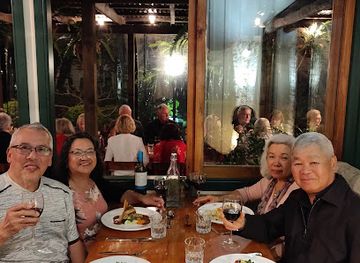
Stockyard Valley is not a nightlife centre, and evening activity is generally quiet, with visitors returning to accommodation after rural drives or island excursions. Norfolk Island’s social life is concentrated in Burnt Pine and selected hotels, restaurants, pubs and community venues rather than in a dense network of clubs. Evening options may include a pub meal, a drink with local residents, occasional live entertainment or organised heritage and cultural programming, but schedules vary and should be checked locally. The island does not have the late-night scale of a mainland city, and rural roads are poorly suited to casual driving after drinking. Visitors staying in or near Stockyard Valley may prefer a self-catered supper, conversation and views of the night sky. Booking transport in advance is important if planning to dine away from rural accommodation, since taxis and other services are limited compared with urban destinations.
-
Restaurant
The Olive
Discover the culinary charm of The Olive in Burnt Pine, Norfolk Island, where local flavors meet exquisite dining.
-
Restaurant
Hilli Restaurant & Cafe
Discover the exquisite flavors of Norfolk Island at Hilli Restaurant & Cafe, where local produce meets culinary excellence in a stunning setting.
-
Resort hotel
Governor's Lodge
Discover the enchanting beauty of Norfolk Island while enjoying a serene stay at Governor's Lodge, your perfect resort getaway.
-
Western
Bounty Bar & Grill
Discover the flavors of Norfolk Island at Bounty Bar & Grill, where Western cuisine meets local charm in a cozy setting.


Best nightclubs in Stockyard Valley
Stockyard Valley is not a nightlife centre, and evening activity is generally quiet, with visitors returning to accommodation after rural drives or island excursions. Norfolk Island’s social life is concentrated in Burnt Pine and selected hotels, restaurants, pubs and community venues rather than in a dense network of clubs. Evening options may include a pub meal, a drink with local residents, occasional live entertainment or organised heritage and cultural programming, but schedules vary and should be checked locally. The island does not have the late-night scale of a mainland city, and rural roads are poorly suited to casual driving after drinking. Visitors staying in or near Stockyard Valley may prefer a self-catered supper, conversation and views of the night sky. Booking transport in advance is important if planning to dine away from rural accommodation, since taxis and other services are limited compared with urban destinations.
-
Restaurant
Hilli Restaurant & Cafe
Discover the culinary delights of Hilli Restaurant & Cafe, where local flavors meet international cuisine in the heart of Norfolk Island.
-
Resort hotel
Governor's Lodge
Discover the tranquility of Governor's Lodge, a serene resort hotel on Norfolk Island offering stunning views and rich cultural experiences.
-
 Resort hotel
Castaway Norfolk Island & Norfolk Island Brewing
Experience a relaxing getaway at Castaway Norfolk Island & Norfolk Island Brewing, where comfort meets craft beer in a beautiful island setting.
-
Club
Norfolk Island RSL Memorial Club
Experience the local culture and community at Norfolk Island RSL Memorial Club, your destination for good food and great entertainment on the island.

Best shops in Stockyard Valley
Stockyard Valley has little dedicated retail activity, so shopping is normally combined with a visit to Burnt Pine, Norfolk Island’s principal commercial centre. There, visitors can look for groceries, practical supplies, books, locally made crafts, artwork, island-themed gifts and food products suitable for taking back to accommodation. Norfolk Island’s shopping character is small-scale and community-oriented rather than based on large malls or designer districts. Local produce, preserves, baked goods and handmade items may be available through established shops or seasonal outlets, but selection and opening arrangements can change. Visitors should purchase essentials before heading into rural areas and should not assume that every farm gate or roadside property sells goods. Souvenirs connected with Norfolk Island’s Polynesian, Pitcairn and colonial heritage can be found across the island, but respectful purchasing means choosing legitimate retailers and asking about any restrictions on taking natural materials away. Stockyard Valley is better suited to landscape exploration than browsing, with its shopping value lying in the rural context of the food and craft products found elsewhere on Norfolk Island.
-
Restaurant
Hilli Restaurant & Cafe
Experience the vibrant flavors of Norfolk Island at Hilli Restaurant & Cafe, where local ingredients meet culinary artistry in a stunning setting.
-
Resort hotel
Governor's Lodge
Discover the serene beauty and rich history of Norfolk Island at Governor's Lodge, a resort hotel offering comfort and adventure in paradise.
-
National park
Norfolk Island National Park
Explore the breathtaking landscapes and unique wildlife of Norfolk Island National Park, a must-visit national park for nature lovers and adventure seekers.
-
Museum
Bounty Museum
Explore the rich maritime history of the HMS Bounty at the Bounty Museum on Norfolk Island, where captivating stories and artifacts await.


Get your free copy of our complete guide to Stockyard Valley, delivered straight to you.
Everything on this page, from attractions and restaurants to essentials and local phrases, in one PDF you can read offline, print or share.
Already have an account? Sign in
Your Stockyard Valley guide is ready.
We'll send it to · Not you? Sign out

Getting your guide ready…
We are putting together a fresh copy of the Stockyard Valley guide. This can take up to a minute.
This can take a few moments. If your browser asks, choose Allow so the download can start. You'll find the guide in your Downloads folder.
Nothing happened? Download it again
Sorry, the guide is taking longer than usual. Please try again in a minute, or get it by email instead.
Stockyard Valley essentials
Currency and Payment
Safety
Emergency Situations
Do's and Don'ts
Local Tips
From Eve
Local phrases worth knowing
You don't need to get them perfect. A few words go a long way, and locals appreciate the effort.
Basics
| English | Local | Say it |
|---|---|---|
| Hello | G'day | [g'day] |
| Goodbye | See ya | [see ya] |
| Yes | Yep | [yep] |
| No | Nah | [nah] |
| Please/You're welcome | No worries | [no worries] |
| Thank you | Thanks | [thanks] |
| Excuse me/Sorry | Sorry mate | [sorry mate] |
| How are you? | How ya goin'? | [how ya goin'?] |
| Fine. And you? | Good, and you? | [good, and you?] |
| Do you speak English? | Can ya speak English? | [can ya speak English?] |
| I don't understand | I don't get it | [I don't get it] |
Eating & Drinking
| English | Local | Say it |
|---|---|---|
| I'd like to see the menu, please | Can I see the menu? | [can I see the menu?] |
| I don't eat meat | I’m a vegetarian | [I'm a vegetarian] |
| Cheers! | Cheers! | [cheers!] |
| I would like to pay, please | Can I get the bill, please? | [can I get the bill, please?] |
Emergencies
| English | Local | Say it |
|---|---|---|
| Help! | Help! | [help!] |
| Go away! | Get lost! | [get lost!] |
| Call the Police! | Call the cops! | [call the cops!] |
| Call a doctor! | Get a doctor! | [get a doctor!] |
| I'm lost | I’m lost | [I'm lost] |
| I'm ill | I’m not well | [I'm not well] |
Shopping
| English | Local | Say it |
|---|---|---|
| I'd like to buy... | I want to buy... | [I want to buy...] |
| I'm just looking | Just browsing | [just browsing] |
| How much is it? | How much? | [how much?] |
| That's too expensive | That's a rip-off | [that's a rip-off] |
| Can you lower the price? | Can ya do a better price? | [can ya do a better price?] |
Time & Numbers
| English | Local | Say it |
|---|---|---|
| What time is it? | What’s the time? | [what's the time?] |
| It's one o'clock | It's 1 o'clock | [it's 1 o'clock] |
| Half past (10) | Half past 10 | [half past 10] |
| Morning | Morning | [morning] |
| Afternoon | Arvo | [arvo] |
| Evening | Evening | [evening] |
| Yesterday | Yesterday | [yesterday] |
| Today | Today | [today] |
| Tomorrow | Tomorrow | [tomorrow] |
| 1 | One | [one] |
| 2 | Two | [two] |
| 3 | Three | [three] |
| 4 | Four | [four] |
| 5 | Five | [five] |
| 6 | Six | [six] |
| 7 | Seven | [seven] |
| 8 | Eight | [eight] |
| 9 | Nine | [nine] |
| 10 | Ten | [ten] |
Transport & Directions
| English | Local | Say it |
|---|---|---|
| Where's a/the...? | Where's the...? | [where's the...?] |
| What's the address? | What's the address? | [what's the address?] |
| Can you show me (on the map)? | Can ya show me on the map? | [can ya show me on the map?] |
| When's the next (bus)? | When's the next bus? | [when's the next bus?] |
| A ticket (to ....) | A ticket to... | [a ticket to...] |
History of Stockyard Valley
Polynesian Settlement before European Contact
Norfolk Island was settled by Polynesian voyagers centuries before European colonisation. Archaeological evidence, especially around the Kingston area, records a community connected to the wider Pacific world that cultivated food and used the island’s forest and coastal resources. Although Stockyard Valley is primarily recognised today as rural farmland, its wider landscape belongs to an island with a much older human history than the colonial buildings often associated with Norfolk Island. The early settlement was abandoned before European arrival, leaving archaeology rather than a continuous local tradition as the principal record of this first period.
European Discovery and Early British Settlement, 1774–1814
Captain James Cook sighted Norfolk Island in 1774, and Britain established a settlement in 1788, soon after the founding of New South Wales. The island’s flax and timber attracted imperial interest, while its isolation made it useful as a penal outpost. The first settlement centred on the south-eastern coastal plain and Kingston rather than Stockyard Valley, but farming expanded inland to support the population. Surviving roads, altered vegetation and cleared land across the island reflect the practical demands placed on Norfolk Island during these early colonial decades.
The Second Convict Settlement, 1825–1855
Norfolk Island became a particularly severe British penal settlement from 1825 until 1855. Convicts were employed in construction, agriculture, forestry and other labour that supported the settlement. The principal administrative and industrial remains are around Kingston, where buildings, ruins and the convict-era landscape form one of the island’s most important heritage areas. Stockyard Valley was not the centre of penal administration, but the island’s rural districts were linked to the food supply, movement of materials and broader agricultural system that sustained the settlement.
Pitcairn Island Settlement and a New Community, 1856
In 1856, almost the entire population of Pitcairn Island, descended in part from the Bounty mutineers and Polynesian women, moved to Norfolk Island. Their arrival transformed the island’s social and cultural life. Some families later returned to Pitcairn, but many remained, and their descendants form an important part of contemporary Norfolk Island society. The legacy is visible in family histories, religious life, speech, food traditions and community customs across the island, including rural areas such as Stockyard Valley.
Agriculture, Shipping and Island Self-Sufficiency
After the convict era, Norfolk Island’s economy relied increasingly on farming, fishing, small-scale trade and links with mainland Australia and the Pacific. Rural districts developed as working landscapes of grazing, crops, orchards and household production. Stockyard Valley’s agricultural character belongs to this long period of adaptation, when fields and inland roads were essential to the island’s food supply. Difficult sea access and distance from mainland markets encouraged practical self-sufficiency, although imported goods and changing transport connections gradually altered the economy.
Tourism and Contemporary Norfolk Island
Tourism became increasingly important during the twentieth century, building on Norfolk Island’s heritage, scenery and distinctive community history. Improvements in air travel made the island more accessible while also increasing its dependence on visitor services. Today, Kingston’s convict landscape is internationally recognised as part of the Australian Convict Sites World Heritage property, while rural areas retain their agricultural and residential roles. Stockyard Valley represents this less formal but essential aspect of contemporary Norfolk Island: a lived-in countryside supporting a community whose heritage remains closely connected to land, family and place.
Stockyard Valley in Photos
Browse through our photo collection highlighting the charm and character of the destination.
Neighbouring regions of Stockyard Valley
The closest regions to Stockyard Valley, if you have time for more than one.
-

-

-

-
-


Swipe for more regions
Explore more

Explore more of Norfolk Island
Discover Norfolk Island, a serene and historic gem in the South Pacific, known for its stunning landscapes, rich cultural heritage, and abundant natural beauty.
Explore Norfolk Island