

Free Longridge Travel Guide & Mobile App
Explore Longridge with free travel guides. Discover regional history, expert tips, proposed trips, and audio guides on web or mobile app.


Longridge on Norfolk Island offers rural scenery, quiet roads and convenient access to the territory’s historic sites, coast and island culture.
Read more about Longridge
When is the best time to visit Longridge?
Best: January–March · 25–26°C| Month | High (°C) | Rainfall (mm) |
|---|---|---|
| January (best) | 25 | 91 |
| February (best) | 26 | 85 |
| March (best) | 25 | 80 |
| April | 23 | 74 |
| May | 20 | 69 |
| June | 18 | 64 |
| July | 18 | 62 |
| August | 18 | 63 |
| September | 19 | 66 |
| October | 21 | 73 |
| November | 22 | 79 |
| December | 24 | 85 |
Getting to and around Longridge
How to get there
Transportation
Top city travel guides in Longridge
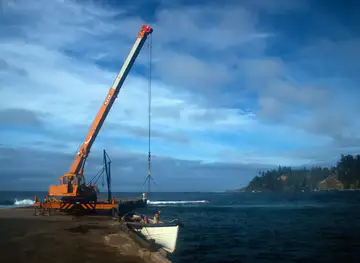
The cities of Longridge, and the easiest places to base yourself.
-
-

-


Swipe for more cities
Destinations in Longridge
Resorts, valleys and scenic spots worth a trip of their own.
-

-

-

-

-

-


Swipe for more destinations
Best attractions in Longridge
Longridge itself is primarily a rural locality, so its attractions are the open landscape, quiet roads and access to the wider island rather than a concentration of ticketed sights. Visitors can observe Norfolk Island pines, pasture, gardens and changing views across the inland countryside, while short drives lead to coastal lookouts, walking areas and beaches elsewhere on Norfolk Island. The principal heritage experience lies outside Longridge at Kingston, where the former convict settlement’s buildings, cemetery, pier and historic landscape explain the island’s penal past. Burnt Pine, also outside the locality, provides museums, cultural interpretation, galleries and practical visitor services. Nature-focused excursions include the island’s forest reserves, cliff-top scenery and protected coastal environments, but access and conditions should be checked locally. Longridge works best as a quiet starting point from which to explore these distinct parts of Norfolk Island, allowing time for driving, weather changes and the absence of dense urban infrastructure.
-
Tourist attraction
St Barnabas Chapel
Discover the tranquil beauty and rich history of St Barnabas Chapel on Norfolk Island, a must-visit destination for travelers seeking serenity and culture.
-
Nature preserve
Hundred Acres Reserve
Explore the natural beauty of Hundred Acres Reserve on Norfolk Island, where lush landscapes and diverse wildlife create a serene escape.
-
Bottle Shop and Liquor Store
Norfolk Island Liquor Bond Store
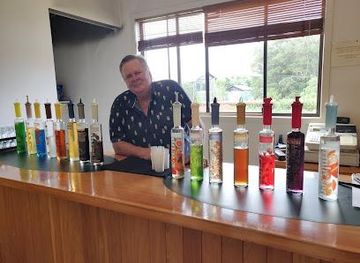
Explore the Norfolk Island Liquor Bond Store for an exceptional selection of local and imported spirits, perfect for every palate and occasion.
-
Alcoholic beverage wholesaler
Norfolk Island Liquors
Explore Norfolk Island Liquors for a unique taste of local wines and spirits, reflecting the island's rich culture and flavors.


Best landmarks in Longridge
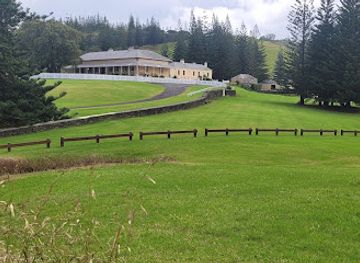
Longridge’s most characteristic landmarks are landscape features and the rural road pattern rather than grand civic buildings. Norfolk Island pines, pasture, hedges and scattered properties give the locality a recognisable inland appearance, while Longridge Road and connecting lanes illustrate how settlement is distributed away from the island’s historic centre. The major built landmarks encountered on a wider itinerary lie outside Longridge. Kingston’s Georgian and penal-era remains, including its historic buildings, cemetery, pier and waterfront setting, are the clearest reminders of British convict administration. Elsewhere on the island, church buildings, old farm properties and coastal cliffs reveal later Pitcairn-descended and agricultural history. These places should not be labelled Longridge landmarks, but their proximity makes the locality a practical base for understanding the territory’s layered architecture and landscape. Natural viewpoints and exposed shorelines are especially significant because they show the volcanic island’s relationship with the surrounding Pacific.
-
Island
Norfolk Island
Explore Norfolk Island: A Pacific Paradise of Natural Wonders and Rich History Awaiting Your Discovery.
-
Resort hotel
Governor's Lodge
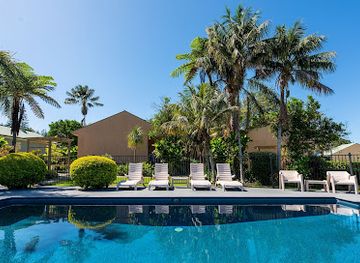
Discover the serene beauty and rich heritage of Norfolk Island at Governor's Lodge, a perfect resort hotel for relaxation and exploration.
-
Vista point
Captain Cook Lookout
Explore the stunning panoramic views and tranquil beauty of Captain Cook Lookout on Norfolk Island, a perfect escape for nature lovers and history enthusiasts.
-
Holiday apartment rental
Channers On Norfolk - Norfolk Island Holiday Packages, Tours, Accommodation | Travel to Norfolk Island
Experience the beauty of Norfolk Island at Channers On Norfolk, featuring self-catering accommodations that blend comfort, culture, and adventure.


Explore Longridge on the map
Plan your trip on one map. See where the top cities, national parks and sights are, and book hotels and experiences in a few clicks.
Best hotels in Longridge
Best restaurants in Longridge
Longridge has no concentrated restaurant quarter, and most dining options are found outside the locality, especially around Burnt Pine and in scattered island establishments reached by car. Norfolk Island’s food culture combines home-grown produce, seafood, garden vegetables, baking and Australian influences with culinary traditions associated with the Pitcairn-descended community. Visitors may encounter local dishes such as island-style fish preparations and dishes influenced by Pitcairn heritage, although menus change with supply and season. Cafés, casual eateries, hotel dining rooms, rural venues and restaurants provide a more realistic picture of the island’s food scene than an expectation of a large metropolitan choice. Farmers’ produce, preserves and locally grown ingredients are useful additions to self-catering, but availability can vary because the island depends partly on freight. Book ahead where possible, especially during busy periods, and confirm transport arrangements if dining away from Longridge.
-
Restaurant
The Olive
Discover delightful flavors at The Olive - Norfolk Island's premier dining destination offering fresh local produce in a charming setting.
-
Restaurant
Hilli Restaurant & Cafe
Discover exquisite dining at Hilli Restaurant & Cafe on Norfolk Island - where local flavors meet culinary artistry.
-
Resort hotel
Governor's Lodge
Discover tranquility and adventure at Governor's Lodge Resort Hotel on Norfolk Island - where comfort meets nature.
-
Western
Bounty Bar & Grill
Experience exquisite Western cuisine at Bounty Bar & Grill on Norfolk Island—where local flavors meet delightful dining.


Best bars in Longridge
Evenings in Longridge are quiet and residential rather than centred on a local nightlife district. The island’s social life is spread across Burnt Pine, accommodation venues, restaurants, traditional pubs and occasional live entertainment, all outside the locality and generally requiring a drive. Visitors are more likely to find a relaxed drink, dinner, community performance or organised island event than a large late-night club scene. Some venues draw on local history, music and Pitcairn-descended culture, while seasonal programmes can add evening activity at particular times of year. Opening arrangements and transport options vary, so check locally and avoid relying on a late taxi after travelling into rural areas. The darkness, quiet roads and open countryside around Longridge can themselves be part of the evening character, provided visitors respect nearby residents and drive only when fit and alert.
-
Restaurant
The Olive
Discover the flavors of Norfolk Island at The Olive, where local ingredients meet exquisite culinary talent in a stunning setting.
-
Restaurant
Hilli Restaurant & Cafe
Experience the vibrant flavors of Norfolk Island at Hilli Restaurant & Cafe, where local ingredients meet stunning views for an unforgettable dining experience.
-
Resort hotel
Governor's Lodge
Discover tranquility and rich history at Governor's Lodge, a serene resort hotel on Norfolk Island offering a unique getaway for every traveler.
-
Western
Bounty Bar & Grill
Experience the best of Western cuisine at Bounty Bar & Grill in Norfolk Island, where great flavors meet a warm, inviting atmosphere.


Best nightclubs in Longridge
Evenings in Longridge are quiet and residential rather than centred on a local nightlife district. The island’s social life is spread across Burnt Pine, accommodation venues, restaurants, traditional pubs and occasional live entertainment, all outside the locality and generally requiring a drive. Visitors are more likely to find a relaxed drink, dinner, community performance or organised island event than a large late-night club scene. Some venues draw on local history, music and Pitcairn-descended culture, while seasonal programmes can add evening activity at particular times of year. Opening arrangements and transport options vary, so check locally and avoid relying on a late taxi after travelling into rural areas. The darkness, quiet roads and open countryside around Longridge can themselves be part of the evening character, provided visitors respect nearby residents and drive only when fit and alert.
-
Resort hotel
Governor's Lodge
Experience the serene beauty and rich history of Norfolk Island at Governor's Lodge, your perfect retreat in paradise.
-
 Resort hotel
Castaway Norfolk Island & Norfolk Island Brewing
Experience the ultimate blend of relaxation and local brewing culture at Castaway Norfolk Island, where luxury meets island charm.
-
Club
Norfolk Island RSL Memorial Club
Discover community spirit at Norfolk Island RSL Memorial Club, where flavors and entertainment blend seamlessly for an unforgettable experience.
-
Club
Norfolk Island Leagues Club
Discover the heart of Norfolk Island at the Leagues Club, where community spirit and local culture come alive in a welcoming atmosphere.

Best shops in Longridge
Shopping in Longridge is limited and primarily connected with local households and rural properties rather than a defined retail centre. Most visitors travel to Burnt Pine, outside the locality, for groceries, everyday supplies, galleries, souvenirs and locally made products. Suitable purchases may include island-grown produce when available, preserves, crafts, artwork, books about Norfolk Island, Pitcairn-descended heritage and products featuring the Norfolk Island pine. Small shops and galleries can reflect the island’s community and natural environment more closely than generic airport souvenirs, while practical supplies are best bought early because choice and opening arrangements are more limited than in mainland Australian towns. Markets or seasonal sales may occur, but they are not permanent fixtures to be assumed without checking current local information. Respect biosecurity rules and do not transport plants, seeds, untreated food or other restricted materials without confirming what is permitted.
-
Church
St Barnabas Chapel
Discover the serene beauty and rich heritage of St Barnabas Chapel, a historic church on Norfolk Island, perfect for reflection and exploration.
-
Tourist information center
Visitor Information Centre
Unveil the beauty of Norfolk Island at the Visitor Information Centre, your essential resource for exploration and adventure.
-
Nature preserve
Hundred Acres Reserve
Experience the tranquility of nature at Hundred Acres Reserve, a stunning preserve on Norfolk Island, perfect for outdoor enthusiasts and nature lovers.
-
Bottle Shop and Liquor Store
Norfolk Island Liquor Bond Store
Experience the flavors of Norfolk Island at the Liquor Bond Store, where local spirits and wines embody the island's unique heritage.


Get your free copy of our complete guide to Longridge, delivered straight to you.
Everything on this page, from attractions and restaurants to essentials and local phrases, in one PDF you can read offline, print or share.
Already have an account? Sign in
Your Longridge guide is ready.
We'll send it to · Not you? Sign out

Getting your guide ready…
We are putting together a fresh copy of the Longridge guide. This can take up to a minute.
This can take a few moments. If your browser asks, choose Allow so the download can start. You'll find the guide in your Downloads folder.
Nothing happened? Download it again
Sorry, the guide is taking longer than usual. Please try again in a minute, or get it by email instead.
Longridge essentials
Currency and Payment
Safety
Emergency Situations
Do's and Don'ts
Local Tips
From Eve
Local phrases worth knowing
You don't need to get them perfect. A few words go a long way, and locals appreciate the effort.
Basics
| English | Local | Say it |
|---|---|---|
| Hello | G'day | [g'day] |
| Goodbye | See ya | [see ya] |
| Yes | Aye | [aye] |
| No | Nup | [nup] |
| Please/You're welcome | No worries | [no worries] |
| Thank you | Cheers | [cheers] |
| Excuse me/Sorry | Sorry mate | [sorry mate] |
| How are you? | How ya goin'? | [how ya goin'?] |
| Fine. And you? | Good, and you? | [good, and you?] |
| Do you speak English? | Do ya talk English? | [do ya talk English?] |
| I don't understand | I don’t get it | [I don’t get it] |
Eating & Drinking
| English | Local | Say it |
|---|---|---|
| I'd like to see the menu, please | Can I see the menu, please? | [can I see the menu, please?] |
| I don't eat meat | I’m a vegetarian | [I’m a vegetarian] |
| Cheers! | Cheers! | [cheers!] |
| I would like to pay, please | Can I pay, please? | [can I pay, please?] |
Emergencies
| English | Local | Say it |
|---|---|---|
| Help! | Help! | [help!] |
| Go away! | Get lost! | [get lost!] |
| Call the Police! | Ring the cops! | [ring the cops!] |
| Call a doctor! | Get a doctor! | [get a doctor!] |
| I'm lost | I’m lost | [I’m lost] |
| I'm ill | I’m sick | [I’m sick] |
Shopping
| English | Local | Say it |
|---|---|---|
| I'd like to buy... | I want to buy... | [I want to buy...] |
| I'm just looking | Just browsing, thanks | [just browsing, thanks] |
| How much is it? | What’s the price? | [what’s the price?] |
| That's too expensive | That costs too much | [that costs too much] |
| Can you lower the price? | Can ya drop the price? | [can ya drop the price?] |
Time & Numbers
| English | Local | Say it |
|---|---|---|
| What time is it? | What time is it? | [what time is it?] |
| It's one o'clock | It’s one o’clock | [it’s one o’clock] |
| Half past (10) | Half past ten | [half past ten] |
| Morning | Morning | [morning] |
| Afternoon | Arvo | [arvo] |
| Evening | Evening | [evening] |
| Yesterday | Yesterday | [yesterday] |
| Today | Today | [today] |
| Tomorrow | Tomorrow | [tomorrow] |
| 1 | One | [one] |
| 2 | Two | [two] |
| 3 | Three | [three] |
| 4 | Four | [four] |
| 5 | Five | [five] |
| 6 | Six | [six] |
| 7 | Seven | [seven] |
| 8 | Eight | [eight] |
| 9 | Nine | [nine] |
| 10 | Ten | [ten] |
Transport & Directions
| English | Local | Say it |
|---|---|---|
| Where's a/the...? | Where’s the...? | [where’s the...?] |
| What's the address? | What’s the address? | [what’s the address?] |
| Can you show me (on the map)? | Can ya show me on the map? | [can ya show me on the map?] |
| When's the next (bus)? | When’s the next bus? | [when’s the next bus?] |
| A ticket (to ....) | One ticket to... | [one ticket to...] |
History of Longridge
Polynesian Settlement before European Contact
Norfolk Island was settled by Polynesian voyagers before European arrival, probably between the thirteenth and fifteenth centuries. Archaeological evidence, including material found around Kingston and Emily Bay, shows that the island formed part of wider Pacific voyaging networks. By the time Europeans charted Norfolk Island, permanent Polynesian settlement had ended, but this earlier history remains fundamental to understanding the territory. Longridge is an inland modern locality rather than a principal archaeological precinct, yet its rural landscape belongs to the same small volcanic island whose soils, forest and freshwater resources shaped the possibilities for early settlement.
Cook’s Encounter and the First British Settlement, 1774–1814
James Cook sighted and named Norfolk Island in 1774, drawing attention to its tall native timber and flax. Britain established a penal settlement in 1788, partly to secure the island and exploit its resources, with the main settlement developing at Kingston rather than Longridge. Convict agriculture, timber cutting and food production altered the island’s landscape, creating the foundations of the roads, cleared land and dispersed cultivation that later generations inherited. The first settlement was abandoned in 1814, leaving an interrupted colonial history before the island was used again as a penal station.
The Second Penal Settlement, 1825–1855
Norfolk Island’s second penal settlement was established in 1825 and became one of the British Empire’s most severe convict stations. Its principal buildings, roads and administrative structures were concentrated around Kingston and are now part of the Australian Convict Sites World Heritage property. Longridge was not the administrative centre of this system, but the locality forms part of the island beyond the historic waterfront, where food growing, movement and rural land use supported the settlement economy. The penal station closed in 1855 after a reputation for harsh discipline and difficult conditions.
Pitcairn Island Migration and a New Community, 1856
In 1856, the population of Pitcairn Island was transferred to Norfolk Island because Pitcairn could no longer support the expanding community. Many descendants of the Bounty mutineers and their Polynesian companions remained, giving Norfolk Island a cultural identity distinct from mainland Australia. The newcomers adapted former penal-settlement buildings and developed farms, churches, maritime practices and family networks across the island. Longridge’s present rural character is part of this broader legacy: the island’s scattered properties and agricultural landscape reflect generations of local settlement rather than a single planned town.
Agriculture, Communications and Australian Administration
After the Pitcairn Islanders’ arrival, Norfolk Island relied increasingly on farming, fishing, small-scale commerce and links with passing ships. Government arrangements changed several times before the island became an Australian external territory in 1914. Communications technology, including the cable and radio era, strengthened its connection with Australia and the Pacific, while roads and later air services reduced its isolation. These changes helped turn inland localities such as Longridge into accessible residential and farming areas rather than remote settlements, although distance, limited infrastructure and maritime weather continued to shape everyday life.
The Modern Island Economy
During the twentieth century, Norfolk Island moved from a mainly agricultural and maritime economy towards one increasingly supported by tourism, public services and small businesses. Visitors were drawn by convict history, Pitcairn heritage, Norfolk Island pines, coastal scenery and a distinctive local community. Administrative integration with Australia has altered taxation, services and travel arrangements over time, while local debates about autonomy and identity have remained important. Longridge today reflects this transition: rural land and homes coexist with accommodation, visitor traffic and easy road access to the island’s heritage and natural attractions.
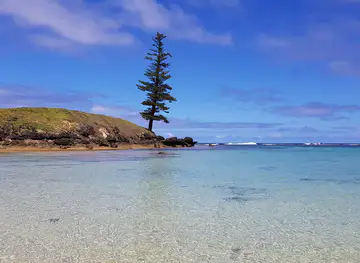
Longridge in Photos
Browse through our photo collection highlighting the charm and character of the destination.
Neighbouring regions of Longridge
The closest regions to Longridge, if you have time for more than one.
-

-

-
-

-


Swipe for more regions
Explore more

Explore more of Norfolk Island
Discover Norfolk Island, a serene and historic gem in the South Pacific, known for its stunning landscapes, rich cultural heritage, and abundant natural beauty.
Explore Norfolk Island