
Foothills, North Carolina Travel Guide
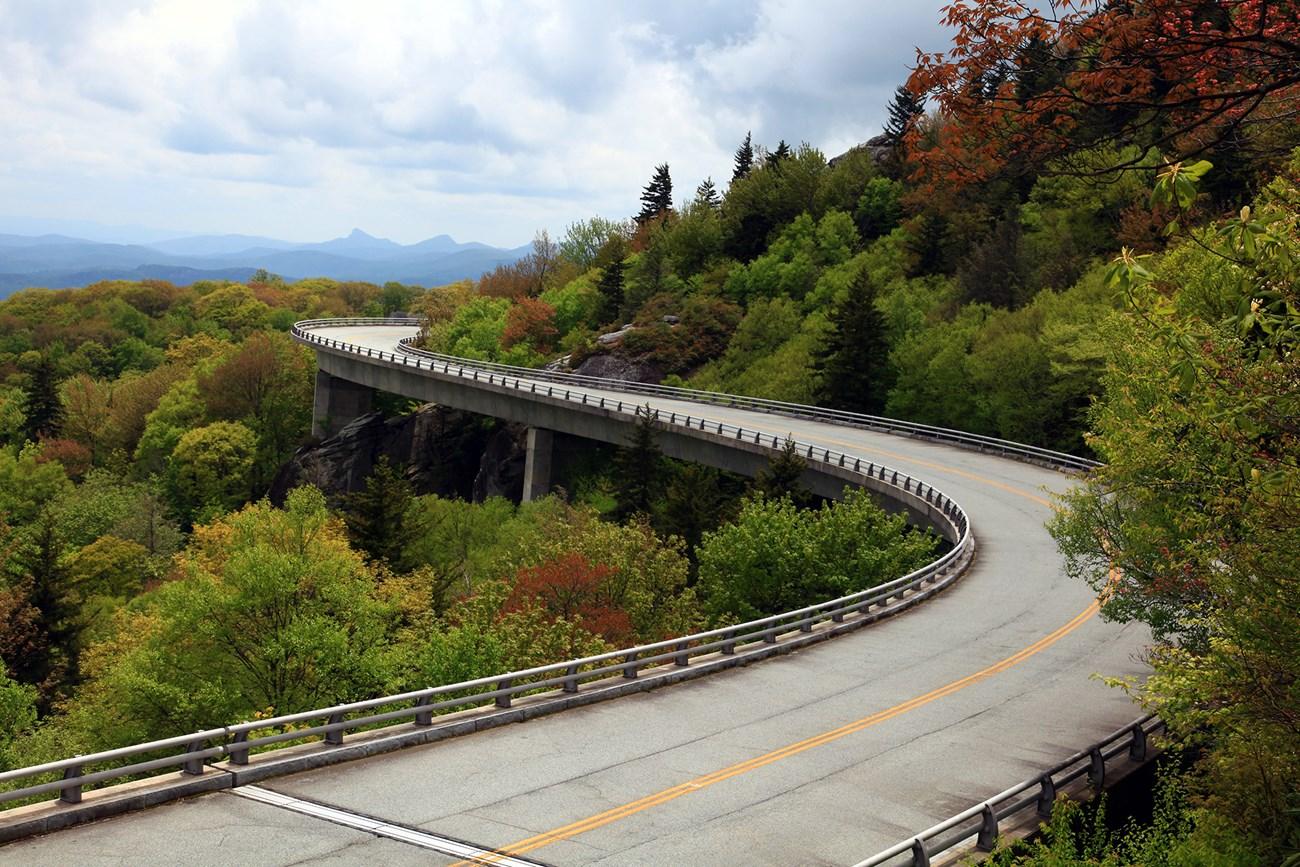
Discover the serene beauty of North Carolina's Foothills, where rolling hills, lush forests, and charming towns offer a perfect blend of adventure and relaxation.
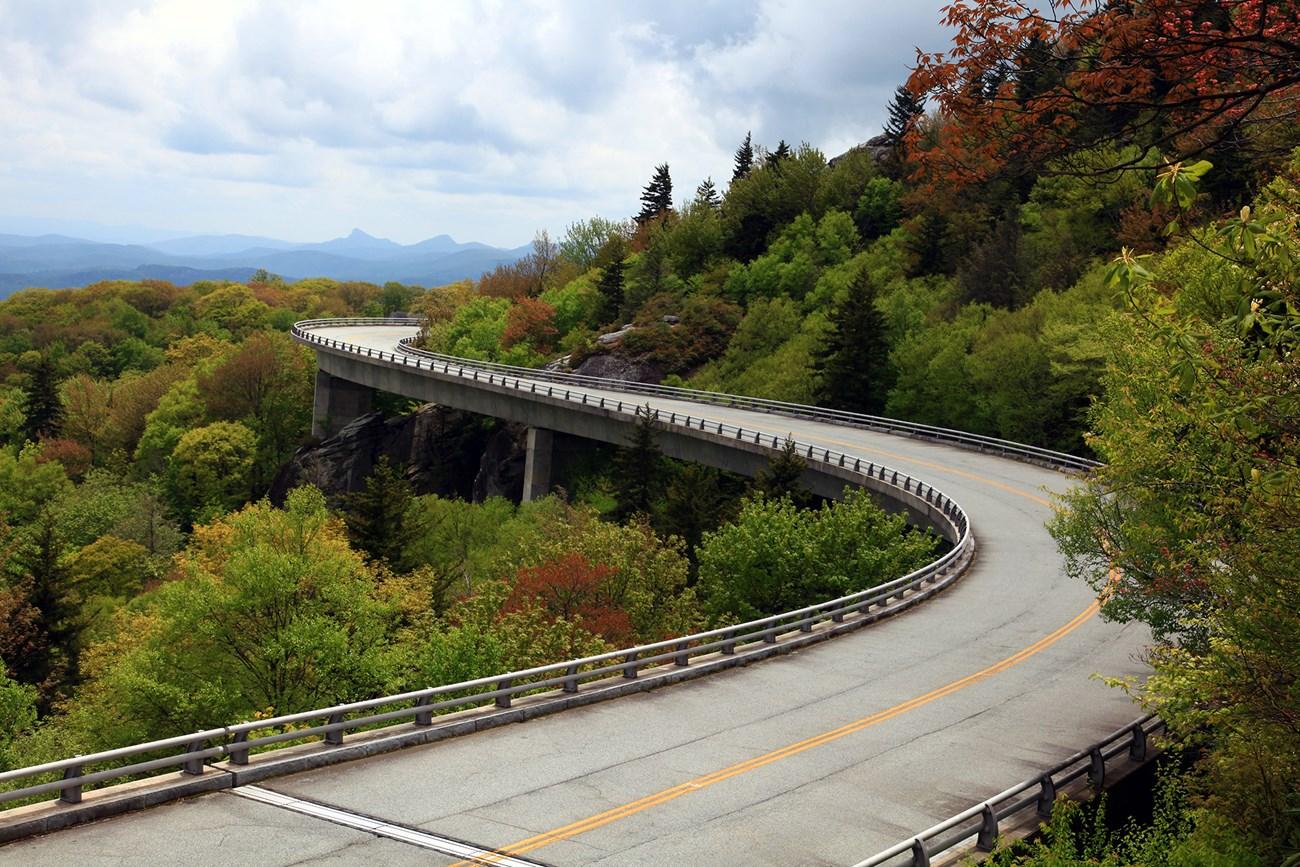
Nestled between the majestic Blue Ridge Mountains and the sprawling Piedmont, the Foothills in North Carolina offer a picturesque retreat for nature lovers and adventure seekers alike. This region is a tapestry of rolling hills, lush forests, and charming small towns, making it a perfect getaway from the hustle and bustle of city life. Visitors can explore a variety of outdoor activities such as hiking, biking, and fishing in the numerous parks and natural reserves scattered throughout the area. The Foothills are home to several state parks, including South Mountains State Park, where you can enjoy breathtaking waterfalls and scenic trails. For those who prefer a more relaxed pace, the region's wineries and vineyards provide a delightful experience of local flavors and stunning views. The Foothills also boast a rich cultural heritage, with historic sites and museums that offer a glimpse into the area's past. The vibrant arts scene, featuring local artisans and galleries, adds to the charm of the region. In towns like Hickory and Morganton, you'll find a warm and welcoming community, along with a variety of dining options that serve up delicious Southern cuisine. Whether you're seeking adventure, relaxation, or a bit of both, the Foothills in North Carolina promise an unforgettable experience. The region's natural beauty, combined with its rich history and culture, makes it a must-visit destination for any traveler.

Know before you go
Hi, I'm Eve. Here are a few practical things to know before exploring Foothills.
- Visit in the fall to experience the vibrant foliage and cooler temperatures.
- Bring comfortable hiking shoes for exploring the numerous trails.
- Many wineries offer tastings and tours; check ahead for schedules.
- Local festivals often take place in the spring and summer; they are a great way to experience the local culture.
- Consider staying in a bed and breakfast for a more personalized and cozy experience.
Top City Travel Guides in Foothills
The cities of Foothills, and the easiest places to base yourself.


Destinations in Foothills
Resorts, valleys and scenic spots worth a trip of their own.


Explore Foothills: Things to Do, Places to Eat, Hotels & More
Handpicked recommendations for top attractions, local dining, accommodations, and more

Top Attractions & Sightseeing in Foothills
Top-rated picks
Best Attractions

Great Smoky Mountains National Park
Explore the breathtaking beauty and rich biodiversity of Great Smoky Mountains National Park, a must-visit destination for nature lovers and adventurers alike.

Biltmore
Experience the grandeur of Biltmore Estate, America's largest privately owned home, with its stunning architecture, lush gardens, and rich history in Asheville, NC.

North Carolina Museum of Art
Discover a cultural gem in Raleigh, North Carolina, where art meets nature at the North Carolina Museum of Art, featuring stunning collections and outdoor installations.

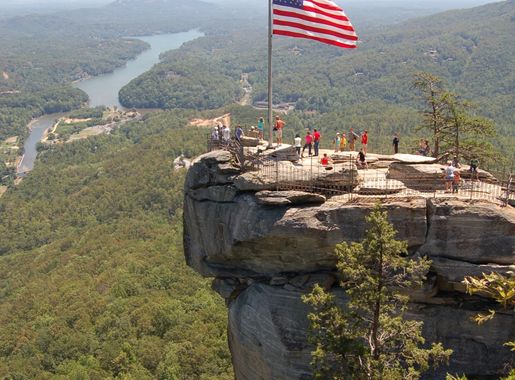
Chimney Rock at Chimney Rock State Park
Discover the breathtaking beauty of Chimney Rock at Chimney Rock State Park, a natural wonder that offers stunning views, hiking trails, and family-friendly activities.

Best landmarks in Foothills
Top-rated picks
Best Landmarks

Biltmore
Explore Biltmore, America’s largest home, where history, architecture, and stunning gardens come together in Asheville, North Carolina.

Fort Macon State Park
Explore Fort Macon State Park, where history meets nature in a breathtaking coastal setting in North Carolina.

Newfound Gap
Experience the breathtaking views and rich history at Newfound Gap, the iconic vista point in the Great Smoky Mountains National Park.

Currituck Beach Lighthouse
Explore the Currituck Beach Lighthouse, a historic gem on the Outer Banks, offering breathtaking views and a glimpse into maritime history.

Best restaurants in Foothills
Top-rated picks
Best Restaurants

Angus Barn
Experience fine dining at Angus Barn in Raleigh - where exquisite steaks meet unparalleled service in an elegant setting.

The Pit Authentic Barbecue
Experience authentic Southern barbecue at The Pit in Raleigh - where smoked meats meet Southern hospitality in a vibrant setting.

The Prime Smokehouse: Barbecue & Beyond
Discover the ultimate barbecue experience at The Prime Smokehouse in Rocky Mount—where smoky flavors meet live entertainment.

Trailhead Restaurant & Bar
Experience delightful American cuisine amidst the charming atmosphere of Trailhead Restaurant & Bar in Black Mountain.

Best bars in Foothills
Top-rated picks
Best Bars

Off The Wagon Dueling Piano Bar Asheville
Discover Asheville's lively nightlife at Off The Wagon Dueling Piano Bar, where music, fun, and great drinks come together for an unforgettable night out.

Jack of the Wood Pub
Experience the authentic Irish pub atmosphere at Jack of the Wood in Asheville, a brewpub with live music, hearty food, and a vibrant local scene.

The Grey Eagle Music Hall and Pub
Discover live music and delicious pub fare at The Grey Eagle Music Hall and Pub, Asheville's iconic venue in the River Arts District.

Foggy Mountain Brew Pub
Experience the vibrant atmosphere and local brews at Foggy Mountain Brew Pub, a must-visit spot in the heart of Asheville, NC.

Best nightclubs in Foothills
Top-rated picks
Best Nightclubs

Infinity Live
Infinity Live: Unwind in Charlotte's premier lounge, where vibrant nightlife and refreshing drinks await.

Legends Nightclub
Discover the vibrant nightlife at Legends Nightclub in Raleigh, a welcoming gay club with top DJs, lively events, and an inclusive atmosphere.

Mirage Exotic Nightlife
Discover an exhilarating nightlife experience at Mirage Exotic Nightlife in Greensboro, blending adult entertainment with a vibrant atmosphere and delicious dining options.

Chemistry Nightclub
Discover the electrifying atmosphere of Chemistry Nightclub, Greensboro's go-to destination for vibrant nightlife, dance, and entertainment.

Best shops in Foothills
Top-rated picks
Best Shops

Crabtree Valley Mall
Explore Crabtree Valley Mall in Raleigh, NC – a premier shopping destination with diverse stores, dining options, and family-friendly entertainment.

Charlotte Premium Outlets
Discover unbeatable deals on designer brands at Charlotte Premium Outlets, your ultimate shopping destination in Charlotte, NC.

Carolina Premium Outlets
Explore Carolina Premium Outlets in Smithfield, NC for fantastic deals on top brands, dining options, and a delightful shopping atmosphere.

Tanger Outlets Mebane
Explore a shopper's paradise at Tanger Outlets Mebane, where brand-name bargains meet a vibrant shopping atmosphere.

Explore Foothills on the Map
A handpicked selection of must-see spots in Foothills, mapped for you.
Foothills Essentials
-
The Foothills region in North Carolina is accessible by several major highways, including I-40 and I-77. The nearest major airport is Charlotte Douglas International Airport, approximately an hour's drive from the Foothills. From the airport, you can rent a car or use ride-sharing services to reach your destination. There are also regional airports in Hickory and Winston-Salem for those looking for closer air travel options.
-
Within the Foothills, having a car is highly recommended for getting around, as public transportation options are limited. Car rentals are available at major airports and in larger towns. Ride-sharing services like Uber and Lyft are also options in some areas. For a more scenic experience, consider biking along the many trails or even horseback riding, which is popular in this region.
-
The official currency in the United States is the US Dollar (USD). Credit and debit cards are widely accepted throughout the Foothills, including at restaurants, hotels, and shops. ATMs are readily available in most towns and cities. It is advisable to carry some cash for small purchases, especially in rural areas where card payments may not be accepted.
-
The Foothills region is generally safe for tourists. However, as with any travel destination, it is important to take standard precautions. Avoid leaving valuables in your car and be cautious when walking alone at night. While crime rates are relatively low, it is advisable to stay vigilant and aware of your surroundings. There are no specific high-crime areas targeting tourists, but always exercise common sense.
-
In case of emergency, dial 911 for immediate assistance. The Foothills region has multiple hospitals and medical facilities, including Frye Regional Medical Center in Hickory and Wake Forest Baptist Health in Winston-Salem. Pharmacies are available in most towns for minor health issues. It is recommended to have travel insurance that covers medical emergencies.
-
Fashion: Do dress comfortably and appropriately for outdoor activities, as the region offers many hiking and nature trails. Avoid overly revealing clothing in rural and conservative areas. Religion: Do respect local customs and traditions. Some areas may have a strong religious presence, so be mindful when visiting churches or community events. Public Transport: Public transportation is limited, so don't rely on it for getting around. Renting a car is the best option. Greetings: Do greet people with a friendly 'hello' or a handshake. Southern hospitality is prevalent, so be prepared for warm and welcoming interactions. Eating & Drinking: Do try local specialties such as North Carolina barbecue and sweet tea. Don't refuse hospitality, as it is considered impolite.
-
To experience the Foothills like a local, explore the numerous state parks and trails, such as South Mountains State Park and Lake James State Park. Attend local events and festivals to get a taste of the region's culture and traditions. Visit local wineries and breweries, as the area is known for its craft beverages. Engage with locals, who are often friendly and happy to share their knowledge about the best spots to visit.
When is the best time to visit Foothills?
Useful Local Phrases for Foothills
You don't need to speak the language perfectly. Even learning a few simple words can make conversations warmer—and locals usually appreciate the effort.
— Eve

Here are the phrases I use most often in Foothills. Try a few—you'll be surprised how far they go! 😊
❤️
-
- HelloHey there
[Hay thair] - GoodbyeSee ya later
[See ya lay-ter] - YesYup
[Yup] - NoNah
[Nah] - Please/You're welcomePlease / No problem
[Pleez / No prob-lum] - Thank youThanks a bunch
[Thangs a bunch] - Excuse me/SorryExcuse me / Sorry 'bout that
[Ex-kyoos me / Sorry 'bout that] - How are you?How ya doin'?
[How ya doin'?] - Fine. And you?I'm good. And you?
[I'm good. 'N you?] - Do you speak English?Do ya talk English?
[Do ya talk English?] - I don't understandI ain't followin'
[I ain't followin']
- HelloHey there
-
- I'd like to see the menu, pleaseCould I see the menu, please?
[Cud I see the menu, pleez?] - I don't eat meatI don't do meat
[I don't do meat] - Cheers!Cheers!
[Cheers!] - I would like to pay, pleaseI'd like to settle up, please
[I'd like to settle up, pleez]
- I'd like to see the menu, pleaseCould I see the menu, please?
-
- Help!Help!
[Help!] - Go away!Get lost!
[Get lost!] - Call the Police!Call the cops!
[Call the cops!] - Call a doctor!Get a doctor!
[Get a doctor!] - I'm lostI'm turned around
[I'm turned around] - I'm illI'm feelin' sick
[I'm feelin' sick]
- Help!Help!
-
- I'd like to buy...I wanna buy...
[I wanna buy...] - I'm just lookingI'm just browsin'
[I'm just browsin'] - How much is it?How much's this cost?
[How much's this cost?] - That's too expensiveThat's way too pricey
[That's way too pricey] - Can you lower the price?Can ya knock down the price?
[Can ya knock down the price?]
- I'd like to buy...I wanna buy...
-
- What time is it?What's the time?
[What's the time?] - It's one o'clockIt's one o'clock
[It's one o'clock] - Half past (10)Half past ten
[Half past ten] - MorningMornin'
[Mornin'] - AfternoonAfternoon
[Afternoon] - EveningEvenin'
[Evenin'] - YesterdayYesterday
[Yesterday] - TodayToday
[Today] - TomorrowTomorrow
[Tomorrow] - 1One
[One] - 2Two
[Two] - 3Three
[Three] - 4Four
[Four] - 5Five
[Five] - 6Six
[Six] - 7Seven
[Seven] - 8Eight
[Eight] - 9Nine
[Nine] - 10Ten
[Ten]
- What time is it?What's the time?
-
- Where's a/the...?Where's a...?
[Where's a...?] - What's the address?What's the address?
[What's the address?] - Can you show me (on the map)?Can ya show me on the map?
[Can ya show me on the map?] - When's the next (bus)?When's the next bus?
[When's the next bus?] - A ticket (to ....)A ticket to...
[A ticket to...]
- Where's a/the...?Where's a...?
History of Foothills
-
Long before European settlers arrived, the Foothills of North Carolina were home to various indigenous tribes, including the Cherokee. The region was rich in natural resources and served as a hunting and trading ground. The Cherokee had a profound connection to the land, which is evident in the archaeological sites and artifacts found throughout the Foothills.
-
During the 18th century, European settlers began to explore and establish communities in the Foothills. The region saw the establishment of small farms and settlements, often facing resistance from the native tribes. The area played a role in the broader story of colonial expansion and the push westward.
-
The Foothills region was not isolated from the turbulence of the Revolutionary War. Notable skirmishes and battles occurred in the area as both Patriot and Loyalist forces vied for control. The Battle of Kings Mountain, a significant Patriot victory, took place nearby and had a profound impact on the course of the war.
-
The 19th century saw industrial growth in the Foothills, driven by the abundance of natural resources. The establishment of mills and factories, particularly related to textiles and furniture, began to transform the local economy. The arrival of the railroad further accelerated this growth, connecting the region to larger markets.
-
The Civil War brought significant upheaval to the Foothills. Many local men joined the Confederate forces, and the region saw its share of conflict and hardship. Post-war Reconstruction was a challenging period, as the community worked to rebuild and adapt to the new social and economic realities.
-
The 20th century brought modernization and further economic development to the Foothills. The growth of industries such as furniture manufacturing and agriculture continued to shape the region. The establishment of educational institutions and cultural centers also contributed to the area's evolving identity.
-
Today, the Foothills region takes pride in its rich cultural heritage. Efforts to preserve historical sites and promote local traditions are evident throughout the area. Festivals, museums, and historic landmarks offer visitors a glimpse into the past and celebrate the unique cultural tapestry of the Foothills.
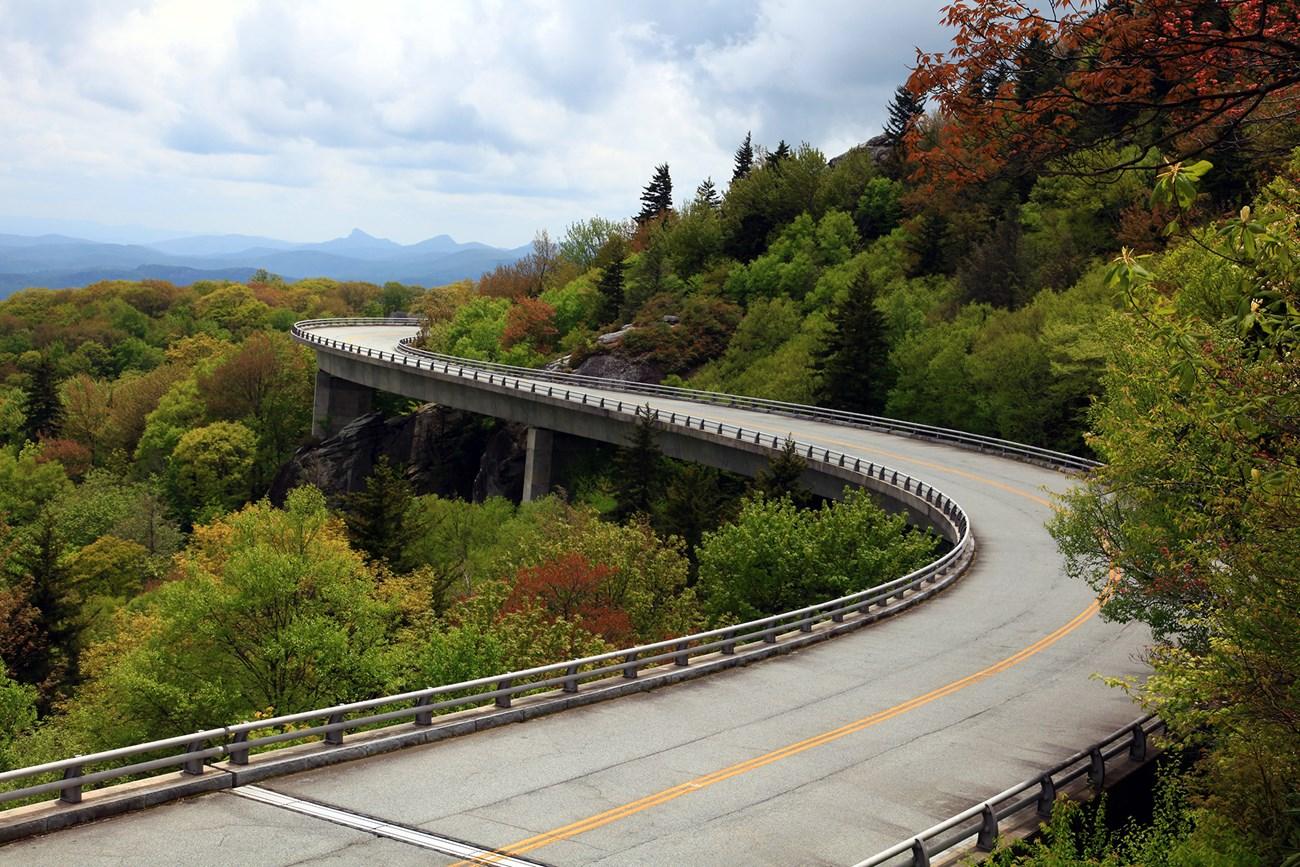
Neighbouring Regions of Foothills
The closest regions to Foothills, if you have time for more than one.



Your all‑in‑one travel companion app
Explore expert travel guides, compare and book tours, experiences, hotels, and more—all from the palm of your hand. Download now for seamless trip planning wherever your wanderlust takes you.


Explore More of North Carolina

Looking beyond Foothills? Discover North Carolina for broader travel guides, local hot-spots, and regional highlights.
Explore North CarolinaFoothills in Photos
Browse through our photo collection highlighting the charm and character of the destination.


The Enchanting Foothills of North Carolina
Nestled between the majestic Blue Ridge Mountains and the sprawling Piedmont, the Foothills in North Carolina offer a picturesque retreat for nature lovers and adventure seekers alike. This region is a tapestry of rolling hills, lush forests, and charming small towns, making it a perfect getaway from the hustle and bustle of city life. Visitors can explore a variety of outdoor activities such as hiking, biking, and fishing in the numerous parks and natural reserves scattered throughout the area. The Foothills are home to several state parks, including South Mountains State Park, where you can enjoy breathtaking waterfalls and scenic trails. For those who prefer a more relaxed pace, the region's wineries and vineyards provide a delightful experience of local flavors and stunning views. The Foothills also boast a rich cultural heritage, with historic sites and museums that offer a glimpse into the area's past. The vibrant arts scene, featuring local artisans and galleries, adds to the charm of the region. In towns like Hickory and Morganton, you'll find a warm and welcoming community, along with a variety of dining options that serve up delicious Southern cuisine. Whether you're seeking adventure, relaxation, or a bit of both, the Foothills in North Carolina promise an unforgettable experience. The region's natural beauty, combined with its rich history and culture, makes it a must-visit destination for any traveler.