
Mountain Region, North Carolina Travel Guide
Discover the natural beauty and cultural richness of North Carolina's Mountain Region, home to scenic trails, historic sites, and the majestic Blue Ridge Parkway.
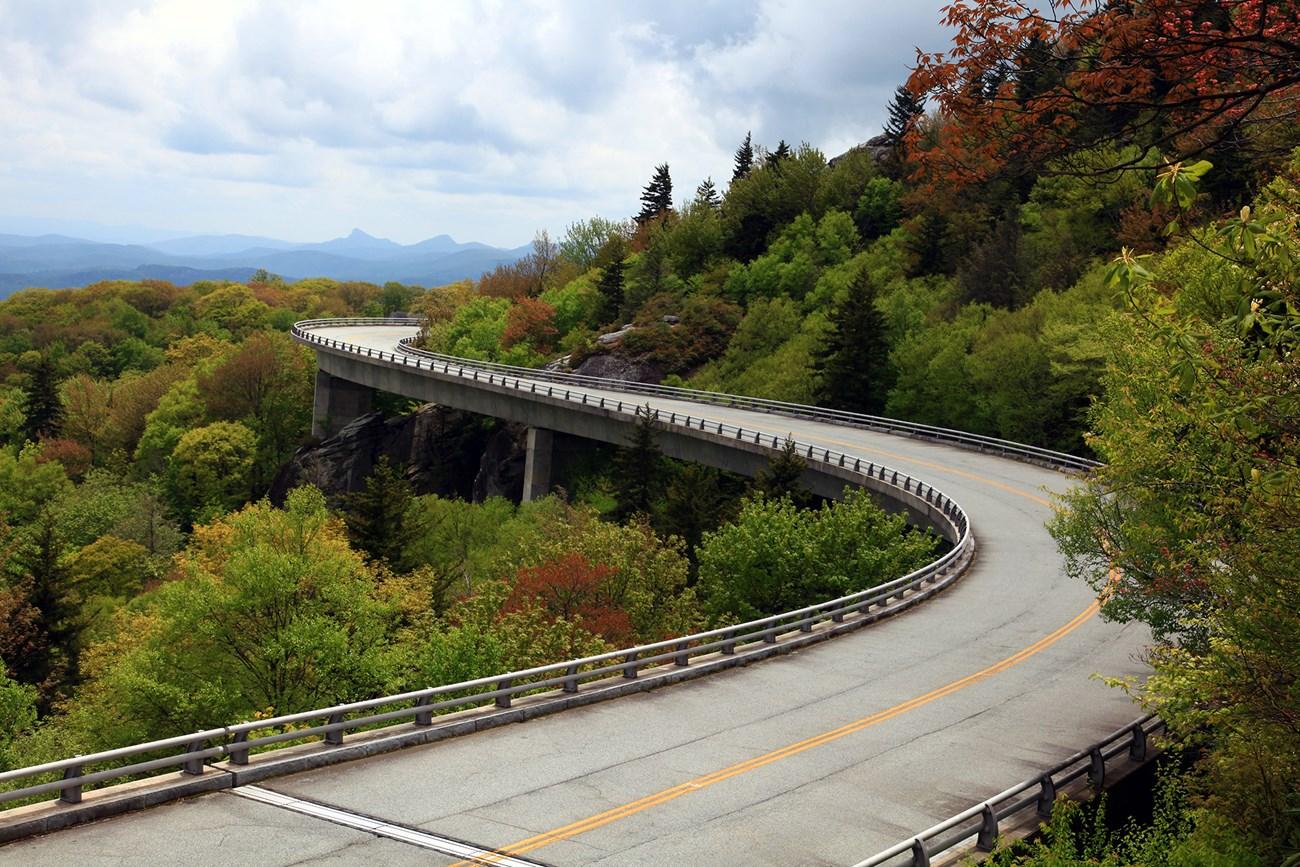
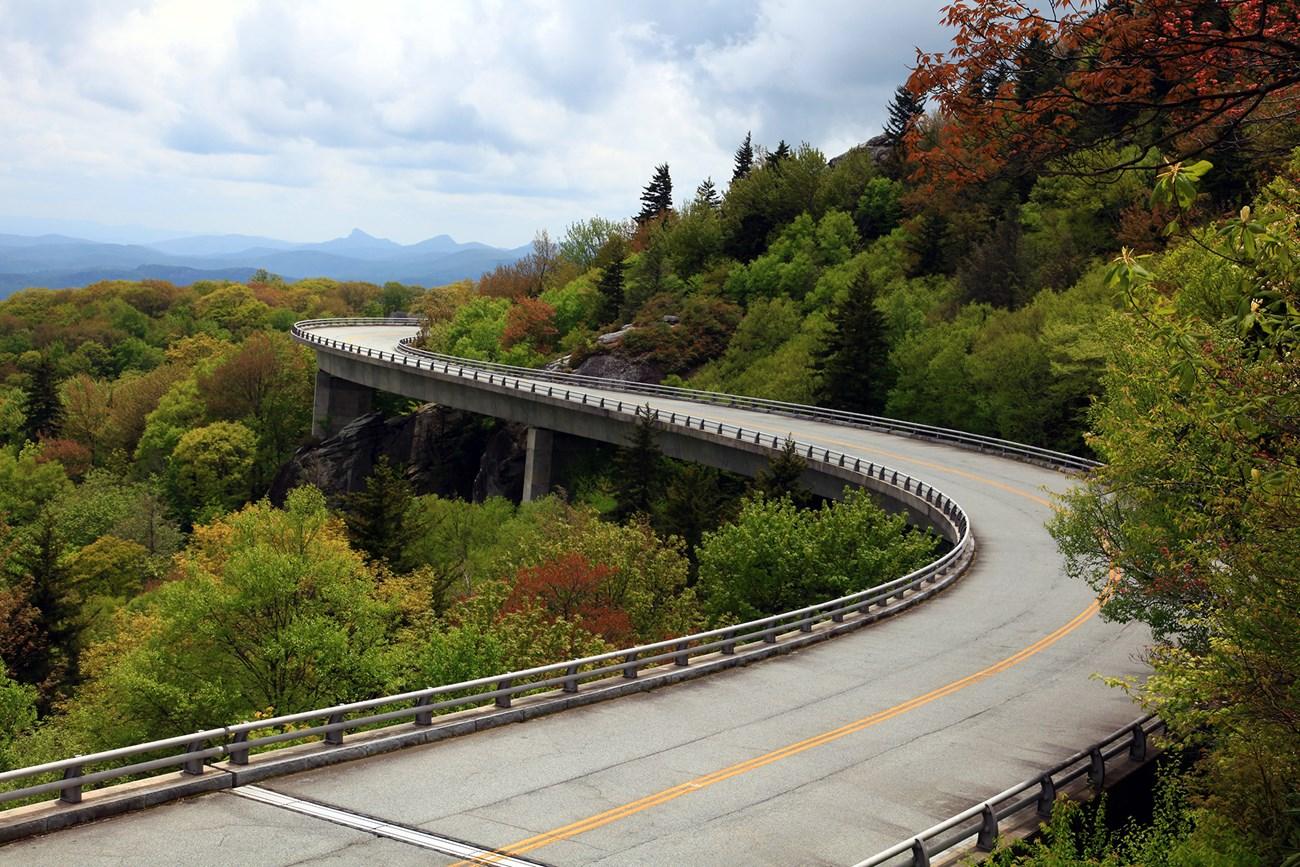
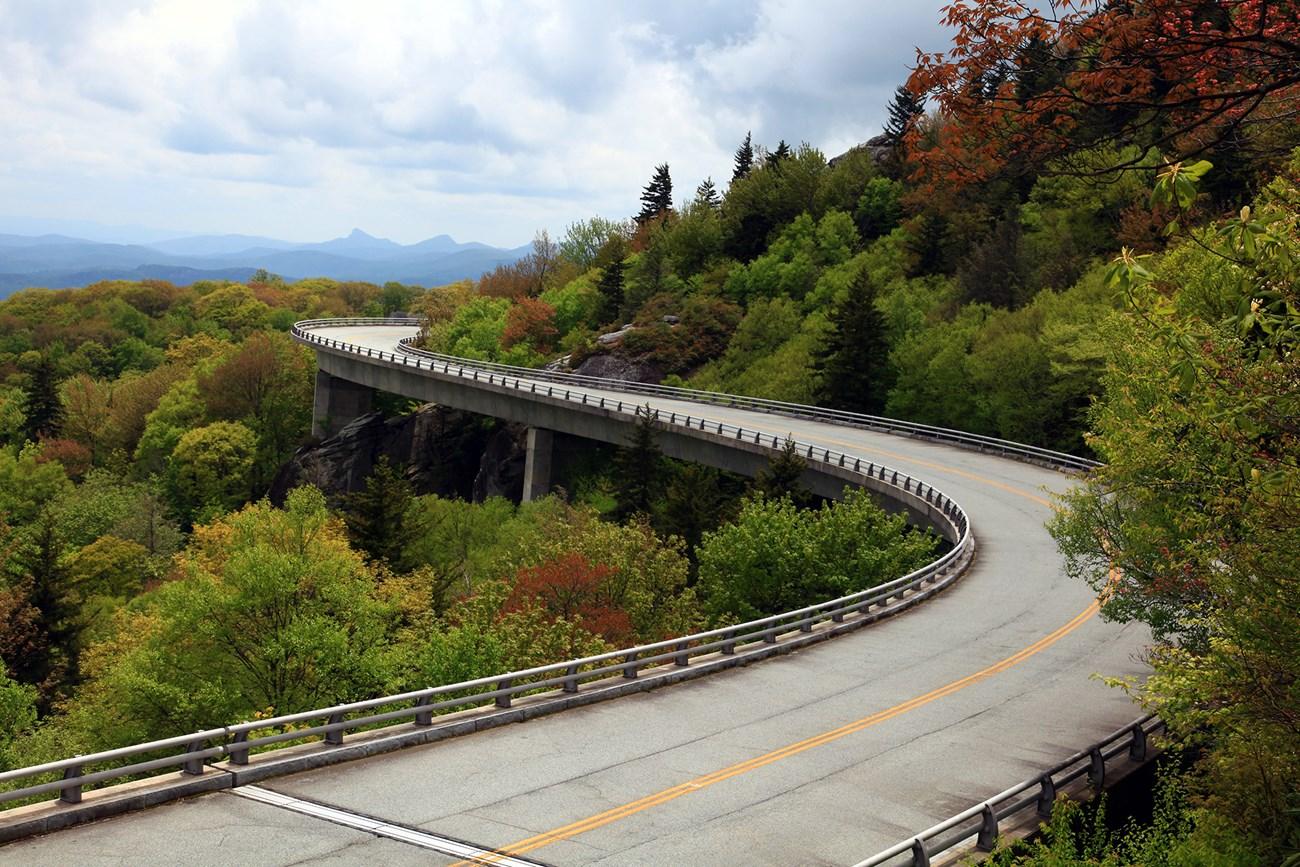
Nestled in the heart of the Appalachian Mountains, the Mountain Region of North Carolina offers a picturesque escape for tourists seeking natural beauty and outdoor adventure. This area is renowned for its stunning landscapes, which include rolling hills, dense forests, and awe-inspiring peaks such as Mount Mitchell, the highest point east of the Mississippi River. Visitors can enjoy a variety of activities, from hiking and biking on scenic trails to exploring charming small towns with rich histories and vibrant local cultures. The Blue Ridge Parkway, often referred to as 'America's Favorite Drive,' winds through this region, offering breathtaking views at every turn. Fall is an especially popular time to visit, as the foliage transforms into a vibrant tapestry of reds, oranges, and yellows. In addition to its natural attractions, the Mountain Region is home to a number of cultural sites, such as the Biltmore Estate in Asheville, which is the largest privately-owned house in the United States and a marvel of architecture and history. For those who love the great outdoors, the region boasts numerous state parks and national forests, providing endless opportunities for camping, fishing, and wildlife watching. The towns of Boone and Blowing Rock offer a blend of outdoor activities and cultural experiences, with local shops, galleries, and eateries that reflect the unique Appalachian heritage. Whether you're an adventure seeker or a history buff, the Mountain Region of North Carolina has something to offer everyone.

Know before you go
Hi, I'm Eve. Here are a few practical things to know before exploring Mountain Region.
- Visit during the fall for stunning foliage views and cooler temperatures.
- Check local trail conditions before hiking, as weather can change quickly in the mountains.
- Make time to explore Asheville's vibrant arts scene and culinary delights.
- Bring layers of clothing, as mountain weather can be unpredictable.
- Book accommodations in advance, especially during peak seasons like summer and fall.
Top City Travel Guides in Mountain Region
The cities of Mountain Region, and the easiest places to base yourself.


Destinations in Mountain Region
Resorts, valleys and scenic spots worth a trip of their own.


Explore Mountain Region: Things to Do, Places to Eat, Hotels & More
Handpicked recommendations for top attractions, local dining, accommodations, and more

Top Attractions & Sightseeing in Mountain Region
Top-rated picks
Best Attractions

Great Smoky Mountains National Park
Explore the breathtaking landscapes and rich biodiversity of Great Smoky Mountains National Park, a haven for nature lovers and adventure seekers.

Biltmore
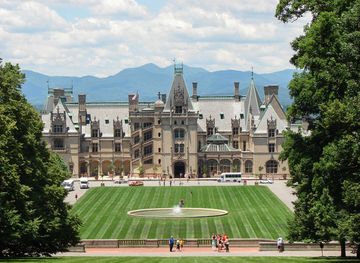
Explore the Biltmore Estate, a magnificent historical landmark featuring stunning architecture, lush gardens, and rich cultural experiences in Asheville, NC.

North Carolina Zoo
Discover the North Carolina Zoo, where wildlife and nature come to life in an expansive, immersive environment perfect for families and animal lovers.

Pisgah National Forest
Explore the breathtaking landscapes and abundant wildlife of Pisgah National Forest, a premier outdoor destination in North Carolina for nature lovers and adventurers.

Best landmarks in Mountain Region
Top-rated picks
Best Landmarks

Biltmore
Discover the Biltmore Estate, a stunning historical landmark and America's largest home, nestled in Asheville's scenic Blue Ridge Mountains.

Pilot Mountain State Park
Explore the stunning landscapes and diverse trails of Pilot Mountain State Park, a must-visit destination for nature lovers in North Carolina.

Fort Macon State Park
Explore the scenic beauty and historical significance of Fort Macon State Park, a must-visit destination in Atlantic Beach, North Carolina.

Currituck Beach Lighthouse
Explore the iconic Currituck Beach Lighthouse, a historic landmark in North Carolina, offering breathtaking views and rich maritime history.

Best restaurants in Mountain Region
Top-rated picks
Best Restaurants

Angus Barn
Experience culinary excellence at Angus Barn, Raleigh's premier steakhouse offering fine dining in a rustic yet elegant setting.

Dan'l Boone Inn
Discover the rich flavors of Appalachia at Dan'l Boone Inn, where family-friendly dining meets Southern tradition in Boone, NC.

The Prime Smokehouse: Barbecue & Beyond
Discover the best of Southern cuisine at The Prime Smokehouse: Barbecue & Beyond - where flavor meets fun in Rocky Mount.

Trailhead Restaurant & Bar
Discover the essence of American cuisine at Trailhead Restaurant & Bar in picturesque Black Mountain, NC.

Best bars in Mountain Region
Top-rated picks
Best Bars

Trolley Pub Raleigh
Experience Raleigh like never before with Trolley Pub—where craft beer meets pedal-powered sightseeing!

Off The Wagon Dueling Piano Bar Asheville
Immerse yourself in the lively atmosphere of Off The Wagon Dueling Piano Bar in Asheville, where music and fun come together for an unforgettable night.

Boxcar Bar + Arcade
Discover the ultimate blend of arcade fun and bar camaraderie at Boxcar Bar + Arcade in Raleigh, where every game is a new adventure.

Jack of the Wood Pub
Discover the vibrant atmosphere of Jack of the Wood Pub in Asheville, where delicious Irish food meets live music and local craft beers in a warm setting.

Best nightclubs in Mountain Region
Top-rated picks
Best Nightclubs

27 CLUB
Discover Asheville's vibrant nightlife at 27 CLUB, a dive bar offering live music, karaoke, and an unforgettable atmosphere in the River Arts District.

Tiger Mountain
Discover Tiger Mountain: A lively night club in Asheville, NC, featuring live music, dancing, and a vibrant atmosphere for an unforgettable nightlife experience.

Legends Nightclub
Legends Nightclub: A premier gay nightclub in Raleigh, offering vibrant entertainment, lively dance floors, and a welcoming atmosphere for all.

Mirage Exotic Nightlife
Dive into the vibrant nightlife at Mirage Exotic Nightlife, Greensboro's premier destination for adult entertainment and unforgettable experiences.

Best shops in Mountain Region
Top-rated picks
Best Shops

Charlotte Premium Outlets
Explore unbeatable deals and a vibrant shopping atmosphere at Charlotte Premium Outlets, your go-to destination for brand-name bargains.

Carolina Premium Outlets
Discover unbeatable deals and a wide selection of brand-name stores at Carolina Premium Outlets in Smithfield, NC.

Tanger Outlets Mebane
Experience unbeatable savings on top brands at Tanger Outlets Mebane, the premier shopping destination in North Carolina.

Cowee Gift Shop & Mason Mountain Mine
Discover local crafts and experience gem mining at Cowee Gift Shop & Mason Mountain Mine in Franklin, NC, where adventure meets artistry.

Explore Mountain Region on the Map
A handpicked selection of must-see spots in Mountain Region, mapped for you.
Mountain Region Essentials
-
The Mountain Region of North Carolina is accessible via several major highways, including I-40, I-26, and the Blue Ridge Parkway. The closest major airports are Asheville Regional Airport (AVL) and Charlotte Douglas International Airport (CLT). From these airports, you can rent a car or use shuttle services to reach your destination. Amtrak also offers train services to cities like Asheville, making it a scenic and comfortable travel option.
-
While the Mountain Region is best explored by car for maximum flexibility, public transportation options include buses operated by local transit authorities and regional shuttle services. Taxis and rideshare services like Uber and Lyft are available in larger towns such as Asheville and Boone. For a more eco-friendly option, consider renting a bike to explore the beautiful trails and parks.
-
The official currency is the United States Dollar (USD). Credit and debit cards are widely accepted, but it's advisable to carry some cash for smaller establishments and rural areas. ATMs are readily available in towns and cities. Mobile payment options like Apple Pay and Google Wallet are also commonly accepted.
-
The Mountain Region is generally safe for tourists. However, standard precautions should be taken, such as avoiding isolated areas at night and keeping valuables secure. Be mindful of wildlife and follow park guidelines to ensure safety. While there are no specific high-crime areas, always stay alert and aware of your surroundings.
-
In case of an emergency, dial 911 for immediate assistance. The region is equipped with medical facilities, including hospitals and urgent care centers in larger towns like Asheville. It is advisable to have travel insurance that covers medical emergencies. For minor health issues, pharmacies are available throughout the region.
-
Fashion: Do wear comfortable outdoor clothing and sturdy shoes, especially if you plan to hike. Avoid wearing high heels or flip-flops on trails. Religion: Do respect local customs and religious practices, especially in smaller communities. Public Transport: Do give up your seat to elderly passengers and avoid loud conversations. Don't eat or drink on public transport. Greetings: Do greet people with a friendly 'hello' or 'howdy'. A handshake is common. Eating & Drinking: Do try local specialties like barbecue and craft beer. Don't forget to tip your server, as it is customary.
-
To experience the Mountain Region like a local, consider visiting farmers' markets to sample fresh, local produce. Engage with locals, as they are often friendly and eager to share recommendations. Don't miss out on local festivals and events, which offer a unique glimpse into the region's culture and traditions. For a breathtaking experience, take a scenic drive along the Blue Ridge Parkway, especially during the fall foliage season.
When is the best time to visit Mountain Region?
Useful Local Phrases for Mountain Region
You don't need to speak the language perfectly. Even learning a few simple words can make conversations warmer—and locals usually appreciate the effort.
— Eve

Here are the phrases I use most often in Mountain Region. Try a few—you'll be surprised how far they go! 😊
❤️
-
- HelloHowdy
[Ha-dee] - GoodbyeSee ya
[See ya] - YesYep
[Yep] - NoNope
[Nope] - Please/You're welcomePlease/No problem
[Please/No prob-lum] - Thank youThank ya
[Thank ya] - Excuse me/SorryExcuse me/Sorry 'bout that
[Ex-cuse me/Sorry 'bout that] - How are you?How ya doin'?
[How ya doin'?] - Fine. And you?I’m good. How 'bout you?
[I'm good. How 'bout you?] - Do you speak English?Ya speakin' English?
[Ya speakin' English?] - I don't understandI ain't gettin' it
[I ain't gettin' it]
- HelloHowdy
-
- I'd like to see the menu, pleaseCan I see the menu, please?
[Can I see the menu, please?] - I don't eat meatI don't do meat
[I don't do meat] - Cheers!Cheers!
[Cheers!] - I would like to pay, pleaseI’d like to settle up, please
[I’d like to settle up, please]
- I'd like to see the menu, pleaseCan I see the menu, please?
-
- Help!Help!
[Help!] - Go away!Get lost!
[Get lost!] - Call the Police!Call the cops!
[Call the cops!] - Call a doctor!Get a doctor!
[Get a doctor!] - I'm lostI’m lost
[I'm lost] - I'm illI ain't feelin' well
[I ain't feelin' well]
- Help!Help!
-
- I'd like to buy...I wanna buy...
[I wanna buy...] - I'm just lookingJust lookin'
[Just lookin'] - How much is it?How much is that?
[How much is that?] - That's too expensiveThat’s too high
[That’s too high] - Can you lower the price?Can ya bring it down some?
[Can ya bring it down some?]
- I'd like to buy...I wanna buy...
-
- What time is it?What time ya got?
[What time ya got?] - It's one o'clockIt’s one o’clock
[It’s one o’clock] - Half past (10)Half-past ten
[Half-past ten] - MorningMornin'
[Mornin'] - AfternoonAfternoon
[Afternoon] - EveningEvenin'
[Evenin'] - YesterdayYest'day
[Yest'day] - TodayToday
[Today] - TomorrowTomorrah
[Tomorrah] - 1One
[One] - 2Two
[Two] - 3Three
[Three] - 4Four
[Four] - 5Five
[Five] - 6Six
[Six] - 7Seven
[Seven] - 8Eight
[Eight] - 9Nine
[Nine] - 10Ten
[Ten]
- What time is it?What time ya got?
-
- Where's a/the...?Where’s a...?
[Where’s a...?] - What's the address?What’s the address?
[What’s the address?] - Can you show me (on the map)?Can ya show me on the map?
[Can ya show me on the map?] - When's the next (bus)?When's the next bus?
[When's the next bus?] - A ticket (to ....)A ticket to...
[A ticket to...]
- Where's a/the...?Where’s a...?
History of Mountain Region
-
Before European settlers arrived, the Mountain Region of North Carolina was inhabited by the Cherokee Nation. The Cherokee people have a rich culture and history that is deeply connected to the land, with traditions in hunting, fishing, and agriculture. The Cherokees were skilled artisans and built complex societies with distinct social and political structures.
-
In the 16th century, Spanish explorers, including Hernando de Soto, ventured into the Mountain Region. However, it wasn't until the 18th century that European settlers, primarily of Scotch-Irish and German descent, began to establish permanent settlements. These settlers brought with them their own traditions, which blended with the indigenous cultures.
-
In the 1830s, the U.S. government enforced the Indian Removal Act, which led to the forced relocation of the Cherokee people in an event known as the Trail of Tears. Thousands of Cherokee were forced to leave their homeland and travel to what is now Oklahoma, suffering immense hardship and loss. This tragic event is a significant part of the region's history.
-
During the American Civil War, the Mountain Region of North Carolina was a hotbed of conflict and divided loyalties. While the state as a whole seceded from the Union, many mountain residents were Union sympathizers. The region saw skirmishes and guerrilla warfare, reflecting the complex and often contentious nature of mountain communities.
-
The late 19th and early 20th centuries brought significant change to the Mountain Region with the arrival of the railroad. This development opened up the area to tourism and industry, including logging and mining. Towns such as Asheville grew rapidly, becoming cultural and economic hubs.
-
Constructed during the Great Depression as part of the New Deal, the Blue Ridge Parkway is one of the most famous scenic highways in the United States. Stretching through the Appalachian Mountains, it connects the Great Smoky Mountains National Park in North Carolina to Shenandoah National Park in Virginia, offering breathtaking views and promoting tourism in the region.
-
The Appalachian Trail, a 2,200-mile-long hiking trail, passes through the Mountain Region of North Carolina. Established in 1937, the trail attracts thousands of hikers each year and is a key part of the region's outdoor recreation culture. It provides a way to experience the natural beauty and rugged terrain of the Appalachian Mountains.
-
In the late 19th and early 20th centuries, there was a revival of traditional crafts in the Mountain Region, known as the Craft Revival. Organizations like the Southern Highland Craft Guild were established to preserve and promote the region's rich heritage of woodworking, weaving, and pottery. This movement has had a lasting impact on the local culture and economy.
-
The Mountain Region of North Carolina is renowned for its rich musical heritage. The area is a cradle of American folk music, particularly bluegrass and old-time music. Festivals such as the annual MerleFest celebrate this musical tradition, attracting musicians and enthusiasts from around the world.
Neighbouring Regions of Mountain Region
The closest regions to Mountain Region, if you have time for more than one.


Your all‑in‑one travel companion app
Explore expert travel guides, compare and book tours, experiences, hotels, and more—all from the palm of your hand. Download now for seamless trip planning wherever your wanderlust takes you.


Explore More of North Carolina

Looking beyond Mountain Region? Discover North Carolina for broader travel guides, local hot-spots, and regional highlights.
Explore North CarolinaMountain Region in Photos
Browse through our photo collection highlighting the charm and character of the destination.

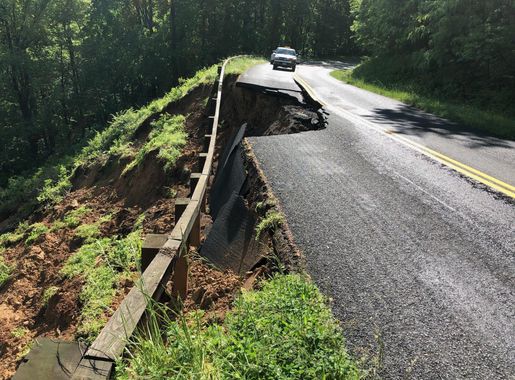


Exploring the Majestic Mountain Region of North Carolina
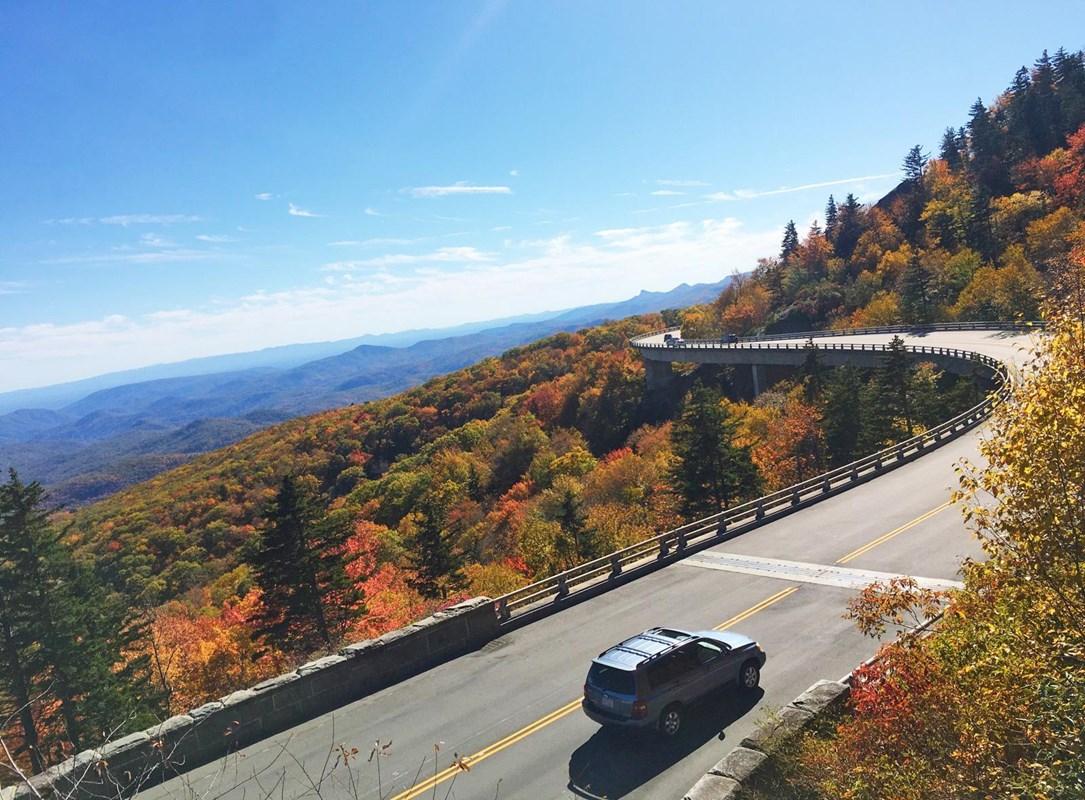
Nestled in the heart of the Appalachian Mountains, the Mountain Region of North Carolina offers a picturesque escape for tourists seeking natural beauty and outdoor adventure. This area is renowned for its stunning landscapes, which include rolling hills, dense forests, and awe-inspiring peaks such as Mount Mitchell, the highest point east of the Mississippi River. Visitors can enjoy a variety of activities, from hiking and biking on scenic trails to exploring charming small towns with rich histories and vibrant local cultures. The Blue Ridge Parkway, often referred to as 'America's Favorite Drive,' winds through this region, offering breathtaking views at every turn. Fall is an especially popular time to visit, as the foliage transforms into a vibrant tapestry of reds, oranges, and yellows. In addition to its natural attractions, the Mountain Region is home to a number of cultural sites, such as the Biltmore Estate in Asheville, which is the largest privately-owned house in the United States and a marvel of architecture and history. For those who love the great outdoors, the region boasts numerous state parks and national forests, providing endless opportunities for camping, fishing, and wildlife watching. The towns of Boone and Blowing Rock offer a blend of outdoor activities and cultural experiences, with local shops, galleries, and eateries that reflect the unique Appalachian heritage. Whether you're an adventure seeker or a history buff, the Mountain Region of North Carolina has something to offer everyone.