

Free James River Valley Travel Guide & Mobile App
Explore James River Valley with free travel guides. Discover regional history, expert tips, proposed trips, and audio guides on web or mobile app.


Explore North Dakota’s James River Valley for prairie landscapes, Jamestown heritage, bison history, wildlife, fishing and small-town culture.
Read more about James River Valley
Getting to and around James River Valley
How to get there
Transportation
Best attractions in James River Valley
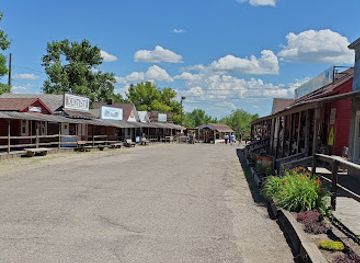
The James River Valley’s attractions combine prairie nature, local history and accessible outdoor recreation. Jamestown is the principal concentration, with the National Buffalo Museum and Frontier Village presenting different aspects of bison, Indigenous and settler history, material culture and the development of a frontier town. The enormous Dakota Thunder bison monument is a memorable roadside landmark, while the city’s river environment and nearby Jamestown Reservoir support fishing, boating, birdwatching and seasonal walks. South of Jamestown, the communities of LaMoure and Oakes offer a more agricultural perspective through local heritage collections, civic buildings and working-town landscapes. The James River’s wooded edges, wetlands and open floodplain provide opportunities for wildlife observation, particularly during migration, although access varies by season and land ownership. Rural drives are part of the experience: grain elevators, shelterbelts, farmsteads and expansive fields reveal how transport and agriculture shaped the valley. Visitors should expect a spread-out destination rather than a continuously developed attraction zone, and should confirm opening arrangements for small museums and community-run sites before making a long detour.
-
Park
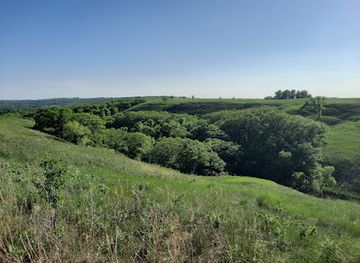
Fort Ransom State Park
Explore the breathtaking landscapes and rich history of Fort Ransom State Park, a perfect destination for outdoor enthusiasts and families in North Dakota.
Best landmarks in James River Valley
The most recognisable landmark in the James River Valley is Dakota Thunder, the vast bison sculpture beside Jamestown, which expresses the animal’s importance to the region’s landscapes, history and tourism. Nearby Frontier Village provides a cluster of historic buildings and interpretive displays that evoke the material world of settlement-era communities, while the National Buffalo Museum gives the bison a broader cultural and natural-history context. The former Fort Seward site in Jamestown marks the short-lived military post established during the railway and settlement expansion of the 1870s. Jamestown’s river corridor and reservoir are geographical landmarks as much as recreational spaces, showing how water has shaped the city and its surrounding prairie. Farther south, the working silhouettes of grain elevators, railway infrastructure and courthouse-centred towns form a less monumental but highly characteristic regional landscape. Together these places make the valley legible: military expansion, railway development, bison history, agriculture and the enduring presence of the James River are all visible within one open prairie setting.
-
Historical landmark
World's Largest Buffalo Monument
Explore the iconic World's Largest Buffalo Monument in Jamestown, ND, a towering tribute to American history and Native American heritage.
-
Park
Whitestone Hill State Historic Site
Explore the rich history and beautiful landscapes of Whitestone Hill State Historic Site in North Dakota, a perfect blend of education and natural beauty.
-
Historical place
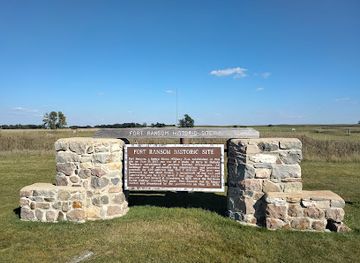
Fort Ransom State Historic Site
Discover the rich military history and stunning landscapes at Fort Ransom State Historic Site, a must-visit for history buffs and nature lovers in North Dakota.
-
Historical place
Carroll House
Experience the historical charm of Carroll House in Fullerton, North Dakota, where the past comes alive through captivating stories and stunning architecture.
Explore James River Valley on the map
Plan your trip on one map. See where the top cities, national parks and sights are, and book hotels and experiences in a few clicks.
Best hotels in James River Valley
Best restaurants in James River Valley
Dining in the James River Valley reflects North Dakota’s agricultural setting and the practical hospitality of small regional centres. Jamestown has the broadest choice, including cafés, family restaurants, diners and places serving familiar American meals, while LaMoure and Oakes provide smaller local options whose schedules may be seasonal or limited. Menus commonly draw on beef, pork, poultry, potatoes, grains and substantial baked goods, alongside the wider Upper Midwest traditions of sandwiches, soups and homestyle cooking. Visitors may also encounter Scandinavian-influenced baking and community recipes associated with the state’s Norwegian and other European immigrant heritage, although these are part of a broader North Dakota food culture rather than an identity exclusive to the valley. Farmers’ markets, grocers and roadside produce stands can be useful for picnics when available. In rural districts, plan meals around opening times and carry supplies for longer drives; independent cafés and local diners often provide the most direct connection with everyday community life.
-
American
Buffalo Grill
Savor the flavors of classic American cuisine at Buffalo Grill in Jamestown - where comfort meets great service.
Best bars in James River Valley
Evening life in the James River Valley is centred on traditional bars, hotel lounges, restaurants and community venues rather than a large nightclub circuit. Jamestown has the widest selection and may offer live music, seasonal events and social venues associated with college, civic and sporting life, while LaMoure and Oakes are quieter places where evenings generally revolve around local bars, dining and community gatherings. Rural hospitality is informal, but businesses can be widely spaced and closing times vary, so arrange transport rather than relying on late public services. The region is not primarily a destination for clubbing; its evening appeal lies in conversation, local food, sporting events, open skies and the slower rhythm of small-town North Dakota. Alcohol laws and service practices follow North Dakota and United States regulations, including age restrictions, so visitors should carry accepted identification and avoid drinking and driving.
-
Pub
Blarney Stone Pub - West Fargo
Discover the lively atmosphere of Blarney Stone Pub in West Fargo, where Irish hospitality meets delicious food and drinks.
-
Pub
Lucky's 13 Pub
Discover the lively ambiance of Lucky's 13 Pub in Fargo, where American cuisine meets live music for a memorable dining experience.
-
Grill
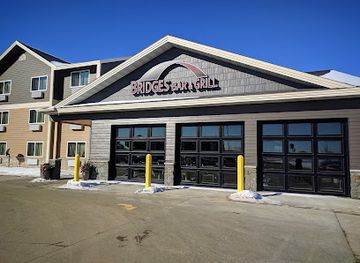
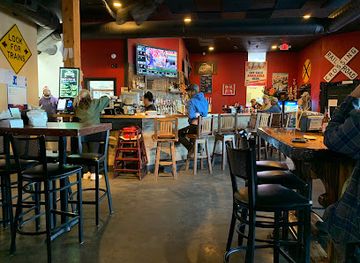
Bridges Bar & Grill
Experience the best of American cuisine with a vibrant bar atmosphere at Bridges Bar & Grill in Valley City, North Dakota.
-
Grill
Rusted Rail Bar & Grill
Discover the flavors of North Dakota at Rusted Rail Bar & Grill, where hearty meals and a cozy atmosphere meet for an unforgettable dining experience.
Best shops in James River Valley
Shopping in the James River Valley is practical, local and concentrated in Jamestown’s main commercial areas, with smaller selections in LaMoure and Oakes. Visitors will find everyday goods, outdoor supplies, groceries, independent services and gifts rather than extensive designer retail. Frontier-themed souvenirs, bison-related items, books about North Dakota and locally made crafts are among the most regionally relevant purchases, particularly around Jamestown’s heritage attractions. Community markets and seasonal farmers’ markets, when operating, may offer baked goods, preserves, vegetables, handmade items and other produce from the surrounding agricultural area. Rural shops and galleries can have irregular hours, so check locally before making a special journey. The most useful gifts are often food products, regional books, practical prairie crafts or artwork reflecting the landscape, rather than generic souvenirs. Visitors should remember that sales tax is normally added at checkout and that smaller traders may prefer cash even though card payment is widespread in larger businesses.
-
Shopping mall
Buffalo Mall
Discover a diverse shopping experience at Buffalo Mall in Jamestown, North Dakota, with a variety of stores, dining options, and entertainment for all.
-
Gift shop
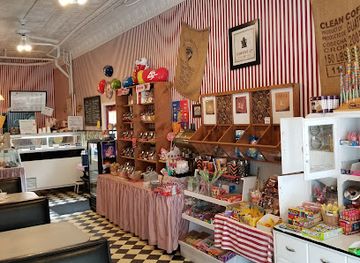
Sweets 'n Stories
Discover the sweet blend of books, coffee, and candy at Sweets 'n Stories, a charming gem in Oakes, North Dakota.
-
Dollar store
Dollar General
Explore Oakes, North Dakota with ease at Dollar General, your affordable hub for everyday essentials and local treasures.
-
Flea market
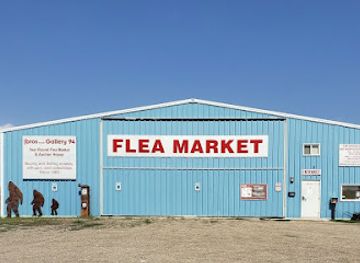
JBros-n-Me Gallery 94 Flea Market, Event Venue, Auction House
Experience the charm of JBros-n-Me Gallery 94, a vibrant flea market and event venue in Jamestown, ND, filled with unique antiques and collectibles.


Get your free copy of our complete guide to James River Valley, delivered straight to you.
Everything on this page, from attractions and restaurants to essentials and local phrases, in one PDF you can read offline, print or share.
Already have an account? Sign in
Your James River Valley guide is ready.
We'll send it to · Not you? Sign out

Getting your guide ready…
We are putting together a fresh copy of the James River Valley guide. This can take up to a minute.
This can take a few moments. If your browser asks, choose Allow so the download can start. You'll find the guide in your Downloads folder.
Nothing happened? Download it again
Sorry, the guide is taking longer than usual. Please try again in a minute, or get it by email instead.
James River Valley essentials
Currency and Payment
Safety
Emergency Situations
Do's and Don'ts
Local Tips
From Eve
Local phrases worth knowing
You don't need to get them perfect. A few words go a long way, and locals appreciate the effort.
Basics
| English | Local | Say it |
|---|---|---|
| Hello | Howdy | [haʊdi] |
| Goodbye | See you later | [si ju ˈleɪtər] |
| Yes | Yup | [jʌp] |
| No | Nope | [noʊp] |
| Please/You're welcome | Please | [pliz] |
| Thank you | Thanks a lot | [θæŋks ə lɑt] |
| Excuse me/Sorry | Pardon me | [ˈpɑrdən mi] |
| How are you? | How ya doin'? | [haʊ jə ˈduɪn] |
| Fine. And you? | Good. And you? | [ɡʊd ənd ju] |
| Do you speak English? | Do ya speak English? | [du jə spiːk ˈɪŋɡlɪʃ] |
| I don't understand | I don’t get it | [aɪ doʊnt ɡɛt ɪt] |
Eating & Drinking
| English | Local | Say it |
|---|---|---|
| I'd like to see the menu, please | Can I see the menu, please? | [kæn aɪ si ðə ˈmɛnjuː pliz] |
| I don't eat meat | I ain't eatin' meat | [aɪ eɪnt ˈiːtɪn miːt] |
| Cheers! | Cheers! | [tʃɪrz] |
| I would like to pay, please | Could I get the bill, please? | [kəd aɪ ɡɛt ðə bɪl pliz] |
Emergencies
| English | Local | Say it |
|---|---|---|
| Help! | Help! | [hɛlp] |
| Go away! | Get lost! | [ɡɛt lɔst] |
| Call the Police! | Call the cops! | [kɔl ðə kɑps] |
| Call a doctor! | Get a doctor! | [ɡɛt ə ˈdɑktər] |
| I'm lost | I’m turned around | [aɪm tɜrnd əˈraʊnd] |
| I'm ill | I’m not feelin' good | [aɪm nɑt ˈfiːlɪn ɡʊd] |
Shopping
| English | Local | Say it |
|---|---|---|
| I'd like to buy... | I wanna buy... | [aɪ ˈwɑnə baɪ] |
| I'm just looking | Just browsin' | [dʒʌst ˈbraʊzɪn] |
| How much is it? | What’s the price? | [wʌts ðə praɪs] |
| That's too expensive | That's pricy | [ðæts ˈpraɪsi] |
| Can you lower the price? | Can ya reduce the price? | [kæn jə rɪˈdjuːs ðə praɪs] |
Time & Numbers
| English | Local | Say it |
|---|---|---|
| What time is it? | What time is it? | [wʌt taɪm ɪz ɪt] |
| It's one o'clock | It's one o'clock | [ɪts wʌn əˈklɑk] |
| Half past (10) | Half past ten | [hæf pæst tɛn] |
| Morning | Mornin' | [ˈmɔrnɪn] |
| Afternoon | Afternoon | [ˌɑftərˈnun] |
| Evening | Evenin' | [ˈiːvnɪn] |
| Yesterday | Yesterday | [ˈjɛstərdeɪ] |
| Today | Today | [təˈdeɪ] |
| Tomorrow | Tomorrow | [təˈmɑroʊ] |
| 1 | One | [wʌn] |
| 2 | Two | [tu] |
| 3 | Three | [θri] |
| 4 | Four | [fɔr] |
| 5 | Five | [faɪv] |
| 6 | Six | [sɪks] |
| 7 | Seven | [ˈsɛvən] |
| 8 | Eight | [eɪt] |
| 9 | Nine | [naɪn] |
| 10 | Ten | [tɛn] |
Transport & Directions
| English | Local | Say it |
|---|---|---|
| Where's a/the...? | Where’s the...? | [wɛrz ðə] |
| What's the address? | What’s the address? | [wʌts ði ˈædrɛs] |
| Can you show me (on the map)? | Can ya show me on the map? | [kæn jə ʃoʊ mi ɑn ðə mæp] |
| When's the next (bus)? | When’s the next bus? | [wɛn z ðə nɛkst bʌs] |
| A ticket (to ....) | One ticket to... | [wʌn ˈtɪkɪt tə] |
History of James River Valley
Indigenous Homelands and the River Landscape
The James River Valley lies within the wider northern Great Plains homeland of Indigenous peoples, including Dakota communities whose historical presence predates American settlement. The river, grasslands and wetlands supplied routes, water and seasonal resources, while Indigenous knowledge shaped movement across the prairie. Later settlement narratives often presented the area as an empty frontier, but the region’s history must also be understood through the displacement, treaty-making and continuing presence of Native nations in North Dakota.
Fort Seward and the Early Settlement Era
In 1872, the United States Army established Fort Seward at Jamestown during the period of railway expansion and heightened military interest in the Northern Plains. The post was short-lived, closing in 1877, but it helped anchor a permanent settlement at a strategic crossing of the James River. The fort’s location and surviving commemorative markers connect Jamestown with the wider story of military posts, Indigenous resistance, federal expansion and the transformation of travel across Dakota Territory.
The Northern Pacific Railway, 1870s
The arrival of the Northern Pacific Railway in the early 1870s was the decisive development in Jamestown’s growth and influenced communities farther down the valley. Rail transport connected farms with commercial markets, brought settlers and supplies into the region, and encouraged the establishment of grain elevators, warehouses and service businesses. Many towns in southeastern North Dakota developed around this railway geography, even as later road transport reduced the rail network’s everyday importance.
Agricultural Settlement and Town Building
During the late nineteenth and early twentieth centuries, homesteading and land development transformed the valley’s prairie into a mixed agricultural region. Wheat, small grains, cattle and later diversified crops supported farm families and the businesses of towns such as Jamestown, LaMoure and Oakes. Courthouses, churches, schools, elevators and commercial blocks became visible expressions of community life. The pattern of scattered farms and modest service centres remains one of the valley’s defining cultural landscapes.
Water Development and Recreation
Dams and reservoirs constructed during the twentieth century altered parts of the James River system, helping manage water resources while introducing new settings for boating, fishing, wildlife observation and recreation. Jamestown Reservoir, north of the city, became especially important to the local outdoor economy. These projects also changed river habitats and shoreline environments, illustrating the balance between agricultural and community needs, flood management, wildlife conservation and recreational use in a semi-arid prairie state.
Modern Prairie Communities
The valley’s recent history has been shaped by agricultural consolidation, improved highways, changing railway services and the continuing importance of small-town institutions. Jamestown developed as a regional centre, while LaMoure and Oakes retained roles as county and agricultural service communities. Heritage museums, public events and outdoor recreation now complement farming and manufacturing. The result is not a preserved nineteenth-century landscape but a living region where older railway and agricultural patterns coexist with contemporary rural life.
James River Valley in Photos
Browse through our photo collection highlighting the charm and character of the destination.
Neighbouring regions of James River Valley
The closest regions to James River Valley, if you have time for more than one.
-

-

-

-

-


Swipe for more regions
Explore more
Explore more of North Dakota
Discover the rugged beauty, rich history, and warm hospitality of North Dakota, the untamed frontier of the United States.
Explore North Dakota