

Free Prairie Pothole Region Travel Guide & Mobile App
Explore Prairie Pothole Region with free travel guides. Discover regional history, expert tips, proposed trips, and audio guides on web or mobile app.


Explore North Dakota’s Prairie Pothole Region for glacial wetlands, migratory birds, Devils Lake, open prairie and quiet wildlife refuges.
Read more about Prairie Pothole Region
When is the best time to visit Prairie Pothole Region?
Best: June–August · 23–26°C| Month | High (°C) | Rainfall (mm) |
|---|---|---|
| January | -7 | 15 |
| February | -4 | 15 |
| March | 3 | 20 |
| April | 12 | 30 |
| May | 19 | 50 |
| June (best) | 23 | 60 |
| July (best) | 26 | 60 |
| August (best) | 25 | 60 |
| September | 20 | 40 |
| October | 14 | 30 |
| November | 4 | 20 |
| December | -3 | 15 |
Getting to and around Prairie Pothole Region
How to get there
Transportation
Top city travel guides in Prairie Pothole Region
The cities of Prairie Pothole Region, and the easiest places to base yourself.
-

-

-

-

-
-


Swipe for more cities
Destinations in Prairie Pothole Region
Resorts, valleys and scenic spots worth a trip of their own.
-

-
-

-

-

-


Swipe for more destinations
Best attractions in Prairie Pothole Region
The principal attractions of North Dakota’s Prairie Pothole Region are its wetlands, wildlife and expansive working landscape. National wildlife refuges including Chase Lake, Tewaukon, Arrowwood, Audubon and J. Clark Salyer offer combinations of prairie, marsh, woodland and open water, with opportunities for birdwatching, photography, fishing, hiking and seasonal hunting where regulations permit. Chase Lake is particularly associated with nesting American white pelicans, while the wider refuge network provides habitat for ducks, geese, cranes, shorebirds and raptors. Devils Lake supports boating, fishing and lakeside recreation, and the surrounding basin rewards slow exploration of smaller wetlands and rural roads. Fort Totten State Historic Site adds a substantial layer of military, Indigenous and federal history near Devils Lake, while local museums, historic town centres and agricultural landmarks illuminate later settlement. Facilities vary considerably: some sites have developed trails and interpretation, whereas others are primarily accessed through overlooks, gravel roads or self-guided observation. The region is best understood as a connected landscape rather than a succession of major urban attractions.
-
 National park
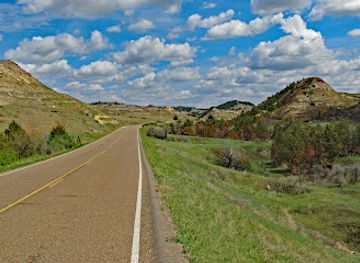
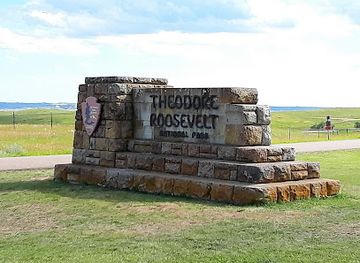
Theodore Roosevelt National Park
Discover the breathtaking landscapes and rich wildlife of Theodore Roosevelt National Park, a natural wonder in North Dakota that honors our nation's conservation history.
-
Historical landmark
World's Largest Buffalo Monument
Explore the World's Largest Buffalo Monument, a breathtaking historical landmark in Jamestown, ND, celebrating the legacy of buffalo in the American West.
-
National reserve
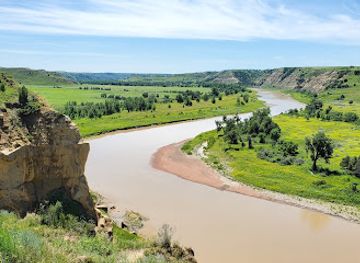
Theodore Roosevelt National Park, South Unit.
Experience the wild beauty of Theodore Roosevelt National Park, where rugged landscapes meet diverse wildlife in North Dakota's stunning national reserve.
-
Tourist attraction
Salem Sue
Explore Salem Sue, the towering Holstein cow in New Salem, ND - a unique roadside attraction that captures North Dakota's quirky charm.

Best landmarks in Prairie Pothole Region
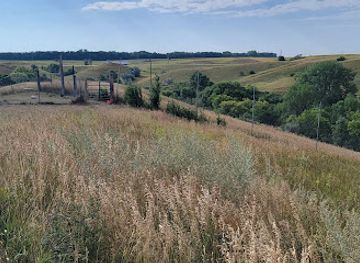
Devils Lake is the region’s most recognisable natural landmark, a large, enclosed lake whose changing water levels have shaped local settlement, transport, recreation and wildlife habitat. Its broad waters and low surrounding horizons express the glacial character of the Prairie Pothole landscape. Fort Totten State Historic Site, near the lake, is a notable built landmark whose preserved nineteenth-century structures document the United States military and federal presence while also connecting to the history of the Spirit Lake Dakota community. Chase Lake’s broad wetland basin is important both visually and ecologically, with its protected nesting habitat making it one of the region’s best-known wildlife places. Smaller refuge landscapes at Tewaukon, Arrowwood, Audubon and J. Clark Salyer are less monumental but collectively define the region through marshes, prairie, shelterbelts and open water. Across the countryside, grain elevators, rural churches, courthouse squares and linear shelterbelts provide contrasting human landmarks, recording the agricultural settlement that followed railway expansion and homesteading.
-
National park
Theodore Roosevelt National Park
Explore Theodore Roosevelt National Park – a majestic blend of stunning landscapes, diverse wildlife, and rich history awaits you in North Dakota.
-
Historical landmark
World's Largest Buffalo Monument
Explore the monumental World's Largest Buffalo Monument in Jamestown, ND, a symbol of American heritage and a must-visit tourist attraction.
-
State park
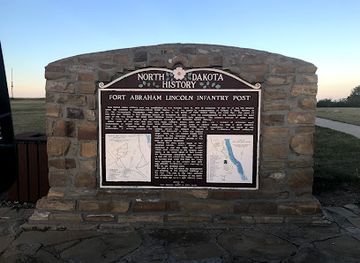
Fort Abraham Lincoln State Park
Explore Fort Abraham Lincoln State Park, where history intertwines with nature's beauty in North Dakota's scenic landscapes.
-
National reserve
Theodore Roosevelt National Park, South Unit.
Discover the breathtaking landscapes and rich wildlife of Theodore Roosevelt National Park, South Unit - a true American treasure in North Dakota.
Explore Prairie Pothole Region on the map
Plan your trip on one map. See where the top cities, national parks and sights are, and book hotels and experiences in a few clicks.
Best hotels in Prairie Pothole Region
Best restaurants in Prairie Pothole Region
Dining is shaped by small North Dakota communities, agricultural supply towns and lakeside recreation centres rather than a concentrated restaurant district. Visitors will find American diners, cafés, family restaurants, taverns and rural establishments serving familiar regional fare such as burgers, steaks, sandwiches, fried fish and hearty breakfasts. Around Devils Lake and other fishing destinations, freshwater fish may appear seasonally, although menus and availability change. Grain farming and livestock production underpin the wider food culture, while bakeries and community cafés provide practical stops on long drives. Farmers’ markets and seasonal stands can offer locally grown vegetables, fruit, baked goods and preserves when operating. In larger towns, restaurants may add Mexican, Asian or contemporary American dishes to the traditional mix. Tipping follows standard United States practice, and visitors should not assume that a small rural dining room has the same hours or payment facilities as a city restaurant.
-
Grill
Blue Moose Bar & Grill
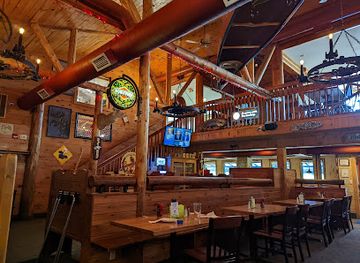
Experience delicious dining at Blue Moose Bar & Grill in East Grand Forks - where fresh ingredients meet great flavors!
-
Steak
LongHorn Steakhouse
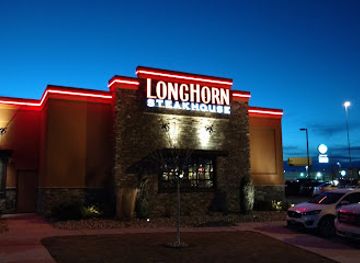
Experience mouthwatering steaks and American classics at LongHorn Steakhouse in Minot - perfect for families and food lovers.
-
Mexican
Mi Mexico Restaurant
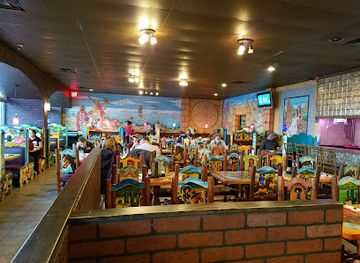
Savor authentic Mexican flavors at Mi Mexico Restaurant in Minot, ND—where every meal is a fiesta!
-
Restaurant
Jack's Steakhouse & Seafood
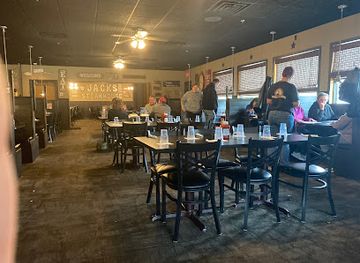
Discover the exquisite taste of steaks and seafood at Jack's Steakhouse & Seafood in Bismarck – where flavor meets hospitality.
Best bars in Prairie Pothole Region
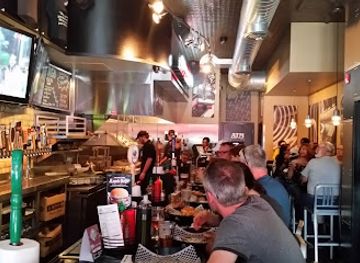
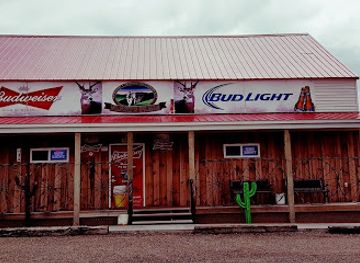
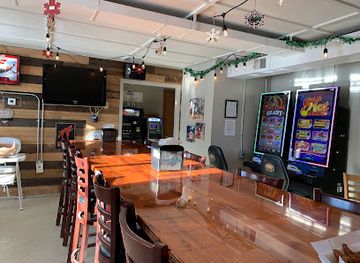
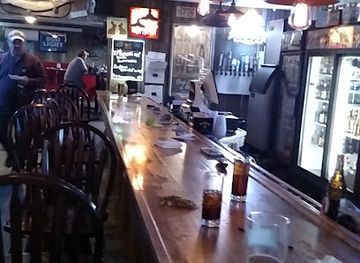
Evening life in the Prairie Pothole Region is centred on traditional bars, taverns, breweries, restaurants and community events rather than a large nightclub scene. Devils Lake and Jamestown have the broadest choice of places for a casual drink or meal, while smaller towns generally offer a handful of locally oriented establishments where conversation and televised sport are more typical than late-night dancing. Lakeside communities may become busier during the boating and fishing seasons, but activity is often quieter outside summer. Live music, county fairs, seasonal festivals and community gatherings can provide more distinctive evening entertainment than purpose-built clubs. Because venues and closing arrangements vary, check locally rather than relying on assumptions about late opening. Alcohol is not necessary to experience the region, and visitors should plan a designated driver or other safe transport when travelling between rural communities.
-
Bar
JL Beers
Discover the best gourmet burgers and craft beers at JL Beers in Fargo, where every bite is a celebration of local flavor.
-
Bar
Flashs Place
Experience the rustic charm of Flash's Place, a favorite bar in Sterling, ND, blending local culture with a welcoming atmosphere for all visitors.
-
Grill
Sykeston Dam Bar & Grill
Discover the heartwarming flavors and local spirit at Sykeston Dam Bar & Grill, a perfect dining spot in North Dakota.
Best nightclubs in Prairie Pothole Region
Evening life in the Prairie Pothole Region is centred on traditional bars, taverns, breweries, restaurants and community events rather than a large nightclub scene. Devils Lake and Jamestown have the broadest choice of places for a casual drink or meal, while smaller towns generally offer a handful of locally oriented establishments where conversation and televised sport are more typical than late-night dancing. Lakeside communities may become busier during the boating and fishing seasons, but activity is often quieter outside summer. Live music, county fairs, seasonal festivals and community gatherings can provide more distinctive evening entertainment than purpose-built clubs. Because venues and closing arrangements vary, check locally rather than relying on assumptions about late opening. Alcohol is not necessary to experience the region, and visitors should plan a designated driver or other safe transport when travelling between rural communities.
-
Bar
The Windbreak
Discover the lively ambiance of The Windbreak, Fargo's premier bar and live music venue, perfect for an unforgettable night out.
-
Grill
Littles Bar & Grill
Discover delicious grilled dishes and a welcoming atmosphere at Littles Bar & Grill in Pick City, perfect for a satisfying meal anytime.
-
Lounge
Level 10
Discover the lively atmosphere of Level 10, a premier lounge and nightclub in Grand Forks, ND, offering vibrant nightlife and a diverse drink selection.
-
Night club
The Original
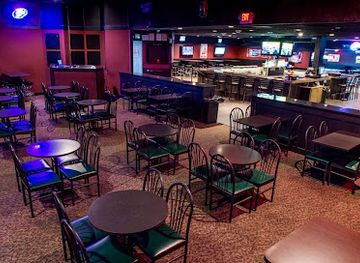
Discover the vibrant nightlife at The Original Night Club in Minot, ND, where drinks flow, music plays, and memories are made.


Best shops in Prairie Pothole Region
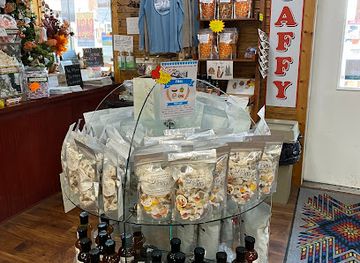
Shopping is concentrated in the main towns and serves local communities as much as visitors. Devils Lake and Jamestown provide the broadest mix of supermarkets, outdoor suppliers, gifts, clothing, cafés and practical services, while smaller centres such as Carrington, Harvey and Rugby offer independent shops, antique stores and locally oriented high streets. Markets and seasonal farm stands may sell vegetables, baked goods, preserves, honey and other products from the surrounding agricultural area, but dates and locations vary. Outdoor retailers are useful for fishing equipment, warm clothing and birdwatching supplies, and local museums or historic sites may stock books and educational items connected with North Dakota history and wildlife. Suitable regional purchases include prairie-themed art, Indigenous-made work bought through responsible and clearly identified channels, locally produced food and publications about birds or the glacial landscape. Visitors should not expect extensive luxury retail; the region’s shopping character is practical, community-based and closely linked to farming, wildlife and outdoor recreation.
-
Gift shop
The Buffalo Gap Gift Shop
Explore The Buffalo Gap Gift Shop in Medora, ND for unique local crafts, home goods, and delightful gifts that capture the spirit of North Dakota.
-
Gift shop
The Melted Crayon Gift Shop LLC
Explore the vibrant world of creativity at The Melted Crayon Gift Shop in Jamestown, ND, where every item tells a colorful story.
-
Candy store
Medora, Rushmore Mt Taffy Shop
Discover the sweet taste of handcrafted taffy at Rushmore Mt Taffy Shop in Medora, a delightful stop for candy lovers and tourists alike.
-
Gift shop
Prairie Creek Pride of Dakota Store
Explore the Prairie Creek Pride of Dakota Store for unique North Dakota gifts, handcrafted items, and local delicacies perfect for any traveler.



Get your free copy of our complete guide to Prairie Pothole Region, delivered straight to you.
Everything on this page, from attractions and restaurants to essentials and local phrases, in one PDF you can read offline, print or share.
Already have an account? Sign in
Your Prairie Pothole Region guide is ready.
We'll send it to · Not you? Sign out

Getting your guide ready…
We are putting together a fresh copy of the Prairie Pothole Region guide. This can take up to a minute.
This can take a few moments. If your browser asks, choose Allow so the download can start. You'll find the guide in your Downloads folder.
Nothing happened? Download it again
Sorry, the guide is taking longer than usual. Please try again in a minute, or get it by email instead.
Prairie Pothole Region essentials
Currency and Payment
Safety
Emergency Situations
Do's and Don'ts
Local Tips
From Eve
Local phrases worth knowing
You don't need to get them perfect. A few words go a long way, and locals appreciate the effort.
Basics
| English | Local | Say it |
|---|---|---|
| Hello | Howdy | [How-dee] |
| Goodbye | See ya | [See yah] |
| Yes | Yep | [Yep] |
| No | Nope | [Nope] |
| Please/You're welcome | Please/No problem | [Please/No prob] |
| Thank you | Thanks a lot | [Thanks a lot] |
| Excuse me/Sorry | Pardon me/Sorry | [Pardon me/Sorry] |
| How are you? | How's it going? | [How's it goin'?] |
| Fine. And you? | Good. And you? | [Good. And you?] |
| Do you speak English? | Can you talk English? | [Can you talk English?] |
| I don't understand | I ain't getting it | [I ain't gettin' it] |
Eating & Drinking
| English | Local | Say it |
|---|---|---|
| I'd like to see the menu, please | Could I see the menu, please? | [Could I see the menu, please?] |
| I don't eat meat | I don't do meat | [I don't do meat] |
| Cheers! | Cheers! | [Cheers!] |
| I would like to pay, please | I'd like to settle up, please | [I'd like to settle up, please] |
Emergencies
| English | Local | Say it |
|---|---|---|
| Help! | Help! | [Help!] |
| Go away! | Get lost! | [Get lost!] |
| Call the Police! | Call the cops! | [Call the cops!] |
| Call a doctor! | Get a doctor! | [Get a doctor!] |
| I'm lost | I'm turned around | [I'm turned around] |
| I'm ill | I'm not feeling well | [I'm not feelin' well] |
Shopping
| English | Local | Say it |
|---|---|---|
| I'd like to buy... | I'm looking to buy... | [I'm lookin' to buy...] |
| I'm just looking | Just browsing | [Just browsin'] |
| How much is it? | What’s the price? | [What’s the price?] |
| That's too expensive | That costs too much | [That costs too much] |
| Can you lower the price? | Can ya give me a better deal? | [Can ya give me a better deal?] |
Time & Numbers
| English | Local | Say it |
|---|---|---|
| What time is it? | What time ya got? | [What time ya got?] |
| It's one o'clock | It's one | [It's one] |
| Half past (10) | Half past ten | [Half past ten] |
| Morning | Morning | [Morning] |
| Afternoon | Afternoon | [Afternoon] |
| Evening | Evening | [Evening] |
| Yesterday | Yesterday | [Yesterday] |
| Today | Today | [Today] |
| Tomorrow | Tomorrow | [Tomorrow] |
| 1 | One | [One] |
| 2 | Two | [Two] |
| 3 | Three | [Three] |
| 4 | Four | [Four] |
| 5 | Five | [Five] |
| 6 | Six | [Six] |
| 7 | Seven | [Seven] |
| 8 | Eight | [Eight] |
| 9 | Nine | [Nine] |
| 10 | Ten | [Ten] |
Transport & Directions
| English | Local | Say it |
|---|---|---|
| Where's a/the...? | Where's the...? | [Where's the...?] |
| What's the address? | What’s the address? | [What’s the address?] |
| Can you show me (on the map)? | Can ya point it out on the map? | [Can ya point it out on the map?] |
| When's the next (bus)? | When's the next bus? | [When's the next bus?] |
| A ticket (to ....) | A ticket to... | [A ticket to...] |
History of Prairie Pothole Region
Glacial Formation and the Prairie Wetlands
The defining features of North Dakota’s Prairie Pothole Region were created by the retreat of continental ice sheets at the end of the last Ice Age. As buried blocks of ice melted, they left thousands of depressions that collected snowmelt and rainwater. Some became permanent lakes, while others remain seasonal sloughs or wet meadows. This mosaic of water and grassland developed into a crucial breeding landscape for waterfowl and other birds. The formation of Devils Lake and the many smaller basins around it explains the region’s distinctive topography and its importance to modern conservation.
Indigenous Homelands and Living Communities
The lakes and prairies of north-east and central North Dakota are part of the longstanding homelands of Indigenous peoples, including Dakota communities whose histories are closely connected with Devils Lake and the surrounding landscape. The Spirit Lake Nation remains a sovereign, living community in the region. Indigenous knowledge, seasonal movement, hunting, fishing and trade shaped relationships with the wetlands long before United States settlement. The history of the area cannot therefore be reduced to the later arrival of farms and railways; contemporary visitors should recognise tribal nations as present-day communities as well as historical subjects.
Military Posts and the Expansion of the United States
During the nineteenth century, military installations and government expeditions became part of the United States’ expanding presence on the northern Plains. Fort Totten, established near Devils Lake in 1867, was associated with military operations and later with the Devils Lake Agency. Its surviving buildings provide an important architectural record of this period, while the site’s history also reflects the profound disruption experienced by Indigenous communities during reservation and federal administrative policies. The fort is now a historic site within the broader Devils Lake landscape.
Railways, Homesteading and Agricultural Settlement
Railway construction and federal homesteading policies transformed the open prairie during the late nineteenth and early twentieth centuries. New rail lines connected emerging communities to wider markets, while settlers established farms, grain elevators, churches and small town centres across the pothole country. The environment proved productive but demanding: drought, severe winters, fluctuating water levels and isolation shaped everyday life. Many present-day roads, town plans, abandoned farmsteads and shelterbelts still reveal this settlement pattern, even as farm consolidation has reduced the number of working homesteads.
The Conservation Movement and National Wildlife Refuges
Recognition of the Prairie Pothole Region’s value for migratory birds led to a major expansion of wildlife protection during the twentieth century. National wildlife refuges and waterfowl production areas were established to conserve wetlands threatened by drainage, cultivation and changing water conditions. Sites including Chase Lake, established in the early twentieth century, became especially important for colonial nesting birds, while Tewaukon, Arrowwood, Audubon and J. Clark Salyer protect different combinations of prairie, marsh and open water. These areas now form a network of habitat and public observation sites across the North Dakota landscape.
Modern Agriculture and a Changing Wetland Landscape
Agriculture remains central to the region’s economy and identity, with wheat, barley, oilseeds, livestock and other crops produced amid the wetlands. At the same time, drainage, flooding, drought, invasive species and changing farming practices have altered the balance between cultivated land and native habitat. Conservation easements, refuge management and private stewardship aim to retain wetlands while supporting rural livelihoods. The resulting landscape is neither untouched wilderness nor simply farmland: it is a continuously managed meeting point between an agricultural economy, migratory wildlife and a glacial environment.
Prairie Pothole Region in Photos
Browse through our photo collection highlighting the charm and character of the destination.
Neighbouring regions of Prairie Pothole Region
The closest regions to Prairie Pothole Region, if you have time for more than one.
-
 Missouri Coteau
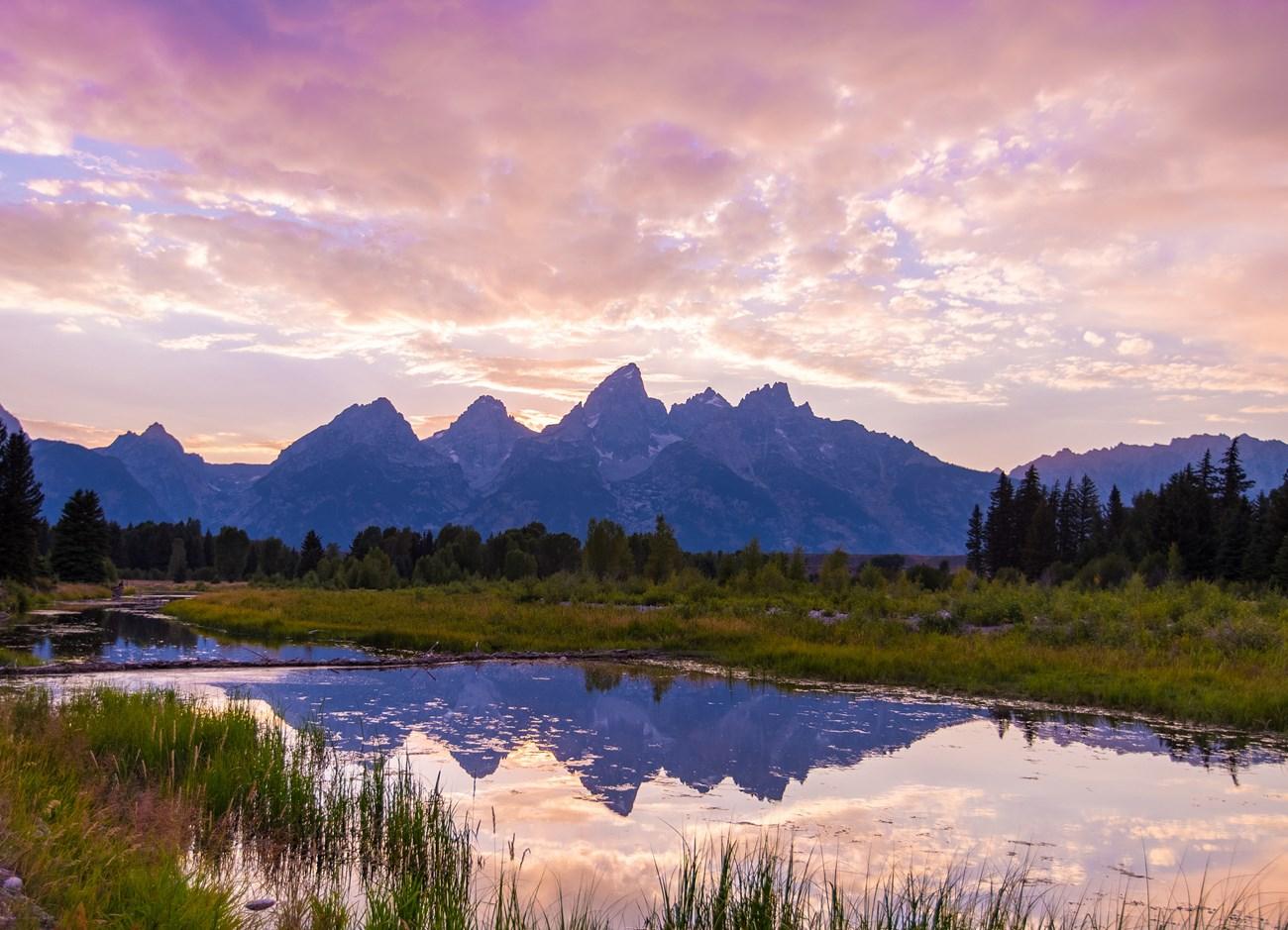
Explore North Dakota’s Missouri Coteau for glacial wetlands, prairie wildlife, wide horizons, Indigenous history and quiet rural road trips.
Missouri Coteau
Explore North Dakota’s Missouri Coteau for glacial wetlands, prairie wildlife, wide horizons, Indigenous history and quiet rural road trips.
-

-

-
 Devils Lake Basin
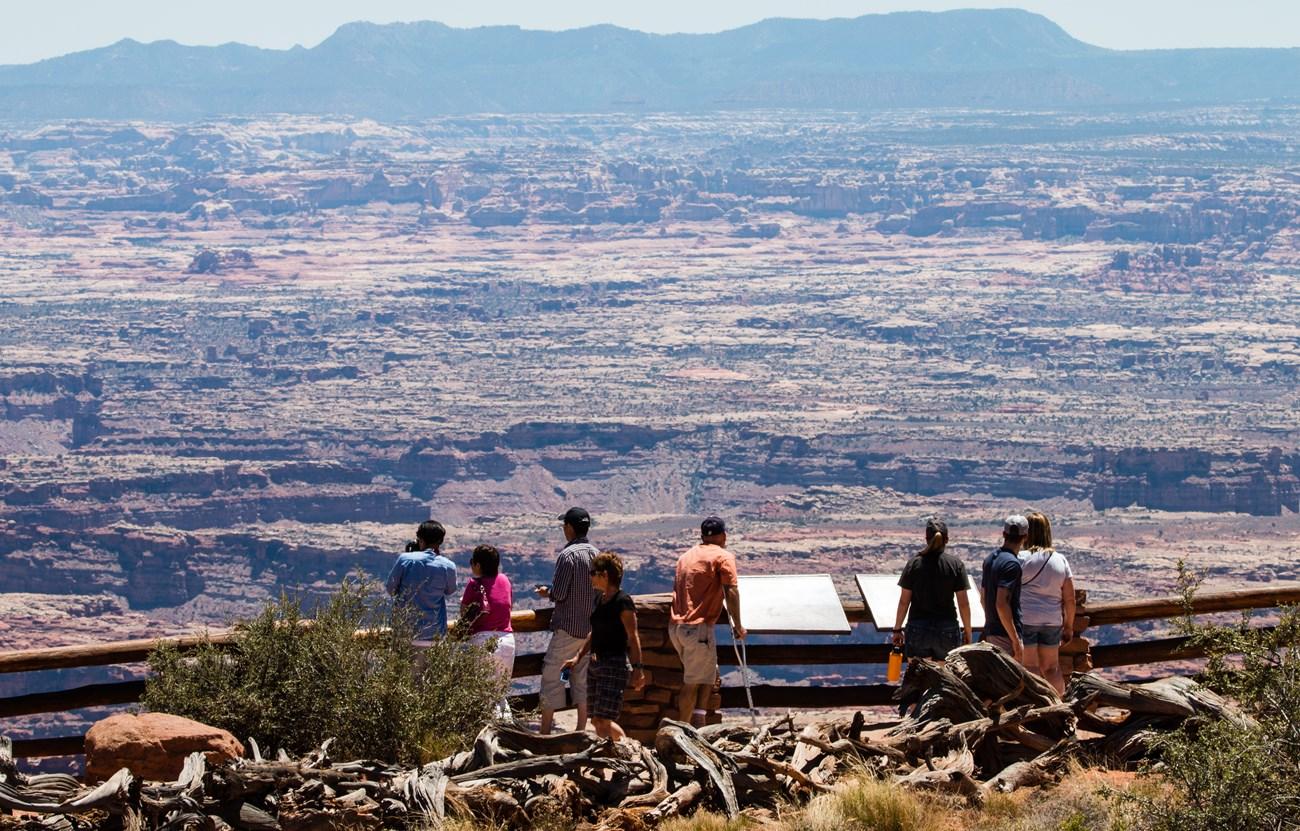
 combines walleye fishing, prairie wildlife, Indigenous history and open-water recreation in north-eastern North Dakota.
Devils Lake Basin
Devils Lake Basin combines walleye fishing, prairie wildlife, Indigenous history and open-water recreation in north-eastern North Dakota.
-


Swipe for more regions
Explore more
Explore more of North Dakota
Discover the rugged beauty, rich history, and warm hospitality of North Dakota, the untamed frontier of the United States.
Explore North Dakota