

Drift Prairie, North Dakota Travel Guide
Discover the serene landscapes and rich history of Drift Prairie, North Dakota – a hidden gem offering unique natural beauty and charming small-town experiences.
Drift Prairie in North Dakota is a hidden gem that offers a unique blend of natural beauty and serene landscapes. This vast prairie is characterized by rolling hills, lush grasses, and an abundance of wildlife. It's a place where the sky seems endless, and the sunsets paint the horizon with stunning hues of orange and pink. Visitors can enjoy the tranquility of the open plains while exploring the diverse flora and fauna that call this region home. One of the most captivating aspects of Drift Prairie is its rich history and geological significance. Formed by glacial drift during the last Ice Age, the prairie showcases a variety of landforms, including moraines, eskers, and kettles. These natural features provide a fascinating glimpse into the Earth's past and make for exciting exploration opportunities. Whether you're an avid hiker, a bird watcher, or simply someone who loves nature, Drift Prairie offers something for everyone. In addition to its natural allure, Drift Prairie is also home to several charming small towns and communities. These towns offer a warm welcome to visitors and provide a glimpse into the rural lifestyle of North Dakota. Local festivals, farmers' markets, and historical sites add to the charm of the area, making it a perfect destination for those looking to experience the heartland of America.

Know before you go
Hi, I'm Eve. Here are a few practical things to know before exploring Drift Prairie.
- Visit in late spring or early fall for the best weather and vibrant scenery.
- Bring binoculars for bird watching; the area is home to many unique species.
- Wear comfortable hiking shoes to explore the diverse landscapes.
- Check out local festivals and events to experience the community spirit.
- Pack a picnic and enjoy a meal amid the stunning natural surroundings.
Top City Travel Guides in Drift Prairie
The cities of Drift Prairie, and the easiest places to base yourself.
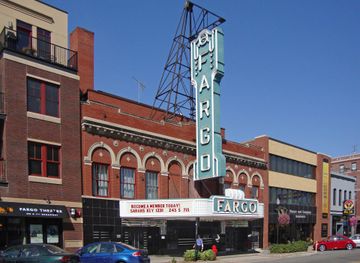


Destinations in Drift Prairie
Resorts, valleys and scenic spots worth a trip of their own.


Explore Drift Prairie: Things to Do, Places to Eat, Hotels & More
Handpicked recommendations for top attractions, local dining, accommodations, and more

Top Attractions & Sightseeing in Drift Prairie
Top-rated picks
Best Attractions

Theodore Roosevelt National Park
Discover the stunning landscapes and diverse wildlife of Theodore Roosevelt National Park, a true gem of North Dakota's natural beauty.

Red River Zoo
Discover the enchanting world of animals at Red River Zoo in Fargo, ND - a family-friendly oasis showcasing unique wildlife and conservation efforts.

FARGODOME
Experience the thrill of live entertainment at FARGODOME, Fargo's premier venue for sports, concerts, and unforgettable events.

Lindenwood Park
Explore the beauty of Lindenwood Park in Fargo, ND – a perfect blend of nature, recreation, and community enjoyment for all visitors.

Best landmarks in Drift Prairie
Top-rated picks
Best Landmarks

Würst Bier Hall
Experience authentic German flavors and a vibrant beer hall atmosphere at Würst Bier Hall in Fargo, ND, where food and community come together.

Red River Zoo
Experience the enchanting wildlife at the Red River Zoo, a family-friendly attraction in Fargo, North Dakota, where conservation meets fun.

FARGODOME
Discover the vibrant FARGODOME, Fargo's premier destination for concerts, sports, and unforgettable entertainment experiences.

Lindenwood Park
Explore the scenic trails and lush landscapes of Lindenwood Park, Fargo's premier outdoor escape for nature lovers and families.

Best restaurants in Drift Prairie
Top-rated picks
Best Restaurants

Sickies Garage Burgers & Brews
Experience the ultimate burger adventure at Sickies Garage Burgers & Brews in Fargo – where flavor meets fun!

Mango's | Mexican and American Grill
Experience the vibrant fusion of authentic Mexican cuisine and classic American dishes at Mango's Grill in Fargo.

Kroll's Diner
Discover Kroll's Diner in Fargo - where hearty breakfasts meet warm hospitality in a classic American setting.

Spitfire Bar & Grill
Experience exceptional barbecue at Spitfire Bar & Grill in West Fargo – where every bite brings joy.

Best bars in Drift Prairie
Top-rated picks
Best Bars

Blarney Stone Pub - West Fargo
Experience the authentic Irish pub atmosphere at Blarney Stone Pub in West Fargo with hearty food, a vast drink selection, and live entertainment.

Würst Bier Hall
Experience authentic German cuisine and craft beer at Würst Bier Hall, Fargo's lively destination for food lovers.

Lucky's 13 Pub
Experience the vibrant atmosphere and delicious American cuisine at Lucky's 13 Pub in Fargo, your go-to spot for great food and live music.

The Boiler Room
Discover the heart of Fargo's culinary scene at The Boiler Room, where American grill favorites meet a vibrant bar atmosphere.

Best nightclubs in Drift Prairie
Top-rated picks
Best Nightclubs

Prairie Knights Casino & Resort
Discover the ultimate entertainment experience at Prairie Knights Casino & Resort - gaming, dining, and live events in North Dakota.

The Windbreak
Experience vibrant live music and affordable drinks at The Windbreak, Fargo's favorite bar and entertainment venue!

The Box Sports Bar & Casino
Experience the ultimate sports bar atmosphere at The Box Sports Bar & Casino in Fargo, where great food and live sports come together.

Alibi Lounge
Alibi Lounge in Fargo, ND, is the perfect spot to unwind with drinks, enjoy live entertainment, and experience the local nightlife vibe.

Best shops in Drift Prairie
Top-rated picks
Best Shops

West Acres Mall
Explore West Acres Mall in Fargo, ND: a shopping paradise with diverse stores, dining options, and entertainment for the entire family.

Zandbroz Variety
Explore Zandbroz Variety in Fargo, ND, a delightful gift shop filled with unique finds, local art, and a charming atmosphere perfect for all tourists.

Uptown Cheapskate Fargo
Explore a sustainable shopping haven at Uptown Cheapskate Fargo, where style meets affordability in a trendy consignment experience.

Buffalo Mall
Buffalo Mall in Jamestown, ND: A vibrant shopping hub with diverse stores and dining options, perfect for tourists seeking local culture and unique finds.

Explore Drift Prairie on the Map
A handpicked selection of must-see spots in Drift Prairie, mapped for you.
Drift Prairie Essentials
-
Drift Prairie is located in North Dakota and spans a large area, generally accessible by road. The nearest major airport is Hector International Airport in Fargo, which is approximately 100 miles from the central regions of Drift Prairie. From Fargo, you can rent a car or take a shuttle service to reach your destination. Public buses are also available, but renting a car is often the most convenient way to explore the area extensively.
-
The Drift Prairie region is best explored by car due to its vast and rural nature. Car rentals are available at major airports and in the larger towns like Fargo and Grand Forks. Local taxi services are limited, so having your own vehicle is highly recommended. There are also some scenic byways that are perfect for leisurely drives. Biking is another option, especially for those who enjoy outdoor activities.
-
The official currency in North Dakota, as in the rest of the United States, is the US Dollar (USD). Credit and debit cards are widely accepted in most places, including gas stations, restaurants, and hotels. However, it's advisable to carry some cash for smaller establishments and rural areas where card payment options might be limited. ATMs are available in larger towns.
-
Drift Prairie is generally a safe destination for tourists. However, standard safety precautions should always be taken. Avoid isolated areas at night and always be aware of your surroundings. While the region does not have a significant issue with crimes targeting tourists, it is always best to stay vigilant. Keep your belongings secure and avoid leaving valuables in your car.
-
In case of an emergency, dial 911 for immediate assistance. Medical facilities are available in larger towns such as Fargo and Grand Forks. It's recommended to have travel insurance that covers medical emergencies. For minor health issues, there are pharmacies in most towns where you can purchase over-the-counter medications. Always keep a basic first aid kit in your vehicle when traveling through remote areas.
-
Fashion: Do dress in layers, as the weather can be unpredictable. Don't wear overly flashy or expensive jewelry in rural areas. Religion: Do respect local customs and traditions, even though the area is not particularly religious. Public Transport: Do plan your public transport schedules in advance, as services may be infrequent. Don't rely solely on public transport for exploring remote areas. Greetings: Do greet locals with a friendly 'Hello' or 'Hi'. North Dakotans are generally friendly and welcoming. Eating & Drinking: Do try local delicacies and be open to farm-to-table experiences. Don't leave large tips; a standard 15-20% is customary.
-
To experience Drift Prairie like a local, visit farmers' markets and local diners where you can enjoy regional foods and interact with residents. Attend local events such as county fairs and community gatherings to get a true sense of the local culture. Explore the numerous hiking trails and state parks to fully appreciate the natural beauty of the region. Don't miss the chance to visit local historical sites and museums to learn more about the area's rich history.
When is the best time to visit Drift Prairie?
Useful Local Phrases for Drift Prairie
You don't need to speak the language perfectly. Even learning a few simple words can make conversations warmer—and locals usually appreciate the effort.
— Eve

Here are the phrases I use most often in Drift Prairie. Try a few—you'll be surprised how far they go! 😊
❤️
-
- HelloHowdy
[haʊdi] - GoodbyeSee ya
[si jə] - YesYup
[jʌp] - NoNope
[noʊp] - Please/You're welcomeSure thing
[ʃʊr θɪŋ] - Thank youThanks a lot
[θæŋks ə lɑt] - Excuse me/SorryPardon me
[ˈpɑrdən mi] - How are you?How's it going?
[haʊz ɪt ˈgoʊɪŋ] - Fine. And you?Good. And you?
[gʊd. ənd ju] - Do you speak English?Can ya speak English?
[kæn jə spiːk ˈɪŋɡlɪʃ] - I don't understandI ain't following
[aɪ eɪnt ˈfɑloʊɪŋ]
- HelloHowdy
-
- I'd like to see the menu, pleaseCan I see the menu, please?
[kæn aɪ si ðə ˈmɛnju, pliz?] - I don't eat meatI don't eat no meat
[aɪ doʊnt iːt noʊ miːt] - Cheers!Bottoms up!
[ˈbɑtəmz ʌp] - I would like to pay, pleaseI'd like to settle up, please
[aɪd laɪk tə ˈsɛtəl ʌp, pliz]
- I'd like to see the menu, pleaseCan I see the menu, please?
-
- Help!Help!
[hɛlp] - Go away!Scram!
[skræm] - Call the Police!Get the cops!
[ɡɛt ðə kɑps] - Call a doctor!Get a doctor!
[ɡɛt ə ˈdɑktər] - I'm lostI'm turned around
[aɪm tɜrnd əˈraʊnd] - I'm illI'm not feeling well
[aɪm nɑt ˈfiːlɪŋ wɛl]
- Help!Help!
-
- I'd like to buy...I want to buy...
[aɪ wɑnt tə baɪ...] - I'm just lookingJust browsing
[dʒʌst ˈbraʊzɪŋ] - How much is it?What's the price?
[wʌts ðə praɪs?] - That's too expensiveThat's too rich for my blood
[ðæts tu rɪtʃ fɔr maɪ blʌd] - Can you lower the price?Can you cut the price?
[kæn jə kʌt ðə praɪs?]
- I'd like to buy...I want to buy...
-
- What time is it?What time ya got?
[wʌt taɪm jə ɡɑt?] - It's one o'clockIt's one
[ɪts wʌn] - Half past (10)Half past ten
[hæf pæst tɛn] - MorningMornin'
[ˈmɔrnɪn] - AfternoonAfternoon
[ˈæftərˌnun] - EveningEvenin'
[ˈivnɪn] - YesterdayYesterday
[ˈjɛstərdeɪ] - TodayToday
[təˈdeɪ] - TomorrowTomorrow
[təˈmɔroʊ] - 1One
[wʌn] - 2Two
[tu] - 3Three
[θri] - 4Four
[fɔr] - 5Five
[faɪv] - 6Six
[sɪks] - 7Seven
[sɛvən] - 8Eight
[eɪt] - 9Nine
[naɪn] - 10Ten
[tɛn]
- What time is it?What time ya got?
-
- Where's a/the...?Where's the...?
[wɛrz ðə...?] - What's the address?What’s the address?
[wʌts ði əˈdrɛs?] - Can you show me (on the map)?Can ya point it out (on the map)?
[kæn jə pɔɪnt ɪt aʊt (ɒn ðə mæp)?] - When's the next (bus)?When's the next (bus)?
[wɛn'z ðə nɛkst (bʌs)?] - A ticket (to ....)A ticket (to ....)
[ə ˈtɪkɪt (tə ....)]
- Where's a/the...?Where's the...?
History of Drift Prairie
-
The Drift Prairie of North Dakota is a testament to the geological forces that shaped the landscape thousands of years ago. During the last Ice Age, massive glaciers moved across the region, leaving behind a mix of clay, silt, sand, gravel, and boulders known as glacial drift. This process created the gently rolling hills and fertile soil that characterize the Drift Prairie today. The terrain is dotted with numerous lakes, potholes, and sloughs, remnants of the glacial activity that once dominated the area.
-
Long before European settlers arrived, the Drift Prairie was home to various Native American tribes, including the Dakota, Assiniboine, and Chippewa. These tribes utilized the rich resources of the prairie for hunting, fishing, and agriculture. They established complex societies and trade networks, leaving behind a legacy of cultural artifacts and traditions. The region is dotted with archaeological sites that provide a glimpse into the lives of these early inhabitants.
-
The Drift Prairie saw an influx of European explorers and fur traders in the 18th and 19th centuries. Notable figures such as Pierre Gaultier de La Vérendrye and Alexander Henry the Younger traversed the area, establishing trade relationships with Native American tribes. By the mid-19th century, homesteaders began to settle in the region, drawn by the promise of fertile land and new opportunities. The Homestead Act of 1862 accelerated this migration, leading to the establishment of numerous farms and small towns.
-
The Drift Prairie became a vital agricultural hub in North Dakota, thanks to its rich soil and favorable climate. Wheat, barley, and flax became staple crops, and the region's farmers played a crucial role in feeding the growing population of the United States. Agricultural innovations and the expansion of the railroad network in the late 19th and early 20th centuries further boosted the region's economy. Today, the Drift Prairie continues to be a significant agricultural area, producing a variety of crops and livestock.
-
Efforts to preserve the unique cultural and natural heritage of the Drift Prairie have been ongoing. Historical societies, museums, and local organizations work tirelessly to protect archaeological sites, historic buildings, and natural landscapes. The region also hosts numerous cultural events and festivals that celebrate its diverse heritage. Modern-day visitors to the Drift Prairie can explore its rich history through museums, interpretive centers, and guided tours, gaining a deeper understanding of the forces that shaped this unique region.
Neighbouring Regions of Drift Prairie
The closest regions to Drift Prairie, if you have time for more than one.


Your all‑in‑one travel companion app
Explore expert travel guides, compare and book tours, experiences, hotels, and more—all from the palm of your hand. Download now for seamless trip planning wherever your wanderlust takes you.


Explore More of North Dakota
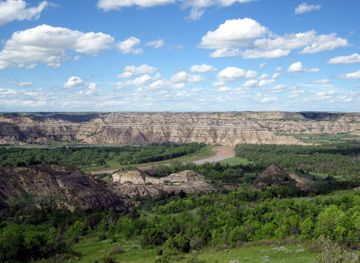
Looking beyond Drift Prairie? Discover North Dakota for broader travel guides, local hot-spots, and regional highlights.
Explore North DakotaDrift Prairie in Photos
Browse through our photo collection highlighting the charm and character of the destination.


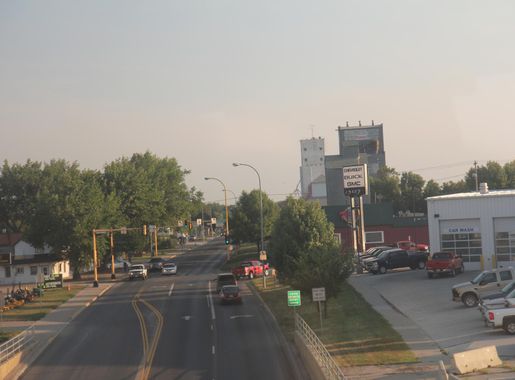


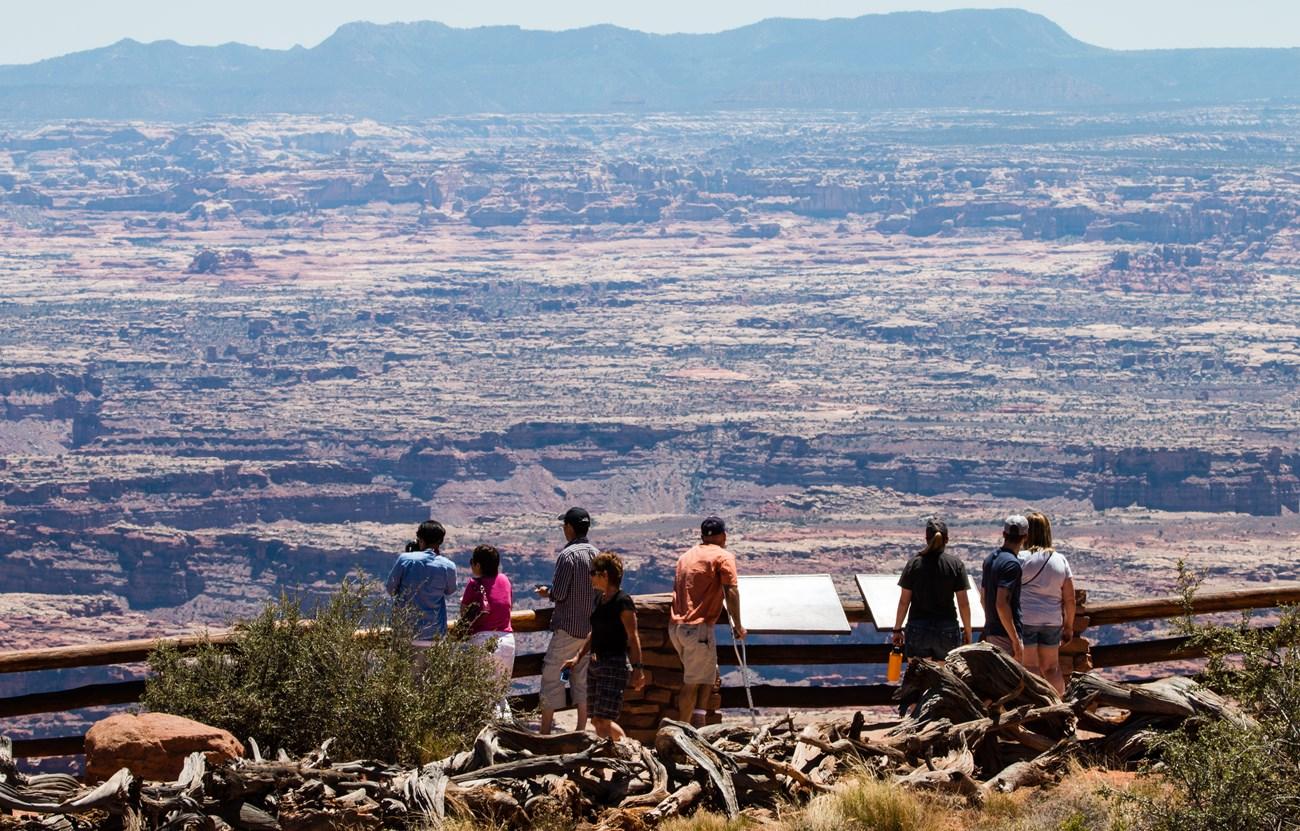

The Untamed Beauty of Drift Prairie
Drift Prairie in North Dakota is a hidden gem that offers a unique blend of natural beauty and serene landscapes. This vast prairie is characterized by rolling hills, lush grasses, and an abundance of wildlife. It's a place where the sky seems endless, and the sunsets paint the horizon with stunning hues of orange and pink. Visitors can enjoy the tranquility of the open plains while exploring the diverse flora and fauna that call this region home. One of the most captivating aspects of Drift Prairie is its rich history and geological significance. Formed by glacial drift during the last Ice Age, the prairie showcases a variety of landforms, including moraines, eskers, and kettles. These natural features provide a fascinating glimpse into the Earth's past and make for exciting exploration opportunities. Whether you're an avid hiker, a bird watcher, or simply someone who loves nature, Drift Prairie offers something for everyone. In addition to its natural allure, Drift Prairie is also home to several charming small towns and communities. These towns offer a warm welcome to visitors and provide a glimpse into the rural lifestyle of North Dakota. Local festivals, farmers' markets, and historical sites add to the charm of the area, making it a perfect destination for those looking to experience the heartland of America.