

Free Spirit Lake Indian Reservation Travel Guide & Mobile App
Explore Spirit Lake Indian Reservation with free travel guides. Discover regional history, expert tips, proposed trips, and audio guides on web or mobile app.


Spirit Lake Indian Reservation in North Dakota combines Dakota heritage, Devils Lake landscapes, wildlife, fishing and Fort Totten's layered history.
Read more about Spirit Lake Indian Reservation
Getting to and around Spirit Lake Indian Reservation
How to get there
Transportation
Top city travel guides in Spirit Lake Indian Reservation
The cities of Spirit Lake Indian Reservation, and the easiest places to base yourself.
Swipe for more cities
Best attractions in Spirit Lake Indian Reservation
The reservation's attractions are shaped by Dakota history, open prairie and the extensive Devils Lake basin rather than by a dense chain of commercial sights. Fort Totten State Historic Site is the principal heritage destination, with preserved nineteenth-century buildings and interpretation of the military post and subsequent Indian boarding school. Its importance lies in presenting difficult and overlapping histories rather than offering a simplified frontier story. At Sullys Hill National Game Preserve, wooded hills, prairie and wetlands provide habitat for bison, elk, deer and birds, subject to current access and wildlife-management arrangements. Devils Lake supports fishing, boating, birdwatching and seasonal outdoor recreation, although shorelines and roads can change with water levels. Community events, including public Dakota cultural gatherings when open to visitors, can offer insight into contemporary life, but attendance should never be assumed to confer access to private or sacred activities. The reservation is best explored through a small number of carefully planned stops, with time for landscapes, museums and local context.
-
Tourist attraction
Devils Lake State Parks
Unveil the natural wonders of Devils Lake State Park, where adventure meets tranquility in the heart of North Dakota's stunning landscapes.

Best landmarks in Spirit Lake Indian Reservation
Fort Totten's surviving military buildings are the reservation's most recognisable historic landmark group. Their orderly nineteenth-century layout reflects the United States Army's presence on the northern Plains, while the former boarding-school buildings give the site a more difficult significance connected with federal assimilation policy and the experiences of Dakota children. The Devils Lake shoreline is the region's defining natural landmark: a broad, changeable body of water whose Dakota name, Mni Wakan, expresses its older cultural meaning. At Sullys Hill, wooded uplands rise distinctly from the surrounding prairie and overlook wetlands and lake country, creating one of the reservation's most characteristic landscapes. Community buildings and gathering places may also hold deep local importance, but they should be approached as working places within a living nation rather than casually treated as tourist monuments. The most meaningful landmarks here connect land, sovereignty, memory and environmental change.
-
Park
Devils Lake State Parks
Explore the breathtaking landscapes and outdoor adventures at Devils Lake State Parks, North Dakota's crown jewel for nature lovers and thrill-seekers.
-
Resort hotel
Woodland Resort
Discover the serene beauty of Woodland Resort, a natural retreat in Devils Lake, North Dakota, offering outdoor adventures and cozy accommodations.
-
Wildlife refuge
White Horse Hill National Game Preserve
Experience the natural beauty and diverse wildlife of White Horse Hill National Game Preserve, a must-visit destination in North Dakota for nature lovers.
-
Grill
Proz Lakeside
Discover the flavors of North Dakota at Proz Lakeside, a charming grill restaurant offering stunning lake views and a diverse menu for an unforgettable dining experience.


Explore Spirit Lake Indian Reservation on the map
Plan your trip on one map. See where the top cities, national parks and sights are, and book hotels and experiences in a few clicks.
Best hotels in Spirit Lake Indian Reservation
Best restaurants in Spirit Lake Indian Reservation
Dining on Spirit Lake Indian Reservation is primarily practical and community-oriented, with restaurants, cafés and convenience food concentrated in reservation communities and nearby Devils Lake outside the reservation. Visitors may encounter familiar North Dakota fare, including burgers, sandwiches, soups, baked goods and meals suited to people working or travelling in a rural area. The wider region's food identity is connected to prairie agriculture, lake fishing and Dakota traditions, although dishes associated with Indigenous communities should not be treated as a single standard menu or assumed to be available every day. Public powwows and community gatherings may include food vendors, but arrangements vary and should be checked locally. For a broader choice of supermarkets, cafés and restaurants, Devils Lake is the nearest service centre. Visitors interested in Dakota foodways should approach community events respectfully and distinguish public food offerings from cultural knowledge that is not being presented for tourism.
-
Steak
Ranch Steakhouse
Experience top-notch steaks and warm hospitality at Ranch Steakhouse in Devils Lake – your go-to destination for hearty meals.
-
Grill
Proz Lakeside
Experience lakeside dining at its finest with delicious grilled specialties and stunning views at Proz Lakeside in Devils Lake.
-
 Diner
Dining Facility
Experience the warmth of North Dakota hospitality at this delightful diner in Devils Lake with hearty meals and friendly service.
-
Restaurant
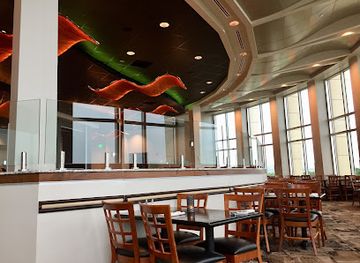
Spirit Lake Casino ,The VIEW
Discover breathtaking views and exquisite dining at The VIEW inside Spirit Lake Casino – a must-visit culinary gem in North Dakota.


Best bars in Spirit Lake Indian Reservation
Evening life on Spirit Lake Indian Reservation is modest and dispersed rather than organised around a large club district. Social activity is more likely to centre on family gatherings, community events, casual dining and local bars than on late-night entertainment. The Spirit Lake Casino and Resort at St Michael provides gaming, hospitality and an evening venue within the reservation, with current entertainment and access arrangements best confirmed directly. Devils Lake, outside the reservation, offers the nearest wider selection of bars, restaurants and community venues. Rural distances, winter conditions and limited transport make planning a return journey particularly important. Visitors should not assume that a cultural gathering is a nightlife event, and should follow any age, photography and participation rules attached to community or casino activities.
-
Resort hotel
Spirit Lake Casino & Resort
Discover fun and relaxation at Spirit Lake Casino & Resort, the ultimate getaway destination in North Dakota, offering gaming, dining, and comfortable lodging.
-
Bar
Ranch Steakhouse
Experience the best steaks and vibrant atmosphere at Ranch Steakhouse, a top dining destination in Devils Lake, North Dakota.
-
Grill
Proz Lakeside
Experience lakeside dining at Proz Lakeside, where grill favorites meet stunning views in the heart of Devils Lake.
-
Bar
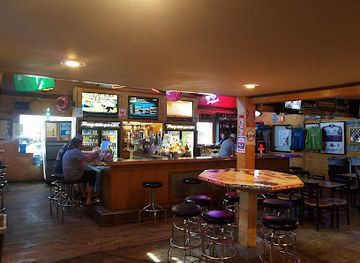
Proz Sports Bar Grille & Caboose
Experience the ultimate sports viewing at Proz Sports Bar Grille & Caboose, where great food and drinks meet a vibrant atmosphere.

Best nightclubs in Spirit Lake Indian Reservation
Evening life on Spirit Lake Indian Reservation is modest and dispersed rather than organised around a large club district. Social activity is more likely to centre on family gatherings, community events, casual dining and local bars than on late-night entertainment. The Spirit Lake Casino and Resort at St Michael provides gaming, hospitality and an evening venue within the reservation, with current entertainment and access arrangements best confirmed directly. Devils Lake, outside the reservation, offers the nearest wider selection of bars, restaurants and community venues. Rural distances, winter conditions and limited transport make planning a return journey particularly important. Visitors should not assume that a cultural gathering is a nightlife event, and should follow any age, photography and participation rules attached to community or casino activities.
-
Resort hotel
Spirit Lake Casino & Resort
Discover the perfect blend of relaxation and excitement at Spirit Lake Casino & Resort in North Dakota, where entertainment meets nature.
-
Bar
Military Service Club
Join the vibrant community at the Military Service Club in Devils Lake, ND, where camaraderie, affordable drinks, and a warm atmosphere await.
-
Bar
Rindy's Sheyenne Bar
Discover the charm of Rindy's Sheyenne Bar, a cozy spot in Sheyenne, North Dakota, perfect for drinks and friendly gatherings.


Best shops in Spirit Lake Indian Reservation
Shopping on the reservation is limited and locally focused, with everyday supplies and larger retail choices generally found in Devils Lake outside the reservation. The Spirit Lake Casino and Resort may provide hospitality-related retail, while public powwows or community events can include vendors offering beadwork, clothing, artwork, food and other goods; availability varies by event. Visitors should buy directly from makers or clearly identified sellers, ask about materials and cultural significance, and avoid purchasing objects falsely presented as Native American-made. Local food products and practical North Dakota goods can be found through nearby shops and seasonal markets rather than a single dedicated shopping district. The best souvenirs are responsibly sourced items with clear information about their maker and provenance, accompanied by an understanding that Dakota cultural designs and knowledge are not simply commercial motifs.
-
Resort hotel
Spirit Lake Casino & Resort
Discover the perfect getaway at Spirit Lake Casino & Resort, where luxury meets excitement in the heart of North Dakota.
-
Resort hotel
Woodland Resort
Experience the perfect blend of relaxation and adventure at Woodland Resort in Devils Lake, North Dakota, with fishing, boating, and hunting opportunities.
-
Cannabis store
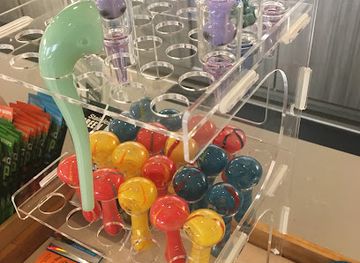
Curaleaf ND Devils Lake
Explore Curaleaf ND Devils Lake for a premier cannabis shopping experience, featuring quality products and friendly, knowledgeable staff.
-
Sporting goods store
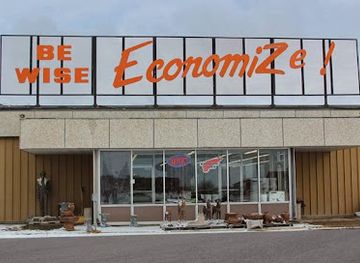
Home of Economy
Discover the ultimate shopping destination in Devils Lake, offering quality sporting goods, tools, and outdoor gear for your adventures.

Get your free copy of our complete guide to Spirit Lake Indian Reservation, delivered straight to you.
Everything on this page, from attractions and restaurants to essentials and local phrases, in one PDF you can read offline, print or share.
Already have an account? Sign in
Your Spirit Lake Indian Reservation guide is ready.
We'll send it to · Not you? Sign out

Getting your guide ready…
We are putting together a fresh copy of the Spirit Lake Indian Reservation guide. This can take up to a minute.
This can take a few moments. If your browser asks, choose Allow so the download can start. You'll find the guide in your Downloads folder.
Nothing happened? Download it again
Sorry, the guide is taking longer than usual. Please try again in a minute, or get it by email instead.
Spirit Lake Indian Reservation essentials
Currency and Payment
Safety
Emergency Situations
Do's and Don'ts
Local Tips
From Eve
Local phrases worth knowing
You don't need to get them perfect. A few words go a long way, and locals appreciate the effort.
Basics
| English | Local | Say it |
|---|---|---|
| Hello | Boozhoo | [Boo-zhoo] |
| Goodbye | Minowa | [Min-oh-wah] |
| Yes | Ee | [Ee] |
| No | Mii | [Mee] |
| Please/You're welcome | Nin da mino-aya | [Nin dah min-oh-ah-yah] |
| Thank you | Miigwech | [Mee-gwe-ch] |
| Excuse me/Sorry | Nin gii-ziigwan | [Nin gee-zee-gwan] |
| How are you? | Aaniin ezhi-ayaayan? | [Ah-nee-ehn eh-zhee-ah-yahn] |
| Fine. And you? | Nimishoomis. Nin gii-ayaayan? | [Nih-mih-sho-oh-mis. Nin gee-ah-yahn] |
| Do you speak English? | Ezhi-gikendaasowin English? | [Eh-zhee gee-kend-ah-so-win English] |
| I don't understand | Nin gii-nanindin | [Nin gee-nah-nin] |
Eating & Drinking
| English | Local | Say it |
|---|---|---|
| I'd like to see the menu, please | Nin gii-zhichigewin menu, nin da mino-aya | [Nin gee-zhi-chi-geh-win menu, nin dah min-oh-ah-yah] |
| I don't eat meat | Nin gii-zhichigewin niibin | [Nin gee-zhi-chi-geh-win nee-bin] |
| Cheers! | Boozhoo naagaj | [Boo-zhoo nah-gahj] |
| I would like to pay, please | Nin gii-zhichigewin naagaj, nin da mino-aya | [Nin gee-zhi-chi-geh-win nah-gahj, nin dah min-oh-ah-yah] |
Emergencies
| English | Local | Say it |
|---|---|---|
| Help! | Nin gii-bimose | [Nin gee-bee-mo-seh] |
| Go away! | Gikendaan! | [Gee-kend-ah-n] |
| Call the Police! | Bimaadiziwin gii-zhi-zhichigewin! | [Bee-mah-dee-zi-win gee-zhi-zhi-geh-win] |
| Call a doctor! | Bimaadiziwin gii-zhi-tibishk! | [Bee-mah-dee-zi-win gee-zhi-tee-bish-k] |
| I'm lost | Nin gii-bi-nanindin | [Nin gee-bee-nah-nin] |
| I'm ill | Nin gii-bimose | [Nin gee-bee-mo-seh] |
Shopping
| English | Local | Say it |
|---|---|---|
| I'd like to buy... | Nin gii-zhichigewin ... | [Nin gee-zhi-chi-geh-win ...] |
| I'm just looking | Nin gii-gikendaan | [Nin gee-kee-ndahn] |
| How much is it? | Aaniin geget? | [Ah-nee-ehn geh-get] |
| That's too expensive | Geget gii-zhichige | [Geh-get gee-zhi-chi-geh] |
| Can you lower the price? | Mii gii-nishin geget? | [Mee gee-nee-sheen geh-get] |
Time & Numbers
| English | Local | Say it |
|---|---|---|
| What time is it? | Aaniin naagaj? | [Ah-nee-ehn nah-gahj] |
| It's one o'clock | Nin gii-zhichigewin wan | [Nin gee-zhi-chi-geh-win wan] |
| Half past (10) | Nin gii-zhichigewin naagaj (10) | [Nin gee-zhi-chi-geh-win nah-gahj (10)] |
| Morning | Ningodwaaswi | [Nin-goh-dwahs-wee] |
| Afternoon | Ningodwaaswi | [Nin-goh-dwahs-wee] |
| Evening | Ningodwaaswi | [Nin-goh-dwahs-wee] |
| Yesterday | Niin | [Nee-in] |
| Today | Nin | [Nin] |
| Tomorrow | Nin gii-shin | [Nin gee-sheen] |
| 1 | Bezhig | [Beh-zhee-g] |
| 2 | Niswi | [Nee-swee] |
| 3 | Niswi | [Nee-swee] |
| 4 | Niiwin | [Nee-ee-win] |
| 5 | Naanan | [Nah-nahn] |
| 6 | Ninig | [Nin-ig] |
| 7 | Niiwin | [Nee-ee-win] |
| 8 | Nshwaaswi | [Nsh-wah-swee] |
| 9 | Ninwe | [Nin-weh] |
| 10 | Niswi | [Nee-swee] |
Transport & Directions
| English | Local | Say it |
|---|---|---|
| Where's a/the...? | Aaniin gii-zhichigewin ...? | [Ah-nee-ehn gee-zhi-chi-geh-win ...?] |
| What's the address? | Aaniin gii-nishin gii-zhichigewin? | [Ah-nee-ehn gee-nee-sheen gee-zhi-chi-geh-win?] |
| Can you show me (on the map)? | Mii gii-zhichigewin (on the map)? | [Mee gee-zhi-chi-geh-win (on the map)?] |
| When's the next (bus)? | Aaniin gii-zhi-zhichigewin (bus)? | [Ah-nee-ehn gee-zhi-zhi-geh-win (bus)?] |
| A ticket (to ....) | Nin gii-zhichigewin ticket (to ....) | [Nin gee-zhi-chi-geh-win ticket (to ....)] |
History of Spirit Lake Indian Reservation
Mni Wakan and Dakota Homeland
The Devils Lake basin has long been part of the homeland of Dakota peoples. Mni Wakan, commonly rendered in English as Spirit Water or Spirit Lake, was a place of movement, subsistence, kinship and spiritual significance before the creation of the modern reservation. Prairie, lake, woodland and wetland resources supported seasonal lifeways, while Dakota place names preserve relationships between people and landscape. The reservation's name reflects this older geography, even though English usage generally calls the lake Devils Lake.
Treaty-Making and the Reservation, 1867
The federal government established the reservation through an 1867 treaty following the upheavals of the nineteenth century, including war, displacement and the restriction of Dakota communities to defined territories. The reservation became the political base of the Spirit Lake Dakota Nation, but its boundaries and administration were subsequently affected by federal policies, land allotment and pressure to open Indigenous lands to non-Native settlement. The treaty era therefore created both a recognised territorial foundation and conditions of continuing federal control.
Fort Totten, 1867–1890
Fort Totten was established in 1867 on the reservation's eastern side near Devils Lake. It formed part of the United States military system in the northern Plains after the Civil War and was intended to monitor regional movement and enforce federal policy. The post's surviving officers' quarters, barracks and other structures are now interpreted at Fort Totten State Historic Site. Their importance extends beyond military architecture: the complex records the expansion of United States authority into a Dakota homeland.
The Boarding-School Era
After its military use ended, Fort Totten became an Indian boarding school, operating from 1891 into the twentieth century. Like other federal boarding schools, it sought to separate Native children from their families and suppress Indigenous languages, cultural practices and identities in the name of assimilation. The consequences included family trauma and lasting intergenerational harm. Fort Totten's museum and preserved buildings provide an important setting for understanding this history, which should not be reduced to an architectural curiosity or nostalgic account of school life.
Allotment, Land Loss and Federal Administration
Federal allotment policies divided collectively held reservation land into individual parcels and made remaining lands available for non-Native settlement or other forms of control. On Spirit Lake, as elsewhere in Indian Country, these policies fragmented landholdings and weakened communal economic structures. The effects remain visible in the complex pattern of ownership and jurisdiction across the reservation. Tribal governance, land recovery, community institutions and the continued exercise of treaty and sovereign rights form part of the longer response to this period.
Spirit Lake Nation in the Modern Era
The Spirit Lake Dakota Nation is a federally recognised tribal nation with its own government and community institutions. Modern reservation life combines Dakota cultural continuity with education, health services, public administration, agriculture, recreation and enterprises such as gaming and hospitality. Cultural renewal includes the teaching and use of Dakota language, the continuation of community gatherings and the protection of Indigenous historical knowledge. These developments demonstrate that the reservation is a living political and cultural community, not simply a historical landscape.
Changing Water and Prairie Landscapes
Devils Lake has experienced major fluctuations in water level, particularly since the late twentieth century, affecting roads, farmland, wetlands, wildlife habitat and lakeside communities. Flooding led to extensive changes around the basin and made water management a major regional issue. At the same time, permanent and seasonal wetlands support migratory birds and other wildlife, while prairie and wooded uplands remain important ecological settings. The modern history of Spirit Lake is therefore also tied to adaptation to a changing lake environment.
Spirit Lake Indian Reservation in Photos
Browse through our photo collection highlighting the charm and character of the destination.
Neighbouring regions of Spirit Lake Indian Reservation
The closest regions to Spirit Lake Indian Reservation, if you have time for more than one.
-

-

-
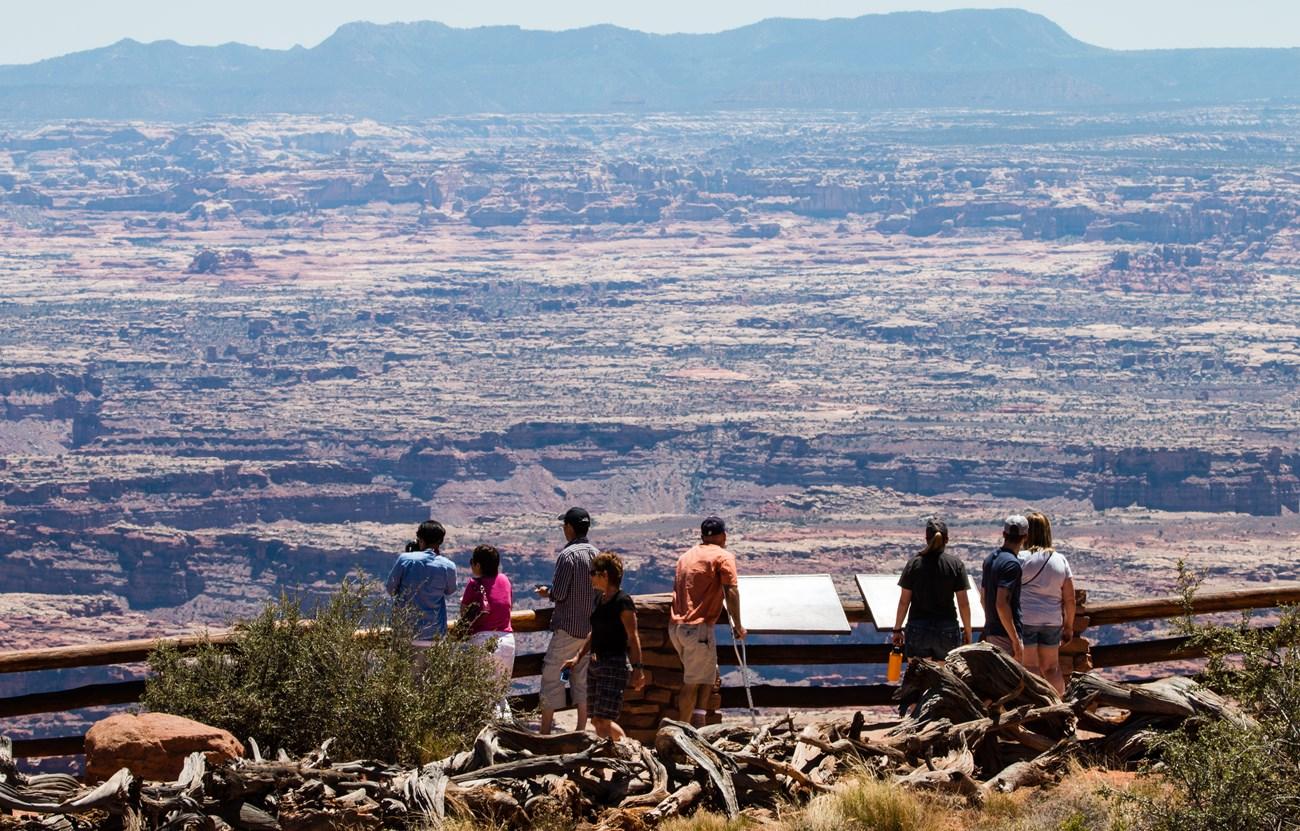 Devils Lake Basin
 combines walleye fishing, prairie wildlife, Indigenous history and open-water recreation in north-eastern North Dakota.
-

-


Swipe for more regions
Explore more
Explore more of North Dakota
Discover the rugged beauty, rich history, and warm hospitality of North Dakota, the untamed frontier of the United States.
Explore North Dakota