

Free Mason Travel Guide & Mobile App
Plan your Mason trip with Evendo. Get free guides to top attractions, restaurants, hotels, and bars. Web access or download the mobile app.


Mason, Ohio blends Kings Island thrills, local history, green parks and Cincinnati-area dining with an easy suburban base for exploring southwest Ohio.
A Cincinnati-Area City
Mason lies in southwestern Ohio, roughly midway between Cincinnati and Dayton, and combines a small historic core with modern suburban development, business parks and extensive family attractions. Its best-known address is Kings Island, one of the region’s major amusement parks, whose rides, water attractions and distinctive Eiffel Tower have shaped Mason’s visitor identity since the 1970s. Away from the park, the city offers a quieter rhythm of neighbourhood streets, landscaped commercial districts and green spaces connected by roads rather than a traditional urban centre.Read more about Mason
History in the Heritage District
Family Attractions and Everyday Culture
When is the best time to visit Mason?
Best: May, September–October · 20–27°C| Month | High (°C) | Rainfall (mm) |
|---|---|---|
| January | 4 | 71 |
| February | 6 | 64 |
| March | 12 | 89 |
| April | 18 | 94 |
| May (best) | 24 | 112 |
| June | 29 | 99 |
| July | 32 | 97 |
| August | 31 | 91 |
| September (best) | 27 | 91 |
| October (best) | 20 | 81 |
| November | 12 | 81 |
| December | 6 | 79 |
Getting to and around Mason
How to get there
Transportation
Best attractions in Mason
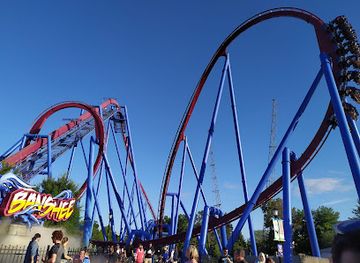
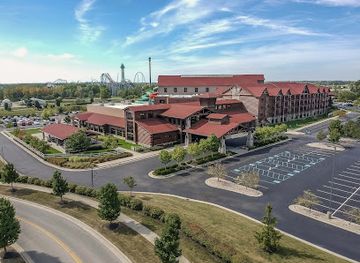
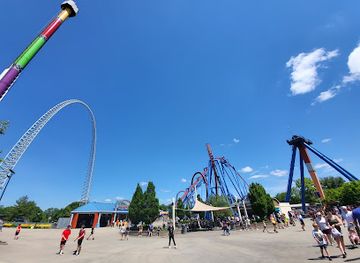
Kings Island is Mason’s principal attraction, combining major roller coasters and family rides with seasonal entertainment and the adjacent Soak City water park; its Eiffel Tower offers a recognisable visual landmark within the grounds. Great Wolf Lodge provides an indoor water-park experience and family-oriented accommodation, while the Mason Heritage District offers a quieter introduction to the city’s nineteenth-century beginnings. The Mason Historical Society and its local collections help explain how a farming settlement developed into a Cincinnati-area suburb. For outdoor time, Pine Hill Lakes Park has walking paths, fishing areas and open green space, and nearby community parks provide further room for recreation. Deerfield Towne Center adds restaurants, shops and everyday suburban life rather than conventional sightseeing. Mason is best understood as a collection of distinct experiences, from large-scale amusement and indoor leisure to local history and accessible parkland.
-
Tourist attraction
Kings Island
Discover the ultimate family-friendly amusement park experience at Kings Island, where thrilling rides and fun-filled attractions await in Ohio.
9 min drive · 2.9 km from city centre
-
Resort hotel
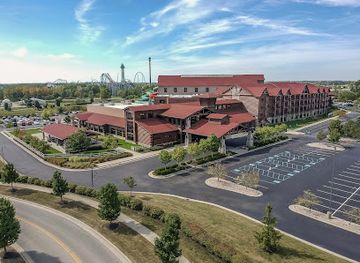
Great Wolf Lodge Water Park | Mason
Discover endless fun and relaxation at Great Wolf Lodge in Mason, Ohio, where family adventures and water excitement await you.
9 min drive · 2.9 km from city centre
-
Tourist attraction
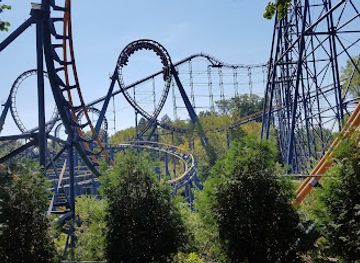
The Beast
Conquer The Beast at Kings Island, a legendary wooden roller coaster offering breathtaking drops and an unparalleled thrill for adventure seekers.
10 min drive · 3.4 km from city centre
-
Tourist attraction
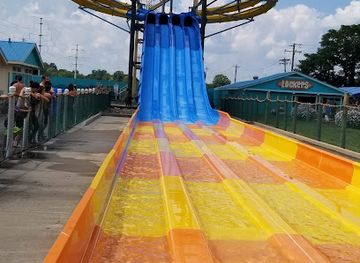
Soak City
Discover the ultimate water park experience at Soak City in Mason, Ohio, featuring thrilling slides, family-friendly attractions, and a relaxing atmosphere.
9 min drive · 3.1 km from city centre
Best landmarks in Mason
Mason’s most recognisable landmark is the Eiffel Tower at Kings Island, a park structure inspired by Paris’s original tower and closely associated with the city’s modern visitor identity. In the historic centre, Mason Heritage Presbyterian Church and the surrounding Heritage District represent the community’s nineteenth-century civic and religious development, while the Mason Historical Society preserves material connected with the settlement’s earlier years. Kings Island’s park architecture and skyline are entertainment landmarks rather than historic monuments, yet they have shaped Mason’s image since 1972. The city’s older houses, streets and civic buildings provide a counterpoint to the large-scale amusement complex, showing the modest town from which today’s suburban municipality developed. Together these places express Mason’s dual character: a community with documented local roots and a modern regional profile built around leisure, mobility and family tourism.
-
Amusement park
Kings Island
Discover a thrilling adventure at Kings Island, Ohio's premier amusement park featuring world-class rides, attractions, and family-friendly fun.
9 min drive · 2.9 km from city centre
-
Resort hotel
Great Wolf Lodge Water Park | Mason
Discover excitement and relaxation at Great Wolf Lodge Water Park in Mason, Ohio, where family adventures await in every splash and slide.
9 min drive · 2.9 km from city centre
-
Pizza
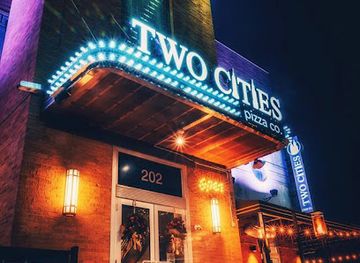
Two Cities Pizza Co.
Experience authentic hand-crafted pizzas at Two Cities Pizza Co. in Mason, Ohio - a delightful culinary gem for pizza enthusiasts.
16 min walk · 1.3 km from city centre
-
Pizza
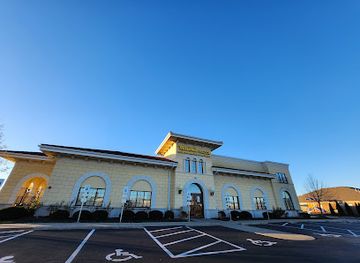
Marion's Piazza
Discover the authentic taste of Marion's Piazza in Mason, Ohio - a pizza lover's dream with a wide selection of delicious pies and a welcoming atmosphere.
10 min drive · 3.3 km from city centre
Explore Mason on the map
Plan your Mason trip on one map. See where the top attractions, landmarks, restaurants, bars and hotels are, find what's near where you're staying, and book hotels and experiences in a few clicks.
Best hotels in Mason
Best restaurants in Mason
Mason’s dining scene reflects its position in the Cincinnati metropolitan area rather than a single, narrowly defined local cuisine. Restaurants cluster around Deerfield Towne Center, the commercial corridors near Kings Island and other suburban centres, with choices ranging from casual American meals and family dining to Asian, Mexican, Italian and contemporary options. Visitors will also find cafés, bakeries and quick-service restaurants serving the needs of residents, business parks and amusement-park guests. Cincinnati’s regional food traditions are available across the wider area, including chilli served over spaghetti or with cheese, and goetta, a breakfast sausage made with meat and oats, though these are regional specialities rather than dishes exclusive to Mason. Local breweries and taprooms add a craft-drinks dimension, while restaurants near the historic centre offer a more relaxed setting than the large visitor complexes.
-
Pizza
Two Cities Pizza Co.
Discover the delicious world of Two Cities Pizza Co., where every slice tells a story and every meal is a celebration of flavor.
16 min walk · 1.3 km from city centre
-
Steak
Outback Steakhouse
Savor authentic Australian cuisine at Outback Steakhouse in Mason, Ohio – where great food meets friendly service!
9 min drive · 2.9 km from city centre
-
Steak
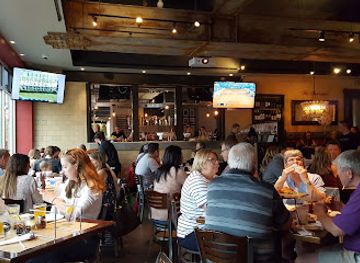
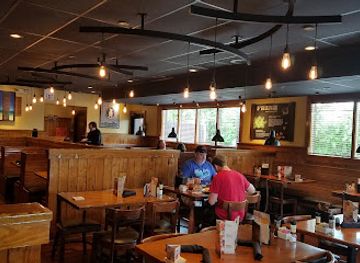
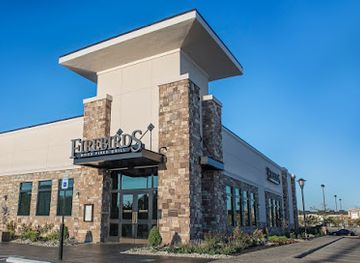
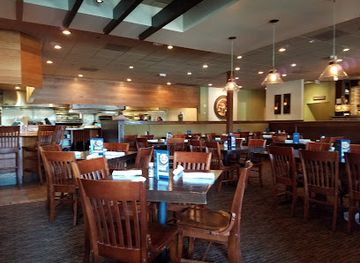
Firebirds Wood Fired Grill
Experience exceptional wood-fired cuisine at Firebirds Wood Fired Grill in Mason, OH—where flavor meets quality in every bite.
19 min drive · 6.3 km from city centre
-
Italian
Carrabba's Italian Grill
Discover authentic Italian flavors at Carrabba's Italian Grill in Mason, where every meal is a celebration of taste and tradition.
21 min drive · 7.0 km from city centre
Best bars in Mason
Mason’s evening scene is suburban and varied rather than concentrated in a traditional nightclub quarter. Breweries and taprooms provide relaxed settings for locally produced beer, conversation and occasional community programming, while restaurants around Deerfield Towne Center and the Kings Island area stay active with family dining and casual drinks. During the amusement-park season, Kings Island’s evening events and performances create much of the city’s later entertainment, especially for visitors staying nearby. There are also cinemas and other commercial leisure venues in the surrounding suburban corridor. For major concerts, theatre and a broader choice of late-night clubs, visitors generally travel towards Cincinnati, where entertainment districts are more concentrated. Evening transport should be planned in advance because Mason’s spread-out layout and limited public transport make driving or a pre-arranged ride the usual solution.
-
Bar
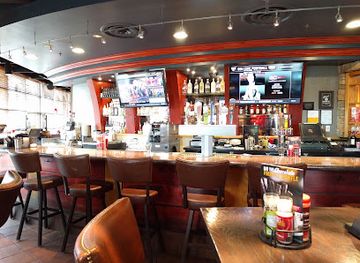
Red Robin Gourmet Burgers and Brews
Discover gourmet burgers, craft brews, and a family-friendly atmosphere at Red Robin Gourmet Burgers and Brews in Mason, Ohio.
17 min drive · 5.8 km from city centre
-
American
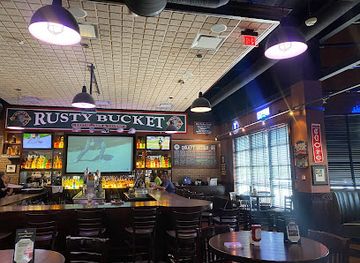
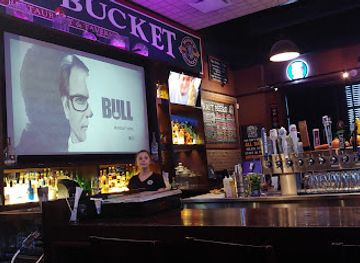
Rusty Bucket Restaurant and Tavern
Experience the best of American cuisine at Rusty Bucket Restaurant and Tavern in Mason, Ohio, where comfort food meets a lively bar atmosphere.
19 min drive · 6.2 km from city centre
-
Bar
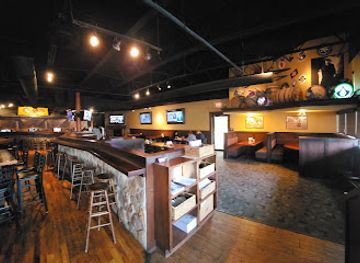
The Old Bag of Nails Pub - Mason
Discover a family-friendly bar and restaurant in Mason, Ohio, where delicious food and a vibrant atmosphere await your visit.
5 min drive · 1.6 km from city centre
-
Bar
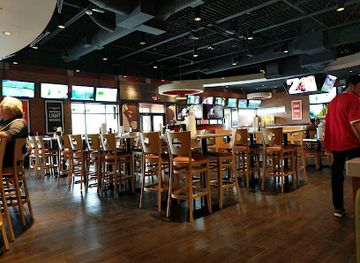
Wings and Rings
Discover the ultimate dining experience at Wings and Rings in Mason, Ohio, where delicious wings meet a lively sports atmosphere.
9 min drive · 3.0 km from city centre
Best nightclubs in Mason
Mason’s evening scene is suburban and varied rather than concentrated in a traditional nightclub quarter. Breweries and taprooms provide relaxed settings for locally produced beer, conversation and occasional community programming, while restaurants around Deerfield Towne Center and the Kings Island area stay active with family dining and casual drinks. During the amusement-park season, Kings Island’s evening events and performances create much of the city’s later entertainment, especially for visitors staying nearby. There are also cinemas and other commercial leisure venues in the surrounding suburban corridor. For major concerts, theatre and a broader choice of late-night clubs, visitors generally travel towards Cincinnati, where entertainment districts are more concentrated. Evening transport should be planned in advance because Mason’s spread-out layout and limited public transport make driving or a pre-arranged ride the usual solution.
-
American
Rusty Bucket Restaurant and Tavern
Experience the best in American comfort food at Rusty Bucket Restaurant and Tavern in Mason, where great taste meets a vibrant atmosphere.
19 min drive · 6.2 km from city centre
-
Sports bar
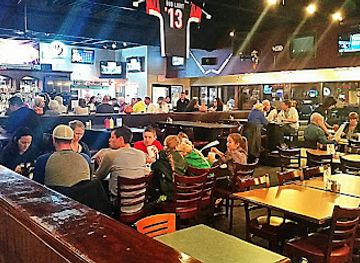
James' Third Base Sports Bar and Grill
Experience the ultimate sports bar atmosphere at James' Third Base Sports Bar and Grill, where delicious food and live games create unforgettable moments in Mason, Ohio.
14 min drive · 4.8 km from city centre
-
Grill
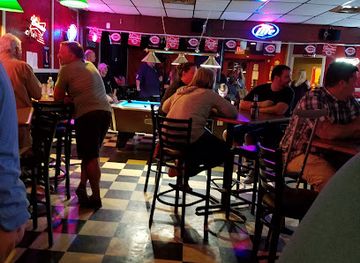
Diggs Bar and Grill
Discover Diggs Bar and Grill, where flavorful grill cuisine meets a lively atmosphere in Mason, Ohio.
11 min drive · 3.8 km from city centre
-
Night club
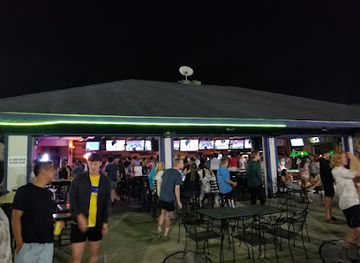
Twenty Mile Tavern
Discover the vibrant nightlife at Twenty Mile Tavern, where karaoke, live music, and sports come together in Loveland, Ohio.
19 min drive · 6.4 km from city centre
Best shops in Mason
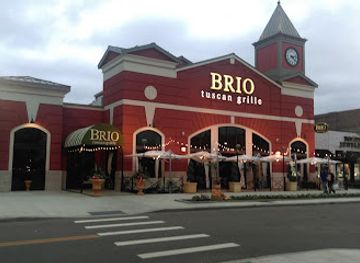
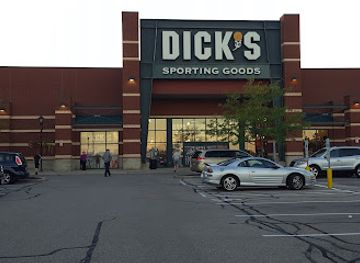
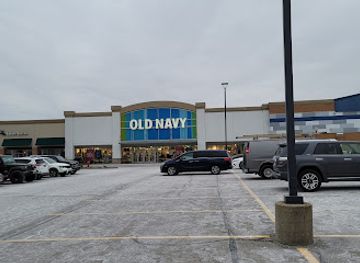
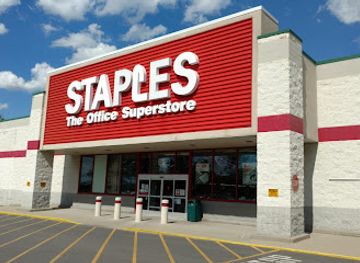
Shopping in Mason is centred on modern suburban districts rather than a traditional market quarter. Deerfield Towne Center is the principal visitor-friendly area, with a broad collection of shops, cafés, restaurants and services arranged around landscaped commercial streets. The Boulevard at Mason and other retail corridors add everyday stores, specialist businesses and larger commercial premises, while shops near Kings Island cater to visitors seeking practical items, souvenirs and family-oriented purchases. The historic centre has a smaller-scale local character, with community businesses and occasional opportunities to explore Mason’s older streets rather than a dense concentration of independent boutiques. Travellers looking for regional food products or Cincinnati-associated gifts may find them in specialist retailers across the metropolitan area. Shopping here is therefore most useful as part of a wider suburban itinerary, combining dining and errands with visits to amusement attractions, parks or the Heritage District.
-
Shopping mall
Liberty Center
Discover the lively atmosphere of Liberty Center, where shopping, dining, and entertainment come together for an unforgettable experience in Liberty Township.
20 min drive · 6.7 km from city centre
-
Shopping mall
Deerfield Towne Center
Discover a dynamic shopping and dining experience at Deerfield Towne Center, where every visit is filled with excitement and endless possibilities.
19 min drive · 6.2 km from city centre
-
Shopping mall
Waterstone Center
Discover the perfect blend of shopping, dining, and entertainment at Waterstone Center in Cincinnati, a must-visit destination for every traveler.
22 min drive · 7.3 km from city centre
-
Shopping mall
Governor's Pointe North
Explore the vibrant shopping and dining experiences at Governor's Pointe North in Mason, Ohio, perfect for family fun and retail therapy.
20 min drive · 6.7 km from city centre
Get your free copy of our complete guide to Mason, delivered straight to you.
Everything on this page, from attractions and restaurants to essentials and local phrases, in one PDF you can read offline, print or share.
Already have an account? Sign in
Your Mason guide is ready.
We'll send it to · Not you? Sign out

Getting your guide ready…
We are putting together a fresh copy of the Mason guide. This can take up to a minute.
This can take a few moments. If your browser asks, choose Allow so the download can start. You'll find the guide in your Downloads folder.
Nothing happened? Download it again
Sorry, the guide is taking longer than usual. Please try again in a minute, or get it by email instead.
Mason essentials
Currency and Payment
Safety
Emergency Situations
Do's and Don'ts
Local Tips
From Eve
Local phrases worth knowing
You don't need to get them perfect. A few words go a long way, and locals appreciate the effort.
Basics
| English | Local | Say it |
|---|---|---|
| Hello | Hey | [Hey] |
| Goodbye | See ya | [See ya] |
| Yes | Yep | [Yep] |
| No | Nah | [Nah] |
| Please/You're welcome | Please/No problem | [Please/No problem] |
| Thank you | Thanks | [Thanks] |
| Excuse me/Sorry | Sorry | [Sorry] |
| How are you? | How ya doin'? | [How ya doin'?] |
| Fine. And you? | Good. You? | [Good. You?] |
| Do you speak English? | Ya speak English? | [Ya speak English?] |
| I don't understand | I don't get it | [I don't get it] |
Eating & Drinking
| English | Local | Say it |
|---|---|---|
| I'd like to see the menu, please | Can I see the menu? | [Can I see the menu?] |
| I don't eat meat | I'm vegetarian | [I'm vegetarian] |
| Cheers! | Cheers! | [Cheers!] |
| I would like to pay, please | Check, please | [Check, please] |
Emergencies
| English | Local | Say it |
|---|---|---|
| Help! | Help! | [Help!] |
| Go away! | Get lost! | [Get lost!] |
| Call the Police! | Call the cops! | [Call the cops!] |
| Call a doctor! | Get a doctor! | [Get a doctor!] |
| I'm lost | I'm lost | [I'm lost] |
| I'm ill | I'm sick | [I'm sick] |
Shopping
| English | Local | Say it |
|---|---|---|
| I'd like to buy... | I wanna buy... | [I wanna buy...] |
| I'm just looking | Just browsing | [Just browsing] |
| How much is it? | How much? | [How much?] |
| That's too expensive | Too pricey | [Too pricey] |
| Can you lower the price? | Can you go lower? | [Can you go lower?] |
Time & Numbers
| English | Local | Say it |
|---|---|---|
| What time is it? | What time is it? | [What time is it?] |
| It's one o'clock | It's one | [It's one] |
| Half past (10) | Ten thirty | [Ten thirty] |
| Morning | Morning | [Morning] |
| Afternoon | Afternoon | [Afternoon] |
| Evening | Evening | [Evening] |
| Yesterday | Yesterday | [Yesterday] |
| Today | Today | [Today] |
| Tomorrow | Tomorrow | [Tomorrow] |
| 1 | One | [One] |
| 2 | Two | [Two] |
| 3 | Three | [Three] |
| 4 | Four | [Four] |
| 5 | Five | [Five] |
| 6 | Six | [Six] |
| 7 | Seven | [Seven] |
| 8 | Eight | [Eight] |
| 9 | Nine | [Nine] |
| 10 | Ten | [Ten] |
Transport & Directions
| English | Local | Say it |
|---|---|---|
| Where's a/the...? | Where's the...? | [Where's the...?] |
| What's the address? | What's the address? | [What's the address?] |
| Can you show me (on the map)? | Can you show me (on the map)? | [Can you show me (on the map)?] |
| When's the next (bus)? | When's the next (bus)? | [When's the next (bus)?] |
| A ticket (to ....) | A ticket (to ....) | [A ticket (to ....)] |
History of Mason
From Palmira to Mason
The community that became Mason was founded in 1815 by Major John C. Mason, who established a settlement in what was then a predominantly rural part of Warren County. It was initially known as Palmira, but the name Mason came into use in 1832 in recognition of its founder. The early settlement developed around farming, local trade and the institutions typical of a small American community, rather than as a major industrial or river port. That modest beginning still informs the city’s identity: Mason grew from a village landscape and retains a historic centre even as later expansion transformed the surrounding countryside.
A Nineteenth-Century Community
During the nineteenth century, Mason’s growth was tied to agriculture, local commerce and improving transport connections across southwestern Ohio. Homes, churches, shops and civic buildings gathered around the centre, creating the compact townscape represented today by the Mason Heritage District. Religious congregations and voluntary organisations played an important role in community life, while the surrounding farms supplied the local economy. Mason’s historic buildings are significant not because the settlement became a large industrial city, but because they record the social and architectural character of a Warren County town as Ohio’s interior communities became more closely connected to Cincinnati and other regional markets.
Incorporation and Civic Development
Mason was incorporated as a village in 1859, formalising the local government of a community that had developed steadily since its early nineteenth-century founding. The period brought the establishment and consolidation of civic institutions, churches, schools and businesses that shaped the town’s public life. The surviving historic core reflects this transition from rural settlement to organised municipality, with older houses and religious buildings marking the scale of the community before twentieth-century suburbanisation. Mason remained comparatively small for much of its history, and its later development would be driven less by heavy industry than by regional mobility, residential growth and its position within the expanding Cincinnati metropolitan area.
From Rural Town to Suburb
In the twentieth century, improvements to roads and the continuing outward growth of Cincinnati changed Mason’s economic and social geography. Farmland gave way gradually to housing, offices, shopping centres and business parks, while the original town centre became one part of a much larger municipality. The city’s location near major roads, especially Interstate 71 and the north-eastern Cincinnati suburban corridor, encouraged commuting and commercial investment. This transformation did not erase Mason’s earlier identity: local preservation efforts, the historical society and the Heritage District maintain links with the village that preceded the modern suburban city.
Kings Island and Modern Mason
The opening of Kings Island in 1972 marked a decisive change in Mason’s public profile. Built on a large site north-east of Cincinnati, the amusement park introduced a major leisure destination whose rides, seasonal events and Eiffel Tower became closely associated with the city. Development connected with the park, including hotels, restaurants and entertainment facilities, reinforced Mason’s role in regional tourism. At the same time, corporate campuses, retail districts and residential neighbourhoods expanded. Contemporary Mason therefore contains several layers at once: an early nineteenth-century settlement, a preserved civic centre, a carefully developed suburban landscape and one of Ohio’s most recognisable amusement-park destinations.
Mason in Photos
Browse through our photo collection highlighting the charm and character of the destination.
Cities near Mason
The closest cities to Mason, if you have time for more than one stop.
-

-

-

-

-


Swipe for more cities
Explore more

Explore more of Ohio
Explore Ohio's vibrant cities, rich history, and stunning natural landscapes. From bustling urban centers to serene state parks, Ohio offers diverse attractions for every traveler.
Explore Ohio