

Free Chillicothe Travel Guide & Mobile App
Plan your Chillicothe trip with Evendo. Get free guides to top attractions, restaurants, hotels, and bars. Web access or download the mobile app.


Chillicothe, Ohio, pairs Hopewell earthworks, state-capital history, Adena heritage and Appalachian landscapes with welcoming local culture and historic streets.
Ohio’s First Capital
Set in the Scioto River valley of southern Ohio, Chillicothe combines a small-city rhythm with an unusually deep historical record. The community became Ohio’s first state capital in 1803 and served again as the capital from 1812 to 1816, leaving a legacy visible in its civic buildings, historic homes and museums. Downtown streets lead towards Yoctangee Park, the Ross County Heritage Center and the Majestic Theatre, one of the oldest continuously operating theatres in the United States.Read more about Chillicothe
Ancient Landscapes
Heritage and Appalachian Country
When is the best time to visit Chillicothe?
Best: May–June, September · 23–28°C| Month | High (°C) | Rainfall (mm) |
|---|---|---|
| January | 3 | 73 |
| February | 5 | 67 |
| March | 12 | 83 |
| April | 18 | 95 |
| May (best) | 23 | 104 |
| June (best) | 28 | 104 |
| July | 31 | 108 |
| August | 30 | 99 |
| September (best) | 26 | 82 |
| October | 19 | 77 |
| November | 11 | 84 |
| December | 4 | 79 |
Getting to and around Chillicothe
How to get there
Transportation
Best attractions in Chillicothe
Chillicothe’s principal attractions combine archaeology, state history and small-city cultural life. The Hopewell Ceremonial Earthworks form the area’s defining visitor experience: Mound City Group, Hopewell Mound Group, Seip Earthworks and other sites reveal monumental landscapes created by Indigenous communities nearly two millennia ago. At the Ross County Heritage Center, regional collections place the earthworks, early settlement and the city’s political development in context. Adena State Memorial adds a different perspective, with Thomas Worthington’s historic mansion, landscaped grounds and interpretation of early nineteenth-century Ohio. In the centre, Yoctangee Park provides open space beside the historic civic district, while the Majestic Theatre brings live performance to a long-established downtown venue. The surrounding countryside extends the experience through Great Seal State Park, whose wooded ridges and trails overlook the Scioto valley, and seasonal cultural events such as the outdoor Tecumseh! drama near Sugarloaf Mountain.
-
Tourist attraction
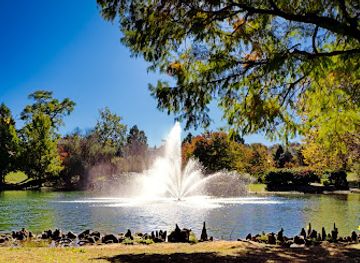
Yoctangee Park
Explore the lush landscapes and recreational delights of Yoctangee Park in Chillicothe, Ohio – a perfect getaway for families and nature lovers alike.
7 min walk · 0.6 km from city centre
-
Amusement center
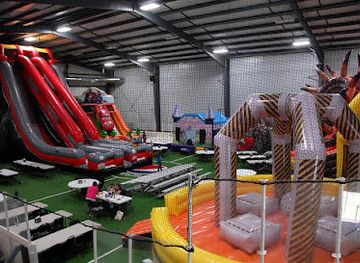
Triple Crown Family Fun Center
Discover endless fun at Triple Crown Family Fun Center in Chillicothe, Ohio - the ultimate destination for family entertainment, games, and delicious pizza!
6 min drive · 2.0 km from city centre
-
Tourist attraction
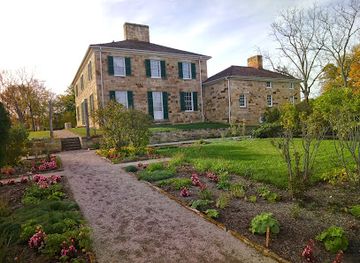
Adena Mansion & Gardens Historic Site
Discover the historical charm of Adena Mansion & Gardens, where rich history meets beautiful landscapes in Chillicothe, Ohio.
11 min drive · 3.6 km from city centre
-
Children's museum
Mighty Children's Museum
Explore creativity and learning at the Mighty Children's Museum, where imagination comes to life for young adventurers in Chillicothe, Ohio.
3 min walk · 0.2 km from city centre

Best landmarks in Chillicothe
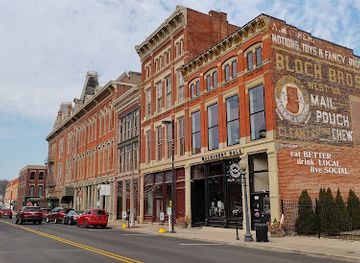
Chillicothe’s landmarks express several different chapters of Ohio history. The Hopewell Ceremonial Earthworks, including Mound City Group and Hopewell Mound Group, are monumental Indigenous constructions whose geometric forms and ceremonial purpose make them the region’s most significant cultural landscape. Adena State Memorial preserves Adena Mansion, the early nineteenth-century home of Thomas Worthington, Ohio’s sixth governor and a major figure in the state’s formative political era. Downtown, the Ross County Heritage Center occupies the former First Presbyterian Church and interprets the area’s local history, while the Majestic Theatre represents the city’s long tradition of public entertainment. Yoctangee Park forms a civic green at the centre of town, and the surrounding streets retain historic commercial and residential buildings associated with Chillicothe’s years as Ohio’s capital and later regional centre.
-
Park
Yoctangee Park
Explore Yoctangee Park: A serene retreat in Chillicothe, Ohio, perfect for nature lovers, families, and outdoor enthusiasts.
7 min walk · 0.6 km from city centre
-
Barbecue
Old Canal Smoke House
Experience the savory delights of Old Canal Smoke House, where authentic barbecue meets a vibrant atmosphere in Chillicothe, Ohio.
5 min walk · 0.4 km from city centre
-
Gastropub
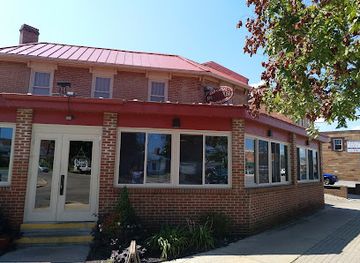
The Pour House at Machinery Hall
Discover the vibrant flavors of American cuisine at The Pour House at Machinery Hall, a delightful gastropub in Chillicothe, Ohio.
3 min walk · 0.2 km from city centre
-
Amusement center
Triple Crown Family Fun Center
Experience a world of fun at Triple Crown Family Fun Center in Chillicothe - the ultimate destination for family-friendly entertainment and memorable adventures.
6 min drive · 2.0 km from city centre


Explore Chillicothe on the map
Plan your Chillicothe trip on one map. See where the top attractions, landmarks, restaurants, bars and hotels are, find what's near where you're staying, and book hotels and experiences in a few clicks.
Best hotels in Chillicothe
Best restaurants in Chillicothe
Chillicothe’s dining scene reflects its role as a southern Ohio county centre rather than a destination built around fine-dining districts. Independent restaurants, family-run cafés, bakeries and casual grills serve familiar American fare alongside regional comfort food, with downtown and the main commercial corridors providing the broadest choice. Visitors will encounter dishes associated with Ohio and the wider Midwest, including burgers, fried fish, sandwiches, pies and seasonal produce, while coffee shops and breakfast cafés suit an early start for the earthworks circuit. Farmers’ markets and seasonal community events can bring local vegetables, baked goods and prepared food into the public realm. The area’s Appalachian influence is most apparent in home-style cooking, preserves and hearty portions rather than in a narrowly defined local cuisine. Restaurant hours and payment methods can vary, especially outside the centre, so dining plans are best made with current local information.
-
Buffet
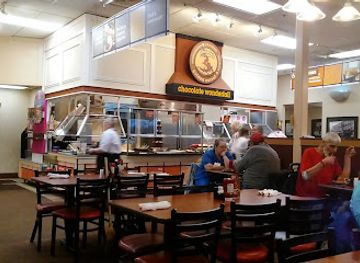
Golden Corral Buffet & Grill
Experience an all-you-can-eat buffet at Golden Corral Buffet & Grill in Chillicothe – where delicious American comfort food awaits!
12 min drive · 4.1 km from city centre
-
Italian
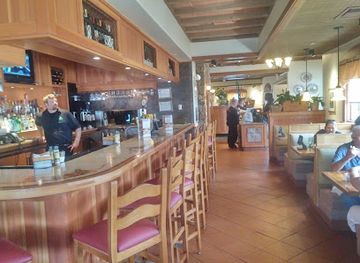
Olive Garden Italian Restaurant
Experience authentic Italian cuisine at Olive Garden in Chillicothe - perfect for families with gluten-free options and delightful wine selections.
11 min drive · 3.5 km from city centre
-
Fast Food
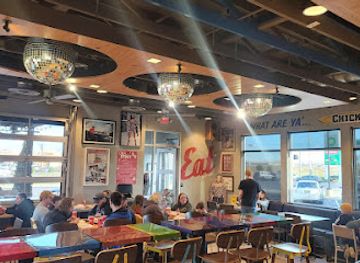
Raising Cane's Chicken Fingers
Experience mouthwatering chicken fingers at Raising Cane's in Chillicothe - where quality meets flavor in every bite!
6 min drive · 2.1 km from city centre
-
Barbecue
Old Canal Smoke House
Discover the smoky delights at Old Canal Smoke House in Chillicothe - where every bite tells a story of tradition and flavor.
5 min walk · 0.4 km from city centre
Best bars in Chillicothe
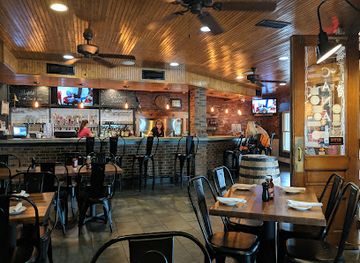
Chillicothe’s evening life is modest and locally oriented, with neighbourhood bars, casual pubs and restaurants providing most of the social activity rather than a concentrated nightclub quarter. Downtown is the most atmospheric area for an evening walk, particularly around historic streets and the Majestic Theatre, where performances can range from music and comedy to community productions and touring entertainment. Seasonal outdoor theatre at the Sugarloaf Mountain Amphitheatre, outside the city, adds a major cultural evening to the regional calendar through Tecumseh! and related performances. Live music and civic events may appear at local venues or during festivals, but schedules change and late-night options are limited compared with Columbus. Visitors should arrange transport in advance when attending venues beyond the walkable centre, observe American drinking-age and driving laws, and avoid assuming that smaller establishments operate late every night.
-
Grill
Tumbleweed Tex Mex Grill & Margarita Bar
Experience vibrant Tex-Mex flavors and refreshing margaritas at Tumbleweed Grill, Chillicothe's go-to spot for a taste of the Southwest.
9 min drive · 2.9 km from city centre
-
Gastropub
The Pour House at Machinery Hall
Experience the vibrant flavors of American gastropub cuisine at The Pour House at Machinery Hall in Chillicothe, Ohio, complete with a stunning rooftop bar.
3 min walk · 0.2 km from city centre
-
Bar
Dock At Water
Discover Chillicothe's vibrant bar scene at Dock At Water, where delicious food and refreshing drinks meet stunning waterfront views.
5 min walk · 0.4 km from city centre
-
Grill
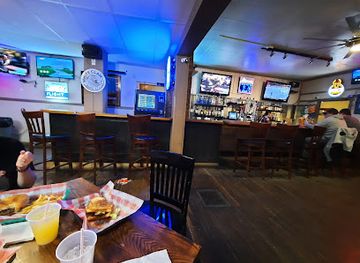
Wagners Roadhouse
Savor the heart of American cuisine at Wagner's Roadhouse in Chillicothe, where delicious grills and a friendly atmosphere await.
9 min drive · 2.9 km from city centre
Best nightclubs in Chillicothe
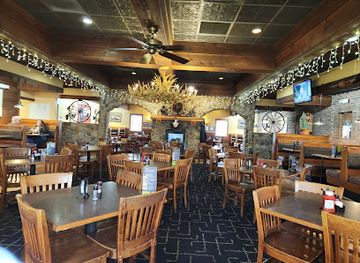
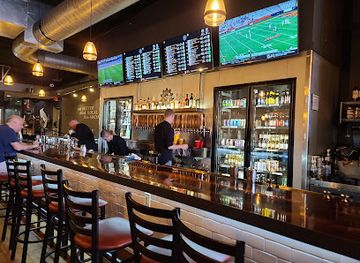
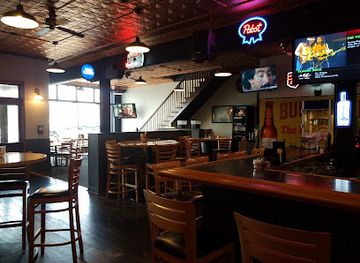
Chillicothe’s evening life is modest and locally oriented, with neighbourhood bars, casual pubs and restaurants providing most of the social activity rather than a concentrated nightclub quarter. Downtown is the most atmospheric area for an evening walk, particularly around historic streets and the Majestic Theatre, where performances can range from music and comedy to community productions and touring entertainment. Seasonal outdoor theatre at the Sugarloaf Mountain Amphitheatre, outside the city, adds a major cultural evening to the regional calendar through Tecumseh! and related performances. Live music and civic events may appear at local venues or during festivals, but schedules change and late-night options are limited compared with Columbus. Visitors should arrange transport in advance when attending venues beyond the walkable centre, observe American drinking-age and driving laws, and avoid assuming that smaller establishments operate late every night.
-
Bar
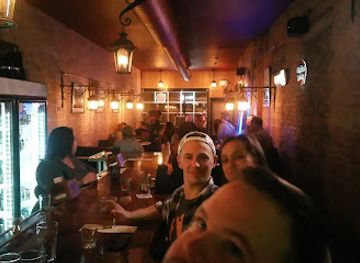
Steiners speakeasy
Experience the vibrant nightlife of Chillicothe at Steiners Speakeasy, where craft cocktails and nostalgic ambiance await.
2 min walk · 0.2 km from city centre
-
Bar
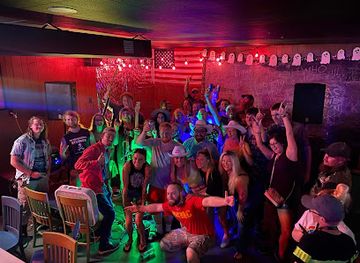
The Wobbly Ghost Tavern
Discover the lively spirit of Chillicothe at The Wobbly Ghost Tavern, where great music and a welcoming atmosphere create unforgettable nights.
11 min walk · 0.8 km from city centre
-
Bar
Prohibition: Legendary Bourbon Bar
Discover a spirited oasis at Prohibition: Legendary Bourbon Bar in Chillicothe, where bourbon enthusiasts can savor exceptional drinks in a charming atmosphere.
4 min walk · 0.3 km from city centre
-
Bar
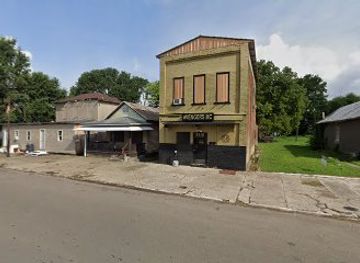
Avengers Mc
Discover the vibrant nightlife of Chillicothe at Avengers Mc, a premier bar offering unique drinks and an energetic atmosphere.
15 min walk · 1.2 km from city centre

Best shops in Chillicothe
Shopping in Chillicothe is centred on practical local retail, independent downtown businesses, antiques and seasonal community markets rather than a large luxury or designer scene. Paint Street and the surrounding historic centre are the most natural places to browse small shops, galleries, gift stores and locally oriented businesses, while larger commercial areas along the main approach roads provide everyday goods. Antique and vintage items, Ohio-themed gifts, books, handmade products and food from regional producers make more distinctive souvenirs than generic merchandise. Farmers’ markets and craft events vary by season and may bring baked goods, produce, preserves and artisan work into public spaces. Visitors interested in Indigenous history should choose educationally responsible materials connected with the Hopewell sites and avoid treating archaeological objects or replicas of sacred imagery as casual curiosities.
-
Shopping mall
Chillicothe Mall
Explore Chillicothe Mall: Your ultimate shopping destination in Ohio, featuring a variety of stores, dining options, and family-friendly entertainment.
9 min drive · 2.8 km from city centre
-
Shopping mall
Chillicothe Place
Experience the vibrant shopping and dining at Chillicothe Place, Ohio's premier mall with diverse retail options for every taste.
7 min drive · 2.4 km from city centre
-
Shopping mall
Shawnee Square Shopping Center
Experience the vibrant shopping scene at Shawnee Square Shopping Center, a retail paradise in Chillicothe, Ohio, featuring diverse stores and dining options.
18 min walk · 1.4 km from city centre
-
Antique store
Chillicothe Antique Emporium
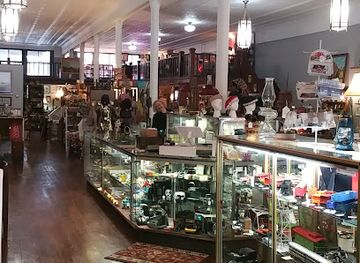
Explore the Chillicothe Antique Emporium for a unique blend of vintage finds, sweet treats, and nostalgic arcade fun in Ohio.
3 min walk · 0.3 km from city centre

Get your free copy of our complete guide to Chillicothe, delivered straight to you.
Everything on this page, from attractions and restaurants to essentials and local phrases, in one PDF you can read offline, print or share.
Already have an account? Sign in
Your Chillicothe guide is ready.
We'll send it to · Not you? Sign out

Getting your guide ready…
We are putting together a fresh copy of the Chillicothe guide. This can take up to a minute.
This can take a few moments. If your browser asks, choose Allow so the download can start. You'll find the guide in your Downloads folder.
Nothing happened? Download it again
Sorry, the guide is taking longer than usual. Please try again in a minute, or get it by email instead.
Chillicothe essentials
Currency and Payment
Safety
Emergency Situations
Do's and Don'ts
Local Tips
From Eve
Local phrases worth knowing
You don't need to get them perfect. A few words go a long way, and locals appreciate the effort.
Basics
| English | Local | Say it |
|---|---|---|
| Hello | Hey y'all | [Hey yawl] |
| Goodbye | See ya later | [See ya lay-ter] |
| Yes | Yep | [Yep] |
| No | Nah | [Nah] |
| Please/You're welcome | Please/No problem | [Pleez/No pro-blem] |
| Thank you | Thanks | [Thanks] |
| Excuse me/Sorry | Pardon me/My bad | [Pahr-dun me/My bad] |
| How are you? | How ya doin'? | [How ya doin'] |
| Fine. And you? | Fine. How 'bout you? | [Fine. How 'bout you?] |
| Do you speak English? | Ya speak English? | [Yuh speak Ing-glish?] |
| I don't understand | I ain't gettin' it | [I ain't get-tin' it] |
Eating & Drinking
| English | Local | Say it |
|---|---|---|
| I'd like to see the menu, please | Can I see the menu, please? | [Can I see the menu, please?] |
| I don't eat meat | I don't eat meat | [I don't eat meat] |
| Cheers! | Cheers! | [Cheers!] |
| I would like to pay, please | I'll pay now, please | [I'll pay now, please] |
Emergencies
| English | Local | Say it |
|---|---|---|
| Help! | Help! | [Help!] |
| Go away! | Get lost! | [Get lost!] |
| Call the Police! | Call the cops! | [Call the cops!] |
| Call a doctor! | Get a doctor! | [Get a doctor!] |
| I'm lost | I'm lost | [I'm lost] |
| I'm ill | I'm sick | [I'm sick] |
Shopping
| English | Local | Say it |
|---|---|---|
| I'd like to buy... | I wanna buy... | [I wanna buy...] |
| I'm just looking | Just browsing | [Just browsin'] |
| How much is it? | How much? | [How much?] |
| That's too expensive | That's too much | [That's too much] |
| Can you lower the price? | Can ya lower it? | [Can ya lower it?] |
Time & Numbers
| English | Local | Say it |
|---|---|---|
| What time is it? | What time is it? | [What time is it?] |
| It's one o'clock | It's one | [It's one] |
| Half past (10) | Half past ten | [Half past ten] |
| Morning | Morning | [Morning] |
| Afternoon | Afternoon | [Afternoon] |
| Evening | Evening | [Evening] |
| Yesterday | Yesterday | [Yesterday] |
| Today | Today | [Today] |
| Tomorrow | Tomorrow | [Tomorrow] |
| 1 | One | [One] |
| 2 | Two | [Two] |
| 3 | Three | [Three] |
| 4 | Four | [Four] |
| 5 | Five | [Five] |
| 6 | Six | [Six] |
| 7 | Seven | [Seven] |
| 8 | Eight | [Eight] |
| 9 | Nine | [Nine] |
| 10 | Ten | [Ten] |
Transport & Directions
| English | Local | Say it |
|---|---|---|
| Where's a/the...? | Where's the...? | [Where's the...?] |
| What's the address? | What's the address? | [What's the address?] |
| Can you show me (on the map)? | Can ya show me (on the map)? | [Can ya show me (on the map)?] |
| When's the next (bus)? | When's the next bus? | [When's the next bus?] |
| A ticket (to ....) | A ticket (to ....) | [A ticket (to ....)] |
History of Chillicothe
Hopewell Peoples and Ceremonial Earthworks
Long before the modern city emerged, the Scioto valley was an important centre of Indigenous life. Between approximately 2,000 and 1,600 years ago, communities now associated with the Hopewell tradition built enormous geometric enclosures, earthen walls, mounds and avenues across the region. These structures required careful surveying, organised labour and sustained social cooperation. They were used within ceremonial landscapes connected to extensive exchange networks that brought materials such as mica, obsidian and copper from distant parts of North America. Mound City Group and other earthworks around Chillicothe survive as evidence of sophisticated Indigenous engineering and religious practice. Together with sites near Newark and Lebanon, the Hopewell Ceremonial Earthworks became a UNESCO World Heritage Site in 2023.
Shawnee Country and Early Settlement
The Scioto valley was home to Shawnee communities and part of a wider Indigenous world when American settlers moved into the region after the Revolutionary War. The town of Chillicothe was laid out in 1796 by Nathaniel Massie, who named it after a Shawnee term associated with a principal settlement or town. The creation of the settlement formed part of the rapid expansion of the United States into the Ohio Country, a process shaped by treaties, warfare and the forced displacement of Indigenous peoples. Chillicothe’s position beside the Scioto River helped it develop as a centre for agriculture, commerce and administration as new counties and settlements were organised across southern Ohio.
Ohio’s Early State Capital
When Ohio entered the Union in 1803, Chillicothe became the state’s first capital. The young government operated from a modest frontier town while lawmakers established institutions, courts and administrative practices for the new state. Chillicothe remained the capital until 1810, when the legislature moved it to Zanesville. It returned to Chillicothe in 1812, partly because of the town’s established political importance and central position in the settled portion of Ohio. The capital finally moved to Columbus in 1816. The Adena Mansion, associated with Thomas Worthington, and surviving civic heritage help explain the political society that developed around Ohio’s first state administration.
Canals, Railways and Commercial Growth
During the nineteenth century, Chillicothe’s economy expanded through improved transport and its relationship with the Scioto River valley. The Ohio and Erie Canal connected the region to wider markets from the 1830s, allowing agricultural goods and manufactured products to move more efficiently. Railways later strengthened Chillicothe’s links with other Ohio towns and encouraged industrial development, including the production and processing of paper. These transport connections altered the scale of commercial life, bringing new workers, businesses and investment to the city. The historic downtown and older residential areas retain traces of this period, when Chillicothe grew from a former capital into a regional trading and manufacturing centre.
Industry and the Modern City
Chillicothe’s industrial identity became particularly associated with paper manufacturing and other river-valley industries, reflecting southern Ohio’s access to transport, timber and water. Industrial employment shaped neighbourhoods and civic institutions during the late nineteenth and twentieth centuries, while the city continued to serve as a governmental and commercial centre for Ross County. Like many American manufacturing communities, Chillicothe later faced economic restructuring as industrial patterns changed. Its historic buildings, museums and archaeological sites have consequently become important parts of a broader cultural identity that connects Indigenous history, early statehood, transport and industry rather than presenting the city solely through one period.
Preserving a Layered Heritage
Modern Chillicothe has increasingly interpreted its history through several overlapping inheritances. The Ross County Heritage Center documents local and regional development, Adena State Memorial preserves an early Ohio estate, and the Hopewell earthworks provide an international context for the area’s Indigenous past. The Majestic Theatre and historic downtown add a living cultural dimension, supporting performances and community events in buildings with long civic associations. Recognition of the Hopewell Ceremonial Earthworks as a UNESCO World Heritage Site has strengthened attention to the archaeological landscape while also underscoring the need to understand these places as Indigenous achievements, not simply as scenic monuments surrounding a modern city.
Chillicothe in Photos
Browse through our photo collection highlighting the charm and character of the destination.
Cities near Chillicothe
The closest cities to Chillicothe, if you have time for more than one stop.
-

-

-

-

-


Swipe for more cities
Explore more

Explore more of Ohio
Explore Ohio's vibrant cities, rich history, and stunning natural landscapes. From bustling urban centers to serene state parks, Ohio offers diverse attractions for every traveler.
Explore Ohio