

Free Zanesville Travel Guide & Mobile App
Plan your Zanesville trip with Evendo. Get free guides to top attractions, restaurants, hotels, and bars. Web access or download the mobile app.


Zanesville, Ohio pairs the historic Y-Bridge and Muskingum River with pottery heritage, galleries, gardens, museums and small-city Appalachian foothills.
A River City with a Distinctive Past
Zanesville lies in eastern Ohio where the Muskingum and Licking rivers meet, in a landscape of wooded hills, winding waterways and historic transport routes. Its most recognisable structure is the Y-Bridge, a three-way crossing that has connected the riverbanks from the centre of the city for generations. The present bridge is the latest in a succession of crossings, reflecting Zanesville’s long importance as a commercial and transportation hub.Read more about Zanesville
Pottery, Architecture and the Arts
Exploring the Muskingum Valley
When is the best time to visit Zanesville?
Best: June, August–September · 24–28°C| Month | High (°C) | Rainfall (mm) |
|---|---|---|
| January | 2 | 67 |
| February | 4 | 65 |
| March | 10 | 84 |
| April | 17 | 89 |
| May | 22 | 99 |
| June (best) | 27 | 98 |
| July | 29 | 99 |
| August (best) | 28 | 89 |
| September (best) | 24 | 86 |
| October | 18 | 79 |
| November | 10 | 80 |
| December | 4 | 73 |
Getting to and around Zanesville
How to get there
Transportation
Best attractions in Zanesville
Zanesville’s sightseeing begins with the Y-Bridge, where three arms meet above the confluence of the Muskingum and Licking rivers, creating one of Ohio’s most distinctive urban views. Nearby Zane’s Landing Park offers a place to appreciate the waterways and the city’s historic setting. The Zanesville Museum of Art presents regional and wider American art, while the Alan Cottrill Sculpture Studio & Gallery combines working-studio atmosphere with large-scale figurative sculpture. Mission Oaks Gardens adds formal plantings, mature trees and hillside paths to the city’s cultural itinerary. Downtown, historic commercial streets and public murals invite unhurried exploration between museums, cafés and independent shops. The National Road and related heritage sites in the wider area illuminate the transportation routes that helped Zanesville grow, while the Muskingum River valley provides a changing backdrop of wooded slopes and open countryside.
-
Tourist attraction
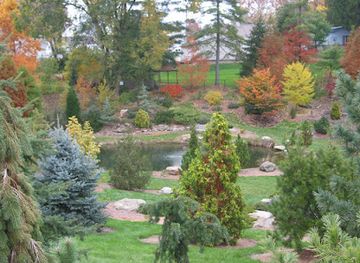
Mission Oaks Gardens
Explore the exquisite beauty of Mission Oaks Gardens, a serene oasis in Zanesville, Ohio, featuring stunning landscapes and tranquil waterfalls.
9 min walk · 0.7 km from city centre
-
Tourist attraction
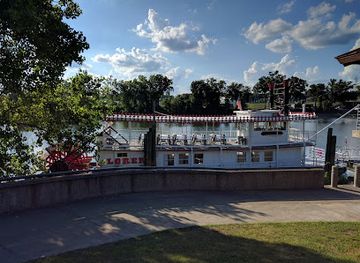
Zane Landing Park
Experience the natural beauty and recreational charm of Zane Landing Park in Zanesville, Ohio – a perfect escape for families and nature lovers.
5 min drive · 1.6 km from city centre
-
Tourist attraction
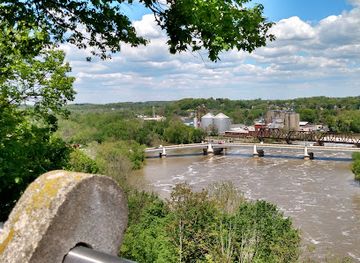
Putnam Hill Park
Explore the natural beauty and recreational offerings of Putnam Hill Park, a serene oasis in Zanesville, Ohio, perfect for family activities and relaxation.
7 min drive · 2.2 km from city centre
-
Brewpub
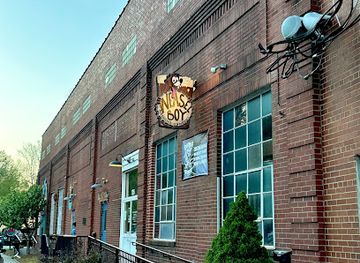
Weasel Boy Brewing Company
Discover the charm of Zanesville at Weasel Boy Brewing Company, where craft beers, live music, and delicious pizzas create unforgettable experiences.
7 min drive · 2.3 km from city centre
Best landmarks in Zanesville
The Y-Bridge is Zanesville’s defining landmark and a physical expression of the city’s unusual geography at the meeting of two rivers. Its successive versions also reflect the importance of bridges and transport to local development. The Zanesville Y-Bridge Historic District and surrounding downtown streets preserve elements of the city’s commercial past, while the Muskingum County Courthouse represents its continuing civic role. Stone Academy, an early nineteenth-century educational building, recalls the period when Zanesville was developing as a centre of learning and government. The National Road, visible through the wider Muskingum County landscape, connects the city to the great east-west routes that shaped Ohio settlement. Historic churches, civic buildings and industrial remnants add smaller architectural markers to a city whose identity rests on movement, rivers and regional commerce.
-
Mexican
Tlaquepaque Mexican Restaurant - Zanesville
Savor authentic Mexican cuisine at Tlaquepaque Mexican Restaurant in Zanesville, where every dish is a celebration of flavor and tradition.
7 min drive · 2.5 km from city centre
-
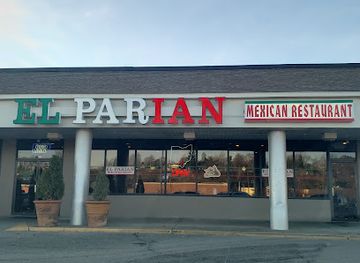
Mexican
El Parian Steaks & Tequila - Zanesville
Experience the vibrant taste of Mexico at El Parian Steaks & Tequila in Zanesville, where authentic cuisine meets a lively atmosphere.
16 min drive · 5.3 km from city centre
-
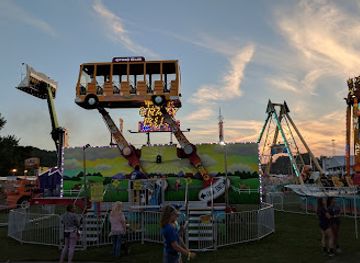
Fairground
Muskingum County Fairgrounds
Experience the heart of Ohio's rural traditions at Muskingum County Fairgrounds, where community spirit and vibrant events come alive.
11 min drive · 3.6 km from city centre
-
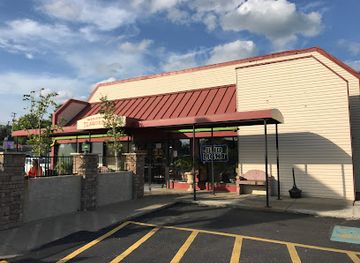
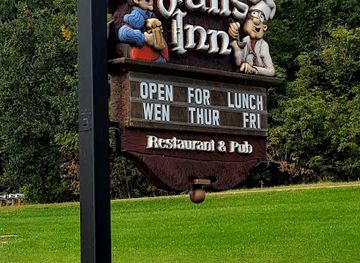
Restaurant
Olde Falls Inn
Discover the heart of Zanesville at Olde Falls Inn, where cozy ambiance meets delicious, locally-sourced cuisine for an unforgettable dining experience.
14 min drive · 4.6 km from city centre
Explore Zanesville on the map
Plan your Zanesville trip on one map. See where the top attractions, landmarks, restaurants, bars and hotels are, find what's near where you're staying, and book hotels and experiences in a few clicks.
Best hotels in Zanesville
Best restaurants in Zanesville
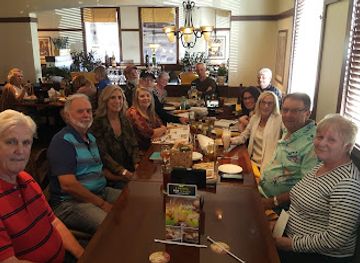
Zanesville’s dining scene reflects its role as a small regional centre rather than a destination built around haute cuisine. Family-run restaurants, cafés, diners and casual American eateries form the everyday core, with pizza, burgers, sandwiches and comfort food joined by familiar Mexican and Asian-inspired options. Tom’s Ice Cream Bowl is a long-established local institution known for ice cream and a nostalgic parlour atmosphere. Downtown and the roads leading through the commercial districts provide the broadest choice of restaurants, while independent cafés offer a slower setting for breakfast or coffee. The area’s pottery and industrial past is echoed in the traditional, unpretentious character of much local dining, where generous portions and informal service are more typical than elaborate presentation. Farmers’ markets and seasonal stands can also provide locally grown produce and baked goods when operating.
-
American
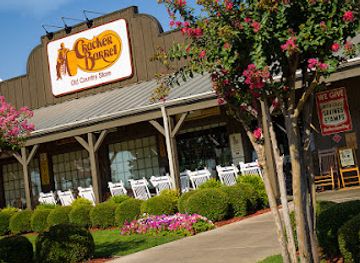
Cracker Barrel Old Country Store
Discover Cracker Barrel Old Country Store in Zanesville for authentic Southern cuisine and charming Americana gifts.
5 min drive · 1.8 km from city centre
-
Italian
Olive Garden Italian Restaurant
Savor authentic Italian cuisine at Olive Garden in Zanesville - where family dining meets flavorful dishes and warm hospitality.
5 min drive · 1.6 km from city centre
-
Hamburger
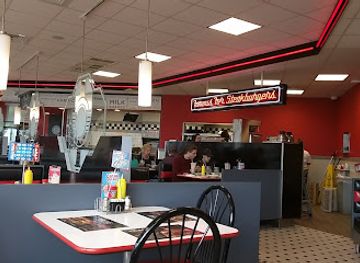
Steak 'n Shake
Experience classic American dining at Steak 'n Shake in Zanesville with delicious burgers and creamy shakes at great prices.
5 min drive · 1.6 km from city centre
-
Buffet
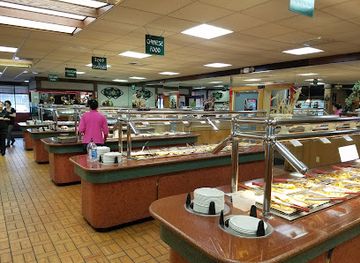
Oriental Super Buffet
Discover a world of flavors at Oriental Super Buffet in Zanesville - where Asian cuisine meets endless variety in a welcoming atmosphere.
5 min drive · 1.6 km from city centre
Best bars in Zanesville
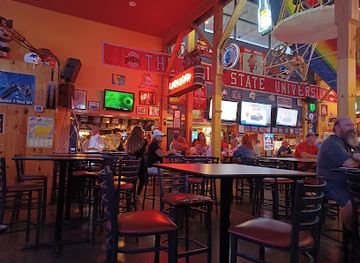
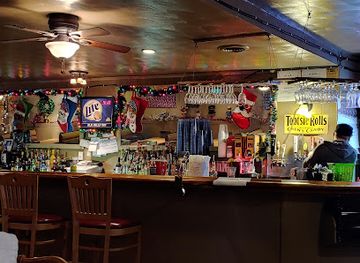
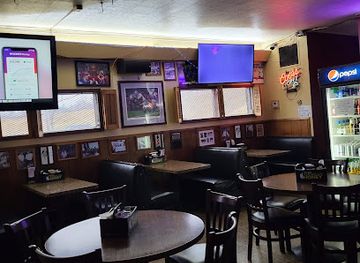
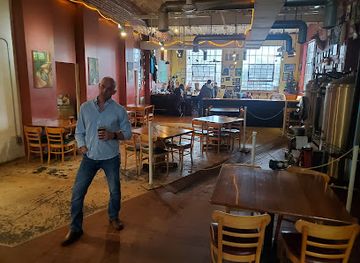
Zanesville’s evening scene is modest and locally focused, with neighbourhood bars, casual pubs and restaurants providing most of the after-dark social life rather than a dense club district. Downtown is the most convenient area for combining dinner, drinks and occasional live entertainment, while breweries and taprooms add a craft-beverage option when programmes and opening arrangements permit. Weasel Boy Brewing Company is associated with the local brewing scene and offers a more relaxed alternative to a conventional bar. Secrest Auditorium and other community performance spaces bring concerts, theatre and public events to the calendar, giving visitors cultural evening choices beyond drinking. Entertainment can be seasonal and event-led, so the city is better suited to relaxed nights, live performances and conversation than to late-night clubbing.
-
Bar
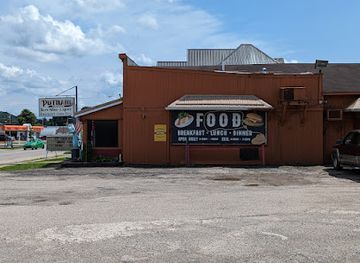
The Barn
Experience the vibrant ambiance and delicious American flavors at The Barn, Zanesville's favorite bar and grill, perfect for a memorable night out.
16 min walk · 1.3 km from city centre
-
Restaurant
Olde Falls Inn
Discover the exquisite flavors of Olde Falls Inn, where local ingredients meet warm hospitality in Zanesville, Ohio.
14 min drive · 4.6 km from city centre
-
Grill
Terry's Tavern
Discover Terry's Tavern in Zanesville, where delicious grilled meals and a friendly atmosphere create the perfect dining experience for every visitor.
15 min walk · 1.2 km from city centre
-
Brewpub
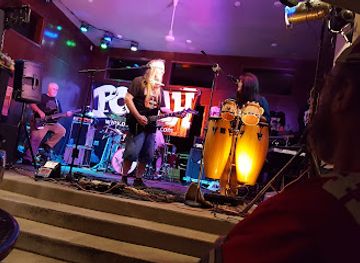
Weasel Boy Brewing Company
Discover Weasel Boy Brewing Company: A Craft Brew Haven with Delicious Pizzas and Live Music in Zanesville, Ohio.
7 min drive · 2.3 km from city centre
Best nightclubs in Zanesville
Zanesville’s evening scene is modest and locally focused, with neighbourhood bars, casual pubs and restaurants providing most of the after-dark social life rather than a dense club district. Downtown is the most convenient area for combining dinner, drinks and occasional live entertainment, while breweries and taprooms add a craft-beverage option when programmes and opening arrangements permit. Weasel Boy Brewing Company is associated with the local brewing scene and offers a more relaxed alternative to a conventional bar. Secrest Auditorium and other community performance spaces bring concerts, theatre and public events to the calendar, giving visitors cultural evening choices beyond drinking. Entertainment can be seasonal and event-led, so the city is better suited to relaxed nights, live performances and conversation than to late-night clubbing.
-
Restaurant
The Barn
Experience the heart of Zanesville at The Barn, where American cuisine meets live music in a warm and inviting atmosphere.
16 min walk · 1.3 km from city centre
-
 Bar
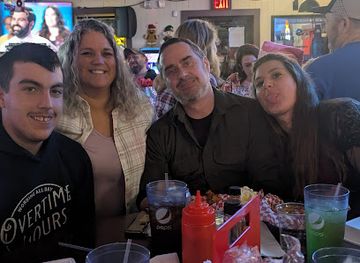
BarLucky's Bar
Experience the lively ambiance and delicious offerings at Lucky's Bar in Zanesville, where great food meets friendly vibes.
18 min drive · 6.0 km from city centre
-
Bar
Putnam Tavern
Discover a cozy retreat at Putnam Tavern, Zanesville's beloved bar offering a warm atmosphere and delightful drinks.
10 min drive · 3.3 km from city centre
-
Grill
Just one more
Experience the vibrant atmosphere and delicious grilled cuisine at Just One More in Zanesville, Ohio, a perfect spot for food lovers.
9 min walk · 0.7 km from city centre
Best shops in Zanesville
Shopping in Zanesville combines practical regional retail with independent downtown businesses, antiques and locally made art. Historic central streets contain boutiques, speciality shops and galleries where visitors may find pottery, sculpture, prints and Ohio-themed gifts rather than mass-market souvenirs. The area’s ceramics heritage makes studio pottery and decorative earthenware particularly appropriate purchases, although stock and opening arrangements vary between makers. Antique shops and second-hand dealers reflect the wider Muskingum Valley’s long-established interest in household objects and local history. Colony Square Mall and other commercial areas provide more conventional retail, while seasonal farmers’ markets can offer produce, baked goods and small handmade goods. Shopping is spread across the city rather than concentrated in a single pedestrian quarter, so a car is useful when combining downtown browsing with outlying retail areas and studios.
-
Shopping mall
Colony Square Mall
Experience retail therapy and entertainment at Colony Square Mall, Zanesville's premier shopping destination with diverse stores and dining options.
11 min drive · 3.7 km from city centre
-
Discount store
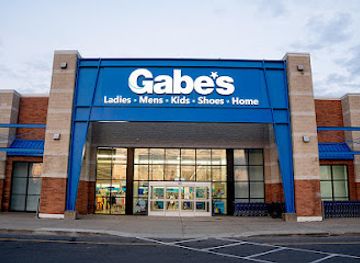
Gabe's
Discover unbeatable deals on fashion and home goods at Gabe's, the ultimate discount store in Zanesville, Ohio.
7 min drive · 2.4 km from city centre
-
Department store
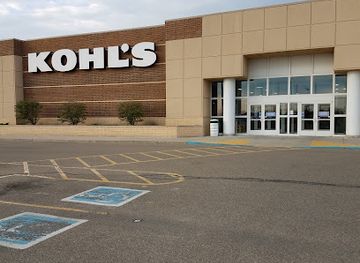
Kohl's
Explore the diverse offerings at Kohl's Zanesville, where you can find everything from trendy clothing to essential home goods at great prices.
13 min drive · 4.3 km from city centre
-
Gift shop
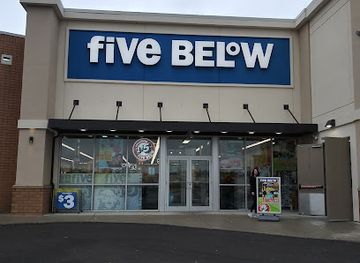
Five Below
Explore Five Below in Zanesville, Ohio, for an exciting shopping experience filled with unique gifts, trendy accessories, and delicious candy, all at budget-friendly prices.
11 min drive · 3.7 km from city centre
Get your free copy of our complete guide to Zanesville, delivered straight to you.
Everything on this page, from attractions and restaurants to essentials and local phrases, in one PDF you can read offline, print or share.
Already have an account? Sign in
Your Zanesville guide is ready.
We'll send it to · Not you? Sign out

Getting your guide ready…
We are putting together a fresh copy of the Zanesville guide. This can take up to a minute.
This can take a few moments. If your browser asks, choose Allow so the download can start. You'll find the guide in your Downloads folder.
Nothing happened? Download it again
Sorry, the guide is taking longer than usual. Please try again in a minute, or get it by email instead.
Zanesville essentials
Currency and Payment
Safety
Emergency Situations
Do's and Don'ts
Local Tips
From Eve
Local phrases worth knowing
You don't need to get them perfect. A few words go a long way, and locals appreciate the effort.
Basics
| English | Local | Say it |
|---|---|---|
| Hello | Howdy | [haw-dee] |
| Goodbye | See ya | [see yuh] |
| Yes | Yep | [yep] |
| No | Nah | [nah] |
| Please/You're welcome | Please/No problem | [pleez/no problem] |
| Thank you | Thanks | [thanks] |
| Excuse me/Sorry | Excuse me/Sorry | [ex-kyoos me/sorry] |
| How are you? | How ya doin'? | [how yuh doin'] |
| Fine. And you? | Fine. And you? | [fine. and yuh?] |
| Do you speak English? | Ya speak English? | [yah speak ing-glish?] |
| I don't understand | I dunno | [eye duh-no] |
Eating & Drinking
| English | Local | Say it |
|---|---|---|
| I'd like to see the menu, please | I wanna see the menu, please | [eye wanna see the menu, please] |
| I don't eat meat | I don't eat meat | [eye dun't eat meat] |
| Cheers! | Cheers! | [cheers] |
| I would like to pay, please | I'd like to pay, please | [eye'd like to pay, please] |
Emergencies
| English | Local | Say it |
|---|---|---|
| Help! | Help! | [help] |
| Go away! | Git outta here! | [git out-ta here!] |
| Call the Police! | Call the cops! | [call the cops!] |
| Call a doctor! | Call a doc! | [call a doc!] |
| I'm lost | I'm lost | [eye'm lost] |
| I'm ill | I'm sick | [eye'm sick] |
Shopping
| English | Local | Say it |
|---|---|---|
| I'd like to buy... | I wanna buy... | [eye wanna buy...] |
| I'm just looking | I'm just lookin' | [eye'm just lookin'] |
| How much is it? | How much is it? | [how much is it?] |
| That's too expensive | That's too much | [thats too much] |
| Can you lower the price? | Can ya do any better? | [can yuh do any bet-ter?] |
Time & Numbers
| English | Local | Say it |
|---|---|---|
| What time is it? | What time is it? | [what time is it?] |
| It's one o'clock | It's one o'clock | [its one o'clock] |
| Half past (10) | Half past ten | [half past ten] |
| Morning | Morning | [morning] |
| Afternoon | Afternoon | [afternoon] |
| Evening | Evening | [evening] |
| Yesterday | Yesterday | [yesterday] |
| Today | Today | [today] |
| Tomorrow | Tomorrow | [tomorrow] |
| 1 | One | [wun] |
| 2 | Two | [too] |
| 3 | Three | [three] |
| 4 | Four | [four] |
| 5 | Five | [five] |
| 6 | Six | [six] |
| 7 | Seven | [seven] |
| 8 | Eight | [eight] |
| 9 | Nine | [nine] |
| 10 | Ten | [ten] |
Transport & Directions
| English | Local | Say it |
|---|---|---|
| Where's a/the...? | Where's the...? | [where's the...?] |
| What's the address? | What's the address? | [what's the address?] |
| Can you show me (on the map)? | Can ya show me (on the map)? | [can yuh show me (on the map)?] |
| When's the next (bus)? | When's the next (bus)? | [when's the next (bus)?] |
| A ticket (to ....) | A ticket (to ....) | [a ticket (to ....)] |
History of Zanesville
Zane’s Settlement on the Muskingum
Zanesville developed from a settlement established in 1800 by Ebenezer Zane, the frontier entrepreneur who opened Zane’s Trace, an early route across the Ohio country. The town was laid out near the confluence of the Muskingum and Licking rivers, a location that offered access to water, fertile land and overland movement. Zane named the settlement for his son-in-law, John McIntire, who became an important figure in its early development. The surrounding region had long been used by Indigenous peoples, and its later settlement formed part of the wider American expansion into the Ohio frontier.
A Brief State Capital
Zanesville served as Ohio’s state capital from 1810 to 1812, during a period when the young state was still developing its political institutions and transport network. The capital moved from Chillicothe to Zanesville partly because the Muskingum River community occupied a more central position for legislators travelling through the state. The arrangement was short-lived, and Columbus became the permanent capital in 1816 after a later period in Chillicothe. Zanesville’s capital era nevertheless reflects the city’s early regional importance and its connection to the expanding political and commercial life of Ohio.
Canals, Rivers and Commercial Growth
During the nineteenth century, Zanesville grew as transportation improved along the Muskingum River and through the wider canal system. The Muskingum River Navigation System, completed in the 1840s, used locks and dams to make the river more navigable for commercial traffic. The Ohio and Erie Canal also strengthened links between the Ohio River and Lake Erie, bringing movement of goods and people through the region. Later railway connections reinforced Zanesville’s position as a market and manufacturing centre. The city’s bridges, industrial areas and commercial buildings bear witness to this period of expansion.
The Rise of Muskingum County Pottery
Zanesville and neighbouring communities became nationally associated with pottery from the late nineteenth century, when local clay resources, fuel, railways and skilled labour supported a substantial ceramics industry. Factories produced utilitarian ware as well as art pottery, and firms such as Roseville Pottery helped establish the region’s reputation among collectors. The industry changed considerably during the twentieth century as manufacturing methods and markets shifted, but pottery remained central to the area’s cultural identity. Contemporary studios, collections and galleries preserve the memory of the factories and the craftsmanship that shaped local employment and design.
Preserving a Regional Identity
In the twentieth and twenty-first centuries, Zanesville continued to function as a commercial and cultural centre for the Muskingum Valley while adapting to changes in industry and transport. Historic buildings, the Y-Bridge, civic institutions and surviving pottery collections help explain the city’s layered development. The National Road, which passes through the wider area, adds another dimension to the story of movement across Ohio. Today, museums, sculpture, gardens and riverfront spaces interpret local history in ways that connect frontier settlement, state politics, industrial production and the artistic traditions for which Zanesville is best known.
Zanesville in Photos
Browse through our photo collection highlighting the charm and character of the destination.
Cities near Zanesville
The closest cities to Zanesville, if you have time for more than one stop.
-

-

-

-

-


Swipe for more cities
Explore more

Explore more of Ohio
Explore Ohio's vibrant cities, rich history, and stunning natural landscapes. From bustling urban centers to serene state parks, Ohio offers diverse attractions for every traveler.
Explore Ohio