

Free Al Buraymi Governorate Travel Guide & Mobile App
Explore Al Buraymi Governorate with free travel guides. Discover regional history, expert tips, proposed trips, and audio guides on web or mobile app.


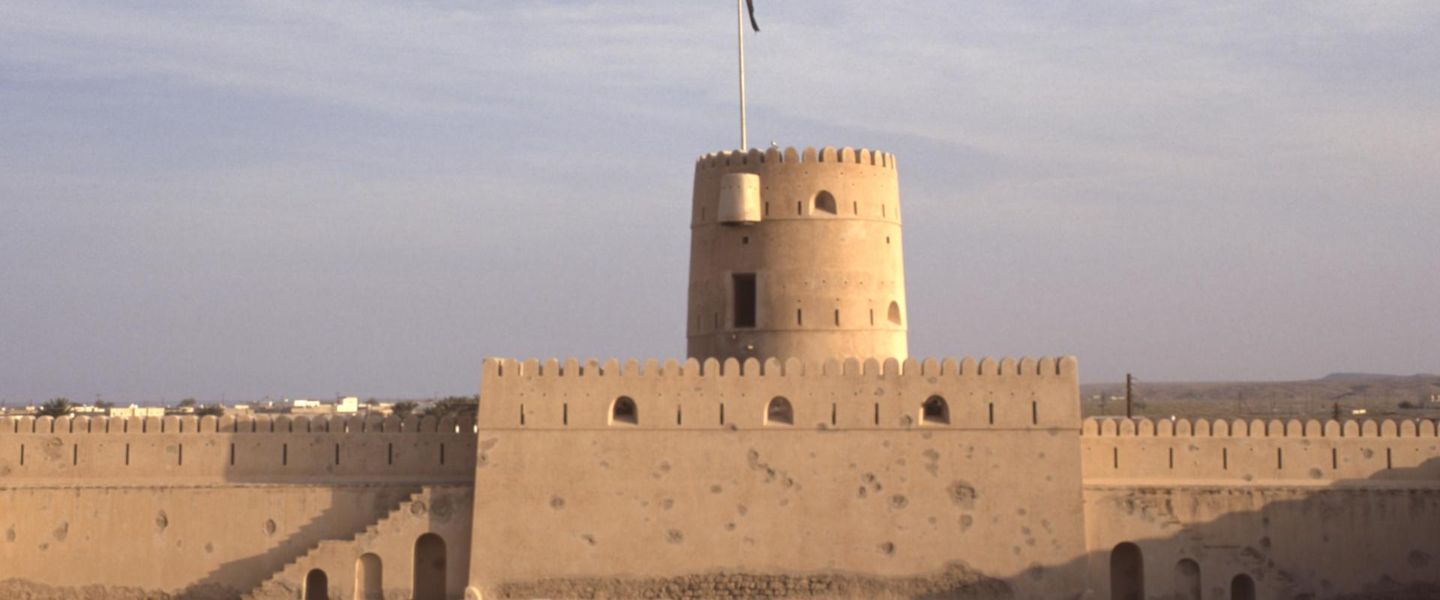


Explore Al Buraymi Governorate for Omani oasis heritage, historic forts, palm gardens, mountain landscapes and the culture of a border region.
Read more about Al Buraymi Governorate
When is the best time to visit Al Buraymi Governorate?
Best: December–February · 24–25°C| Month | High (°C) | Rainfall (mm) |
|---|---|---|
| January (best) | 24 | 10 |
| February (best) | 25 | 8 |
| March | 29 | 7 |
| April | 33 | 6 |
| May | 38 | 3 |
| June | 41 | 1 |
| July | 42 | 2 |
| August | 41 | 4 |
| September | 39 | 3 |
| October | 35 | 5 |
| November | 30 | 7 |
| December (best) | 25 | 9 |
Getting to and around Al Buraymi Governorate
How to get there
Transportation
Top city travel guides in Al Buraymi Governorate
The cities of Al Buraymi Governorate, and the easiest places to base yourself.

Swipe for more cities
Best attractions in Al Buraymi Governorate
Al Buraymi Governorate’s attractions are rooted in its oasis setting and borderland geography. In Al Buraymi city, Al Khandaq Castle provides the clearest introduction to the region’s defensive architecture, while nearby palm gardens, old settlement areas and smaller forts reveal how agriculture and security were closely connected. The governorate is not a museum landscape with every historic building restored for tourism; many sites are best appreciated as part of a living urban and agricultural environment. Mahdah offers a contrasting experience, with rocky valleys, mountain approaches and villages scattered among the foothills of the Hajar range. Al Sunainah presents broader desert-edge scenery and a quieter rural atmosphere. Visitors interested in outdoor exploration can follow paved routes towards viewpoints and wadis, but should check conditions locally and avoid unmarked tracks after rain. The proximity of Al Ain in the UAE is historically relevant and useful for some travel plans, yet it lies outside Oman and should be treated as a separate, cross-border destination. Markets, cafés, mosques and working farms add everyday cultural interest to the formal heritage sites.
-
Park
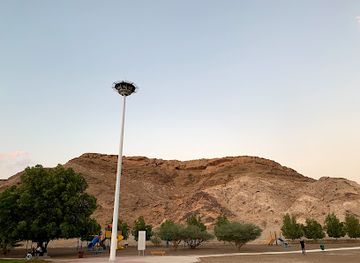
Buraimi National Park
Discover the stunning beauty of Buraimi National Park, a tranquil oasis in Oman perfect for nature lovers and families seeking adventure.
-
Tourist attraction
Ain Sahban
Discover Ain Sahban, a serene oasis in Sahban, Oman, perfect for nature lovers and those seeking tranquility amidst breathtaking landscapes.
-
Historical landmark
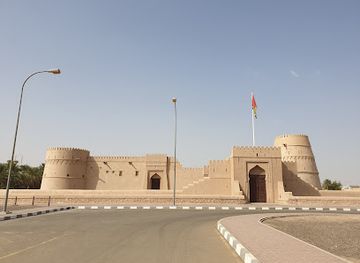
Al Khandaq Fort
Uncover the historical treasures of Al Khandaq Fort in Al Buraimi, a captivating landmark showcasing Oman’s rich cultural heritage and stunning architecture.
-
Park
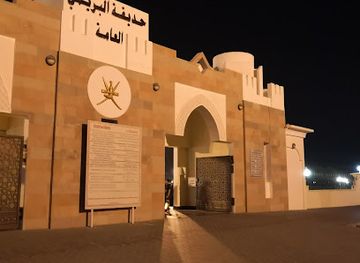
Al Misyal park
Explore the serene beauty of Al Misyal Park in Al Buraimi, a perfect retreat for relaxation, family fun, and a taste of local culture.

Best landmarks in Al Buraymi Governorate
Al Khandaq Castle is Al Buraymi Governorate’s most recognisable architectural landmark. Its defensive form, enclosing walls and towers reflect the strategic importance of controlling access to the oasis and protecting its agricultural communities. The historic fabric around Al Buraymi is also represented by smaller forts, old mosques, watchtowers and palm-garden settlements, although these are often integrated into modern neighbourhoods rather than presented as one continuous heritage quarter. Al Hillah and other traditional fort structures in the oasis contribute to the same architectural story, showing the use of earthen construction, courtyards and elevated defensive positions. Beyond the city, the rugged valleys and rocky mountain approaches of Mahdah provide the governorate’s principal natural landmarks, contrasting with Al Sunainah’s open gravel plains and desert-edge horizons. The oasis itself is a geographical landmark as much as an agricultural one: its palms and irrigation channels mark a zone of cultivated life within an otherwise arid border landscape. Al Ain’s mountain and heritage landmarks are nearby in the UAE but are outside Al Buraymi Governorate and require separate border arrangements.
-
Park
Buraimi National Park
Explore the scenic landscapes and diverse wildlife of Buraimi National Park, a tranquil oasis near Al Buraimi, Oman.
-
Historical landmark
Al Khandaq Fort
Explore Al Khandaq Fort, a captivating historical landmark in Al Buraimi, Oman, showcasing rich heritage and stunning architecture.
-
Park
Al Misyal park
Discover the tranquil beauty of Al Misyal Park in Al Buraimi, a perfect retreat for relaxation, picnics, and family fun amidst lush landscapes.
-
Castle
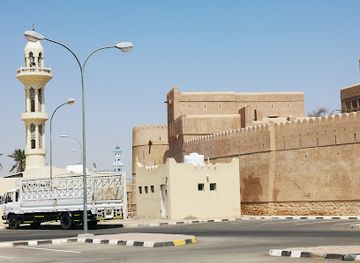
Fort trench
Discover the historical beauty of Fort Trench in Al Buraimi, Oman, a castle steeped in rich heritage and stunning landscapes.
Explore Al Buraymi Governorate on the map
Plan your trip on one map. See where the top cities, national parks and sights are, and book hotels and experiences in a few clicks.
Best hotels in Al Buraymi Governorate
Best restaurants in Al Buraymi Governorate
Dining in Al Buraymi is practical, varied and shaped by the governorate’s position between Omani interior traditions and the wider Gulf. Omani meals commonly feature fragrant rice with meat or fish, grilled meats, soups, flatbreads, dates and spiced sauces; shuwa, meat slow-cooked for a special occasion, is associated with wider Omani food culture rather than being exclusive to this governorate. Small restaurants and cafés around Al Buraymi serve Omani, Emirati, South Asian and Arab dishes, making the city more varied than its oasis setting might suggest. Tea, cardamom coffee, dates and sweet pastries are useful introductions to local hospitality. Supermarkets and food shops stock regional produce, while the border economy gives some commercial areas a broad selection of Gulf groceries. In Mahdah and Al Sunainah, dining choices are more limited and dispersed, so visitors travelling beyond the city should plan meals and carry water. Hotel restaurants provide a more predictable option, but neighbourhood eateries often offer a closer sense of ordinary local life.
-
Restaurant
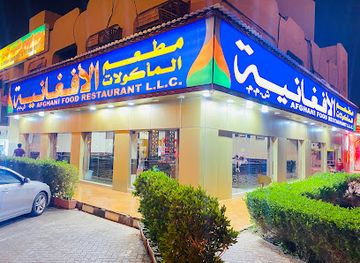
Afghani Restaurant
Savor authentic Afghan cuisine at Al Buraimi's Afghani Restaurant – where every dish tells a story of tradition and flavor.
-
Restaurant
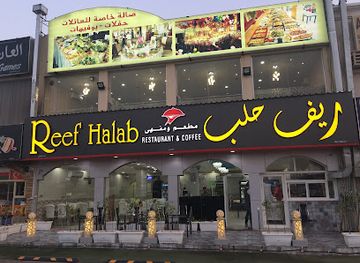
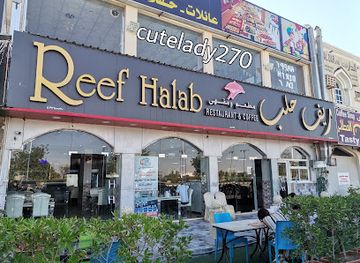
Reef Halab Resturent مطعم ريف حلب البريمي
Discover authentic Middle Eastern cuisine at Reef Halab Restaurant in Al Buraimi - a culinary gem offering rich flavors and warm hospitality.
-
Restaurant
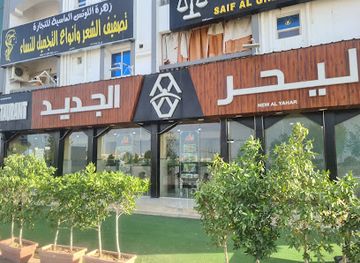
مطعم اليحرالجديد | New Al Yahar Restaurant
Experience authentic Arabian flavors at New Al Yahar Restaurant in Al Buraimi – a family-friendly destination for traditional Yemeni dishes.
-
Hamburger
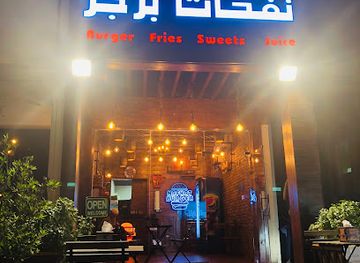
Nafhat Burger
Discover the best burgers in Al Buraimi at Nafhat Burger - where flavor meets hospitality!
Best bars in Al Buraymi Governorate
Al Buraymi is not a major nightlife destination, and evening activity is centred on family restaurants, cafés, tea shops, hotel lounges and ordinary commercial streets rather than nightclubs. The city becomes more comfortable for walking and outdoor socialising after sunset during the cooler months, when residents gather for meals, conversation and shopping. Traditional hospitality is more visible in coffee, tea and food culture than in alcohol-led entertainment. Visitors should remember that Oman has national licensing rules governing alcohol, and legal availability is generally associated with appropriately licensed hotels and venues rather than local cafés or public spaces. Mahdah and Al Sunainah have an even quieter evening character, with limited formal entertainment and early starts for rural activities. Any current venue opening arrangements should be checked locally, particularly during Ramadan and religious holidays.
-
Restaurant
Reef Halab Resturent مطعم ريف حلب البريمي
Discover the authentic flavors of the Middle East at Reef Halab Restaurant, a culinary delight in Al Buraimi, Oman.
-
Bar
Trader Vic's
Experience the vibrant flavors of Polynesia at Trader Vic's in Abu Dhabi, offering an exotic atmosphere and delectable cuisine.
-
Restaurant
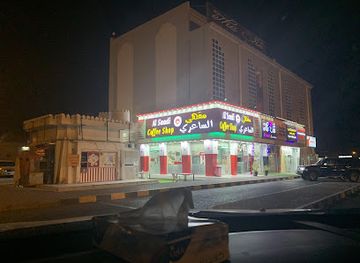
AL SAADI COFFEE SHOP
Discover the warmth and flavors of Oman at Al Saadi Coffee Shop, where traditional coffee meets a cozy atmosphere.
-
Irish pub
McGettigan's Al Ain
Discover the lively atmosphere of McGettigan's Al Ain, an Irish pub offering delicious food and drinks with a touch of local culture.

Best nightclubs in Al Buraymi Governorate
Al Buraymi is not a major nightlife destination, and evening activity is centred on family restaurants, cafés, tea shops, hotel lounges and ordinary commercial streets rather than nightclubs. The city becomes more comfortable for walking and outdoor socialising after sunset during the cooler months, when residents gather for meals, conversation and shopping. Traditional hospitality is more visible in coffee, tea and food culture than in alcohol-led entertainment. Visitors should remember that Oman has national licensing rules governing alcohol, and legal availability is generally associated with appropriately licensed hotels and venues rather than local cafés or public spaces. Mahdah and Al Sunainah have an even quieter evening character, with limited formal entertainment and early starts for rural activities. Any current venue opening arrangements should be checked locally, particularly during Ramadan and religious holidays.
-
 Night club
Industrial area
Experience the vibrant nightlife at Al Buraimi's Industrial Area, where music, dance, and fun meet in an electrifying atmosphere.
Best shops in Al Buraymi Governorate
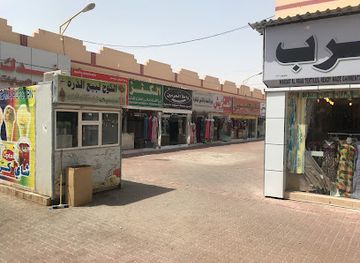
Shopping in Al Buraymi is concentrated on practical commercial streets, supermarkets, small souqs and independent shops rather than large destination malls. Visitors can look for dates, Omani halwa, coffee, spices, incense, perfumes, woven goods and packaged regional foods, while gold and clothing shops reflect the broader retail culture of northern Oman. The city’s border position gives some areas a mixed Gulf character, but purchases should be made in Omani rial unless a seller clearly states otherwise. Traditional crafts and produce are usually easier to find through local shops and seasonal market activity than through a single dedicated craft quarter. Mahdah and Al Sunainah offer a more limited range of retail, focused on everyday needs and agricultural supplies. Bargaining may be possible in informal market settings, whereas fixed-price shops and supermarkets generally operate in the usual way. Allow time to check customs and border regulations before carrying goods across to the UAE, since items permitted in one country may be subject to different rules in the other.
-
Hypermarket
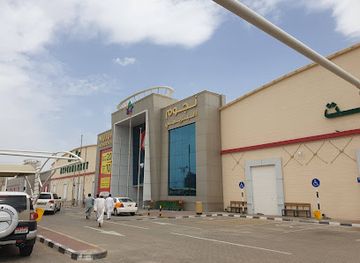
LuLu Hypermarket - Al Buraimi
Experience the vibrant shopping atmosphere at LuLu Hypermarket in Al Buraimi, where convenience meets cultural diversity in a modern retail space.
-
Department store
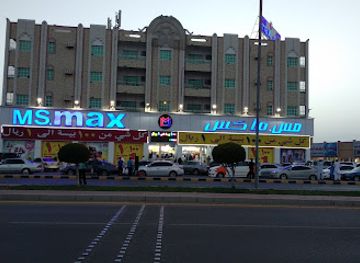
Ms. Max
Shop till you drop at Ms. Max, Al Buraimi's vibrant department store offering budget-friendly finds and unique local products.
-
Shopping mall
Alburaimi City Center
Discover shopping and dining delights in the heart of Al Buraimi at the vibrant Alburaimi City Center, a hub of modern Omani culture.
-
Gift shop
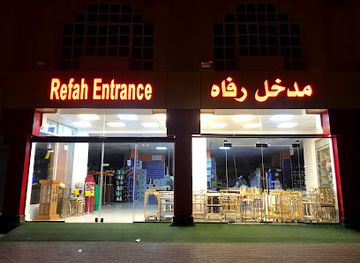
Refah Gifts Markets
Explore Refah Gifts Markets: A vibrant shopping hub in Abu Dhabi for unique souvenirs and local products at affordable prices.
Get your free copy of our complete guide to Al Buraymi Governorate, delivered straight to you.
Everything on this page, from attractions and restaurants to essentials and local phrases, in one PDF you can read offline, print or share.
Already have an account? Sign in
Your Al Buraymi Governorate guide is ready.
We'll send it to · Not you? Sign out

Getting your guide ready…
We are putting together a fresh copy of the Al Buraymi Governorate guide. This can take up to a minute.
This can take a few moments. If your browser asks, choose Allow so the download can start. You'll find the guide in your Downloads folder.
Nothing happened? Download it again
Sorry, the guide is taking longer than usual. Please try again in a minute, or get it by email instead.
Al Buraymi Governorate essentials
Currency and Payment
Safety
Emergency Situations
Do's and Don'ts
Local Tips
From Eve
Local phrases worth knowing
You don't need to get them perfect. A few words go a long way, and locals appreciate the effort.
Basics
| English | Local | Say it |
|---|---|---|
| Hello | مرحبا | [Marhaba] |
| Goodbye | وداعا | [Wada'an] |
| Yes | نعم | [Na'am] |
| No | لا | [La] |
| Please/You're welcome | من فضلك | [Min fadlik] |
| Thank you | شكرا | [Shukran] |
| Excuse me/Sorry | عفوا | [Afwan] |
| How are you? | كيف حالك؟ | [Kayfa halak?] |
| Fine. And you? | بخير. وأنت؟ | [Bikhayr. Wa anta?] |
| Do you speak English? | هل تتحدث الإنجليزية؟ | [Hal tatahadath al-ingleeziya?] |
| I don't understand | لا أفهم | [La afham] |
Eating & Drinking
| English | Local | Say it |
|---|---|---|
| I'd like to see the menu, please | أود رؤية القائمة، من فضلك | [Awad ru'yat al-qa'ima, min fadlik] |
| I don't eat meat | لا آكل اللحم | [La akul al-lahm] |
| Cheers! | في صحتك! | [Fi sihtak!] |
| I would like to pay, please | أود الدفع، من فضلك | [Awad al-daf', min fadlik] |
Emergencies
| English | Local | Say it |
|---|---|---|
| Help! | مساعدة! | [Musaa'ada!] |
| Go away! | ابتعد! | [Ibt'id!] |
| Call the Police! | اتصل بالشرطة! | [Ittasil bil-shurta!] |
| Call a doctor! | اتصل بالطبيب! | [Ittasil bil-tabeeb!] |
| I'm lost | أنا ضائع | [Ana da'i'] |
| I'm ill | أنا مريض | [Ana marid] |
Shopping
| English | Local | Say it |
|---|---|---|
| I'd like to buy... | أود شراء... | [Awad shira'] |
| I'm just looking | أنا فقط أنظر | [Ana faqat anzur] |
| How much is it? | كم ثمنه؟ | [Kam thamanuh?] |
| That's too expensive | هذا مكلف جدا | [Hatha mukallif jiddan] |
| Can you lower the price? | هل يمكنك خفض السعر؟ | [Hal yumkinuka khafdh al-si'r?] |
Time & Numbers
| English | Local | Say it |
|---|---|---|
| What time is it? | كم الساعة؟ | [Kam al-saa'a?] |
| It's one o'clock | الساعة واحدة | [Al-saa'a wahida] |
| Half past (10) | نصف (10) | [Nisf (10)] |
| Morning | صباح | [Sabah] |
| Afternoon | بعد الظهر | [Ba'ad al-zuhur] |
| Evening | مساء | [Masa'] |
| Yesterday | أمس | [Ams] |
| Today | اليوم | [Al-yawm] |
| Tomorrow | غدا | [Ghad] |
| 1 | واحد | [Wahid] |
| 2 | اثنان | [Ithnan] |
| 3 | ثلاثة | [Thalatha] |
| 4 | أربعة | [Arba'a] |
| 5 | خمسة | [Khamsa] |
| 6 | ستة | [Sitta] |
| 7 | سبعة | [Sab'a] |
| 8 | ثمانية | [Thamaniya] |
| 9 | تسعة | [Tis'a] |
| 10 | عشرة | [Ashara] |
Transport & Directions
| English | Local | Say it |
|---|---|---|
| Where's a/the...? | أين ...؟ | [Ayna ...?] |
| What's the address? | ما هو العنوان؟ | [Ma huwa al-'unwan?] |
| Can you show me (on the map)? | هل يمكنك إظهاري (على الخريطة)؟ | [Hal yumkinuka izharī (ala al-kharita)?] |
| When's the next (bus)? | متى تأتي الحافلة القادمة؟ | [Mata ta'ti al-hafila al-qadima?] |
| A ticket (to ....) | تذكرة (إلى ....) | [Tadhkira (ila ....)] |
History of Al Buraymi Governorate
Ancient Oasis Settlement and Irrigation
The Al Buraymi Oasis formed part of a long-established settlement zone in the interior of southeastern Arabia. Its viability depended on access to groundwater and the careful distribution of water through aflaj, the traditional channels that still support palm cultivation in parts of the governorate. Archaeological evidence from the wider Oman-UAE borderlands demonstrates long-distance movement, farming and metalworking in antiquity, although the best-known prehistoric sites are outside Al Buraymi itself. The oasis setting explains the region’s enduring importance: it offered cultivable land, shade, water and a natural meeting point between mountain communities and desert routes.
Islamic and Tribal Oasis Communities
After the arrival of Islam, settlements around the oasis developed within the religious, agricultural and political systems of Oman and southeastern Arabia. Local communities were organised around villages, mosques, date gardens and shared water resources, while tribal alliances influenced leadership and security. The forts and watchtowers associated with Al Buraymi belong to this broader tradition of defended oasis settlement. Their purpose was not simply military; they also represented authority over farmland, water channels and routes linking the oasis with neighbouring communities.
Omani Dynasties and Regional Trade
During the later centuries of Oman’s dynastic history, the oasis remained connected to the political centres of the interior and to commercial routes leading towards the coast and the Gulf. Ya'aruba and Al Bu Said rulers governed an Oman whose influence varied across time and place, while local notables and tribal leaders retained an important role in the borderlands. Dates, livestock and agricultural products moved through regional markets, and the mountain approaches around Mahdah linked smaller settlements with the wider network of northern Oman.
Fortified Settlements and Al Khandaq Castle
The historic buildings of Al Buraymi reflect repeated efforts to protect the oasis and regulate access to it. Al Khandaq Castle, with its defensive walls, towers and moat-like features, is the governorate’s most prominent surviving fortification. Other forts and traditional structures around the oasis show how defence was integrated with settlement and agriculture rather than isolated from everyday life. Their architectural legacy includes mud-brick construction, enclosed courtyards and elevated lookout points suited to a landscape where water and cultivated land were strategically important.
The Buraimi Dispute, 1940s–1950s
The Al Buraymi Oasis became the centre of a major territorial and political dispute involving the Sultanate of Muscat and Oman, Abu Dhabi and Saudi Arabia. From the 1940s into the 1950s, competing claims, negotiations and international involvement made the oasis a focus of Gulf politics. The dispute was eventually followed by arrangements that shaped the modern boundaries and administration of the area. Its legacy remains visible in the international border separating Al Buraymi from Al Ain and in the region’s continuing importance as a point of contact between Oman and the UAE.
Modern Border Development
The growth of Al Buraymi and Al Ain during the twentieth and early twenty-first centuries transformed an oasis region into a pair of populous, closely connected border cities. Roads, public services and commercial districts expanded, while traditional farms and forts survived within a more modern urban setting. Al Buraymi Governorate was consolidated as an important administrative area of northern Oman, incorporating Al Buraymi, Mahdah and Al Sunainah. Today, its identity combines Omani civic life, historic agriculture, cross-border economic connections and access to the Hajar foothills.
Al Buraymi Governorate in Photos
Browse through our photo collection highlighting the charm and character of the destination.
Neighbouring regions of Al Buraymi Governorate
The closest regions to Al Buraymi Governorate, if you have time for more than one.
-

-

-

-

-


Swipe for more regions
Explore more
Explore more of Oman
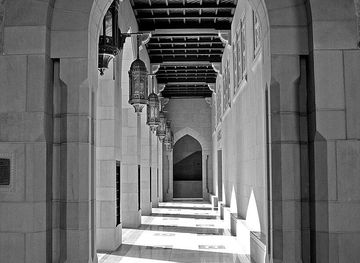
Discover Oman: A land of ancient forts, golden deserts, and warm hospitality, offering a perfect blend of adventure and tranquility.
Explore Oman