

Free Al Batinah North Governorate Travel Guide & Mobile App
Explore Al Batinah North Governorate with free travel guides. Discover regional history, expert tips, proposed trips, and audio guides on web or mobile app.


Explore Al Batinah North for Sohar's maritime heritage, Omani forts, palm-filled farms, fishing towns and mountain-edge landscapes.
Read more about Al Batinah North Governorate
When is the best time to visit Al Batinah North Governorate?
Best: February–March, November · 24–27°C| Month | High (°C) | Rainfall (mm) |
|---|---|---|
| January | 22 | 12 |
| February (best) | 24 | 10 |
| March (best) | 26 | 8 |
| April | 31 | 4 |
| May | 35 | 1 |
| June | 38 | 0 |
| July | 37 | 0 |
| August | 36 | 1 |
| September | 34 | 1 |
| October | 31 | 2 |
| November (best) | 27 | 6 |
| December | 23 | 8 |
Getting to and around Al Batinah North Governorate
How to get there
Transportation
Top city travel guides in Al Batinah North Governorate
The cities of Al Batinah North Governorate, and the easiest places to base yourself.

Swipe for more cities
Best attractions in Al Batinah North Governorate
Al Batinah North's attractions combine coastal life, Omani history and access to the northern Hajar foothills. Sohar Fort is the governorate's principal heritage attraction, while local souqs, fish markets and waterfront areas offer a more immediate view of contemporary town life. Smaller forts and fortified buildings in settlements such as Shinas, Al Khaburah and Al Suwaiq provide glimpses of the defensive network that once protected farms, wells and trade routes, although opening arrangements can vary. The broad coastal plain is also an attraction in itself, with date plantations, citrus groves, fishing villages and quiet stretches of shoreline. Inland, the road towards Wadi Al Jizzi introduces a harsher landscape of gravel plains, rocky slopes and mountain valleys, linking the coast with Oman's long history of mineral extraction and interior travel. Outdoor visitors can plan drives, birdwatching and informal coastal stops, but should expect limited facilities away from the towns. Sohar's modern urban and industrial landscape adds another dimension, demonstrating how a historic port has become a major logistics and manufacturing centre. The region's appeal lies less in a single concentrated sightseeing circuit than in the transition from sea to farm, town and mountain.
-
Tourist attraction
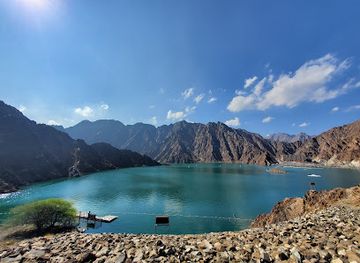
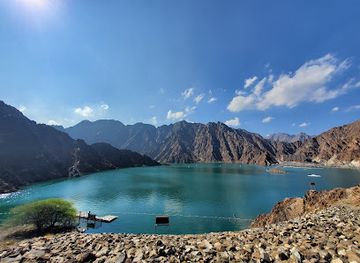
Hatta Dam
Explore Hatta Dam in Dubai, a stunning oasis of clear waters and mountain views, perfect for kayaking, picnicking, and outdoor adventures.
-
Weir
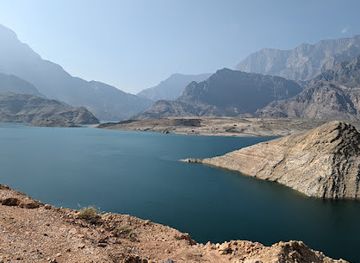
Wadi Dayqah Dam
Discover the stunning Wadi Dayqah Dam, an engineering marvel in Oman that offers breathtaking views and a serene escape into nature's beauty.
-
Park
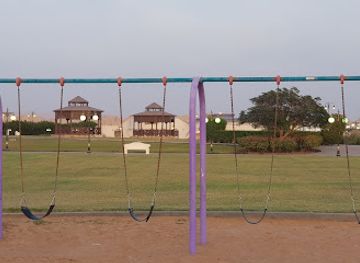
SOHAR EYE
Discover the serene beauty of Sohar Eye, a tranquil park in Sohar, Oman, perfect for relaxation, picnics, and scenic beach views.
-
Park
Buraimi National Park
Discover the tranquility of Buraimi National Park, a serene escape in Oman with scenic landscapes and abundant wildlife, perfect for nature lovers.
Best landmarks in Al Batinah North Governorate
Sohar Fort is the defining built landmark of Al Batinah North. Its large earthen-coloured walls and towers stand near the historic centre and express the strategic importance of the port city, where maritime commerce and political authority were closely connected. The forts associated with Shinas, Al Khaburah and Al Suwaiq are smaller but valuable reminders that defence was once distributed along the agricultural coast rather than concentrated in one urban citadel. In the countryside, dense date-palm groves and the channels and wells of traditional irrigation form a cultural landscape as significant as any single building. The coast itself is another regional landmark: a long, open edge of the Gulf of Oman shaped by fishing, trade and settlement. Inland, Wadi Al Jizzi and the rocky approaches towards the Hajar Mountains provide a strong geographical contrast to the flat plain, while the industrial port near Sohar represents the governorate's modern transformation. Together these places show Al Batinah North as a meeting point of sea routes, farms, fortifications, mountains and contemporary infrastructure.
-
Tourist attraction
Hatta Dam
Discover the breathtaking beauty of Hatta Dam, a stunning oasis in Dubai perfect for kayaking, hiking, and enjoying nature's tranquility.
-
Hypermarket
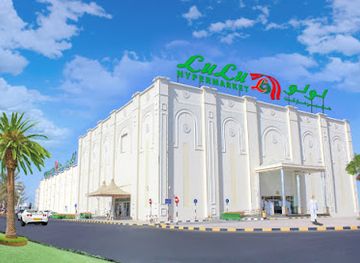
LuLu Hypermarket - Sohar
Explore LuLu Hypermarket in Sohar for a diverse shopping experience with fresh produce, international groceries, and unique local finds.
-
 Hotel
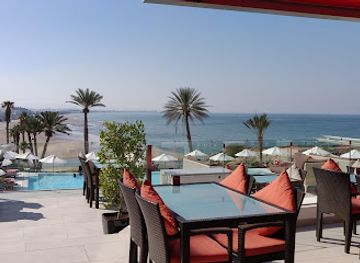
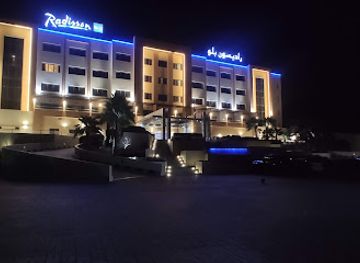
HotelRadisson Blu Hotel & Resort, Sohar
Discover unparalleled luxury and relaxation at Radisson Blu Hotel & Resort, Sohar, where stunning beachfront views meet exceptional hospitality.
-
Supermarket
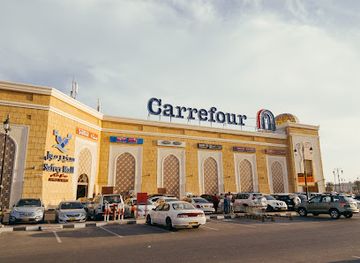
Carrefour
Explore Carrefour in Sohar for an exceptional shopping experience, featuring fresh produce, local delicacies, and international brands under one roof.
Explore Al Batinah North Governorate on the map
Plan your trip on one map. See where the top cities, national parks and sights are, and book hotels and experiences in a few clicks.
Best hotels in Al Batinah North Governorate
Best restaurants in Al Batinah North Governorate
Dining in Al Batinah North reflects Oman's coastal and agricultural character. Sohar has the widest choice, ranging from casual cafés and South Asian restaurants to hotel dining and contemporary venues, while smaller towns rely more heavily on local restaurants, bakeries and tea shops. Look for grilled or fried fish, prawns, rice dishes, shuwa on suitable occasions, harees, dates, Omani halwa and cardamom-scented coffee. Coastal communities naturally feature seafood, whereas inland farms contribute dates, limes, bananas and other produce when in season. Restaurants serving Indian, Pakistani and broader Arab cuisines are an established part of everyday dining, reflecting Oman's long commercial and migration links. Traditional food may be easiest to find through local recommendation rather than a formal tourist menu, and portions are often generous. In souqs and roadside cafés, karak tea, flatbreads and simple rice dishes provide inexpensive options; in Sohar, larger establishments offer air-conditioned settings and more varied evening meals.
-
Restaurant
Italian Barrista Cafe ايطاليا باريستا كافيه
Experience authentic Italian cuisine at Italian Barrista Cafe in Sohar – where every dish tells a story of tradition and flavor.
-
Fine Dining
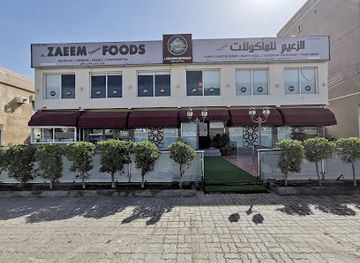
ZAEEM FOODS- Falaj Al Qabail
Experience exquisite Indian and Pakistani cuisine at Zaeem Foods in Sohar – where every meal is a celebration of flavor.
-
Turkish
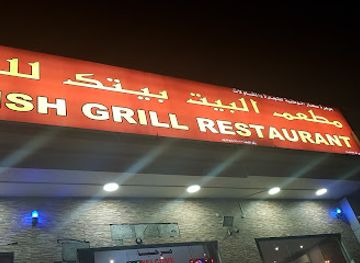
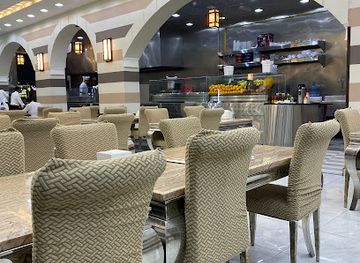
Your Home Turkish Grill Restaurant
Experience the rich flavors of Turkey at Your Home Turkish Grill Restaurant in Sohar - where culinary tradition meets modern dining.
-
Restaurant
Reef Halab
Discover the rich flavors of Omani cuisine at Reef Halab in Sohar - where authentic dishes meet warm hospitality.

Best bars in Al Batinah North Governorate
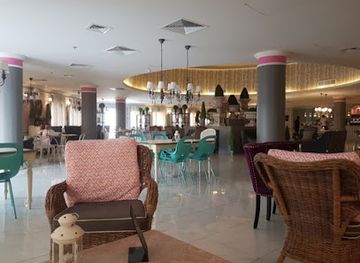
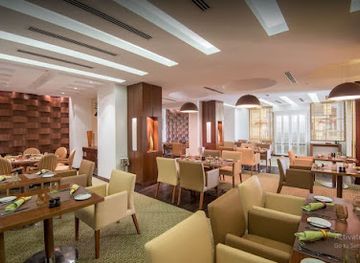
Nightlife in Al Batinah North is restrained and primarily social rather than club-oriented. Sohar has the broadest evening choice, including cafés, dessert shops, restaurants, hotel lounges and venues with late-night tea, while smaller towns generally centre on coffee shops, family restaurants and informal gatherings. Licensed hotel venues may serve alcohol to eligible customers under Oman's regulations, but alcohol is not part of ordinary public life and should never be consumed in public spaces or while driving. Live entertainment and nightlife can be seasonal or dependent on individual venues, so current arrangements should be checked locally. Seafront promenades and cafés are often more representative of the region's evening culture than nightclubs, particularly outside Sohar. Visitors should dress respectfully, observe local rules and remember that many businesses become livelier after sunset because of the daytime heat.
-
Grill
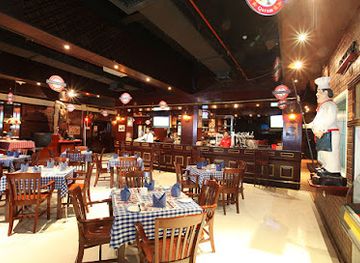
Rock Bottom Cafe Muscat
Discover the lively Rock Bottom Cafe Muscat - your go-to spot for American cuisine, live entertainment, and a vibrant nightlife experience.
-
Gastropub
Duke's
Discover Duke's in Muscat: A gastropub blending local flavors and international cuisine in a vibrant setting within the Crowne Plaza Hotel.
-
Coffee shop
Rose café and restaurant روز كافيه
Discover the serene dining experience at Rose Café and Restaurant, where Omani flavors meet cozy ambiance in the heart of Sohar.
-
Restaurant
The Steakhouse
Discover the culinary masterpiece of The Steakhouse in Sohar, where exquisite flavors meet an elegant dining experience for discerning palates.
Best nightclubs in Al Batinah North Governorate
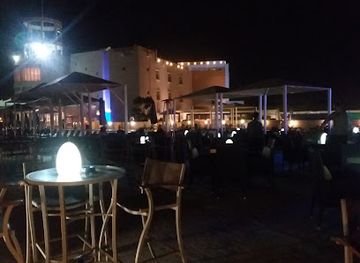
Nightlife in Al Batinah North is restrained and primarily social rather than club-oriented. Sohar has the broadest evening choice, including cafés, dessert shops, restaurants, hotel lounges and venues with late-night tea, while smaller towns generally centre on coffee shops, family restaurants and informal gatherings. Licensed hotel venues may serve alcohol to eligible customers under Oman's regulations, but alcohol is not part of ordinary public life and should never be consumed in public spaces or while driving. Live entertainment and nightlife can be seasonal or dependent on individual venues, so current arrangements should be checked locally. Seafront promenades and cafés are often more representative of the region's evening culture than nightclubs, particularly outside Sohar. Visitors should dress respectfully, observe local rules and remember that many businesses become livelier after sunset because of the daytime heat.
-
Bar
Beach Pool Club Bar نادي بركة الشاطيء
Discover the ultimate relaxation at Beach Pool Club Bar, where refreshing drinks meet stunning views in Al Mudayq's tropical paradise.
-
Social club
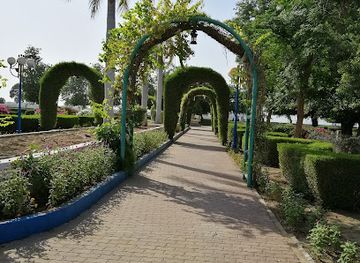
Al Nahdha Garden
Discover tranquility at Al Nahdha Garden, a lush social club in Sohar perfect for relaxation and connecting with nature.
-
Night club
Elements Nightlife
Explore the vibrant nightlife of Muscat at Elements Nightlife, where music, dance, and unforgettable experiences await you.
-
Bar
Aqua Bar
Experience the vibrant Aqua Bar in Sohar, where refreshing drinks meet a lively atmosphere in the heart of Al Zafaran.

Best shops in Al Batinah North Governorate
Shopping in Al Batinah North is grounded in everyday Omani commerce rather than a specialist luxury-retail scene. Sohar offers the broadest selection, with modern shopping facilities, supermarkets, independent stores and traditional market areas, while the smaller wilayat provide souqs and local shops serving their surrounding communities. Souq shopping may yield dates, spices, incense, perfumes, sandals, household goods and modest craft items, although stock and presentation vary by season. Fish markets and produce stalls are useful places to observe the practical economy of the coast and agricultural plain, but visitors should be considerate of working customers and sellers. Dates, Omani halwa, coffee, frankincense products and packaged regional foods make convenient gifts; check labelling and customs rules before carrying food internationally. Traditional textiles, pottery and decorative objects may be found through independent sellers, while larger urban shops provide familiar brands and electronics. Bargaining is not appropriate everywhere, so ask the seller or follow the tone of the market rather than assuming that every price is negotiable.
-
Jewelry store
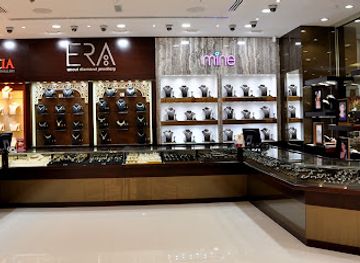
Malabar Gold and Diamonds - Sohar
Explore Malabar Gold and Diamonds in Sohar for exquisite jewelry that reflects the rich heritage of Oman and indulge in an unforgettable shopping experience.
-
Clothing store
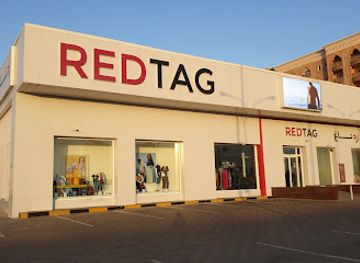
REDTAG
Explore REDTAG in Sohar for trendy clothing, affordable prices, and a variety of home goods and cosmetics, perfect for the whole family.
-
Shopping mall
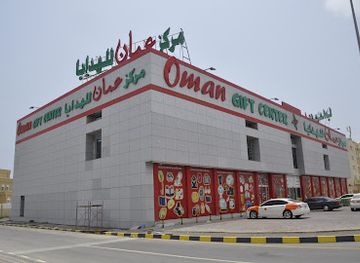
Oman Gift Center
Explore Oman Gift Center in Sohar for unique gifts and cultural treasures to take home, all at reasonable prices.
-
Supermarket
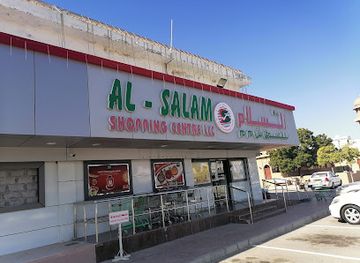
Al Salam Shopping Centre LLC
Experience the vibrant shopping scene at Al Salam Shopping Centre in Sohar, where local culture meets modern retail.
Get your free copy of our complete guide to Al Batinah North Governorate, delivered straight to you.
Everything on this page, from attractions and restaurants to essentials and local phrases, in one PDF you can read offline, print or share.
Already have an account? Sign in
Your Al Batinah North Governorate guide is ready.
We'll send it to · Not you? Sign out

Getting your guide ready…
We are putting together a fresh copy of the Al Batinah North Governorate guide. This can take up to a minute.
This can take a few moments. If your browser asks, choose Allow so the download can start. You'll find the guide in your Downloads folder.
Nothing happened? Download it again
Sorry, the guide is taking longer than usual. Please try again in a minute, or get it by email instead.
Al Batinah North Governorate essentials
Currency and Payment
Safety
Emergency Situations
Do's and Don'ts
Local Tips
From Eve
Local phrases worth knowing
You don't need to get them perfect. A few words go a long way, and locals appreciate the effort.
Basics
| English | Local | Say it |
|---|---|---|
| Hello | مرحبا | [Marhaban] |
| Goodbye | مع السلامة | [Ma'a as-salama] |
| Yes | نعم | [Na'am] |
| No | لا | [La] |
| Please/You're welcome | من فضلك | [Min fadlik] |
| Thank you | شكرا | [Shukran] |
| Excuse me/Sorry | عفوا | [Afwan] |
| How are you? | كيف حالك؟ | [Kayfa halak?] |
| Fine. And you? | بخير. وأنت؟ | [Bikhayr. Wa anta?] |
| Do you speak English? | هل تتحدث الإنجليزية؟ | [Hal tatahaddath al-ingliziyya?] |
| I don't understand | لا أفهم | [La afham] |
Eating & Drinking
| English | Local | Say it |
|---|---|---|
| I'd like to see the menu, please | أود رؤية القائمة، من فضلك | [Awad ru'yat al-qa'ima, min fadlik] |
| I don't eat meat | لا أأكل اللحم | [La akul al-lahm] |
| Cheers! | في صحتك! | [Fi sihatak!] |
| I would like to pay, please | أود الدفع، من فضلك | [Awad ad-daf', min fadlik] |
Emergencies
| English | Local | Say it |
|---|---|---|
| Help! | ساعدني! | [Sa'idni!] |
| Go away! | ابتعد! | [Ibt'id!] |
| Call the Police! | اتصل بالشرطة! | [Ittasil bil-shurta!] |
| Call a doctor! | اتصل بطبيب! | [Ittasil bi-tabeeb!] |
| I'm lost | أنا ضائع | [Ana da'i'] |
| I'm ill | أنا مريض | [Ana marid] |
Shopping
| English | Local | Say it |
|---|---|---|
| I'd like to buy... | أود شراء... | [Awad shir'a...] |
| I'm just looking | أنا فقط أنظر | [Ana faqat anzur] |
| How much is it? | كم ثمنه؟ | [Kam thamanuh?] |
| That's too expensive | هذا مكلف جدا | [Hatha mukallaf jidan] |
| Can you lower the price? | هل يمكنك تخفيض السعر؟ | [Hal yumkinuka takhfid as-si'r?] |
Time & Numbers
| English | Local | Say it |
|---|---|---|
| What time is it? | كم الساعة؟ | [Kam as-saa'a?] |
| It's one o'clock | الساعة واحدة | [As-saa'a wahida] |
| Half past (10) | نصف (10) | [Nisf (10)] |
| Morning | صباح | [Sabah] |
| Afternoon | بعد الظهر | [Ba'd az-zuhur] |
| Evening | مساء | [Masa'] |
| Yesterday | أمس | [Ams] |
| Today | اليوم | [Al-yawm] |
| Tomorrow | غدا | [Ghadan] |
| 1 | واحد | [Wahid] |
| 2 | اثنان | [Ithnan] |
| 3 | ثلاثة | [Thalatha] |
| 4 | أربعة | [Arba'a] |
| 5 | خمسة | [Khamsa] |
| 6 | ستة | [Sitta] |
| 7 | سبعة | [Sab'a] |
| 8 | ثمانية | [Thamaniya] |
| 9 | تسعة | [Tis'a] |
| 10 | عشرة | [Ashara] |
Transport & Directions
| English | Local | Say it |
|---|---|---|
| Where's a/the...? | أين ...؟ | [Ayna ...?] |
| What's the address? | ما هو العنوان؟ | [Ma huwa al-'unwan?] |
| Can you show me (on the map)? | هل يمكنك أن تظهر لي (على الخريطة)؟ | [Hal yumkinuka an tuzhir li (ala al-kharita)?] |
| When's the next (bus)? | متى تصل (الحافلة) التالية؟ | [Mata tasal (al-hafila) at-taliya?] |
| A ticket (to ....) | تذكرة (إلى....) | [Tadhkira (ila....)] |
History of Al Batinah North Governorate
Magan, Copper and Early Maritime Trade
Northern Oman formed part of the wider cultural world known in Mesopotamian sources as Magan during the Bronze Age. The region's mountains supplied copper and other resources, while coastal settlements participated in maritime exchange across the Gulf. Although the most visible remains of early mining and settlement are found in several parts of Oman rather than at one single site in Al Batinah North, the governorate's coastal position and access towards the Hajar Mountains placed it within these early networks. This long association between coastal trade and mountain resources continued to shape the region's later development.
Sohar and the Medieval Indian Ocean
Sohar became one of Oman's most important ports during the early Islamic and medieval periods. Its merchants traded across the Arabian Gulf, the Indian Ocean and the East African coast, and historical accounts portray the city as prosperous and well connected. Sailors used seasonal monsoon winds to travel between Arabia, India and East Africa, carrying goods such as textiles, spices, ceramics, metals and dates. The exact extent of the medieval city has changed over time, but Sohar's enduring reputation as a maritime centre remains central to the identity of northern Oman.
Islamic Sultanates and Coastal Fortifications
As Omani rulers competed for control of ports, agricultural settlements and routes into the interior, defensive architecture became a defining feature of the Al Batinah plain. Forts and fortified houses served as seats of local authority, storage places and defensive positions rather than simply military monuments. Sohar Fort and the smaller forts associated with settlements along the coast reflect periods when control of trade and water-rich agricultural land was politically important. Their plain forms, thick walls and towers are characteristic of Oman's practical defensive architecture.
Portuguese Intervention in the Gulf of Oman
Portuguese naval power entered Omani waters at the beginning of the sixteenth century, seeking to control maritime trade routes linking the Gulf, India and East Africa. Coastal ports across northern Oman became strategically significant during this period of conflict. Portuguese influence was ultimately challenged by Omani forces and regional alliances, but the era reinforced the importance of fortified ports and coastal watch points. The later development of Omani maritime power was partly shaped by the effort to recover control of these sea routes.
Agriculture, Aflaj and the Coastal Plain
For centuries, settlement in Al Batinah North depended on the relationship between seasonal water, wells, aflaj irrigation and fertile alluvial soils. Date palms formed the upper layer of many traditional farms, with fruit trees, fodder and vegetables grown beneath or nearby. Water management required communal maintenance and established rights, linking agriculture to local social organisation. Modern wells, roads and commercial farming have changed the landscape, yet palm groves and irrigated plots remain among the clearest signs of the historical economy of the Al Batinah plain.
The Port and Industrial Transformation of Sohar
From the early twenty-first century, Sohar became the focus of a major modern industrial and port development programme. The port and associated industrial areas diversified the local economy beyond agriculture, fishing and traditional commerce, with activity connected to logistics, metals, petrochemicals and manufacturing. This transformation has altered the scale and rhythm of the city while strengthening its role in Oman's trade infrastructure. The contrast between industrial facilities, historic Sohar and the surrounding farms illustrates the pace of economic change in contemporary Al Batinah North.
Modern Roads and Regional Connections
Improved highways have brought the governorate into closer practical relationship with Muscat, the United Arab Emirates and Oman's interior. The coastal route links the wilayat of Al Batinah North, while roads through the mountain gaps connect the plain with mining areas and inland settlements. These connections have supported urban growth, commuting, tourism and the movement of agricultural and industrial goods. They also make the governorate a useful transition zone for travellers combining northern Oman with Muscat, the Hajar Mountains or the UAE, although journey times and border procedures should be checked before travel.
Al Batinah North Governorate in Photos
Browse through our photo collection highlighting the charm and character of the destination.
Neighbouring regions of Al Batinah North Governorate
The closest regions to Al Batinah North Governorate, if you have time for more than one.
-

-

-

-

-


Swipe for more regions
Explore more
Explore more of Oman
Discover Oman: A land of ancient forts, golden deserts, and warm hospitality, offering a perfect blend of adventure and tranquility.
Explore Oman