

Free Ad Dhahirah Governorate Travel Guide & Mobile App
Explore Ad Dhahirah Governorate with free travel guides. Discover regional history, expert tips, proposed trips, and audio guides on web or mobile app.


Explore Ad Dhahirah Governorate for Bronze Age tombs, oasis towns, forts and desert-edge landscapes in Oman’s historic western interior.
Read more about Ad Dhahirah Governorate
When is the best time to visit Ad Dhahirah Governorate?
Best: December–February · 23–25°C| Month | High (°C) | Rainfall (mm) |
|---|---|---|
| January (best) | 23 | 5 |
| February (best) | 25 | 4 |
| March | 29 | 7 |
| April | 33 | 6 |
| May | 38 | 1 |
| June | 41 | 1 |
| July | 41 | 3 |
| August | 39 | 3 |
| September | 37 | 1 |
| October | 33 | 2 |
| November | 28 | 3 |
| December (best) | 24 | 4 |
Getting to and around Ad Dhahirah Governorate
How to get there
Transportation
Top city travel guides in Ad Dhahirah Governorate
The cities of Ad Dhahirah Governorate, and the easiest places to base yourself.
-

-

-

-

-
-


Swipe for more cities
Best attractions in Ad Dhahirah Governorate
Ad Dhahirah’s attractions are spread across an interior landscape where archaeology, oasis agriculture and fortified settlement are closely connected. The principal draw is the UNESCO-listed Archaeological Sites of Bat, Al-Khutm and Al-Ayn, especially the large Bronze Age tomb fields around Bat. Their open setting rewards a patient visit, with water, sun protection and reliable navigation essential. In and around Ibri, visitors can combine old-town streets, date gardens and historic fortifications with the region’s archaeological story. Dhank and Yanqul offer further insight into oasis life, traditional irrigation and the architecture of inland communities. The governorate also suits travellers who enjoy scenic drives through gravel plains, rocky foothills and wadi landscapes rather than a sequence of formal museums. Outdoor exploration is primarily self-guided or arranged through local operators, and facilities can be basic away from the main towns. The attraction landscape is therefore defined less by a dense tourism infrastructure than by the continuity between ancient monuments, working agricultural settlements and the wide western Omani environment.
-
Mutrah Souq
Discover the vibrant Mutrah Souq in Muscat, a treasure trove of Omani culture, crafts, and culinary delights amidst stunning traditional architecture.
-
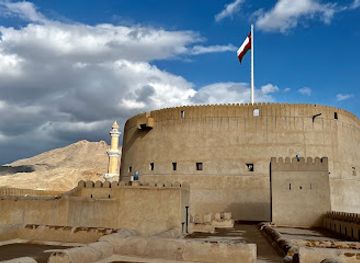
Nizwa Fort
Explore Nizwa Fort, a magnificent fortress showcasing Oman's rich history and stunning architecture, perfect for history enthusiasts and travelers alike.
-
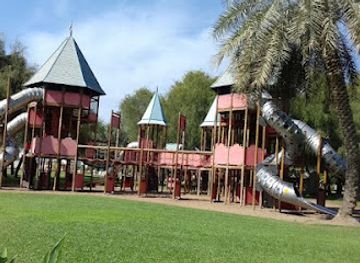
Qurum Natural Park
Discover the lush landscapes and tranquil ambiance of Qurum Natural Park, a top destination for nature lovers in Muscat, Oman.
-
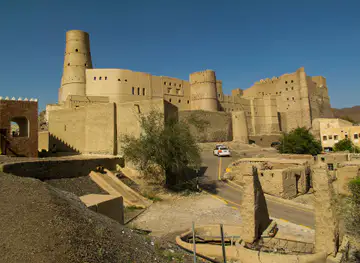
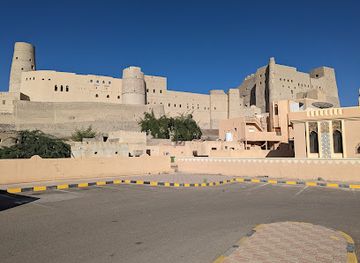
Bahla Fort
Discover Bahla Fort, a UNESCO World Heritage site in Oman, showcasing ancient architecture and rich cultural heritage amidst stunning landscapes.

Best landmarks in Ad Dhahirah Governorate
The most important landmark in Ad Dhahirah is the Bronze Age landscape at Bat, where clusters of stone tombs and related remains mark one of Oman’s major prehistoric archaeological areas. Their beehive-like profiles and placement across the plain make them immediately recognisable, although their significance lies in the wider settlement and trading system they represent. Ibri Castle is the governorate’s best-known historic fortification, associated with the old oasis settlement and the political importance of Ibri as an inland centre. The remains of As Suleif preserve another layer of fortified settlement and traditional urban form. Dhank Fort provides a further example of the defensive architecture that protected oasis communities and local routes. Beyond built monuments, the date gardens and falaj channels around Ibri, Yanqul and Dhank are landmarks of a different kind: working cultural landscapes in which underground water, agriculture and settlement remain visibly interdependent. These places should be approached as heritage environments rather than isolated photographic backdrops.
-
Market
Mutrah Souq
Explore the vibrant Mutrah Souq in Muscat, Oman - a market overflowing with culture, tradition, and unique finds for every traveler.
-
Fortress
Nizwa Fort
Explore Nizwa Fort, a magnificent fortress in Oman, where history, culture, and breathtaking views come together for an unforgettable experience.
-
Country park
Qurum Natural Park
Discover the lush landscapes and tranquil beauty of Qurum Natural Park, a top destination in Muscat for nature lovers and families.
-
Tourist attraction
Mutrah Corniche
Explore the beauty of Mutrah Corniche in Muscat, where stunning coastal views meet rich culture and vibrant local life.


Explore Ad Dhahirah Governorate on the map
Plan your trip on one map. See where the top cities, national parks and sights are, and book hotels and experiences in a few clicks.
Best hotels in Ad Dhahirah Governorate
Best restaurants in Ad Dhahirah Governorate
Dining in Ad Dhahirah is centred on Omani and wider Gulf cooking served in family restaurants, cafés, hotel dining rooms and everyday eateries in Ibri, Yanqul and Dhank. Expect rice dishes with chicken, meat or fish, grilled meats, shuwa on occasions, soups, flatbreads, dates and cardamom-scented coffee, alongside South Asian dishes that reflect Oman’s contemporary workforce and trading connections. Date cultivation is particularly visible in the oasis economy, and dates, halwa and locally available honey make practical regional food gifts. Larger towns offer the broadest choice, from quick meals and coffee shops to more substantial hotel restaurants, while rural options may be limited and close earlier. Visitors should not assume that every traditional dish is exclusive to Ad Dhahirah; much of the cuisine belongs to Oman’s wider culinary culture, interpreted through the governorate’s inland agricultural setting. During Ramadan, daytime eating arrangements change and visitors should follow local expectations in public spaces.
-
Restaurant
Aroos Damascus Restaurant & Grill
Discover authentic Middle Eastern cuisine at Aroos Damascus Restaurant & Grill in Ibri – where every dish tells a story.
-
Restaurant
Noor Al Khaleej Restaurant
Discover authentic Omani cuisine at Noor Al Khaleej Restaurant in Ibri – where tradition meets taste in every dish.
-
Restaurant
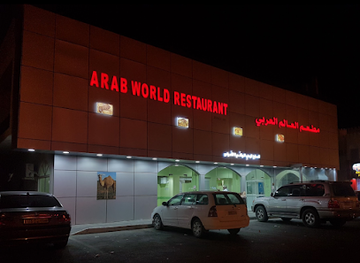
Arab World Restaurant مطعم العالم العربي
Discover the rich flavors of Arabian cuisine at Arab World Restaurant in Ibri - where every meal tells a story.
-
Restaurant
Turkish Restaurant
Discover authentic Turkish cuisine in Ibri's charming restaurant offering traditional dishes and a warm atmosphere perfect for all diners.


Best bars in Ad Dhahirah Governorate
Ad Dhahirah does not have a major bar or nightclub circuit. Evening life is concentrated in restaurants, tea and coffee shops, family cafés and the social spaces of Ibri, with smaller towns such as Yanqul and Dhank offering a quieter rhythm. Alcohol is not part of ordinary public life and is available only under Oman’s national licensing rules in authorised settings, if offered; visitors should never drink in public or assume that a rural hotel has a bar. After sunset, the most characteristic experiences are a meal, coffee, a drive through the illuminated town streets or time spent at an accommodation venue. Live entertainment is occasional rather than a defining feature, and opening arrangements can change. The absence of late-night venues reflects the governorate’s inland, largely residential character rather than a lack of evening activity.
-
Restaurant
Arab World Restaurant مطعم العالم العربي
Discover the authentic tastes of the Arab World at this charming restaurant in Ibri, renowned for its flavorful dishes and welcoming atmosphere.
-
Restaurant
Tayibat Zam Zam Restaurant
Experience the rich flavors of Omani cuisine at Tayibat Zam Zam Restaurant, a must-visit culinary destination in Ibri.
-
Restaurant
Howd al masrat
Discover the rich flavors of Oman at Howd al Masrat, a top destination for authentic Omani cuisine in Ibri.
-
Restaurant
عصاير مستر مانجو
Discover the refreshing taste of Oman at Mr. Mango Juice Bar in Ibri, where vibrant flavors and fresh ingredients come together for the ultimate juice experience.


Best nightclubs in Ad Dhahirah Governorate
Ad Dhahirah does not have a major bar or nightclub circuit. Evening life is concentrated in restaurants, tea and coffee shops, family cafés and the social spaces of Ibri, with smaller towns such as Yanqul and Dhank offering a quieter rhythm. Alcohol is not part of ordinary public life and is available only under Oman’s national licensing rules in authorised settings, if offered; visitors should never drink in public or assume that a rural hotel has a bar. After sunset, the most characteristic experiences are a meal, coffee, a drive through the illuminated town streets or time spent at an accommodation venue. Live entertainment is occasional rather than a defining feature, and opening arrangements can change. The absence of late-night venues reflects the governorate’s inland, largely residential character rather than a lack of evening activity.
-
Zale Beach Club & Lounge
Discover the ultimate beachside luxury at Zale Beach Club & Lounge in Muscat, where fine dining meets stunning ocean views.
-
Disco club
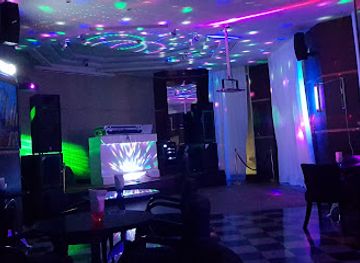
Whispers Night Club
Experience the vibrant nightlife of Salalah at Whispers Night Club, where music, dance, and fun come together in an unforgettable atmosphere.
-
Bar
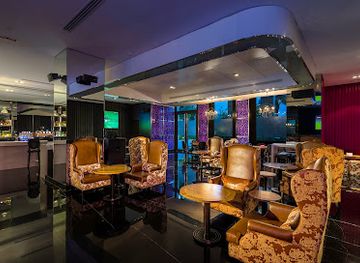
THE VAULT
Discover Muscat's nightlife at The Vault, a stylish bar offering exquisite cocktails and a vibrant atmosphere within the Radisson Collection Hotel.
-
Live music bar
Layalina Night Club
Discover the vibrant nightlife at Layalina Night Club in Muscat, where live music and great drinks create unforgettable evenings.


Best shops in Ad Dhahirah Governorate
Shopping in Ad Dhahirah is practical and locally focused, with the greatest choice in Ibri’s commercial streets and neighbourhood shopping areas. Visitors will find everyday goods, perfumes, incense, textiles, modest clothing, household products and Omani foodstuffs rather than a large-scale luxury retail scene. Dates, halwa, spices, coffee and packaged regional produce are among the most suitable purchases, while traditional silver jewellery and craft items may appear through specialist sellers, although quality and provenance vary. Small shops and market areas in Yanqul and Dhank provide a more local experience, but opening patterns and stock can be less predictable. Souqs are working commercial spaces, so courteous bargaining is appropriate only where it is clearly customary and should remain good-natured. Handicrafts associated with Oman as a whole may be sold in the governorate; they should not automatically be described as products unique to Ad Dhahirah.
-
Watch store
TIMEZONE WATCHES IBRI , MAKKAH HYPERMARKET
Explore a diverse range of high-quality timepieces at Timezone Watches, located in the vibrant Makkah Hypermarket, Ibri.
-
Shopping mall
Al Dhahirah Shopping centre
Explore Al Dhahirah Shopping Centre in Al Araqi for a blend of shopping, dining, and cultural experiences in a vibrant setting.
-
Gift shop
Mazoon Ibri محل مزون عبري
Discover the essence of Oman at Mazoon Ibri, your go-to gift shop for authentic Omani souvenirs and crafts.
-
Clothing store
Al Obaidani Stores 17 (محلات العبيداني)
Explore authentic Omani fashion at Al Obaidani Stores in Ibri, where tradition meets contemporary style in a vibrant shopping experience.


Get your free copy of our complete guide to Ad Dhahirah Governorate, delivered straight to you.
Everything on this page, from attractions and restaurants to essentials and local phrases, in one PDF you can read offline, print or share.
Already have an account? Sign in
Your Ad Dhahirah Governorate guide is ready.
We'll send it to · Not you? Sign out

Getting your guide ready…
We are putting together a fresh copy of the Ad Dhahirah Governorate guide. This can take up to a minute.
This can take a few moments. If your browser asks, choose Allow so the download can start. You'll find the guide in your Downloads folder.
Nothing happened? Download it again
Sorry, the guide is taking longer than usual. Please try again in a minute, or get it by email instead.
Ad Dhahirah Governorate essentials
Currency and Payment
Safety
Emergency Situations
Do's and Don'ts
Local Tips
From Eve
Local phrases worth knowing
You don't need to get them perfect. A few words go a long way, and locals appreciate the effort.
Basics
| English | Local | Say it |
|---|---|---|
| Hello | مرحبا | [Marhaban] |
| Goodbye | وداعا | [Wadaa'an] |
| Yes | نعم | [Na'am] |
| No | لا | [La] |
| Please/You're welcome | من فضلك | [Min fadlik] |
| Thank you | شكرا | [Shukran] |
| Excuse me/Sorry | عفوا | [Afwan] |
| How are you? | كيف حالك؟ | [Kayfa halak?] |
| Fine. And you? | بخير. وأنت؟ | [Bikhayr. Wa anta?] |
| Do you speak English? | هل تتحدث الإنجليزية؟ | [Hal tatahaddath al-inglizia?] |
| I don't understand | لا أفهم | [La afham] |
Eating & Drinking
| English | Local | Say it |
|---|---|---|
| I'd like to see the menu, please | أود رؤية القائمة، من فضلك | [Awad ru'yat al-qaimah, min fadlik] |
| I don't eat meat | لا آكل اللحم | [La akul al-lahm] |
| Cheers! | في صحتك! | [Fi sihtak!] |
| I would like to pay, please | أود الدفع، من فضلك | [Awad al-daf', min fadlik] |
Emergencies
| English | Local | Say it |
|---|---|---|
| Help! | نجدة! | [Najda!] |
| Go away! | اذهب بعيدا! | [Idhhab ba'idan!] |
| Call the Police! | اتصل بالشرطة! | [Ittasil bil-shurta!] |
| Call a doctor! | اتصل بطبيب! | [Ittasil bi-tabeeb!] |
| I'm lost | أنا ضائع | [Ana dai'] |
| I'm ill | أنا مريض | [Ana marid] |
Shopping
| English | Local | Say it |
|---|---|---|
| I'd like to buy... | أود شراء... | [Awad shira'a...] |
| I'm just looking | أنا فقط أبحث | [Ana faqat abhas] |
| How much is it? | كم ثمنه؟ | [Kam thamannuh?] |
| That's too expensive | هذا مكلف جدا | [Hatha mukallaf jidan] |
| Can you lower the price? | هل يمكنك خفض السعر؟ | [Hal yumkinuka khafd al-si'r?] |
Time & Numbers
| English | Local | Say it |
|---|---|---|
| What time is it? | كم الساعة؟ | [Kam al-saa'a?] |
| It's one o'clock | الساعة الواحدة | [Al-saa'a al-wahidah] |
| Half past (10) | نصف الساعة (10) | [Nisf al-saa'a (10)] |
| Morning | صباحا | [Sabahan] |
| Afternoon | بعد الظهر | [Ba'ad al-zuhur] |
| Evening | مساء | [Masa'a] |
| Yesterday | أمس | [Ams] |
| Today | اليوم | [Al-yawm] |
| Tomorrow | غدا | [Ghadan] |
| 1 | واحد | [Wahid] |
| 2 | اثنان | [Ithnan] |
| 3 | ثلاثة | [Thalatha] |
| 4 | أربعة | [Arba'a] |
| 5 | خمسة | [Khamsa] |
| 6 | ستة | [Sitta] |
| 7 | سبعة | [Sab'a] |
| 8 | ثمانية | [Thamaniya] |
| 9 | تسعة | [Tis'a] |
| 10 | عشرة | [Ashara] |
Transport & Directions
| English | Local | Say it |
|---|---|---|
| Where's a/the...? | أين هو/هي...؟ | [Ayna huwa/hiya...?] |
| What's the address? | ما هو العنوان؟ | [Ma huwa al-unwan?] |
| Can you show me (on the map)? | هل يمكنك إظهار لي (على الخريطة)؟ | [Hal yumkinuka izhar li (ala al-kharita)?] |
| When's the next (bus)? | متى يأتي (الحافلة) التالية؟ | [Mata ya'ti (al-hafila) al-taliya?] |
| A ticket (to ....) | تذكرة (إلى ....) | [Tadhkira (ila ....)] |
History of Ad Dhahirah Governorate
Bronze Age Exchange at Bat
The archaeological sites of Bat, Al-Khutm and Al-Ayn provide the region’s deepest historical record. Dating mainly from the third millennium BC, the remains include beehive-shaped stone tombs, settlements and other structures associated with the Umm an-Nar cultural tradition. Bat’s position in Oman’s interior connected communities to routes carrying copper, stone and other goods across the Arabian Peninsula and beyond. The monument fields survive in an open landscape near modern settlements, offering evidence of organised communities, specialised craft production and long-distance exchange long before the emergence of the modern Omani state.
Copper, Stone and Long-Distance Trade
Ad Dhahirah formed part of the inland network linking Oman’s copper-producing zones with ports and trading partners around the Gulf and the wider Indian Ocean world. Although the most important mining areas lay elsewhere in Oman, routes through the western interior helped move metals, stone, agricultural products and livestock. The region’s wells, oases and mountain passes made its settlements valuable stopping points. This commercial geography helps explain why apparently remote sites around Ibri, Yanqul and neighbouring districts contain substantial prehistoric and historic remains.
Islamisation and Oasis Settlement
From the early Islamic period onwards, communities in Ad Dhahirah developed around dependable water sources and agricultural oases. Falaj irrigation distributed groundwater through channels to date palms, fields and homes, while settlements were organised around mosques, defensive walls and fortified residences. Ibri, Yanqul and Dhank grew as local centres within Oman’s interior political and commercial networks. The surviving groves and old quarters are cultural landscapes shaped by collective water management as much as by individual buildings.
Ibri and the Fortified Interior
The fortified settlements of the governorate reflect the political uncertainty and local rivalries that affected Oman’s interior over many centuries. Ibri Castle, Dhank Fort and the ruins around As Suleif belong to a tradition of defensive architecture in which towers, walls and elevated positions protected ruling families, stores, wells and routes through the oasis. Their construction and alteration took place across different periods rather than in one single campaign. Today, these structures help explain the relationship between authority, agriculture and security in inland Oman.
The Ya'rubi and Later Omani State
During the Ya'rubi period, particularly in the seventeenth century, Oman’s rulers strengthened political control across the interior and expelled Portuguese forces from much of the Omani coast. Inland towns such as those in Ad Dhahirah were part of the broader network that supplied soldiers, food and revenue to the state. Later transitions between Omani ruling families and periods of divided authority continued to affect local forts and oasis communities. The governorate’s historic buildings therefore belong to a wider national story of state-building, trade and religious scholarship.
Modern Roads and Changing Livelihoods
In the twentieth century, improved roads, schools, healthcare and public services connected Ad Dhahirah more closely with Muscat, northern Oman and the UAE. Motor transport reduced the isolation of many settlements and changed the movement of agricultural produce and people. Oil revenues also transformed housing, infrastructure and employment, although date cultivation and falaj-based agriculture remain visible in the oases. Modern Ibri is consequently both a regional administrative centre and a gateway to landscapes whose settlement patterns reach back thousands of years.
Ad Dhahirah Governorate in Photos
Browse through our photo collection highlighting the charm and character of the destination.
Neighbouring regions of Ad Dhahirah Governorate
The closest regions to Ad Dhahirah Governorate, if you have time for more than one.
-

-

-

-

-


Swipe for more regions
Explore more
Explore more of Oman
Discover Oman: A land of ancient forts, golden deserts, and warm hospitality, offering a perfect blend of adventure and tranquility.
Explore Oman