

Al Hajar Mountains, Oman Travel Guide
Discover the Al Hajar Mountains in Oman: A journey through rugged peaks, ancient villages, and breathtaking landscapes that reveal the rich heritage and natural beauty of the region.
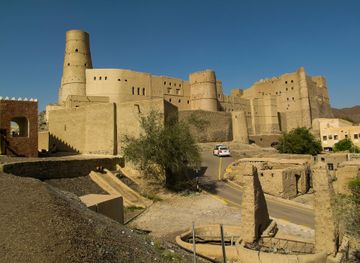
Nestled in the heart of Oman, the Al Hajar Mountains stand as a testament to nature's grandeur. These mountains stretch over 500 kilometers, creating a natural barrier between the coastal plains of Oman and the interior desert. The range is known for its rugged beauty, with jagged peaks, steep canyons, and lush valleys. Visitors can explore ancient villages, terraced farms, and picturesque wadis (valleys) that offer a glimpse into the traditional Omani way of life. One of the highlights of the Al Hajar Mountains is Jebel Shams, the highest peak in Oman. Known as the 'Mountain of the Sun,' it offers breathtaking views over the surrounding landscape, including the spectacular Wadi Ghul, often referred to as the Grand Canyon of Arabia. Hiking enthusiasts will find numerous trails that range from easy walks to challenging climbs, allowing them to experience the diverse flora and fauna that thrive in this unique environment. The Al Hajar Mountains are also home to several historic forts and castles, such as the Bahla Fort, a UNESCO World Heritage Site. These structures provide a fascinating insight into the region's rich history and strategic importance. Additionally, the mountains are dotted with ancient rock art and archaeological sites that date back thousands of years, offering a window into the lives of the early inhabitants of the region.

Know before you go
Hi, I'm Eve. Here are a few practical things to know before exploring Al Hajar Mountains.
- Visit in the cooler months from October to April to avoid the extreme heat of summer.
- Hire a local guide for hiking trails to ensure safety and gain deeper insights into the area.
- Carry plenty of water and sun protection, as the mountain climate can be harsh and dry.
- Explore the local souks (markets) in nearby towns for traditional crafts and souvenirs.
- Check weather conditions before setting out, as flash floods can occur in wadis during the rainy season.
Top City Travel Guides in Al Hajar Mountains
The cities of Al Hajar Mountains, and the easiest places to base yourself.


Explore Al Hajar Mountains: Things to Do, Places to Eat, Hotels & More
Handpicked recommendations for top attractions, local dining, accommodations, and more

Top Attractions & Sightseeing in Al Hajar Mountains
Top-rated picks
Best Attractions

Nizwa Fort
Discover the historical grandeur of Nizwa Fort, a magnificent fortress that encapsulates Oman’s rich heritage and stunning architecture.

Al Hoota Cave
Discover the stunning Al Hoota Cave, a natural wonder in Oman featuring breathtaking formations and rich geological history, perfect for adventurous tourists.
Falaj Daris Park
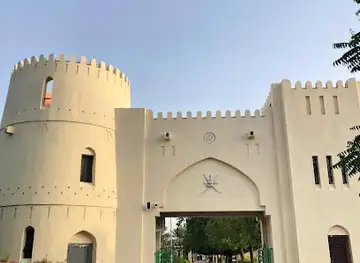
Discover the lush beauty of Falaj Daris Park in Nizwa, a tranquil garden oasis ideal for relaxation, family outings, and cultural exploration.

Jebel Akhdar
Experience the breathtaking landscapes and rich culture of Jebel Akhdar, Oman’s stunning Green Mountain, perfect for adventure and tranquility.


Best restaurants in Al Hajar Mountains
Top-rated picks
Best Restaurants

Italian Barrista Cafe
Experience authentic Italian cuisine at Italian Barrista Cafe in Nizwa - where every bite takes you on a flavorful journey.

Restaurant Pakistani
Experience the vibrant taste of Pakistan at Restaurant Pakistani in Al Hamra - a haven for food lovers seeking authentic cuisine.

Traditional Omani Meals And Coffee
Experience authentic Omani cuisine in Bald Sayt with delicious traditional meals and freshly brewed coffee surrounded by stunning landscapes.

كرك الثمانينات
Experience authentic Omani cuisine at Karak Al-Thamanat in Al Hamra - where every dish tells a story.

Best bars in Al Hajar Mountains
Top-rated picks
Best Bars

Huqqa
Discover the vibrant atmosphere and diverse menu at Huqqa, Muscat's premier hookah bar and restaurant, perfect for food lovers and shisha enthusiasts alike.

Alila Jabal Akhdar
Discover luxury and adventure at Alila Jabal Akhdar, a serene resort nestled in Oman's majestic mountains, blending nature with rich cultural experiences.

Rock Bottom Cafe Muscat
Discover the lively Rock Bottom Cafe Muscat, a top destination for American cuisine, nightlife, and unforgettable moments in Oman.

Zale Beach Club & Lounge
Experience luxurious relaxation at Zale Beach Club & Lounge, where innovative drinks and exquisite dining meet stunning coastal views in Muscat.


Best shops in Al Hajar Mountains
Top-rated picks
Best Shops

Oman Avenues Mall
Experience the vibrant shopping scene and diverse dining at Oman Avenues Mall, a must-visit destination for tourists in Muscat.

Nizwa Central Souq
Immerse yourself in the vibrant atmosphere of Nizwa Central Souq, where Omani culture, handicrafts, and delicious cuisine await.

Markaz Al Bahja
Discover the ultimate shopping and entertainment experience at Markaz Al Bahja Mall in Seeb, Oman, where your retail dreams come true.

Oasis Mall
Discover a world of shopping, dining, and entertainment at Oasis Mall in Al Khuwair, Oman - your perfect retail getaway.

Explore Al Hajar Mountains on the Map
A handpicked selection of must-see spots in Al Hajar Mountains, mapped for you.
Al Hajar Mountains Essentials
-
The Al Hajar Mountains are located in northern Oman. The nearest international airport is Muscat International Airport (MCT), approximately 100 kilometers away from the range. From Muscat, you can rent a car, hire a taxi, or take a bus to towns like Nizwa, which serve as gateways to the mountains. The drive from Muscat to Nizwa takes about 1.5 to 2 hours. There are also guided tour services that can arrange transportation to various parts of the mountain range.
-
Within the Al Hajar Mountains, renting a car is the most convenient way to explore the region, especially if you plan to visit multiple sites. Four-wheel drive vehicles are recommended for navigating the rugged terrain. Local taxis are available in towns like Nizwa and Bahla, but they may not venture deep into the mountains. Public buses operate between major towns, but service can be infrequent. For a more immersive experience, consider hiring a local guide who can provide transportation and share insights about the area.
-
The official currency in Oman is the Omani Rial (OMR). Credit cards are widely accepted in hotels, larger restaurants, and shops in towns like Nizwa. However, it is advisable to carry cash for smaller establishments and when traveling in more remote areas. ATMs are available in larger towns, but it is a good idea to withdraw sufficient cash in Muscat before heading into the mountains.
-
The Al Hajar Mountains are generally safe for tourists. However, it's important to take standard precautions such as avoiding isolated areas after dark and keeping an eye on your belongings. There are no specific high-crime areas targeting tourists, but always stay vigilant and aware of your surroundings. When hiking or exploring remote areas, inform someone of your plans and carry a map, sufficient water, and a first-aid kit.
-
In case of emergency, dial 9999 for immediate assistance in Oman. Major towns like Nizwa have police stations and medical facilities. It is recommended to have travel insurance that covers medical emergencies and adventure activities. For minor health issues, there are pharmacies in towns where you can purchase over-the-counter medications. Always carry a fully charged mobile phone with local emergency numbers saved.
-
Fashion: Do dress modestly, particularly when visiting villages and religious sites. Avoid wearing revealing clothing. Religion: Do respect local customs and traditions. Remove your shoes before entering mosques and avoid pointing your feet towards people or religious objects. Public Transport: Do be courteous and give up your seat to elderly passengers. Don’t eat or drink on public transport. Greetings: Do greet people with a right-hand handshake. Avoid using your left hand for gestures or giving/receiving items. Eating & Drinking: Do try local dishes and accept food offerings graciously. Don’t refuse hospitality, as it is considered impolite.
-
To experience the Al Hajar Mountains like a local, visit the traditional souks (markets) in towns like Nizwa, where you can purchase local handicrafts, spices, and produce. Engage with the locals, who are often friendly and willing to share stories about the region's history and culture. Don’t miss visiting the historic forts and castles, such as Nizwa Fort and Bahla Fort, which offer a glimpse into Oman’s rich heritage. For a unique adventure, try a guided trek on one of the many hiking trails that offer stunning views of the rugged landscape.
When is the best time to visit Al Hajar Mountains?
Useful Local Phrases for Al Hajar Mountains
You don't need to speak the language perfectly. Even learning a few simple words can make conversations warmer—and locals usually appreciate the effort.
— Eve

Here are the phrases I use most often in Al Hajar Mountains. Try a few—you'll be surprised how far they go! 😊
❤️
-
- Helloمرحبا
[Marhaban] - Goodbyeإلى اللقاء
[Ila al-liqaa] - Yesنعم
[Na'am] - Noلا
[La] - Please/You’re welcomeمن فضلك
[Min fadlik] - Thank youشكرا
[Shukran] - Excuse me/Sorryعذرا
[Udhra] - How are you?كيف حالك؟
[Kayfa halak?] - Fine. And you?أنا بخير. وأنت؟
[Ana bekhayr. Wa anta?] - Do you speak English?هل تتحدث الإنجليزية؟
[Hal tatahadath al-ingliziyya?] - I don't understandلا أفهم
[La afham]
- Helloمرحبا
-
- I’d like to see the menu, pleaseأود رؤية القائمة، من فضلك
[Awad ru'yat al-qa'ima, min fadlik] - I don't eat meatلا آكل اللحم
[La akul al-lahm] - Cheers!في صحتك!
[Fi sihatak!] - I would like to pay, pleaseأود الدفع، من فضلك
[Awad al-daf', min fadlik]
- I’d like to see the menu, pleaseأود رؤية القائمة، من فضلك
-
- Help!نجدة!
[Najda!] - Go away!اذهب بعيدا!
[Idhhab ba'eedan!] - Call the Police!اتصل بالشرطة!
[Ittasil bil-shurta!] - Call a doctor!اتصل بالطبيب!
[Ittasil bil-tabeeb!] - I’m lostأنا ضائع
[Ana da'i'] - I’m illأنا مريض
[Ana marid]
- Help!نجدة!
-
- I’d like to buy...أود شراء...
[Awad shira...] - I’m just lookingأنا فقط أنظر
[Ana faqat anzur] - How much is it?كم ثمنه؟
[Kam thamanuh?] - That’s too expensiveهذا غالي جدا
[Hatha ghali jidan] - Can you lower the price?هل يمكنك تخفيض السعر؟
[Hal yumkinuka takhfid al-si'r?]
- I’d like to buy...أود شراء...
-
- What time is it?ما هو الوقت؟
[Ma huwa al-waqt?] - It’s one o’clockالساعة واحدة
[Al-sa'a wahida] - Half past (10)نصف ساعة (10)
[Nisf sa'a (10)] - Morningصباحا
[Sabahan] - Afternoonبعد الظهر
[Ba'd al-duhr] - Eveningمساء
[Masa'a] - Yesterdayأمس
[Ams] - Todayاليوم
[Al-yawm] - Tomorrowغدا
[Ghad] - 1واحد
[Wahid] - 2اثنان
[Ithnan] - 3ثلاثة
[Thalatha] - 4أربعة
[Arba'a] - 5خمسة
[Khamsa] - 6ستة
[Sitta] - 7سبعة
[Sab'a] - 8ثمانية
[Thamaniya] - 9تسعة
[Tis'a] - 10عشرة
[Ashara]
- What time is it?ما هو الوقت؟
-
- Where's a/the...?أين هو...؟
[Ayna huwa...?] - What’s the address?ما هو العنوان؟
[Ma huwa al-'unwan?] - Can you show me (on the map)?هل يمكنك أن تريني (على الخريطة)؟
[Hal yumkinuka an turini (ala al-kharita)?] - When's the next (bus)?متى تأتي (الحافلة) التالية؟
[Mata ta'ti (al-hafila) al-taliya?] - A ticket (to ....)تذكرة (إلى ....)
[Tadhkira (ila ...)]
- Where's a/the...?أين هو...؟
History of Al Hajar Mountains
-
The Al Hajar Mountains are a prominent mountain range in Oman, formed over millions of years through the collision of the Arabian and Eurasian tectonic plates. These mountains are composed of ancient oceanic crust and mantle rocks, known as ophiolites, which were thrust onto the Arabian Plate during the late Cretaceous period. This geological marvel provides a window into the Earth's deep crust and mantle, offering valuable insights into plate tectonics and the geological history of the region.
-
Scattered across the Al Hajar Mountains are numerous examples of ancient rock art, dating back thousands of years. These petroglyphs, carved into the stone by early inhabitants, depict scenes of hunting, dancing, and various animals, providing a glimpse into the lives and beliefs of prehistoric communities. The rock art is a testament to the long-standing human presence in the region and the cultural significance of the mountains.
-
During the 17th and 18th centuries, the Al Hajar Mountains served as a stronghold for the Imamate of Oman, a theocratic state led by the Ibadi Imams. The rugged terrain provided natural fortifications for the Imamate's defensive strategy against foreign invasions and internal conflicts. The Imamate played a crucial role in shaping the political and religious landscape of Oman, with the mountains serving as a symbol of resistance and independence.
-
The Al Hajar Mountains are dotted with fortified villages, such as Misfat Al Abriyeen and Al Hamra, which have been inhabited for centuries. These villages are characterized by their stone-built houses, narrow alleys, and ancient irrigation systems (falaj) that channel water from mountain springs to terraced farms. The architecture and layout of these villages reflect the ingenuity and resilience of the mountain communities in adapting to the harsh environment.
-
In 1957, the Al Hajar Mountains witnessed significant conflict during the Jebel Akhdar War, also known as the Battle of Nizwa. This conflict arose between the forces of the Sultan of Muscat and Oman and the tribal forces led by the Imamate of Oman, who sought greater autonomy. The mountainous terrain played a crucial role in the guerrilla warfare tactics employed by the Imamate forces. The eventual victory of the Sultan's forces led to the consolidation of power and the modern unification of Oman.
-
In recent decades, the Al Hajar Mountains have seen significant development, transforming from remote, isolated areas to popular tourist destinations. The construction of roads, hotels, and other infrastructure has opened up the mountains to visitors, allowing them to explore its natural beauty and rich history. Despite these modern advancements, efforts have been made to preserve the cultural heritage and natural environment of the region, ensuring that the historical significance of the Al Hajar Mountains is not lost.
Neighbouring Regions of Al Hajar Mountains
The closest regions to Al Hajar Mountains, if you have time for more than one.


Your all‑in‑one travel companion app
Explore expert travel guides, compare and book tours, experiences, hotels, and more—all from the palm of your hand. Download now for seamless trip planning wherever your wanderlust takes you.


Explore More of Oman
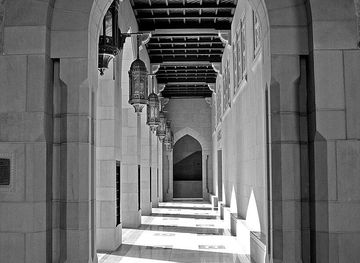
Looking beyond Al Hajar Mountains? Discover Oman for broader travel guides, local hot-spots, and regional highlights.
Explore OmanAl Hajar Mountains in Photos
Browse through our photo collection highlighting the charm and character of the destination.


The Majestic Al Hajar Mountains: Oman’s Natural Wonder
Nestled in the heart of Oman, the Al Hajar Mountains stand as a testament to nature's grandeur. These mountains stretch over 500 kilometers, creating a natural barrier between the coastal plains of Oman and the interior desert. The range is known for its rugged beauty, with jagged peaks, steep canyons, and lush valleys. Visitors can explore ancient villages, terraced farms, and picturesque wadis (valleys) that offer a glimpse into the traditional Omani way of life. One of the highlights of the Al Hajar Mountains is Jebel Shams, the highest peak in Oman. Known as the 'Mountain of the Sun,' it offers breathtaking views over the surrounding landscape, including the spectacular Wadi Ghul, often referred to as the Grand Canyon of Arabia. Hiking enthusiasts will find numerous trails that range from easy walks to challenging climbs, allowing them to experience the diverse flora and fauna that thrive in this unique environment. The Al Hajar Mountains are also home to several historic forts and castles, such as the Bahla Fort, a UNESCO World Heritage Site. These structures provide a fascinating insight into the region's rich history and strategic importance. Additionally, the mountains are dotted with ancient rock art and archaeological sites that date back thousands of years, offering a window into the lives of the early inhabitants of the region.