

Free Musandam Governorate Travel Guide & Mobile App
Explore Musandam Governorate with free travel guides. Discover regional history, expert tips, proposed trips, and audio guides on web or mobile app.


Explore Musandam Governorate’s fjord-like khors, limestone mountains, dhow cruises, historic forts and maritime culture on Oman’s northern peninsula.
When is the best time to visit Musandam Governorate?
Best: December–February · 25–26°C| Month | High (°C) | Rainfall (mm) |
|---|---|---|
| January (best) | 25 | 25 |
| February (best) | 26 | 19 |
| March | 28 | 18 |
| April | 31 | 10 |
| May | 35 | 4 |
| June | 38 | 1 |
| July | 39 | 1 |
| August | 38 | 1 |
| September | 36 | 3 |
| October | 33 | 6 |
| November | 29 | 10 |
| December (best) | 26 | 17 |
Getting to and around Musandam Governorate
How to get there
Transportation
Top city travel guides in Musandam Governorate
The cities of Musandam Governorate, and the easiest places to base yourself.

Swipe for more cities
Destinations in Musandam Governorate
Resorts, valleys and scenic spots worth a trip of their own.

Swipe for more destinations
Best attractions in Musandam Governorate
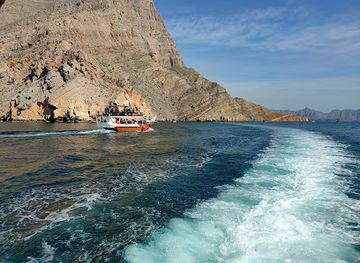
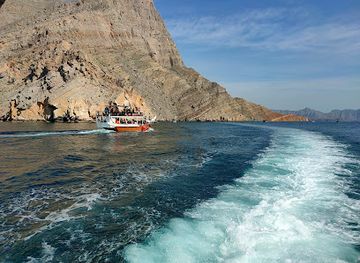
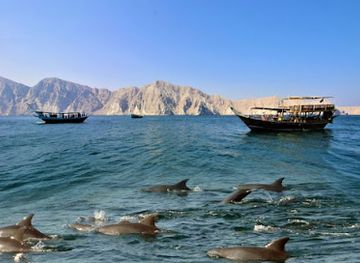
Musandam’s attractions are defined by the meeting of steep limestone mountains and the sea. From Khasab, traditional dhow cruises enter Khor Ash Sham, passing rocky headlands, small anchorages and the isolated village of Kumzar; Telegraph Island is a familiar stop for swimming and snorkelling when conditions permit. Other marine excursions explore the coast around Khasab and may offer opportunities to see dolphins. On land, Khasab Castle and Bukha Castle provide historical context, while mountain roads lead towards Jebel Harim, high viewpoints, fossil-bearing rock and ancient petroglyphs. The governorate’s wadis, rugged passes and coastal settlements reward visitors who travel slowly rather than treating the peninsula as a single viewpoint. Outdoor activities include boating, snorkelling, swimming, photography and selected mountain walks, although shade and services are limited away from towns. The landscape itself is the principal attraction: a sparsely populated frontier where small fishing communities, defensive architecture and maritime routes are set against stark mountain scenery.
-
Marina
Khasab Port
Experience the stunning beauty of Khasab Port, Oman, where serene waters meet breathtaking fjords and vibrant local culture.
-
Castle
Dhayah Fort
Explore Dhayah Fort, a historical gem in Ras Al Khaimah, where ancient architecture meets stunning panoramic views, ideal for cultural enthusiasts and nature lovers alike.
-
Tourist attraction
Suwaidi Pearls
Experience the enchanting world of pearls at Suwaidi Pearls in Al Rams, Ras Al Khaimah – a unique blend of heritage and artistry.
-
Tourist attraction
Khasab Castle
Explore Khasab Castle, a historical fortress in Oman offering stunning views, rich heritage, and an unforgettable cultural experience.


Best landmarks in Musandam Governorate
Khasab Castle is Musandam’s most recognisable historic building, a fortified complex associated with Oman’s long-standing administration and defence of the peninsula. Its towers, walls and enclosed spaces help explain how power and storage were organised in a remote coastal settlement. Bukha Castle, near the governorate’s western coast, is another important defensive landmark, positioned in a district historically connected with movement along the Strait of Hormuz. Offshore, the ruins of the former telegraph station on Telegraph Island mark a very different chapter: nineteenth-century communications technology brought an imperial cable network into one of the region’s most isolated settings. Jebel Harim provides Musandam’s most prominent mountain landmark, rising above the surrounding ridges and khors, while Khor Ash Sham is the defining natural feature of the Khasab coast. Its long, narrow inlet, sheer slopes and sheltered waters create the visual identity most closely associated with the governorate. Together, these places show Musandam as both a strategic maritime frontier and a landscape shaped by geology.
-
Marina
Khasab Port
Discover the enchanting beauty of Khasab Port, Oman, where stunning fjords meet rich cultural experiences and thrilling maritime adventures await.
-
 Hotel
HotelAtana Musandam Resort
Experience the perfect fusion of luxury and Omani heritage at Atana Musandam Resort, set in the breathtaking Musandam Peninsula.
-
Resort hotel
Six Senses Zighy Bay
Experience unparalleled luxury and natural beauty at Six Senses Zighy Bay, a unique retreat in Oman’s breathtaking landscapes.
-
Fortress
Khasab Castle
Explore Khasab Castle, a historical fortress in Oman that showcases the country's rich heritage and offers stunning views of the Gulf of Oman.
Explore Musandam Governorate on the map
Plan your trip on one map. See where the top cities, national parks and sights are, and book hotels and experiences in a few clicks.
Best hotels in Musandam Governorate
Best restaurants in Musandam Governorate
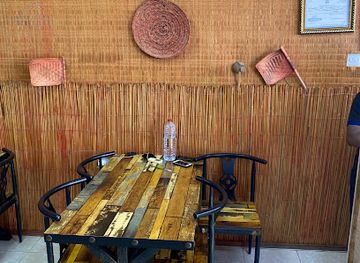
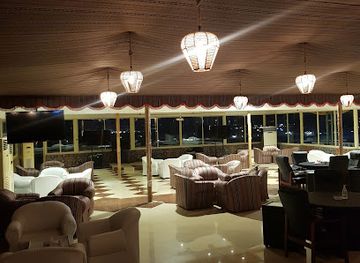
Dining in Musandam is concentrated in Khasab, with hotel restaurants, cafés and straightforward local eateries providing the widest choice. Seafood reflects the governorate’s coastal economy, and fish, prawns and other locally available catches may appear alongside rice, grilled meats, flatbreads and familiar Omani and wider Gulf dishes. Dates, cardamom coffee and sweet, spiced snacks are common parts of hospitality, while Indian, Pakistani and Arabic cuisines reflect the international connections of Oman’s ports and workforce. Restaurants in smaller settlements are limited, so visitors travelling into the mountains or towards Bukha should carry water and planned provisions rather than expect regular roadside dining. Boat excursions often include simple meals or refreshments, but arrangements vary and should be confirmed when booking. Khasab’s food scene is practical rather than fashionable, with the emphasis on filling meals, seafood and social hospitality after a day on the water or in the mountains.
-
Restaurant
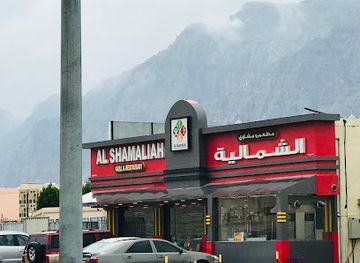
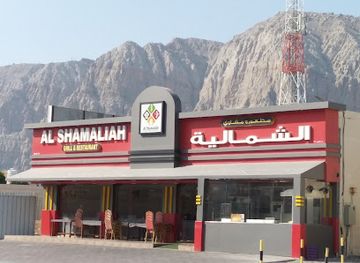
Al Shamaliah Grill & Restaurant
Discover authentic Omani cuisine at Al Shamaliah Grill & Restaurant in Khasab, where traditional flavors meet warm hospitality.
-
Restaurant
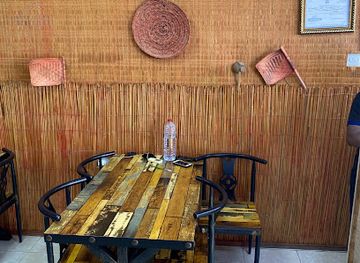
Amjad Restaurant.
Experience authentic Omani cuisine at Amjad Restaurant in Khasab – where every dish tells a story of tradition and flavor.
-
Turkish
Fanr Musandam Turkish Restaurant
Experience authentic Turkish cuisine in Khasab with exquisite dishes and stunning views at Fanr Musandam Turkish Restaurant.
-
Restaurant
Hilltop Restaurant
Experience exquisite Omani cuisine at Hilltop Restaurant with stunning views in Madha—perfect for an unforgettable dining experience.
Best bars in Musandam Governorate
Musandam does not have a large nightclub scene. Evening life centres on hotel restaurants, cafés, informal gatherings and the quiet waterfront atmosphere of Khasab rather than dedicated entertainment districts. Licensed alcohol is generally associated with suitable hotels and is not a feature of ordinary local cafés or village life; visitors should follow the rules of their accommodation and avoid public drinking. After dark, the governorate is especially suited to low-key activities such as dining, sitting outdoors in cooler weather and viewing the clear night sky away from town lights. Some resorts may offer occasional live music or organised evening entertainment, but these arrangements are changeable and should not be assumed. In rural settlements and around coastal communities, an early start for a boat cruise or mountain drive is often more characteristic than late-night activity.
-
Hotel
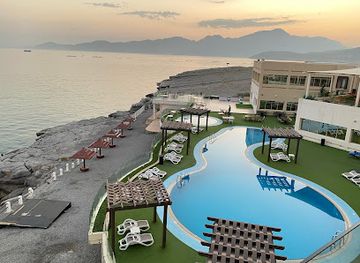
Atana Musandam Resort
Discover the breathtaking beauty and luxury of Atana Musandam Resort in Khasab, Oman, where adventure meets relaxation in paradise.
-
Building materials store
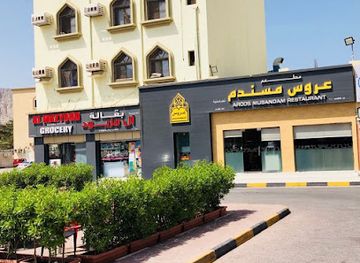
Aroos Musandam Restaurant
Experience authentic Omani flavors at Aroos Musandam Restaurant in Khasab, where fresh seafood meets warm hospitality in a charming setting.
-
Restaurant
Al Shamaliah Grill & Restaurant
Experience the rich flavors of Omani cuisine at Al Shamaliah Grill & Restaurant in Khasab, where every dish tells a story.
-
Restaurant
Amjad Restaurant.
Savor the taste of authentic Omani cuisine at Amjad Restaurant in Khasab, where tradition meets flavor in a welcoming atmosphere.
Best nightclubs in Musandam Governorate
Musandam does not have a large nightclub scene. Evening life centres on hotel restaurants, cafés, informal gatherings and the quiet waterfront atmosphere of Khasab rather than dedicated entertainment districts. Licensed alcohol is generally associated with suitable hotels and is not a feature of ordinary local cafés or village life; visitors should follow the rules of their accommodation and avoid public drinking. After dark, the governorate is especially suited to low-key activities such as dining, sitting outdoors in cooler weather and viewing the clear night sky away from town lights. Some resorts may offer occasional live music or organised evening entertainment, but these arrangements are changeable and should not be assumed. In rural settlements and around coastal communities, an early start for a boat cruise or mountain drive is often more characteristic than late-night activity.
-
Bar
Darts Bar, Atana Hotel
Discover Darts Bar at Atana Hotel, a lively bar in Khasab, offering drinks, darts, and a vibrant atmosphere perfect for relaxation and socializing.
Best shops in Musandam Governorate
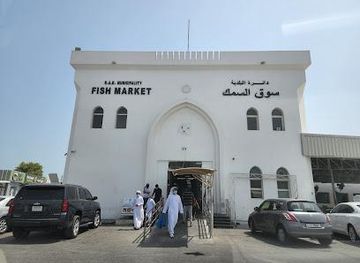
Shopping in Musandam is modest and practical, with Khasab offering the greatest concentration of supermarkets, small shops, cafés and everyday services. Visitors may find Omani dates, coffee, spices, perfumes, frankincense products and simple handicrafts suitable as regional gifts, although the range is smaller than in Muscat or the major commercial centres of Oman. Fish markets and local commerce reflect the governorate’s maritime economy, but opening arrangements and availability can vary. Small shops may also stock woven items, carved souvenirs and products associated with wider Omani craft traditions rather than exclusively Musandami designs. In villages and around excursion areas, purchases should be made respectfully and without treating working fishing communities as retail displays. For a more distinctive souvenir, look for locally produced food items or carefully selected craft goods in Khasab, and keep receipts and customs rules in mind when crossing an international border by road.
-
Seafood
Fish Market
Discover the vibrant flavors of Ras Al Khaimah's Fish Market, where fresh seafood meets local culture in a bustling atmosphere.
-
Hypermarket
LuLu Hypermarket - Khasab
Experience the vibrant shopping scene at LuLu Hypermarket Khasab, where variety meets convenience in a shopper's paradise.
-
Shopping mall
Musandam Almasya
Discover the essence of shopping and dining at Musandam Almasya, Khasab's premier shopping mall with local flavor.
-
Coffee shop
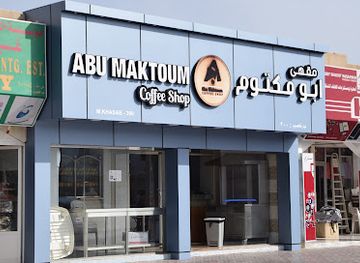
Abu Makthoom Coffee Shop
Experience Omani coffee culture at Abu Makthoom Coffee Shop, a cozy retreat in Khasab where tradition meets hospitality.

Get your free copy of our complete guide to Musandam Governorate, delivered straight to you.
Everything on this page, from attractions and restaurants to essentials and local phrases, in one PDF you can read offline, print or share.
Already have an account? Sign in
Your Musandam Governorate guide is ready.
We'll send it to · Not you? Sign out

Getting your guide ready…
We are putting together a fresh copy of the Musandam Governorate guide. This can take up to a minute.
This can take a few moments. If your browser asks, choose Allow so the download can start. You'll find the guide in your Downloads folder.
Nothing happened? Download it again
Sorry, the guide is taking longer than usual. Please try again in a minute, or get it by email instead.
Musandam Governorate essentials
Currency and Payment
Safety
Emergency Situations
Do's and Don'ts
Local Tips
From Eve
Local phrases worth knowing
You don't need to get them perfect. A few words go a long way, and locals appreciate the effort.
Basics
| English | Local | Say it |
|---|---|---|
| Hello | مرحبا | [Marhaba] |
| Goodbye | وداعا | [Wadā'an] |
| Yes | نعم | [Na'am] |
| No | لا | [Lā] |
| Please/You're welcome | من فضلك | [Min faḍlik] |
| Thank you | شكرا | [Shukran] |
| Excuse me/Sorry | عفوا | [ʿAfwan] |
| How are you? | كيف حالك؟ | [Kayfa ḥālak?] |
| Fine. And you? | بخير. وأنت؟ | [Bikhayr. Wa anta?] |
| Do you speak English? | هل تتحدث الإنجليزية؟ | [Hal tataḥaddath al-inglīziyyah?] |
| I don't understand | لا أفهم | [Lā afham] |
Eating & Drinking
| English | Local | Say it |
|---|---|---|
| I'd like to see the menu, please | أود رؤية القائمة، من فضلك | [Awad rū'yat al-qā'ima, min faḍlik] |
| I don't eat meat | لا أأكل اللحم | [Lā ākul al-laḥm] |
| Cheers! | في صحتك! | [Fī ṣiḥtik!] |
| I would like to pay, please | أود الدفع، من فضلك | [Awad al-dafʿ, min faḍlik] |
Emergencies
| English | Local | Say it |
|---|---|---|
| Help! | مساعدة! | [Musāʿadah!] |
| Go away! | اذهب بعيدا! | [Izhab baʿīdan!] |
| Call the Police! | اتصل بالشرطة! | [Iṭṣil bil-shurṭah!] |
| Call a doctor! | اتصل بطبيب! | [Iṭṣil bi-ṭabīb!] |
| I'm lost | أنا ضائع | [Ana ḍā'iʿ] |
| I'm ill | أنا مريض | [Ana marīḍ] |
Shopping
| English | Local | Say it |
|---|---|---|
| I'd like to buy... | أود شراء... | [Awad shirā'] |
| I'm just looking | أنا فقط أنظر | [Ana faqaṭ anẓur] |
| How much is it? | كم ثمنه؟ | [Kam thamanu?] |
| That's too expensive | هذا مكلف جدا | [Hādha mukallaf jiddan] |
| Can you lower the price? | هل يمكنك خفض السعر؟ | [Hal yumkinuka khafḍ al-siʿr?] |
Time & Numbers
| English | Local | Say it |
|---|---|---|
| What time is it? | ما الوقت؟ | [Mā al-waqt?] |
| It's one o'clock | الساعة الواحدة | [Al-sāʿah al-wāḥidah] |
| Half past (10) | نصف (10) | [Niṣf (10)] |
| Morning | صباح | [Ṣabāḥ] |
| Afternoon | بعد الظهر | [Baʿd al-ẓuhr] |
| Evening | مساء | [Masā'] |
| Yesterday | أمس | [Ams] |
| Today | اليوم | [Al-yawm] |
| Tomorrow | غدا | [Ghadā] |
| 1 | 1 | [Wāḥid] |
| 2 | 2 | [Ithnān] |
| 3 | 3 | [Thalāthah] |
| 4 | 4 | [Arbaʿah] |
| 5 | 5 | [Khamsah] |
| 6 | 6 | [Sittah] |
| 7 | 7 | [Sabʿah] |
| 8 | 8 | [Thamāniyah] |
| 9 | 9 | [Tisʿah] |
| 10 | 10 | [ʿAsharah] |
Transport & Directions
| English | Local | Say it |
|---|---|---|
| Where's a/the...? | أين...؟ | [Ayna...?] |
| What's the address? | ما هو العنوان؟ | [Mā huwa al-ʿunwān?] |
| Can you show me (on the map)? | هل يمكنك أن تريني (على الخريطة)؟ | [Hal yumkinuka an turīnī (ʿalā al-kharīṭah)?] |
| When's the next (bus)? | متى يأتي (الحافلة) القادمة؟ | [Matā yā'tī (al-ḥāfilah) al-qādimah?] |
| A ticket (to ....) | تذكرة (إلى ....) | [Tadhkarah (ilā ....)] |
History of Musandam Governorate
Early Settlement and Maritime Exchange
Musandam’s sheltered bays and strategic position at the entrance to the Arabian Gulf supported coastal settlement and seafaring from ancient times. Communities used the peninsula’s coves as fishing grounds and anchorages, while maritime routes connected the region with southern Arabia, the Iranian coast and the wider Indian Ocean. Archaeological traces and rock carvings in the mountains indicate that the landscape was used long before the development of modern roads. The relationship between the sea and the upland interior remained fundamental, with seasonal movement, fishing and small-scale trade shaping local life.
The Peninsula and the Strait of Hormuz
Musandam overlooks the Strait of Hormuz, the narrow maritime passage linking the Gulf of Oman with the Arabian Gulf. Control of shipping routes around the strait gave the peninsula lasting strategic importance, although political authority in the area shifted over time among regional powers and local communities. Its mountains offered defensible positions, while the sheltered khors provided anchorages for coastal vessels. This geography explains the concentration of forts and watchtowers around Khasab, Bukha and other settlements, as well as the enduring importance of fishing and navigation.
Portuguese Influence and Coastal Fortifications
Portuguese expansion into the Indian Ocean during the sixteenth century affected the maritime world around Musandam and the Strait of Hormuz. The Portuguese sought to control commercial shipping and strategic ports, prompting changes in regional alliances and defensive architecture. Musandam’s forts were later maintained and adapted by Omani rulers and local authorities rather than representing a single uninterrupted Portuguese building programme. Khasab Fort and Bukha Fort today illustrate the peninsula’s continuing role as a defended coastal frontier, with thick walls, towers and enclosed courtyards designed for both security and administration.
Kumzari Culture and Seafaring Communities
The coastal community of Kumzar developed a distinctive identity through its relative isolation and close dependence on the sea. Kumzari, an endangered local language with influences reflecting the peninsula’s long maritime contacts, is associated particularly with Kumzar and surrounding communities. Fishing, boat building, navigation and seasonal travel linked the village to neighbouring coasts even when overland access was difficult or impossible. The community’s history demonstrates that Musandam has never been simply a remote mountain district: it has also been part of a busy cultural and commercial seascape centred on the Strait of Hormuz.
The British Telegraph Station
In the nineteenth century, Britain established a telegraph station on an island in Khor Ash Sham, now commonly known as Telegraph Island. The station formed part of a communications network intended to connect British imperial routes between India and Europe. The harsh climate, isolation and maintenance difficulties made the location challenging, and the station was eventually abandoned. Its ruins remain a recognisable reminder of the period when new submarine cables and telegraph technology transformed maritime communications. Today the island is visited on boat excursions, but its significance is historical as well as scenic.
Modern Oman and Regional Connectivity
For much of its modern history, Musandam’s mountainous terrain and separation from Oman’s mainland limited overland movement. The development of roads, air connections, telecommunications and public services integrated the governorate more closely with the rest of Oman while preserving its distinct geographic character. Khasab became the administrative and tourism centre, and improved access encouraged visitors to explore the khors and mountain landscapes. The governorate remains strategically important because of its position beside the Strait of Hormuz, while tourism, fishing and public-sector employment now complement older maritime livelihoods.
Musandam Governorate in Photos
Browse through our photo collection highlighting the charm and character of the destination.
Neighbouring regions of Musandam Governorate
The closest regions to Musandam Governorate, if you have time for more than one.
-

-

-

-

-


Swipe for more regions
Explore more
Explore more of Oman
Discover Oman: A land of ancient forts, golden deserts, and warm hospitality, offering a perfect blend of adventure and tranquility.
Explore Oman