

Free Al Batinah South Governorate Travel Guide & Mobile App
Explore Al Batinah South Governorate with free travel guides. Discover regional history, expert tips, proposed trips, and audio guides on web or mobile app.


Explore Al Batinah South in Oman for historic forts, palm oases, mountain wadis, hot springs, coastal communities and traditional Omani food.
Read more about Al Batinah South Governorate
When is the best time to visit Al Batinah South Governorate?
Best: December–February · 25–26°C| Month | High (°C) | Rainfall (mm) |
|---|---|---|
| January (best) | 25 | 15 |
| February (best) | 26 | 12 |
| March | 29 | 13 |
| April | 32 | 9 |
| May | 35 | 6 |
| June | 38 | 3 |
| July | 38 | 6 |
| August | 38 | 7 |
| September | 36 | 8 |
| October | 33 | 9 |
| November | 29 | 11 |
| December (best) | 26 | 14 |
Getting to and around Al Batinah South Governorate
How to get there
Transportation
Top city travel guides in Al Batinah South Governorate
The cities of Al Batinah South Governorate, and the easiest places to base yourself.
-

-

-

-


Swipe for more cities
Best attractions in Al Batinah South Governorate
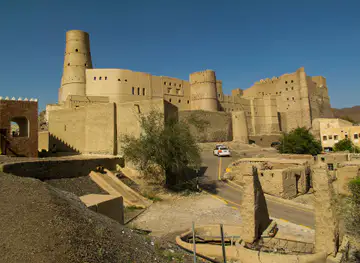
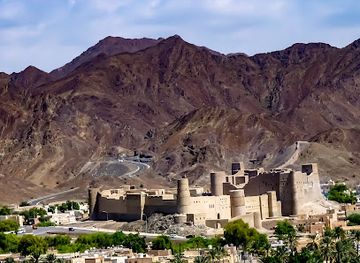
Al Batinah South's attractions are distributed between the coastal plain, oasis towns and mountain foothills. Rustaq is the principal heritage centre, with Rustaq Fort, traditional neighbourhoods, palm plantations and nearby hot springs giving the town a strong sense of historical continuity. Al Hazm Castle, outside Rustaq town, offers a more monumental experience, with thick walls, towers and carefully planned interior spaces. Nakhal provides another major heritage stop: its fort overlooks a palm-filled settlement, while Ain Al Thawarah brings visitors to a natural spring at the foot of the mountains. The water and shaded vegetation make the site especially different from the surrounding dry terrain, although conditions and facilities should be checked locally. The governorate also suits scenic drives through Al Awabi and Wadi Al Ma'awil, where mountain villages, rocky valleys and cultivated pockets appear between open gravel slopes. Barka and Al Musannah offer beaches, fishing landscapes and coastal recreation, with the latter also associated with modern sailing and sporting facilities. Outdoor visits are best planned around cooler months and with care after rainfall. The attraction landscape is less about a single resort or museum district than about combining forts, living oases, springs, coast and changing mountain scenery.
-
Tourist attraction
Misfat Al Abriyeen
Explore the scenic beauty and rich culture of Misfat Al Abriyeen, a hidden gem in the Al Hajar Mountains of Oman.
-
Tourist attraction
Al-Hazm Fort | حصن الحزم
Experience the grandeur of Al-Hazm Fort, an iconic symbol of Oman's heritage, showcasing stunning architecture and rich history.
-
Mountain range
Jebel Akhdar
Explore Jebel Akhdar, a breathtaking mountain range in Oman, known for its lush landscapes, rich biodiversity, and vibrant culture.
-
Museum
Bait Al Safah
Discover the rich cultural tapestry of Oman at Bait Al Safah, a captivating museum showcasing traditional Omani life and heritage.


Best landmarks in Al Batinah South Governorate
Rustaq Fort is the governorate's defining historic landmark, a substantial complex of towers, walls and internal spaces that reflects the town's former role as an Omani political centre. Its position beside the oasis makes the contrast between fortified architecture and cultivated greenery especially clear. Al Hazm Castle, near Rustaq, is another major landmark: its imposing eighteenth-century form combines defensive strength with ceremonial and residential features and illustrates the ambitions of Omani rulers during a period of political consolidation. Nakhal Fort occupies a prominent rocky setting above the town and its palms, linking the defensive history of the mountains with the agricultural life below. Ain Al Thawarah is a natural rather than architectural landmark, where spring water emerges beside the Hajar foothills and supports a green pocket in an otherwise arid landscape. Across the governorate, falaj channels, watchtowers, old mosques and palm oases are less monumental but equally important to the regional image. They show how settlements were organised around water, cultivation and routes between the coast and the interior. The coastal plain adds a different visual identity through fishing villages, beaches and open horizons around Barka and Al Musannah.
-
Fortress
Nizwa Fort
Explore the historical wonder of Nizwa Fort, a prominent symbol of Oman’s heritage and architectural brilliance, surrounded by stunning landscapes.
-
Park
Al Sahwa Garden
Discover the beauty of Al Sahwa Garden, a serene park in Seeb offering lush landscapes, family-friendly amenities, and a peaceful retreat from everyday life.
-
Historical landmark
Bahla Fort
Discover the historical essence of Oman at Bahla Fort, a UNESCO World Heritage site steeped in culture and architectural grandeur.
-
Tourist attraction
Al Hoota Cave
Explore the enchanting Al Hoota Cave, a natural wonder in Oman's Western Hajar mountains, featuring stunning formations and rich biodiversity.



Explore Al Batinah South Governorate on the map
Plan your trip on one map. See where the top cities, national parks and sights are, and book hotels and experiences in a few clicks.
Best hotels in Al Batinah South Governorate
Best restaurants in Al Batinah South Governorate
Dining in Al Batinah South is rooted in Omani home cooking, coastal produce and the foodways of oasis agriculture. In Barka and Al Musannah, fish and seafood are natural parts of the local culinary setting, while inland towns and villages offer rice dishes with meat or chicken, grilled foods, flatbreads, lentil and vegetable preparations, dates and sweet Omani halwa. Kahwa, lightly spiced Omani coffee often served with dates, is a familiar gesture of hospitality, although local customs vary between households and occasions. Rustaq and the larger settlements have a mixture of traditional restaurants, cafés and modern casual dining, while roadside establishments serve practical meals to residents and travellers. Fresh produce from the Batinah plain, including dates and other cultivated crops, appears in markets and household cooking rather than in a single signature dish. Visitors should expect straightforward, generously spiced food and should not assume that every rural restaurant follows the same menu or opening pattern. Hotel and contemporary restaurants provide broader international choices, but a local café or market-side meal offers a better sense of the region's everyday flavours.
-
Restaurant
Italian Barrista Cafe ايطاليا باريستا كافيه
Experience authentic Italian flavors at Italian Barrista Cafe in Al Suwayq – where every meal feels like a trip to Italy.
-
Country food restaurant
Moosa Al Balushi Restaurant
Experience the heart of Omani cuisine at Moosa Al Balushi Restaurant in Muscat's vibrant Barka Souq.
-
Restaurant
مطعم ومقهى الفعوان AL FAWAN RESTAURANT COFFEE SHOP&KITCHEN FOR WEDDING PARTIES
Experience authentic Omani flavors at Al Fawan Restaurant & Coffee Shop in Barka, perfect for casual dining or special occasions.
-
Restaurant
Starline restaurant
Discover authentic Omani flavors at Starline Restaurant in Muladdah - where tradition meets taste in every dish.


Best bars in Al Batinah South Governorate
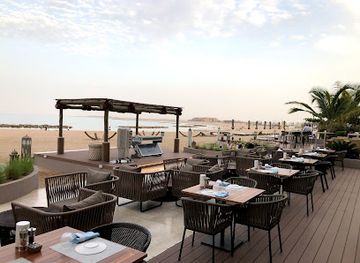
Al Batinah South does not have a major nightclub scene, and evening life is centred on family gatherings, cafés, restaurants, tea shops and traditional social spaces rather than late-night entertainment districts. In Rustaq, Barka, Al Musannah and the larger settlements, visitors can find casual places for coffee, juices, grilled food and conversation, with activity often increasing after the heat of the day has eased. Some hotels may provide licensed dining or beverage facilities, subject to Oman's national regulations, but alcohol is not central to the region's social life and should not be consumed in public. Coastal areas can feel busier in the evenings, particularly during cooler weather and holidays, while inland villages are quieter and better suited to an early dinner or an evening walk. Occasional cultural programmes, sporting events and seasonal gatherings may add activity, but their timing changes. Dress respectfully and remember that local cafés are often places for families and community interaction rather than venues designed for international nightlife.
-
Grill
Rock Bottom Cafe Muscat
Experience the lively atmosphere and delicious American cuisine at Rock Bottom Cafe Muscat, your go-to spot for dining and nightlife.
-
 Bar
Al Nahda Resort & Spa
Discover the perfect blend of luxury and tranquility at Al Nahda Resort & Spa, a premier destination in Barka, Oman for relaxation and indulgence.
-
Gastropub
Duke's
Experience the vibrant flavors of Oman at Duke's, a premier gastropub in Muscat offering delectable dishes and a lively atmosphere.
-
Lounge
Zale Beach Club & Lounge
Discover the elegant Zale Beach Club & Lounge in Muscat, where innovative drinks meet stunning ocean views for a perfect evening out.
Best nightclubs in Al Batinah South Governorate
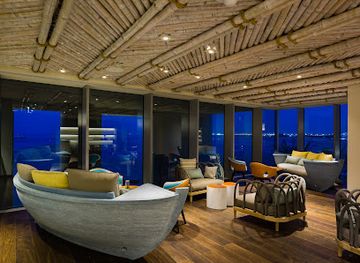
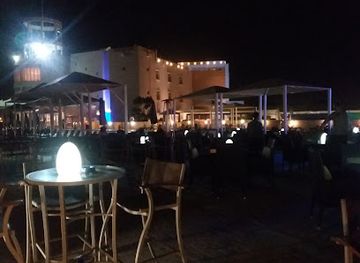
Al Batinah South does not have a major nightclub scene, and evening life is centred on family gatherings, cafés, restaurants, tea shops and traditional social spaces rather than late-night entertainment districts. In Rustaq, Barka, Al Musannah and the larger settlements, visitors can find casual places for coffee, juices, grilled food and conversation, with activity often increasing after the heat of the day has eased. Some hotels may provide licensed dining or beverage facilities, subject to Oman's national regulations, but alcohol is not central to the region's social life and should not be consumed in public. Coastal areas can feel busier in the evenings, particularly during cooler weather and holidays, while inland villages are quieter and better suited to an early dinner or an evening walk. Occasional cultural programmes, sporting events and seasonal gatherings may add activity, but their timing changes. Dress respectfully and remember that local cafés are often places for families and community interaction rather than venues designed for international nightlife.
-
Bar
Al Nahda Resort & Spa
Experience luxury and tranquility at Al Nahda Resort & Spa in Barka, Oman, where rejuvenation and relaxation await amidst stunning natural beauty.
-
Lounge
Zale Beach Club & Lounge
Experience the luxury and vibrant nightlife at Zale Beach Club & Lounge in Muscat, where exquisite dining meets breathtaking ocean views.
-
Bar
THE VAULT
Discover Muscat's vibrant nightlife at The Vault, a stylish bar in the heart of Oman, featuring an extensive drink menu and a lively atmosphere.
-
Bar
Beach Pool Club Bar نادي بركة الشاطيء
Discover the Beach Pool Club Bar in Al Mudayq, where relaxation meets vibrant social life in a stunning coastal setting.

Best shops in Al Batinah South Governorate
Shopping in Al Batinah South is primarily local and practical, with souqs, neighbourhood shops, produce sellers and market areas providing a more authentic picture of everyday commerce than large-scale retail. Rustaq and the other inland towns are useful places to look for dates, Omani halwa, spices, coffee, household goods and modest handicrafts, while coastal settlements such as Barka and Al Musannah reflect the trading and fishing economy of the plain. Dates and other agricultural products are especially appropriate regional purchases, though quality and availability vary by season and seller. Small shops may stock pottery, woven items, frankincense and locally made souvenirs, but visitors should distinguish genuinely local products from goods sourced elsewhere in Oman or imported. Larger commercial centres and supermarkets serve residents' daily needs rather than functioning as dedicated tourist districts. Cash is useful in smaller markets, and polite bargaining may be possible in informal stalls but is not appropriate everywhere. For a more atmospheric visit, explore town markets during cooler hours and buy food products in sealed, transportable quantities when continuing into rural or mountain areas.
-
Shopping mall
Barka Grand Center
Discover shopping, dining, and entertainment at Barka Grand Center, a must-visit destination for tourists in Oman.
-
Outlet mall
Chinese Landmarks Mall
Discover the best shopping experience in Oman at Chinese Landmarks Mall, where local culture meets international brands in a vibrant atmosphere.
-
Warehouse store
Al noman china wholesale mart
Explore the vibrant Al Noman China Wholesale Mart in Barka, where unique finds and unbeatable deals await every savvy shopper.
-
Hypermarket
Souq Adham
Explore the vibrant Souq Adham in Barka, Oman, where local culture, fresh produce, and unique souvenirs await your discovery.


Get your free copy of our complete guide to Al Batinah South Governorate, delivered straight to you.
Everything on this page, from attractions and restaurants to essentials and local phrases, in one PDF you can read offline, print or share.
Already have an account? Sign in
Your Al Batinah South Governorate guide is ready.
We'll send it to · Not you? Sign out

Getting your guide ready…
We are putting together a fresh copy of the Al Batinah South Governorate guide. This can take up to a minute.
This can take a few moments. If your browser asks, choose Allow so the download can start. You'll find the guide in your Downloads folder.
Nothing happened? Download it again
Sorry, the guide is taking longer than usual. Please try again in a minute, or get it by email instead.
Al Batinah South Governorate essentials
Currency and Payment
Safety
Emergency Situations
Do's and Don'ts
Local Tips
From Eve
Local phrases worth knowing
You don't need to get them perfect. A few words go a long way, and locals appreciate the effort.
Basics
| English | Local | Say it |
|---|---|---|
| Hello | مرحبا | [Marhaba] |
| Goodbye | مع السلامة | [Ma'a as-salama] |
| Yes | نعم | [Na'am] |
| No | لا | [La] |
| Please/You're welcome | رجاءً/عفواً | [Raja'an/Afwan] |
| Thank you | شكراً | [Shukran] |
| Excuse me/Sorry | عذراً | [Uthran] |
| How are you? | كيف حالك؟ | [Kayfa halak?] |
| Fine. And you? | بخير. وأنت؟ | [Bikhayr. Wa anta?] |
| Do you speak English? | هل تتحدث الإنجليزية؟ | [Hal tatahaddath al-ingliziyya?] |
| I don't understand | لا أفهم | [La afham] |
Eating & Drinking
| English | Local | Say it |
|---|---|---|
| I'd like to see the menu, please | أريد رؤية القائمة، من فضلك | [Urid ru'yat al-qa'ima, min fadlik] |
| I don't eat meat | لا آكل اللحم | [La akul al-lahm] |
| Cheers! | في صحتك! | [Fi sihtak!] |
| I would like to pay, please | أود أن أدفع، من فضلك | [Awad an adfa', min fadlik] |
Emergencies
| English | Local | Say it |
|---|---|---|
| Help! | نجدة! | [Najda!] |
| Go away! | اذهب بعيداً! | [Izhab ba'idan!] |
| Call the Police! | اتصل بالشرطة! | [Ittasil bil-shurta!] |
| Call a doctor! | اتصل بالطبيب! | [Ittasil bil-tabeeb!] |
| I'm lost | أنا ضائع | [Ana da'i'] |
| I'm ill | أنا مريض | [Ana marid] |
Shopping
| English | Local | Say it |
|---|---|---|
| I'd like to buy... | أود شراء... | [Awad shira'a...] |
| I'm just looking | أنا فقط أنظر | [Ana faqat anzur] |
| How much is it? | كم ثمنه؟ | [Kam thamanuh?] |
| That's too expensive | هذا باهظ الثمن | [Hatha bahidh al-thaman] |
| Can you lower the price? | هل يمكنك تخفيض السعر؟ | [Hal yumkinuka takhfid al-si'r?] |
Time & Numbers
| English | Local | Say it |
|---|---|---|
| What time is it? | ما الوقت؟ | [Ma al-waqt?] |
| It's one o'clock | الساعة الواحدة | [Al-sa'ah al-wahidah] |
| Half past (10) | نصف (10) | [Nisf (10)] |
| Morning | صباحاً | [Sabaahan] |
| Afternoon | بعد الظهر | [Ba'd al-zuhur] |
| Evening | مساءً | [Masa'an] |
| Yesterday | أمس | [Ams] |
| Today | اليوم | [Al-yawm] |
| Tomorrow | غداً | [Ghadan] |
| 1 | واحد | [Wahid] |
| 2 | اثنان | [Ithnan] |
| 3 | ثلاثة | [Thalatha] |
| 4 | أربعة | [Arba'a] |
| 5 | خمسة | [Khamsa] |
| 6 | ستة | [Sitta] |
| 7 | سبعة | [Sab'a] |
| 8 | ثمانية | [Thamaniya] |
| 9 | تسعة | [Tis'a] |
| 10 | عشرة | [Ashara] |
Transport & Directions
| English | Local | Say it |
|---|---|---|
| Where's a/the...? | أين...؟ | [Ayna...?] |
| What's the address? | ما هو العنوان؟ | [Ma huwa al-'unwan?] |
| Can you show me (on the map)? | هل يمكنك إظهار لي (على الخريطة)؟ | [Hal yumkinuka izhar li (ala al-kharita)?] |
| When's the next (bus)? | متى يأتي (الحافلة) القادمة؟ | [Mata ya'ti (al-hafila) al-qadima?] |
| A ticket (to ....) | تذكرة (إلى ....) | [Tadhkirah (ila ....)] |
History of Al Batinah South Governorate
Early settlement, copper and oasis agriculture
The northern Omani landscape has been inhabited since prehistoric times, with communities benefiting from mountain resources, seasonal watercourses and the fertile coastal plain. Oman's wider archaeological record is associated with Magan, a Bronze Age trading society linked to copper production and maritime exchange with Mesopotamia and the Indus Valley. In Al Batinah South, later settlement developed around wells, springs and falaj irrigation, allowing date palms and other crops to flourish despite the arid climate. The surviving relationship between villages, water channels and plantations is a long-term historical legacy rather than a recent landscaping tradition.
Islamic Oman and the rise of inland settlements
After the arrival of Islam in the seventh century, Oman developed distinctive Ibadi religious and political institutions, with local imams and elected leaders exercising authority through networks of towns and tribal communities. Settlements such as Rustaq and Nakhal gained importance because they controlled routes between the coast and the Hajar Mountains and commanded access to water and cultivated oases. Fortifications were repeatedly enlarged or rebuilt as political authority shifted. The resulting architecture reflects both the need for defence and the practical organisation of oasis life.
Rustaq and the Ya'aruba imamate
Rustaq became the principal seat of the Ya'aruba imamate during the seventeenth century and was one of the most important political centres in Oman. The Ya'aruba rulers reunified much of the country and expelled the Portuguese from their remaining strongholds on the Omani coast, helping Oman develop a stronger maritime presence in the Indian Ocean. Rustaq's fort, towers and surrounding oasis preserve the physical setting of that inland power. The town's historical importance explains why the governorate's heritage is centred on more than isolated monuments: it is tied to a former capital and its agricultural hinterland.
Al Hazm Castle and eighteenth-century statecraft
Al Hazm Castle was built in the early eighteenth century during the rule of Imam Sultan bin Saif II, a period of political competition and renewed efforts to consolidate authority in Oman. Its massive walls, corner towers, ceremonial spaces and defensive planning show how Omani rulers combined residence, administration and military protection within a single complex. The castle stands in an agricultural landscape near Rustaq, where palm groves and irrigation systems provide an important contrast to its fortified form. Its architecture illustrates the continuing significance of inland strongholds after the Ya'aruba period.
Coastal trade, fishing and market towns
The coastal settlements of Barka and Al Musannah formed part of the wider maritime economy of the Gulf of Oman. Fishing, date cultivation, livestock, small-scale trade and movement between ports and inland markets shaped local life. Coastal forts and watchtowers, where preserved, belong to a broader Omani defensive tradition in which settlements monitored approaches from the sea and protected commercial routes. The Batinah plain also became one of Oman's important agricultural areas, supported by groundwater, wells and irrigation. Modern roads and urban expansion have changed the landscape, but agriculture and coastal commerce remain visible.
Falaj systems and the enduring oasis economy
Falaj irrigation channels are among Oman's most important cultural landscapes. They carry groundwater or spring water through carefully managed channels to fields, homes and mosques, distributing a scarce resource according to established rights and schedules. In Al Batinah South, the systems around Rustaq, Nakhal and other settlements helped sustain date palms, citrus and household gardens. Some channels are partly underground or accompanied by traditional access points and water structures. Their importance is practical as well as historical: they explain the location of villages and the survival of green oases beside dry mountain terrain.
Modern roads, urban growth and regional change
During the twentieth and twenty-first centuries, improved roads, schools, electricity, healthcare and modern irrigation transformed life in Al Batinah South. Coastal settlements became increasingly connected to the Muscat metropolitan area and to other towns along the Batinah plain, while inland villages gained easier access to markets and services. New development has brought housing, industry and tourism infrastructure, but older forts, mosques, falaj channels and palm plantations remain important markers of regional identity. The governorate today reflects both Oman's modernisation and the persistence of historic town-and-oasis patterns.
Al Batinah South Governorate in Photos
Browse through our photo collection highlighting the charm and character of the destination.
Neighbouring regions of Al Batinah South Governorate
The closest regions to Al Batinah South Governorate, if you have time for more than one.
-

-

-

-

-


Swipe for more regions
Explore more
Explore more of Oman
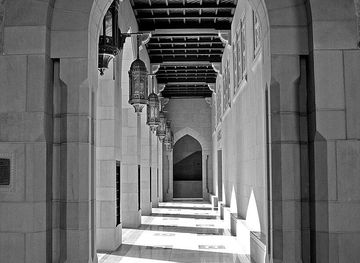
Discover Oman: A land of ancient forts, golden deserts, and warm hospitality, offering a perfect blend of adventure and tranquility.
Explore Oman