Free Rub' al Khali Desert Travel Guide & Mobile App
Explore Rub' al Khali Desert with free travel guides. Discover regional history, expert tips, proposed trips, and audio guides on web or mobile app.


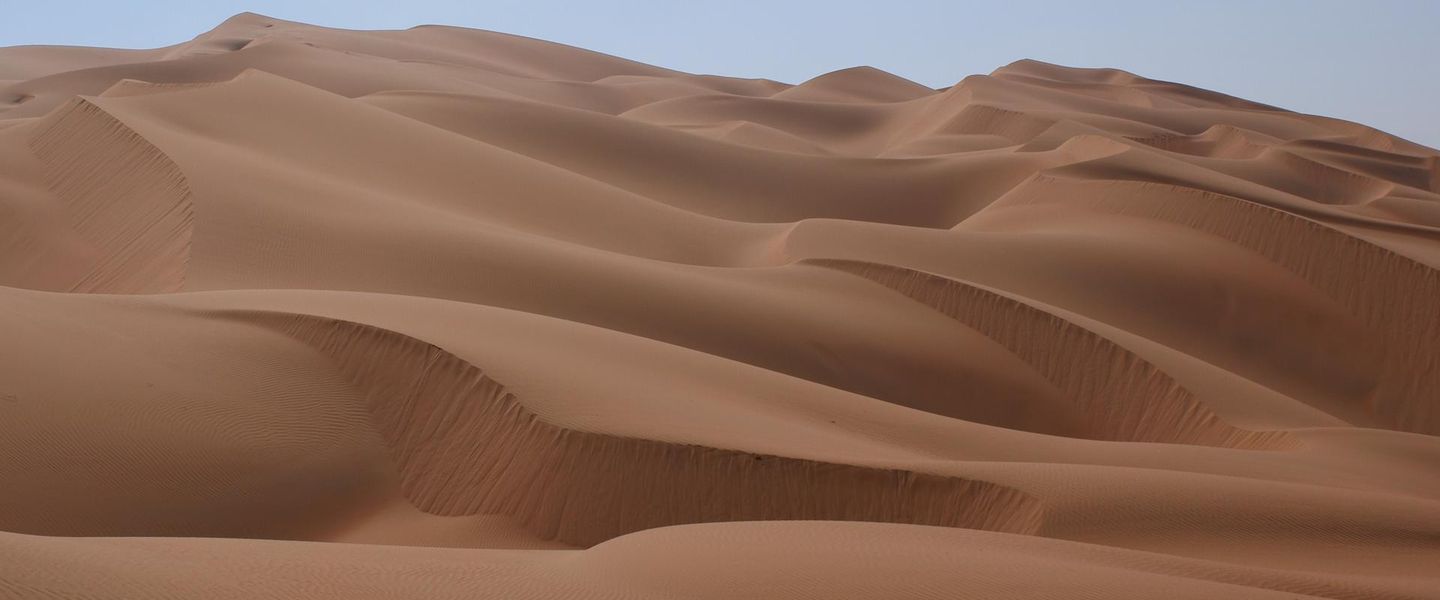


Explore the vast and mesmerizing Rub' al Khali Desert in Oman, a paradise for adventure seekers, nature lovers, and stargazers alike.
Read more about Rub' al Khali Desert
When is the best time to visit Rub' al Khali Desert?
Best: December–February · 24–26°C| Month | High (°C) | Rainfall (mm) |
|---|---|---|
| January (best) | 24 | 10 |
| February (best) | 26 | 10 |
| March | 30 | 10 |
| April | 34 | 5 |
| May | 38 | 2 |
| June | 41 | 2 |
| July | 43 | 2 |
| August | 41 | 2 |
| September | 38 | 2 |
| October | 34 | 5 |
| November | 30 | 5 |
| December (best) | 26 | 10 |
Getting to and around Rub' al Khali Desert
How to get there
Transportation
Destinations in Rub' al Khali Desert
Resorts, valleys and scenic spots worth a trip of their own.
Swipe for more destinations
Best attractions in Rub' al Khali Desert
The Rub' al Khali Desert, often referred to as the 'Empty Quarter,' offers an unparalleled adventure into one of the world's largest sand deserts, stretching across Oman and neighboring countries. Visitors can marvel at the breathtaking golden dunes that rise up to 250 meters high, creating an ever-changing landscape sculpted by the winds. The desert is also home to the legendary Lost City of Ubar, an ancient city that has been the subject of myths and exploration. Apart from the mesmerizing sandscapes, travelers can experience the unique flora and fauna that have adapted to this harsh environment, including the elusive Arabian oryx and desert foxes. For those seeking a blend of thrill and tranquility, activities such as dune bashing, camel trekking, and stargazing under the pristine night sky are a must. Additionally, the Bedouin camps offer a glimpse into the traditional lifestyle of the desert dwellers, complete with warm hospitality, traditional music, and cuisine that tantalizes the senses. The Rub' al Khali Desert promises an unforgettable journey into a world of natural beauty and ancient mystery.
-
Tourist attraction
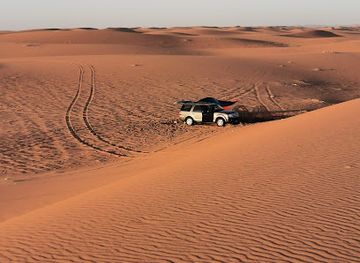
Rub Al Khali Desert Safari by Beautiful Salalah Tours
Discover the enchanting Rub Al Khali Desert with Beautiful Salalah Tours – a breathtaking journey through Oman’s majestic sand dunes and starlit skies.
-
Tourist attraction
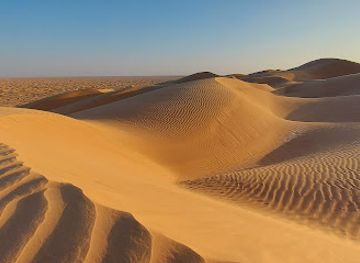
Rub Al Khali Sand Dunes
Discover the breathtaking beauty of Rub Al Khali Sand Dunes, a vast desert offering stunning landscapes, unique wildlife, and rich cultural experiences in Oman.
Best landmarks in Rub' al Khali Desert
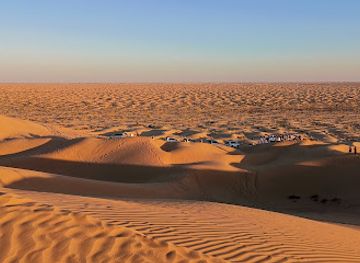
The Rub' al Khali Desert, also known as the Empty Quarter, offers a mesmerizing tapestry of natural wonders and historical treasures that captivate the imagination. Visitors can expect to be awed by the vast, undulating dunes that reach heights up to 250 meters, creating a stunning, ever-changing landscape of golden sands. The desert is home to the enigmatic Lost City of Ubar, a legendary ancient trading hub often referred to as the Atlantis of the Sands, which invites exploration and sparks the curiosity of history enthusiasts. Additionally, the breathtakingly stark beauty of the salt flats, known as Sabkhas, reveals a surreal, crystalline terrain that contrasts sharply with the surrounding sands. For those seeking a glimpse into the traditional Bedouin way of life, the desert offers opportunities to experience authentic cultural encounters, including camel treks and nights under the stars in a traditional Bedouin camp. The Rub' al Khali Desert is not just a destination; it is an immersive adventure into one of the most remote and enchanting landscapes on Earth.
-
Tourist attraction
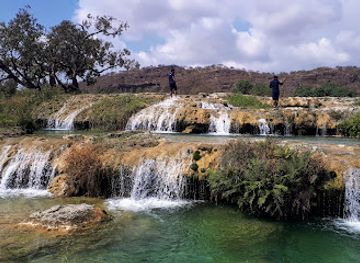
Darbat Waterfall
Discover the breathtaking beauty of Darbat Waterfall, a serene oasis in Oman, perfect for nature lovers and adventure seekers alike.
-
Desert
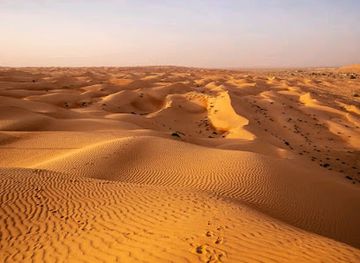
Empty Quarter
Discover the breathtaking beauty of the Empty Quarter, the world's largest sand desert, where adventure and tranquility meet amidst stunning landscapes.
-
Sand
Wahiba Sands
Experience the stunning beauty and adventure of Wahiba Sands, a captivating desert in Oman known for its soaring dunes and rich Bedouin culture.
-
Hiking area
W6 - Balcony Walk Hike
Explore the breathtaking W6 - Balcony Walk Hike in Al Khitaym, Oman, and immerse yourself in stunning landscapes and exhilarating outdoor adventures.
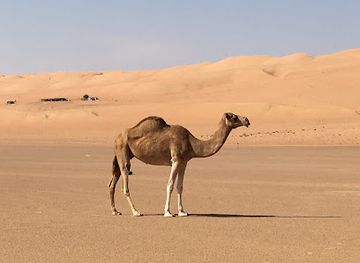
Explore Rub' al Khali Desert on the map
Plan your trip on one map. See where the top cities, national parks and sights are, and book hotels and experiences in a few clicks.
Best hotels in Rub' al Khali Desert
Best restaurants in Rub' al Khali Desert
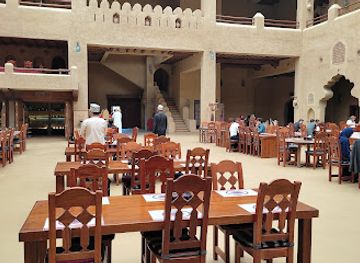
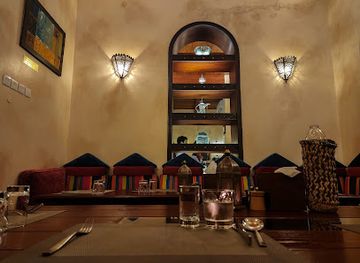
In the heart of the enigmatic Rub' al Khali Desert, visitors are treated to a unique dining scene that marries the rustic charm of Bedouin traditions with the opulence of contemporary culinary artistry. Amidst the sweeping dunes and star-studded skies, you can savor traditional Omani dishes such as succulent shuwa, tender lamb marinated in spices and slow-cooked in an underground sand oven, or feast on freshly caught seafood grilled to perfection. Dining often takes place in luxurious desert camps or intimate, lantern-lit settings, where travelers can enjoy a blend of local flavors and international gourmet cuisine, creating an unforgettable gastronomic experience under the vast desert sky.
-
Restaurant
Rozna Restaurant
Experience the rich flavors of Oman at Rozna Restaurant—where every meal is a celebration of culinary excellence.
-
Indian
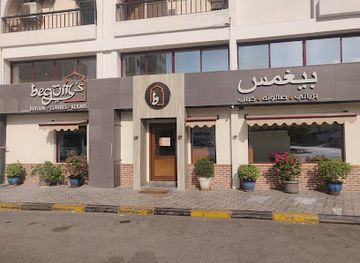
Begum's Restaurant Al Khuwair
Experience authentic Indian cuisine at Begum's Restaurant Al Khuwair – where every bite tells a story of rich flavors.
-
Middle Eastern
Bait Al Luban Omani Restaurant - Mutrah
Experience authentic Omani flavors at Bait Al Luban in Mutrah - a culinary journey through the heart of Middle Eastern cuisine.
-
Restaurant
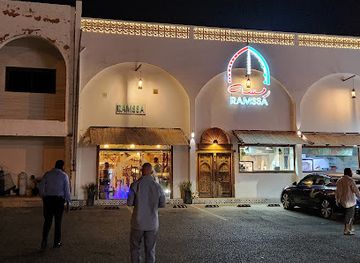
Ramssa Omani Restaurant
Experience authentic Omani cuisine at Ramssa Omani Restaurant in Muscat—where tradition meets flavor in every dish.
Best bars in Rub' al Khali Desert
The Rub' al Khali Desert, often referred to as the 'Empty Quarter,' offers an unparalleled and enchanting nightlife experience that is far removed from the bustling city scenes. As the sun dips below the horizon, the desert transforms into a celestial theater with a sky adorned by countless stars. Visitors can indulge in traditional Bedouin-style camps where they can enjoy authentic Omani music played on the oud and drums, or savor delicious local cuisine around a crackling campfire. For the adventurous, night-time camel treks provide a surreal experience under the moonlit sky, while those looking for relaxation can unwind in luxurious desert resorts that offer star-gazing lounges equipped with telescopes for a closer look at the Milky Way. The silence and vastness of the desert at night create a magical atmosphere, making it a perfect destination for those seeking a unique and tranquil escape.
-
 Hotel
HotelInterContinental Muscat, an IHG Hotel
Experience luxury and elegance at InterContinental Muscat, Oman’s premier hotel with stunning views and exceptional hospitality.
-
Hotel
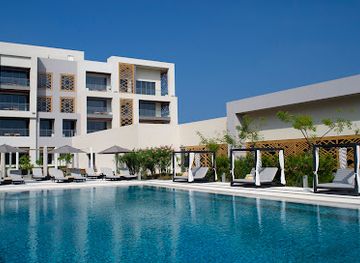
Kempinski Hotel Muscat
Experience unparalleled luxury and tranquility at Kempinski Hotel Muscat, a stunning resort nestled along Oman's beautiful coastline, perfect for relaxation and adventure.
-
Shopping mall
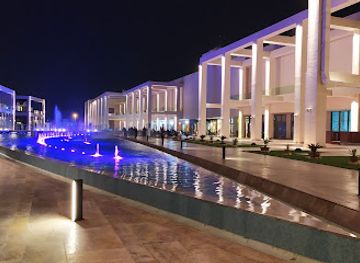
Al Araimi Boulevard
Explore Al Araimi Boulevard in Muscat for a unique shopping and dining experience, capturing the essence of modern Omani culture.
-
Hotel
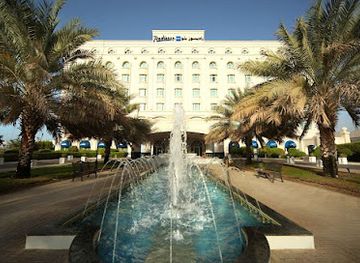
Radisson Blu Hotel Muscat
Discover the perfect blend of luxury and Omani hospitality at Radisson Blu Hotel Muscat, a premier destination for discerning travelers.
Best nightclubs in Rub' al Khali Desert
The Rub' al Khali Desert, often referred to as the 'Empty Quarter,' offers an unparalleled and enchanting nightlife experience that is far removed from the bustling city scenes. As the sun dips below the horizon, the desert transforms into a celestial theater with a sky adorned by countless stars. Visitors can indulge in traditional Bedouin-style camps where they can enjoy authentic Omani music played on the oud and drums, or savor delicious local cuisine around a crackling campfire. For the adventurous, night-time camel treks provide a surreal experience under the moonlit sky, while those looking for relaxation can unwind in luxurious desert resorts that offer star-gazing lounges equipped with telescopes for a closer look at the Milky Way. The silence and vastness of the desert at night create a magical atmosphere, making it a perfect destination for those seeking a unique and tranquil escape.
-
Lounge
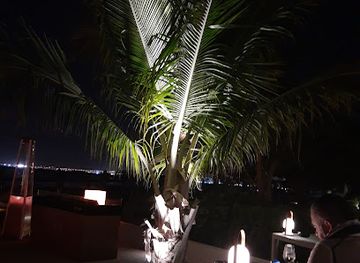
Zale Beach Club & Lounge
Discover the luxurious Zale Beach Club & Lounge in Muscat, a perfect blend of exquisite dining, vibrant atmosphere, and stunning coastal views.
-
Irish pub
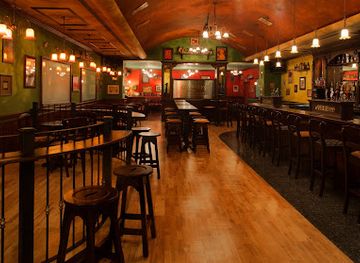
O'Malley's Irish Pub
Discover the charm of an Irish pub in Muscat, featuring live music, hearty meals, and a lively atmosphere at O'Malley's Irish Pub.
-
Sports bar
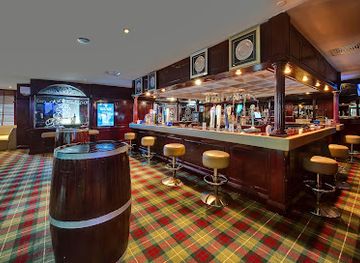
Al Ghazal Pub at InterContinental Muscat
Discover the lively ambiance of Al Ghazal Pub at InterContinental Muscat, where sports, delicious food, and great company come together.
-
Bar
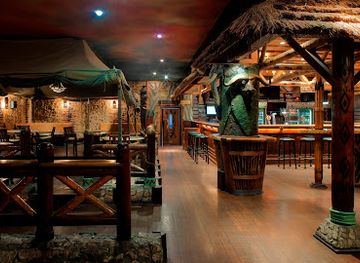
Club Safari
Discover the lively nightlife at Club Safari in Muscat's Grand Hyatt, a premier bar offering exquisite drinks and an unforgettable atmosphere.
Best shops in Rub' al Khali Desert
In the vast expanse of the Rub' al Khali Desert, the shopping scene is a mesmerizing blend of tradition and mystique, where visitors can discover hidden gems amidst the sands. From vibrant Bedouin markets offering handcrafted rugs, intricate silver jewelry, and aromatic spices to exclusive boutique shops showcasing high-quality frankincense and myrrh, the desert's commerce is as rich as its history. Travelers can also find unique artifacts and souvenirs that tell the tales of the ancient trade routes that once crisscrossed this formidable landscape. Every purchase is an immersion into the soul of the desert, providing a tangible connection to its timeless allure and the enduring spirit of its people.
-
Market
Mutrah Souq
Discover the vibrant Mutrah Souq, a treasure trove of Omani culture, vibrant textiles, and authentic local flavors in the heart of Muscat.
-
Shopping mall
Oman Avenues Mall
Discover a shopping paradise at Oman Avenues Mall, where luxury brands meet local culture in the heart of Muscat.
-
Shopping mall
Mall of Muscat
Experience shopping, dining, and entertainment at Mall of Muscat, Oman’s premier destination for tourists and locals alike.
-
Shopping mall
City Centre Qurum
Explore City Centre Qurum, Muscat's ultimate shopping mall for fashion, dining, and family-friendly fun.


Get your free copy of our complete guide to Rub' al Khali Desert, delivered straight to you.
Everything on this page, from attractions and restaurants to essentials and local phrases, in one PDF you can read offline, print or share.
Already have an account? Sign in
Your Rub' al Khali Desert guide is ready.
We'll send it to · Not you? Sign out

Getting your guide ready…
We are putting together a fresh copy of the Rub' al Khali Desert guide. This can take up to a minute.
This can take a few moments. If your browser asks, choose Allow so the download can start. You'll find the guide in your Downloads folder.
Nothing happened? Download it again
Sorry, the guide is taking longer than usual. Please try again in a minute, or get it by email instead.
Rub' al Khali Desert essentials
Currency and Payment
Safety
Emergency Situations
Do's and Don'ts
Local Tips
From Eve
Local phrases worth knowing
You don't need to get them perfect. A few words go a long way, and locals appreciate the effort.
Basics
| English | Local | Say it |
|---|---|---|
| Hello | مرحبا | [Marhaba] |
| Goodbye | وداعا | [Wad'a] |
| Yes | نعم | [Na'am] |
| No | لا | [La] |
| Please/You're welcome | من فضلك | [Min fadlak] |
| Thank you | شكرا | [Shukran] |
| Excuse me/Sorry | عفوا | [Afwan] |
| How are you? | كيف حالك؟ | [Kayfa halak?] |
| Fine. And you? | بخير. وأنت؟ | [Bikhayr. Wa anta?] |
| Do you speak English? | هل تتحدث الإنجليزية؟ | [Hal tatahadath al-ingliziya?] |
| I don't understand | لا أفهم | [La afham] |
Eating & Drinking
| English | Local | Say it |
|---|---|---|
| I'd like to see the menu, please | أود أن أرى القائمة، من فضلك | [Awad an ara al-qa'ima, min fadlak] |
| I don't eat meat | لا آكل اللحوم | [La akul al-luhum] |
| Cheers! | في صحتك! | [Fi sihtak!] |
| I would like to pay, please | أود أن أدفع، من فضلك | [Awad an adfa', min fadlak] |
Emergencies
| English | Local | Say it |
|---|---|---|
| Help! | نجدة! | [Najda!] |
| Go away! | ابتعد! | [Ibt'id!] |
| Call the Police! | اتصل بالشرطة! | [Ittasil bil-shurta!] |
| Call a doctor! | اتصل بالطبيب! | [Ittasil bil-tabeeb!] |
| I'm lost | أنا ضائع | [Ana da'i'] |
| I'm ill | أنا مريض | [Ana marid] |
Shopping
| English | Local | Say it |
|---|---|---|
| I'd like to buy... | أود أن أشتري... | [Awad an ashtari...] |
| I'm just looking | أنا فقط أنظر | [Ana faqat anzur] |
| How much is it? | كم ثمنه؟ | [Kam thamanuh?] |
| That's too expensive | هذا باهظ الثمن | [Hatha bahidh al-thaman] |
| Can you lower the price? | هل يمكنك تخفيض السعر؟ | [Hal yumkinuka takhfid al-si'r?] |
Time & Numbers
| English | Local | Say it |
|---|---|---|
| What time is it? | كم الساعة؟ | [Kam al-sa'a?] |
| It's one o'clock | الساعة الواحدة | [Al-sa'a al-wahidah] |
| Half past (10) | نصف الساعة (10) | [Nisf al-sa'a (10)] |
| Morning | صباحا | [Sabahan] |
| Afternoon | بعد الظهر | [Ba'd al-dhuhr] |
| Evening | مساء | [Masa'a] |
| Yesterday | أمس | [Ams] |
| Today | اليوم | [Al-yawm] |
| Tomorrow | غدا | [Ghadan] |
| 1 | ١ | [Wahed] |
| 2 | ٢ | [Ithnain] |
| 3 | ٣ | [Thalatha] |
| 4 | ٤ | [Arba'a] |
| 5 | ٥ | [Khamsa] |
| 6 | ٦ | [Sitta] |
| 7 | ٧ | [Sab'a] |
| 8 | ٨ | [Thamaniya] |
| 9 | ٩ | [Tis'a] |
| 10 | ١٠ | [Ashra] |
Transport & Directions
| English | Local | Say it |
|---|---|---|
| Where's a/the...? | أين ...؟ | [Ayna ...?] |
| What's the address? | ما هو العنوان؟ | [Ma huwa al-'unwan?] |
| Can you show me (on the map)? | هل يمكنك أن تريني (على الخريطة)؟ | [Hal yumkinuka an turini (ala al-kharita)?] |
| When's the next (bus)? | متى يأتي (الباص) التالي؟ | [Mata ya'ti (al-bas) al-tali?] |
| A ticket (to ....) | تذكرة (إلى ...) | [Tadhkira (ila ...)] |
History of Rub' al Khali Desert
The Ancient Trade Routes
The Rub' al Khali Desert, also known as the Empty Quarter, has been a critical part of ancient trade routes for centuries. Caravans would traverse this vast desert carrying precious goods such as frankincense, myrrh, and spices. These trade routes connected the Arabian Peninsula with civilizations in Mesopotamia, the Levant, and North Africa, making the desert a bustling corridor of commerce and cultural exchange.
Lost City of Ubar
One of the most intriguing tales associated with the Rub' al Khali Desert is the legend of the lost city of Ubar, often referred to as 'Atlantis of the Sands.' According to local legend and historical texts, Ubar was a prosperous trading city that eventually fell into ruin and was buried by the shifting sands of the desert. In recent decades, archaeological expeditions have uncovered remnants that some believe could be linked to this ancient city, offering a tantalizing glimpse into the region's rich past.
Bedouin Culture and Nomadic Lifestyle
The Rub' al Khali Desert has long been home to the Bedouin people, who have adapted to the harsh conditions of the desert with remarkable ingenuity. Their culture, traditions, and way of life are deeply intertwined with the desert environment. The Bedouins are known for their hospitality, traditional music, poetry, and camel herding practices, all of which have been passed down through generations. Understanding the Bedouin culture offers a unique perspective on how humans can thrive in one of the most challenging environments on earth.
Geological Significance
The Rub' al Khali Desert is not only historically significant but also geologically fascinating. It covers an area of about 650,000 square kilometers and is one of the largest continuous sand deserts in the world. The desert features an array of geological formations, including vast sand dunes that can reach heights of up to 250 meters. These dunes have been shaped over millions of years by wind and climatic changes, offering scientists valuable insights into the Earth's climatic history.
Modern Exploration and Scientific Expeditions
In the 20th and 21st centuries, the Rub' al Khali Desert has attracted numerous scientific expeditions and modern explorers. Researchers have studied the desert's unique ecosystem, its flora and fauna, and its potential for natural resources. These expeditions have not only expanded our understanding of this remote region but have also highlighted the importance of preserving its delicate environment amidst growing concerns about climate change and human impact.
Rub' al Khali Desert in Photos
Browse through our photo collection highlighting the charm and character of the destination.
Neighbouring regions of Rub' al Khali Desert
The closest regions to Rub' al Khali Desert, if you have time for more than one.
-
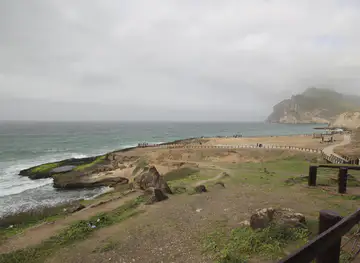 Dhofar Governorate
Discover Dhofar Governorate: From lush green mountains and pristine beaches to ancient ruins and vibrant markets, experience the unique charm of southern Oman.
Dhofar Governorate
Discover Dhofar Governorate: From lush green mountains and pristine beaches to ancient ruins and vibrant markets, experience the unique charm of southern Oman.
-
 Salalah Coastal Plain
Explore Salalah Coastal Plain in Oman, where desert meets sea, lush greenery abounds during Khareef, and ancient history blends with natural beauty.
Salalah Coastal Plain
Explore Salalah Coastal Plain in Oman, where desert meets sea, lush greenery abounds during Khareef, and ancient history blends with natural beauty.
-
 Al Wusta Governorate
Discover Al Wusta Governorate in Oman: A blend of vast deserts, stunning beaches, rich wildlife, and traditional Omani culture. An off-the-beaten-path adventure awaits.
Al Wusta Governorate
Discover Al Wusta Governorate in Oman: A blend of vast deserts, stunning beaches, rich wildlife, and traditional Omani culture. An off-the-beaten-path adventure awaits.
-
 Ad Dakhiliyah Governorate
Explore Ad Dakhiliyah Governorate in Oman: A blend of historical forts, vibrant souks, and breathtaking natural landscapes in the heart of the Sultanate.
Ad Dakhiliyah Governorate
Explore Ad Dakhiliyah Governorate in Oman: A blend of historical forts, vibrant souks, and breathtaking natural landscapes in the heart of the Sultanate.
-
 Ad Dhahirah Governorate
Discover Ad Dhahirah Governorate in Oman: A land of ancient forts, archaeological wonders, and breathtaking natural landscapes, perfect for history buffs and nature lovers.
Ad Dhahirah Governorate
Discover Ad Dhahirah Governorate in Oman: A land of ancient forts, archaeological wonders, and breathtaking natural landscapes, perfect for history buffs and nature lovers.
Swipe for more regions