

Al Wusta Governorate, Oman Travel Guide
Discover Al Wusta Governorate in Oman: A blend of vast deserts, stunning beaches, rich wildlife, and traditional Omani culture. An off-the-beaten-path adventure awaits.
Al Wusta Governorate in Oman is a land of unspoiled beauty and rich history. Nestled between the Eastern and Dhofar regions, this area offers a unique blend of desert landscapes, coastal beauty, and cultural heritage. It's a perfect escape for those looking to experience the raw charm of Oman. The Rub' al Khali, or the Empty Quarter, is one of the highlights of Al Wusta. This vast desert is one of the largest sand deserts in the world. Visitors can explore its endless dunes, enjoy camel rides, and experience the tranquility that only a desert can offer. The sunsets here are unforgettable, painting the sky with shades of orange and pink. Al Wusta is also home to the stunning beaches of Duqm. The turquoise waters and golden sands provide a perfect setting for relaxation. The coastal town of Duqm is rapidly developing, but it still retains its natural charm. Don't miss the chance to visit the Rock Garden in Duqm, a natural wonder with unique rock formations that are millions of years old. The governorate is rich in wildlife, too. The Arabian Oryx Sanctuary is a must-visit for nature lovers. It's a UNESCO World Heritage site and home to the rare Arabian Oryx. The sanctuary also shelters other desert wildlife such as gazelles and foxes. Birdwatchers will enjoy spotting various species in this protected area. Cultural enthusiasts will appreciate the traditional Omani lifestyle in the small villages scattered across Al Wusta. These villages offer a glimpse into the local customs and hospitality. Visiting the local souks is a great way to experience the vibrant culture and pick up some unique souvenirs. Al Wusta Governorate is an off-the-beaten-path destination that promises adventure, relaxation, and a deep connection with nature. Its diverse landscapes and rich heritage make it a unique spot in Oman.

Know before you go
Hi, I'm Eve. Here are a few practical things to know before exploring Al Wusta Governorate.
- Best time to visit is between November and March to avoid the extreme heat of summer.
- Carry plenty of water and sun protection when exploring the desert areas.
- Respect local customs by dressing modestly, especially in rural villages.
- A 4x4 vehicle is recommended for desert and off-road driving.
- Don't miss the local souks for unique handicrafts and traditional Omani items.
Destinations in Al Wusta Governorate
Resorts, valleys and scenic spots worth a trip of their own.


Explore Al Wusta Governorate: Things to Do, Places to Eat, Hotels & More
Handpicked recommendations for top attractions, local dining, accommodations, and more

Top Attractions & Sightseeing in Al Wusta Governorate
Top-rated picks
Best Attractions

Arabian Oryx Sanctuary
Explore the Arabian Oryx Sanctuary, a vital nature preserve and home to the endangered Arabian oryx, and experience the beauty of Oman's desert ecosystem.

Al Wusta Wildlife Reserve
Explore the stunning biodiversity and serene landscapes of Al Wusta Wildlife Reserve, a hidden gem for nature lovers in Oman.

Sugar Dunes Al Khaluf
Uncover the serene beauty of Sugar Dunes Al Khaluf, where pristine white sands meet the gentle waves of Oman’s coastline.

-VE SACHU SEE PLACE
Discover the rich history and unique architecture of VE Sachu See Place, a must-visit historical landmark in Duqm, Oman.

Best landmarks in Al Wusta Governorate
Top-rated picks
Best Landmarks

Port of Duqm
Explore Port of Duqm: A stunning marina and gateway to Oman’s rich culture and breathtaking landscapes.

Rocks Garden
Explore the stunning geological formations and breathtaking landscapes of Rocks Garden in Duqm, Oman - a must-visit natural attraction for all travelers.

Arabian Oryx Sanctuary
Explore the Arabian Oryx Sanctuary, a stunning nature preserve in Oman dedicated to the conservation of the endangered Arabian Oryx and diverse wildlife.

Al Wusta Wildlife Reserve
Explore the breathtaking Al Wusta Wildlife Reserve, a haven for wildlife enthusiasts and nature lovers in the heart of Oman.

Best restaurants in Al Wusta Governorate
Top-rated picks
Best Restaurants

Duqm Fried Chicken
Experience mouthwatering fried chicken and local flavors at Duqm Fried Chicken - where every bite is a taste of comfort.
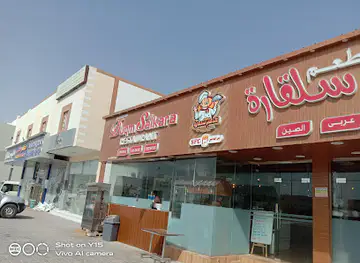
Duqm Salkara
Discover authentic Omani flavors at Duqm Salkara - where traditional cuisine meets warm hospitality.
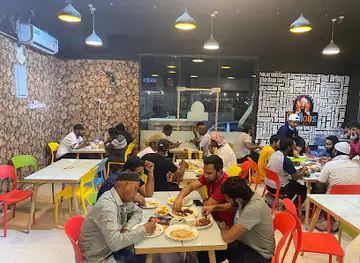
MALLOOS TATTUKADA ( RESTAURANT )
Experience authentic Kerala cuisine at Malloo's Tattukada in Duqm – a must-visit destination for food enthusiasts.

RYUB Restaurant
Discover the unique blend of Omani and international cuisine at RYUB Restaurant in Duqm—an unforgettable dining experience awaits.

Best bars in Al Wusta Governorate
Top-rated picks
Best Bars
Crowne Plaza Duqm
Experience luxury and comfort at Crowne Plaza Duqm, a stunning hotel on the Omani coastline, perfect for relaxation and exploration.

City Hotel Duqm
Experience the charm of Oman with modern comforts at City Hotel Duqm, your ideal base for exploring stunning coastal landscapes.

Rock Bottom Cafe Muscat
Discover the lively dining experience at Rock Bottom Cafe Muscat – a perfect blend of American cuisine and vibrant nightlife.

Park Inn by Radisson Hotel & Residence Duqm
Discover unmatched comfort and modern amenities at Park Inn by Radisson Hotel & Residence Duqm, your gateway to the beauty of Oman.

Best nightclubs in Al Wusta Governorate
Top-rated picks
Best Nightclubs

Al Ghazal Pub at InterContinental Muscat
Experience the ultimate sports bar atmosphere at Al Ghazal Pub in Muscat, offering great food, drinks, and live sports events.

Club Safari
Discover the ultimate nightlife experience at Club Safari, Muscat’s premier bar located within the Grand Hyatt, offering vibrant entertainment and exquisite drinks.

Whispers Night Club
Dive into the nightlife at Whispers Night Club in Salalah, where electrifying music and vibrant energy create an unforgettable experience.

Duqm Nights
Discover the lively nightlife at Duqm Nights, where great drinks and a welcoming atmosphere await in the heart of Duqm.

Best shops in Al Wusta Governorate
Top-rated picks
Best Shops

Mutrah Souq
Explore the rich cultural tapestry and vibrant market life of Mutrah Souq in Muscat, where tradition meets modernity in a colorful shopping experience.

Oman Avenues Mall
Discover a shopping haven at Oman Avenues Mall, where luxury meets local charm in the heart of Muscat.

City Centre Muscat
Explore City Centre Muscat: Your ultimate shopping destination in Oman featuring global brands and delightful dining experiences.

Mall of Muscat
Experience luxury shopping, diverse dining, and entertainment at the Mall of Muscat - a premier destination in Oman.

Explore Al Wusta Governorate on the Map
A handpicked selection of must-see spots in Al Wusta Governorate, mapped for you.
Al Wusta Governorate Essentials
-
Al Wusta Governorate is located in the central part of Oman. The nearest major airport is Muscat International Airport, approximately 600 kilometers away. From Muscat, you can rent a car or take a bus operated by Mwasalat, the national bus service, to reach Al Wusta. The journey by road typically takes around 6 to 7 hours. Alternatively, you can take a domestic flight from Muscat to Duqm Airport, which is located within Al Wusta Governorate.
-
Transportation within Al Wusta Governorate is primarily by car. Car rental services are available in major towns like Duqm. Public transportation options are limited, so it is advisable to rent a car for greater flexibility. Taxis are available but can be scarce in remote areas. For exploring off-the-beaten-path locations, a 4x4 vehicle is recommended.
-
The official currency in Oman is the Omani Rial (OMR). Credit cards are accepted in larger hotels, restaurants, and supermarkets, but it is advisable to carry cash, especially in smaller establishments and rural areas. ATMs are available in major towns like Duqm and Haima, but it is wise to withdraw sufficient cash before traveling to more remote areas.
-
Al Wusta Governorate is generally a safe destination for tourists. However, like any travel destination, it is advisable to take standard precautions. Avoid walking alone at night in unfamiliar areas and keep an eye on your belongings in crowded places. While there are no specific high-crime areas targeting tourists, it is always best to stay vigilant and aware of your surroundings.
-
In case of emergency, dial 9999 for police assistance and 9999 for medical emergencies. Major towns like Duqm have hospitals and medical facilities. It is recommended to have travel insurance that covers medical emergencies. For minor health issues, there are pharmacies in the towns where you can purchase over-the-counter medications. Always carry identification and emergency contact information with you.
-
Fashion: Do dress modestly. Men and women should avoid wearing revealing clothing. Lightweight, loose-fitting clothing is recommended due to the hot climate. Religion: Do respect local customs and traditions. When visiting mosques, dress conservatively and remove your shoes before entering. Public Transport: Do be respectful and considerate of other passengers. Greetings: Do greet people with a handshake. A slight bow of the head is also a sign of respect. Eating & Drinking: Do try local delicacies and accept food offerings graciously. Don't eat or drink in public during the holy month of Ramadan from dawn to sunset.
-
To experience Al Wusta Governorate like a local, visit the traditional souks (markets) where you can buy fresh produce, spices, and local handicrafts. Engage with locals, as they are often friendly and willing to share insights about the region's culture and history. Don't miss exploring the natural wonders such as the Arabian Oryx Sanctuary and the coastal town of Duqm. For a unique experience, take a guided desert safari to explore the stunning sand dunes and enjoy a night under the stars.
When is the best time to visit Al Wusta Governorate?
Useful Local Phrases for Al Wusta Governorate
You don't need to speak the language perfectly. Even learning a few simple words can make conversations warmer—and locals usually appreciate the effort.
— Eve

Here are the phrases I use most often in Al Wusta Governorate. Try a few—you'll be surprised how far they go! 😊
❤️
-
- Helloمرحبا
[Marhaban] - Goodbyeمع السلامة
[Ma'a as-salama] - Yesنعم
[Na'am] - Noلا
[La] - Please/You're welcomeمن فضلك
[Min fadlik] - Thank youشكرا
[Shukran] - Excuse me/Sorryعفوا
[Afwan] - How are you?كيف حالك؟
[Kayfa halak?] - Fine. And you?بخير. وأنت؟
[Bikhayr. Wa anta?] - Do you speak English?هل تتحدث الإنجليزية؟
[Hal tatahaddath al-ingliziyya?] - I don't understandلا أفهم
[La afham]
- Helloمرحبا
-
- I'd like to see the menu, pleaseأود رؤية القائمة، من فضلك
[Awad ru'yat al-qa'ima, min fadlik] - I don't eat meatلا أأكل اللحم
[La akul al-lahm] - Cheers!في صحتك!
[Fi sihatak!] - I would like to pay, pleaseأود الدفع، من فضلك
[Awad ad-daf', min fadlik]
- I'd like to see the menu, pleaseأود رؤية القائمة، من فضلك
-
- Help!نجدة!
[Najda!] - Go away!ابتعد!
[Ibt'id!] - Call the Police!اتصل بالشرطة!
[Ittasil bil-shurta!] - Call a doctor!اتصل بالطبيب!
[Ittasil bil-tabeeb!] - I'm lostأنا ضائع
[Ana da'i'] - I'm illأنا مريض
[Ana mariid]
- Help!نجدة!
-
- I'd like to buy...أود شراء...
[Awad shira'a...] - I'm just lookingأنا فقط أنظر
[Ana faqat anzur] - How much is it?كم ثمنه؟
[Kam thamanuh?] - That's too expensiveهذا غالي جدا
[Hatha ghali jidan] - Can you lower the price?هل يمكنك تخفيض السعر؟
[Hal yumkinuka takhfid as-si'r?]
- I'd like to buy...أود شراء...
-
- What time is it?كم الساعة؟
[Kam as-saa'a?] - It's one o'clockالساعة الواحدة
[As-saa'a al-wahidah] - Half past (10)نصف الساعة (10)
[Nisf as-saa'a (10)] - Morningصباح
[Sabah] - Afternoonبعد الظهر
[Ba'd al-dhuhr] - Eveningمساء
[Masa'] - Yesterdayأمس
[Ams] - Todayاليوم
[Al-yawm] - Tomorrowغدا
[Ghadan] - 11
[1] - 22
[2] - 33
[3] - 44
[4] - 55
[5] - 66
[6] - 77
[7] - 88
[8] - 99
[9] - 1010
[10]
- What time is it?كم الساعة؟
-
- Where's a/the...?أين...؟
[Ayn...?] - What's the address?ما هو العنوان؟
[Ma huwa al-'unwan?] - Can you show me (on the map)?هل يمكنك أن تريني (على الخريطة)؟
[Hal yumkinuka an turini (ala al-kharita)?] - When's the next (bus)?متى يأتي (الباص) القادم؟
[Mata ya'ti (al-bus) al-qadim?] - A ticket (to ....)تذكرة (إلى ....)
[Tadhkira (ila ....)]
- Where's a/the...?أين...؟
History of Al Wusta Governorate
-
Al Wusta Governorate is home to ancient human settlements dating back to the prehistoric era. Archaeological findings at sites like Al-Khutm and other locations indicate that early humans inhabited this area, utilizing the region's resources for survival. These settlements provide crucial insights into the Stone Age culture that once thrived here.
-
The Dhofar region, adjacent to Al Wusta, has been historically significant due to the Frankincense trade. Al Wusta played a crucial role as a transit route for the caravans transporting this valuable resin from the Dhofar mountains to the port cities of the Arabian Peninsula. This trade not only boosted the local economy but also facilitated cultural exchanges with ancient civilizations such as Egypt, Rome, and Persia.
-
With the advent of Islam in the 7th century, Al Wusta, like the rest of Oman, embraced the new faith. The region saw the rise of various tribes, each establishing their own territories and contributing to the cultural tapestry of Al Wusta. The Al Mahri and Al Hikmani tribes, among others, played significant roles in shaping the sociopolitical landscape of the governorate.
-
In the early 16th century, the Portuguese arrived on Omani shores, aiming to control the lucrative maritime trade routes. Al Wusta witnessed a series of skirmishes as local tribes resisted Portuguese incursions. The fortifications and watchtowers built during this period stand as a testament to the region's resilience against foreign domination.
-
During the 17th and 18th centuries, Oman established itself as a formidable maritime empire under the rule of the Yaruba and later the Al Said dynasties. Al Wusta, with its strategic location, played a pivotal role in connecting the interior regions with the coastal ports. The governorate benefited from the prosperity brought by maritime trade and the expansion of Omani influence across the Indian Ocean.
-
The latter half of the 20th century saw significant development in Al Wusta Governorate, particularly under the leadership of Sultan Qaboos bin Said. Infrastructure projects, including roads, schools, and healthcare facilities, transformed the region. The discovery of oil and gas reserves further accelerated economic growth, making Al Wusta an important hub for Oman's energy sector.
-
Despite modernization, Al Wusta has preserved its rich cultural heritage. Traditional crafts such as weaving, pottery, and camel herding remain integral to the local way of life. Annual festivals and events, such as camel racing and the celebration of Islamic holidays, showcase the vibrant cultural traditions that continue to thrive in the governorate.
Neighbouring Regions of Al Wusta Governorate
The closest regions to Al Wusta Governorate, if you have time for more than one.


Your all‑in‑one travel companion app
Explore expert travel guides, compare and book tours, experiences, hotels, and more—all from the palm of your hand. Download now for seamless trip planning wherever your wanderlust takes you.


Explore More of Oman
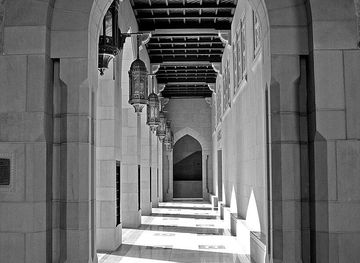
Looking beyond Al Wusta Governorate? Discover Oman for broader travel guides, local hot-spots, and regional highlights.
Explore OmanAl Wusta Governorate in Photos
Browse through our photo collection highlighting the charm and character of the destination.


Al Wusta Governorate: Oman's Hidden Gem
Al Wusta Governorate in Oman is a land of unspoiled beauty and rich history. Nestled between the Eastern and Dhofar regions, this area offers a unique blend of desert landscapes, coastal beauty, and cultural heritage. It's a perfect escape for those looking to experience the raw charm of Oman. The Rub' al Khali, or the Empty Quarter, is one of the highlights of Al Wusta. This vast desert is one of the largest sand deserts in the world. Visitors can explore its endless dunes, enjoy camel rides, and experience the tranquility that only a desert can offer. The sunsets here are unforgettable, painting the sky with shades of orange and pink. Al Wusta is also home to the stunning beaches of Duqm. The turquoise waters and golden sands provide a perfect setting for relaxation. The coastal town of Duqm is rapidly developing, but it still retains its natural charm. Don't miss the chance to visit the Rock Garden in Duqm, a natural wonder with unique rock formations that are millions of years old. The governorate is rich in wildlife, too. The Arabian Oryx Sanctuary is a must-visit for nature lovers. It's a UNESCO World Heritage site and home to the rare Arabian Oryx. The sanctuary also shelters other desert wildlife such as gazelles and foxes. Birdwatchers will enjoy spotting various species in this protected area. Cultural enthusiasts will appreciate the traditional Omani lifestyle in the small villages scattered across Al Wusta. These villages offer a glimpse into the local customs and hospitality. Visiting the local souks is a great way to experience the vibrant culture and pick up some unique souvenirs. Al Wusta Governorate is an off-the-beaten-path destination that promises adventure, relaxation, and a deep connection with nature. Its diverse landscapes and rich heritage make it a unique spot in Oman.