

Free Dhofar Governorate Travel Guide & Mobile App
Explore Dhofar Governorate with free travel guides. Discover regional history, expert tips, proposed trips, and audio guides on web or mobile app.


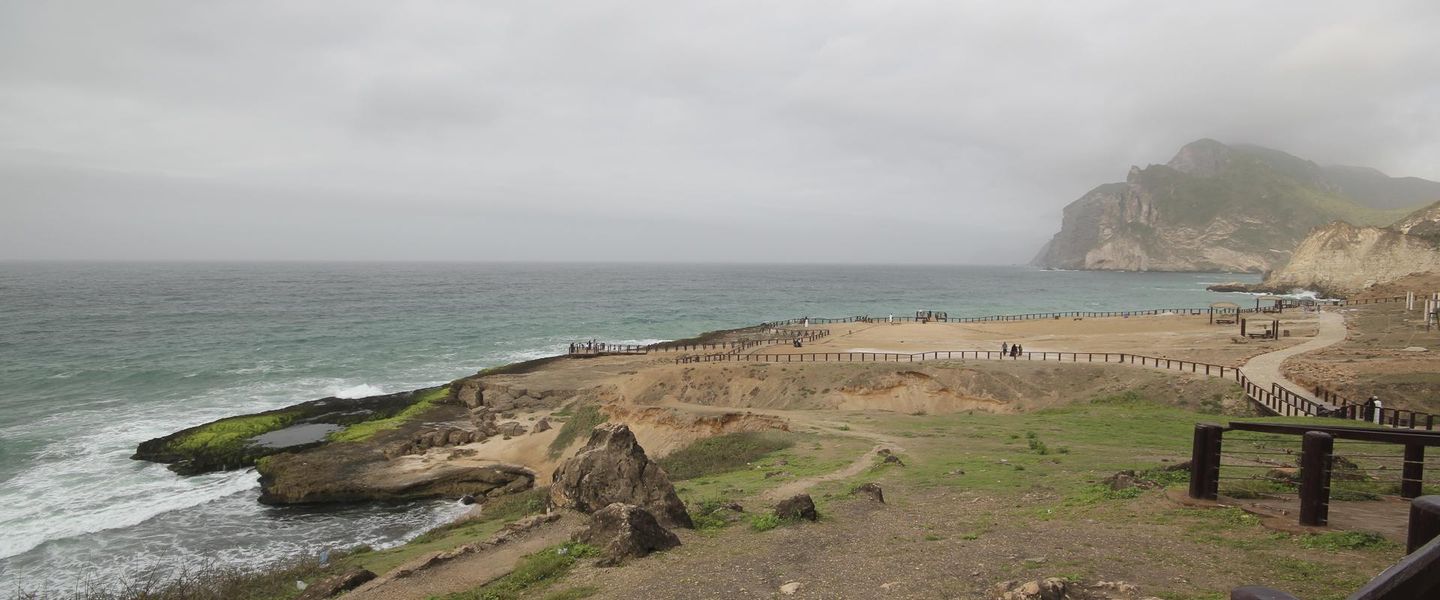


Dhofar blends Salalah's frankincense heritage with monsoon-green mountains, archaeological sites, beaches and rugged Arabian Sea landscapes.
Read more about Dhofar Governorate
When is the best time to visit Dhofar Governorate?
Best: December–February · 28–29°C| Month | High (°C) | Rainfall (mm) |
|---|---|---|
| January (best) | 28 | 1 |
| February (best) | 29 | 1 |
| March | 31 | 2 |
| April | 33 | 4 |
| May | 35 | 5 |
| June | 35 | 7 |
| July | 31 | 30 |
| August | 30 | 35 |
| September | 31 | 15 |
| October | 31 | 3 |
| November | 30 | 2 |
| December (best) | 28 | 1 |
Getting to and around Dhofar Governorate
How to get there
Transportation
Top city travel guides in Dhofar Governorate
The cities of Dhofar Governorate, and the easiest places to base yourself.
-

-


Swipe for more cities
Destinations in Dhofar Governorate
Resorts, valleys and scenic spots worth a trip of their own.

Swipe for more destinations
Best attractions in Dhofar Governorate
Dhofar's attractions range from archaeological landscapes to seasonal mountain scenery. Near Salalah, the ruins of Al Baleed and its museum introduce the history of the medieval frankincense port, while the protected archaeological site of Sumhuram at Khor Rori reveals an older trading settlement beside an estuary. Inland, Wadi Dawkah and Shisr form part of the UNESCO-listed Land of Frankincense, linking ancient commerce with the landscape where Boswellia trees grow. Wadi Darbat is especially popular during khareef, when rain and mist transform the valley, although its appearance changes considerably in the dry season. Along the coast, Mughsail combines a wide beach, limestone cliffs and sea blowholes, while the eastern districts around Taqah, Mirbat and Sadah offer fishing heritage, coves and mountain backdrops. Jebel Samhan provides highland scenery and wildlife habitat, but viewpoints and tracks should be approached with care in poor visibility. The region also supports birdwatching around lagoons and estuaries, coastal drives, photography, heritage visits and quiet stretches of shore rather than a dense concentration of conventional theme attractions.
-
Tourist attraction
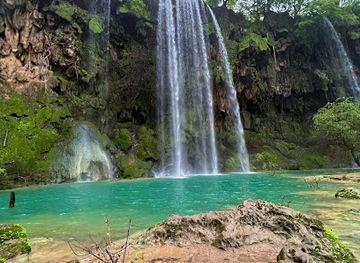
Wadi Darbat
Discover the breathtaking beauty of Wadi Darbat, a serene nature preserve in Oman, offering lush landscapes and outdoor adventures.
-
Tourist attraction
Ain Razat
Discover the natural beauty of Ain Razat in Salalah, a tranquil garden oasis with lush greenery and soothing springs, perfect for relaxation and exploration.
-
Tourist attraction
Darbat Waterfall
Experience the breathtaking beauty of Darbat Waterfall, a serene oasis in Oman perfect for nature lovers and adventure seekers.
-
Tourist attraction
Ayn Athum Waterfalls
Explore the breathtaking Ayn Athum Waterfalls in Salalah, Oman, where nature's beauty meets serene tranquility in a lush landscape.
Best landmarks in Dhofar Governorate
The most important historic landmark in Dhofar is the walled archaeological settlement of Al Baleed, whose mosque, houses and defensive remains mark Salalah's medieval port and its place in Indian Ocean commerce. At Khor Rori, the ruins of Sumhuram occupy a striking position beside an estuary and preserve the fortified character of an ancient frankincense-trading centre. The remains at Shisr, associated with the inland routes of the Land of Frankincense, connect desert wells and caravan movement with the coastal ports. Beyond archaeology, the limestone cliffs and blowholes of Mughsail form one of western Dhofar's most recognisable natural features. Jebel Samhan gives the eastern governorate a different visual identity, rising sharply above the coastal plain and wadis around Mirbat and Taqah. The seasonal greenery and mist of the Dhofar escarpment during khareef are themselves a defining regional landmark, although the exact appearance of valleys and viewpoints depends on rainfall. Historic coastal settlements, old mosques and traditional buildings in the eastern towns add human scale to a landscape often associated with mountains and open shore.
-
Mosque
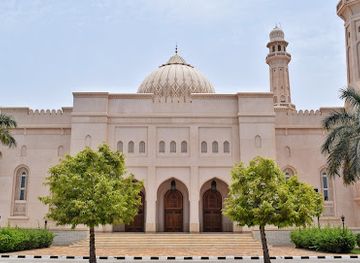
Sultan Qaboos Mosque Salalah
Experience the architectural splendor and spiritual serenity of Sultan Qaboos Mosque in Salalah, an iconic destination for travelers in Oman.
-
Garden
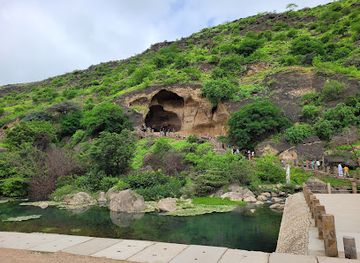
Ain Razat
Discover the serene beauty of Ain Razat in Salalah, Oman, where lush gardens and tranquil landscapes create a perfect escape into nature.
-
Tourist attraction
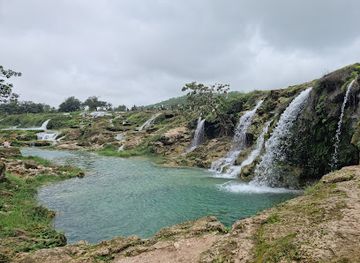
Darbat Waterfall
Explore the serene beauty of Darbat Waterfall in Oman, a breathtaking natural attraction that captivates with its cascading waters and lush surroundings.
-
Heritage preservation
Khareef Heritage Village
Explore Khareef Heritage Village in Salalah for an immersive experience of Omani culture, arts, and traditional craftsmanship in a breathtaking setting.

Explore Dhofar Governorate on the map
Plan your trip on one map. See where the top cities, national parks and sights are, and book hotels and experiences in a few clicks.
Best hotels in Dhofar Governorate
Best restaurants in Dhofar Governorate
Dhofar's food reflects Omani cooking while drawing on southern Arabian, Indian Ocean and coastal influences. Salalah restaurants and cafés serve rice with spiced meat or seafood, grilled fish, soups, flatbreads and dishes suited to the region's warm climate. Fresh fish is especially prominent in coastal communities such as Mirbat, Taqah and Sadah, although availability and preparation vary by season and establishment. Coconut palms, bananas, papayas and other crops around Salalah add a local agricultural dimension, while dates, honey, halwa and frankincense-flavoured or scented products appear in shops and markets. Traditional Omani coffee and dates are common forms of hospitality, and tea is widely enjoyed. Visitors can find casual eateries, family restaurants, hotel dining and cafés in Salalah, with more limited choice outside the main urban centres. Local markets are useful for discovering spices, dried foods and regional produce, while rural journeys require planning because food services become less frequent between settlements.
-
Pakistani
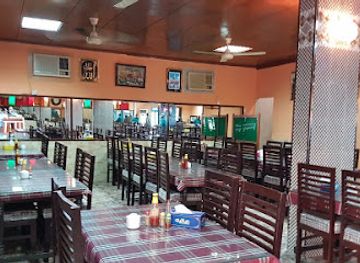
Al Qadri Restaurant
Discover the rich flavors of Pakistan at Al Qadri Restaurant in Salalah—where authenticity meets affordability.
-
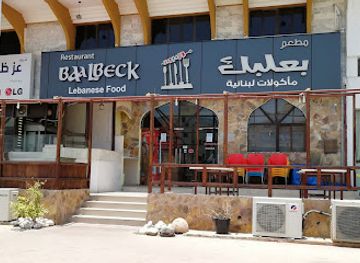
Lebanese
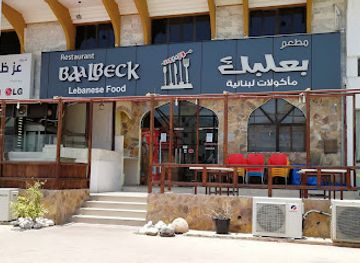
Baalbeck Lebanese Restaurant
Experience authentic Lebanese flavors at Baalbeck Lebanese Restaurant in Salalah - where every meal is a celebration of taste.
-
Vegetarian
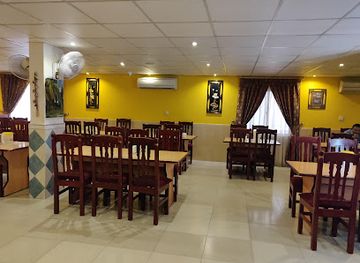
Udupi Vegetarian Restaurant
Experience the rich flavors of authentic South Indian vegetarian cuisine at Udupi Vegetarian Restaurant in Salalah.
-
Restaurant
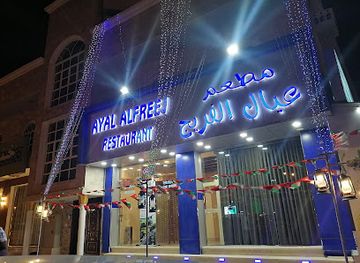
Ayal Alfareej Restaurant
Discover authentic Omani flavors at Ayal Alfareej Restaurant in Salalah – where every dish tells a story.
Best bars in Dhofar Governorate
Dhofar's evening culture is relatively restrained and centres on family restaurants, cafés, hotel dining and traditional social spaces rather than a large nightclub scene. Salalah has the broadest choice, particularly in and around established hotels, where licensed venues may offer meals, drinks and occasional live entertainment subject to Omani regulations and current operating arrangements. Outside the city, evenings in towns such as Mirbat and Taqah are quieter, with cafés, local restaurants and promenades providing the main public options. During khareef, Salalah stays active later because of the cooler weather and influx of visitors, but seasonal crowds do not turn the governorate into a conventional party destination. Alcohol is regulated in Oman and should only be consumed in licensed venues; public drinking and drunken behaviour are inappropriate. A desert or coastal evening is more likely to involve food, conversation and stargazing than clubbing, particularly in rural Dhofar.
-
Lebanese
Baalbeck Lebanese Restaurant
Experience the essence of Lebanese cuisine at Baalbeck Lebanese Restaurant in Salalah, where every dish tells a story of flavor and tradition.
-
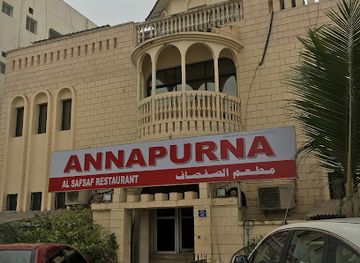
Indian
Annapurna Restaurant
Experience the vibrant flavors of Indian cuisine at Annapurna Restaurant, a must-visit culinary destination in Salalah.
-
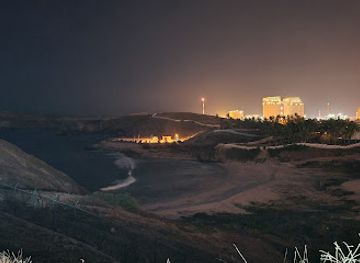
Bar
Oasis Club
Experience the vibrant nightlife and delicious cuisine at Oasis Club in Raysut, where every visit is an unforgettable outing.
-
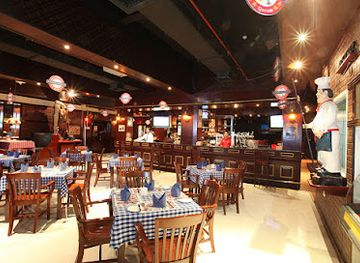
Grill
Rock Bottom Cafe Muscat
Experience the vibrant atmosphere of Rock Bottom Cafe in Muscat, where delicious American cuisine meets lively nightlife in a welcoming setting.
Best nightclubs in Dhofar Governorate
Dhofar's evening culture is relatively restrained and centres on family restaurants, cafés, hotel dining and traditional social spaces rather than a large nightclub scene. Salalah has the broadest choice, particularly in and around established hotels, where licensed venues may offer meals, drinks and occasional live entertainment subject to Omani regulations and current operating arrangements. Outside the city, evenings in towns such as Mirbat and Taqah are quieter, with cafés, local restaurants and promenades providing the main public options. During khareef, Salalah stays active later because of the cooler weather and influx of visitors, but seasonal crowds do not turn the governorate into a conventional party destination. Alcohol is regulated in Oman and should only be consumed in licensed venues; public drinking and drunken behaviour are inappropriate. A desert or coastal evening is more likely to involve food, conversation and stargazing than clubbing, particularly in rural Dhofar.
-
Bar
Oasis Club
Experience the vibrant nightlife and diverse culinary delights at Oasis Club in Raysut, the perfect blend of bar, restaurant, and pub.
-
Social club
Indian Social Club
Discover the Indian Social Club in Salalah, a cultural hub offering authentic cuisine, vibrant events, and a taste of Indian heritage.
-
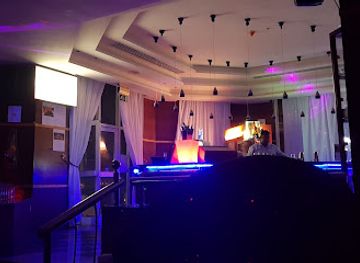
Disco club
Whispers Night Club
Immerse yourself in the vibrant nightlife of Salalah at Whispers Night Club, where music and dance come together for an unforgettable experience.
-
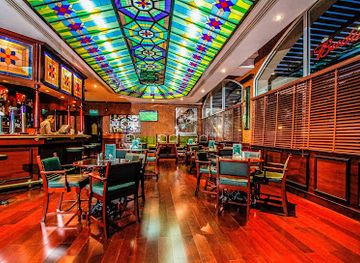
Pub
Al Khareef Pub
Experience the lively atmosphere of Al Khareef Pub in Salalah, where local flavors and friendly vibes create unforgettable memories.

Best shops in Dhofar Governorate
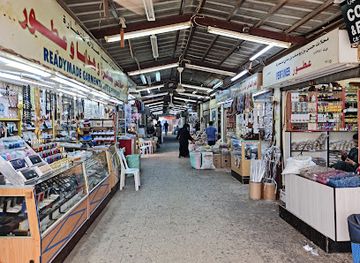
Shopping in Dhofar is strongest in Salalah, where traditional market areas, modern shops and perfume retailers serve both residents and visitors. Frankincense is the signature purchase, sold as raw tears, incense blends, burners, oils and perfumes; buyers should compare quality and ask sellers about the product rather than assuming every item comes directly from local groves. Other regional products include dates, halwa, spices, dried foods, honey, woven goods and small handicrafts. Souqs and market streets offer a more local shopping atmosphere, while larger commercial centres in Salalah provide familiar fashion, electronics and everyday goods. Taqah and Mirbat have a smaller-scale retail character, with local shops and food markets rather than extensive souvenir districts. During khareef, temporary stalls and seasonal sellers may appear around popular visitor areas, but their selection and location can change. Traditional Omani clothing, silver-style accessories, pottery and frankincense burners make more meaningful souvenirs than generic imported merchandise.
-
Market
Alhosn Market
Discover the charm of Alhosn Market in Salalah, where culture, shopping, and authentic Omani cuisine come alive.
-
 Shopping mall
Salalah Gardens Mall
Explore Salalah Gardens Mall: A Shopping and Dining Oasis in the Heart of Salalah, Oman.
-
Market
Salalah Central Market
Experience the rich culture and vibrant colors of Salalah Central Market, a bustling hub for local produce, spices, and traditional handicrafts.
-
Shopping mall
Salalah Grand Mall
Discover the vibrant Salalah Grand Mall, where shopping, dining, and entertainment come together in a delightful experience for every visitor.
Get your free copy of our complete guide to Dhofar Governorate, delivered straight to you.
Everything on this page, from attractions and restaurants to essentials and local phrases, in one PDF you can read offline, print or share.
Already have an account? Sign in
Your Dhofar Governorate guide is ready.
We'll send it to · Not you? Sign out

Getting your guide ready…
We are putting together a fresh copy of the Dhofar Governorate guide. This can take up to a minute.
This can take a few moments. If your browser asks, choose Allow so the download can start. You'll find the guide in your Downloads folder.
Nothing happened? Download it again
Sorry, the guide is taking longer than usual. Please try again in a minute, or get it by email instead.
Dhofar Governorate essentials
Currency and Payment
Safety
Emergency Situations
Do's and Don'ts
Local Tips
From Eve
Local phrases worth knowing
You don't need to get them perfect. A few words go a long way, and locals appreciate the effort.
Basics
| English | Local | Say it |
|---|---|---|
| Hello | أهلاً | [Ahlan] |
| Goodbye | مع السلامة | [Ma'a as-salamah] |
| Yes | نعم | [Na'am] |
| No | لا | [La] |
| Please/You're welcome | تفضل | [Tafaddal] |
| Thank you | شكراً | [Shukran] |
| Excuse me/Sorry | عفواً | [Afwan] |
| How are you? | كيف حالك؟ | [Kayfa halak?] |
| Fine. And you? | بخير. وأنت؟ | [Bikhayr. Wa anta?] |
| Do you speak English? | هل تتحدث الإنجليزية؟ | [Hal tatahaddath al-ingliziyah?] |
| I don't understand | لا أفهم | [La afham] |
Eating & Drinking
| English | Local | Say it |
|---|---|---|
| I'd like to see the menu, please | أريد رؤية القائمة، من فضلك | [Ureed ru'yat al-qa'imah, min fadlik] |
| I don't eat meat | لا أأكل اللحم | [La akul al-lahm] |
| Cheers! | في صحتك! | [Fi sihtak!] |
| I would like to pay, please | أريد الدفع، من فضلك | [Ureed ad-daf', min fadlik] |
Emergencies
| English | Local | Say it |
|---|---|---|
| Help! | نجدة! | [Najdah!] |
| Go away! | ابتعد! | [Ibt'id!] |
| Call the Police! | اتصل بالشرطة! | [Ittasil bil-shurtah!] |
| Call a doctor! | اتصل بالطبيب! | [Ittasil bil-tabeeb!] |
| I'm lost | أنا ضائع | [Ana da'i'] |
| I'm ill | أنا مريض | [Ana marid] |
Shopping
| English | Local | Say it |
|---|---|---|
| I'd like to buy... | أريد شراء... | [Ureed shira'] |
| I'm just looking | أنا فقط أنظر | [Ana faqat anzur] |
| How much is it? | كم ثمنه؟ | [Kam thamanu?] |
| That's too expensive | هذا غالي جداً | [Hatha ghali jiddan] |
| Can you lower the price? | هل يمكنك تخفيض السعر؟ | [Hal yumkinuka takhfid as-si'r?] |
Time & Numbers
| English | Local | Say it |
|---|---|---|
| What time is it? | كم الساعة؟ | [Kam as-saa'ah?] |
| It's one o'clock | الساعة واحدة | [As-saa'ah wahidah] |
| Half past (10) | نصف الساعة (10) | [Nisf as-saa'ah (10)] |
| Morning | صباحاً | [Sabahan] |
| Afternoon | ظهراً | [Zuhran] |
| Evening | مساءً | [Masa'an] |
| Yesterday | أمس | [Ams] |
| Today | اليوم | [Al-yawm] |
| Tomorrow | غداً | [Ghadan] |
| 1 | واحد | [Wahid] |
| 2 | اثنان | [Ithnan] |
| 3 | ثلاثة | [Thalathah] |
| 4 | أربعة | [Arba'ah] |
| 5 | خمسة | [Khamsah] |
| 6 | ستة | [Sittah] |
| 7 | سبعة | [Sab'ah] |
| 8 | ثمانية | [Thamaniyah] |
| 9 | تسعة | [Tis'ah] |
| 10 | عشرة | [Asharah] |
Transport & Directions
| English | Local | Say it |
|---|---|---|
| Where's a/the...? | أين...؟ | [Ayn...?] |
| What's the address? | ما هو العنوان؟ | [Ma huwa al-'unwan?] |
| Can you show me (on the map)? | هل يمكنك إظهار لي (على الخريطة)؟ | [Hal yumkinuka izhar li (ala al-kharitah)?] |
| When's the next (bus)? | متى يأتي (الحافلة) التالية؟ | [Mata ya'ti (al-hafilah) at-taliya?] |
| A ticket (to ....) | تذكرة (إلى....) | [Tadhkirah (ila....)] |
History of Dhofar Governorate
Early Settlement and the Frankincense Trade
Dhofar has long been associated with the Boswellia sacra trees whose resin produces frankincense. Harvested in the mountains and foothills, the resin entered long-distance trade networks linking southern Arabia with the Mediterranean, East Africa and South Asia. Ancient routes connected inland production areas with coastal ports, where cargoes could move by sea. The trade encouraged settlements, storage centres and political control over wells and caravan routes. Although later commerce became more diverse, frankincense remains central to Dhofar's historical identity and continues to shape its museums, archaeological interpretation and local markets.
Sumhuram and the Ancient Port of Khor Rori
The fortified settlement of Sumhuram stood beside Khor Rori, an estuary on Dhofar's eastern coast near present-day Taqah. Occupied from roughly the first millennium BCE into the early centuries CE, it functioned as a port connected with the export of frankincense and with wider South Arabian kingdoms. Its stone walls, gateways and remains of civic and religious buildings show the planned character of an ancient trading settlement. The site is part of the UNESCO-listed Land of Frankincense and provides one of the clearest archaeological links between Dhofar's mountain resources and maritime commerce.
Al Baleed and Medieval Indian Ocean Commerce
Al Baleed, on the coast near modern Salalah, developed as a major medieval port and urban settlement. Its inhabitants participated in Indian Ocean trade, exchanging frankincense and other goods with merchants from Arabia, East Africa, Persia and India. The remains include defensive walls, houses, a mosque and harbour-related structures, while the adjacent museum places the site in the wider history of Oman and maritime trade. Al Baleed's decline reflected changing commercial routes and coastal conditions, but its ruins remain a crucial record of Dhofar's period as an international trading centre.
Tribal, Maritime and Regional Connections
For centuries, Dhofar's communities combined pastoralism, agriculture, frankincense cultivation, fishing and maritime trade. Coastal towns such as Mirbat and Taqah were connected to wider Arabian Sea networks, while mountain and inland communities maintained distinctive relationships with seasonal grazing grounds and water sources. Dhofar's linguistic and cultural landscape also reflects its proximity to southern Arabia and the Indian Ocean world. These connections produced a regional identity that cannot be reduced to a single port or dynasty, and they remain visible in settlement patterns, food traditions, architecture and local social life.
The Sultanate's Modern Consolidation
Dhofar experienced political and social upheaval during the Dhofar conflict of the 1960s and 1970s, an insurgency that challenged the Omani state and was influenced by wider regional politics. The conflict ended in the 1970s after military and political changes, followed by a period of substantial investment in roads, education, healthcare and public infrastructure. Salalah expanded as the governorate's main urban centre, while modern transport links made the coast, mountains and archaeological sites more accessible. The period transformed the region without removing its strong local and historical character.
Contemporary Dhofar and Seasonal Tourism
Modern Dhofar has developed a diversified economy centred on government, commerce, agriculture, fisheries, logistics and tourism. Salalah's airport, roads and expanding urban services support visitors throughout the year, while the khareef season has become a major domestic and international travel period. The monsoon's green landscapes now form part of the region's public image, alongside frankincense heritage and coastal scenery. Managing visitor pressure, waste, traffic and environmental impacts during the short wet season is an important contemporary concern, especially at wadis, beaches and mountain viewpoints.
Dhofar Governorate in Photos
Browse through our photo collection highlighting the charm and character of the destination.
Neighbouring regions of Dhofar Governorate
The closest regions to Dhofar Governorate, if you have time for more than one.
-

-

-

-

-


Swipe for more regions
Explore more
Explore more of Oman
Discover Oman: A land of ancient forts, golden deserts, and warm hospitality, offering a perfect blend of adventure and tranquility.
Explore Oman