

Free Ad Dakhiliyah Governorate Travel Guide & Mobile App
Explore Ad Dakhiliyah Governorate with free travel guides. Discover regional history, expert tips, proposed trips, and audio guides on web or mobile app.


Explore Ad Dakhiliyah’s forts, oasis towns, mountain villages, aflaj and high Hajar landscapes from historic Nizwa in central Oman.
Read more about Ad Dakhiliyah Governorate
When is the best time to visit Ad Dakhiliyah Governorate?
Best: December–February · 25–27°C| Month | High (°C) | Rainfall (mm) |
|---|---|---|
| January (best) | 25 | 15 |
| February (best) | 27 | 10 |
| March | 31 | 20 |
| April | 35 | 10 |
| May | 39 | 5 |
| June | 42 | 2 |
| July | 41 | 10 |
| August | 40 | 10 |
| September | 38 | 5 |
| October | 35 | 5 |
| November | 30 | 10 |
| December (best) | 26 | 15 |
Getting to and around Ad Dakhiliyah Governorate
How to get there
Transportation
Top city travel guides in Ad Dakhiliyah Governorate
The cities of Ad Dakhiliyah Governorate, and the easiest places to base yourself.
-

-

-

-

-


Swipe for more cities
Destinations in Ad Dakhiliyah Governorate
Resorts, valleys and scenic spots worth a trip of their own.
-

-


Swipe for more destinations
Best attractions in Ad Dakhiliyah Governorate
Ad Dakhiliyah’s attractions range from major fortified monuments to living oasis landscapes and high mountain scenery. Nizwa Fort and its adjoining souq provide a strong introduction to the governorate’s political, commercial and religious history, while Bahla Fort presents one of Oman’s most extensive surviving mud-brick defensive complexes. Near Bahla, Jabrin Castle offers a more refined view of courtly architecture, education and administration. Al Hamra’s old houses and the terraced village of Misfat al Abriyeen show how settlement and farming adapted to limited water. Al Hoota Cave, near Al Hamra, adds an underground geological dimension, subject to current access arrangements. In the mountains, Jebel Akhdar is suited to scenic drives, village walks and seasonal agricultural observations, while Jebel Shams offers broad Hajar views and demanding hiking routes. Aflaj channels, date plantations, pottery traditions and historic lanes provide quieter attractions between the headline sites. The region rewards combining structured heritage visits with time outdoors rather than treating its forts and mountains as separate destinations.
-
Tourist attraction
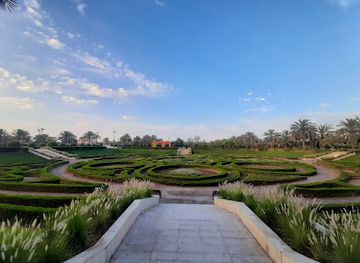
Al Sahwa Garden
Explore Al Sahwa Garden in Seeb, a beautiful park perfect for relaxation, family fun, and cultural events amidst lush greenery and serene landscapes.
-
Market
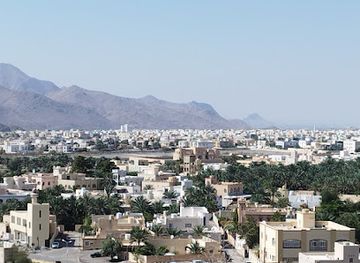
Nizwa Souq
Explore the vibrant Nizwa Souq, a cultural market rich in Omani heritage filled with handicrafts, spices, and local delicacies.
-
Tourist attraction
Al Alam Palace
Discover the grandeur of Al Alam Palace, a symbol of Oman's royal heritage and architectural splendor in the heart of Muscat.
-
Tourist attraction
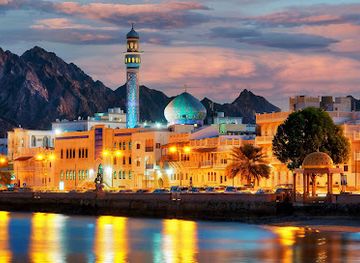
Mutrah Corniche
Discover the scenic beauty and vibrant culture of Mutrah Corniche, a must-visit promenade in Muscat, Oman, perfect for relaxation and exploration.

Best landmarks in Ad Dakhiliyah Governorate
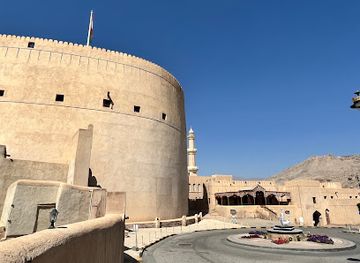
Nizwa Fort is Ad Dakhiliyah’s most recognisable landmark, its massive circular tower and surrounding defensive complex expressing the city’s former political importance. Bahla Fort, set beside the oasis and historic settlement, is notable for its scale, earthen construction and relationship with the town’s defensive walls. Jabrin Castle differs in character: its decorated interiors, learning spaces and residential rooms reveal the intellectual and administrative life of a seventeenth-century Omani court. The old mud-brick houses of Al Hamra form a distinctive architectural landscape at the mountain foot, while Misfat al Abriyeen is recognised for its stone-and-earth houses, narrow lanes, terraces and falaj-fed palms. In the highlands, the escarpments of Jebel Shams provide a natural landmark of national significance, with immense ravines cut into the Hajar range. Jebel Akhdar’s cultivated terraces and cliffside villages are equally important as a cultural landscape, showing how agriculture has been sustained above the arid plains. Together these landmarks represent defence, scholarship, water management, settlement and geology rather than a single style of heritage.
-
Fortress
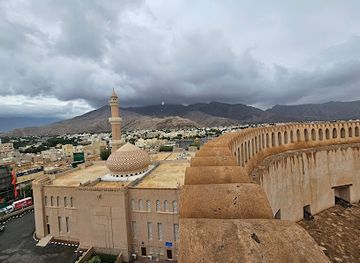
Nizwa Fort
Discover the grandeur of Nizwa Fort, a UNESCO World Heritage site in Oman, where history, culture, and stunning architecture come together.
-
Market
Nizwa Souq
Explore the vibrant Nizwa Souq in Oman, where tradition meets commerce in a captivating marketplace filled with local crafts, spices, and culinary delights.
-
Historical landmark
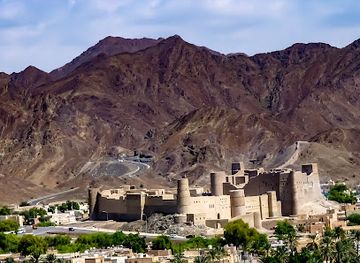
Bahla Fort
Explore Bahla Fort, a UNESCO World Heritage site showcasing Oman’s rich history and stunning architecture, set against a beautiful desert landscape.
-
Tourist attraction
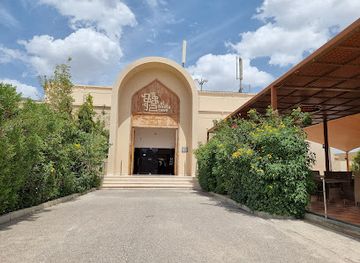
Al Hoota Cave
Explore the stunning Al Hoota Cave, a natural wonder in Oman featuring breathtaking geological formations and rich biodiversity.
Explore Ad Dakhiliyah Governorate on the map
Plan your trip on one map. See where the top cities, national parks and sights are, and book hotels and experiences in a few clicks.
Best hotels in Ad Dakhiliyah Governorate
Best restaurants in Ad Dakhiliyah Governorate
Dining in Ad Dakhiliyah reflects Oman’s interior food culture, with rice, spiced meat, chicken, dates, flatbreads and sweet halwa appearing widely in homes, cafés and restaurants. Nizwa has the broadest choice of casual eateries, hotel restaurants and establishments serving Omani dishes, while smaller towns and villages tend towards straightforward cafés and local restaurants. Dates and kahwa, traditionally flavoured with cardamom and served in small cups, are important elements of hospitality rather than simply refreshments. Souqs and market areas can be useful places to look for dates, halwa, honey and prepared snacks, although selection varies by day and season. Jebel Akhdar contributes mountain produce such as pomegranates, walnuts and rose-related products, with availability dependent on the agricultural calendar. Visitors should not expect a dense fine-dining scene outside the larger hotels, but can find a useful contrast between contemporary accommodation restaurants, family-run cafés and traditional Omani cooking.
-
Turkish
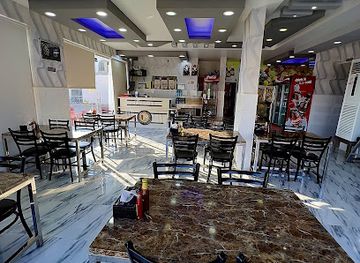
Al Masharef For Turkish Food
Discover authentic Turkish flavors at Al Masharef For Turkish Food in Nizwa – where culinary tradition meets modern hospitality.
-
Restaurant
Layali Al Jabal Restaurant
Experience authentic Middle Eastern cuisine at Layali Al Jabal Restaurant in Labal, Oman - a culinary delight awaits every visitor.
-
Restaurant
Hospitality Inn for Turkish, Indian and Arabic cuisine
Experience the exquisite flavors of Turkish, Indian, and Arabic cuisine at Hospitality Inn in Nizwa - where every meal is a celebration.
-
Restaurant
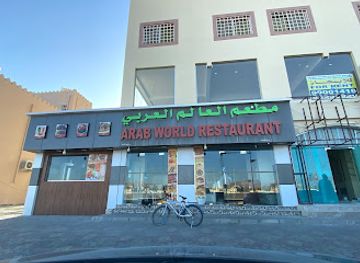
مطعم العالم العربي Arab World Restaurant
Discover authentic Middle Eastern flavors at Arab World Restaurant in Nizwa, where delicious dishes meet warm hospitality.
Best bars in Ad Dakhiliyah Governorate
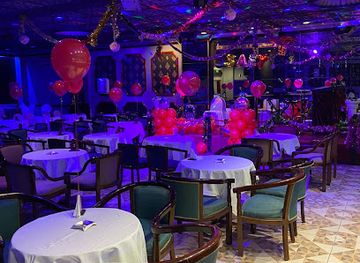
Ad Dakhiliyah has a restrained evening scene shaped by Omani social customs, religious traditions and its largely inland, rural character. In Nizwa and the larger hotels, evenings are usually spent in restaurants, cafés or hotel lounges rather than nightclubs. Traditional coffee, dates and conversation are central to local hospitality, while some accommodation provides a more international dining atmosphere for visitors. In Bahla, Al Hamra and the mountain villages, activity generally quietens after dinner, with the appeal lying in cool-air walks, stargazing and early starts rather than late-night entertainment. Alcohol service, where available, is governed by Omani licensing arrangements and is principally associated with authorised hotels; it should not be assumed in independent cafés or rural guesthouses. Visitors should observe local expectations around public behaviour, dress and Ramadan hours, and check current arrangements directly with accommodation providers.
-
Hookah bar
Huqqa
Discover Huqqa in Muscat: An exquisite hookah bar and restaurant offering delicious meals, a cozy atmosphere, and memorable experiences for tourists.
-
Grill
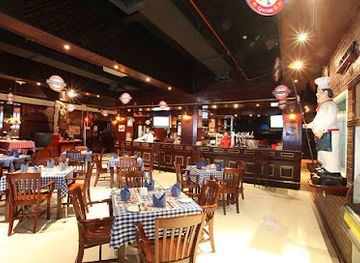
Rock Bottom Cafe Muscat
Discover the vibrant nightlife and delectable American cuisine at Rock Bottom Cafe Muscat, where every visit promises an unforgettable experience.
-
Gastropub
Duke's
Explore Duke's in Muscat for a vibrant gastropub experience featuring exquisite cuisine, stunning views, and exceptional service.
-
Lounge
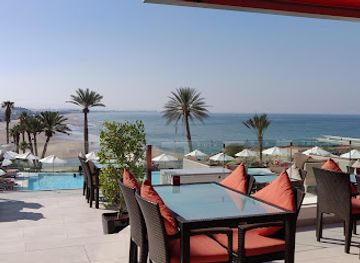
Zale Beach Club & Lounge
Experience the luxury of Zale Beach Club & Lounge, Muscat's premier destination for fine dining and stunning coastal views.
Best nightclubs in Ad Dakhiliyah Governorate
Ad Dakhiliyah has a restrained evening scene shaped by Omani social customs, religious traditions and its largely inland, rural character. In Nizwa and the larger hotels, evenings are usually spent in restaurants, cafés or hotel lounges rather than nightclubs. Traditional coffee, dates and conversation are central to local hospitality, while some accommodation provides a more international dining atmosphere for visitors. In Bahla, Al Hamra and the mountain villages, activity generally quietens after dinner, with the appeal lying in cool-air walks, stargazing and early starts rather than late-night entertainment. Alcohol service, where available, is governed by Omani licensing arrangements and is principally associated with authorised hotels; it should not be assumed in independent cafés or rural guesthouses. Visitors should observe local expectations around public behaviour, dress and Ramadan hours, and check current arrangements directly with accommodation providers.
-
Lounge
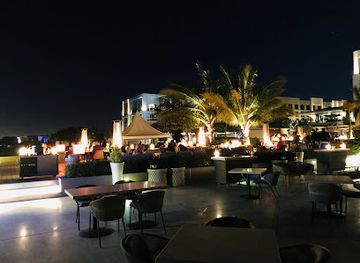
Zale Beach Club & Lounge
Discover the elegance and tranquility of Zale Beach Club & Lounge, where exquisite dining meets stunning beachfront views in Muscat.
-
Bar
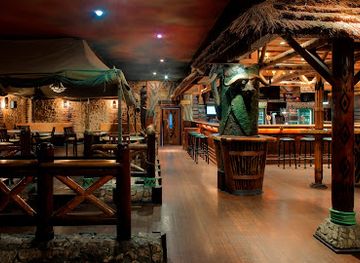
Club Safari
Discover the vibrant nightlife of Muscat at Club Safari, where delicious cocktails and a lively atmosphere await you in the heart of the Grand Hyatt.
-
Dance club
VI Muscat Club
Discover the pulsating nightlife of Muscat at VI Muscat Club, where vibrant music and a lively atmosphere promise unforgettable nights.
-
Live music bar
Layalina Night Club
Discover the lively energy of Layalina Night Club in Muscat, where live music and vibrant nightlife create unforgettable experiences.


Best shops in Ad Dakhiliyah Governorate
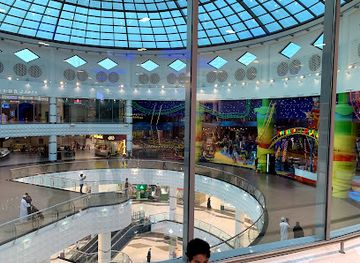
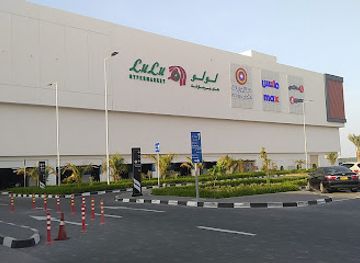
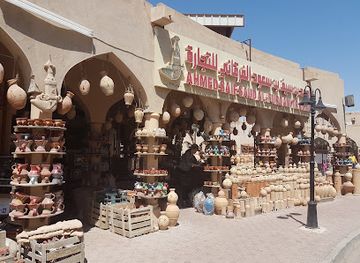
Shopping in Ad Dakhiliyah centres on Nizwa’s souq, traditional market areas and the smaller commercial streets of towns such as Bahla and Al Hamra. Visitors can look for Omani dates, halwa, spices, coffee, honey, frankincense products and woven or metal household goods, with quality and presentation varying between sellers. Nizwa is particularly associated with silver jewellery, khanjars and traditional craftwork, although buyers should compare workmanship, provenance and prices carefully. Bahla has an established pottery tradition, and locally made vessels offer a more meaningful souvenir than generic imported merchandise. Mountain villages may sell seasonal pomegranates, rose-related products, walnuts and other produce depending on the time of year. Small groceries and local shops are more useful for practical supplies than for extensive retail browsing, while larger hotels may carry curated craft items. Bargaining is part of some souq transactions but should be conducted politely and without treating artisans’ work as disposable.
-
Shopping mall
Oman Avenues Mall
Discover a shopping haven at Oman Avenues Mall, Muscat, featuring diverse brands, delicious dining, and exciting entertainment options.
-
Shopping mall
Mall of Muscat
Experience the ultimate shopping and entertainment destination at Mall of Muscat, where Omani culture meets modern retail excellence.
-
Shopping mall
Mall of Oman
Explore the largest shopping destination in Oman with luxury brands, delicious dining, and family-friendly entertainment all under one roof.
-
Market
Nizwa Souq
Experience the vibrant culture of Oman at Nizwa Souq, a bustling market filled with local crafts, delicious food, and rich traditions.

Get your free copy of our complete guide to Ad Dakhiliyah Governorate, delivered straight to you.
Everything on this page, from attractions and restaurants to essentials and local phrases, in one PDF you can read offline, print or share.
Already have an account? Sign in
Your Ad Dakhiliyah Governorate guide is ready.
We'll send it to · Not you? Sign out

Getting your guide ready…
We are putting together a fresh copy of the Ad Dakhiliyah Governorate guide. This can take up to a minute.
This can take a few moments. If your browser asks, choose Allow so the download can start. You'll find the guide in your Downloads folder.
Nothing happened? Download it again
Sorry, the guide is taking longer than usual. Please try again in a minute, or get it by email instead.
Ad Dakhiliyah Governorate essentials
Currency and Payment
Safety
Emergency Situations
Do's and Don'ts
Local Tips
From Eve
Local phrases worth knowing
You don't need to get them perfect. A few words go a long way, and locals appreciate the effort.
Basics
| English | Local | Say it |
|---|---|---|
| Hello | مرحبا | [Marhaban] |
| Goodbye | وداعا | [Wada'an] |
| Yes | نعم | [Na'am] |
| No | لا | [La] |
| Please/You're welcome | من فضلك | [Min fadlik] |
| Thank you | شكرا | [Shukran] |
| Excuse me/Sorry | عفوا | [Afwan] |
| How are you? | كيف حالك؟ | [Kayfa halak?] |
| Fine. And you? | بخير. وأنت؟ | [Bikhayr. Wa anta?] |
| Do you speak English? | هل تتحدث الإنجليزية؟ | [Hal tatahaddath al-ingliziyya?] |
| I don't understand | أنا لا أفهم | [Ana la afham] |
Eating & Drinking
| English | Local | Say it |
|---|---|---|
| I'd like to see the menu, please | أود رؤية القائمة، من فضلك | [Awad ru'yat al-qa'ima, min fadlik] |
| I don't eat meat | أنا لا آكل اللحم | [Ana la akul al-lahm] |
| Cheers! | في صحتك! | [Fi sihhatak!] |
| I would like to pay, please | أود الدفع، من فضلك | [Awad al-daf', min fadlik] |
Emergencies
| English | Local | Say it |
|---|---|---|
| Help! | ساعدني! | [Sa'idni!] |
| Go away! | اذهب بعيدا! | [Idhhab ba'idan!] |
| Call the Police! | اتصل بالشرطة! | [Ittasil bil-shurta!] |
| Call a doctor! | اتصل بطبيب! | [Ittasil bi-tabeeb!] |
| I'm lost | أنا ضائع | [Ana da'i'] |
| I'm ill | أنا مريض | [Ana marid] |
Shopping
| English | Local | Say it |
|---|---|---|
| I'd like to buy... | أود شراء... | [Awad shira'] |
| I'm just looking | أنا فقط أبحث | [Ana faqat abhas] |
| How much is it? | كم ثمنه؟ | [Kam thamanuh?] |
| That's too expensive | هذا مكلف جدا | [Hatha mukallif jidan] |
| Can you lower the price? | هل يمكنك خفض السعر؟ | [Hal yumkinuka khafd al-si'r?] |
Time & Numbers
| English | Local | Say it |
|---|---|---|
| What time is it? | ما هو الوقت؟ | [Ma huwa al-waqt?] |
| It's one o'clock | الساعة الواحدة | [Al-sa'a al-wahidah] |
| Half past (10) | نصف (10) | [Nisf (10)] |
| Morning | صباحا | [Sabaahan] |
| Afternoon | بعد الظهر | [Ba'd al-zuhur] |
| Evening | مساء | [Masa'a] |
| Yesterday | أمس | [Ams] |
| Today | اليوم | [Al-yawm] |
| Tomorrow | غدا | [Ghad] |
| 1 | 1 | [1] |
| 2 | 2 | [2] |
| 3 | 3 | [3] |
| 4 | 4 | [4] |
| 5 | 5 | [5] |
| 6 | 6 | [6] |
| 7 | 7 | [7] |
| 8 | 8 | [8] |
| 9 | 9 | [9] |
| 10 | 10 | [10] |
Transport & Directions
| English | Local | Say it |
|---|---|---|
| Where's a/the...? | أين ال...؟ | [Ayn al...?] |
| What's the address? | ما هو العنوان؟ | [Ma huwa al-'unwan?] |
| Can you show me (on the map)? | هل يمكنك إخباري (على الخريطة)؟ | [Hal yumkinuka ikhbari (ala al-kharita)?] |
| When's the next (bus)? | متى تأتي الحافلة القادمة؟ | [Mata ta'ti al-hafila al-qadima?] |
| A ticket (to ....) | تذكرة (إلى ....) | [Tadhkira (ila ....)] |
History of Ad Dakhiliyah Governorate
Early oasis settlement and aflaj irrigation
Ad Dakhiliyah’s settled life developed around dependable water in an otherwise dry interior. Aflaj systems channel groundwater or spring water through villages and cultivated land, supporting date palms, grain and other crops while regulating communal access. Their exact origins extend deep into Oman’s past, and individual systems have been repaired and adapted over many generations. The surviving channels, distribution points, terraces and palm groves are historical evidence of organised local communities rather than simply agricultural infrastructure. This water culture remains visible around Nizwa, Bahla, Al Hamra and the mountain villages.
Nizwa as a centre of Ibadi learning and rule
Nizwa became one of Oman’s most important inland centres of political authority and Ibadi religious scholarship. Its position among the interior oases made it a meeting point for agricultural communities, traders, jurists and ruling families. The city’s fortifications and mosques reflect its strategic and intellectual importance, while its souq developed around the exchange of livestock, dates, weapons, pottery and other goods. Nizwa’s historical role cannot be separated from Oman’s wider Ibadi tradition, which influenced systems of leadership, education and community organisation across the interior.
Bahla and the medieval interior
Bahla grew as a fortified oasis settlement and became associated with the Banu Nebhan, a powerful dynasty that ruled parts of Oman during the medieval period. Its long defensive walls, towers and mud-brick structures protected cultivated land and a substantial settlement at the foot of the mountains. Bahla Fort is the most visible surviving expression of this history, although the wider oasis, old lanes and traditional pottery-making context are also important. The town demonstrates how defence, agriculture and local authority were integrated within Oman’s interior settlements.
The Ya’aruba revival in the seventeenth century
In the seventeenth century, the Ya’aruba dynasty helped reunify Oman after periods of internal division and Portuguese pressure along the coast. Inland towns such as Nizwa and Bahla gained renewed political significance during this period. Forts were strengthened, trade expanded and Oman’s maritime influence grew beyond the interior. The period is represented particularly clearly by the military architecture of Nizwa and the statecraft associated with Jabrin, where defensive design coexists with rooms intended for education, administration and residence.
Jabrin Castle and scholarly court culture
Jabrin Castle was built in the late seventeenth century under Imam Bil’arab bin Sultan, a Ya’aruba ruler, and served more than a purely military purpose. Its rooms, reception spaces, mosque, storage areas and specialised architectural features reveal the intellectual and domestic life of an Omani court. The castle’s position in the Bahla area reflects the importance of the inland oases to political power. Its surviving structure helps visitors understand how education, religion, administration and defence were combined within Oman’s fortified settlements.
Modernisation and the continuing mountain economy
During the twentieth century, improved roads, public services and national modernisation altered the relationship between Ad Dakhiliyah’s villages and the outside world. Nizwa developed as a regional centre, while improved access made mountain communities more connected to markets and visitors. Traditional agriculture has not disappeared: dates remain important, and Jebel Akhdar is associated with pomegranates, roses and other highland crops. Today, heritage conservation and mountain tourism sit alongside contemporary development, creating both opportunities and pressure for historic settlements and fragile landscapes.
Ad Dakhiliyah Governorate in Photos
Browse through our photo collection highlighting the charm and character of the destination.
Neighbouring regions of Ad Dakhiliyah Governorate
The closest regions to Ad Dakhiliyah Governorate, if you have time for more than one.
-

-

-

-

-


Swipe for more regions
Explore more
Explore more of Oman
Discover Oman: A land of ancient forts, golden deserts, and warm hospitality, offering a perfect blend of adventure and tranquility.
Explore Oman