

Salalah Coastal Plain, Oman Travel Guide
Explore Salalah Coastal Plain in Oman, where desert meets sea, lush greenery abounds during Khareef, and ancient history blends with natural beauty.
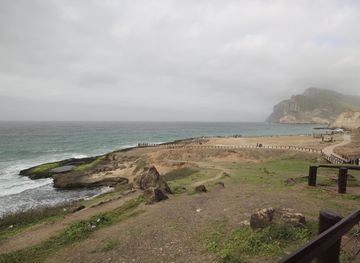
The Salalah Coastal Plain in Oman is a unique destination where the desert meets the sea, creating an awe-inspiring landscape. Known for its monsoon season, or Khareef, from June to September, this area transforms into a lush, green paradise. The cool mist and gentle rains bring life to the region, creating stunning waterfalls, green hills, and vibrant vegetation. This transformation makes the Salalah Coastal Plain an excellent escape from the harsh summer heat found elsewhere in Oman. The city of Salalah, located on the coastal plain, is the second-largest city in Oman and the capital of the Dhofar region. It is a hub of culture and history, offering a mix of ancient and modern attractions. Visit the Al Baleed Archaeological Park, a UNESCO World Heritage site, to explore the ruins of an ancient port city. The Frankincense Land Museum, located within the park, provides insights into the history of the frankincense trade, which was once a crucial part of the region's economy. For nature lovers, the Salalah Coastal Plain offers plenty of outdoor activities. The white sandy beaches are perfect for relaxation, while the nearby mountains and wadis (valleys) offer opportunities for hiking and exploring. Don’t miss the stunning Wadi Darbat and its picturesque waterfalls during the Khareef season. The coastline is also home to rich marine life, making it an excellent spot for snorkeling and diving. The blend of natural beauty, cultural richness, and historical significance makes the Salalah Coastal Plain a must-visit destination for any traveler.

Know before you go
Hi, I'm Eve. Here are a few practical things to know before exploring Salalah Coastal Plain.
- Visit during the Khareef season (June to September) to see the region in its lush, green state.
- Carry light rain gear and comfortable walking shoes for exploring the outdoors during the Khareef.
- Explore Al Baleed Archaeological Park early in the morning to avoid crowds and high temperatures.
- Sample local Omani cuisine at traditional restaurants in Salalah for an authentic experience.
- Rent a car for easier access to remote natural sites like Wadi Darbat and the stunning beaches.
Top City Travel Guides in Salalah Coastal Plain
The cities of Salalah Coastal Plain, and the easiest places to base yourself.

Explore Salalah Coastal Plain: Things to Do, Places to Eat, Hotels & More
Handpicked recommendations for top attractions, local dining, accommodations, and more

Top Attractions & Sightseeing in Salalah Coastal Plain
Top-rated picks
Best Attractions

Sultan Qaboos Mosque Salalah
Experience the breathtaking beauty and cultural significance of the Sultan Qaboos Mosque in Salalah, a must-visit landmark in Oman.

Ain Razat
Discover the enchanting beauty of Ain Razat, a lush garden oasis in Salalah, Oman, perfect for relaxation and exploration amidst nature's splendor.

Ain Sahlounout
Discover the enchanting beauty of Ain Sahlounout, a picturesque oasis in Salalah, perfect for nature lovers and adventure seekers alike.

Ayn Korr
Discover the breathtaking beauty of Ayn Korr, a stunning nature preserve in Salalah, Oman, known for its lush landscapes and serene water springs.

Best landmarks in Salalah Coastal Plain
Top-rated picks
Best Landmarks

Sultan Qaboos Mosque Salalah
Discover the serene beauty of Sultan Qaboos Mosque in Salalah, a magnificent architectural landmark inviting visitors to experience Oman's cultural heritage.

Ain Razat
Experience the lush beauty of Ain Razat, a serene garden oasis in Salalah, Oman, perfect for relaxation and exploration amid stunning landscapes.

Ayn Athum Waterfalls
Discover the breathtaking Ayn Athum Waterfalls in Taqah, Oman - a serene escape into nature's beauty with stunning views and refreshing tranquility.

Ain Sahlounout
Explore the tranquil beauty of Ain Sahlounout in Salalah, Oman, a serene tourist attraction perfect for relaxation and nature immersion.

Best restaurants in Salalah Coastal Plain
Top-rated picks
Best Restaurants

Al Qadri Restaurant
Experience authentic Pakistani flavors at Al Qadri Restaurant in Salalah – a culinary delight not to be missed!

Baalbeck Lebanese Restaurant
Experience authentic Lebanese flavors at Baalbeck Lebanese Restaurant in Salalah - where every dish tells a story.

Udupi Vegetarian Restaurant
Experience authentic South Indian vegetarian cuisine at Udupi Vegetarian Restaurant in Salalah—where every meal tells a flavorful story.

Ayal Alfareej Restaurant
Experience authentic Omani cuisine at Ayal Alfareej Restaurant in Salalah—where every dish tells a story.

Best bars in Salalah Coastal Plain
Top-rated picks
Best Bars

Baalbeck Lebanese Restaurant
Explore Baalbeck Lebanese Restaurant in Salalah for an authentic taste of Lebanon, where warm hospitality meets delicious cuisine.

Oasis Club
Experience the vibrant atmosphere of Oasis Club in Raysut - where great food, drinks, and entertainment come together for an unforgettable night.

L’AVENUE Park
Experience the rich flavors of Oman at L’AVENUE Park, a unique dining destination in Salalah surrounded by nature's beauty.

Ocean Blue Beach House
Discover a unique dining experience at Ocean Blue Beach House in Salalah, where breathtaking views and exquisite cuisine come together for an unforgettable meal.

Best nightclubs in Salalah Coastal Plain
Top-rated picks
Best Nightclubs

Oasis Club
Discover the vibrant Oasis Club in Raysut, a lively bar and restaurant offering delicious cuisine and refreshing drinks in a unique atmosphere.

Indian Social Club
Immerse yourself in Indian culture at the Indian Social Club in Salalah, where community spirit and delicious cuisine come together.

Whispers Night Club
Discover the electrifying nightlife of Salalah at Whispers Night Club, where vibrant music and unforgettable dance experiences await you.

Al Khareef Pub
Experience the vibrant nightlife of Salalah at Al Khareef Pub, where local flavors and global tastes meet in a lively atmosphere.

Best shops in Salalah Coastal Plain
Top-rated picks
Best Shops

LuLu Hypermarket - Salalah
Discover an incredible variety of products at LuLu Hypermarket in Salalah, where shopping meets cultural diversity and convenience.

Carrefour Salalah Gardens Mall
Explore Carrefour Salalah Gardens Mall, a vibrant hypermarket offering a unique blend of local and international products in the heart of Salalah, Oman.

Salalah Gardens Mall
Explore Salalah Gardens Mall: A Shopping and Dining Haven in Salalah, Oman with Local Flavors and International Brands.

Salalah Central Market
Explore the vibrant Salalah Central Market, a bustling hub for authentic Omani culture, fresh produce, and unique handicrafts.

Explore Salalah Coastal Plain on the Map
A handpicked selection of must-see spots in Salalah Coastal Plain, mapped for you.
Salalah Coastal Plain Essentials
-
The Salalah Coastal Plain is located in the Dhofar Governorate in southern Oman. The nearest airport is Salalah International Airport (SLL), which offers both domestic and international flights. From Muscat, the capital of Oman, you can take a direct flight to Salalah, which typically takes around 1.5 hours. Overland travel is also an option, with buses operated by Mwasalat providing daily services between Muscat and Salalah. The journey by road can take approximately 12-14 hours.
-
Salalah has a variety of transportation options to help you get around. Taxis are the most common mode of transport within the city and are reasonably priced. Car rental services are also available and can be a convenient way to explore the surrounding areas at your own pace. Public buses operate within the city, although they are less frequent. For a more traditional experience, you may also find camels available for short rides along the beach.
-
The official currency in Oman is the Omani Rial (OMR). Credit cards are widely accepted in hotels, restaurants, and larger shops in Salalah. However, it is advisable to carry some cash, especially when visiting smaller shops and markets. ATMs are readily available throughout the city, including at the airport and major shopping centers.
-
Salalah is generally a safe destination for tourists. However, it is always wise to take standard precautions. Avoid walking alone at night in poorly lit areas, and keep an eye on your personal belongings in crowded places such as markets. While there are no specific high-crime areas targeting tourists, it is always best to stay vigilant.
-
In case of emergency, you can dial 9999 for police, fire, or medical assistance. Salalah has several hospitals and clinics that provide medical services. It is recommended to have travel insurance that covers medical emergencies. For minor health issues, pharmacies are widely available throughout the city where you can purchase over-the-counter medications.
-
Fashion: Do dress modestly, especially when visiting religious sites. Avoid wearing revealing clothing. Religion: Do respect local customs and traditions. Always cover your head when entering mosques. Public Transport: Do be respectful and give up your seat to elderly passengers. Don’t eat or drink on public transport. Greetings: Do greet people with a handshake, using your right hand. A slight bow of the head is also a sign of respect. Eating & Drinking: Do try local delicacies and accept food offerings graciously. Don’t refuse hospitality, as it is considered impolite.
-
To experience Salalah like a local, visit the Al-Husn Souq where you can buy fresh produce, spices, and traditional Omani goods. Engage with locals, as they are often friendly and willing to share stories about the area's history and culture. Don't miss visiting the Frankincense Land Museum and the archaeological sites of Al-Baleed and Sumhuram. For a unique experience, take a drive along the Al Mughsail Beach and explore the Marneef Cave and blowholes.
When is the best time to visit Salalah Coastal Plain?
Useful Local Phrases for Salalah Coastal Plain
You don't need to speak the language perfectly. Even learning a few simple words can make conversations warmer—and locals usually appreciate the effort.
— Eve

Here are the phrases I use most often in Salalah Coastal Plain. Try a few—you'll be surprised how far they go! 😊
❤️
-
- Helloمرحبا
[Marhaba] - Goodbyeوداعا
[Wada'an] - Yesنعم
[Na'am] - Noلا
[La] - Please/You're welcomeمن فضلك
[Min fadlik] - Thank youشكرا
[Shukran] - Excuse me/Sorryعذرًا
[Udhuran] - How are you?كيف حالك؟
[Kayfa halak?] - Fine. And you?بخير. وأنت؟
[Bikhayr. Wa anta?] - Do you speak English?هل تتحدث الإنجليزية؟
[Hal tatahadath al-ingliziyya?] - I don't understandلا أفهم
[La afham]
- Helloمرحبا
-
- I'd like to see the menu, pleaseأود رؤية القائمة، من فضلك
[Awad ru'yat al-qa'ima, min fadlik] - I don't eat meatلا آكل اللحم
[La akul al-lahm] - Cheers!في صحتك!
[Fi sihtak!] - I would like to pay, pleaseأود الدفع، من فضلك
[Awad al-daf', min fadlik]
- I'd like to see the menu, pleaseأود رؤية القائمة، من فضلك
-
- Help!نجدة!
[Najda!] - Go away!ابتعد!
[Ibt'id!] - Call the Police!اتصل بالشرطة!
[Ittasil bil-shurta!] - Call a doctor!اتصل بطبيب!
[Ittasil bi-tabib!] - I'm lostأنا ضائع
[Ana da'i'] - I'm illأنا مريض
[Ana marid]
- Help!نجدة!
-
- I'd like to buy...أود شراء...
[Awad shirā'] - I'm just lookingأنا فقط أتسوق
[Ana faqat atasaqqaq] - How much is it?كم ثمنه؟
[Kam thamanuh?] - That's too expensiveهذا مكلف جدا
[Hatha mukallif jidan] - Can you lower the price?هل يمكنك تخفيض السعر؟
[Hal yumkinuka takhfid al-si'r?]
- I'd like to buy...أود شراء...
-
- What time is it?كم الساعة؟
[Kam al-sa'ah?] - It's one o'clockالساعة الواحدة
[Al-sa'ah al-wahidah] - Half past (10)نصف (10)
[Nisf (10)] - Morningصباحا
[Sabahan] - Afternoonبعد الظهر
[Ba'd al-zhuhr] - Eveningمساءا
[Masa'an] - Yesterdayأمس
[Ams] - Todayاليوم
[Al-yawm] - Tomorrowغدا
[Ghadan] - 1واحد
[Wahid] - 2اثنان
[Ithnan] - 3ثلاثة
[Thalathah] - 4أربعة
[Arba'ah] - 5خمسة
[Khamsah] - 6ستة
[Sittah] - 7سبعة
[Sab'ah] - 8ثمانية
[Thamaniyah] - 9تسعة
[Tis'ah] - 10عشرة
[Asharah]
- What time is it?كم الساعة؟
-
- Where's a/the...?أين...؟
[Ayn...?] - What's the address?ما هو العنوان؟
[Ma hu al-'unwan?] - Can you show me (on the map)?هل يمكنك إظهار لي (على الخريطة)؟
[Hal yumkinuka izhar li (ala al-kharita)?] - When's the next (bus)?متى يكون (الباص) القادم؟
[Mata yakun (al-bus) al-qadim?] - A ticket (to ....)تذكرة (إلى ....)
[Tadhkara (ila ....)]
- Where's a/the...?أين...؟
History of Salalah Coastal Plain
-
Salalah Coastal Plain, historically known as the land of frankincense, played a crucial role in the ancient trade routes. Dating back to as early as the 3rd millennium BCE, the region's Boswellia trees produced the highly valued frankincense resin. This aromatic resin was traded extensively with ancient civilizations such as Egypt, Greece, and Rome. The ancient port of Sumhuram, located near Salalah, served as a significant hub for the trade, facilitating the exchange of goods across the Arabian Sea and beyond.
-
During the 1st millennium BCE, Salalah Coastal Plain was under the influence of the Kingdom of Hadhramaut. This ancient South Arabian kingdom controlled the trade of frankincense and other valuable commodities through its strategic location. The region flourished under Hadhramaut's rule, becoming a center of culture and commerce. Archaeological findings in the area, including inscriptions and ruins, reveal the rich history and significance of this period.
-
With the advent of Islam in the 7th century, Salalah Coastal Plain became an important center for the spread of the new faith. The region embraced Islam early on, and the influence of the religion is evident in the numerous mosques and Islamic architectural styles found throughout the area. Salalah's strategic coastal location also facilitated maritime trade with other Islamic regions, further enhancing its cultural and economic significance during this period.
-
In the early 16th century, the Portuguese arrived on the Arabian Peninsula, including Salalah Coastal Plain, as part of their efforts to control the spice trade routes. They built fortifications and established a presence in the region, impacting local trade dynamics. However, their influence was relatively short-lived, as Omani forces eventually expelled them in the 17th century. The remnants of Portuguese architecture and fortifications can still be seen today, offering a glimpse into this tumultuous period.
-
The Al Bu Said dynasty, which began in 1744, marked a period of stability and prosperity for Salalah Coastal Plain. Under the rule of Sultan Said bin Sultan and his successors, the region saw significant development in infrastructure, trade, and agriculture. Salalah became a vital part of the Omani empire, which extended its influence across the Indian Ocean. The dynasty's legacy is still evident in the architectural and cultural landscape of Salalah today.
-
The 20th century brought significant changes to Salalah Coastal Plain, particularly under the leadership of Sultan Qaboos bin Said, who came to power in 1970. His modernization efforts transformed Salalah into a thriving city with improved infrastructure, healthcare, and education. The construction of modern ports and airports facilitated trade and tourism, making Salalah a key destination in Oman. The annual Khareef (monsoon) season, which brings lush greenery and cooler temperatures, has also become a major attraction for tourists from around the world.
Neighbouring Regions of Salalah Coastal Plain
The closest regions to Salalah Coastal Plain, if you have time for more than one.


Your all‑in‑one travel companion app
Explore expert travel guides, compare and book tours, experiences, hotels, and more—all from the palm of your hand. Download now for seamless trip planning wherever your wanderlust takes you.


Explore More of Oman
Looking beyond Salalah Coastal Plain? Discover Oman for broader travel guides, local hot-spots, and regional highlights.
Explore OmanSalalah Coastal Plain in Photos
Browse through our photo collection highlighting the charm and character of the destination.


Salalah Coastal Plain: Oman’s Tropical Paradise
The Salalah Coastal Plain in Oman is a unique destination where the desert meets the sea, creating an awe-inspiring landscape. Known for its monsoon season, or Khareef, from June to September, this area transforms into a lush, green paradise. The cool mist and gentle rains bring life to the region, creating stunning waterfalls, green hills, and vibrant vegetation. This transformation makes the Salalah Coastal Plain an excellent escape from the harsh summer heat found elsewhere in Oman. The city of Salalah, located on the coastal plain, is the second-largest city in Oman and the capital of the Dhofar region. It is a hub of culture and history, offering a mix of ancient and modern attractions. Visit the Al Baleed Archaeological Park, a UNESCO World Heritage site, to explore the ruins of an ancient port city. The Frankincense Land Museum, located within the park, provides insights into the history of the frankincense trade, which was once a crucial part of the region's economy. For nature lovers, the Salalah Coastal Plain offers plenty of outdoor activities. The white sandy beaches are perfect for relaxation, while the nearby mountains and wadis (valleys) offer opportunities for hiking and exploring. Don’t miss the stunning Wadi Darbat and its picturesque waterfalls during the Khareef season. The coastline is also home to rich marine life, making it an excellent spot for snorkeling and diving. The blend of natural beauty, cultural richness, and historical significance makes the Salalah Coastal Plain a must-visit destination for any traveler.