

Free Wahiba Sands Travel Guide & Mobile App
Explore Wahiba Sands with free travel guides. Discover regional history, expert tips, proposed trips, and audio guides on web or mobile app.


Explore Wahiba Sands in Oman for high dunes, desert camps, Bedouin heritage, camel rides, clear skies and four-wheel-drive adventures.
Read more about Wahiba Sands
When is the best time to visit Wahiba Sands?
Best: December–February · 24–26°C| Month | High (°C) | Rainfall (mm) |
|---|---|---|
| January (best) | 24 | 2 |
| February (best) | 26 | 3 |
| March | 30 | 4 |
| April | 35 | 2 |
| May | 40 | 1 |
| June | 42 | 0 |
| July | 41 | 0 |
| August | 40 | 1 |
| September | 38 | 1 |
| October | 35 | 1 |
| November | 29 | 2 |
| December (best) | 24 | 3 |
Getting to and around Wahiba Sands
How to get there
Transportation
Top city travel guides in Wahiba Sands
The cities of Wahiba Sands, and the easiest places to base yourself.

Swipe for more cities
Destinations in Wahiba Sands
Resorts, valleys and scenic spots worth a trip of their own.

Swipe for more destinations
Best attractions in Wahiba Sands
Wahiba Sands offers a concentrated landscape experience rather than a conventional collection of built attractions. The main draw is the dune field itself, where guided four-wheel-drive routes cross broad sand plains, climb ridges and reach viewpoints over successive lines of dunes. Sunrise and sunset outings reveal the changing texture and colour of the sand, while night-time stays provide opportunities for quiet observation of the stars. Organised camps commonly offer camel rides, short walks, traditional meals and introductions to desert life, although the exact activities vary. The settlements of Bidiyah, Al Wasil and Al Mintirib serve as practical gateways, with local services and access to guides rather than large museum complexes. Wildlife is discreet: reptiles, insects and small desert mammals are adapted to heat and scarce water, and patient visitors may notice tracks in the sand. Nearby eastern Oman can extend an itinerary with places such as Wadi Bani Khalid, but it lies outside the sands and requires separate travel. The attraction landscape is therefore defined by open space, cultural interpretation, changing light and the discipline of travelling responsibly in a fragile environment.
-
Hotel
Ras Al Jinz Turtle Reserve
Discover the enchanting Ras Al Jinz Turtle Reserve, a vital sanctuary for endangered green turtles and a paradise for nature lovers on the Omani coast.
-
Tourist attraction
Adventure Snake canyon oman
Explore the breathtaking Adventure Snake Canyon in Oman, a hiking paradise with stunning views and untouched natural beauty.
-
Tourist attraction
Sur Beach
Experience the serene beauty and cultural richness of Sur Beach in Oman, a perfect destination for relaxation and adventure by the sea.
-
Tourist attraction
Humrat Cave
Explore the enchanting wonders of Humrat Cave in Al Khaluf, a natural treasure of Oman that offers stunning geological formations and unique wildlife.


Best landmarks in Wahiba Sands
The most recognisable landmark of Wahiba Sands is the sand-sea itself: a large, mobile landscape whose long lines of dunes make the region immediately identifiable within Oman. Individual ridges do not have fixed names or permanent forms, since wind continually reshapes their profiles, but selected high points near camp routes provide memorable views across the surrounding desert. The settled desert edge around Bidiyah, Al Wasil and Al Mintirib is also significant because it marks the meeting point between paved Oman and the open interior, where supplies, guides and local knowledge support journeys into the sands. Traditional camps, animal enclosures and the tracks leading from oasis-edge settlements are cultural features rather than ancient monuments, and their appearance changes with use and season. The wider visual landmark is the contrast between pale gravel approaches, deep orange dunes and the lower vegetation that survives in sheltered hollows. Wadi Bani Khalid is sometimes paired with Wahiba Sands in itineraries, but it is a separate nearby landscape rather than a landmark within the sands.
-
Tourist attraction
Bimmah Sinkhole
Explore the Bimmah Sinkhole, a captivating natural wonder in Oman, where turquoise waters meet dramatic landscapes for an unforgettable adventure.
-
Tourist attraction
Wadi Shab
Discover the stunning landscapes and turquoise waters of Wadi Shab, a must-visit natural oasis in the heart of Oman, perfect for adventure and relaxation.
-
Tourist attraction
Wadi Dayqah Dam
Experience the stunning beauty and engineering marvel of Wadi Dayqah Dam, a must-visit attraction in Oman offering tranquility and breathtaking views.
-
Hotel
Ras Al Jinz Turtle Reserve
Experience the magic of Ras Al Jinz Turtle Reserve, where ancient sea turtles nest on pristine beaches amidst Oman's breathtaking landscapes.

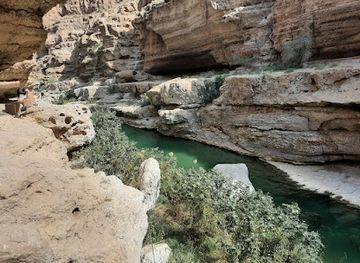


Explore Wahiba Sands on the map
Plan your trip on one map. See where the top cities, national parks and sights are, and book hotels and experiences in a few clicks.
Best hotels in Wahiba Sands
Best restaurants in Wahiba Sands
Dining in Wahiba Sands is centred on desert camps and the settlements at the edge of the dunes rather than on a restaurant district. Camp meals commonly draw on Omani and wider Arabian cooking, with rice, spiced meat or chicken, flatbreads, salads, dates, fruit, tea and coffee served in communal settings; menus and standards differ between operators, so dietary requirements should be explained when booking. Bidiyah, Al Wasil and nearby villages provide more everyday choices, including small cafés and casual eateries suited to travellers stocking up before entering the sands. Omani coffee, traditionally flavoured with cardamom and served with dates, is an important gesture of hospitality, while grilled meats, rice dishes and simple breads are practical staples in this remote setting. There is little reason to expect a large fine-dining scene, but some established camps offer more elaborate meals and private dining arrangements. Bring suitable snacks and confirm drinking-water arrangements, especially if your itinerary includes long drives or outdoor activities.
-
 Restaurant
Arabian Oryx Camp
Experience authentic Omani hospitality at Arabian Oryx Camp – your gateway to adventure in northern Oman.
-
Restaurant
Vaidyans Fish and Grill Restaurant
Experience authentic Omani seafood at Vaidyans Fish and Grill Restaurant in Sur - where every meal tells a story.
-
Italian
Brezza Marina Italian Restaurant مطعم بریزا مارینا الایطالی
Experience authentic Italian cuisine at Brezza Marina in Muscat's Shati Al Qurum - where every meal is a delightful celebration of flavors.
-
Restaurant
Restaurant kitchen Naseem Mahout Yemen
Experience the rich flavors of authentic Yemeni cuisine at Naseem Mahout in Ibra - a culinary delight not to be missed!


Best bars in Wahiba Sands
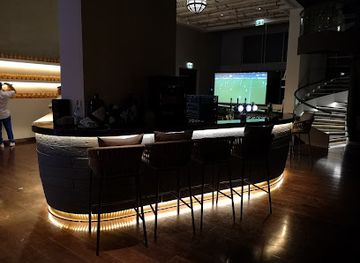
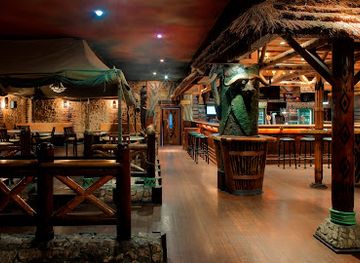
Wahiba Sands has no conventional nightclub scene, and evening life is usually shaped by the desert camp rather than by bars. After sunset, visitors may gather for Omani coffee, tea, conversation, music arranged by the camp, or quiet stargazing around a designated seating area. Some higher-end accommodation offers more elaborate communal or private evening arrangements, but alcohol is regulated in Oman and should not be assumed to be available in the desert. The settlements around Bidiyah and Al Wasil are similarly low-key, with evening activity focused on cafés, restaurants, family life and camp logistics rather than late-night entertainment. In this region, the appeal of the night comes from cooler air, open skies and the absence of urban noise; visitors should respect the quiet surroundings and local customs rather than expecting a resort-style party atmosphere.
-
Restaurant
Arabian Oryx Camp
Discover Arabian Oryx Camp in Al Wāşil - A Unique Blend of Dining, Adventure, and Authentic Omani Culture.
-
Grill
Rock Bottom Cafe Muscat
Discover the energetic ambiance of Rock Bottom Cafe Muscat, where American cuisine meets vibrant nightlife in the heart of Oman.
-
Hotel
معسكر ليالي الصحراء Desert Nights Resort
Discover the enchanting Desert Nights Resort, where luxury meets adventure in the heart of Oman's stunning desert landscape.
-
Hotel
Thousand Nights Camp
Experience the enchanting desert of Oman at Thousand Nights Camp, where luxurious comfort meets traditional hospitality amidst stunning landscapes.


Best nightclubs in Wahiba Sands
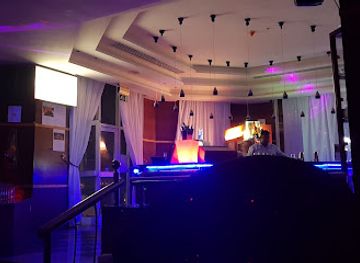
Wahiba Sands has no conventional nightclub scene, and evening life is usually shaped by the desert camp rather than by bars. After sunset, visitors may gather for Omani coffee, tea, conversation, music arranged by the camp, or quiet stargazing around a designated seating area. Some higher-end accommodation offers more elaborate communal or private evening arrangements, but alcohol is regulated in Oman and should not be assumed to be available in the desert. The settlements around Bidiyah and Al Wasil are similarly low-key, with evening activity focused on cafés, restaurants, family life and camp logistics rather than late-night entertainment. In this region, the appeal of the night comes from cooler air, open skies and the absence of urban noise; visitors should respect the quiet surroundings and local customs rather than expecting a resort-style party atmosphere.
-
Lounge
Zale Beach Club & Lounge
Experience the luxury of Zale Beach Club & Lounge in Muscat, where breathtaking views, exquisite cuisine, and vibrant nightlife await.
-
Bar
Club Safari
Discover the vibrant nightlife at Club Safari in Muscat, where luxury meets lively entertainment for an unforgettable evening.
-
Hotel
Arabian Nights Resort & Spa
Unwind in luxury at the Arabian Nights Resort & Spa, a desert oasis offering breathtaking views, exquisite dining, and unforgettable experiences in Oman.
-
Disco club
Whispers Night Club
Experience vibrant nightlife at Whispers Night Club in Salalah, where energetic music and dancing come together for an unforgettable evening.

Best shops in Wahiba Sands
Shopping in Wahiba Sands is limited and practical, with the main opportunities found in Bidiyah, Al Wasil and other settled communities at the desert edge rather than among the dunes. Small shops are useful for water, snacks, basic travel supplies and locally familiar provisions before a camp transfer. Desert camps may offer modest selections of souvenirs such as woven items, textiles, decorative objects, dates or locally themed handicrafts, although stock varies and should not be represented as a permanent market. Visitors interested in Omani coffee, dates, spices, frankincense or traditional craftwork can often find more choice in larger towns elsewhere in Oman. Buy respectfully from genuine local sellers, carry purchases carefully through hot conditions and avoid acquiring protected wildlife products, antiquities or natural materials removed from the desert. The region’s strongest souvenir is usually a small, responsibly sourced craft or food product rather than a mass-produced desert ornament.
-
Gift shop
Arabian Oryx Camp
Experience the magic of the Arabian Oryx Camp, where desert adventure meets serene hospitality in the heart of Oman.
-
Home goods store
Mahoot Round About
Explore the unique offerings of Mahoot Round About, where Omani craftsmanship meets vibrant home decor in a one-of-a-kind shopping experience.
-
Grocery store
Hamud super shop
Hamud Super Shop: Your gateway to authentic Omani flavors and local grocery treasures.
-
Electronics store
Maalam aubar al-alamiya
Explore cutting-edge technology and gadgets at Maalam aubar al-alamiya, a top electronics store in Oman, perfect for tech enthusiasts and casual shoppers alike.


Get your free copy of our complete guide to Wahiba Sands, delivered straight to you.
Everything on this page, from attractions and restaurants to essentials and local phrases, in one PDF you can read offline, print or share.
Already have an account? Sign in
Your Wahiba Sands guide is ready.
We'll send it to · Not you? Sign out

Getting your guide ready…
We are putting together a fresh copy of the Wahiba Sands guide. This can take up to a minute.
This can take a few moments. If your browser asks, choose Allow so the download can start. You'll find the guide in your Downloads folder.
Nothing happened? Download it again
Sorry, the guide is taking longer than usual. Please try again in a minute, or get it by email instead.
Wahiba Sands essentials
Currency and Payment
Safety
Emergency Situations
Do's and Don'ts
Local Tips
From Eve
Local phrases worth knowing
You don't need to get them perfect. A few words go a long way, and locals appreciate the effort.
Basics
| English | Local | Say it |
|---|---|---|
| Hello | مرحبا | [Marhaba] |
| Goodbye | مع السلامة | [Ma'a as-salama] |
| Yes | نعم | [Na'am] |
| No | لا | [La] |
| Please/You're welcome | من فضلك | [Min fadlik] |
| Thank you | شكرا | [Shukran] |
| Excuse me/Sorry | عفوا | [Afwan] |
| How are you? | كيف حالك؟ | [Kayfa halak?] |
| Fine. And you? | بخير. وأنت؟ | [Bikhayr. Wa anta?] |
| Do you speak English? | هل تتحدث الإنجليزية؟ | [Hal tatahaddath al-ingliziyya?] |
| I don't understand | لا أفهم | [La afham] |
Eating & Drinking
| English | Local | Say it |
|---|---|---|
| I'd like to see the menu, please | أود رؤية القائمة، من فضلك | [Awad ru'yat al-qa'ima, min fadlik] |
| I don't eat meat | لا آكل اللحم | [La akul al-lahm] |
| Cheers! | في صحتك! | [Fi sihtik!] |
| I would like to pay, please | أود الدفع، من فضلك | [Awad ad-daf', min fadlik] |
Emergencies
| English | Local | Say it |
|---|---|---|
| Help! | ساعدني! | [Sa'idni!] |
| Go away! | اذهب بعيدا! | [Izhab ba'idan!] |
| Call the Police! | اتصل بالشرطة! | [Ittasil bil-shurta!] |
| Call a doctor! | اتصل بالطبيب! | [Ittasil bil-tabeeb!] |
| I'm lost | أنا ضائع | [Ana da'i'] |
| I'm ill | أنا مريض | [Ana marid] |
Shopping
| English | Local | Say it |
|---|---|---|
| I'd like to buy... | أود شراء... | [Awad shira...] |
| I'm just looking | أنا فقط أنظر | [Ana faqat anzur] |
| How much is it? | كم ثمنه؟ | [Kam thamanuh?] |
| That's too expensive | هذا غالي جدا | [Hatha ghali jidan] |
| Can you lower the price? | هل يمكنك خفض السعر؟ | [Hal yumkinuka khafd as-si'r?] |
Time & Numbers
| English | Local | Say it |
|---|---|---|
| What time is it? | كم الساعة؟ | [Kam as-saa'a?] |
| It's one o'clock | الساعة الواحدة | [As-saa'a al-wahidah] |
| Half past (10) | نصف (10) | [Nisf (10)] |
| Morning | صباح | [Sabaah] |
| Afternoon | بعد الظهر | [Ba'd al-zuhur] |
| Evening | مساء | [Masa'] |
| Yesterday | أمس | [Ams] |
| Today | اليوم | [Al-yawm] |
| Tomorrow | غدا | [Ghadan] |
| 1 | واحد | [Wahid] |
| 2 | اثنان | [Ithnayn] |
| 3 | ثلاثة | [Thalatha] |
| 4 | أربعة | [Arba'a] |
| 5 | خمسة | [Khamsa] |
| 6 | ستة | [Sitta] |
| 7 | سبعة | [Sab'a] |
| 8 | ثمانية | [Thamaniya] |
| 9 | تسعة | [Tis'a] |
| 10 | عشرة | [Ashara] |
Transport & Directions
| English | Local | Say it |
|---|---|---|
| Where's a/the...? | أين...؟ | [Ayn...?] |
| What's the address? | ما هو العنوان؟ | [Ma huwa al-'unwan?] |
| Can you show me (on the map)? | هل يمكنك أن تريني (على الخريطة)؟ | [Hal yumkinuka an turini (ala al-kharita)?] |
| When's the next (bus)? | متى يأتي (الحافلة) التالية؟ | [Mata yati (al-hafila) at-taliya?] |
| A ticket (to ....) | تذكرة (إلى ....) | [Tadhkara (ila ....)] |
History of Wahiba Sands
Ancient Desert Routes and Settlement
Wahiba Sands formed part of the interior landscape connecting Oman’s coastal settlements with oases, grazing grounds and routes across the Arabian Peninsula. Travel through such terrain depended on knowledge of wells, seasonal pasture and reliable landmarks rather than permanent roads. Archaeological evidence from eastern Oman indicates long human engagement with desert and coastal environments, although the sands themselves are difficult terrain for excavation. The region’s importance lay less in monumental cities than in the movement of people, animals, goods and information across a challenging interior.
The Bani Wahiba and Tribal Identity
The traditional name Wahiba Sands is associated with the Bani Wahiba, a tribal community whose historical presence helped give the desert its widely used English name. Tribal affiliations in Oman have complex histories and should not be reduced to a simple territorial label, but they remain important to understanding the region’s social geography. Pastoral mobility, camel keeping, family networks and knowledge of desert routes shaped life around the sands. Those traditions continue to inform local identity even as many residents now combine customary practices with settled livelihoods.
Pastoralism, Camels and Desert Livelihoods
For centuries, the economy of the Wahiba region was closely connected with animals, especially camels and goats, as well as seasonal movement between wells and grazing areas. Camels served as transport, sources of status and practical household assets, while oasis agriculture and coastal trade complemented inland life. The desert’s geography encouraged adaptable patterns of movement rather than dense settlement. Today, motor vehicles, education, wage employment and modern infrastructure have transformed daily routines, but camel husbandry and desert expertise remain visible in cultural practices and visitor experiences.
Oman’s Modernisation and Road Building
The rapid modernisation of Oman during the twentieth century changed access to eastern desert communities. Roads, four-wheel-drive vehicles, schools, electricity, telecommunications and public services reduced the isolation that had once defined travel across the sands. Settlements such as Bidiyah and Al Wasil became more important as service and access points, while traditional mobility was supplemented by permanent homes and motor transport. The transformation was part of Oman’s wider national development rather than a change confined to Wahiba Sands, linking the desert more closely with coastal towns and Muscat.
Desert Research and Environmental Awareness
Wahiba Sands has attracted geographical, ecological and anthropological interest because it offers a substantial example of a varied Arabian sand-sea environment. Researchers have examined dune forms, groundwater, plants, insects, reptiles and the relationship between mobile communities and their surroundings. Scientific attention has also encouraged greater awareness that desert landscapes are not lifeless expanses: sparse vegetation supports specialised species, and tracks, litter and poorly managed driving can cause lasting damage. Conservation in the region depends on careful tourism, sensible off-road practices and respect for water resources.
Tourism and the Contemporary Desert Economy
Organised desert tourism expanded as Oman developed its roads and promoted cultural and landscape travel. Camps, guided dune drives, camel outings and stargazing created new income opportunities for local residents and businesses around the desert fringe. Tourism has also made Wahiba Sands one of Oman’s best-known inland destinations, bringing greater attention to local customs and environmental pressures. The contemporary visitor economy sits alongside pastoral traditions and settled communities, making responsible, locally informed travel important to the region’s future.
Wahiba Sands in Photos
Browse through our photo collection highlighting the charm and character of the destination.
Neighbouring regions of Wahiba Sands
The closest regions to Wahiba Sands, if you have time for more than one.
-

-

-

-

-


Swipe for more regions
Explore more
Explore more of Oman
Discover Oman: A land of ancient forts, golden deserts, and warm hospitality, offering a perfect blend of adventure and tranquility.
Explore Oman