
Baker County, Oregon Travel Guide
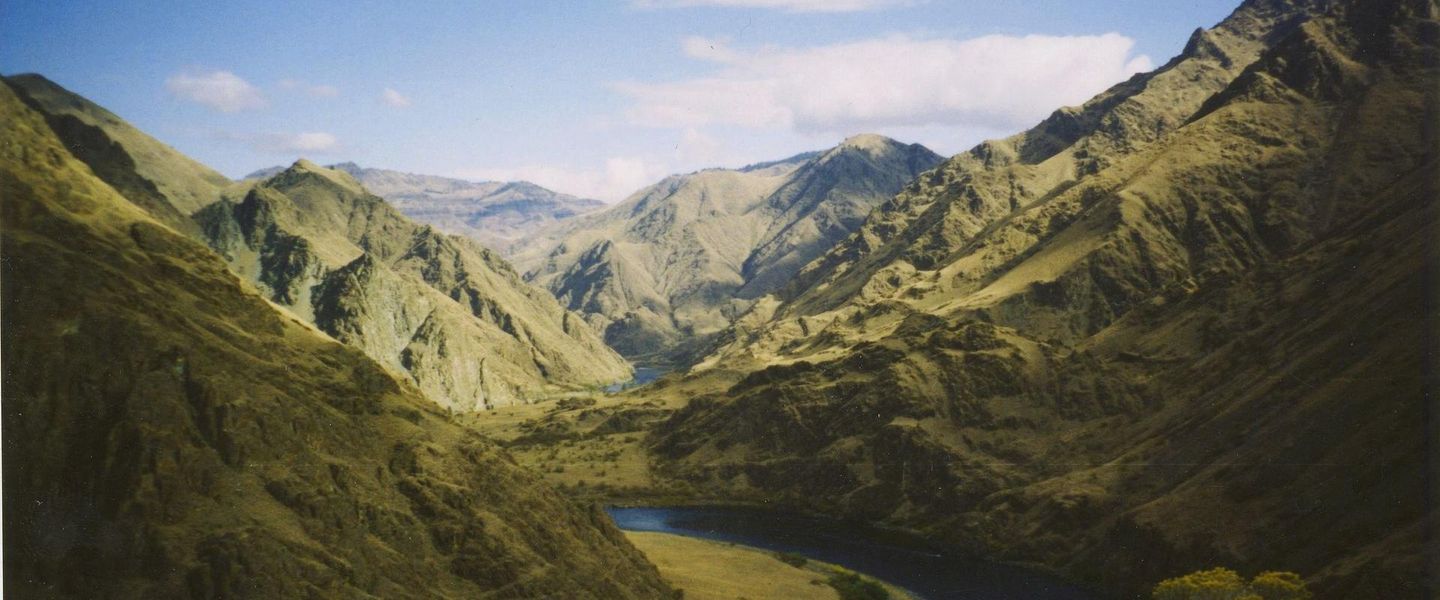
Discover Baker County, Oregon: where historic charm meets stunning natural landscapes, offering a perfect getaway for outdoor enthusiasts and history lovers.
Nestled in the eastern part of Oregon, Baker County is a haven for nature enthusiasts and history buffs alike. With its stunning landscapes, rich heritage, and warm-hearted locals, it offers a perfect blend of adventure and relaxation. Home to the majestic Wallowa-Whitman National Forest, Baker County is a paradise for hikers, campers, and wildlife watchers. The forest's lush greenery, serene lakes, and diverse fauna make it an ideal spot for reconnecting with nature. Additionally, the Oregon Trail Interpretive Center provides a fascinating glimpse into the lives of pioneers who traversed this rugged terrain in the 19th century. Historic Baker City, the county seat, is a charming town that boasts well-preserved architecture from the gold rush era. Visitors can stroll through the historic district, enjoy local cuisine in quaint cafes, and explore unique shops. Don't miss the opportunity to visit the Geiser Grand Hotel, a beautifully restored Victorian gem that offers a taste of old-world luxury. The annual Miners Jubilee, held every July, is a vibrant celebration of the county's mining heritage and features parades, music, and traditional craft displays.

Know before you go
Hi, I'm Eve. Here are a few practical things to know before exploring Baker County.
- Visit the Oregon Trail Interpretive Center early in the day to avoid crowds and get the best views.
- Pack layers when hiking in the Wallowa-Whitman National Forest; weather can change quickly.
- Explore Baker City's historic district on foot to fully appreciate the architecture and local shops.
- Check local schedules for the Miners Jubilee and other events to enhance your visit.
Destinations in Baker County
Resorts, valleys and scenic spots worth a trip of their own.

Explore Baker County: Things to Do, Places to Eat, Hotels & More
Handpicked recommendations for top attractions, local dining, accommodations, and more

Top Attractions & Sightseeing in Baker County
Top-rated picks
Best Attractions

Farewell Bend State Recreation Area
Explore the scenic beauty and diverse recreational activities at Farewell Bend State Recreation Area, a must-visit destination in Oregon.

Geiser Pollman Park
Explore the beauty and history of Geiser Pollman Park in Baker City, a perfect haven for relaxation and family fun amidst nature's tranquility.

North American Bigfoot Center
Discover the fascinating world of Bigfoot at the North American Bigfoot Center in Boring, Oregon - a unique museum experience for all ages.

Eagle Fern Park
Explore Eagle Fern Park, a picturesque oasis in Oregon, offering serene trails, lush landscapes, and family-friendly amenities for an unforgettable outdoor experience.

Best landmarks in Baker County
Top-rated picks
Best Landmarks

Geiser Pollman Park
Discover Geiser Pollman Park in Baker City, Oregon – a natural escape filled with beautiful trees, historical insights, and family-friendly fun.

National Historic Oregon Trail Interpretive Center
Explore the fascinating history of the Oregon Trail at the National Historic Oregon Trail Interpretive Center in Baker City, Oregon, where history comes alive.

Baker Heritage Museum
Explore the captivating stories and rich heritage of Baker City, Oregon at the Baker Heritage Museum, a must-visit destination for history lovers.

Iwetemlaykin State Heritage Site
Discover the beauty and history of Iwetemlaykin State Heritage Site, a serene state park in Oregon rich in Nez Perce culture and stunning landscapes.

Best restaurants in Baker County
Top-rated picks
Best Restaurants

Baker Truck Corral & Restaurant
Discover comfort food and unique souvenirs at Baker Truck Corral & Restaurant - your ultimate travel stop in Baker City.

McDonald's
Discover the familiar taste of McDonald's in Baker City – perfect for travelers craving fast food favorites any time of day.

North Powder Cafe and Lounge
Discover comfort food at North Powder Cafe and Lounge - where breakfast dreams come true amidst Oregon's scenic beauty.

Cowboy Dinner Tree
Discover authentic cowboy cuisine at Cowboy Dinner Tree in Silver Lake, OR - where great food meets rustic charm amidst stunning landscapes.

Best bars in Baker County
Top-rated picks
Best Bars

Baker Truck Corral & Restaurant
Discover Baker Truck Corral & Restaurant, the ultimate stop for travelers in Baker City, Oregon, offering delicious meals, fuel, and local souvenirs.

El Erradero
Experience the vibrant flavors of Mexico at El Erradero, Baker City's go-to spot for authentic Mexican cuisine in a welcoming atmosphere.

Oregon Trail Motel & Restaurant
Discover the charm of Oregon Trail Motel & Restaurant, where comfort meets local cuisine in the heart of Baker City, Oregon.

Geiser Grand Hotel
Discover the historic elegance of the Geiser Grand Hotel, a splendid retreat in Baker City, Oregon, blending vintage charm with modern luxury.

Best nightclubs in Baker County
Top-rated picks
Best Nightclubs

Main Event Sports Bar
Discover the vibrant Main Event Sports Bar in Baker City, where sports, delicious food, and a welcoming atmosphere collide for an unforgettable experience.

VFW
Explore the heart of Baker City at VFW, a lively dance hall offering unforgettable nights of music and community spirit.

Idle Hour
Discover Idle Hour: A cozy bar in Baker City, Oregon, offering great drinks and a friendly atmosphere for travelers and locals alike.

Elks Lodge
Discover the heart of community at the Elks Lodge in Baker City, a hub of camaraderie and local traditions.

Best shops in Baker County
Top-rated picks
Best Shops

BELLA Main Street Market
Discover unique gifts, gourmet treats, and local treasures at BELLA Main Street Market in Baker City, Oregon - a shopper's paradise awaits!

Betty's Books, LLC
Explore a literary haven for book lovers at Betty's Books, LLC in Baker City, where every shelf holds a new adventure waiting to be discovered.

Salvation Army Thrift Store
Explore sustainable shopping and uncover unique treasures at Baker City's Salvation Army Thrift Store, where every item tells a story.

Gamer Haven
Discover the ultimate gaming paradise at Gamer Haven in Baker City, where passion for games meets a welcoming community.

Explore Baker County on the Map
A handpicked selection of must-see spots in Baker County, mapped for you.
Baker County Essentials
-
Baker County is located in eastern Oregon, and the most common way to reach it is by car. The nearest major airport is Boise Airport (BOI) in Idaho, approximately 120 miles from Baker City, the county seat. From the airport, you can rent a car and drive to Baker County via Interstate 84. Alternatively, you can take a Greyhound bus from major cities in Oregon or neighboring states, which stops in Baker City.
-
Within Baker County, a car is the most convenient mode of transportation due to the county's rural nature and the spread-out locations of attractions. Rental cars are available in Baker City. For shorter distances, bicycles can be a fun way to explore the scenic routes. Public transportation options are limited, but the Northeast Oregon Public Transit offers some bus services within the county. Taxis and rideshare services like Uber and Lyft are less common, so plan accordingly.
-
The official currency is the US Dollar (USD). Credit and debit cards are widely accepted in most establishments, including hotels, restaurants, and retail shops. However, it's advisable to carry some cash, especially if you plan to visit smaller towns or rural areas where card payment options may be limited. ATMs are available in Baker City and other larger towns within the county.
-
Baker County is generally a safe destination for tourists. However, it is always wise to take standard safety precautions. Avoid leaving valuables in your car and be cautious when traveling at night, especially in remote areas. While crime rates are relatively low, it's best to stay vigilant. There are no specific high-crime neighborhoods targeting tourists, but it's advisable to stay aware of your surroundings.
-
In case of emergency, dial 911 for immediate assistance. Baker County has medical facilities, including the Saint Alphonsus Medical Center in Baker City. It's recommended to have travel insurance that covers medical emergencies. For minor health issues, there are pharmacies in Baker City and larger towns. Familiarize yourself with the location of the nearest hospital or urgent care center.
-
Fashion: Do dress in layers, as the weather can change rapidly. Comfortable walking shoes are a must for exploring outdoor attractions. Religion: Do be respectful when visiting religious sites, even though they are not as common in this area. Public Transport: Do check the schedule ahead of time if you plan to use the limited bus services. Don't rely solely on public transport for getting around. Greetings: Do greet people with a friendly 'hello' or handshake. Locals are generally polite and welcoming. Eating & Drinking: Do try local cuisine such as huckleberry products and fresh trout. Don't forget to tip, as it is customary in the US.
-
To experience Baker County like a local, visit the Baker City Farmers Market for fresh produce and local crafts. Engage with locals at community events such as the Miners’ Jubilee, which celebrates the region's rich mining history. Don't miss the chance to explore the scenic byways, such as the Hells Canyon Scenic Byway. Hiking, fishing, and exploring historical sites like the Oregon Trail Interpretive Center will give you a deeper appreciation of the area's heritage and natural beauty.
When is the best time to visit Baker County?
Useful Local Phrases for Baker County
You don't need to speak the language perfectly. Even learning a few simple words can make conversations warmer—and locals usually appreciate the effort.
— Eve

Here are the phrases I use most often in Baker County. Try a few—you'll be surprised how far they go! 😊
❤️
-
- HelloHowdy
[haʊdi] - GoodbyeSee ya
[si jə] - YesYup
[jʌp] - NoNope
[noʊp] - Please/You're welcomeSure thing
[ʃʊr θɪŋ] - Thank youThanks a lot
[θæŋks ə lɑt] - Excuse me/SorryPardon me
[ˈpɑrdən mi] - How are you?How's it going?
[haʊz ɪt ˈɡoʊɪŋ] - Fine. And you?Good, and you?
[ɡʊd, ənd ju] - Do you speak English?You speakin' English?
[ju ˈspikɪn ˈɪŋɡlɪʃ] - I don't understandI ain't got it
[aɪ eɪnt ɡɑt ɪt]
- HelloHowdy
-
- I'd like to see the menu, pleaseCan I see the menu?
[kæn aɪ si ðə ˈmɛnju] - I don't eat meatI don't do meat
[aɪ doʊnt du mit] - Cheers!Cheers!
[ʧɪrz] - I would like to pay, pleaseCan I get the check?
[kæn aɪ ɡɛt ðə ʧɛk]
- I'd like to see the menu, pleaseCan I see the menu?
-
- Help!Help!
[hɛlp] - Go away!Get lost!
[ɡɛt lɔst] - Call the Police!Call the cops!
[kɔl ðə kɑps] - Call a doctor!Get a doctor!
[ɡɛt ə ˈdɑktər] - I'm lostI'm turned around
[aɪm tɜrnd əˈraʊnd] - I'm illI'm not feelin' well
[aɪm nɑt ˈfilɪn wɛl]
- Help!Help!
-
- I'd like to buy...I'm lookin' to buy...
[aɪm ˈlʊkɪn tə baɪ] - I'm just lookingJust browsin'
[dʒʌst ˈbraʊzɪn] - How much is it?What’s the price?
[wʌts ðə praɪs] - That's too expensiveThat’s way too high
[ðæts weɪ tu haɪ] - Can you lower the price?Can ya make it cheaper?
[kæn jə meɪk ɪt ˈʧipər]
- I'd like to buy...I'm lookin' to buy...
-
- What time is it?What time ya got?
[wʌt taɪm jə ɡɑt] - It's one o'clockIt's one
[ɪts wʌn] - Half past (10)Half past ten
[hæf pæst tɛn] - MorningMornin'
[ˈmɔrnɪn] - AfternoonAfternoon
[ˌæftərˈnun] - EveningEvenin'
[ˈivnɪn] - YesterdayYesterday
[ˈjɛstərdeɪ] - TodayToday
[təˈdeɪ] - TomorrowTomorrow
[təˈmɔroʊ] - 1One
[wʌn] - 2Two
[tu] - 3Three
[θri] - 4Four
[fɔr] - 5Five
[faɪv] - 6Six
[sɪks] - 7Seven
[ˈsɛvən] - 8Eight
[eɪt] - 9Nine
[naɪn] - 10Ten
[tɛn]
- What time is it?What time ya got?
-
- Where's a/the...?Where's the...?
[wɛrz ðə] - What's the address?What's the address?
[wʌts ði ˈædrɛs] - Can you show me (on the map)?Can ya point it out?
[kæn jə pɔɪnt ɪt aʊt] - When's the next (bus)?When's the next bus?
[wɛn zðə nɛkst bʌs] - A ticket (to ....)One ticket to...
[wʌn ˈtɪkɪt tə]
- Where's a/the...?Where's the...?
History of Baker County
-
In the early 1860s, Baker County became a hotbed of activity due to the discovery of gold. Prospectors from all over the country flocked to the area, leading to the establishment of boomtowns like Auburn and Sumpter. The Gold Rush brought economic prosperity and a surge in population, forever changing the landscape of Baker County.
-
Baker County was a crucial segment of the historic Oregon Trail, a route used by settlers moving westward in the 19th century. The county's rich history is deeply intertwined with the experiences of these pioneers. The remnants of the trail and various historical markers can still be visited today, offering a glimpse into the arduous journeys undertaken by early settlers.
-
Baker County was officially established on September 22, 1862, named after Edward D. Baker, a U.S. Senator from Oregon who was killed in the Civil War. The county seat was initially placed in Auburn but was later moved to Baker City in 1868, which became a bustling center of commerce and governance.
-
Constructed in the late 1890s, the Sumpter Valley Railroad played a pivotal role in the development of Baker County. It facilitated the transport of timber, minerals, and other goods, significantly boosting the local economy. Today, the restored Sumpter Valley Railroad offers scenic rides, allowing visitors to experience a piece of this historical transportation network.
-
Baker City boasts a remarkable collection of historic buildings, many of which date back to the late 19th and early 20th centuries. The city's historic district is listed on the National Register of Historic Places and includes landmarks like the Geiser Grand Hotel and the Baker Heritage Museum. These architectural treasures reflect the county's prosperous past and commitment to preserving its cultural heritage.
-
During the Gold Rush, a significant number of Chinese immigrants settled in Baker County, contributing to its cultural diversity. They worked in mines, built railroads, and established businesses. The Chinese Cemetery in Baker City and the Chinese Walls in the Sumpter area are poignant reminders of their contributions and the challenges they faced.
-
The Big Burn of 1910 was a massive wildfire that affected parts of Baker County, among other areas in the Pacific Northwest. It remains one of the largest wildfires in U.S. history. The event had a profound impact on the local environment and led to significant changes in forest management practices.
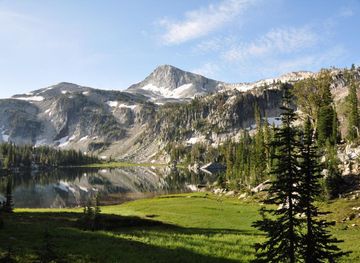
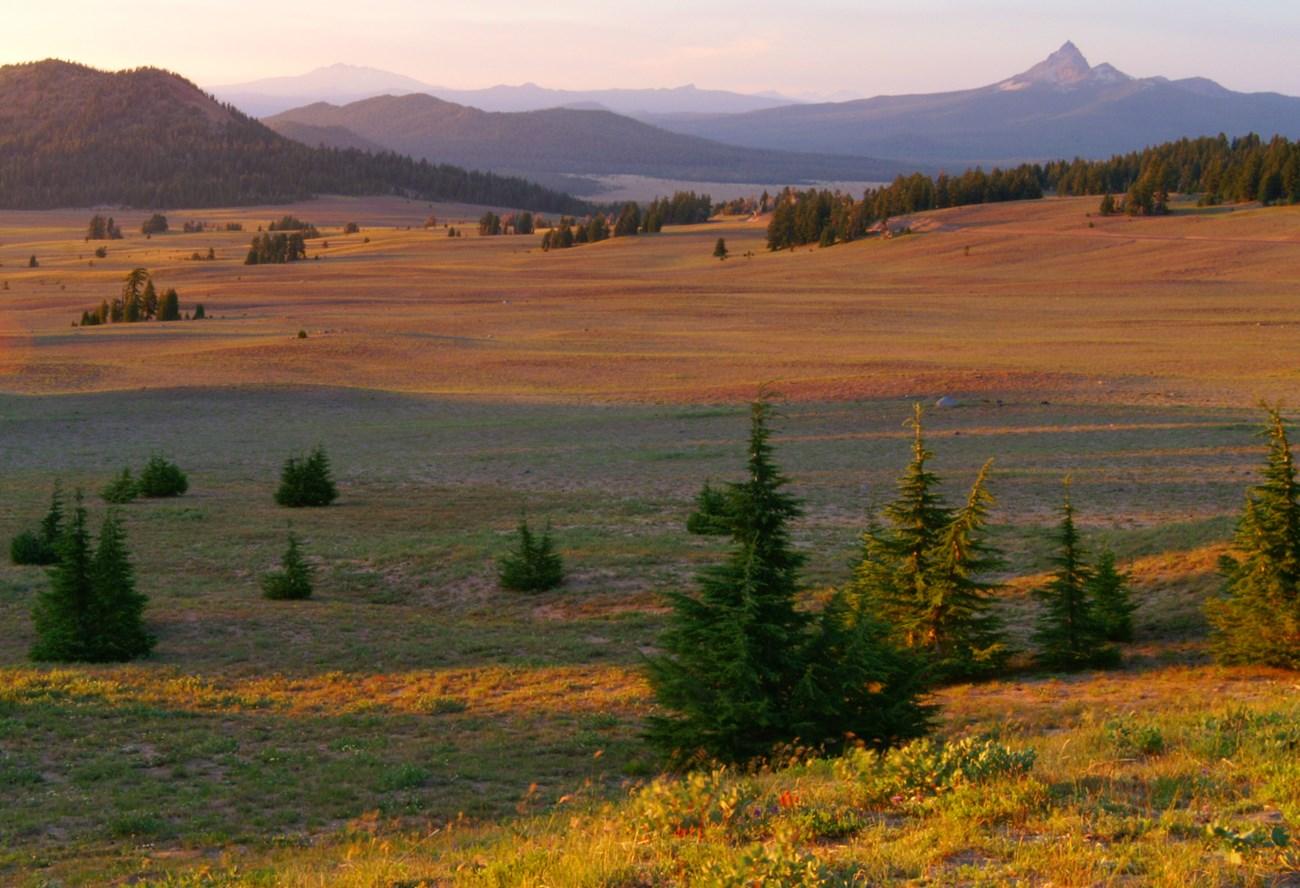
Neighbouring Regions of Baker County
The closest regions to Baker County, if you have time for more than one.



Your all‑in‑one travel companion app
Explore expert travel guides, compare and book tours, experiences, hotels, and more—all from the palm of your hand. Download now for seamless trip planning wherever your wanderlust takes you.


Explore More of Oregon

Looking beyond Baker County? Discover Oregon for broader travel guides, local hot-spots, and regional highlights.
Explore OregonBaker County in Photos
Browse through our photo collection highlighting the charm and character of the destination.
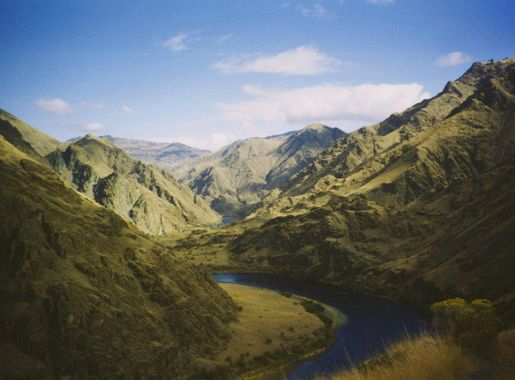




Baker County: The Heart of Oregon's Natural Beauty
Nestled in the eastern part of Oregon, Baker County is a haven for nature enthusiasts and history buffs alike. With its stunning landscapes, rich heritage, and warm-hearted locals, it offers a perfect blend of adventure and relaxation. Home to the majestic Wallowa-Whitman National Forest, Baker County is a paradise for hikers, campers, and wildlife watchers. The forest's lush greenery, serene lakes, and diverse fauna make it an ideal spot for reconnecting with nature. Additionally, the Oregon Trail Interpretive Center provides a fascinating glimpse into the lives of pioneers who traversed this rugged terrain in the 19th century. Historic Baker City, the county seat, is a charming town that boasts well-preserved architecture from the gold rush era. Visitors can stroll through the historic district, enjoy local cuisine in quaint cafes, and explore unique shops. Don't miss the opportunity to visit the Geiser Grand Hotel, a beautifully restored Victorian gem that offers a taste of old-world luxury. The annual Miners Jubilee, held every July, is a vibrant celebration of the county's mining heritage and features parades, music, and traditional craft displays.