

Free Blue Mountains Travel Guide & Mobile App
Explore Blue Mountains with free travel guides. Discover regional history, expert tips, proposed trips, and audio guides on web or mobile app.


Explore Oregon’s Blue Mountains for forest trails, historic mining towns, wildlife, high-country scenery and wide-open roads across the north-east.
Read more about Blue Mountains
Getting to and around Blue Mountains
How to get there
Transportation
Top city travel guides in Blue Mountains
The cities of Blue Mountains, and the easiest places to base yourself.
-

-

-

-


Swipe for more cities
Destinations in Blue Mountains
Resorts, valleys and scenic spots worth a trip of their own.
-

-

-

-

-

-


Swipe for more destinations
Best attractions in Blue Mountains
The Blue Mountains offer a dispersed collection of outdoor, historical and cultural attractions rather than a single urban sightseeing circuit. National-forest lands provide hiking, camping, fishing, hunting, horseback riding, wildlife watching and winter recreation, with trails ranging from accessible valley routes to demanding high-country journeys. The Elkhorn Mountains near Baker City, the Strawberry Mountain area near John Day and the forested uplands around La Grande and Enterprise each have different scenery and levels of development. Historic downtowns in Baker City, Pendleton, La Grande and John Day contain museums, former commercial buildings and local stories tied to mining, Indigenous history, agriculture and the railways. The National Historic Oregon Trail Interpretive Center east of Baker City explores emigrant travel and the wider settlement history of the region. Near Pendleton, the Tamástlikt Cultural Institute presents the history and contemporary life of the Confederated Tribes of the Umatilla Indian Reservation. River access, byways, rodeo traditions and dark rural skies add further dimensions, but visitors should check seasonal access and road conditions before travelling to remote sites.
-
Tourist attraction
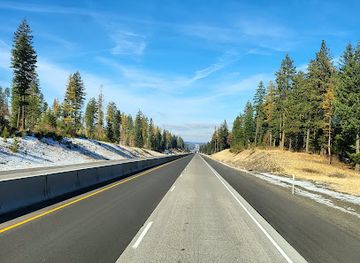
Blue Mountains summit
Explore the breathtaking beauty of the Blue Mountains Summit, a must-visit destination for nature lovers and adventure seekers in Oregon.
Best landmarks in Blue Mountains
The Blue Mountains’ landmarks include both built evidence of settlement and large natural forms that define the region’s geography. Baker City’s historic commercial centre is one of eastern Oregon’s most coherent reminders of the gold-rush period, with preserved nineteenth-century buildings and streetscapes. The National Historic Oregon Trail Interpretive Center, positioned east of Baker City, marks the emigrant route and the difficult descent towards the Powder River Valley. Pendleton’s Round-Up and downtown districts reflect the city’s enduring western, agricultural and Indigenous cultural associations, while the Tamástlikt Cultural Institute provides a significant contemporary landmark of tribal history and identity. In the mountains, the Elkhorn range rises above Baker County, the Strawberry Mountain country forms a prominent highland near John Day, and the Wallowa Mountains create a dramatic eastern backdrop around Enterprise, Joseph and Wallowa Lake. These natural landmarks are best understood through trail networks, viewpoints and watersheds rather than a single roadside stop. Their scale also explains why weather, road surfaces and seasonal access should be taken seriously.
-
 Historical landmark
Blue Mountain Crossing Monument Oregon Trail
Explore the Blue Mountain Crossing Monument, a key historical landmark on the Oregon Trail, rich with stories and stunning landscapes in Oregon.
Explore Blue Mountains on the map
Plan your trip on one map. See where the top cities, national parks and sights are, and book hotels and experiences in a few clicks.
Best hotels in Blue Mountains
Best restaurants in Blue Mountains
Dining across the Blue Mountains is shaped by ranching, farming, Indigenous foodways and the practical needs of dispersed rural communities. Baker City, La Grande, Pendleton, John Day, Enterprise and Joseph provide the broadest choice of cafés, bakeries, pubs and independent restaurants, while smaller settlements tend to offer straightforward diners, grills and seasonal establishments. Beef and lamb from eastern Oregon, locally grown grains, potatoes, fruit and preserves appear more often than highly formalised regional cuisine. Around Pendleton, visitors can seek out food and cultural interpretation connected with the Confederated Tribes of the Umatilla Indian Reservation, while farm shops and markets may offer produce when in season. Coffee shops and bakeries are useful stops on long drives, and rural eateries may close earlier or keep limited hours, so it is sensible to plan meals around the route rather than assume late-night service. Oregon beer and wine are available, but they are part of the wider state’s food culture rather than an exclusively Blue Mountain tradition.
-
Grill
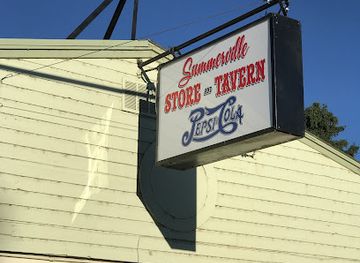
Summerville Store and Tavern
Experience small-town charm at Summerville Store and Tavern – where delicious comfort food meets local brews in Oregon.
Best bars in Blue Mountains
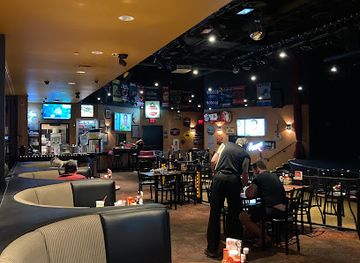
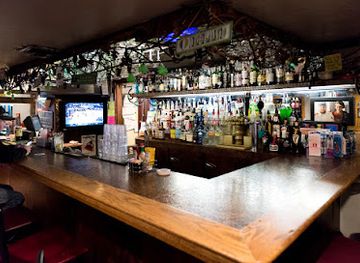
Evening life in the Blue Mountains is concentrated in the larger towns and is generally more social and low-key than club-oriented. Historic pubs, taverns, hotel bars and independent restaurants provide the main evening settings in Baker City, La Grande, Pendleton, John Day, Enterprise and Joseph. Pendleton has a particularly strong association with rodeo, western and Indigenous cultural events, although schedules vary and should be checked locally. Live music, community performances and seasonal festivals may add activity, while breweries and bars in the larger communities offer a contemporary rural-Oregon atmosphere. In smaller settlements, options can be limited and closing times may be earlier than international visitors expect; some mountain areas have no evening venues at all. Designated drivers are important because roads between communities are long, dark and often winding, and drinking is not necessary to participate in the region’s social or cultural life.
-
Casino
Wildhorse Resort & Casino
Discover the excitement of Wildhorse Resort & Casino, a family-friendly destination featuring gaming, fine dining, bowling, and entertainment in Pendleton, Oregon.
-
Steak
Mackey's Public House
Experience the best steak and local music at Mackey's Public House, a family-friendly pub in Ontario, Oregon.
-
Grill
Skyway Bar & Grill
Experience the best of American cuisine and lively music at Skyway Bar & Grill, a must-visit gem in Zigzag, Oregon.
-
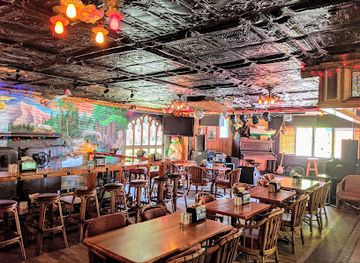
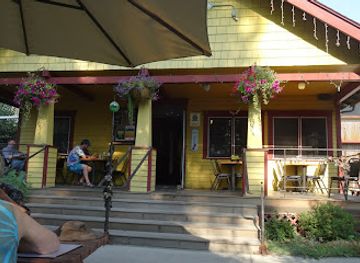
Brewpub
Terminal Gravity Brewery & Pub
Explore Terminal Gravity Brewery & Pub in Enterprise, Oregon, where craft beer meets local cuisine in a stunning mountain setting.
Best nightclubs in Blue Mountains
Evening life in the Blue Mountains is concentrated in the larger towns and is generally more social and low-key than club-oriented. Historic pubs, taverns, hotel bars and independent restaurants provide the main evening settings in Baker City, La Grande, Pendleton, John Day, Enterprise and Joseph. Pendleton has a particularly strong association with rodeo, western and Indigenous cultural events, although schedules vary and should be checked locally. Live music, community performances and seasonal festivals may add activity, while breweries and bars in the larger communities offer a contemporary rural-Oregon atmosphere. In smaller settlements, options can be limited and closing times may be earlier than international visitors expect; some mountain areas have no evening venues at all. Designated drivers are important because roads between communities are long, dark and often winding, and drinking is not necessary to participate in the region’s social or cultural life.
-
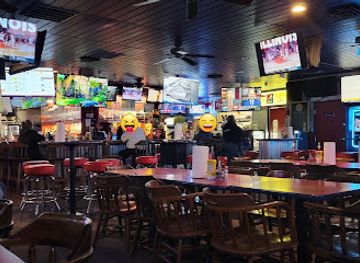
Sports bar
Sam’s Saloon
Discover the lively atmosphere at Sam's Saloon in Kennewick, WA - where great food, refreshing drinks, and live sports meet.
Best shops in Blue Mountains
Shopping in the Blue Mountains is centred on the main streets of Baker City, Pendleton, La Grande, John Day, Enterprise and Joseph, where independent shops, galleries, bookshops, antique dealers and practical outdoor retailers serve both residents and visitors. Pendleton is widely associated with woollen textiles and western-style goods, while galleries and craft shops in the mountain communities often feature regional art, woodwork, jewellery, pottery and photography. Farmers’ markets and farm shops provide seasonal fruit, preserves, baked goods and other products from eastern Oregon, although dates and availability vary. Local museums and cultural institutions can be appropriate places to learn about Indigenous and regional history and to buy responsibly presented books or artwork. Rather than expecting large shopping centres, visitors should look for durable goods suited to the landscape, including outdoor equipment, locally made food products and crafts. Respect provenance and ask whether an item is genuinely made locally, particularly when purchasing work described as Indigenous.
-
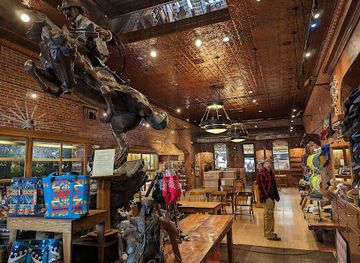
Clothing store
Hamley & Co. Western Store
Experience the spirit of the Old West at Hamley & Co. Western Store in Pendleton, Oregon, offering authentic western apparel and unique local merchandise.
-
Sporting goods store
Ochocos Outdoors
Discover your outdoor adventure at Ochocos Outdoors, the premier sporting goods store in La Grande, Oregon, offering top-quality gear for every outdoor enthusiast.
-
Ice Cream
Mad Mary's Gift Shop & Soda Fountain
Discover the sweet pleasures of Mad Mary's Gift Shop & Soda Fountain in Joseph, Oregon - a delightful stop for ice cream, gifts, and nostalgic treats.
-
Sporting goods store
Mountain Works Bicycles
Discover the ultimate cycling experience at Mountain Works Bicycles in La Grande, Oregon, your one-stop shop for bikes and accessories.


Get your free copy of our complete guide to Blue Mountains, delivered straight to you.
Everything on this page, from attractions and restaurants to essentials and local phrases, in one PDF you can read offline, print or share.
Already have an account? Sign in
Your Blue Mountains guide is ready.
We'll send it to · Not you? Sign out

Getting your guide ready…
We are putting together a fresh copy of the Blue Mountains guide. This can take up to a minute.
This can take a few moments. If your browser asks, choose Allow so the download can start. You'll find the guide in your Downloads folder.
Nothing happened? Download it again
Sorry, the guide is taking longer than usual. Please try again in a minute, or get it by email instead.
Blue Mountains essentials
Currency and Payment
Safety
Emergency Situations
Do's and Don'ts
Local Tips
From Eve
Local phrases worth knowing
You don't need to get them perfect. A few words go a long way, and locals appreciate the effort.
Basics
| English | Local | Say it |
|---|---|---|
| Hello | Howdy | [HAO-dee] |
| Goodbye | See you later | [SEE yoo LAY-ter] |
| Yes | Yep | [YEP] |
| No | Nope | [NOPE] |
| Please/You’re welcome | Sure thing | [SHER thing] |
| Thank you | Thanks a lot | [THANGKS a LOT] |
| Excuse me/Sorry | My bad | [MY BAD] |
| How are you? | How's it going? | [HAO's it GO-ing] |
| Fine. And you? | Good. You? | [GOOD. YOO?] |
| Do you speak English? | You speak English? | [YOO speak IN-glish?] |
| I don't understand | I don’t get it | [I DON’T get it] |
Eating & Drinking
| English | Local | Say it |
|---|---|---|
| I’d like to see the menu, please | Can I see the menu? | [KAN I SEE the MEN-yoo?] |
| I don't eat meat | I’m a vegetarian | [I’M a ve-ge-TAR-i-an] |
| Cheers! | Cheers! | [CHEERS!] |
| I would like to pay, please | Can I get the check? | [KAN I GET the CHEK?] |
Emergencies
| English | Local | Say it |
|---|---|---|
| Help! | Help! | [HELP!] |
| Go away! | Get lost! | [GET LOST!] |
| Call the Police! | Call the cops! | [CALL the COPS!] |
| Call a doctor! | Get a doctor! | [GET a DOC-tor!] |
| I’m lost | I can’t find my way | [I CAN’T find my WAY] |
| I’m ill | I’m not feeling well | [I’M not FEEL-ing WELL] |
Shopping
| English | Local | Say it |
|---|---|---|
| I’d like to buy... | I want to buy... | [I WANT to BUY...] |
| I’m just looking | Just browsing | [JUST BROW-sing] |
| How much is it? | What’s the price? | [WHAT’s the PRICE?] |
| That’s too expensive | That’s way too pricey | [THAT’s WAY too PRICE-ee] |
| Can you lower the price? | Can you give me a deal? | [KAN you GIVE me a DEEL?] |
Time & Numbers
| English | Local | Say it |
|---|---|---|
| What time is it? | What’s the time? | [WHAT’s the TIME?] |
| It’s one o’clock | It’s one | [IT’s ONE] |
| Half past (10) | Half past ten | [HAHF past TEN] |
| Morning | Morning | [MOR-ning] |
| Afternoon | Afternoon | [AF-ter-NOON] |
| Evening | Evening | [EEV-ning] |
| Yesterday | Yesterday | [YES-ter-day] |
| Today | Today | [to-DAY] |
| Tomorrow | Tomorrow | [to-MOR-row] |
| 1 | One | [WUN] |
| 2 | Two | [TOO] |
| 3 | Three | [THREE] |
| 4 | Four | [FOR] |
| 5 | Five | [FIVE] |
| 6 | Six | [SIX] |
| 7 | Seven | [SEV-en] |
| 8 | Eight | [EYT] |
| 9 | Nine | [NINE] |
| 10 | Ten | [TEN] |
Transport & Directions
| English | Local | Say it |
|---|---|---|
| Where's a/the...? | Where’s the...? | [WHERE’s the...?] |
| What’s the address? | What’s the address? | [WHAT’s the AD-dress?] |
| Can you show me (on the map)? | Can you point it out? | [CAN you POINT it OUT?] |
| When’s the next (bus)? | When’s the next bus? | [WHEN’s the NEXT bus?] |
| A ticket (to ....) | One ticket (to ...) | [WUN TIK-it (to ...)] |
History of Blue Mountains
Indigenous Homelands and Trade Routes
The Blue Mountains are part of the longstanding homelands and travelling routes of peoples including the Cayuse, Umatilla, Walla Walla and Nez Perce. Rivers, valleys and mountain passes connected communities across what is now eastern Oregon and neighbouring areas, supporting fishing, hunting, gathering and trade. These relationships with the land continued despite the arrival of American settlers, military expeditions and commercial enterprises. The Confederated Tribes of the Umatilla Indian Reservation, near Pendleton, remains a major cultural and political presence in the region, and its institutions provide important context for understanding Indigenous history beyond the usual settler narrative.
Treaties, Settlement and Conflict in the 1840s–1870s
Nineteenth-century treaties attempted to restrict Indigenous territories as emigrant routes and American settlement expanded through Oregon. The resulting loss of land and pressure on established lifeways contributed to conflict, including the U.S. Army campaigns associated with the Cayuse War and later Nez Perce War. Forts, wagon routes and military movements altered the region’s geography and economy. The consequences remain visible in treaty rights, tribal governance and continuing debates over land and resource management, making this period central to the modern history of the Blue Mountains rather than a brief prelude to mining and ranching.
The Oregon Trail and Overland Migration
The Oregon Trail crossed the wider eastern Oregon landscape through river valleys and mountain approaches, bringing emigrants westward from the 1840s onwards. Travellers faced difficult terrain, limited water and demanding climbs before reaching the Columbia corridor and the Willamette Valley. Although many wagon parties did not settle in the Blue Mountains themselves, their movement opened the way for farms, trading posts, roads and later towns. The trail era also accelerated pressure on Indigenous communities and resources, while establishing transport corridors that continued to shape settlement patterns across north-eastern Oregon.
Gold-Rush Towns and Mining
Gold discoveries in the 1860s transformed parts of the Blue Mountains. Baker City, Canyon City, Granite and other settlements grew as prospectors, merchants and transport operators arrived in search of placer and lode deposits. Mining stimulated roads, banks, hotels and government services, while also creating boom-and-bust economies and extensive environmental disturbance. Baker City retains some of the clearest architectural evidence of this era, and former mining districts in the surrounding mountains still contain historic workings and ruined settlements. Modern visitors should treat abandoned mines as hazardous and respect restrictions on entering them.
Ranching, Agriculture and the Railways
After the early mining booms, ranching and agriculture became enduring foundations of the regional economy. Cattle and sheep used valley grasslands and mountain pasture, while wheat farming expanded across drier areas west of the higher ranges. Railways reached eastern Oregon in the late nineteenth century, connecting communities to markets and encouraging the growth of towns such as La Grande, Baker City and Pendleton. Rail transport also supported timber, livestock and mining, although many rural lines later declined. The region’s open valleys, stock-raising traditions and historic depots reflect this transition from extraction-led settlement to a more diversified rural economy.
Forestry and Public-Land Management
Commercial timber harvesting expanded as rail access, sawmilling and demand for construction materials developed. Large areas of the Blue Mountains are now managed within the national-forest system, whose origins lie in Progressive Era conservation and the creation of federal forest reserves. Public-land policy has continually balanced timber production with grazing, watershed protection, wildlife habitat, recreation and wildfire management. The legacy is visible in forest roads, working landscapes and debates over fire, logging and habitat. Today, the Umatilla, Wallowa-Whitman and Malheur national forests are central to both the region’s economy and its visitor experience.
Modern Communities and Cultural Continuity
Twentieth- and twenty-first-century Blue Mountain communities have combined ranching, forestry, public administration, education, tourism and small-scale manufacturing. Pendleton’s tribal, agricultural and cultural institutions give the western approach a distinctive identity, while historic towns such as Baker City and La Grande have adapted their commercial centres for residents and visitors. Outdoor recreation has grown in importance, but it sits alongside working forests, farms and ranches rather than replacing them. Contemporary regional life therefore reflects both continuity and change: Indigenous sovereignty and cultural renewal, rural economic pressures, wildfire adaptation and a growing interest in heritage and nature-based travel.
Blue Mountains in Photos
Browse through our photo collection highlighting the charm and character of the destination.
Neighbouring regions of Blue Mountains
The closest regions to Blue Mountains, if you have time for more than one.
-

-

-

-

-


Swipe for more regions
Explore more

Explore more of Oregon
Discover Oregon's diverse landscapes, vibrant cities, and rich culture. From stunning coastlines to lush forests, this Pacific Northwest gem offers endless adventures.
Explore Oregon