

Free Eastern Oregon Travel Guide & Mobile App
Explore Eastern Oregon with free travel guides. Discover regional history, expert tips, proposed trips, and audio guides on web or mobile app.


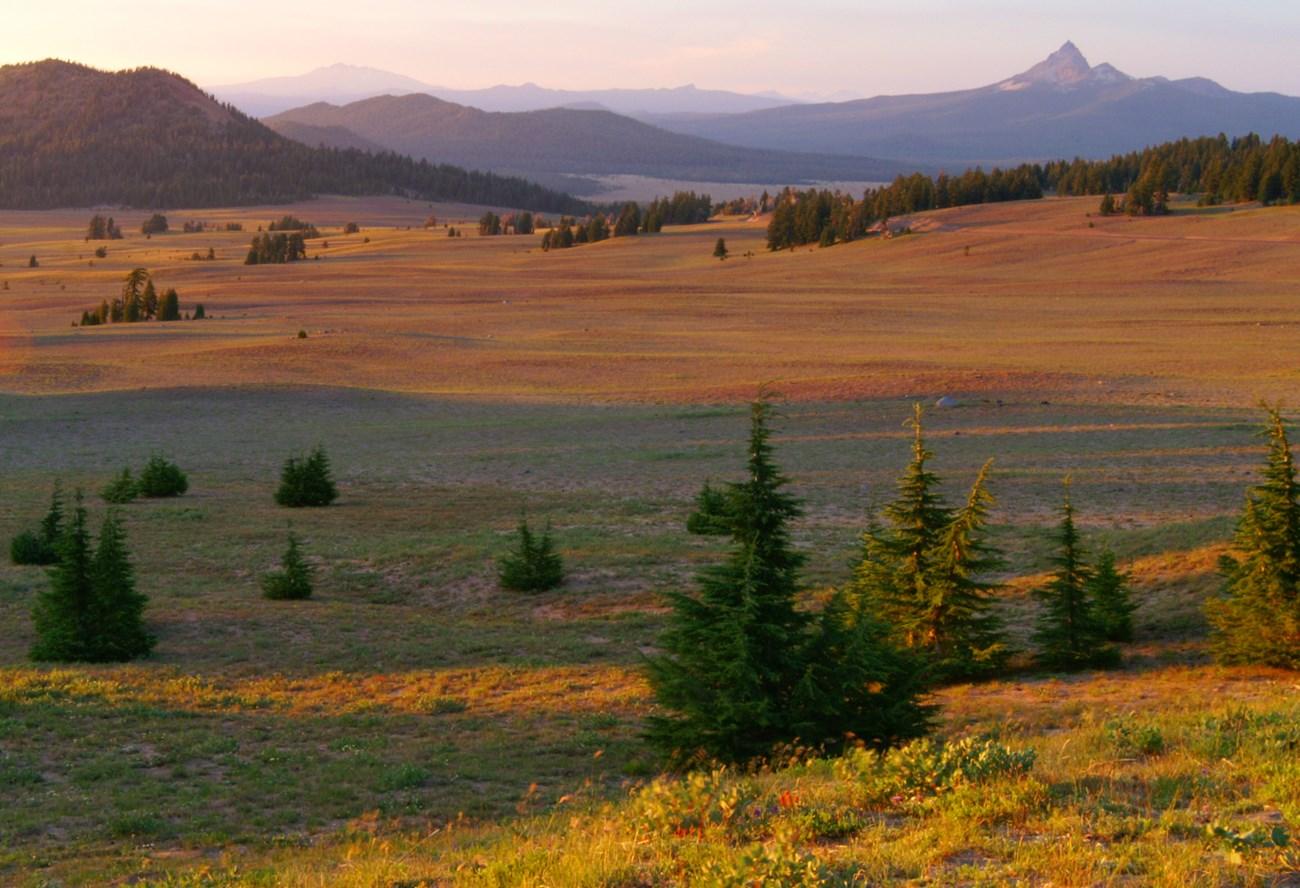


Explore Eastern Oregon for fossil beds, mountain valleys, high-desert roads, historic towns, canyon country and wide-open landscapes shaped by geology and ranching.
Read more about Eastern Oregon
Getting to and around Eastern Oregon
How to get there
Transportation
Top city travel guides in Eastern Oregon
The cities of Eastern Oregon, and the easiest places to base yourself.
-

-

-

-

-
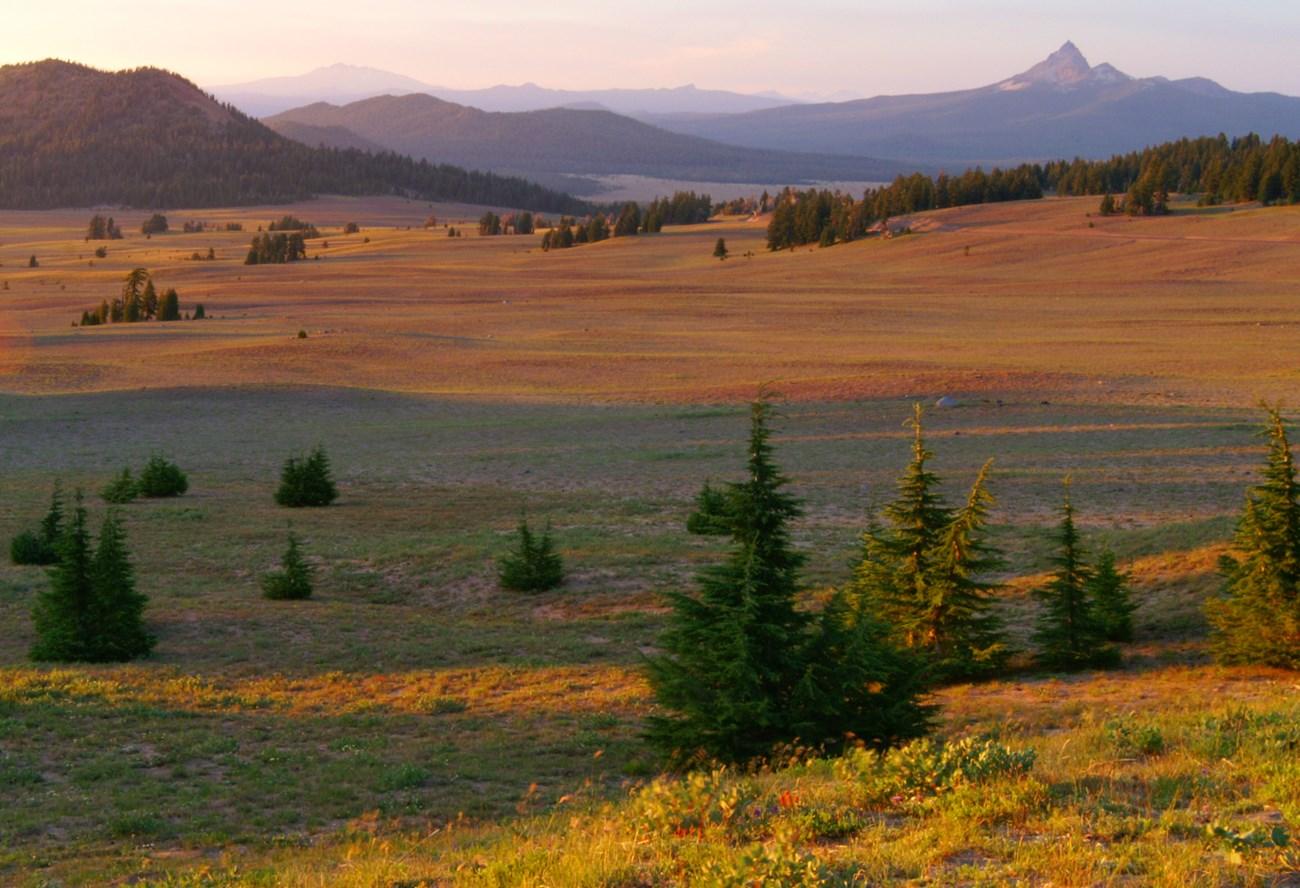 Klamath Falls
 blends high-desert scenery, Native heritage, wildlife refuges, outdoor adventure and small-city culture in southern Oregon, near Crater Lake.


Swipe for more cities
Destinations in Eastern Oregon
Resorts, valleys and scenic spots worth a trip of their own.
-

-
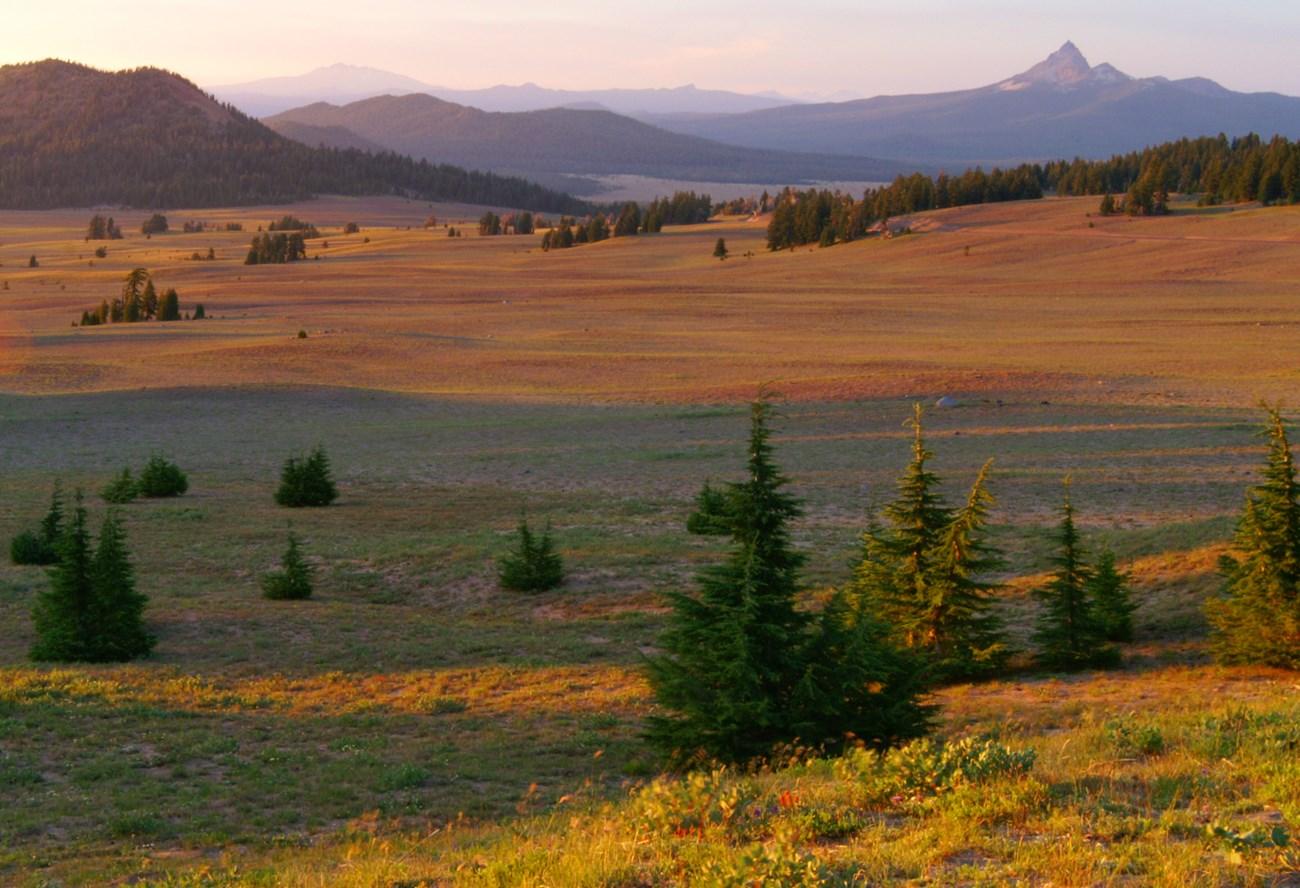 Crater Lake National Park
 in Oregon offers volcanic scenery, Wizard Island views, Rim Drive, winter snow and deep-blue lake landscapes in the Cascades.
-

-

-

-


Swipe for more destinations
Best attractions in Eastern Oregon
Eastern Oregon’s attractions are spread across a landscape rather than concentrated in one city. John Day Fossil Beds National Monument, especially the Painted Hills and Sheep Rock units, offers accessible trails and interpretive displays amid unusually coloured formations and internationally important fossil-bearing strata. In the northeast, Wallowa Lake and the Wallowa Mountains provide a base for hiking, boating, fishing and high-country scenery, while Joseph and Enterprise add galleries, local history and ranching context. The Blue Mountains contain forests, rivers, wildlife habitat and routes suited to hiking, fishing and winter recreation. Further south, Steens Mountain, the Alvord Basin and the Owyhee Canyonlands appeal to experienced road-trippers seeking remoteness, geological drama and dark skies. Hells Canyon offers boating, fishing, rafting and viewpoints along the Snake River, although access is dispersed and conditions vary. Museums, historic courthouses, railway traces, ranching exhibits and Indigenous cultural institutions in towns such as Pendleton, Baker City, Burns and John Day provide essential context for the wider landscape.
-
 Hiking area
Columbia River Gorge National Scenic Area
Discover the stunning landscapes and outdoor adventures of the Columbia River Gorge National Scenic Area in Oregon, a haven for nature lovers and hikers.
-
State park
Smith Rock State Park
Explore the breathtaking Smith Rock State Park in Oregon, a premier destination for outdoor adventures, stunning landscapes, and unforgettable experiences.
-
National forest
Willamette National Forest
Experience the awe-inspiring beauty of Willamette National Forest, a natural wonderland perfect for outdoor adventures and serene escapes in Oregon.
-
Museum
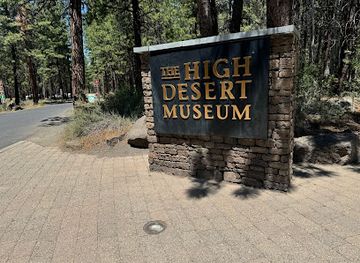
High Desert Museum
Explore the High Desert Museum: A cultural gem showcasing art, history, and wildlife in the heart of Oregon.

Best landmarks in Eastern Oregon
Eastern Oregon’s landmarks are often geological or landscape-scale rather than monumental urban structures. The Painted Hills, with bands of red, gold and black earth, are among the most recognisable formations in the John Day Fossil Beds National Monument, while Sheep Rock and the John Day River valley reveal the region’s depth of geological time. Steens Mountain rises dramatically above the Alvord Basin, creating one of the area’s defining horizons; seasonal access and road conditions should be checked before attempting high routes. Wallowa Lake, framed by the glaciated Wallowa Mountains, is a major northeastern landmark, and Hells Canyon marks the eastern border with a vast river-cut gorge shared with Idaho. In settled areas, the round-up grounds and historic commercial architecture of Pendleton, the preserved civic and mercantile buildings of Baker City and the historic streets of Joseph express different aspects of regional development. These places are significant not merely as viewpoints but as records of volcanic forces, Indigenous history, transport, ranching and town building.
-
Hiking area
Columbia River Gorge National Scenic Area
Discover the breathtaking beauty and outdoor adventures of the Columbia River Gorge National Scenic Area in Oregon, a true natural gem for every traveler.
-
Historical landmark
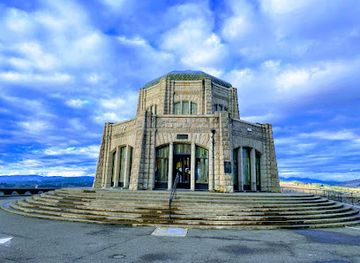
Vista House at Crown Point
Experience breathtaking views and rich history at Vista House at Crown Point, a must-visit landmark in the beautiful Columbia River Gorge.
-
Museum
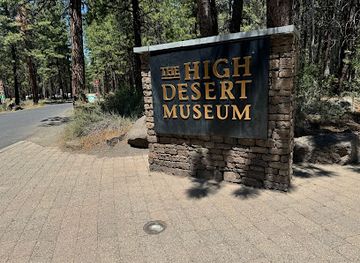
High Desert Museum
Explore the High Desert Museum in Bend, Oregon, where culture, history, and nature intertwine in an engaging and educational experience.
-
National forest
Umatilla National Forest
Discover the breathtaking beauty of Umatilla National Forest, a national treasure in Oregon, rich with diverse landscapes and endless outdoor adventures.

Explore Eastern Oregon on the map
Plan your trip on one map. See where the top cities, national parks and sights are, and book hotels and experiences in a few clicks.
Best hotels in Eastern Oregon
Best restaurants in Eastern Oregon
Dining in Eastern Oregon reflects ranching, farming, fishing and the practical traditions of small communities. Pendleton and other larger towns have the broadest choice of cafés, bakeries, family restaurants, breweries and contemporary kitchens, while rural inns and cafés often cater to travellers moving along the region’s highways. Beef, lamb, wheat, potatoes, berries, orchard produce and local cheeses appear more often than highly formalised regional cuisine, and menus may change with supply and season. Pendleton’s connection with the surrounding agricultural country is visible in its independent eateries, while northeastern towns provide useful bases for meals before trips into the Wallowas. Farmers’ markets and farm stands can offer fruit, vegetables, preserves and baked goods at the appropriate time of year. Visitors should plan meals and fuel together in remote districts: options around the Alvord Basin, Owyhee country and high mountain roads are limited compared with established towns.
-
Casino
Wildhorse Resort & Casino
Discover endless entertainment at Wildhorse Resort & Casino in Pendleton: from gaming thrills to family fun and exquisite dining experiences.
-
Steak
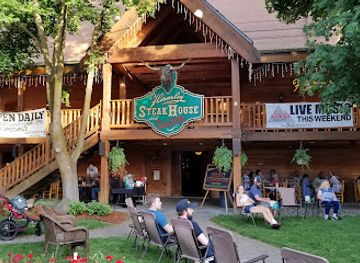
Hamley Steakhouse & Saloon
Discover the best steak dining experience at Hamley Steakhouse & Saloon in Pendleton, Oregon – where flavor meets tradition.
-
Restaurant
Embers Brewhouse
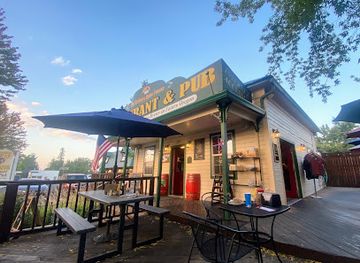
Discover delicious local cuisine at Embers Brewhouse in Joseph, Oregon—where every meal is an unforgettable experience amidst stunning scenery.
-
Grill
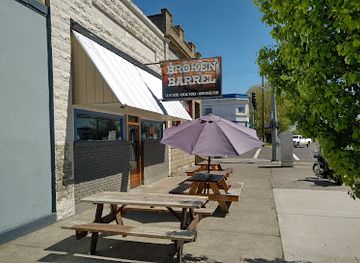
Broken Barrel
Discover Broken Barrel: A delightful grill and bar in Stanfield offering delicious locally sourced meals in a warm atmosphere.
Best bars in Eastern Oregon
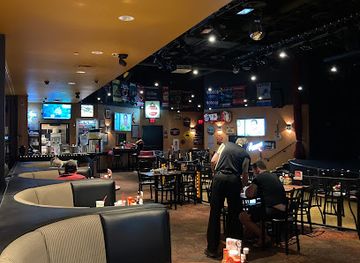
Eastern Oregon’s evening life is centred on traditional pubs, taverns, restaurants, breweries and community venues rather than a large nightclub scene. Pendleton has the region’s most varied concentration of bars, live music and cultural programming, while Baker City, La Grande, Joseph and other larger towns offer locally oriented evenings in historic commercial districts. In smaller settlements, a pub or café may be the main social venue, and closing times and entertainment schedules can vary considerably. Breweries and taprooms are present in some communities, but alcohol is not the only way to experience the region after dark: theatres, local performances, stargazing and quiet evenings at rural accommodation are also important. Remote destinations have little or no nightlife, so visitors staying near the Steens Mountain, Owyhee or Hells Canyon landscapes should arrive with provisions and treat darkness as part of the environment rather than expecting a late-evening commercial scene.
-
Casino
Wildhorse Resort & Casino
Discover the ultimate entertainment experience at Wildhorse Resort & Casino in Pendleton, Oregon, where gaming, dining, and family fun await.
-
American
Zydeco Kitchen & Cocktails
Experience the fusion of Cajun and American flavors at Zydeco Kitchen & Cocktails in Bend, Oregon, where every meal is a celebration of taste.
-
Brewpub
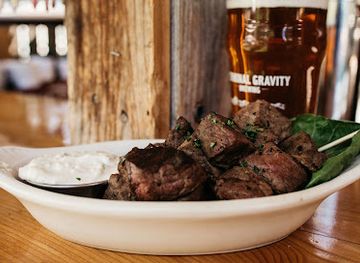
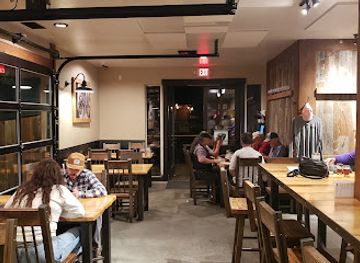
Terminal Gravity Brewery & Pub
Discover craft beers and breathtaking mountain views at Terminal Gravity Brewery & Pub, a must-visit brewpub in Enterprise, Oregon.
-
Brewpub
10 Barrel Brewing West Side Bend
Explore Bend's vibrant brewpub scene at 10 Barrel Brewing West Side, where craft beer meets delicious food in an inviting atmosphere.

Best nightclubs in Eastern Oregon
-
Traditional American
Cousins' Restaurant & Saloon
Experience the essence of traditional American dining at Cousins' Restaurant & Saloon, a family-friendly gem in The Dalles, Oregon.
-
Pub
Rivertap Restaurant and Pub
Discover Rivertap Restaurant and Pub, where great food meets live music in the heart of The Dalles, Oregon.
-
Bar
Mac's Bar & Grill
Discover the perfect blend of sports, food, and fun at Mac's Bar & Grill in Pendleton, Oregon.
-
Grill
Zim's Sports Bar and Grill
Discover the vibrant atmosphere and delicious offerings at Zim's Sports Bar and Grill in The Dalles, where every meal is a celebration of flavor.


Best shops in Eastern Oregon
Shopping in Eastern Oregon is concentrated in market towns rather than large retail centres. Pendleton is associated with woollen goods and the broader regional history of ranching and textile production, while its shops and galleries also reflect contemporary Western design. Baker City, Joseph, La Grande, John Day and other established towns have independent bookshops, galleries, antique stores, craft outlets and practical shops serving local communities. Visitors may find locally made pottery, metalwork, paintings, woodwork, jewellery, leather goods and regional food products, although stock and opening arrangements vary. Farmers’ markets and farm stands provide seasonal fruit, vegetables, preserves, honey and baked products where available. In remote areas, shopping may be limited to small provisions stores, so purchase fuel and essentials before leaving larger towns. When buying Indigenous art or cultural items, use reputable sellers and ask about provenance rather than treating cultural material as a generic souvenir.
-
Cannabis store
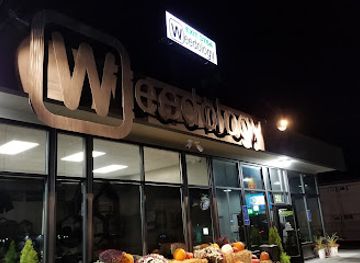
Weedology
Discover Weedology in Ontario, Oregon, where quality cannabis products meet expert guidance in a welcoming environment.
-
Cannabis store
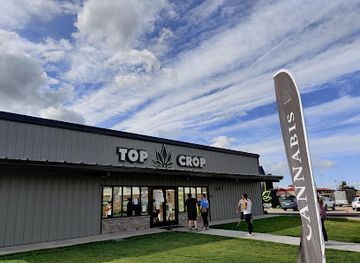
Top Crop Cannabis Co.
Discover a diverse range of premium cannabis products at Top Crop Cannabis Co. in Ontario, Oregon, where quality meets exceptional service.
-
Truck stop
Arrowhead Travel Plaza
Discover Arrowhead Travel Plaza in Oregon - your ultimate stop for fuel, food, and convenience on the road.
-
Truck stop
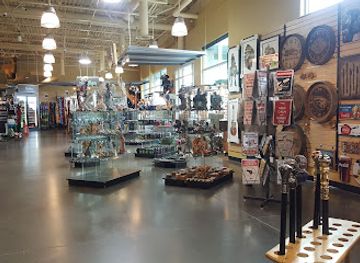
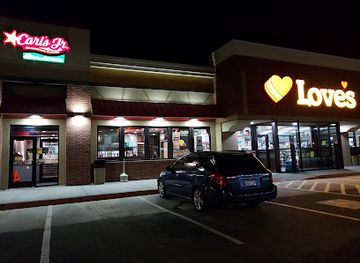
Love's Travel Stop
Explore Love's Travel Stop in Boardman, OR, where convenience meets comfort for travelers on the go.
Get your free copy of our complete guide to Eastern Oregon, delivered straight to you.
Everything on this page, from attractions and restaurants to essentials and local phrases, in one PDF you can read offline, print or share.
Already have an account? Sign in
Your Eastern Oregon guide is ready.
We'll send it to · Not you? Sign out

Getting your guide ready…
We are putting together a fresh copy of the Eastern Oregon guide. This can take up to a minute.
This can take a few moments. If your browser asks, choose Allow so the download can start. You'll find the guide in your Downloads folder.
Nothing happened? Download it again
Sorry, the guide is taking longer than usual. Please try again in a minute, or get it by email instead.
Eastern Oregon essentials
Currency and Payment
Safety
Emergency Situations
Do's and Don'ts
Local Tips
From Eve
Local phrases worth knowing
You don't need to get them perfect. A few words go a long way, and locals appreciate the effort.
Basics
| English | Local | Say it |
|---|---|---|
| Hello | Howdy | [How-dee] |
| Goodbye | See ya | [See yah] |
| Yes | Yep | [Yep] |
| No | Nah | [Nah] |
| Please/You're welcome | Sure thing | [Shur thing] |
| Thank you | Thanks a bunch | [Thangs a bunch] |
| Excuse me/Sorry | Pardon me | [Pardon me] |
| How are you? | How's it going? | [How's it goin'?] |
| Fine. And you? | Good. And you? | [Good. An' you?] |
| Do you speak English? | Ya speakin' English? | [Ya speakin' English?] |
| I don't understand | I ain't gettin' it | [I ain't gettin' it] |
Eating & Drinking
| English | Local | Say it |
|---|---|---|
| I'd like to see the menu, please | Can I see the menu? | [Can I see the menu?] |
| I don't eat meat | I don't do meat | [I don't do meat] |
| Cheers! | Cheers! | [Cheers!] |
| I would like to pay, please | Can I get the check? | [Can I get the check?] |
Emergencies
| English | Local | Say it |
|---|---|---|
| Help! | Help! | [Help!] |
| Go away! | Leave me alone! | [Leave me alone!] |
| Call the Police! | Call the cops! | [Call the cops!] |
| Call a doctor! | Get a doctor! | [Get a doctor!] |
| I'm lost | I'm turned around | [I'm turned around] |
| I'm ill | I'm feelin' unwell | [I'm feelin' unwell] |
Shopping
| English | Local | Say it |
|---|---|---|
| I'd like to buy... | I wanna buy... | [I wanna buy...] |
| I'm just looking | Just browsing | [Just browsing] |
| How much is it? | What’s the damage? | [What’s the damage?] |
| That's too expensive | That’s a bit pricey | [That’s a bit pricey] |
| Can you lower the price? | Can ya cut me a deal? | [Can ya cut me a deal?] |
Time & Numbers
| English | Local | Say it |
|---|---|---|
| What time is it? | What time ya got? | [What time ya got?] |
| It's one o'clock | It's one | [It's one] |
| Half past (10) | Half past ten | [Half past ten] |
| Morning | Mornin' | [Mornin'] |
| Afternoon | Afternoon | [Afternoon] |
| Evening | Evenin' | [Evenin'] |
| Yesterday | Yesterday | [Yesterday] |
| Today | Today | [Today] |
| Tomorrow | Tomorrow | [Tomorrow] |
| 1 | One | [One] |
| 2 | Two | [Two] |
| 3 | Three | [Three] |
| 4 | Four | [Four] |
| 5 | Five | [Five] |
| 6 | Six | [Six] |
| 7 | Seven | [Seven] |
| 8 | Eight | [Eight] |
| 9 | Nine | [Nine] |
| 10 | Ten | [Ten] |
Transport & Directions
| English | Local | Say it |
|---|---|---|
| Where's a/the...? | Where's the...? | [Where's the...?] |
| What's the address? | What's the address? | [What's the address?] |
| Can you show me (on the map)? | Can ya show me on the map? | [Can ya show me on the map?] |
| When's the next (bus)? | When's the next bus? | [When's the next bus?] |
| A ticket (to ....) | A ticket to... | [A ticket to...] |
History of Eastern Oregon
Indigenous Homelands Before European Settlement
Eastern Oregon has long been home to Indigenous peoples whose territories and seasonal movements crossed today’s county and state boundaries. The Nez Perce, Northern Paiute, Umatilla, Cayuse and Walla Walla are among the peoples with deep connections to the region’s rivers, plateaux, valleys and mountains. Fishing, hunting, gathering and trade shaped life across varied ecological zones. The Umatilla, Cayuse and Walla Walla peoples are represented today by the Confederated Tribes of the Umatilla Indian Reservation near Pendleton, while the Burns Paiute Tribe maintains its community in Harney County. Their continuing presence is essential to understanding the region beyond its later settler history.
The Oregon Trail and Overland Migration
During the 1840s and 1850s, emigrants travelling west on the Oregon Trail crossed parts of what is now eastern Oregon, following the Snake River and routes through the Blue Mountains. The journey brought growing numbers of settlers, but it also intensified pressure on Indigenous lands and disrupted established political and economic relationships. Places associated with the trail, including the Baker Valley and the approach to the Blue Mountains, preserve a physical connection to this migration. Roadside ruts, museums and historic buildings help explain both the hardship of overland travel and the far-reaching consequences of American expansion.
Treaties, Conflict and Reservation History
Treaties made in the 1850s attempted to define Indigenous reservations and access to land and resources, but their results were marked by coercion, dispossession and continued conflict. The Cayuse War of 1847, the Nez Perce War of 1877 and later struggles involving Northern Paiute communities formed part of this wider history. The Nez Perce flight passed through northeastern Oregon during the 1877 conflict, while treaty rights and reservation governance remain living issues. Museums, tribal cultural institutions and interpretive sites provide context that is more meaningful than viewing the region solely through pioneer-era narratives.
Gold Mining, Towns and the Coming of Railways
Gold discoveries in the Blue Mountains during the 1860s brought prospectors, merchants and transport routes to settlements such as Baker City, Canyon City and John Day. Mining was frequently short-lived or uneven, but it stimulated trade, banking, ranching and town building. The arrival of railways later connected agricultural and mining districts with markets beyond the region, particularly along the Columbia River and through northeastern Oregon. Historic commercial blocks and courthouses in Baker City, Pendleton and other towns reflect the prosperity, speculation and civic ambitions of this period.
Ranching, Wheat and Irrigation
Livestock ranching became a defining economic activity across the high desert and mountain valleys, while dryland wheat farming spread through the northern plateaux. In the lower, drier country, irrigation transformed selected river valleys and supported hay, crops and settled communities. These industries depended on rail transport, water engineering and access to extensive public and private grazing lands. Today, cattle, hay, wheat and other agricultural products remain visible in the landscape, although they coexist with tourism, public-land recreation, renewable-energy development and conservation concerns.
Public Lands and Modern Conservation
The twentieth and twenty-first centuries brought a stronger emphasis on protecting Eastern Oregon’s geological, ecological and scenic resources. John Day Fossil Beds National Monument, established in 1975, protects internationally important fossil landscapes, while areas such as the Steens Mountain region, Hells Canyon and the Owyhee country are associated with wilderness, wildlife and conservation debates. Public lands support ranching, hunting, fishing, recreation and habitat protection, sometimes with competing demands. The modern region is therefore shaped not only by its historic towns and working landscapes but also by continuing decisions about land, water and access.
Eastern Oregon in Photos
Browse through our photo collection highlighting the charm and character of the destination.
Neighbouring regions of Eastern Oregon
The closest regions to Eastern Oregon, if you have time for more than one.
-

-
-
-

-


Swipe for more regions
Explore more

Explore more of Oregon
Discover Oregon's diverse landscapes, vibrant cities, and rich culture. From stunning coastlines to lush forests, this Pacific Northwest gem offers endless adventures.
Explore Oregon