

John Day River Basin, Oregon Travel Guide
Discover the John Day River Basin in Oregon, where free-flowing rivers, fossil beds, and vibrant landscapes provide endless opportunities for adventure and exploration.
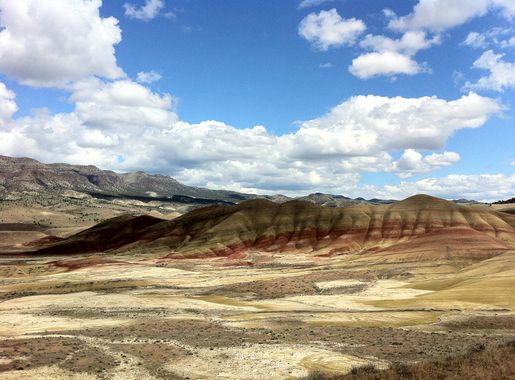
The John Day River Basin in Oregon is a treasure trove for nature enthusiasts and adventure seekers alike. This expansive region, encompassing the awe-inspiring John Day River and its tributaries, offers a unique blend of dramatic landscapes, rich history, and abundant wildlife. The river is renowned for being one of the longest free-flowing rivers in the United States, providing unparalleled opportunities for outdoor activities such as fishing, kayaking, and rafting. The basin is also home to the John Day Fossil Beds National Monument, a fascinating site where visitors can explore millions of years of Earth's history. The colorful rock formations, known as the Painted Hills, are a sight to behold, offering stunning photo opportunities. The area is a haven for paleontologists and geology buffs, as well as those simply looking to immerse themselves in the natural beauty of Oregon. In addition to its geological wonders, the John Day River Basin boasts a diverse ecosystem that supports a variety of plant and animal species. The region is perfect for hiking, bird watching, and camping, with numerous trails and campgrounds catering to different levels of experience. Whether you're a seasoned adventurer or a casual traveler, the John Day River Basin promises an unforgettable experience in the heart of Oregon's wilderness.

Know before you go
Hi, I'm Eve. Here are a few practical things to know before exploring John Day River Basin.
- Visit the Painted Hills during sunrise or sunset for the best lighting and colors.
- Bring plenty of water and sun protection, as the area can get very hot, especially in summer.
- Check local fishing regulations before casting your line in the John Day River.
- Stop by the Thomas Condon Paleontology Center to learn about the region's fossil history.
- Reserve campsites in advance during peak seasons to ensure availability.
Top City Travel Guides in John Day River Basin
The cities of John Day River Basin, and the easiest places to base yourself.


Destinations in John Day River Basin
Resorts, valleys and scenic spots worth a trip of their own.


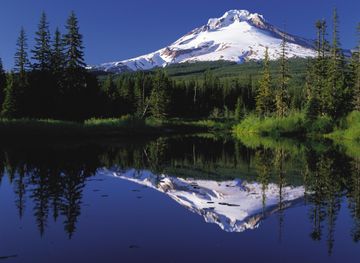

Explore John Day River Basin: Things to Do, Places to Eat, Hotels & More
Handpicked recommendations for top attractions, local dining, accommodations, and more

Top Attractions & Sightseeing in John Day River Basin
Top-rated picks
Best Attractions

John Day Fossil Beds National Monument
Explore the captivating landscapes and ancient fossils of John Day Fossil Beds National Monument, a natural wonder in Oregon's stunning terrain.

Thomas Condon Visitor Center
Discover Oregon's geological history and ancient fossils at the Thomas Condon Visitor Center, a highlight of your travel experience in the John Day Fossil Beds.

Best landmarks in John Day River Basin
Top-rated picks
Best Landmarks

Kam Wah Chung State Heritage Site
Discover the rich history of Chinese immigrants at Kam Wah Chung State Heritage Site in John Day, Oregon, where culture and heritage come to life.

John Day Fossil Beds National Monument, Sheep Rock Unit
Experience the stunning landscapes and rich paleontological history at John Day Fossil Beds National Monument, Sheep Rock Unit in Oregon.

Cathedral Rock - John Day Fossil Beds National Monument
Discover the stunning Cathedral Rock at John Day Fossil Beds National Monument, where history and nature intertwine in breathtaking landscapes.

Best restaurants in John Day River Basin


Best shops in John Day River Basin
Top-rated picks
Best Shops

John Day River Trading Post
Experience the local flavors and warm hospitality at John Day River Trading Post in Kimberly, Oregon, your go-to grocery stop for adventure essentials.

etc. a unique boutique
Discover local craftsmanship and unique gifts at etc. a unique boutique in John Day, Oregon, the perfect stop for memorable souvenirs.

Explore John Day River Basin on the Map
A handpicked selection of must-see spots in John Day River Basin, mapped for you.
John Day River Basin Essentials
-
The John Day River Basin is located in northeastern Oregon. The nearest major airport is Portland International Airport (PDX), approximately 200 miles away. From Portland, you can rent a car and drive southeast via Interstate 84, which takes around 4-5 hours. Alternatively, you can fly into Roberts Field in Redmond, Oregon, which is closer—about 2 hours away by car. There are no direct public transportation options, so renting a car is highly recommended.
-
Within the John Day River Basin, the best way to get around is by car. The area is vast and rural, with limited public transportation. Some local taxi services are available in the towns, but they are not reliable for exploring the entire basin. If you prefer not to drive, consider booking a guided tour that includes transportation. Biking is another option for more adventurous travelers, but be prepared for rugged terrain and long distances.
-
The official currency is the United States Dollar (USD). Credit cards are widely accepted in hotels, restaurants, and shops in the larger towns like John Day and Fossil. However, some smaller establishments and rural areas may only accept cash. ATMs are available in the larger towns, but it's wise to carry some cash, especially if you plan to visit remote areas.
-
The John Day River Basin is generally a safe destination for tourists. However, standard travel precautions should be taken. Avoid leaving valuables in your car, especially in remote areas. The towns within the basin have low crime rates, but it's always best to stay vigilant. Be cautious of wildlife, particularly if hiking or camping. There are no specific high-crime areas targeting tourists, but always be aware of your surroundings.
-
In case of emergency, dial 911 for immediate assistance. Medical facilities are available in the larger towns, with the Blue Mountain Hospital in John Day being the most comprehensive. It's advisable to have travel insurance that covers medical emergencies. For minor ailments, there are pharmacies in the larger towns. Always carry a basic first-aid kit, especially if you plan on hiking or camping.
-
Fashion: Do wear comfortable, weather-appropriate clothing. Layers are advisable as temperatures can vary. Don't wear overly flashy jewelry or carry large amounts of cash. Religion: Do respect local customs and traditions. The area is not particularly religious, but respect for local practices is appreciated. Public Transport: Do plan your transportation in advance as public options are limited. Don't rely on public transport for remote areas. Greetings: Do greet people with a friendly 'hello' or a handshake. Locals are generally friendly and welcoming. Eating & Drinking: Do try local cuisine, including beef and lamb dishes. Don't forget to stay hydrated, especially if hiking or spending time outdoors.
-
To experience the John Day River Basin like a local, visit the small towns and engage with the residents. Attend local events and festivals, which often feature traditional music, food, and crafts. Don't miss the John Day Fossil Beds National Monument, where you can explore the Painted Hills and learn about the area's rich geological history. For a unique experience, consider taking a guided rafting trip down the John Day River.
When is the best time to visit John Day River Basin?
Useful Local Phrases for John Day River Basin
You don't need to speak the language perfectly. Even learning a few simple words can make conversations warmer—and locals usually appreciate the effort.
— Eve

Here are the phrases I use most often in John Day River Basin. Try a few—you'll be surprised how far they go! 😊
❤️
-
- HelloHowdy
[hau-dee] - GoodbyeSee ya
[see ya] - YesYep
[yehp] - NoNah
[nah] - Please/You're welcomeSure thing
[shoar thing] - Thank youThanks a lot
[thangs a lot] - Excuse me/SorryPardon me
[par-dun mee] - How are you?How's it going?
[how's it go-in] - Fine. And you?Good. And you?
[good. and you?] - Do you speak English?You speakin' English?
[yu speak-in ing-lish?] - I don't understandI ain't followin'
[I ain't fol-lo-win]
- HelloHowdy
-
- I'd like to see the menu, pleaseCan I see the menu?
[kan I see the men-u?] - I don't eat meatI don't eat meat
[I don't eat meat] - Cheers!Cheers!
[cheers] - I would like to pay, pleaseCan I get the check?
[kan I get the chek?]
- I'd like to see the menu, pleaseCan I see the menu?
-
- Help!Help!
[help] - Go away!Leave me be!
[leave me bee] - Call the Police!Call the cops!
[call the cops] - Call a doctor!Get a doc!
[get a doc] - I'm lostI can't find my way
[I can't find my way] - I'm illI'm not feelin' good
[I'm not feelin' good]
- Help!Help!
-
- I'd like to buy...I wanna buy...
[I wanna buy...] - I'm just lookingJust browsing
[just brow-sing] - How much is it?What’s the price?
[what's the price?] - That's too expensiveThat’s a bit pricey
[that’s a bit pry-see] - Can you lower the price?Can you cut me a deal?
[kan you cut me a deel?]
- I'd like to buy...I wanna buy...
-
- What time is it?What time ya got?
[what time ya got?] - It's one o'clockIt's one
[it's one] - Half past (10)Half past ten
[half past ten] - MorningMornin'
[morn-in] - AfternoonAfternoon
[afternoon] - EveningEvenin'
[even-in] - YesterdayYesterday
[yestur-day] - TodayToday
[to-day] - TomorrowTomorrow
[to-mor-row] - 1One
[wuhn] - 2Two
[too] - 3Three
[three] - 4Four
[for] - 5Five
[fahyv] - 6Six
[siks] - 7Seven
[sev-uhn] - 8Eight
[eyt] - 9Nine
[nahyn] - 10Ten
[ten]
- What time is it?What time ya got?
-
- Where's a/the...?Where's the...?
[where's the...?] - What's the address?What's the address?
[what's the ad-dress?] - Can you show me (on the map)?Can you show me on the map?
[kan you show me on the map?] - When's the next (bus)?When's the next bus?
[when's the next bus?] - A ticket (to ....)A ticket to...
[a ticket to...]
- Where's a/the...?Where's the...?
History of John Day River Basin
-
Long before European settlers arrived, the John Day River Basin was home to various Native American tribes, including the Tenino, Northern Paiute, and Cayuse peoples. These tribes thrived for thousands of years, utilizing the river’s abundant resources for fishing, hunting, and gathering. Their rich cultural heritage is evident in the numerous petroglyphs and archaeological sites scattered throughout the basin.
-
The river and basin are named after John Day, a hunter and trapper who was a member of the Pacific Fur Company expedition led by Wilson Price Hunt in 1811. Day is remembered for his harrowing journey after being robbed and left for dead by Native Americans near the mouth of the John Day River. He eventually made it to the Pacific coast, and his name was later given to the river that had been a part of his ordeal.
-
In the late 19th century, the John Day River Basin gained fame for its rich fossil beds. Paleontologists discovered an extensive array of well-preserved plant and animal fossils dating from 44 million years ago to the Ice Age. These discoveries provided crucial insights into the evolutionary history of North American flora and fauna and led to the establishment of the John Day Fossil Beds National Monument in 1975.
-
The mid-19th century saw an influx of settlers, drawn by the promise of fertile land and abundant water. Ranching became a dominant industry, with cattle and sheep grazing across the expansive grasslands. The settlers established small communities and towns, contributing to the cultural fabric of the region. The historic Kam Wah Chung & Co. building in John Day, once a general store and apothecary, stands as a testament to the diverse cultures that shaped the area.
-
Constructed between 1958 and 1971, the John Day Dam on the Columbia River significantly impacted the basin. While the dam provided hydroelectric power and improved navigation, it also altered natural ecosystems and displaced indigenous communities. The dam's construction was a pivotal moment in the region’s modern history, reflecting the broader trends of development and environmental change.
-
Established in 1975, the John Day Fossil Beds National Monument preserves a significant portion of the basin’s fossil-rich terrain. The monument is divided into three units: the Clarno Unit, the Painted Hills Unit, and the Sheep Rock Unit, each offering unique insights into the region’s prehistoric past. Visitors can explore these areas through a network of trails and interpretive centers, making it a prime destination for history and nature enthusiasts alike.
Neighbouring Regions of John Day River Basin
The closest regions to John Day River Basin, if you have time for more than one.



Your all‑in‑one travel companion app
Explore expert travel guides, compare and book tours, experiences, hotels, and more—all from the palm of your hand. Download now for seamless trip planning wherever your wanderlust takes you.


Explore More of Oregon

Looking beyond John Day River Basin? Discover Oregon for broader travel guides, local hot-spots, and regional highlights.
Explore OregonJohn Day River Basin in Photos
Browse through our photo collection highlighting the charm and character of the destination.




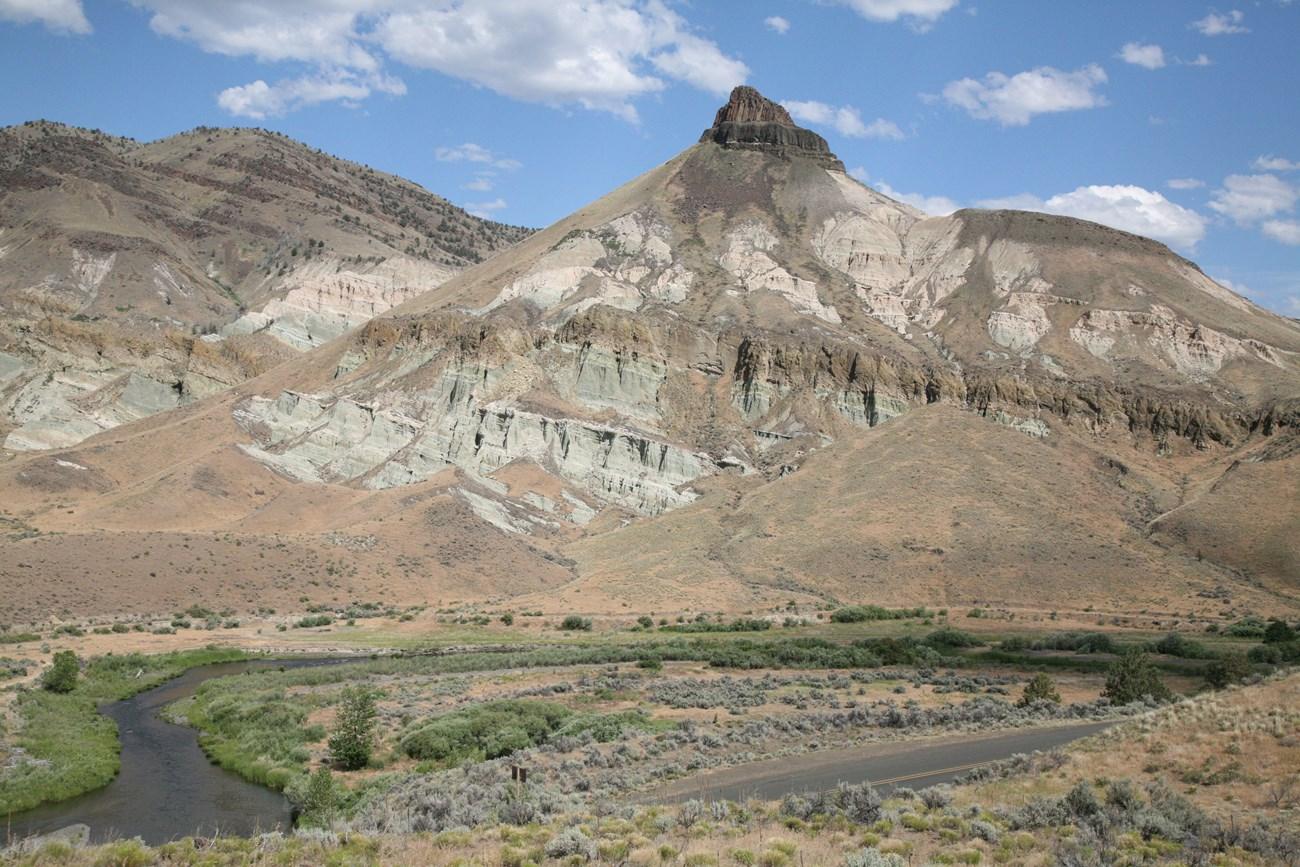

John Day River Basin: Oregon's Natural Marvel
The John Day River Basin in Oregon is a treasure trove for nature enthusiasts and adventure seekers alike. This expansive region, encompassing the awe-inspiring John Day River and its tributaries, offers a unique blend of dramatic landscapes, rich history, and abundant wildlife. The river is renowned for being one of the longest free-flowing rivers in the United States, providing unparalleled opportunities for outdoor activities such as fishing, kayaking, and rafting. The basin is also home to the John Day Fossil Beds National Monument, a fascinating site where visitors can explore millions of years of Earth's history. The colorful rock formations, known as the Painted Hills, are a sight to behold, offering stunning photo opportunities. The area is a haven for paleontologists and geology buffs, as well as those simply looking to immerse themselves in the natural beauty of Oregon. In addition to its geological wonders, the John Day River Basin boasts a diverse ecosystem that supports a variety of plant and animal species. The region is perfect for hiking, bird watching, and camping, with numerous trails and campgrounds catering to different levels of experience. Whether you're a seasoned adventurer or a casual traveler, the John Day River Basin promises an unforgettable experience in the heart of Oregon's wilderness.