

Free High Desert Travel Guide & Mobile App
Explore High Desert with free travel guides. Discover regional history, expert tips, proposed trips, and audio guides on web or mobile app.


Explore Oregon’s High Desert for volcanic formations, fossil beds, sagebrush country, wildlife refuges, mountain roads and wide-open inland landscapes.
Read more about High Desert
Getting to and around High Desert
How to get there
Transportation
Top city travel guides in High Desert
The cities of High Desert, and the easiest places to base yourself.

Swipe for more cities
Best attractions in High Desert
-
Tourist attraction
High Desert Museum
Discover the captivating culture and wildlife of the high desert at the High Desert Museum in Bend, Oregon - a family-friendly attraction for all ages.
-
Park
Drake Park
Explore the beauty and tranquility of Drake Park in Bend, Oregon, a perfect destination for nature lovers and event-goers alike.
-
Live Music
Hayden Homes Amphitheater
Discover the Hayden Homes Amphitheater, a premier live music venue in Bend, Oregon, offering unforgettable concerts in a stunning outdoor setting.
-
Movie theater
Regal Old Mill
Immerse yourself in the cinematic experience at Regal Old Mill, Bend's premier movie theater featuring the latest films in a stunning setting.


Best landmarks in High Desert
Newberry Volcano is one of the High Desert’s defining natural landmarks, with the broad caldera of Newberry National Volcanic Monument, Paulina and East lakes, lava formations and elevated viewpoints illustrating the area’s volcanic origins. Smith Rock’s sheer basalt towers beside the Crooked River form a recognisable northern gateway to central Oregon and are significant both visually and as a climbing landscape. The striped Painted Hills near Mitchell are an emblematic part of the John Day Basin, where sedimentary layers preserve a major fossil record. In southeastern Oregon, Steens Mountain rises abruptly above the Alvord Desert, creating a vast geological panorama of escarpment, basin and high plateau. Fort Rock, a volcanic tuff ring projecting from the desert floor, marks the remnants of an ancient lake environment. The Peter Skene Ogden State Scenic Viewpoint near Terrebonne offers an important gorge view over the Crooked River, while the small observatory facilities at the Oregon Observatory near Sunriver reflect the exceptionally dark skies available in parts of the interior. Together these places express the High Desert’s central themes: volcanic change, immense scale, fragile ecosystems and human adaptation to an arid landscape.
-
Historical landmark
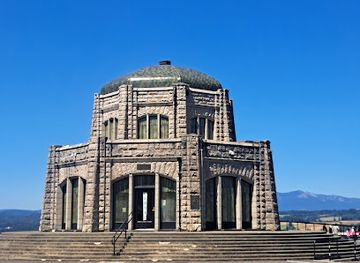
Vista House at Crown Point
Experience the breathtaking views and rich history of Vista House at Crown Point, the iconic landmark in the heart of the Columbia River Gorge.
-
Museum
High Desert Museum
Explore the High Desert Museum in Bend, Oregon, a fascinating blend of art, history, and wildlife showcasing the region's unique heritage.
-
Museum
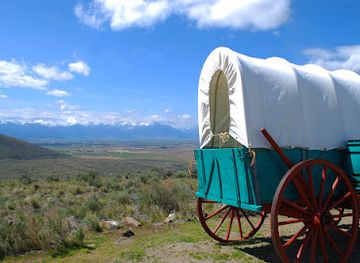
National Historic Oregon Trail Interpretive Center
Discover the rich history of the Oregon Trail at the National Historic Oregon Trail Interpretive Center in Baker City, Oregon, where adventure and education intertwine.
-
State park
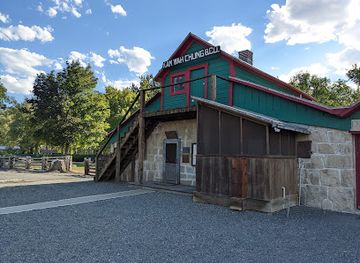
Kam Wah Chung State Heritage Site
Explore the rich cultural heritage and historical significance of the Kam Wah Chung State Heritage Site in John Day, Oregon.
Explore High Desert on the map
Plan your trip on one map. See where the top cities, national parks and sights are, and book hotels and experiences in a few clicks.
Best hotels in High Desert
Best restaurants in High Desert
Dining in the High Desert ranges from breweries, bakeries and contemporary restaurants in Bend to cafés, family-run diners, ranch-country steakhouses and traditional pubs in smaller communities. Central Oregon’s food scene makes use of local craft brewing, seasonal produce, river fish, game and products from irrigated farms and orchards, while eastern and southern towns reflect the practical cooking of ranching and agricultural districts. Farmers’ markets and farm shops are useful for fruit, vegetables, preserves, baked goods and locally produced meat when in season. Menus are strongly influenced by broader Pacific Northwest and American traditions rather than a single cuisine unique to the region. In remote areas, opening days and dining choices can be limited, so buying provisions in larger towns is sensible before a long drive. Bend offers the greatest concentration of cafés, food carts and restaurants, while communities such as Prineville, Madras, Burns, John Day and Lakeview provide a more local, low-key dining rhythm.
-
Mexican
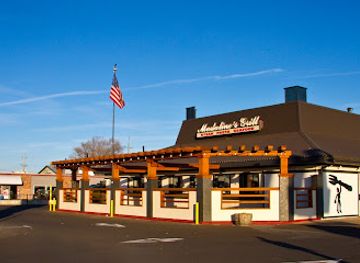
Madaline's Grill & Steak House
Discover the perfect blend of Mexican and American cuisine at Madaline's Grill & Steak House in Redmond, Oregon.
-
Mexican
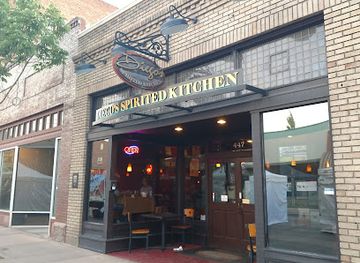
Diego's Spirited Kitchen
Savor authentic Mexican and Latin American cuisine at Diego's Spirited Kitchen in Redmond - a vibrant dining experience awaits.
-
American
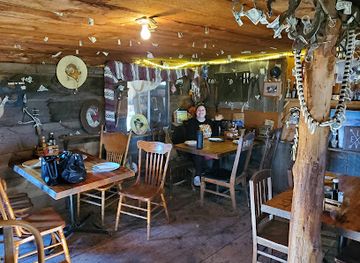
Cowboy Dinner Tree
Discover Cowboy Dinner Tree in Silver Lake: A rustic dining experience serving hearty American dishes in a charming historic setting.
-
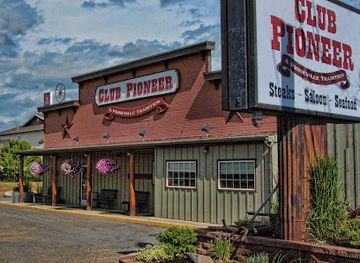
Steak
Club Pioneer
Discover Club Pioneer in Prineville: savor exquisite steaks and seafood in a warm atmosphere perfect for any occasion.
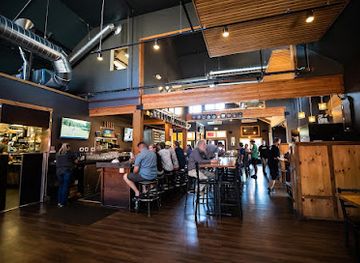
Best bars in High Desert
Evening life is concentrated in Bend, where independent pubs, breweries, taprooms, cocktail bars, restaurants and live-music venues reflect the city’s outdoor-oriented visitor economy. Redmond and some other larger towns have a smaller selection of bars, taverns and community music events, while nightlife in Burns, John Day, Lakeview and rural districts is generally centred on local pubs, restaurants and occasional performances rather than nightclubs. Craft brewing is an important part of central Oregon’s contemporary identity, but it is not the only way to spend an evening: theatre, galleries, seasonal festivals and stargazing are also relevant to the region’s cultural life. Outside the main towns, distances and limited taxi availability mean visitors should arrange a safe way back to their accommodation. Business hours and seasonal programming vary, especially in remote communities.
-
Hotel
McMenamins Old St. Francis School
Experience the charm of McMenamins Old St. Francis School in Bend, where history meets modern brewpub culture and unique accommodations await.
-
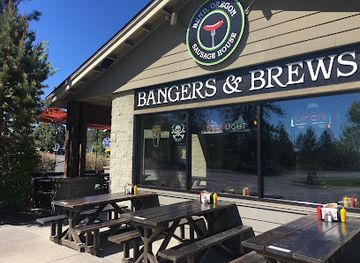
Restaurant
Bangers & Brews - Westside
Discover a unique blend of Argentinian, British, and German cuisine at Bangers & Brews - Westside, a family-friendly gastropub in Bend, Oregon.
-
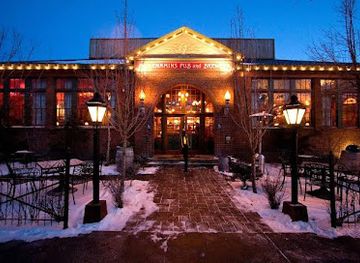
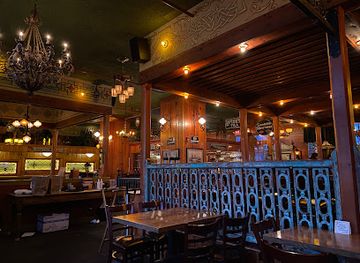
Pub
McMenamins Pub at Old St. Francis School
Discover the historic charm and vibrant atmosphere at McMenamins Pub at Old St. Francis School, a top dining destination in Bend, Oregon.
-
Restaurant
Sunriver Brewing Co. - Sunriver Pub
Experience the best of Oregon's craft beer and delicious food at Sunriver Brewing Co., a unique brewpub in the heart of Sunriver.
Best nightclubs in High Desert
Evening life is concentrated in Bend, where independent pubs, breweries, taprooms, cocktail bars, restaurants and live-music venues reflect the city’s outdoor-oriented visitor economy. Redmond and some other larger towns have a smaller selection of bars, taverns and community music events, while nightlife in Burns, John Day, Lakeview and rural districts is generally centred on local pubs, restaurants and occasional performances rather than nightclubs. Craft brewing is an important part of central Oregon’s contemporary identity, but it is not the only way to spend an evening: theatre, galleries, seasonal festivals and stargazing are also relevant to the region’s cultural life. Outside the main towns, distances and limited taxi availability mean visitors should arrange a safe way back to their accommodation. Business hours and seasonal programming vary, especially in remote communities.
-
Bar
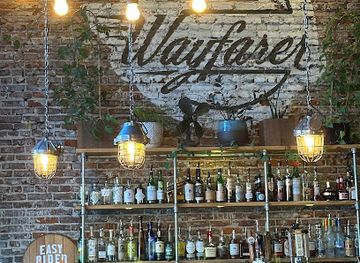
Wayfarer Club
Experience the vibrant nightlife at Wayfarer Club, Redmond's top bar for unique cocktails and delicious small plates.
Best shops in High Desert
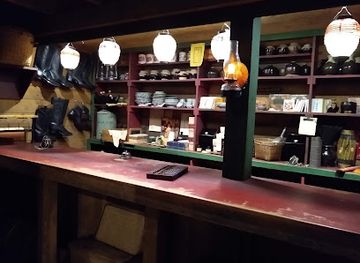
Shopping in the High Desert is centred on the market towns rather than large metropolitan malls. Bend has the broadest selection of independent clothing shops, outdoor retailers, galleries, bookshops, makers’ studios, food producers and locally branded goods, with Redmond offering a more compact community-oriented mix. Prineville, Madras, Burns, John Day and Lakeview are useful for practical supplies, regional foodstuffs, antiques and small-town browsing rather than extensive specialist retail. Farmers’ markets and farm shops, where operating seasonally, provide opportunities to buy fruit, vegetables, honey, preserves, baked goods and other products from irrigated districts. Galleries and craft shops may feature ceramics, woodwork, textiles, jewellery and photography inspired by the volcanic and ranching landscapes. Outdoor equipment is a practical purchase in a region built around hiking, climbing, cycling, fishing and camping. For souvenirs, choose locally made objects or responsibly sourced regional foods instead of removing rocks, fossils, plants or archaeological material from public land.
-
Shopping mall
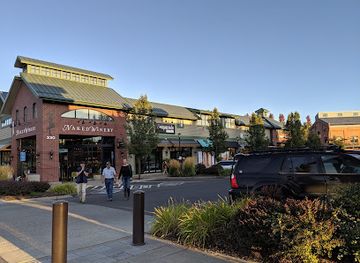
Old Mill District
Discover the Old Mill District: A vibrant shopping and entertainment hub in Bend, Oregon, with unique shops, delicious dining, and outdoor fun.
-
Museum
High Desert Museum
Explore the rich history and natural wonders of the High Desert at the High Desert Museum in Bend, Oregon.
-
Cannabis store
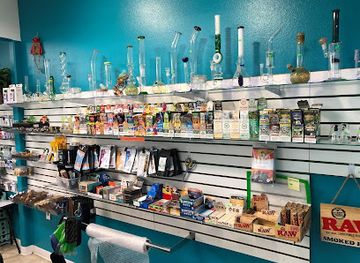
High Desert Cannabis, LLC
Explore the best of Pendleton's cannabis culture at High Desert Cannabis, LLC - a top-rated shop offering quality products and expert guidance.
-
Grocery store
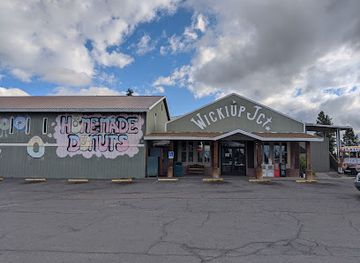
Wickiup Junction
Explore Wickiup Junction: The perfect blend of groceries, fresh donuts, and fuel in La Pine, Oregon.
Get your free copy of our complete guide to High Desert, delivered straight to you.
Everything on this page, from attractions and restaurants to essentials and local phrases, in one PDF you can read offline, print or share.
Already have an account? Sign in
Your High Desert guide is ready.
We'll send it to · Not you? Sign out

Getting your guide ready…
We are putting together a fresh copy of the High Desert guide. This can take up to a minute.
This can take a few moments. If your browser asks, choose Allow so the download can start. You'll find the guide in your Downloads folder.
Nothing happened? Download it again
Sorry, the guide is taking longer than usual. Please try again in a minute, or get it by email instead.
High Desert essentials
Currency and Payment
Safety
Emergency Situations
Do's and Don'ts
Local Tips
From Eve
Local phrases worth knowing
You don't need to get them perfect. A few words go a long way, and locals appreciate the effort.
Basics
| English | Local | Say it |
|---|---|---|
| Hello | Howdy | [Ha-dee] |
| Goodbye | See ya | [See yah] |
| Yes | Yep | [Yep] |
| No | Nope | [Nope] |
| Please/You're welcome | Sure thing | [Shur thing] |
| Thank you | Thanks a bunch | [Thangs a bunch] |
| Excuse me/Sorry | Pardon me | [Pardon me] |
| How are you? | How's it goin'? | [Hows it goin'?] |
| Fine. And you? | Good. You? | [Good. You?] |
| Do you speak English? | Can ya talk English? | [Can ya talk English?] |
| I don't understand | I ain't followin' | [I ain't followin'] |
Eating & Drinking
| English | Local | Say it |
|---|---|---|
| I'd like to see the menu, please | Can I see the menu, please? | [Can I see the menu, please?] |
| I don't eat meat | I don’t do meat | [I don’t do meat] |
| Cheers! | Cheers! | [Cheers!] |
| I would like to pay, please | Can I get the bill, please? | [Can I get the bill, please?] |
Emergencies
| English | Local | Say it |
|---|---|---|
| Help! | Help! | [Help!] |
| Go away! | Get lost! | [Get lost!] |
| Call the Police! | Call the cops! | [Call the cops!] |
| Call a doctor! | Get a doctor! | [Get a doctor!] |
| I'm lost | I’m turned around | [I’m turned around] |
| I'm ill | I’m not feelin' good | [I’m not feelin' good] |
Shopping
| English | Local | Say it |
|---|---|---|
| I'd like to buy... | I wanna buy... | [I wanna buy...] |
| I'm just looking | Just browsin' | [Just browsin'] |
| How much is it? | What’s the price? | [What’s the price?] |
| That's too expensive | That’s way too high | [That’s way too high] |
| Can you lower the price? | Can ya cut me a deal? | [Can ya cut me a deal?] |
Time & Numbers
| English | Local | Say it |
|---|---|---|
| What time is it? | What time ya got? | [What time ya got?] |
| It's one o'clock | It's one | [It's one] |
| Half past (10) | Half past ten | [Half past ten] |
| Morning | Mornin' | [Mornin'] |
| Afternoon | Afternoon | [Afternoon] |
| Evening | Evenin' | [Evenin'] |
| Yesterday | Yesterday | [Yesterday] |
| Today | Today | [Today] |
| Tomorrow | Tomorrow | [Tomorrow] |
| 1 | One | [One] |
| 2 | Two | [Two] |
| 3 | Three | [Three] |
| 4 | Four | [Four] |
| 5 | Five | [Five] |
| 6 | Six | [Six] |
| 7 | Seven | [Seven] |
| 8 | Eight | [Eight] |
| 9 | Nine | [Nine] |
| 10 | Ten | [Ten] |
Transport & Directions
| English | Local | Say it |
|---|---|---|
| Where's a/the...? | Where's...? | [Where's...?] |
| What's the address? | What’s the address? | [What’s the address?] |
| Can you show me (on the map)? | Can you point it out? | [Can you point it out?] |
| When's the next (bus)? | When's the next bus? | [When's the next bus?] |
| A ticket (to ....) | A ticket to ... | [A ticket to ...] |
History of High Desert
Indigenous Homelands and Long-Distance Trade
The High Desert has been home to Northern Paiute communities and other Indigenous peoples for thousands of years. Seasonal movement connected river corridors, marshes, mountain slopes and lake basins, while trade and travel linked the interior with the Columbia Plateau, Great Basin and Cascade regions. Fish, roots, berries and game formed part of varied local economies adapted to an arid climate. Petroglyphs, place names, oral histories and continuing Indigenous communities testify to a history far older than the later ranching and settlement landscapes with which the region is often associated.
Volcanic Landscapes and Ancient Lakes
Long before human settlement, eruptions, lava flows and changing climates shaped the region’s physical foundations. Newberry Volcano produced extensive lava fields and calderas near present-day Bend, while volcanic activity around Fort Rock and Christmas Valley interacted with ancient lake systems. The fossil beds of the John Day Basin record successive environments and preserve plants and animals from millions of years of geological time. These processes explain the High Desert’s combination of porous basalt, dry basins, isolated buttes and unexpectedly fertile river valleys.
Exploration, Fur Trade and Overland Routes
Euro-American exploration and fur trapping expanded through interior Oregon during the nineteenth century, followed by emigrant and military routes. The Oregon-California and Applegate trails crossed parts of the southern interior, while other routes connected the Columbia River with central and eastern Oregon. Travel was difficult because water sources were widely separated and mountain passes were seasonal. These routes opened the way for later surveying, settlement and livestock movements, but they also intensified pressure on Indigenous lands and resources.
Conflict, Reservation Policy and Settlement
The arrival of settlers, miners, stock operators and military expeditions brought profound disruption to Indigenous communities. Conflict in the 1860s was followed by reservation policies, forced movement and the loss of access to traditional hunting and gathering grounds. The history of the Northern Paiute and neighbouring peoples cannot be separated from these changes. Towns, trading posts and ranches gradually developed along dependable watercourses, but settlement remained dispersed and the dry environment limited the scale and speed of agricultural expansion.
Ranching, Irrigation and the Growth of Towns
Cattle and sheep ranching became major forces in the interior economy, using broad grazing lands and river valleys. Irrigation transformed selected areas around the Deschutes, Crooked, Malheur and other river systems, supporting farming communities and encouraging the growth of towns such as Bend, Redmond, Burns and Ontario. Railways and improved roads connected these communities to markets, although many remote districts remained dependent on seasonal routes. The resulting landscape of ranches, reservoirs, hay fields and open range still defines much of the High Desert.
Timber, Hydropower and Twentieth-Century Change
In the central part of the region, timber processing and river development accelerated during the twentieth century, particularly around Bend and the Deschutes Basin. Hydropower projects and irrigation works altered river systems and supported municipal and agricultural growth. At the same time, mechanisation reduced the labour needs of ranching and farming, while changing markets affected small rural communities. Conservation initiatives later placed greater emphasis on wild rivers, wetlands, old-growth habitat, geological sites and the protection of desert ecosystems.
Conservation and a New Outdoor Economy
The late twentieth and early twenty-first centuries brought a stronger public focus on the High Desert’s wildlife, geology and recreational value. Newberry National Volcanic Monument, the John Day Fossil Beds National Monument and expanded wildlife refuges help protect distinctive landscapes and scientific resources. Bend’s growth has been accompanied by a large outdoor-recreation economy, while communities farther east and south continue to balance ranching, public-land management, tourism and limited services. Contemporary debates often centre on water, wildfire, housing, access and the pressures created by increasing visitation.
High Desert in Photos
Browse through our photo collection highlighting the charm and character of the destination.
Neighbouring regions of High Desert
The closest regions to High Desert, if you have time for more than one.
-

-

-

-
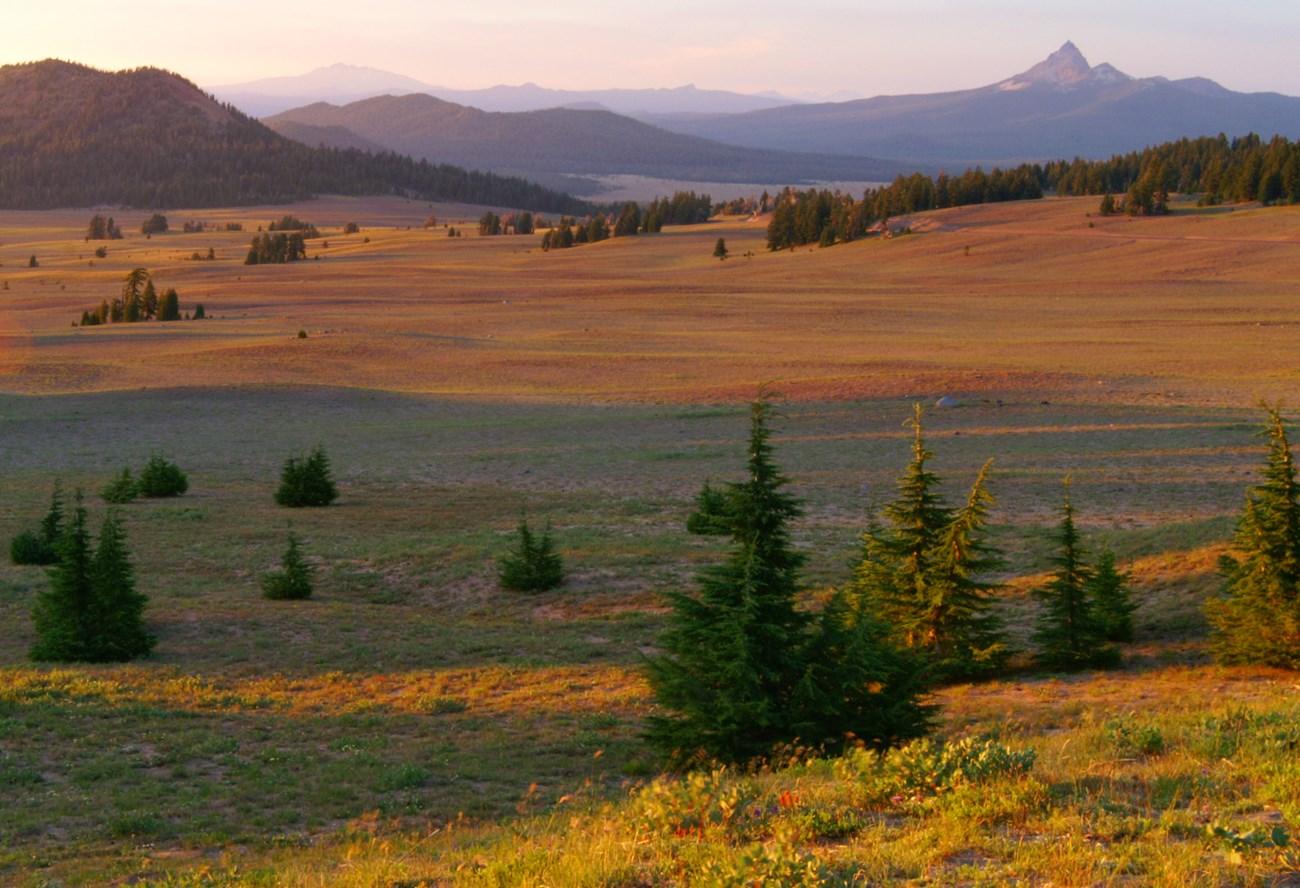 Central Oregon
 combines Bend, volcanic landscapes, high-desert towns, mountain recreation, clear rivers and Indigenous and ranching heritage.
Central Oregon
Central Oregon combines Bend, volcanic landscapes, high-desert towns, mountain recreation, clear rivers and Indigenous and ranching heritage.
-


Swipe for more regions
Explore more

Explore more of Oregon
Discover Oregon's diverse landscapes, vibrant cities, and rich culture. From stunning coastlines to lush forests, this Pacific Northwest gem offers endless adventures.
Explore Oregon