

Free Central Oregon Travel Guide & Mobile App
Explore Central Oregon with free travel guides. Discover regional history, expert tips, proposed trips, and audio guides on web or mobile app.


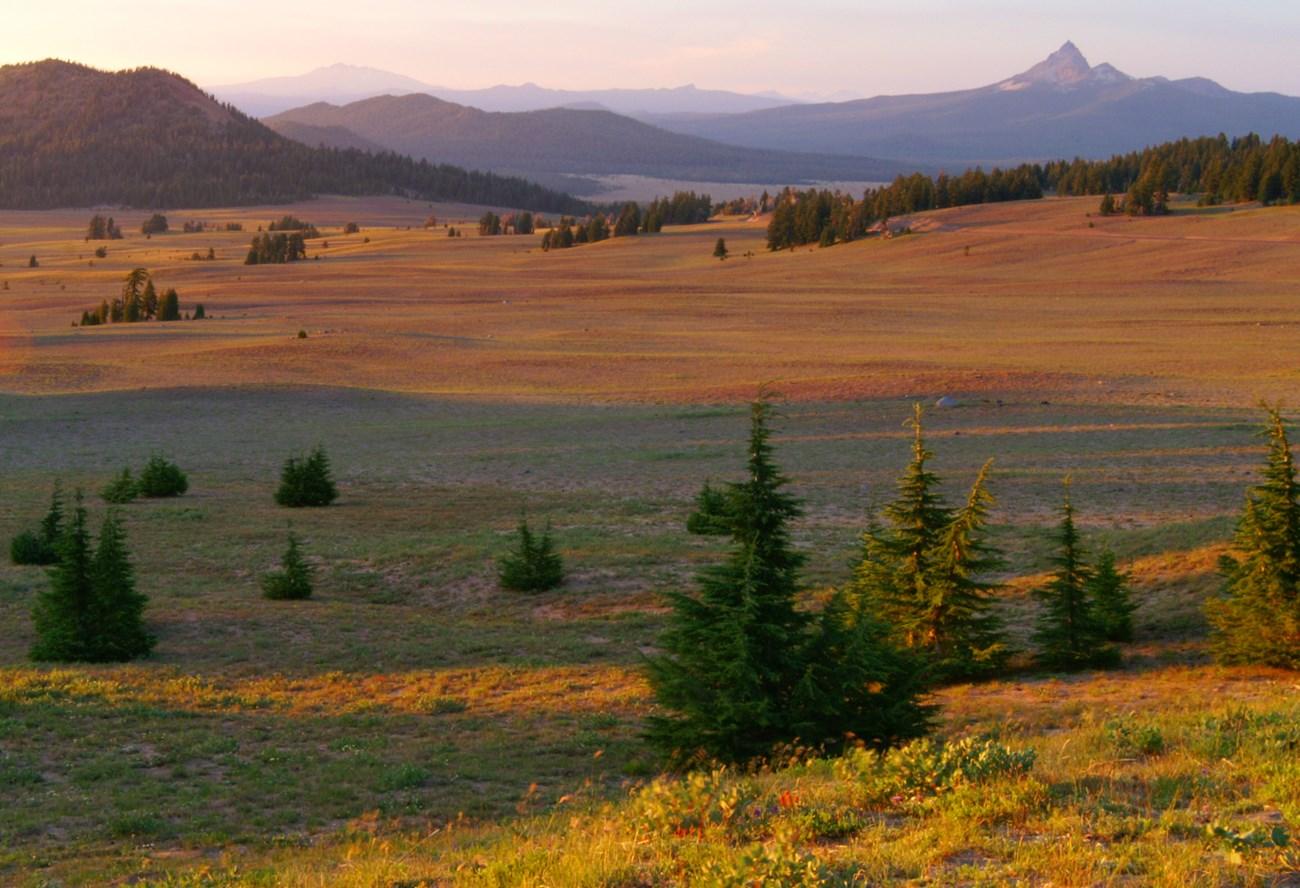


Central Oregon combines Bend, volcanic landscapes, high-desert towns, mountain recreation, clear rivers and Indigenous and ranching heritage.
Read more about Central Oregon
Getting to and around Central Oregon
How to get there
Transportation
Top city travel guides in Central Oregon
The cities of Central Oregon, and the easiest places to base yourself.
-

-

-


Swipe for more cities
Destinations in Central Oregon
Resorts, valleys and scenic spots worth a trip of their own.
-

-

-

-

-

-


Swipe for more destinations
Best attractions in Central Oregon
Central Oregon’s attractions are defined by the meeting of volcanic mountain country and open high desert. Around Bend, Newberry National Volcanic Monument reveals lava flows, cinder cones, obsidian formations and the caldera lakes of Newberry Volcano, while the Deschutes River supports walking, paddling, fishing and wildlife viewing. The High Desert Museum south of Bend provides a thoughtful interpretation of regional ecology, Indigenous history and settlement. North of Redmond, Smith Rock State Park is a major destination for hiking and climbing, with towering volcanic cliffs above the Crooked River. The forests and meadows near Sisters lead towards the Three Sisters Wilderness and Cascade Lakes, while Mount Bachelor is a year-round base for mountain recreation. Around Prineville, reservoirs, river corridors and public lands provide opportunities for boating, fishing and birdwatching. Madras and the Warm Springs area offer access to a more agricultural and cultural landscape, including places connected with the Confederated Tribes of Warm Springs. The region rewards visitors who balance headline landscapes with smaller museums, historic town centres, farm country and quiet roads through juniper and sagebrush.
-
 National park
Crater Lake National Park
Explore the breathtaking beauty of Crater Lake National Park in Oregon, a stunning national park known for its deep blue waters and volcanic landscape.
-
Hiking area
Columbia River Gorge National Scenic Area
Explore the breathtaking landscapes of the Columbia River Gorge National Scenic Area, a paradise for hiking, wildlife watching, and nature photography.
-
State park
Smith Rock State Park
Explore the unparalleled beauty and adventure of Smith Rock State Park, a premier destination for climbing, hiking, and breathtaking landscapes in Oregon.
-
Shopping mall
Old Mill District
Explore the Old Mill District in Bend, Oregon for a delightful mix of shopping, dining, and entertainment along the scenic Deschutes River.

Best landmarks in Central Oregon
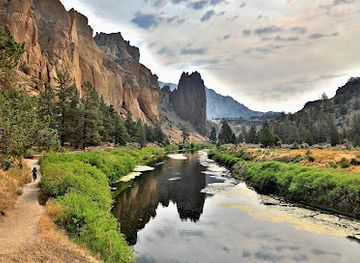
The Three Sisters are Central Oregon’s most recognisable mountain landmarks, a trio of volcanic peaks visible from many roads and communities west of Bend, although access to their wilderness surroundings requires preparation. Pilot Butte, an extinct volcanic cone within Bend, provides a clear vantage point over the city and the surrounding high desert. Smith Rock’s sheer tuff cliffs above the Crooked River form one of the region’s most distinctive natural scenes and have become closely associated with climbing as well as geology. Newberry Volcano, with its caldera, lava formations and obsidian-rich terrain, is a major geological landmark south of Bend. The Deschutes River is a defining geographical feature, particularly where it runs through Bend and through the basalt country northwards. In the northern part of the region, the broad Crooked River canyon and the volcanic cliffs around Terrebonne create a dramatic contrast with the cultivated plateau. The historic cores of Bend, Sisters and Prineville provide more human-scaled landmarks, retaining traces of timber, ranching, transport and early commercial development.
-
National park
Crater Lake National Park
Explore the breathtaking beauty of Crater Lake National Park, Oregon's crown jewel, featuring stunning landscapes, rich wildlife, and unforgettable outdoor adventures.
-
Hiking area
Columbia River Gorge National Scenic Area
Discover the stunning landscapes and rich biodiversity of the Columbia River Gorge National Scenic Area in Oregon, a perfect destination for nature lovers and adventure seekers.
-
Historical landmark
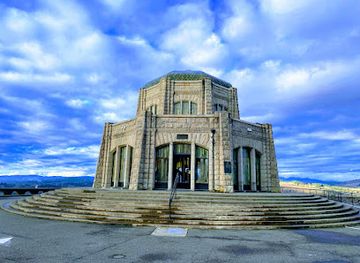
Vista House at Crown Point
Experience breathtaking views and rich history at the iconic Vista House at Crown Point, Oregon's premier landmark along the Columbia River Gorge.
-
State park
Smith Rock State Park
Explore the breathtaking landscapes and thrilling adventures at Smith Rock State Park, a premier destination for outdoor enthusiasts in Oregon.
Explore Central Oregon on the map
Plan your trip on one map. See where the top cities, national parks and sights are, and book hotels and experiences in a few clicks.
Best hotels in Central Oregon
Best restaurants in Central Oregon
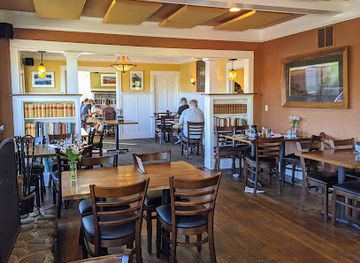
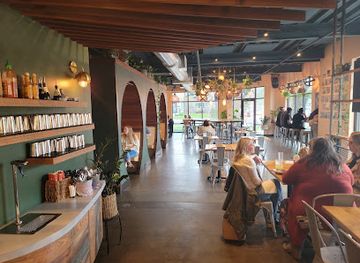
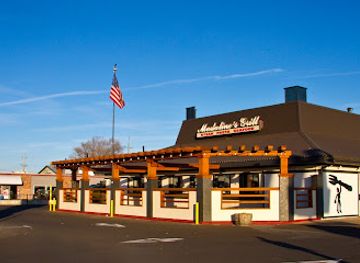
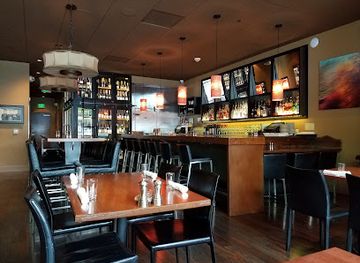
Dining in Central Oregon reflects both its high-desert setting and its growing population of growers, brewers, producers and outdoor enthusiasts. Bend has the widest range, from cafés, bakeries and casual restaurants to contemporary kitchens, while Redmond, Sisters, Prineville and Madras offer more compact local scenes. Craft beer is particularly visible, but local menus also draw on beef, lamb, seasonal vegetables, fruit, mushrooms and trout from the wider region. Farm stands and seasonal markets are useful places to find produce, preserves and baked goods, especially during the warmer months. Historic-style pubs, ranch-oriented eateries and family restaurants remain important outside the larger centres. Around the Deschutes and other popular recreation areas, casual dining and food trucks often suit visitors arriving from trails or rivers. Menus change with supply and season, so the most distinctive meals may come from combining a town restaurant with regional produce bought directly from growers or producers.
-
Breakfast
McKay Cottage Restaurant
Discover the delightful flavors of breakfast and brunch at McKay Cottage Restaurant in Bend, Oregon—where comfort meets culinary creativity.
-
Eclectic
Spork
Experience the eclectic flavors of Spork in Bend, Oregon – where creativity meets comfort in every delicious dish.
-
Mexican
Madaline's Grill & Steak House
Discover the vibrant fusion of Mexican and American cuisine at Madaline's Grill & Steak House in Redmond, Oregon - where every meal is a celebration.
-
American
Zydeco Kitchen & Cocktails
Discover the rich flavors of Cajun cuisine at Zydeco Kitchen & Cocktails in Bend, Oregon - where Southern hospitality meets fine dining.
Best bars in Central Oregon
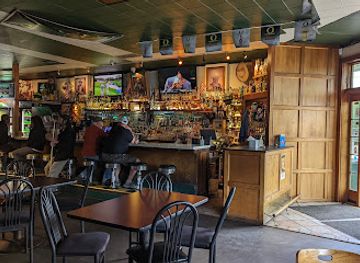
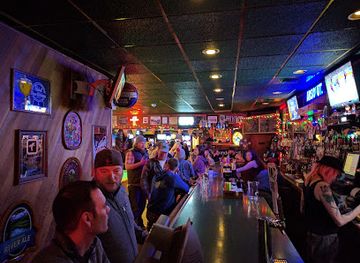
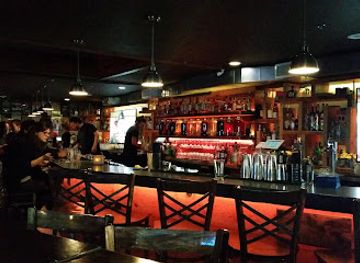
Central Oregon’s evening life is concentrated in Bend, where historic commercial streets and newer districts contain pubs, breweries, cocktail bars, restaurants and venues for live music. The city’s craft-beer culture is prominent, but evenings can also centre on food, comedy, theatre and community events rather than clubs. Redmond and Sisters have smaller scenes built around local pubs, breweries, restaurants and occasional live performances, while Prineville and Madras are quieter and more community-oriented. In rural areas, evening entertainment generally means a meal, a traditional bar or an early night after outdoor activities. Mountain and high-desert communities can have seasonal changes in activity, yet visitors should not expect a large late-night club network across the region. Designated drivers and pre-arranged transport are important because distances between towns are substantial and taxi or rideshare availability may be limited outside the main population centres.
-
Pub
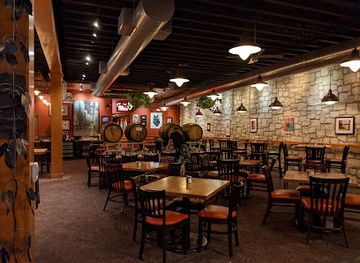
Deschutes Brewery Bend Public House
Experience the craft of brewing at Deschutes Brewery Bend Public House, where great beers meet delicious food in a vibrant atmosphere.
-
Brewery
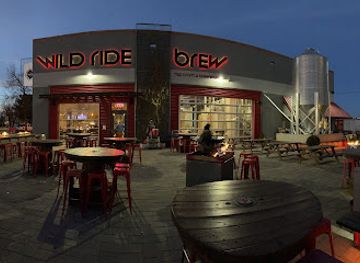
Wild Ride Brewing
Discover the vibrant atmosphere and craft beers at Wild Ride Brewing, a top destination in Redmond, Oregon for beer lovers.
-
American
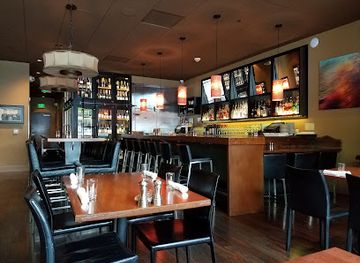
Zydeco Kitchen & Cocktails
Discover the Cajun-inspired American dining experience at Zydeco Kitchen & Cocktails, a must-visit restaurant in Bend, Oregon.
-
Brewpub
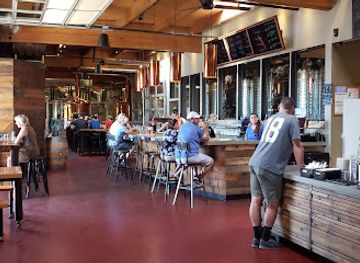
Crux Fermentation Project
Discover the essence of craft brewing at Crux Fermentation Project, where innovative flavors meet breathtaking views in Bend, Oregon.
Best nightclubs in Central Oregon
Central Oregon’s evening life is concentrated in Bend, where historic commercial streets and newer districts contain pubs, breweries, cocktail bars, restaurants and venues for live music. The city’s craft-beer culture is prominent, but evenings can also centre on food, comedy, theatre and community events rather than clubs. Redmond and Sisters have smaller scenes built around local pubs, breweries, restaurants and occasional live performances, while Prineville and Madras are quieter and more community-oriented. In rural areas, evening entertainment generally means a meal, a traditional bar or an early night after outdoor activities. Mountain and high-desert communities can have seasonal changes in activity, yet visitors should not expect a large late-night club network across the region. Designated drivers and pre-arranged transport are important because distances between towns are substantial and taxi or rideshare availability may be limited outside the main population centres.
-
Bar
Velvet Lounge
Experience the vibrant blend of art, music, and culinary delights at Velvet Lounge, a must-visit destination in Bend, Oregon.
-
Bar
M & J Tavern
Experience the vibrant atmosphere of M & J Tavern in Bend, Oregon, where delicious food, refreshing drinks, and friendly faces await.
-
Grill
Corey's Bar & Grill
Experience Bend's vibrant dining scene at Corey's Bar & Grill, where delicious grill specialties meet a warm, welcoming atmosphere.
-
Cocktail bar
The Capitol
Discover the vibrant nightlife at The Capitol, Bend's premier cocktail bar and dance club, where innovative drinks and live music come together.

Best shops in Central Oregon
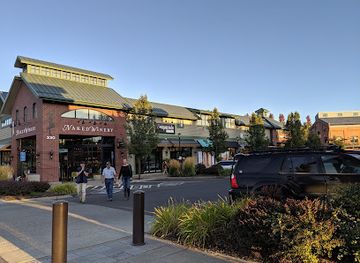
Bend offers Central Oregon’s broadest shopping choice, including independent retailers, outdoor-equipment shops, galleries, bookshops, cafés and local food producers around its historic centre and newer commercial areas. Sisters has a strong craft and gallery tradition, with shops specialising in western-influenced art, textiles, woodwork, jewellery and locally made gifts. Redmond and Prineville serve as practical market towns, combining everyday retail with antiques, small galleries and regional products rather than extensive luxury shopping. Farmers’ markets and farm stands are worthwhile for seasonal fruit, vegetables, preserves, baked goods and other Oregon produce, although dates and locations vary through the year. Visitors can also look for locally roasted coffee, craft beer, regional spirits and artwork inspired by volcanic and high-desert landscapes. Shopping is more limited in rural areas, so plan purchases of provisions and outdoor supplies before travelling to remote trailheads, reservoirs or mountain roads. Respect product and access rules when buying items associated with Indigenous artists or cultural traditions, and favour clearly identified, authentic makers.
-
Shopping mall
Old Mill District
Explore the lively Old Mill District in Bend, Oregon, where shopping, dining, and outdoor adventures come together in a scenic riverside setting.
-
Shopping mall
Cascade Village Shopping Center
Explore Cascade Village Shopping Center in Bend, Oregon - a delightful blend of shopping, dining, and community spirit in a picturesque setting.
-
Ranch
Crescent Moon Ranch
Discover the beauty and charm of Crescent Moon Ranch, where Oregon's rustic landscape meets unforgettable ranch adventures.
-
Shopping mall
Bend River Promenade
Discover the Bend River Promenade - The ultimate shopping destination in Bend, Oregon, where retail meets breathtaking riverside scenery.

Get your free copy of our complete guide to Central Oregon, delivered straight to you.
Everything on this page, from attractions and restaurants to essentials and local phrases, in one PDF you can read offline, print or share.
Already have an account? Sign in
Your Central Oregon guide is ready.
We'll send it to · Not you? Sign out

Getting your guide ready…
We are putting together a fresh copy of the Central Oregon guide. This can take up to a minute.
This can take a few moments. If your browser asks, choose Allow so the download can start. You'll find the guide in your Downloads folder.
Nothing happened? Download it again
Sorry, the guide is taking longer than usual. Please try again in a minute, or get it by email instead.
Central Oregon essentials
Currency and Payment
Safety
Emergency Situations
Do's and Don'ts
Local Tips
From Eve
Local phrases worth knowing
You don't need to get them perfect. A few words go a long way, and locals appreciate the effort.
Basics
| English | Local | Say it |
|---|---|---|
| Hello | Hey there | [Hay thair] |
| Goodbye | See ya | [See yah] |
| Yes | Yep | [Yep] |
| No | Nope | [Nope] |
| Please/You're welcome | Sure thing | [Shur thing] |
| Thank you | Thanks a lot | [Thangs a lot] |
| Excuse me/Sorry | Pardon me | [Pardon mee] |
| How are you? | How's it going? | [How's it goin'?] |
| Fine. And you? | Good. You? | [Good. You?] |
| Do you speak English? | You speak English? | [You speak English?] |
| I don't understand | I'm not following | [I'm not followin'] |
Eating & Drinking
| English | Local | Say it |
|---|---|---|
| I'd like to see the menu, please | Can I see the menu? | [Can I see the menu?] |
| I don't eat meat | I'm a vegetarian | [I'm a vege-tarian] |
| Cheers! | Cheers! | [Cheers!] |
| I would like to pay, please | Can I get the check? | [Can I get the chek?] |
Emergencies
| English | Local | Say it |
|---|---|---|
| Help! | Somebody help! | [Somebody help!] |
| Go away! | Leave me alone! | [Leev me alone!] |
| Call the Police! | Call 911! | [Call 911!] |
| Call a doctor! | I need a doctor! | [I need a doctor!] |
| I'm lost | I'm turned around | [I'm turned around] |
| I'm ill | I'm not feeling well | [I'm not feelin' well] |
Shopping
| English | Local | Say it |
|---|---|---|
| I'd like to buy... | I want to buy... | [I want to buy...] |
| I'm just looking | Just browsing | [Just browsin'] |
| How much is it? | What’s the price? | [What’s the price?] |
| That's too expensive | That's a bit pricey | [That's a bit pricy] |
| Can you lower the price? | Can you give me a deal? | [Can you give me a deel?] |
Time & Numbers
| English | Local | Say it |
|---|---|---|
| What time is it? | What’s the time? | [What’s the time?] |
| It's one o'clock | It’s one | [It’s one] |
| Half past (10) | Half past ten | [Half past ten] |
| Morning | Morning | [Morning] |
| Afternoon | Afternoon | [Afternoon] |
| Evening | Evening | [Evening] |
| Yesterday | Yesterday | [Yesterday] |
| Today | Today | [Today] |
| Tomorrow | Tomorrow | [Tomorrow] |
| 1 | One | [One] |
| 2 | Two | [Two] |
| 3 | Three | [Three] |
| 4 | Four | [Four] |
| 5 | Five | [Five] |
| 6 | Six | [Six] |
| 7 | Seven | [Seven] |
| 8 | Eight | [Eight] |
| 9 | Nine | [Nine] |
| 10 | Ten | [Ten] |
Transport & Directions
| English | Local | Say it |
|---|---|---|
| Where's a/the...? | Where's the nearest...? | [Where's the nearest...?] |
| What's the address? | What’s the address? | [What’s the address?] |
| Can you show me (on the map)? | Can you point it out? | [Can you point it out?] |
| When's the next (bus)? | When's the next bus? | [When's the next bus?] |
| A ticket (to ....) | A ticket to... | [A ticket to...] |
History of Central Oregon
Indigenous Homelands and Ancient Trade
Central Oregon has been inhabited for thousands of years by Indigenous peoples including Northern Paiute communities and the Confederated Tribes of Warm Springs, whose members include Wasco, Warm Springs and Northern Paiute peoples. The Deschutes, Crooked and Metolius river systems, upland forests and high-desert plateaux supported seasonal movement, fishing, hunting and gathering. Obsidian from the Newberry volcanic area was traded widely and provides evidence of long-distance connections. Indigenous relationships with these landscapes continue today through cultural practice, stewardship and the governmental and community life of the Confederated Tribes of Warm Springs.
Exploration and the Fur-Trade Era
Euro-American exploration increased during the early nineteenth century as fur traders, missionaries and later government expeditions travelled through the interior Northwest. The Deschutes River corridor and mountain passes connected the Columbia River region with the high desert and the Cascades. These journeys did not represent an empty wilderness: they took place across established Indigenous territories and altered existing patterns of movement and exchange. Later mapping and military expeditions helped define routes that would be used by settlers, stockmen and transport networks.
Settlement, Ranching and Irrigation
Permanent non-Indigenous settlement expanded during the late nineteenth century, encouraged by grazing, small-scale agriculture, timber and the construction of roads and railways. In the drier country around Prineville, Madras and Redmond, irrigation transformed the possibilities of farming and helped establish communities that remain important regional centres. Ranching became a durable part of the local economy, while the arrival of settlers brought dispossession, disease and profound disruption to Indigenous communities. The resulting landscape is therefore both an agricultural working region and a place shaped by contested histories of land and water.
Timber, Railways and the Growth of Bend
The timber industry expanded rapidly in the early twentieth century as rail connections made it possible to move logs and finished lumber to wider markets. Bend developed as a major timber and transport centre, and its historic commercial buildings and industrial legacy reflect that period. Railways also linked agricultural communities and helped consolidate Redmond and nearby settlements as service hubs. Although timber employment later declined, the industry left a lasting mark on the region’s towns, infrastructure and demographic development.
Dams, Water Projects and Regional Change
Twentieth-century water development reshaped the Deschutes and Crooked river systems, supporting irrigation, electricity generation, agriculture and growing communities. Projects associated with the Deschutes River and the Pelton-Round Butte complex altered river environments while creating reservoirs used for recreation and water management. These changes brought economic benefits but also affected fish, wildlife and Indigenous cultural interests. Contemporary debates about river restoration, fisheries and water allocation continue to reflect the long-term consequences of infrastructure built during the region’s agricultural and industrial expansion.
From Resource Economy to Outdoor Destination
From the late twentieth century onwards, Central Oregon increasingly attracted visitors, new residents and investment through skiing, climbing, mountain biking, paddling, fishing and scenic travel. Bend’s growth has been especially pronounced, while communities such as Sisters, Redmond and Prineville have developed their own relationships with tourism and recreation. The modern economy now combines outdoor industries, agriculture, aviation, healthcare, craft production and technology with older sectors. This transition has brought employment and cultural activity but also housing pressure, traffic, wildfire concerns and continuing questions about sustainable growth.
Central Oregon in Photos
Browse through our photo collection highlighting the charm and character of the destination.
Neighbouring regions of Central Oregon
The closest regions to Central Oregon, if you have time for more than one.
-

-

-

-
 Wasco County
Discover Wasco County, Oregon: A blend of natural beauty, rich history, and vibrant communities, perfect for outdoor adventures, cultural experiences, and wine tasting.
-


Swipe for more regions
Explore more

Explore more of Oregon
Discover Oregon's diverse landscapes, vibrant cities, and rich culture. From stunning coastlines to lush forests, this Pacific Northwest gem offers endless adventures.
Explore Oregon