

Free Cascade Range Travel Guide & Mobile App
Explore Cascade Range with free travel guides. Discover regional history, expert tips, proposed trips, and audio guides on web or mobile app.


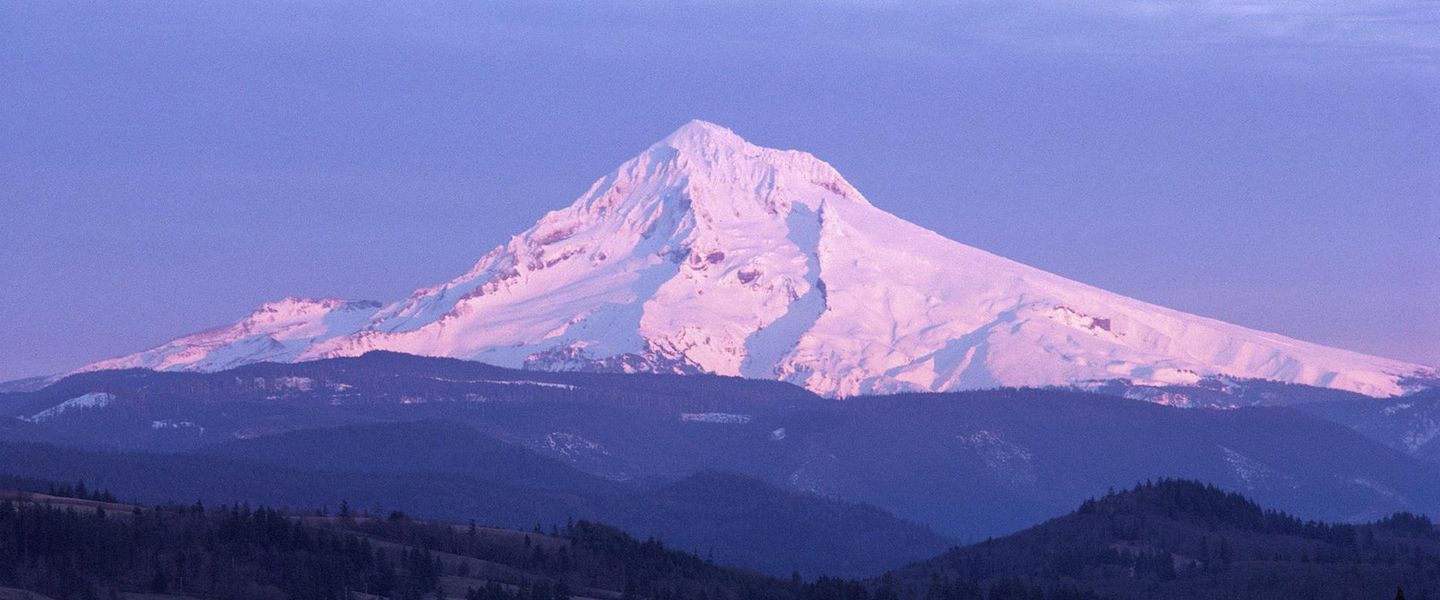


Explore Oregon’s Cascade Range for volcanic peaks, alpine lakes, forest trails, ski slopes and the deep blue caldera of Crater Lake.
Read more about Cascade Range
Getting to and around Cascade Range
How to get there
Transportation
Top city travel guides in Cascade Range
The cities of Cascade Range, and the easiest places to base yourself.
-

-

-

-
 Klamath Falls
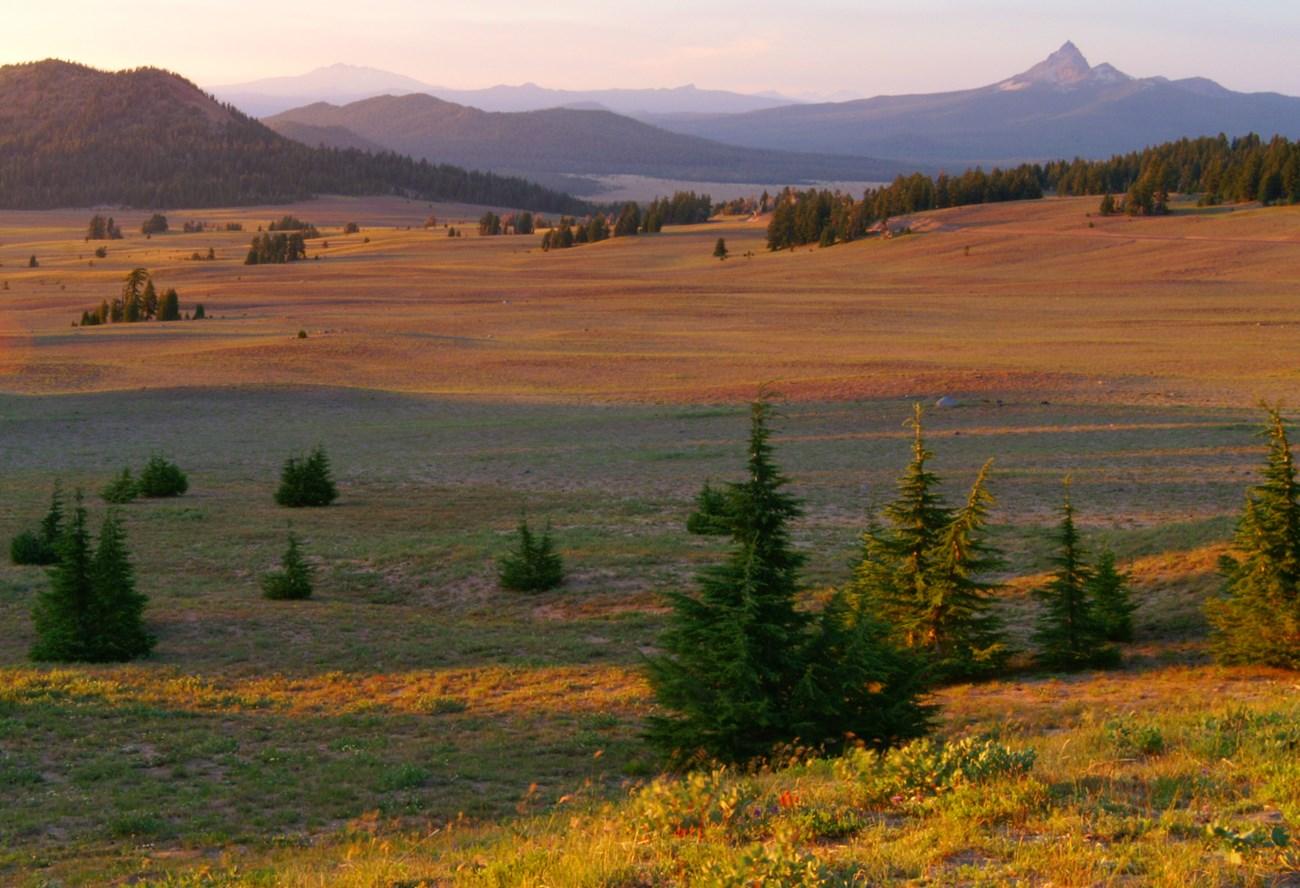
 blends high-desert scenery, Native heritage, wildlife refuges, outdoor adventure and small-city culture in southern Oregon, near Crater Lake.
Klamath Falls
Klamath Falls blends high-desert scenery, Native heritage, wildlife refuges, outdoor adventure and small-city culture in southern Oregon, near Crater Lake.


Swipe for more cities
Destinations in Cascade Range
Resorts, valleys and scenic spots worth a trip of their own.
-

-
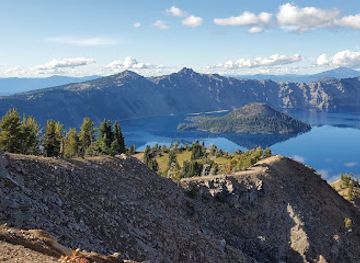
 Crater Lake National Park
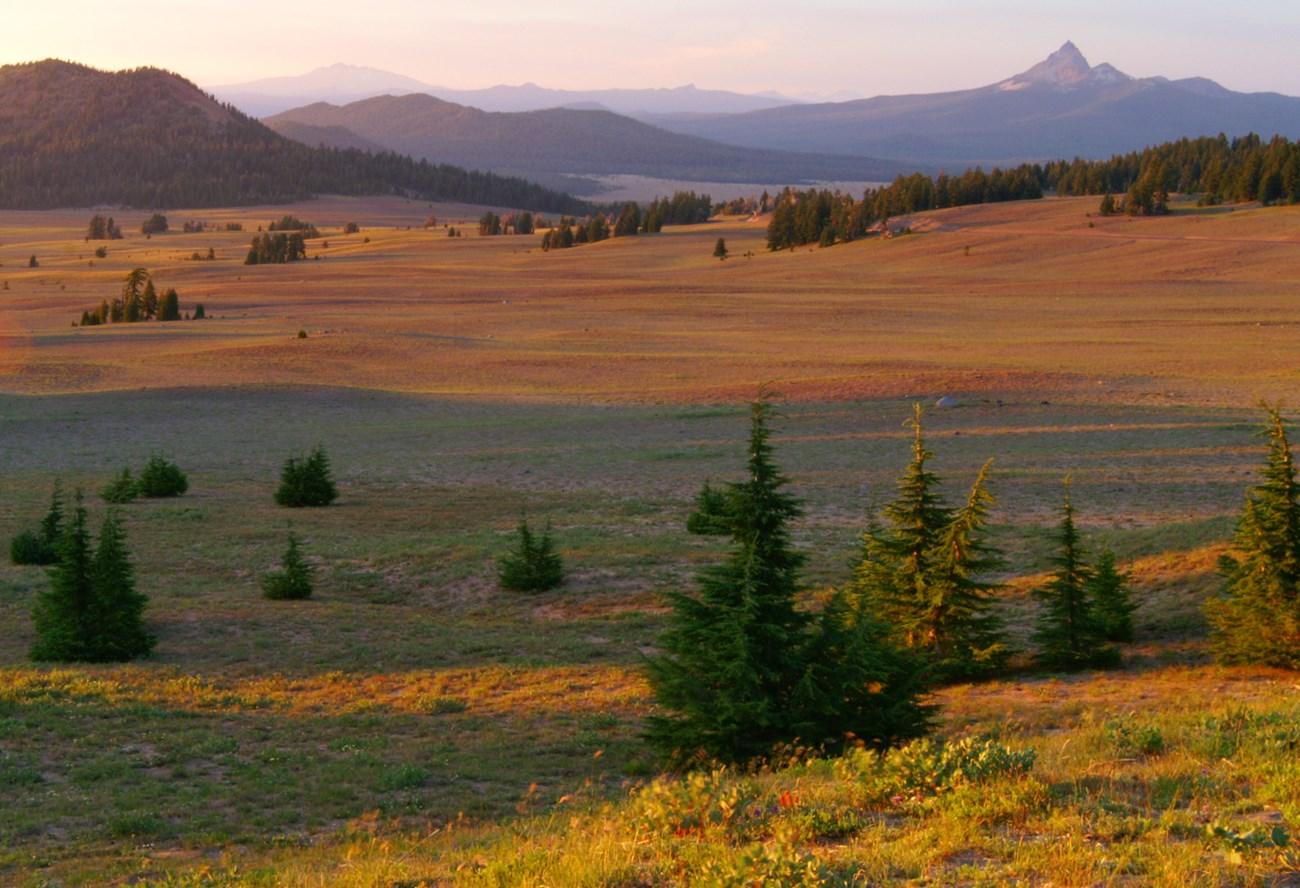
 in Oregon offers volcanic scenery, Wizard Island views, Rim Drive, winter snow and deep-blue lake landscapes in the Cascades.
Crater Lake National Park
Crater Lake National Park in Oregon offers volcanic scenery, Wizard Island views, Rim Drive, winter snow and deep-blue lake landscapes in the Cascades.
-

-

-

-


Swipe for more destinations
Best attractions in Cascade Range
The Oregon Cascades offer a broad mix of volcanic scenery, forest recreation and mountain heritage. Crater Lake National Park is the defining attraction in the south, with rim viewpoints, geological features and seasonal walking opportunities around the caldera. Newberry National Volcanic Monument, reached from the Bend area, presents lava flows, cinder cones, obsidian formations and high lakes, while the Cascade Lakes area combines paddling, fishing and mountain views. Around Mount Hood, visitors can explore alpine trails, winter sports and the historic Timberline Lodge; the central range includes the Three Sisters Wilderness, Santiam Pass and the mountain communities near Sisters. National forests provide camping, wildlife watching, scenic drives and extensive hiking, although access varies with snow, wildfire and road conditions. The region’s attractions are dispersed rather than concentrated in one town, and the character changes from rain-fed western forests to open ponderosa woodland and volcanic high desert east of the crest.
-
 Hiking area
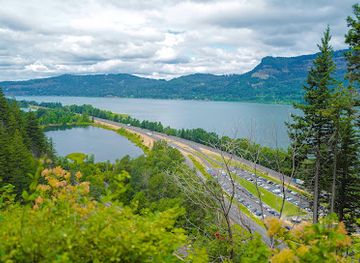
Columbia River Gorge National Scenic Area
Discover the breathtaking beauty and outdoor adventures of Columbia River Gorge National Scenic Area, a natural treasure in Oregon.
-
Historical landmark
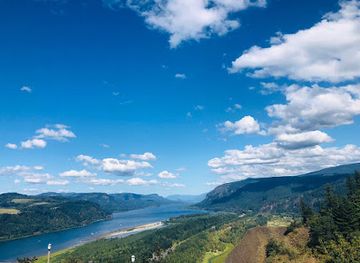
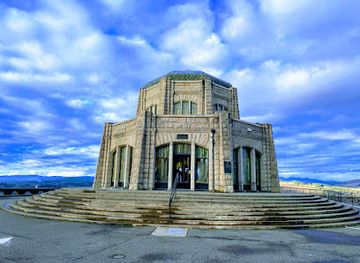
Vista House at Crown Point
Discover the breathtaking views and rich history at Vista House, a stunning landmark in the Columbia River Gorge, Oregon.
-
State park
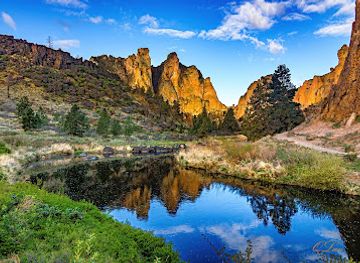
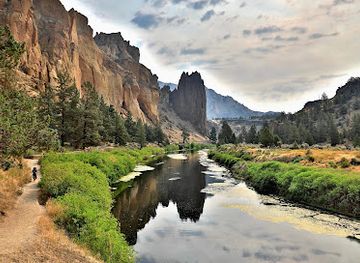
Smith Rock State Park
Explore the stunning landscapes of Smith Rock State Park, a premier destination for outdoor adventure and breathtaking natural beauty in Oregon.
-
Waterfall
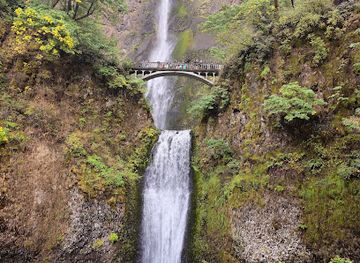
Multnomah Falls
Discover the breathtaking beauty of Multnomah Falls, a stunning waterfall in Oregon's Columbia River Gorge, perfect for nature lovers and adventurers.
Best landmarks in Cascade Range
Mount Hood is the northern Oregon Cascades’ most recognisable landmark, its snow-covered volcanic cone rising above forests and the valleys around Government Camp. Timberline Lodge, built on the mountain’s south side in the 1930s, is significant for its stone, timber and public-works-era craftsmanship. Mount Jefferson and the Three Sisters form prominent volcanic silhouettes in the central range, with the Three Sisters Wilderness preserving a particularly important high-country landscape. Newberry Caldera and Paulina and East Lakes express the broad volcanic architecture of the central Cascades, while the obsidian landscape of Newberry National Volcanic Monument reveals the region’s more recent eruptions. In the south, Crater Lake and its enclosing caldera cliffs are the range’s most powerful geographical symbol, created by the collapse of Mount Mazama. These landmarks are separated by forests, passes and rural roads, so their apparent proximity on a map should not be taken as an indication of easy same-day access.
-
National park
Crater Lake National Park
Explore the breathtaking landscapes and stunning blue waters of Crater Lake National Park, a premier destination for nature lovers and adventure seekers in Oregon.
-
Hiking area
Columbia River Gorge National Scenic Area
Discover the enchanting Columbia River Gorge National Scenic Area, a haven for hiking, breathtaking landscapes, and diverse wildlife in Oregon.
-
Historical landmark
Vista House at Crown Point
Experience breathtaking views and rich history at Vista House, a stunning historical landmark in the heart of Columbia River Gorge.
-
State park
Smith Rock State Park
Explore the natural wonders of Smith Rock State Park, where towering cliffs, scenic trails, and breathtaking views await in Oregon's outdoor paradise.
Explore Cascade Range on the map
Plan your trip on one map. See where the top cities, national parks and sights are, and book hotels and experiences in a few clicks.
Best hotels in Cascade Range
Best restaurants in Cascade Range
Dining in the Oregon Cascades is closely tied to its gateway communities and surrounding agricultural landscapes. Bend has the broadest range of restaurants, cafés, bakeries and breweries, while Sisters, Government Camp, Sunriver and smaller mountain settlements provide a more compact choice of casual dining, cafés, pubs and lodge-based meals. Menus often draw on Pacific Northwest ingredients such as salmon, trout, berries, mushrooms, orchard fruit and locally raised meat, alongside the wider Oregon tradition of craft beer and regional wine. In rural areas, food shopping and self-catering are important because services can be far apart, particularly near wilderness trailheads and high volcanic plateaux. Farmers’ markets and independent food producers around central Oregon may offer fruit, preserves, baked goods and locally made provisions. On long scenic drives, check fuel and meal options in advance rather than expecting restaurants at every recreation site.
-
Casino
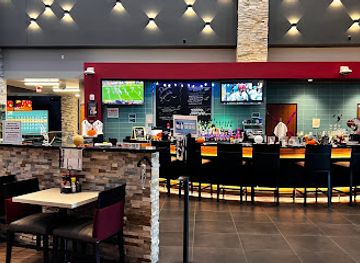
Wildhorse Resort & Casino
Discover excitement and relaxation at Wildhorse Resort & Casino in Pendleton - your ultimate destination for gaming, dining, and family fun.
-
Resort hotel
Skamania Lodge
Discover luxury and adventure at Skamania Lodge in Columbia River Gorge - your gateway to nature's wonders.
-
Pacific Northwestern
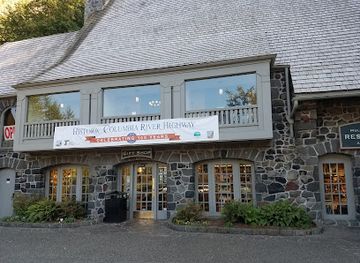
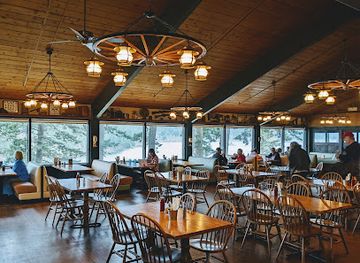
Multnomah Falls Lodge
Discover the enchanting Multnomah Falls Lodge: A historic gem nestled in Oregon's stunning Pacific Northwest with breathtaking views and delicious cuisine.
-
Lebanese
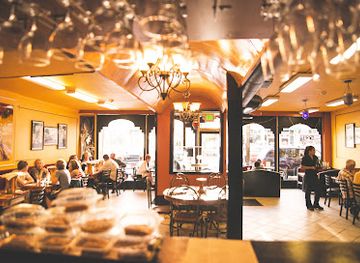
Nicholas Restaurant - Lebanese & Mediterranean Cuisine
Experience authentic Lebanese & Mediterranean flavors at Nicholas Restaurant in Gresham - A perfect blend of tradition and taste.
Best bars in Cascade Range
Evening life in the Oregon Cascades is concentrated in gateway towns rather than on the mountains themselves. Bend has the largest and most varied scene, with breweries, taprooms, cocktail bars, live music and restaurants extending into the evening. Sisters and Government Camp offer a smaller selection of pubs, lodge bars and casual venues, while Sunriver has resort-oriented dining and drinking. In ski areas, après-ski culture is seasonal and generally centred on established lodges rather than large nightclubs. Rural communities may have occasional live music or community events, but late-night transport is limited and venues can be widely separated. Around Crater Lake and remote national forests, visitors should expect quiet evenings, dark skies and accommodation-based dining rather than a nightlife district. Responsible drinking and a planned return journey are particularly important where roads are dark, winding or affected by winter conditions.
-
Pacific Northwestern
Multnomah Falls Lodge
Experience the breathtaking beauty of Multnomah Falls Lodge, a serene getaway in Oregon's Columbia River Gorge with stunning views and local cuisine.
-
American
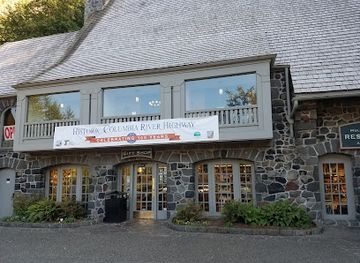
Bridgeside
Explore Cascade Locks' Bridgeside for a delightful American dining experience featuring breakfast, lunch, and local gifts amidst stunning scenery.
-
Brewpub
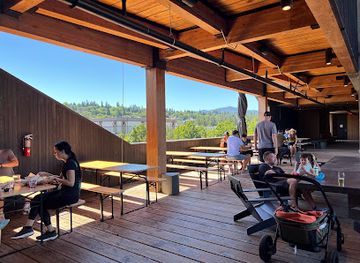
Ferment Brewing Company
Experience the best of craft brewing at Ferment Brewing Company in Hood River, Oregon, where exceptional beers meet a delightful dining experience.
-
Hotel
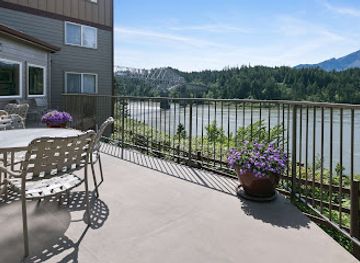
Best Western Plus Columbia River Inn
Discover the Best Western Plus Columbia River Inn, where comfort meets stunning river views in the heart of Cascade Locks, Oregon.
Best nightclubs in Cascade Range
Evening life in the Oregon Cascades is concentrated in gateway towns rather than on the mountains themselves. Bend has the largest and most varied scene, with breweries, taprooms, cocktail bars, live music and restaurants extending into the evening. Sisters and Government Camp offer a smaller selection of pubs, lodge bars and casual venues, while Sunriver has resort-oriented dining and drinking. In ski areas, après-ski culture is seasonal and generally centred on established lodges rather than large nightclubs. Rural communities may have occasional live music or community events, but late-night transport is limited and venues can be widely separated. Around Crater Lake and remote national forests, visitors should expect quiet evenings, dark skies and accommodation-based dining rather than a nightlife district. Responsible drinking and a planned return journey are particularly important where roads are dark, winding or affected by winter conditions.
-
Hotel
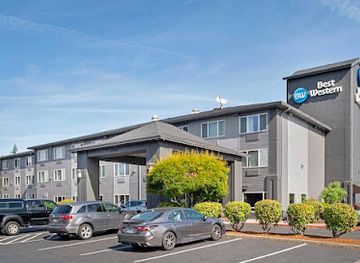
Best Western Plus Columbia River Inn
Discover comfort and breathtaking views at Best Western Plus Columbia River Inn, your gateway to the Columbia River Gorge.
-
Resort hotel
WorldMark Bend - Seventh Mountain Resort
Discover the perfect blend of adventure and relaxation at WorldMark Bend - Seventh Mountain Resort, your gateway to the stunning landscapes of Oregon.
-
Hotel
Best Western Newberry Station
Discover the charm of La Pine with a stay at Best Western Newberry Station, your gateway to Central Oregon's natural beauty.
-
Hotel
Best Western Cascade Inn & Suites
Discover comfort and convenience at Best Western Cascade Inn & Suites, your gateway to the stunning natural beauty of Troutdale, Oregon.


Best shops in Cascade Range
Shopping in the Oregon Cascades is primarily practical, independent and linked to gateway towns rather than large-scale retail. Bend has the broadest selection, including outdoor equipment, independent clothing shops, galleries, booksellers, food producers and craft beverages. Sisters is known for western-themed architecture, arts, crafts, homewares and locally made goods, while Government Camp and other mountain settlements focus more on equipment, clothing, provisions and souvenirs for outdoor visitors. Farmers’ markets in central Oregon can provide seasonal fruit, vegetables, baked goods, preserves and other regional produce when operating. Look for locally produced pottery, woodwork, textiles, artwork and volcanic-landscape-inspired designs, but check that natural objects have been legally and ethically sourced. In remote districts, shops are sparse and opening patterns can be seasonal, so buy fuel, food and essential outdoor supplies before setting out for long forest or crater excursions.
-
Hiking area
Columbia River Gorge National Scenic Area
Explore the breathtaking Columbia River Gorge National Scenic Area, a hiking paradise filled with waterfalls, stunning views, and rich natural beauty.
-
Gift shop
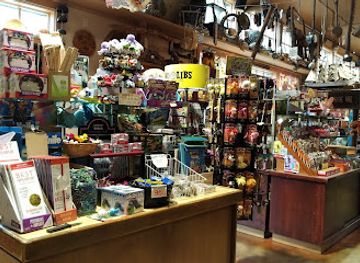
Ye Olde Curiosity Shop
Discover the whimsical treasures of Ye Olde Curiosity Shop in Seattle, where unique souvenirs and fascinating curiosities await your exploration.
-
Shopping mall
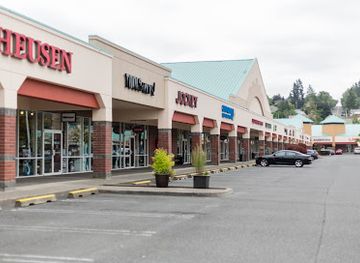
Columbia Gorge Outlets
Discover unbeatable deals and breathtaking views at Columbia Gorge Outlets, the ultimate shopping destination in Oregon.
-
American
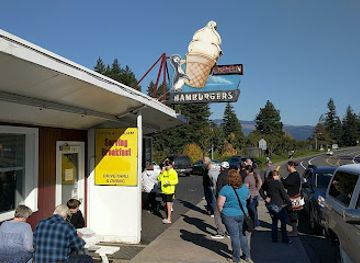
Eastwind Drive-In
Savor delicious fast food and delightful ice cream treats at Eastwind Drive-In, a charming eatery in the heart of Cascade Locks, Oregon.
Get your free copy of our complete guide to Cascade Range, delivered straight to you.
Everything on this page, from attractions and restaurants to essentials and local phrases, in one PDF you can read offline, print or share.
Already have an account? Sign in
Your Cascade Range guide is ready.
We'll send it to · Not you? Sign out

Getting your guide ready…
We are putting together a fresh copy of the Cascade Range guide. This can take up to a minute.
This can take a few moments. If your browser asks, choose Allow so the download can start. You'll find the guide in your Downloads folder.
Nothing happened? Download it again
Sorry, the guide is taking longer than usual. Please try again in a minute, or get it by email instead.
Cascade Range essentials
Currency and Payment
Safety
Emergency Situations
Do's and Don'ts
Local Tips
From Eve
Local phrases worth knowing
You don't need to get them perfect. A few words go a long way, and locals appreciate the effort.
Basics
| English | Local | Say it |
|---|---|---|
| Hello | Hey there | [Hey thair] |
| Goodbye | See ya | [See yah] |
| Yes | Yep | [Yep] |
| No | Nah | [Nah] |
| Please/You're welcome | Sure thing | [Shur thing] |
| Thank you | Thanks a lot | [Thangs a lot] |
| Excuse me/Sorry | My bad | [My bad] |
| How are you? | How's it going? | [How's it goin'?] |
| Fine. And you? | Good. You? | [Good. You?] |
| Do you speak English? | You speak English? | [You speak English?] |
| I don't understand | I ain't following | [I ain't follerin'] |
Eating & Drinking
| English | Local | Say it |
|---|---|---|
| I'd like to see the menu, please | Can I get the menu? | [Can I get the menoo?] |
| I don't eat meat | I'm vegetarian | [I'm vege-tarian] |
| Cheers! | Cheers! | [Cheers!] |
| I would like to pay, please | Can I settle up? | [Can I settle up?] |
Emergencies
| English | Local | Say it |
|---|---|---|
| Help! | Help! | [Help!] |
| Go away! | Leave me alone! | [Leave me alone!] |
| Call the Police! | Call the cops! | [Call the cops!] |
| Call a doctor! | Get a doctor! | [Get a doctor!] |
| I'm lost | I'm turned around | [I'm turned around] |
| I'm ill | I'm not feeling well | [I'm not feelin' well] |
Shopping
| English | Local | Say it |
|---|---|---|
| I'd like to buy... | I wanna buy... | [I wanna buy...] |
| I'm just looking | Just browsing | [Just browsin'] |
| How much is it? | What’s the price? | [What’s the price?] |
| That's too expensive | That’s pricey | [That’s pricy] |
| Can you lower the price? | Can you do better on the price? | [Can you do better on the price?] |
Time & Numbers
| English | Local | Say it |
|---|---|---|
| What time is it? | What time ya got? | [What time ya got?] |
| It's one o'clock | It's one | [It's one] |
| Half past (10) | Half past ten | [Half past ten] |
| Morning | Morning | [Morning] |
| Afternoon | Afternoon | [Afternoon] |
| Evening | Evening | [Evening] |
| Yesterday | Yesterday | [Yesterday] |
| Today | Today | [Today] |
| Tomorrow | Tomorrow | [Tomorrow] |
| 1 | One | [One] |
| 2 | Two | [Two] |
| 3 | Three | [Three] |
| 4 | Four | [Four] |
| 5 | Five | [Five] |
| 6 | Six | [Six] |
| 7 | Seven | [Seven] |
| 8 | Eight | [Eight] |
| 9 | Nine | [Nine] |
| 10 | Ten | [Ten] |
Transport & Directions
| English | Local | Say it |
|---|---|---|
| Where's a/the...? | Where’s the nearest...? | [Where’s the nearest...?] |
| What's the address? | What’s the address? | [What’s the address?] |
| Can you show me (on the map)? | Can you point it out? | [Can you point it out?] |
| When's the next (bus)? | When's the next bus? | [When's the next bus?] |
| A ticket (to ....) | A ticket to... | [A ticket to...] |
History of Cascade Range
Indigenous homelands and mountain routes
The Oregon Cascades have been travelled, used and understood by Indigenous peoples for thousands of years. The range lies within the broader homelands and travel networks of peoples including the Confederated Tribes of Warm Springs and the Klamath Tribes, among others. Hunting, fishing, gathering and seasonal movement connected mountain valleys, passes and plateaux with the surrounding Columbia, Willamette and Great Basin regions. Indigenous knowledge remains important to the interpretation of the landscape, although visitors should remember that public forests and parks do not erase the region’s continuing cultural relationships and sovereignty.
The volcanic formation of the Cascades
The range is part of the Cascade volcanic arc, created where the Juan de Fuca Plate descends beneath the North American Plate. Repeated eruptions built the major stratovolcanoes, while lava flows, ash and glacial erosion shaped the surrounding forests and valleys. Mount Hood, Mount Jefferson, the Three Sisters and Mount McLoughlin are among the best-known volcanic peaks in Oregon. Newberry Volcano and the collapsed Mount Mazama caldera demonstrate that the region’s geology includes broad shield volcanoes and explosive volcanic systems as well as steep mountain cones.
The eruption of Mount Mazama
Approximately 7,700 years ago, Mount Mazama experienced a colossal eruption followed by the collapse of its summit, creating the caldera now occupied by Crater Lake. The eruption spread ash widely across the Pacific Northwest and transformed the mountain’s profile. Subsequent volcanic activity produced Wizard Island and other features within the caldera. The site later became central to the creation of Crater Lake National Park, and its geology continues to define one of the most recognisable landscapes in the Oregon Cascades.
Exploration, trails and the Oregon Trail
Euro-American exploration and migration increased during the nineteenth century as fur traders, surveyors and settlers crossed or skirted the Cascades. The Oregon Trail’s Barlow Road, opened in the 1840s, provided a difficult overland route around the southern side of Mount Hood after many emigrants reached the Columbia River. Other crossings, including Santiam Pass, linked the Willamette Valley with the interior. These routes brought expanding settlement and commercial activity, while also contributing to the displacement and disruption of Indigenous communities.
Timber, railways and mountain development
From the late nineteenth century, abundant conifer forests supported logging, sawmilling and railway construction on both sides of the range. Timber towns and transport corridors grew near passes and river valleys, while federal forest management helped shape access to public lands. In the twentieth century, recreation became increasingly important. Timberline Lodge on Mount Hood, built during the Works Progress Administration era in the 1930s, symbolised a new relationship between public infrastructure, regional craftsmanship and national-park-style mountain tourism.
Conservation and the modern recreation economy
The twentieth and early twenty-first centuries brought widening efforts to protect old-growth forests, wilderness, volcanic landscapes and wildlife habitat. The Mount Hood, Willamette, Deschutes, Umpqua and Fremont-Winema national forests, together with wilderness areas and Crater Lake National Park, now form a patchwork of protected and working landscapes. Skiing, hiking, climbing, fishing and scenic travel are major parts of the regional economy, yet forestry, prescribed fire, wildfire management, Indigenous cultural protection and climate-related changes in snowpack remain significant contemporary issues.
Cascade Range in Photos
Browse through our photo collection highlighting the charm and character of the destination.
Neighbouring regions of Cascade Range
The closest regions to Cascade Range, if you have time for more than one.
-

-

-

-
 Douglas County
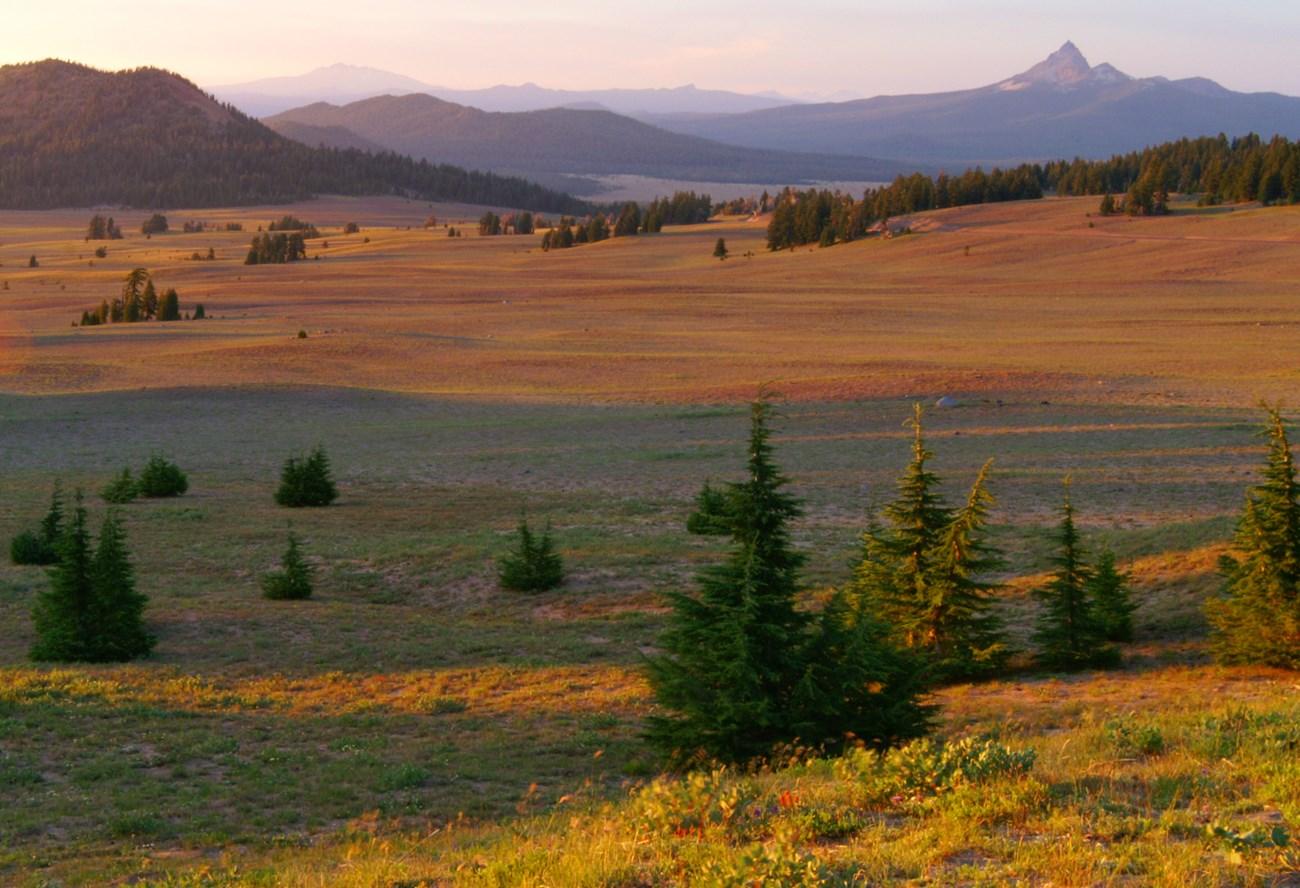
, Oregon combines Umpqua Valley vineyards, Pacific dunes, river towns, waterfalls and Cascade forests for varied road-trip travel.
Douglas County
Douglas County, Oregon combines Umpqua Valley vineyards, Pacific dunes, river towns, waterfalls and Cascade forests for varied road-trip travel.
-


Swipe for more regions
Explore more

Explore more of Oregon
Discover Oregon's diverse landscapes, vibrant cities, and rich culture. From stunning coastlines to lush forests, this Pacific Northwest gem offers endless adventures.
Explore Oregon