

Free Lane County Travel Guide & Mobile App
Explore Lane County with free travel guides. Discover regional history, expert tips, proposed trips, and audio guides on web or mobile app.


Lane County pairs Eugene's culture with Oregon coast, dunes, river valleys, vineyards and forested Cascade landscapes for an expansive regional escape.
Read more about Lane County
Getting to and around Lane County
How to get there
Transportation
Destinations in Lane County
Resorts, valleys and scenic spots worth a trip of their own.
-

-


Swipe for more destinations
Best attractions in Lane County
Lane County's attractions range from urban culture to extensive public landscapes. Eugene offers the Jordan Schnitzer Museum of Art, the Museum of Natural and Cultural History, the Hult Center for the Performing Arts and Mount Pisgah Arboretum, while the University of Oregon campus adds museums, gardens and sporting heritage. Springfield provides a separate historic downtown and access to the Willamette River. Along the coast, Florence is the principal base for exploring the Oregon Dunes National Recreation Area, the Siuslaw estuary and nearby beaches; Heceta Head Lighthouse and Sea Lion Caves add notable roadside and coastal stops. Inland, Cottage Grove's covered bridges, the McKenzie River corridor and the forests of the Willamette National Forest support hiking, cycling, fishing, rafting and wildlife observation. The county is best understood through contrasts: valley farms and city culture in the west, deeply wooded mountain country in the east, and a windswept coastal landscape between river and ocean.
-
National park
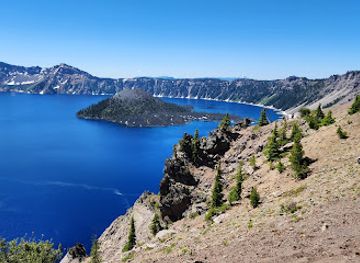
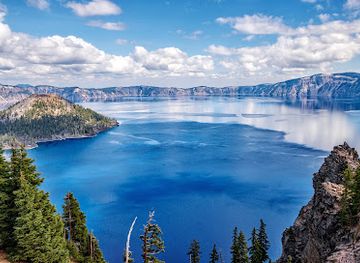
Crater Lake National Park
Explore the stunning beauty of Crater Lake National Park in Oregon, a breathtaking natural wonder filled with outdoor adventure and scenic landscapes.
-
National forest
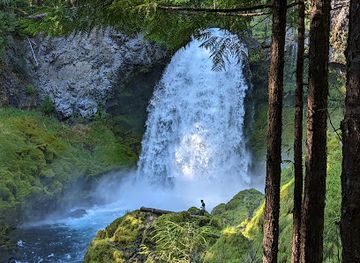
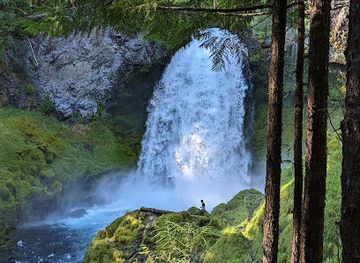
Willamette National Forest
Explore the breathtaking landscapes and diverse wildlife of Willamette National Forest, a premier outdoor destination in Oregon.
-
Museum
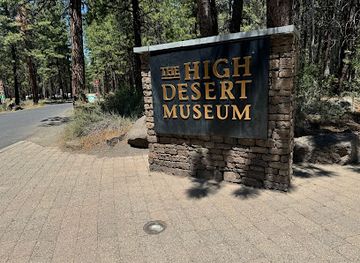
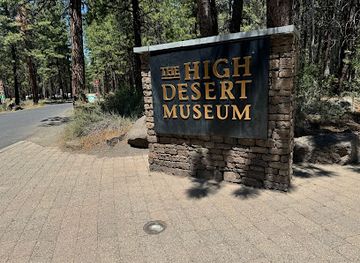
High Desert Museum
Explore the captivating natural and cultural history of Oregon at the High Desert Museum, a must-visit for any traveler in Bend.
-
Visitor center
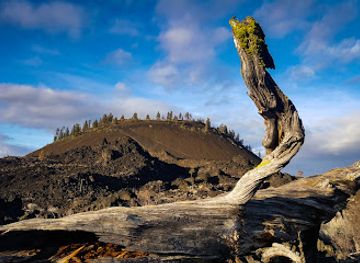
Lava Lands Visitor Center
Discover the geological marvels of the Lava Lands Visitor Center, your gateway to Oregon's stunning volcanic landscapes and hiking adventures.
Best landmarks in Lane County
The Heceta Head Lighthouse is Lane County's most recognisable coastal landmark, standing above a dramatic headland north of Florence and reflecting the importance of maritime navigation along the Oregon coast. Florence's Siuslaw River Bridge, a graceful historic crossing on U.S. 101, marks the meeting of river town and coastal highway. The Oregon Dunes form a major natural landmark, with shifting sand ridges extending along the coast between forest and Pacific beaches. Inland, Eugene's University of Oregon campus includes distinctive historic and modern architecture, while the Hult Center has become a prominent civic building in the city centre. The Middle Fork Willamette and McKenzie river corridors provide the county with a sequence of natural landmarks rather than one monumental site: wooded banks, bridges, falls and mountain valleys shape the journey. Around Cottage Grove, historic covered bridges recall an era when timber structures carried local roads across creeks and rivers. Together these places express Lane County's maritime, civic, industrial and forested identities.
-
National forest
Willamette National Forest
Discover the breathtaking beauty of Willamette National Forest, a natural paradise teeming with outdoor adventures and serene landscapes in Oregon.
-
Museum
High Desert Museum
Explore the High Desert Museum in Bend, Oregon, where art, history, and nature converge for an unforgettable adventure.
-
Ski resort
Mt. Bachelor Ski Resort
Discover the thrill of winter sports and breathtaking scenery at Mt. Bachelor Ski Resort, Oregon's ultimate destination for skiing and snowboarding.
-
Visitor center
Rim Village Visitor Center
Explore the Crater Lake National Park at Rim Village Visitor Center, where breathtaking views and educational experiences await every traveler.

Explore Lane County on the map
Plan your trip on one map. See where the top cities, national parks and sights are, and book hotels and experiences in a few clicks.
Best hotels in Lane County
Best restaurants in Lane County
Lane County's dining reflects western Oregon's agricultural abundance and varied geography. Eugene and Springfield have the broadest selection, from cafés, food carts and independent restaurants to breweries and contemporary kitchens using seasonal vegetables, berries, mushrooms, grains and locally produced meat. The southern Willamette Valley is associated with farm stands, vineyards, hazelnuts and fruit, while markets provide an accessible way to encounter regional produce. Florence and other coastal communities add seafood, chowders, crab and fish dishes, although menus naturally vary with supply and season. Rural towns tend towards cafés, bakeries, family restaurants and pubs rather than a dense dining scene, so evening choices may be limited outside the principal centres. Oregon wine, craft beer and cider are prominent local drinks, and visitors may find tasting rooms and producers dispersed through the valley rather than concentrated in one district. Reservations are sensible for well-known restaurants during summer and university event periods.
-
Brewery
3 Legged Crane Pub and Brewhouse
Discover handcrafted beers and delightful dishes at 3 Legged Crane Pub and Brewhouse in Oakridge - a must-visit destination for craft beer enthusiasts.

Best bars in Lane County
Nightlife in Lane County is centred on Eugene, where the university population supports pubs, breweries, cocktail bars, live music, comedy, independent performance and late-evening cafés. Downtown Eugene and the Whiteaker area are established centres for bars and music, although individual venues and opening arrangements change. Springfield has a smaller but distinct collection of pubs, breweries and restaurants, while Florence's evening scene is more closely tied to waterfront dining, traditional bars and seasonal coastal visitors than to large clubs. In Cottage Grove and the eastern communities, evenings generally revolve around local pubs, restaurants and community events. The county does not have a single continuous nightclub district, and rural nightlife can be quiet after dinner. Craft beer, cider and wine are part of the regional hospitality economy, but the area's evening culture also includes theatre, concerts and university performances for visitors who do not want an alcohol-focused night.
-
Brewery
3 Legged Crane Pub and Brewhouse
Discover the charm of Oakridge at 3 Legged Crane Pub and Brewhouse, where craft beer and delicious food meet in a cozy atmosphere.
-
Grill
The Corner
Discover Oakridge's culinary gem at The Corner Grill, where local flavors meet a cozy atmosphere for an unforgettable dining experience.
-
Bar
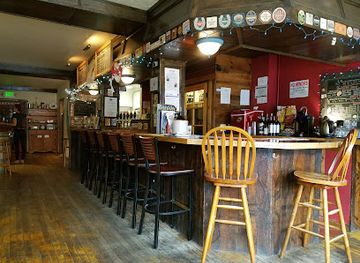
The Middle Fork Bistro
Discover the charm of Oakridge at The Middle Fork Bistro, where local flavors and a cozy atmosphere come together for an unforgettable dining experience.
Get your free copy of our complete guide to Lane County, delivered straight to you.
Everything on this page, from attractions and restaurants to essentials and local phrases, in one PDF you can read offline, print or share.
Already have an account? Sign in
Your Lane County guide is ready.
We'll send it to · Not you? Sign out

Getting your guide ready…
We are putting together a fresh copy of the Lane County guide. This can take up to a minute.
This can take a few moments. If your browser asks, choose Allow so the download can start. You'll find the guide in your Downloads folder.
Nothing happened? Download it again
Sorry, the guide is taking longer than usual. Please try again in a minute, or get it by email instead.
Lane County essentials
Currency and Payment
Safety
Emergency Situations
Do's and Don'ts
Local Tips
From Eve
Local phrases worth knowing
You don't need to get them perfect. A few words go a long way, and locals appreciate the effort.
Basics
| English | Local | Say it |
|---|---|---|
| Hello | Hey there | [Hey thair] |
| Goodbye | See you later | [See yuh lay-tur] |
| Yes | Yep | [Yep] |
| No | Nah | [Nah] |
| Please/You're welcome | Sure thing | [Shur thing] |
| Thank you | Thanks a lot | [Thangs a lot] |
| Excuse me/Sorry | Sorry 'bout that | [Sor-ree 'bout that] |
| How are you? | How's it going? | [How's it goin'?] |
| Fine. And you? | I'm good, you? | [I'm good, yuh?] |
| Do you speak English? | Can you speak English? | [Can yuh speak English?] |
| I don't understand | I ain't getting it | [I ain't gettin' it] |
Eating & Drinking
| English | Local | Say it |
|---|---|---|
| I'd like to see the menu, please | Can I see the menu? | [Can I see thuh menu?] |
| I don't eat meat | I'm a vegetarian | [I'm a veg-e-tair-ian] |
| Cheers! | Cheers! | [Cheers!] |
| I would like to pay, please | Can I get the check? | [Can I get thuh chek?] |
Emergencies
| English | Local | Say it |
|---|---|---|
| Help! | Help! | [Help!] |
| Go away! | Leave me alone! | [Leave me uh-lone!] |
| Call the Police! | Call 911! | [Call nine-one-one!] |
| Call a doctor! | Get a doctor! | [Get a doktor!] |
| I'm lost | I'm kinda lost | [I'm kinda lost] |
| I'm ill | I'm not feeling well | [I'm not feelin' well] |
Shopping
| English | Local | Say it |
|---|---|---|
| I'd like to buy... | I want to buy... | [I want to buy...] |
| I'm just looking | Just browsing | [Just browsin'] |
| How much is it? | What’s the price? | [What’s thuh price?] |
| That's too expensive | That's a bit much | [That's a bit much] |
| Can you lower the price? | Can you make it cheaper? | [Can yuh make it cheaper?] |
Time & Numbers
| English | Local | Say it |
|---|---|---|
| What time is it? | What time is it? | [What time is it?] |
| It's one o'clock | It's one | [It's one] |
| Half past (10) | Half past ten | [Half past ten] |
| Morning | Morning | [Mornin'] |
| Afternoon | Afternoon | [Afternoon] |
| Evening | Evening | [Evenin'] |
| Yesterday | Yesterday | [Yesturday] |
| Today | Today | [Today] |
| Tomorrow | Tomorrow | [Tuh-morrow] |
| 1 | One | [One] |
| 2 | Two | [Two] |
| 3 | Three | [Three] |
| 4 | Four | [Four] |
| 5 | Five | [Five] |
| 6 | Six | [Six] |
| 7 | Seven | [Seven] |
| 8 | Eight | [Eight] |
| 9 | Nine | [Nine] |
| 10 | Ten | [Ten] |
Transport & Directions
| English | Local | Say it |
|---|---|---|
| Where's a/the...? | Where's the...? | [Where's thuh...?] |
| What's the address? | What's the address? | [What's thuh address?] |
| Can you show me (on the map)? | Can you show me on the map? | [Can yuh show me on thuh map?] |
| When's the next (bus)? | When's the next bus? | [When's thuh next bus?] |
| A ticket (to ....) | A ticket to ... | [A tiket to ...] |
History of Lane County
Indigenous Homelands and River Economies
Long before American settlement, the Willamette Valley was home to Kalapuya peoples, whose seasonal movement, plant management, hunting and fishing were closely connected to valley grasslands and rivers. The Siuslaw and Lower Umpqua peoples lived around the coastal estuaries, forests and waterways, while other Indigenous communities travelled through the interior corridors. Epidemics, land dispossession and nineteenth-century government policies caused profound disruption. Today, tribal history remains an essential part of understanding Lane County, even though much of the public landscape presents a later settler narrative.
Exploration and the Oregon Trail Era
Fur traders, surveyors and missionaries entered the central Willamette Valley during the nineteenth century, followed by American settlers travelling the Oregon Trail. Eugene's settlement developed near a crossing of the Willamette River, and the valley's fertile soils encouraged farms and small communities. Contact and conflict between settlers and Indigenous peoples intensified during this period, culminating in treaties, forced removals and the concentration of Native communities away from much of their ancestral land.
Eugene and the Growth of Civic Institutions
Eugene was incorporated in the nineteenth century and became an important service and administrative centre for the southern Willamette Valley. The University of Oregon, established in Eugene in 1876, later shaped the city's educational, architectural and cultural life. Public institutions, newspapers, commerce and transport helped Eugene grow beyond a river settlement, while Springfield developed across the Willamette as a distinct industrial and residential community.
Railways, Timber and River Transport
Rail connections in the late nineteenth and early twentieth centuries linked Lane County's farms, forests and towns with markets elsewhere in Oregon and beyond. Timber became a defining industry, particularly in the foothills and Cascade valleys, with mills and logging camps supporting communities along the McKenzie, Middle Fork Willamette and Siuslaw systems. Florence's river and coastal position also connected it to maritime trade. Roads, railways and improved bridges gradually shifted transport away from the rivers while leaving a visible industrial and architectural legacy.
Agriculture and the Willamette Valley Landscape
The valley around Eugene, Springfield, Junction City and Cottage Grove developed a mixed agricultural economy based on grain, livestock, fruit, vegetables and nursery production. Drainage, irrigation and changing farming practices transformed parts of the valley from seasonal wetlands and prairie into productive agricultural land. In recent decades, vineyards, specialty crops, farm stands and direct producer markets have added new layers to the county's food economy without replacing its older agricultural traditions.
The Oregon Coast Highway and Tourism
Improved roads and the completion of coastal highway links made the Lane County shoreline more accessible to visitors during the twentieth century. Florence grew as a gateway to the Siuslaw estuary and Oregon Dunes, while the Heceta Head area became known for its lighthouse, dramatic headland and coastal scenery. Tourism developed alongside fishing, forestry and local commerce, bringing a new economy to communities that had previously depended more heavily on river and maritime connections.
Environmental and Cultural Change Since the 1960s
Late twentieth-century debates over old-growth forests, public-land management, rivers and wildlife changed Lane County's economic and political landscape. Traditional timber employment declined in many communities, while education, healthcare, technology, outdoor recreation, agriculture and tourism became increasingly important. Eugene gained a national reputation for environmental activism and sustainable initiatives, although the county continues to balance conservation, housing, wildfire resilience, working forests and rural livelihoods.
Lane County in Photos
Browse through our photo collection highlighting the charm and character of the destination.
Neighbouring regions of Lane County
The closest regions to Lane County, if you have time for more than one.
-
-

-
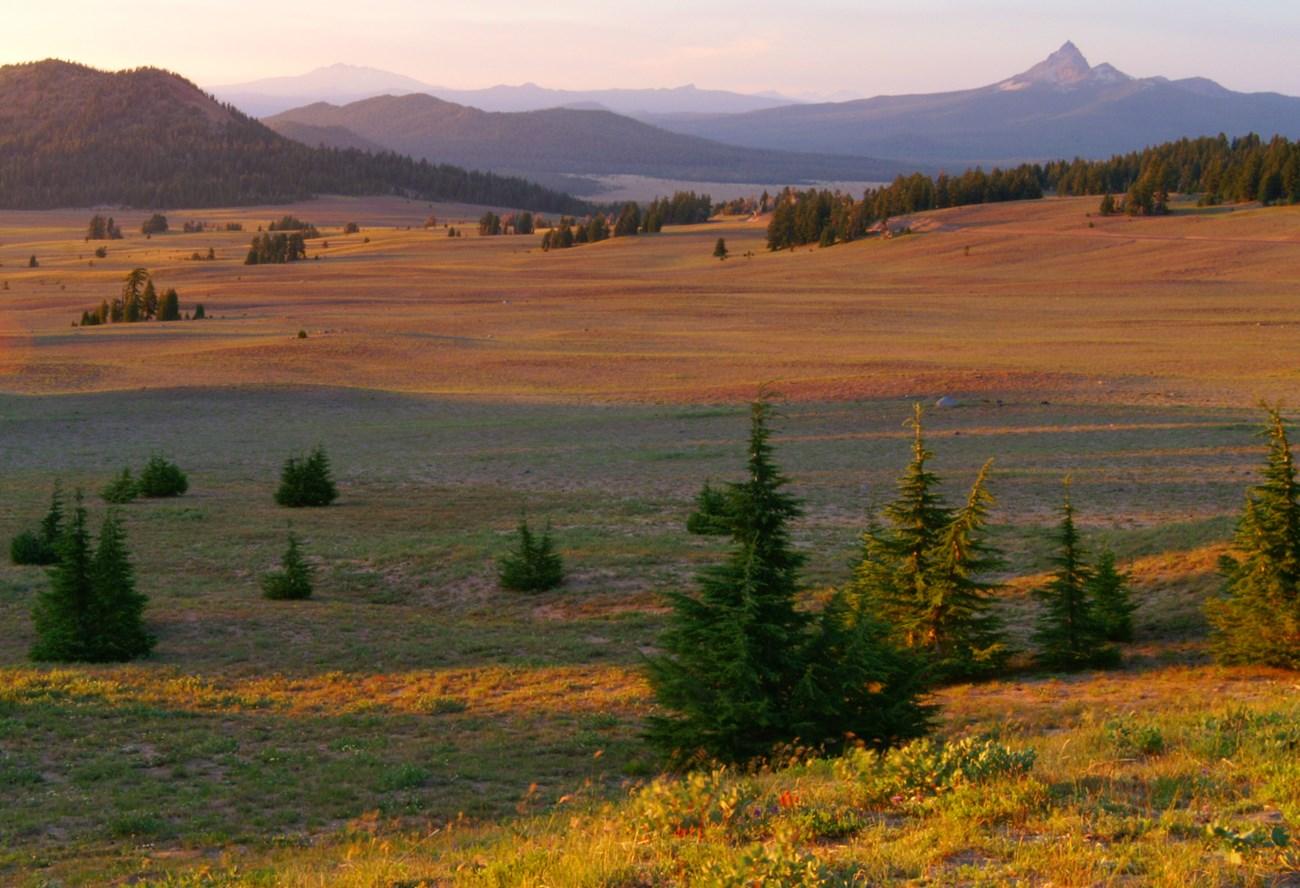 Douglas County
, Oregon combines Umpqua Valley vineyards, Pacific dunes, river towns, waterfalls and Cascade forests for varied road-trip travel.
-

-


Swipe for more regions
Explore more

Explore more of Oregon
Discover Oregon's diverse landscapes, vibrant cities, and rich culture. From stunning coastlines to lush forests, this Pacific Northwest gem offers endless adventures.
Explore Oregon