

Free Marion County Travel Guide & Mobile App
Explore Marion County with free travel guides. Discover regional history, expert tips, proposed trips, and audio guides on web or mobile app.


Marion County, Oregon combines Salem’s museums and gardens with Willamette Valley farms, historic towns, river parks and Cascade foothill waterfalls.
Read more about Marion County
Getting to and around Marion County
How to get there
Transportation
Destinations in Marion County
Resorts, valleys and scenic spots worth a trip of their own.

Swipe for more destinations
Best attractions in Marion County
Marion County’s attractions range from Salem’s public institutions to forests, farms and river landscapes. In the county seat, the Oregon State Capitol, the Willamette Heritage Center, Hallie Ford Museum of Art, Bush’s Pasture Park and historic houses such as Deepwood Estate provide a concentrated introduction to government, industry, art and domestic architecture. Riverfront City Park adds open space and family-oriented facilities beside the Willamette. Outside Salem, Silverton combines a historic town centre with the Oregon Garden and access to Silver Falls State Park, whose forested canyon and linked waterfalls are the county’s best-known natural attraction. Champoeg State Heritage Area offers walking, picnic landscapes and interpretation of early Oregon government, while Willamette Mission State Park preserves riverine scenery and historic associations. Mount Angel Abbey is significant for its religious setting, architecture and library, although visitors should observe access rules. The eastern county leads towards the North Santiam River, Detroit Reservoir and Cascade recreation, where boating, fishing, hiking and scenic driving depend more heavily on weather and road conditions. Agricultural tourism, nursery visits, seasonal produce stands and community festivals add a distinctly working-valley dimension to the sightseeing landscape.
-
Waterfall
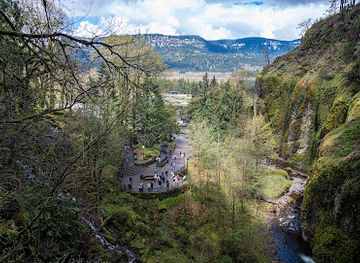
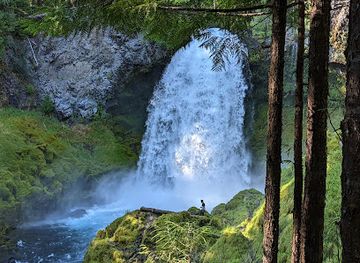
Multnomah Falls
Discover the breathtaking beauty of Multnomah Falls, Oregon's tallest waterfall, surrounded by lush landscapes and scenic hiking trails for every adventurer.
-
National forest
Willamette National Forest
Discover the breathtaking landscapes and outdoor adventures waiting for you in Willamette National Forest, a true Oregon treasure for nature lovers.
-
Lake
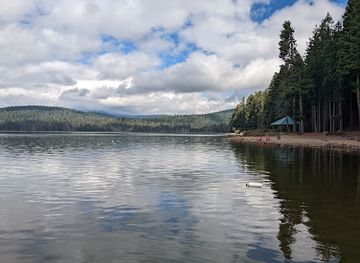
Lake of the Woods
Explore the captivating natural beauty of Lake of the Woods, Oregon, a perfect destination for outdoor enthusiasts and tranquility seekers alike.
-
Scenic spot
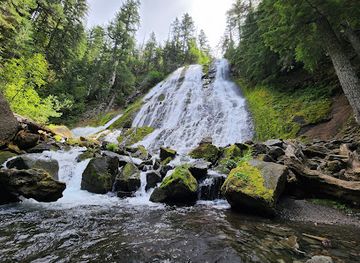
Diamond Creek Falls
Experience the beauty of nature at Diamond Creek Falls in Crescent, Oregon, a hidden gem offering breathtaking views and tranquil hiking trails.

Best landmarks in Marion County
The Oregon State Capitol is Marion County’s most recognisable civic landmark, its 1930s Art Deco design marked by a gold-plated pioneer statue above the dome. In Salem, the Bush House, Deepwood Estate and the surviving buildings of the Willamette Heritage Center reveal different layers of nineteenth- and early twentieth-century architecture and industry. The Union Street Railroad Bridge, a former railway structure crossing the Willamette, has become an important pedestrian and cycling link with views towards the city and river corridor. Silverton’s historic streets and creekside setting provide a smaller-scale architectural landscape, while Mount Angel Abbey stands on a hill above the town as a prominent religious and cultural complex. The county’s strongest natural landmarks lie east of the valley: Silver Falls cuts through a forested canyon and forms a sequence of major cascades, and the North Santiam River and Detroit Reservoir mark the transition to the Cascades. At Champoeg, the riverbank landscape carries political as well as historical significance, commemorating the 1843 provisional-government vote. These places represent the county’s principal visual themes: civic authority, timber and settlement history, religious architecture, flowing water and mountain geography.
-
National park
Crater Lake National Park
Experience the breathtaking beauty of Crater Lake National Park, Oregon's natural gem, renowned for its stunning blue waters and scenic vistas.
-
Historical landmark
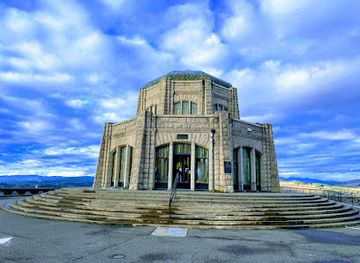
Vista House at Crown Point
Experience the stunning views and rich history at Vista House, a premier landmark in the Columbia River Gorge, Oregon.
-
National forest
Willamette National Forest
Explore the breathtaking landscapes and diverse wildlife of Willamette National Forest, a paradise for outdoor enthusiasts and nature lovers in Oregon.
-
 Lodge
LodgeBelknap Hot Springs, Lodge and Gardens.
Experience the serene beauty of Belknap Hot Springs Lodge and Gardens, where relaxation meets adventure in Oregon's stunning wilderness.
Explore Marion County on the map
Plan your trip on one map. See where the top cities, national parks and sights are, and book hotels and experiences in a few clicks.
Best hotels in Marion County
Best restaurants in Marion County
Dining in Marion County reflects the productive Willamette Valley and the county’s mix of urban, small-town and rural communities. Salem has the broadest choice, including cafés, international restaurants, breweries, contemporary dining rooms and longstanding American-style establishments. Across the valley, farm produce, berries, apples, pears, hazelnuts, vegetables, dairy products and locally raised meat appear in seasonal menus and direct-sales shops. Silverton and Mount Angel offer independent cafés, bakeries, pubs and restaurants suited to garden and heritage visits, while rural roads lead to farm stands and occasional tasting rooms rather than a continuous dining district. Mount Angel’s German-American heritage is reflected in traditional foods and community celebrations, though local menus also draw on Oregon’s wider multicultural population. Hops connect the county to the state’s craft-brewing economy, and regional wines and ciders may be available at producers or restaurants. Opening days and seasonal availability vary outside Salem, so plan meals ahead when visiting waterfalls, parks or the Santiam foothills.
-
Pizza
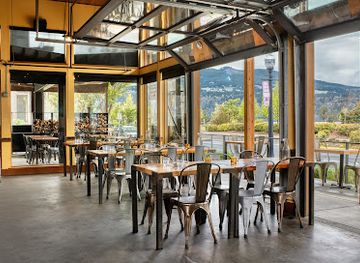
Solstice Wood Fire Pizza - Cafe & Bar
Experience delicious wood-fired pizzas and local brews at Solstice Wood Fire Pizza - Cafe & Bar in beautiful Hood River.
-
American
Big River Grill
Experience American cuisine at its best at Big River Grill in Stevenson, WA – where delicious food meets great company.
-
Brewpub
Ferment Brewing Company
Discover the perfect blend of craft beer and delicious cuisine at Ferment Brewing Company in Hood River.
-
American
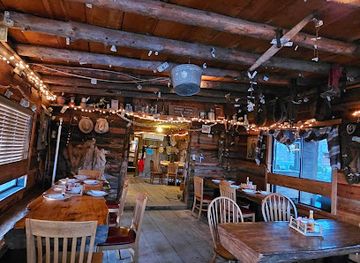
Cowboy Dinner Tree
Discover Cowboy Dinner Tree in Silver Lake - where rustic charm meets delicious American cuisine amidst breathtaking scenery.

Best nightclubs in Marion County
Marion County’s evening life is centred on Salem, with a mixture of traditional pubs, breweries, wine bars, cocktail-oriented venues, live music and restaurants that stay open later than those in smaller communities. The downtown area and nearby districts provide the greatest concentration, while arts and civic programming can add theatre, concerts and gallery events without creating a large metropolitan club scene. Silverton, Mount Angel and other smaller towns are more oriented towards independent pubs, tasting rooms, cafés and community events, with evenings often ending earlier and transport options becoming sparse. Rural areas around the valley and Santiam foothills have little conventional nightlife, so visitors should arrange a designated driver or taxi plan rather than rely on late public transport. Seasonal festivals and agricultural events can bring temporary evening activity, but dates and programming change. Alcohol is not necessary to experience the county’s culture; evening walks, performances, restaurants and historic-town visits offer quieter alternatives.
-
Brewpub
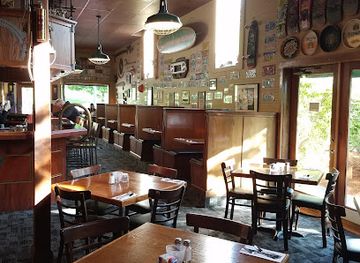
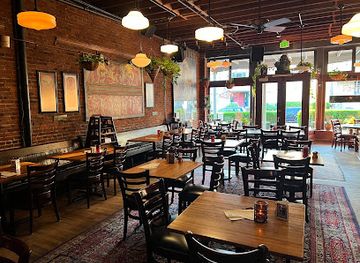
McMenamins Boon's Treasury
Discover the perfect blend of craft brews and American cuisine at McMenamins Boon's Treasury in Salem, Oregon.
Best shops in Marion County
Salem offers Marion County’s widest shopping choice, with a traditional downtown, independent retailers, galleries, bookshops, cafés and larger commercial areas outside the centre. The city is also the practical place to look for Oregon-made food, crafts and locally themed gifts. Silverton’s compact historic district is better suited to browsing small shops, antiques, art, garden-related goods and independent businesses than to extensive chain retail. Mount Angel has shops and food outlets reflecting its German-American heritage, while smaller valley towns provide practical high-street services rather than destination shopping. Farm stands, nurseries and seasonal markets are among the county’s most distinctive purchases: look for berries, hazelnuts, fruit, preserves, flowers, plants, wine, cider and hop-related products, depending on the season. The Oregon Garden area reinforces Silverton’s horticultural identity, though specialist stock and opening arrangements vary. Visitors should distinguish permanent shops from weekend markets and harvest-season stalls, and carry a reusable bag for produce. In rural areas, opening days may be limited, making a little advance planning worthwhile.
-
Shopping mall
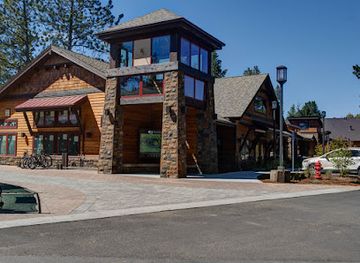
The Village at Sunriver
Explore The Village at Sunriver: A vibrant shopping and dining destination in the heart of Oregon's stunning landscapes.
-
Coffee shop
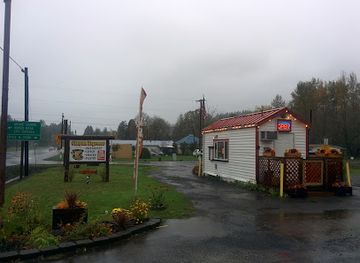
Canyon Espresso-Bells Brew
Experience the warm ambiance and exquisite coffee at Canyon Espresso-Bells Brew in Gates, Oregon, your perfect retreat for relaxation and rejuvenation.
-
Lawn mower store
Lawn Garden Industrial
Explore Lawn Garden Industrial in Gates, Oregon: Your go-to lawn mower store with expert advice and quality gardening tools.
-
Grocery store
Sierra market deli
Discover the flavors of Oregon at Sierra Market Deli, your friendly neighborhood grocery store in Gates, offering local produce and unique treats.

Get your free copy of our complete guide to Marion County, delivered straight to you.
Everything on this page, from attractions and restaurants to essentials and local phrases, in one PDF you can read offline, print or share.
Already have an account? Sign in
Your Marion County guide is ready.
We'll send it to · Not you? Sign out

Getting your guide ready…
We are putting together a fresh copy of the Marion County guide. This can take up to a minute.
This can take a few moments. If your browser asks, choose Allow so the download can start. You'll find the guide in your Downloads folder.
Nothing happened? Download it again
Sorry, the guide is taking longer than usual. Please try again in a minute, or get it by email instead.
Marion County essentials
Currency and Payment
Safety
Emergency Situations
Do's and Don'ts
Local Tips
From Eve
Local phrases worth knowing
You don't need to get them perfect. A few words go a long way, and locals appreciate the effort.
Basics
| English | Local | Say it |
|---|---|---|
| Hello | Hi | [hai] |
| Goodbye | See ya | [see ya] |
| Yes | Yep | [yehp] |
| No | Nope | [nohp] |
| Please/You're welcome | Sure thing | [shur thing] |
| Thank you | Thanks | [thangs] |
| Excuse me/Sorry | Sorry | [sor-ree] |
| How are you? | How's it going? | [how's it goin'?] |
| Fine. And you? | Good. You? | [good. you?] |
| Do you speak English? | Do you speak English? | [doo you speak English?] |
| I don't understand | I don’t get it | [I don’t get it] |
Eating & Drinking
| English | Local | Say it |
|---|---|---|
| I'd like to see the menu, please | Can I see the menu? | [can I see the menu?] |
| I don't eat meat | I’m vegetarian | [I’m vege-tair-ee-an] |
| Cheers! | Cheers! | [cheers!] |
| I would like to pay, please | Can I get the check? | [can I get the check?] |
Emergencies
| English | Local | Say it |
|---|---|---|
| Help! | Help! | [help!] |
| Go away! | Leave me alone! | [leave me alone!] |
| Call the Police! | Call 911! | [call nine-one-one!] |
| Call a doctor! | Get me a doctor! | [get me a doctor!] |
| I'm lost | I'm lost | [I'm lost] |
| I'm ill | I’m not feeling well | [I’m not feelin' well] |
Shopping
| English | Local | Say it |
|---|---|---|
| I'd like to buy... | I want to buy... | [I want to buy...] |
| I'm just looking | Just browsing | [just browsing] |
| How much is it? | What’s the price? | [what’s the price?] |
| That's too expensive | That's a bit much | [that's a bit much] |
| Can you lower the price? | Can you give me a better price? | [can you give me a better price?] |
Time & Numbers
| English | Local | Say it |
|---|---|---|
| What time is it? | What’s the time? | [what’s the time?] |
| It's one o'clock | It's one | [it's one] |
| Half past (10) | Half past ten | [half past ten] |
| Morning | Morning | [morning] |
| Afternoon | Afternoon | [afternoon] |
| Evening | Evening | [evening] |
| Yesterday | Yesterday | [yesterday] |
| Today | Today | [today] |
| Tomorrow | Tomorrow | [tomorrow] |
| 1 | One | [one] |
| 2 | Two | [two] |
| 3 | Three | [three] |
| 4 | Four | [four] |
| 5 | Five | [five] |
| 6 | Six | [six] |
| 7 | Seven | [seven] |
| 8 | Eight | [eight] |
| 9 | Nine | [nine] |
| 10 | Ten | [ten] |
Transport & Directions
| English | Local | Say it |
|---|---|---|
| Where's a/the...? | Where's the ...? | [where's the ...?] |
| What's the address? | What’s the address? | [what’s the address?] |
| Can you show me (on the map)? | Can you point it out on the map? | [can you point it out on the map?] |
| When's the next (bus)? | When's the next bus? | [when's the next bus?] |
| A ticket (to ....) | A ticket to ... | [a ticket to ...] |
History of Marion County
Indigenous Homelands and the Willamette Valley
Marion County lies within the traditional homelands of Indigenous peoples including Kalapuya communities in the Willamette Valley and Santiam and Molalla peoples in adjoining foothill and mountain areas. These societies managed landscapes through seasonal movement, fishing, hunting, gathering and the careful use of fire. Epidemics and the disruption caused by colonial settlement severely reduced Indigenous populations before and during the nineteenth century. Today, the cultural history of the valley and Cascades is increasingly interpreted through tribal perspectives as well as through archaeological and environmental research.
Missionary Settlement and the Oregon Trail Era
In the 1830s, Methodist missionary activity established institutions in the central Willamette Valley, including the mission associated with Jason Lee near present-day Salem. The mission’s influence was complicated and damaging for Indigenous communities, particularly through disease, cultural pressure and land disruption. Later emigrants travelling the Oregon Trail settled across the valley, bringing farms, roads and new commercial networks. Sites such as the Willamette Mission area and the surrounding agricultural plain retain links to this formative period of nineteenth-century migration.
Champoeg and the Formation of Oregon Government
Champoeg, on the northern edge of present-day Marion County, was the setting for the 1843 meeting at which settlers voted to establish a provisional government in the Oregon Country. The decision did not create the later state of Oregon, and Indigenous nations were not represented in the political system, but it became an important milestone in the development of American territorial government in the region. The Champoeg State Heritage Area now interprets the meeting, early settlement and the changing landscape beside the Willamette River.
Salem, Statehood and Civic Architecture
Salem developed from a missionary and agricultural settlement into a significant town and was designated Oregon’s capital in the nineteenth century. Oregon entered the United States as a state in 1859, and Salem’s role as the seat of government shaped its institutions, streets and public buildings. The Oregon State Capitol has been rebuilt more than once after fires, with the present Art Deco building completed in the 1930s. Civic architecture, government offices, museums and landscaped public spaces continue to define Salem’s urban identity.
Agriculture, Hops and Horticulture
The fertile soils and mild climate of the Willamette Valley made Marion County a major farming district. Wheat and other grains were followed by orchards, berries, vegetables, nursery crops, dairy production and hops. Hops became particularly important to Oregon’s brewing economy, while nurseries and garden production helped give communities such as Silverton a strong horticultural identity. Irrigation, railways, improved roads and food-processing facilities connected farms to markets beyond the county and established agriculture as one of its enduring economic foundations.
Timber, Hydropower and the Santiam Country
The eastern county’s forests and river valleys supported logging, milling and related industries, although the scale and character of these activities changed over time through regulation, mechanisation and forest management. The North Santiam River became increasingly important for flood control, water supply and hydropower, particularly after the construction of Detroit Dam in the mid-twentieth century. The resulting reservoir and roads opened parts of the Cascades to recreation while also transforming river communities and landscapes.
Migration and Oregon’s Changing Communities
Marion County’s modern population has been shaped by continuing migration, agricultural labour and the growth of Salem as a government and service centre. Latino communities are an important part of the county’s contemporary cultural and economic life, particularly in farming and food production. Earlier immigrant communities also left visible legacies: Mount Angel’s German heritage is expressed through its abbey, townscape and food traditions. The county’s present character reflects overlapping Indigenous, settler, immigrant, agricultural and urban histories rather than a single origin story.
Marion County in Photos
Browse through our photo collection highlighting the charm and character of the destination.
Neighbouring regions of Marion County
The closest regions to Marion County, if you have time for more than one.
-

-

-

-

-


Swipe for more regions
Explore more

Explore more of Oregon
Discover Oregon's diverse landscapes, vibrant cities, and rich culture. From stunning coastlines to lush forests, this Pacific Northwest gem offers endless adventures.
Explore Oregon