

Free Willamette Valley Travel Guide & Mobile App
Explore Willamette Valley with free travel guides. Discover regional history, expert tips, proposed trips, and audio guides on web or mobile app.


Explore Oregon’s Willamette Valley for vineyard trails, fertile farmland, river towns, gardens, local food and distinctive Pacific Northwest landscapes.
Read more about Willamette Valley
Getting to and around Willamette Valley
How to get there
Transportation
Destinations in Willamette Valley
Resorts, valleys and scenic spots worth a trip of their own.
-

-

-


Swipe for more destinations
Best attractions in Willamette Valley
Willamette Valley attractions range from wine-country tasting rooms and vineyard viewpoints to museums, gardens, historic settlements and river landscapes. Northern wine country around Newberg, Dundee and McMinnville is the region’s best-known visitor area, with cellar doors, food-focused estates and the Evergreen Aviation & Space Museum in McMinnville. Champoeg State Heritage Area combines Oregon history with trails, picnic grounds and access to the Willamette River, while the Oregon Garden near Silverton offers extensive cultivated landscapes and seasonal displays. Salem provides the Oregon State Capitol, cultural institutions and nearby rural attractions, and the mid-valley communities of Corvallis and Albany add university, science, architectural and heritage interests. In the south, Eugene’s museums, galleries, performing arts and riverside paths complement excursions into farm country and the wooded foothills. Birdwatching, cycling, walking, kayaking and scenic driving are widely available, but conditions and access vary by season. The defining attraction is the combination of working countryside and accessible culture: visitors can move from a historic town centre or museum to a vineyard, farm stand or riverside trail within the same day.
-
Tourist attraction
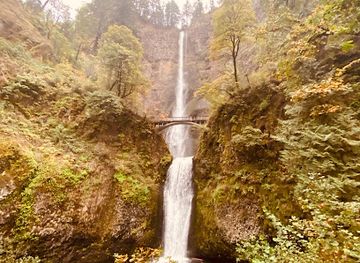
Multnomah Falls
Experience the breathtaking beauty of Multnomah Falls, a stunning natural wonder in the Columbia River Gorge, perfect for adventure and relaxation.
-
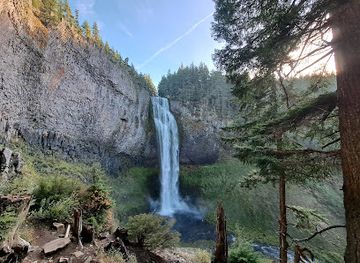
National forest
Willamette National Forest
Explore the natural beauty of Willamette National Forest, where adventure meets tranquility amidst Oregon’s stunning landscapes.
-
Tourist attraction
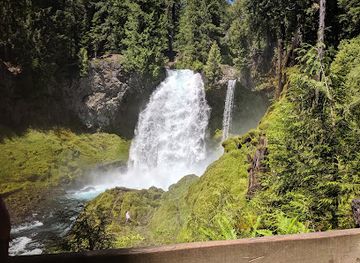
Sahalie Falls Viewpoint
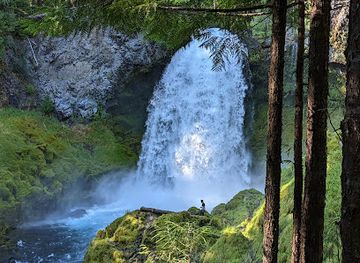
Discover the stunning Sahalie Falls Viewpoint in Oregon, a perfect blend of breathtaking waterfalls and serene hiking trails, ideal for nature lovers.
-
Hiking area
McKenzie River Trail
Discover the breathtaking beauty of the McKenzie River Trail, a premier hiking destination in Oregon featuring stunning landscapes and serene nature.

Best landmarks in Willamette Valley
The Willamette River is the valley’s defining geographical landmark, running through a chain of agricultural communities and shaping the region’s settlement, transport and floodplain landscapes. At Champoeg, the riverside heritage area marks the setting of the 1843 meeting associated with the formation of Oregon’s provisional government. In Salem, the Oregon State Capitol is a prominent civic landmark, while the city’s surrounding historic buildings reflect its role as Oregon’s political centre. Albany’s Monteith and Hackleman districts preserve substantial nineteenth-century and early twentieth-century streetscapes, offering a strong architectural contrast with newer commercial areas. McMinnville’s historic Third Street is a recognisable urban focus within wine country, lined with restored commercial buildings and independent businesses. The hills and vineyard slopes of the Chehalem Mountains provide the valley’s most characteristic scenic landmarks, especially around Newberg and Dundee. Farther south, Eugene’s university and civic architecture, together with the river corridors and wooded foothills, gives the southern valley a more urban-rural visual identity than the open farmland of the central plain.
-
Tourist attraction
Multnomah Falls
Discover the breathtaking beauty of Multnomah Falls in Oregon, where stunning waterfalls and scenic hiking trails await every nature lover.
-
Historical landmark
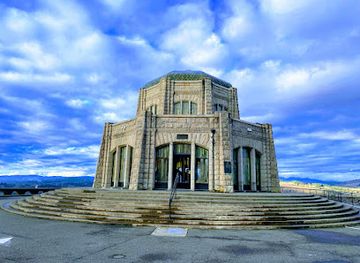
Vista House at Crown Point
Discover the breathtaking views and historical significance of Vista House at Crown Point, a must-visit landmark in the stunning Columbia River Gorge.
-
National forest
Willamette National Forest
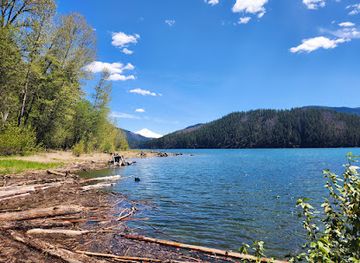
Explore the stunning landscapes of Willamette National Forest in Oregon, a paradise for outdoor enthusiasts and nature lovers alike, with endless adventures waiting.
-
State park
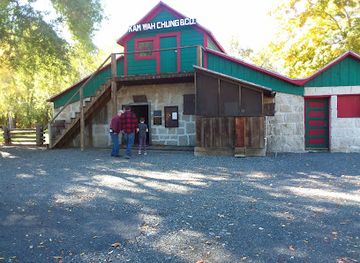
Kam Wah Chung State Heritage Site
Explore the captivating history of Chinese immigrants at Kam Wah Chung State Heritage Site, a unique blend of culture and heritage in Oregon.
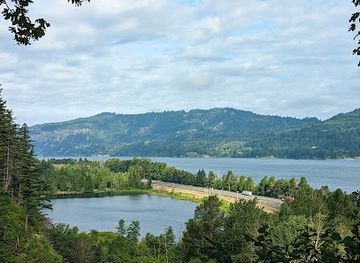
Explore Willamette Valley on the map
Plan your trip on one map. See where the top cities, national parks and sights are, and book hotels and experiences in a few clicks.
Best hotels in Willamette Valley
Best restaurants in Willamette Valley
Dining in the Willamette Valley reflects both its agricultural productivity and its close relationship with Portland’s wider food culture. Restaurants in wine-country towns commonly build menus around seasonal vegetables, berries, hazelnuts, mushrooms, grains, locally produced meat and area cheeses, with Pinot noir and other Oregon wines prominent on drinks lists. McMinnville, Newberg, Corvallis, Salem and Eugene offer the broadest range, from cafés and bakeries to contemporary restaurants, while rural inns, brewpubs and winery kitchens provide a more dispersed dining pattern. Farm stands and farmers’ markets are useful for berries, apples, hazelnuts, preserves and fresh vegetables, particularly in warmer months. The valley is not defined by one single dish; its culinary identity lies in the relationship between growers, winemakers, artisans and chefs. Reservations are sensible for destination restaurants and popular winery meals, and visitors should allow for longer driving distances between rural dining venues.
-
American
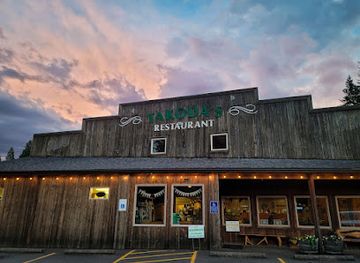
Takoda's Restaurant
Discover Takoda's Restaurant in Blue River - where delightful American cuisine meets mouth-watering pizza in a charming setting.
Best bars in Willamette Valley
-
Sports bar
Twin Peaks
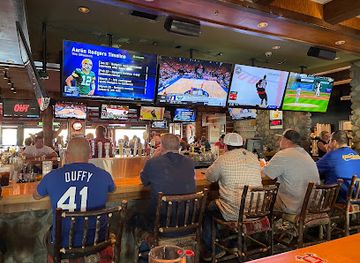
Experience the ultimate sports bar atmosphere at Twin Peaks in Olathe, featuring lively entertainment, delicious cuisine, and a vast drink selection.
-
Grill
Skyway Bar & Grill
Experience the best of American cuisine and live music at Skyway Bar & Grill in Zigzag, Oregon, a must-visit destination for every food-loving traveler.
-
Restaurant
Mt. Hood Brewing Co.
Experience the best of Oregon's craft brewing at Mt. Hood Brewing Co., where exceptional flavors meet stunning mountain views.
-
Pizza
ZigZag Inn
Discover ZigZag Inn, a charming family restaurant in Welches, Oregon, specializing in delicious pizzas and inviting dining experiences.


Best nightclubs in Willamette Valley
-
Brewery
3 Legged Crane Pub and Brewhouse
Experience the best of local craft brews and delightful cuisine at 3 Legged Crane Pub and Brewhouse in Oakridge, Oregon.
-
Bar
Vertical Restaurant & Sports Bar at Mt. Hood Meadows
Discover the Vertical Restaurant & Sports Bar at Mt. Hood Meadows, where stunning mountain views meet delicious dining and vibrant sports ambiance.


Best shops in Willamette Valley
Shopping in the Willamette Valley is shaped by market towns, local production and independent businesses rather than large luxury retail districts. McMinnville’s historic downtown is known for independent shops, galleries, books, homewares and wine-related purchases, while Newberg and nearby wine-country communities offer tasting-room bottles, regional foods and craft goods. Salem and Eugene provide the broadest selection of mainstream shops, specialist retailers and arts venues, and Corvallis combines a compact central shopping area with university-oriented businesses and local food outlets. Farmers’ markets and seasonal farm stands are particularly worthwhile for berries, hazelnuts, apples, vegetables, flowers, preserves, cider and other products tied to the valley’s agricultural economy. Winery shops often sell bottles and practical picnic provisions rather than generic souvenirs. For gifts, look for Oregon wine, locally made ceramics, artwork, preserves and craft chocolate, while checking transport and luggage rules before buying bottles or fresh produce for onward travel.
-
Department store
Walmart Supercenter
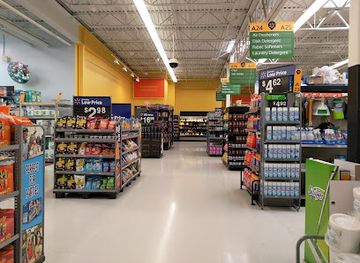
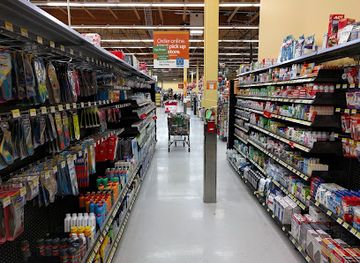
Explore an extensive range of products at Walmart Supercenter in Wood Village, from groceries to electronics, all at affordable prices.
-
National forest
Willamette National Forest
Explore the breathtaking landscapes and diverse wildlife of Willamette National Forest, a premier outdoor destination in Oregon.
-
Grocery store
Safeway
Experience the essence of Sandy, Oregon, at Safeway, your go-to grocery store for fresh produce, baked goods, and local specialties.
-
Grocery store
Walmart Neighborhood Market
Explore local flavors and affordable groceries at Gresham's Walmart Neighborhood Market, your go-to stop for fresh produce and bakery delights.

Get your free copy of our complete guide to Willamette Valley, delivered straight to you.
Everything on this page, from attractions and restaurants to essentials and local phrases, in one PDF you can read offline, print or share.
Already have an account? Sign in
Your Willamette Valley guide is ready.
We'll send it to · Not you? Sign out

Getting your guide ready…
We are putting together a fresh copy of the Willamette Valley guide. This can take up to a minute.
This can take a few moments. If your browser asks, choose Allow so the download can start. You'll find the guide in your Downloads folder.
Nothing happened? Download it again
Sorry, the guide is taking longer than usual. Please try again in a minute, or get it by email instead.
Willamette Valley essentials
Currency and Payment
Safety
Emergency Situations
Do's and Don'ts
Local Tips
From Eve
Local phrases worth knowing
You don't need to get them perfect. A few words go a long way, and locals appreciate the effort.
Basics
| English | Local | Say it |
|---|---|---|
| Hello | Hey there | [Hay thair] |
| Goodbye | See ya later | [See yah lay-tur] |
| Yes | Yep | [Yep] |
| No | Nah | [Nah] |
| Please/You're welcome | No problem | [No prob-lum] |
| Thank you | Thanks a bunch | [Thangs a bunch] |
| Excuse me/Sorry | Pardon me | [Par-dun mee] |
| How are you? | How's it going? | [How's it go-ing?] |
| Fine. And you? | Good. And you? | [Good. And you?] |
| Do you speak English? | Do ya speak English? | [Do yah speak Ing-lish?] |
| I don't understand | I don't get it | [I don' get it] |
Eating & Drinking
| English | Local | Say it |
|---|---|---|
| I'd like to see the menu, please | Can I see the menu? | [Can I see the men-yoo?] |
| I don't eat meat | I'm a vegetarian | [I'm a ve-ge-ta-rian] |
| Cheers! | Cheers! | [Cheers!] |
| I would like to pay, please | Can I get the check? | [Can I get the chek?] |
Emergencies
| English | Local | Say it |
|---|---|---|
| Help! | Help! | [Help!] |
| Go away! | Leave me alone! | [Leave me a-lone!] |
| Call the Police! | Call the cops! | [Call the cops!] |
| Call a doctor! | Get a doctor! | [Get a doc-tor!] |
| I'm lost | I'm kinda lost | [I'm kind-a lost] |
| I'm ill | I'm not feeling well | [I'm not feel-ing well] |
Shopping
| English | Local | Say it |
|---|---|---|
| I'd like to buy... | I'm looking to buy... | [I'm look-ing to buy...] |
| I'm just looking | Just browsing | [Just brow-sing] |
| How much is it? | What's the price? | [What's the price?] |
| That's too expensive | That's a bit pricey | [That's a bit price-ee] |
| Can you lower the price? | Can you make it cheaper? | [Can you make it cheap-er?] |
Time & Numbers
| English | Local | Say it |
|---|---|---|
| What time is it? | What time ya got? | [What time yah got?] |
| It's one o'clock | It's one | [It's one] |
| Half past (10) | Half past ten | [Half past ten] |
| Morning | Morning | [Morn-ing] |
| Afternoon | Afternoon | [Af-ter-noon] |
| Evening | Evening | [Eve-ning] |
| Yesterday | Yesterday | [Yes-ter-day] |
| Today | Today | [To-day] |
| Tomorrow | Tomorrow | [To-mor-row] |
| 1 | One | [One] |
| 2 | Two | [Two] |
| 3 | Three | [Three] |
| 4 | Four | [Four] |
| 5 | Five | [Five] |
| 6 | Six | [Six] |
| 7 | Seven | [Seven] |
| 8 | Eight | [Eight] |
| 9 | Nine | [Nine] |
| 10 | Ten | [Ten] |
Transport & Directions
| English | Local | Say it |
|---|---|---|
| Where's a/the...? | Where's the nearest...? | [Where's the nearest...?] |
| What's the address? | What's the address? | [What's the ad-dress?] |
| Can you show me (on the map)? | Can ya point it out? | [Can yah point it out?] |
| When's the next (bus)? | When's the next bus? | [When's the next bus?] |
| A ticket (to ....) | A ticket to... | [A tick-et to...] |
History of Willamette Valley
Kalapuya homelands before American settlement
For thousands of years, the Willamette Valley was home to Kalapuya peoples, including communities often identified as Tualatin, Yamhill, Santiam and other Kalapuya groups. They managed productive landscapes through seasonal movement, fishing, hunting, gathering and the deliberate use of fire, which helped maintain open areas and stimulate useful plants. Epidemics and the disruptions of colonial expansion severely reduced Indigenous populations before the mid-nineteenth-century treaties that removed many survivors from their valley homelands.
Hudson’s Bay Company and early exploration
British and American exploration increased in the early nineteenth century, followed by the Hudson’s Bay Company’s influence from Fort Vancouver, just north of the modern valley. Company employees and Métis families farmed and traded in the Willamette Valley, while missionaries and settlers followed. Fur trading, livestock raising and agriculture connected the valley to the Columbia River and the wider Pacific trade, establishing patterns of land use that preceded formal American government.
Champoeg and the creation of Oregon government
In 1843, settlers met at Champoeg, on the lower Willamette River, for a vote that helped establish a provisional government in the Oregon Country. The event did not settle every question of sovereignty or Indigenous rights, but it became an important symbol in Oregon’s political history. Today, Champoeg State Heritage Area preserves the setting and interprets the early settlement period, including the competing British and American claims to the region.
Treaties, dispossession and American territorial rule
The United States created the Oregon Territory in 1848, and migration along the Oregon Trail brought increasing numbers of American settlers into the valley. Treaties negotiated with Indigenous nations during the 1850s led to forced removal from much of the Willamette Valley, while reservation policies disrupted established communities and economies. Donation land claims then transformed the valley into an expanding agricultural landscape of farms, roads, towns and private holdings.
Agriculture, railways and the growth of valley towns
The Willamette River, fertile soils and improving transport supported wheat, fruit, livestock, hops, nursery crops and other agricultural enterprises. Railways reached valley communities in the nineteenth century, linking Salem, Albany, Eugene and smaller towns with Portland and markets beyond Oregon. River ports and rail stations encouraged commercial growth, while civic buildings, brick business districts and residential neighbourhoods created the historic town centres that remain visible in Albany, McMinnville, Salem and elsewhere.
Modern wine country and diversified agriculture
Although experimental vineyards appeared earlier, the modern wine industry expanded decisively from the 1960s, when growers recognised that parts of the valley’s cool climate and volcanic soils suited varieties such as Pinot noir. The recognition of the Willamette Valley American Viticultural Area in 1983 helped define the region’s wine identity, followed by smaller sub-appellations. Wine now complements, rather than replaces, the valley’s older agricultural economy of berries, hazelnuts, grass seed, nurseries and mixed farming.
Willamette Valley in Photos
Browse through our photo collection highlighting the charm and character of the destination.
Neighbouring regions of Willamette Valley
The closest regions to Willamette Valley, if you have time for more than one.
-

-

-

-

-


Swipe for more regions
Explore more

Explore more of Oregon
Discover Oregon's diverse landscapes, vibrant cities, and rich culture. From stunning coastlines to lush forests, this Pacific Northwest gem offers endless adventures.
Explore Oregon