

Free Cholistan Desert Travel Guide & Mobile App
Explore Cholistan Desert with free travel guides. Discover regional history, expert tips, proposed trips, and audio guides on web or mobile app.


Explore Pakistan's Cholistan Desert for Derawar Fort, Hakra heritage, camel culture, desert landscapes and carefully planned four-wheel-drive journeys.
Read more about Cholistan Desert
When is the best time to visit Cholistan Desert?
Best: February–March, November · 21–27°C| Month | High (°C) | Rainfall (mm) |
|---|---|---|
| January | 18 | 4 |
| February (best) | 21 | 5 |
| March (best) | 27 | 6 |
| April | 34 | 4 |
| May | 41 | 3 |
| June | 44 | 2 |
| July | 41 | 10 |
| August | 39 | 8 |
| September | 37 | 5 |
| October | 32 | 2 |
| November (best) | 24 | 3 |
| December | 18 | 3 |
Getting to and around Cholistan Desert
How to get there
Transportation
Best attractions in Cholistan Desert
Cholistan's attractions are dispersed across a demanding desert environment rather than concentrated in a conventional sightseeing circuit. Derawar Fort is the centrepiece, reached across open sand and scrub and best appreciated as part of the landscape that once supported fortified routes and caravan movement. Other forts, abandoned wells, archaeological mounds and Hakra-related sites offer a deeper sense of the region's past, although many require local knowledge, suitable vehicles and advance access arrangements. The desert itself is an attraction: dawn light on the dunes, camel herding, seasonal grazing and long horizons reveal a cultural landscape that cannot be understood solely through monuments. Visitors may also encounter traditional embroidery, camel decoration and local pastoral life, but these should be approached respectfully and without assuming that communities are tourist displays. The Cholistan Desert Jeep Rally provides a short-lived motorsport spectacle on designated tracks, with a very different atmosphere from ordinary desert travel. Birdlife and scrub ecology are present in suitable areas, while the wider Bahawalpur region offers additional museums and historic sites outside Cholistan for those building a longer itinerary.
-
Amusement park
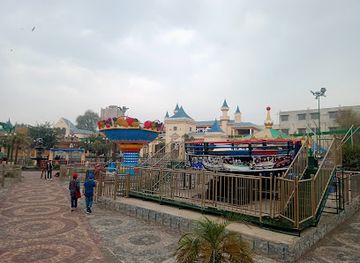
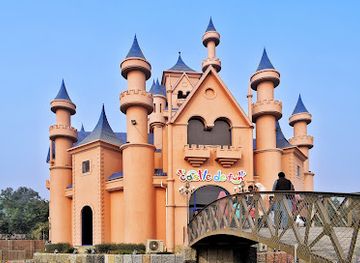
SS World Family Park - Model Town, Bahawalpur
Experience thrilling rides, delightful attractions, and family-friendly fun at SS World Family Park, Bahawalpur's premier amusement destination.
-
Historical landmark
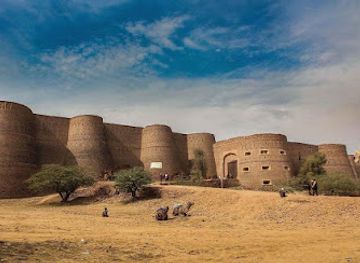
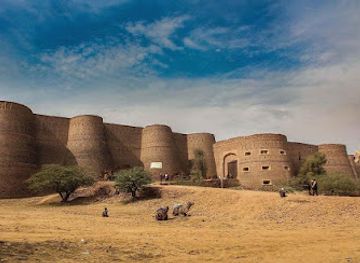
Derawar Fort
Explore the awe-inspiring Derawar Fort, a historical gem in Punjab's Cholistan Desert, showcasing rich heritage and majestic desert landscapes.
-
Tourist attraction
Abbasia Chowk
Explore the vibrant atmosphere of Abbasia Chowk, a cultural gem in Ahmedpur East, Bahawalpur, showcasing local life and rich history.
-
Park
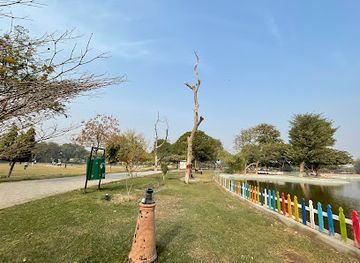
BAHAWALPUR WATER LAKE
Explore the serene Bahawalpur Water Lake, a picturesque park offering relaxation, recreation, and breathtaking natural beauty in the heart of Punjab.
Best landmarks in Cholistan Desert
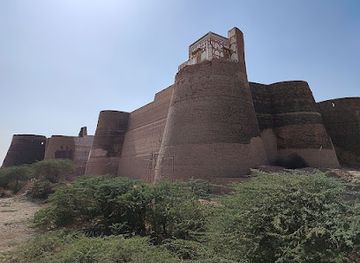
Derawar Fort is Cholistan's defining landmark: a huge square stronghold with tall walls and a regular line of rounded bastions, standing alone against the desert horizon. Its scale, isolation and association with the Abbasi rulers of Bahawalpur make it both an architectural monument and a visual expression of control over water routes and movement across Rohi. Nearby Derawar Mosque, built in white marble in the nineteenth century, provides a markedly different composition of domes, arches and restrained decoration. Beyond this celebrated pair, the dry Hakra channel and the scattered remains of desert forts and wells are landmarks of a less immediately visible kind. They mark an ancient geography in which river courses, wells and caravan tracks determined settlement. Many are remote, vulnerable or difficult to identify without local expertise, and should not be treated as ruins to explore freely. The open dune fields, thorn scrub and long, level horizons are themselves essential natural landmarks, best experienced from established tracks without damaging archaeological or pastoral sites.
-
Archaeological museum
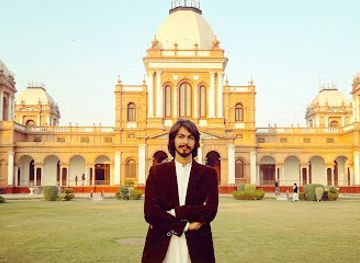
Noor Mahal
Discover the enchanting Noor Mahal, a historical jewel in Bahawalpur showcasing stunning Indo-Saracenic architecture and royal heritage.
-
Amusement park
SS World Family Park - Model Town, Bahawalpur
Discover endless fun at SS World Family Park in Bahawalpur, where thrilling rides meet serene picnic spots for the perfect family adventure.
-
Historical landmark
Derawar Fort
Discover the awe-inspiring Derawar Fort, a historical landmark in the Cholistan Desert, offering a glimpse into Pakistan's rich architectural heritage.
-
Mosque
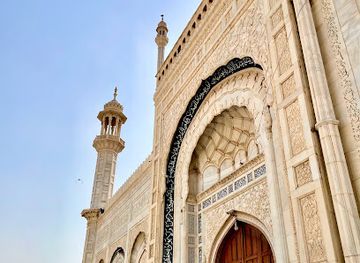
Jamia Masjid Al-Sadiq
Experience the architectural beauty and spiritual atmosphere of Jamia Masjid Al-Sadiq in Bahawalpur, a must-visit historical mosque.
Explore Cholistan Desert on the map
Plan your trip on one map. See where the top cities, national parks and sights are, and book hotels and experiences in a few clicks.
Best hotels in Cholistan Desert
Best restaurants in Cholistan Desert
Dining in Cholistan is primarily practical and locally based, with simple meals arranged through guesthouses, camps, guides or settlements rather than a developed restaurant scene. Expect Pakistani staples such as flatbreads, rice dishes, lentils, vegetables, grilled meat and tea, with menus depending on supplies and the location of the journey. Bahawalpur is the main place to find a broader choice of restaurants, cafés and food shops before entering the desert. In rural areas, meals may reflect Punjabi and Saraiki culinary traditions and use easily stored ingredients, while hospitality can include sweet tea or shared home cooking when visitors are hosted by local families. Camel milk is associated with desert pastoral life, but availability and preparation vary, so it should not be assumed to be a standard commercial product. Carry sealed drinking water and suitable snacks for remote excursions, and confirm meal arrangements in advance when camping or travelling beyond the main roads.
-
Restaurant
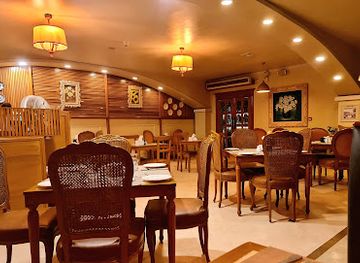
Four Seasons Restaurant
Experience exquisite Pakistani and international cuisine at Bahawalpur's Four Seasons Restaurant—your gateway to delightful flavors.
-
Restaurant
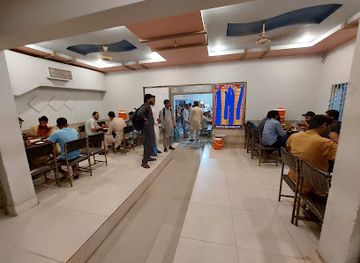
Khairpuri Food Point
Experience authentic Pakistani cuisine at Khairpuri Food Point in Bahawalpur—delicious meals at affordable prices await you.
-
Pakistani
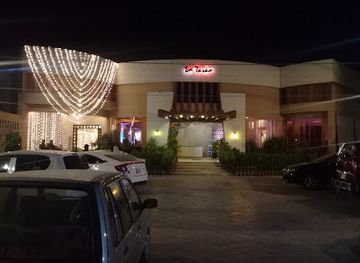
Salt'n Pepper Bahawalpur
Discover authentic Pakistani cuisine at Salt'n Pepper Bahawalpur - where every meal tells a story.
-
Restaurant
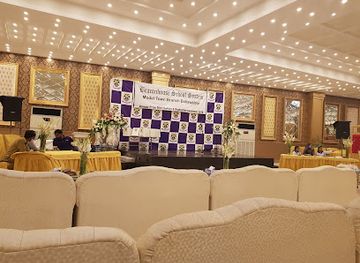
Lataska Restaurant And Banquet Hall
Experience the vibrant flavors of Punjab at Lataska Restaurant & Banquet Hall - where every meal tells a story.
Best bars in Cholistan Desert
Cholistan does not have a conventional bar or nightclub scene. Pakistan's legal and cultural environment means that evening life is centred on family gatherings, roadside tea, guesthouse meals and conversation rather than alcohol-led entertainment. In desert settlements, social activity follows work, prayer, temperature and available light, while organised camps or rally areas may provide temporary evening programmes without becoming permanent nightlife districts. Bahawalpur, outside the desert, offers the region's broader choice of cafés, restaurants and hotel-based evening spaces, though visitors should still respect local customs and dress expectations. Night-time desert experiences are best understood as quiet observation of the sky, organised camp meals or local storytelling, undertaken only with a safe camp, reliable transport and appropriate guidance. Avoid leaving a vehicle or accommodation area alone after dark in unfamiliar terrain.
-
Hotel
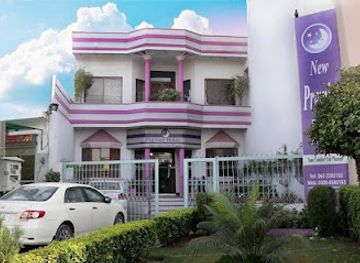
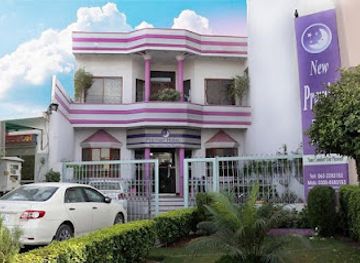
New Premier Hotel
New Premier Hotel offers comfortable accommodations and exceptional service in the heart of Bahawalpur's vibrant culture.
-
Bar
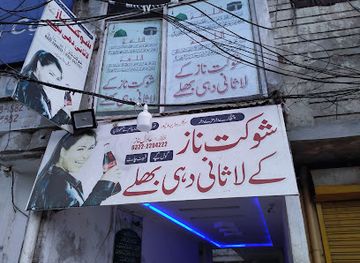
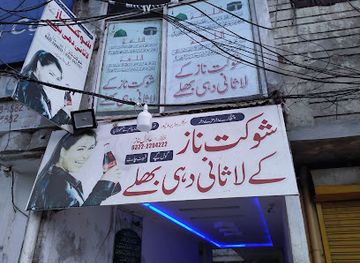
Shaukat Naz kay Dahi Bhallay
Delve into the authentic taste of Bahawalpur at Shaukat Naz kay Dahi Bhallay, where every bite tells a story of tradition and flavor in Pakistani street food.
-
Bar
Sajid Hostal
Experience the vibrant culture and warm hospitality of Bahawalpur at Sajid Hostal, your go-to bar for relaxation and local connections.
-
Bar
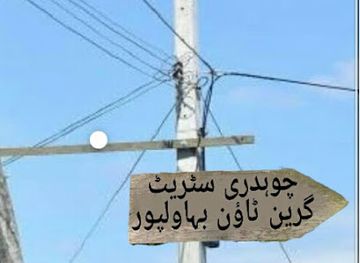
Choudhry Road Green Town Bahawalpur
Experience the vibrant nightlife of Bahawalpur on Choudhry Road, where local bars offer a unique taste of Punjab's social scene.
Best nightclubs in Cholistan Desert
Cholistan does not have a conventional bar or nightclub scene. Pakistan's legal and cultural environment means that evening life is centred on family gatherings, roadside tea, guesthouse meals and conversation rather than alcohol-led entertainment. In desert settlements, social activity follows work, prayer, temperature and available light, while organised camps or rally areas may provide temporary evening programmes without becoming permanent nightlife districts. Bahawalpur, outside the desert, offers the region's broader choice of cafés, restaurants and hotel-based evening spaces, though visitors should still respect local customs and dress expectations. Night-time desert experiences are best understood as quiet observation of the sky, organised camp meals or local storytelling, undertaken only with a safe camp, reliable transport and appropriate guidance. Avoid leaving a vehicle or accommodation area alone after dark in unfamiliar terrain.
-
Hotel
New Premier Hotel
Experience the warmth of hospitality and comfort at New Premier Hotel in Bahawalpur, the perfect base for your travel adventures.
-
Club
BAHAWAL GYMKHANA CLUB
Discover the elegance of Bahawal Gymkhana Club, a premier destination for leisure, sports, and local culture in Bahawalpur.
-
Bar
Shaukat Naz kay Dahi Bhallay
Experience authentic Dahi Bhallay at Shaukat Naz in Bahawalpur, a bar where flavors and culture come together for a delightful culinary adventure.
-
Night club
Sahil Marriage Club
Experience the vibrant nightlife of Multan at Sahil Marriage Club, where music, dance, and local cuisine come together for an unforgettable evening.

Best shops in Cholistan Desert
Shopping in Cholistan is modest and closely connected to local craft and pastoral life. Visitors may find embroidered textiles, mirror work, colourful garments, camel accessories and small handmade items through local contacts or temporary stalls, but availability is inconsistent and ethical purchasing matters more than bargain hunting. The markets and shops of Bahawalpur, outside the desert, are a more dependable place to buy textiles, traditional embroidered work, pottery, leather goods, dates, spices and packaged regional foods. Ask about the maker and intended use of craft items, and avoid buying archaeological objects, old coins, carved fragments or anything claimed to have been recovered from a fort or mound. Local food products should be sealed and suitable for transport in the heat. During the Cholistan Desert Jeep Rally, temporary vendors may sell souvenirs and refreshments, but these are event-related rather than part of a permanent shopping district.
-
Store
Mukdi Adda مکدی اڈہ
Explore Mukdi Adda in Bahawalpur: A vibrant store showcasing local crafts and culture for an unforgettable shopping experience.
-
Store
Muslim Electric &Sentare store
Experience the vibrant culture and diverse product range at the Muslim Electric & Sentare Store in Bahawalpur, a shopper's haven.
-
General store
Bhatti Karyana Store
Explore the authentic local culture at Bhatti Karyana Store, a charming general store in Derawar, Bahawalpur, offering unique products and local delicacies.
-
Grocery store
Head Farid Cholistan
Discover the local flavors and vibrant culture at Head Farid Cholistan, a grocery store in Yazman Mandi showcasing Punjab's culinary delights.
Get your free copy of our complete guide to Cholistan Desert, delivered straight to you.
Everything on this page, from attractions and restaurants to essentials and local phrases, in one PDF you can read offline, print or share.
Already have an account? Sign in
Your Cholistan Desert guide is ready.
We'll send it to · Not you? Sign out

Getting your guide ready…
We are putting together a fresh copy of the Cholistan Desert guide. This can take up to a minute.
This can take a few moments. If your browser asks, choose Allow so the download can start. You'll find the guide in your Downloads folder.
Nothing happened? Download it again
Sorry, the guide is taking longer than usual. Please try again in a minute, or get it by email instead.
Cholistan Desert essentials
Currency and Payment
Safety
Emergency Situations
Do's and Don'ts
Local Tips
From Eve
Local phrases worth knowing
You don't need to get them perfect. A few words go a long way, and locals appreciate the effort.
Basics
| English | Local | Say it |
|---|---|---|
| Hello | السلام علیکم | [Assalam Alaikum] |
| Goodbye | الوداع | [Alwada] |
| Yes | جی ہاں | [Ji Haan] |
| No | نہیں | [Nahin] |
| Please/You’re welcome | براہ کرم | [Barah-e-Karam] |
| Thank you | شکریہ | [Shukriya] |
| Excuse me/Sorry | معاف کیجیے | [Maaf Kijiye] |
| How are you? | آپ کیسے ہیں؟ | [Aap Kaise Hain?] |
| Fine. And you? | ٹھیک ہے۔ اور آپ؟ | [Theek Hai. Aur Aap?] |
| Do you speak English? | کیا آپ انگریزی بولتے ہیں؟ | [Kya Aap Angrezi Bolte Hain?] |
| I don't understand | میں نہیں سمجھتا | [Main Nahin Samajhta] |
Eating & Drinking
| English | Local | Say it |
|---|---|---|
| I’d like to see the menu, please | میں مینو دیکھنا چاہتا ہوں، براہ کرم | [Main Menu Dekhna Chahta Hoon, Barah-e-Karam] |
| I don't eat meat | میں گوشت نہیں کھاتا | [Main Gosht Nahin Khata] |
| Cheers! | زندگی بھر! | [Zindagi Bhar!] |
| I would like to pay, please | میں ادائیگی کرنا چاہتا ہوں، براہ کرم | [Main Adaigi Karna Chahta Hoon, Barah-e-Karam] |
Emergencies
| English | Local | Say it |
|---|---|---|
| Help! | مدد! | [Madad!] |
| Go away! | چلے جاؤ! | [Chalay Jao!] |
| Call the Police! | پولیس کو بلاؤ! | [Police Ko Bulao!] |
| Call a doctor! | ڈاکٹر کو بلاؤ! | [Doctor Ko Bulao!] |
| I’m lost | میں کھو گیا ہوں | [Main Kho Gaya Hoon] |
| I’m ill | میں بیمار ہوں | [Main Bimar Hoon] |
Shopping
| English | Local | Say it |
|---|---|---|
| I’d like to buy... | میں خریدنا چاہتا ہوں... | [Main Kharidna Chahta Hoon...] |
| I’m just looking | میں صرف دیکھ رہا ہوں | [Main Sirf dekh raha Hoon] |
| How much is it? | یہ کتنے کا ہے؟ | [Yeh Kitne Ka Hai?] |
| That’s too expensive | یہ بہت مہنگا ہے | [Yeh Bohat Mehenga Hai] |
| Can you lower the price? | کیا آپ قیمت کم کر سکتے ہیں؟ | [Kya Aap Qeemat Kam Kar Sakte Hain?] |
Time & Numbers
| English | Local | Say it |
|---|---|---|
| What time is it? | کیا وقت ہوا ہے؟ | [Kya Waqt Hua Hai?] |
| It’s one o’clock | یہ ایک بجے ہیں | [Yeh Aik Baje Hain] |
| Half past (10) | ساڑھے دس | [Saadhe Das] |
| Morning | صبح | [Subah] |
| Afternoon | دوپہر | [Dopahar] |
| Evening | شام | [Shaam] |
| Yesterday | کل | [Kal] |
| Today | آج | [Aaj] |
| Tomorrow | کل | [Kal] |
| 1 | ایک | [Aik] |
| 2 | دو | [Do] |
| 3 | تین | [Teen] |
| 4 | چار | [Chaar] |
| 5 | پانچ | [Paanch] |
| 6 | چھ | [Chhay] |
| 7 | سات | [Saat] |
| 8 | آٹھ | [Aath] |
| 9 | نو | [Nau] |
| 10 | دس | [Das] |
Transport & Directions
| English | Local | Say it |
|---|---|---|
| Where's a/the...? | کہاں ہے ...؟ | [Kahan Hai ...?] |
| What's the address? | پتہ کیا ہے؟ | [Pata Kya Hai?] |
| Can you show me (on the map)? | کیا آپ مجھے دکھا سکتے ہیں؟ | [Kya Aap Mujhe Dikha Sakte Hain?] |
| When's the next (bus)? | اگلی (بس) کب ہے؟ | [Agli (Bus) Kab Hai?] |
| A ticket (to ....) | ایک ٹکٹ (.... کے لیے) | [Aik Ticket (... Ke Liye)] |
History of Cholistan Desert
The Hakra River and Early Settlement
Cholistan contains the dry course of the Hakra River, a major palaeochannel linked to the wider Ghaggar-Hakra system. Archaeological evidence along and near this ancient watercourse indicates repeated settlement during the third and second millennia BCE, including communities associated with the broader Indus civilisation and Hakra cultural traditions. These sites show that parts of the desert once had more dependable water and agricultural potential than today. Changing river courses, increasing aridity and shifting settlement patterns gradually transformed the region into a more mobile landscape of wells, seasonal grazing and caravan movement.
Caravan Routes and Forts of Rohi
For centuries, routes across Cholistan connected the Indus plain with frontier settlements and the desert country towards Rajasthan. Forts and fortified wells were established at intervals to protect movement, store supplies and regulate access to water. Many are now ruinous or difficult to reach, but their distribution reveals how strongly travel depended on wells and seasonal routes rather than permanent roads. The desert's historic geography is therefore recorded not only in monumental buildings but also in abandoned mounds, cisterns, tracks and place names.
The Abbasi Rulers of Bahawalpur
The Abbasi dynasty established the Bahawalpur state in the eighteenth century and gradually extended its influence across the adjoining desert. Derawar Fort became the best-known symbol of that power. The fort had earlier origins, but it was rebuilt and occupied by the Abbasi rulers, with the surrounding region forming part of their strategic and pastoral sphere. The dynasty's control linked desert routes with the more fertile settlements along the Sutlej and Indus systems, while Bahawalpur developed as the principal political centre outside the desert.
Derawar Fort and Nineteenth-Century Statecraft
Derawar Fort's present monumental appearance is chiefly associated with the nineteenth-century period of the Bahawalpur state. Its regularly spaced bastions, high walls and isolated position made it both a defensive installation and a visible statement of authority. The nearby mosque reflects the courtly and religious patronage of the same era. Although the fort was not a conventional urban capital, it represented control over a strategically important landscape where water, movement and access to desert routes were central to political power.
British Paramountcy and the Princely State
During the colonial period, Bahawalpur retained its status as a princely state under British paramountcy rather than being absorbed into the directly administered provinces. The desert remained comparatively lightly settled, but administrative boundaries, revenue systems, communications and political relationships altered how its resources and routes were managed. The relationship between the Bahawalpur court, British authorities and neighbouring territories shaped the late nineteenth- and early twentieth-century setting in which Derawar and the wider Rohi landscape were recorded and governed.
Partition, Accession and Southern Punjab
The creation of Pakistan in 1947 brought major political change to Bahawalpur and Cholistan. The Bahawalpur state acceded to Pakistan and was later integrated into the country's provincial system, becoming part of present-day Punjab. Partition also altered nearby population patterns and cross-border movement. Modern roads, irrigation and administrative services have strengthened links between the desert and towns such as Bahawalpur, Yazman and Rahim Yar Khan, but much of Cholistan remains sparsely inhabited and dependent on local water sources.
Contemporary Desert Culture and the Jeep Rally
Modern Cholistan is shaped by pastoral livelihoods, livestock keeping, craft production, conservation concerns and periodic tourism. The Cholistan Desert Jeep Rally, established in the twenty-first century, has brought national attention to the region by using its sand tracks as a motorsport setting. The event is temporary and concentrated in particular locations, so it should not be mistaken for the everyday character of the desert. For many communities, camel herding, seasonal movement, embroidery and access to water remain more important than tourism.
Cholistan Desert in Photos
Browse through our photo collection highlighting the charm and character of the destination.
Neighbouring regions of Cholistan Desert
The closest regions to Cholistan Desert, if you have time for more than one.
-

-

-

-

-


Swipe for more regions
Explore more

Explore more of Pakistan
Discover Pakistan: A land of majestic mountains, rich history, and delicious cuisine, where every journey is an adventure and every moment is filled with wonder.
Explore Pakistan