

Free Southern Punjab Travel Guide & Mobile App
Explore Southern Punjab with free travel guides. Discover regional history, expert tips, proposed trips, and audio guides on web or mobile app.


Southern Punjab combines Multan's Sufi shrines, Bahawalpur's palaces, Cholistan's desert forts, river landscapes and distinctive regional food.
Read more about Southern Punjab
When is the best time to visit Southern Punjab?
Best: March, November–December · 22–28°C| Month | High (°C) | Rainfall (mm) |
|---|---|---|
| January | 20 | 6 |
| February | 22 | 8 |
| March (best) | 28 | 10 |
| April | 35 | 7 |
| May | 39 | 4 |
| June | 42 | 3 |
| July | 41 | 23 |
| August | 41 | 25 |
| September | 38 | 8 |
| October | 34 | 3 |
| November (best) | 28 | 5 |
| December (best) | 22 | 6 |
Getting to and around Southern Punjab
How to get there
Transportation
Top city travel guides in Southern Punjab
The cities of Southern Punjab, and the easiest places to base yourself.
-

-

-


Swipe for more cities
Best attractions in Southern Punjab
Southern Punjab's attractions range from active Sufi shrines and historic bazaars to palaces, desert forts, wildlife areas and river landscapes. Multan's shrine quarter is the region's cultural centre, with the tombs of Bahauddin Zakariya and Shah Rukn-e-Alam offering distinctive tilework, domes and insight into continuing devotional traditions. Bahawalpur provides palace architecture and access to the desert, while Uch Sharif is known for its historic tombs and religious heritage. In Cholistan, the broad desert setting is as important as Derawar Fort itself, and visits require more preparation than an ordinary city excursion. Lal Suhanra National Park, near Bahawalpur, combines desert, wetland and woodland environments and offers a different perspective on the region's ecology. Around Dera Ghazi Khan, Taunsa and the lower Indus reveal the importance of barrages, floodplains and riverine habitats, while Fort Munro introduces a cooler hill landscape in the Sulaiman range. Museums, craft workshops, old markets and seasonal shrine gatherings complete an attraction landscape shaped as much by living culture as by preserved monuments.
-
Monument
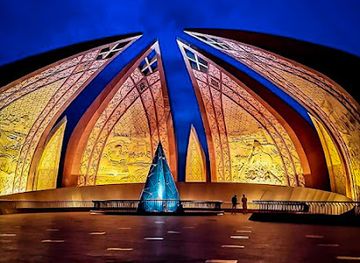
Pakistan Monument
Explore the Pakistan Monument, a stunning symbol of national unity nestled in the beautiful city of Islamabad, offering rich history and breathtaking views.
-
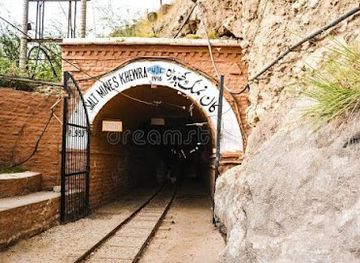
Khewra Salt Mines
Discover the wonders of Khewra Salt Mines, a breathtaking UNESCO site showcasing the beauty and history of salt mining in Pakistan.
-
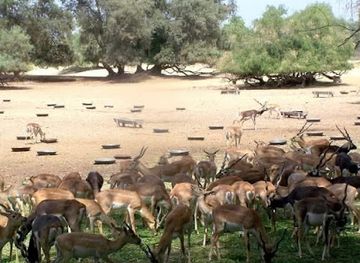
Lal Suhanra National Park
Experience the breathtaking beauty of Lal Suhanra National Park, a natural haven in Bahawalpur featuring diverse wildlife, scenic landscapes, and outdoor activities.
-
Zoo
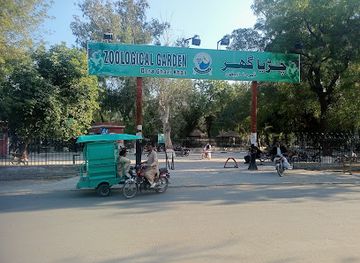
D.G. Khan Zoo
Discover D.G. Khan Zoo: A vibrant wildlife sanctuary in Punjab, perfect for family outings and wildlife enthusiasts alike.
Best landmarks in Southern Punjab
The blue-tiled mausoleum of Shah Rukn-e-Alam is Southern Punjab's most recognisable architectural landmark, rising above Multan's historic urban landscape and expressing the city's long association with Sufi scholarship and devotion. Nearby, the shrine of Bahauddin Zakariya belongs to the same religious and architectural tradition, while the remains of Multan Fort recall the city's strategic importance even though much of the original defensive complex has disappeared. In Bahawalpur, Noor Mahal represents the courtly architecture of the former princely state and stands apart from the dense streets of the old city. Uch Sharif's medieval tombs are distinguished by brick construction, domes and surviving decorative detail. Farther into Cholistan, Derawar Fort forms an imposing wall of bastions across the desert horizon and remains the region's strongest image of frontier power. The Indus and its connected barrage landscapes provide a contrasting natural landmark system, while Fort Munro marks the transition from the irrigated plains to the Sulaiman foothills around Dera Ghazi Khan.
-
Historical landmark
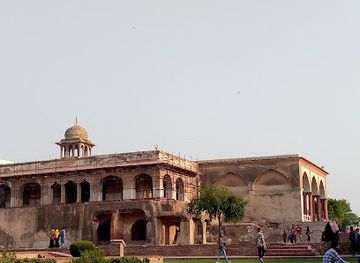
Lahore Fort
Experience the grandeur of Lahore Fort, a UNESCO World Heritage Site, where history and architecture converge in the heart of Lahore, Pakistan.
-
Tourist attraction
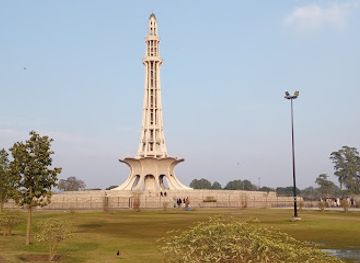
Minar-e-Pakistan
Explore Minar-e-Pakistan, a historic monument symbolizing Pakistan's journey to independence, surrounded by lush gardens and rich cultural heritage.
-
Historical landmark
Kalma Chowk
Discover Kalma Chowk in Chiniot, a historical landmark that embodies the rich culture and vibrant life of Punjab, Pakistan.
-
Monument
Bab-e-Pakistan
Discover the rich history of Pakistan at Bab-e-Pakistan, a monumental tribute to the nation's heritage and resilience, nestled in the heart of Lahore.
Explore Southern Punjab on the map
Plan your trip on one map. See where the top cities, national parks and sights are, and book hotels and experiences in a few clicks.
Best hotels in Southern Punjab
Best restaurants in Southern Punjab
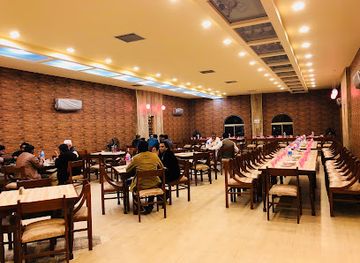
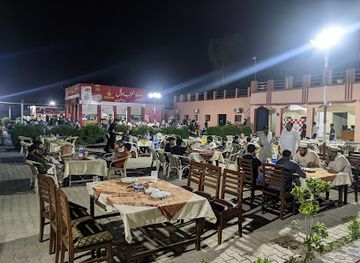
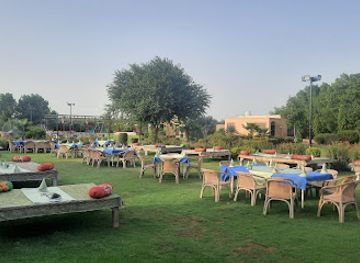
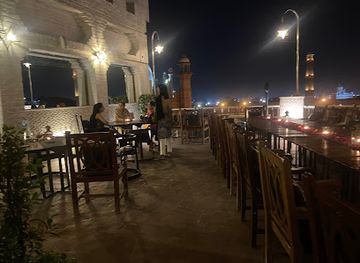
Dining in Southern Punjab is closely connected to wheat, irrigation agriculture, livestock, fruit and the food traditions of the wider Punjabi and Saraiki cultural zone. Multan is the leading place to explore local sweets, savoury snacks, tandoor breads, grilled meats and dishes prepared with seasonal produce, while Bahawalpur offers similar street-food and family-restaurant traditions alongside hotel dining. Mangoes are a major regional speciality in the warmer districts, and dates and other fruits appear in season. Seek out established bazaar stalls for halwa, samosas, lassi and breads, but choose busy outlets with good turnover and sensible food hygiene. Rural dhabas and roadside restaurants provide simple meals on intercity routes, although menus may be limited. Tea, sweetened yoghurt drinks and meat-based curries are common, while vegetarian lentil and vegetable dishes are widely available. Dining customs are generally informal, and visitors should expect regional variation rather than a single defined Southern Punjabi cuisine.
-
Pakistani
Khan Baba Restaurant
Experience authentic Pakistani flavors at Khan Baba Restaurant in Lahore, where tradition meets taste in every dish.
-
Mehrab Hotel & Restaurant - محراب ہوٹل
Discover authentic Pakistani flavors at Mehrab Hotel & Restaurant in Multan – where hospitality meets culinary tradition.
-
Restaurant
Laal Havelee Restaurants
Experience authentic Pakistani cuisine at Laal Havelee Restaurants in Multan—where flavor meets tradition in every dish.
-
Pakistani
Andaaz Restaurant
Discover authentic Pakistani cuisine at Andaaz Restaurant in Lahore's historic Walled City - where tradition meets fine dining.
Best bars in Southern Punjab
Southern Punjab does not have a broad, conventional nightclub scene, and public nightlife is shaped by local social customs and Pakistan's legal and cultural restrictions on alcohol. In Multan and Bahawalpur, evenings usually centre on family restaurants, tea shops, dessert parlours, hotel cafés and busy bazaars rather than bar districts. Some larger hotels provide quieter lounge spaces, while cultural programmes, poetry gatherings and religious events may offer more locally meaningful evening activities when scheduled. Dera Ghazi Khan and smaller towns are still more oriented towards restaurants, roadside tea stalls and private social occasions. Historic markets can remain active after sunset, but visitors should arrange transport back to their accommodation and avoid wandering unfamiliar streets late at night. Night-time activity is generally more limited in rural, desert and riverine areas, where accommodation and transport should be organised before dark.
-
Pub
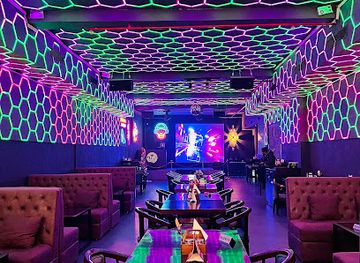
The Liquid Room- Best Pub, Club/Bar In Amritsar
Experience the best of Amritsar's nightlife at The Liquid Room, a vibrant pub and club offering great drinks, music, and a lively atmosphere.
-
Bar
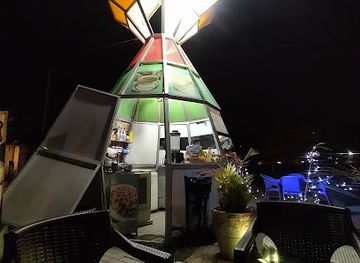
Mocktail Bar
Experience the vibrant nightlife of Lahore at Mocktail Bar, where exquisite mocktails and a lively atmosphere await every visitor.
-
Bar
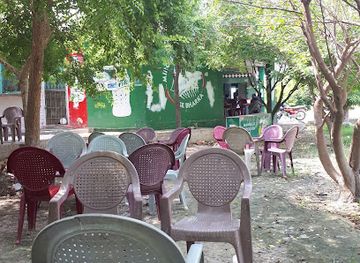
CAFE AL-JAFER, BZU, MULTAN, PAKISTAN.
Discover the vibrant ambiance of Cafe Al-Jafer in Multan, a perfect spot for students and travelers to relax and enjoy delightful beverages.
-
Bar
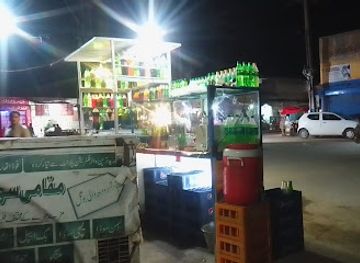
مقامی سوڈا واٹر
Experience the vibrant atmosphere and refreshing drinks at مقامی سوڈا واٹر in Karam Pur, Punjab—a local favorite for tourists seeking relaxation.
Best nightclubs in Southern Punjab
Southern Punjab does not have a broad, conventional nightclub scene, and public nightlife is shaped by local social customs and Pakistan's legal and cultural restrictions on alcohol. In Multan and Bahawalpur, evenings usually centre on family restaurants, tea shops, dessert parlours, hotel cafés and busy bazaars rather than bar districts. Some larger hotels provide quieter lounge spaces, while cultural programmes, poetry gatherings and religious events may offer more locally meaningful evening activities when scheduled. Dera Ghazi Khan and smaller towns are still more oriented towards restaurants, roadside tea stalls and private social occasions. Historic markets can remain active after sunset, but visitors should arrange transport back to their accommodation and avoid wandering unfamiliar streets late at night. Night-time activity is generally more limited in rural, desert and riverine areas, where accommodation and transport should be organised before dark.
-
Disco club
Club
Discover Lahore’s premier disco club, where electrifying music, vibrant lights, and unforgettable nights await every party enthusiast.
-
Night club
Sahil Marriage Club
Discover Multan's vibrant nightlife at Sahil Marriage Club, where every night is filled with music, dance, and unforgettable moments.
-
Night club
Ch imran Jaspal Bakhoana
Unleash the nightlife spirit at Ch imran Jaspal Bakhoana, the premier night club in Sargodha, where music, drinks, and fun await.
-
Night club
Shahid Kryana &Drink
Experience the vibrant nightlife of Rajanpur at Shahid Kryana & Drink, where music, dance, and delicious drinks create unforgettable nights.

Best shops in Southern Punjab
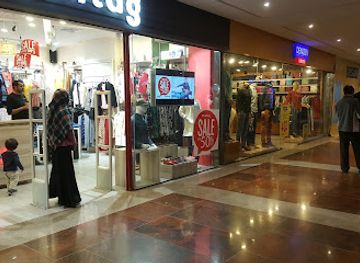
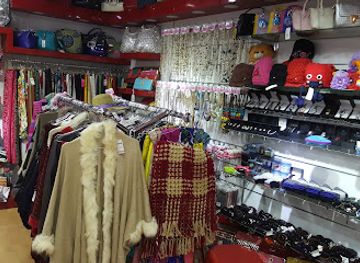
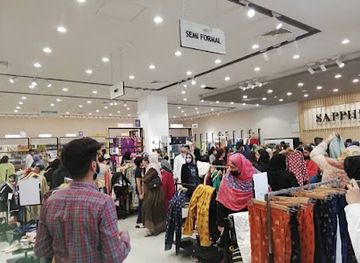
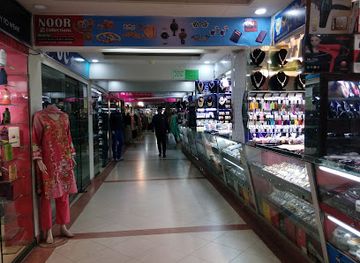
Shopping in Southern Punjab is strongest in traditional bazaars rather than large luxury retail districts. Multan's old markets are known for blue pottery and glazed ceramics, embroidered textiles, khussa footwear, carved wood, metalwork, traditional caps and regional sweets. Hussain Agahi and surrounding commercial streets can be crowded and intense, so visitors should compare quality, clarify prices and protect belongings. Bahawalpur has shops selling textiles, handicrafts, leather goods and food products associated with the desert and riverine districts, while smaller market towns provide a more practical selection of clothing, household goods and produce. Mangoes in season, dates, packaged sweets and locally made pickles are useful edible purchases when transport conditions allow. Craft quality varies, and not every item labelled as traditional is locally produced, so asking about materials and place of manufacture is worthwhile. Contemporary malls and branded shops are more likely in Multan and Bahawalpur, but the region's most distinctive purchases remain its ceramics, embroidery, footwear and agricultural products.
-
Shopping mall
Emporium Mall
Discover the vibrant Emporium Mall in Lahore, where shopping, dining, and entertainment unite for an unforgettable experience.
-
Shopping mall
Mall of Lahore
Discover the ultimate shopping experience at the Mall of Lahore, where fashion, food, and fun come together in the heart of Pakistan's vibrant city.
-
Shopping mall
Lyallpur Galleria
Explore Lyallpur Galleria, Faisalabad's premier shopping mall, offering diverse shopping, dining, and entertainment experiences for all ages.
-
Shopping mall
zaibjaan clothing
Discover the vibrant fashion scene at Zaibjaan Clothing in Lahore, where traditional meets modern in a spectacular shopping experience.
Get your free copy of our complete guide to Southern Punjab, delivered straight to you.
Everything on this page, from attractions and restaurants to essentials and local phrases, in one PDF you can read offline, print or share.
Already have an account? Sign in
Your Southern Punjab guide is ready.
We'll send it to · Not you? Sign out

Getting your guide ready…
We are putting together a fresh copy of the Southern Punjab guide. This can take up to a minute.
This can take a few moments. If your browser asks, choose Allow so the download can start. You'll find the guide in your Downloads folder.
Nothing happened? Download it again
Sorry, the guide is taking longer than usual. Please try again in a minute, or get it by email instead.
Southern Punjab essentials
Currency and Payment
Safety
Emergency Situations
Do's and Don'ts
Local Tips
From Eve
Local phrases worth knowing
You don't need to get them perfect. A few words go a long way, and locals appreciate the effort.
Basics
| English | Local | Say it |
|---|---|---|
| Hello | ہیلو | [Hello] |
| Goodbye | الوداع | [Alvida] |
| Yes | ہاں | [Haan] |
| No | نہیں | [Nahin] |
| Please/You're welcome | براہ کرم/خوش آمدید | [Barah-e-Karam/Khush Aamdeed] |
| Thank you | شکریہ | [Shukriya] |
| Excuse me/Sorry | معاف کیجئے/معاف کریں | [Maaf Kijiye/Maaf Karein] |
| How are you? | آپ کیسے ہیں؟ | [Aap Kaise Hain?] |
| Fine. And you? | ٹھیک ہوں۔ اور آپ؟ | [Theek Hoon. Aur Aap?] |
| Do you speak English? | کیا آپ انگریزی بولتے ہیں؟ | [Kya Aap Angrezi Bolte Hain?] |
| I don't understand | مجھے سمجھ نہیں آتا | [Mujhe Samaj Nahin Aata] |
Eating & Drinking
| English | Local | Say it |
|---|---|---|
| I'd like to see the menu, please | براہ کرم مینو دکھائیں | [Barah-e-Karam Menu Dikhain] |
| I don't eat meat | میں گوشت نہیں کھاتا | [Main Gosht Nahin Khata] |
| Cheers! | چیرز! | [Cheers!] |
| I would like to pay, please | براہ کرم میں بل دینا چاہتا ہوں | [Barah-e-Karam Main Bill Dena Chahta Hoon] |
Emergencies
| English | Local | Say it |
|---|---|---|
| Help! | مدد! | [Madad!] |
| Go away! | چلے جاؤ! | [Chalay Jao!] |
| Call the Police! | پولیس کو بلائیں! | [Police Ko Bulain!] |
| Call a doctor! | ڈاکٹر کو بلائیں! | [Doctor Ko Bulain!] |
| I'm lost | میں گم ہو گیا ہوں | [Main Gum Ho Gaya Hoon] |
| I'm ill | میں بیمار ہوں | [Main Beemar Hoon] |
Shopping
| English | Local | Say it |
|---|---|---|
| I'd like to buy... | میں خریدنا چاہتا ہوں... | [Main Kharidna Chahta Hoon...] |
| I'm just looking | میں صرف دیکھ رہا ہوں | [Main Sirf Dekh Raha Hoon] |
| How much is it? | یہ کتنے کا ہے؟ | [Yeh Kitne Ka Hai?] |
| That's too expensive | یہ بہت مہنگا ہے | [Yeh Bohat Mehnga Hai] |
| Can you lower the price? | کیا آپ قیمت کم کر سکتے ہیں؟ | [Kya Aap Qeemat Kam Kar Sakte Hain?] |
Time & Numbers
| English | Local | Say it |
|---|---|---|
| What time is it? | کیا وقت ہوا ہے؟ | [Kya Waqt Hua Hai?] |
| It's one o'clock | ایک بجے ہیں | [Aik Baje Hain] |
| Half past (10) | ساڑھے دس | [Saade Das] |
| Morning | صبح | [Subah] |
| Afternoon | دوپہر | [Dopahar] |
| Evening | شام | [Shaam] |
| Yesterday | کل | [Kal] |
| Today | آج | [Aaj] |
| Tomorrow | کل | [Kal] |
| 1 | ایک | [Aik] |
| 2 | دو | [Do] |
| 3 | تین | [Teen] |
| 4 | چار | [Chaar] |
| 5 | پانچ | [Paanch] |
| 6 | چھ | [Chay] |
| 7 | سات | [Saat] |
| 8 | آٹھ | [Aath] |
| 9 | نو | [Nau] |
| 10 | دس | [Das] |
Transport & Directions
| English | Local | Say it |
|---|---|---|
| Where's a/the...? | کہاں ہے...؟ | [Kahan Hai...?] |
| What's the address? | پتہ کیا ہے؟ | [Pata Kya Hai?] |
| Can you show me (on the map)? | کیا آپ مجھے (نقشے پر) دکھا سکتے ہیں؟ | [Kya Aap Mujhe (Nakshey Par) Dikhha Sakte Hain?] |
| When's the next (bus)? | اگلی (بس) کب ہے؟ | [Agli (Bus) Kab Hai?] |
| A ticket (to ....) | ایک ٹکٹ (.... کی طرف) | [Aik Ticket (.... Ki Taraf)] |
History of Southern Punjab
Ancient Multan and the Indus Crossroads
The Multan area has been occupied for many centuries and developed around the agricultural and trading networks of the lower Punjab. Ancient references associate the city with a major settlement on routes linking the Indus basin with western and northern regions. Its strategic position brought successive political powers, commercial communities and religious influences. Although the visible modern city has changed repeatedly, Multan's dense historic core, fortified remnants and long-established bazaars reflect its continuing importance as a centre of exchange.
Early Islamic Rule and the Ghaznavid Conquest
Southern Punjab entered the wider Islamic political world after the Arab conquest of Multan in the eighth century, although control over the city and surrounding territories changed repeatedly in later centuries. The Ghaznavids and subsequent dynasties used Multan's strategic position on routes through the Indus region. These centuries helped establish the urban, scholarly and mercantile networks that later supported the spread of Sufi institutions. The region's Islamic heritage therefore developed through several political phases rather than a single event.
Sufi Networks and Medieval Shrine Culture
From the medieval period, Sufi teachers and their communities played a major role in the religious and social life of Southern Punjab. Multan became associated with Bahauddin Zakariya and Shah Rukn-e-Alam, while Uch Sharif developed an important cluster of shrines and tombs linked to Chishti, Suhrawardi and related traditions. These sites connected spiritual authority with teaching, charity and local communities. Their domes, brickwork and glazed tile decoration remain among the defining features of the region's architecture.
Mughal, Sikh and Early Colonial Transformations
The towns and river routes of Southern Punjab were incorporated into the Mughal imperial system and later affected by the decline of Mughal authority, Sikh expansion and British annexation in the nineteenth century. Multan's strategic fort and commercial position made it particularly important during periods of conflict. British administration introduced new forms of revenue collection, communications and irrigation management, while existing agricultural and mercantile networks continued to shape local society.
The Bahawalpur State and Desert Frontier
The Abbasi rulers established and expanded the princely state of Bahawalpur, which survived under British paramountcy until the creation of Pakistan. The state developed its own courtly institutions, palaces and administrative centres, leaving a particularly visible architectural legacy in Bahawalpur and nearby settlements. Its territory also encompassed much of Cholistan, where desert routes, forts and seasonal grazing shaped life beyond the irrigated plains. Derawar Fort symbolises the strategic importance of this desert frontier.
Canals, Agriculture and Modern Regional Change
From the late nineteenth century onwards, canal construction and barrage projects transformed large parts of Southern Punjab by expanding irrigated agriculture. Cotton, wheat, sugar cane, dates and mangoes became important components of the regional economy, alongside livestock and trade. Railways and roads strengthened connections between Multan, Bahawalpur, the Indus corridor and markets farther north. Since independence, population growth, industrial development and urban expansion have further changed the region, while water management and desert livelihoods remain central concerns.
Post-Independence Heritage and Cultural Identity
After Pakistan's creation in 1947, Southern Punjab became part of a rapidly changing national economy while retaining strong regional traditions in Sufi devotion, Saraiki-language culture, craft production and agricultural life. Multan and Bahawalpur expanded as educational, commercial and administrative centres, and Dera Ghazi Khan grew as a link between the river plains and the western hills. Contemporary identity is expressed through poetry, shrine festivals, food, textiles and vernacular architecture as well as through the preservation of historic monuments.
Southern Punjab in Photos
Browse through our photo collection highlighting the charm and character of the destination.
Neighbouring regions of Southern Punjab
The closest regions to Southern Punjab, if you have time for more than one.
-

-

-

-

-


Swipe for more regions
Explore more

Explore more of Pakistan
Discover Pakistan: A land of majestic mountains, rich history, and delicious cuisine, where every journey is an adventure and every moment is filled with wonder.
Explore Pakistan