

Seraiki Wasaib, Pakistan Travel Guide
Explore the rich cultural heritage, historical landmarks, and vibrant festivals of Seraiki Wasaib, Pakistan's enchanting region of tradition and modern charm.
Seraiki Wasaib is a culturally rich region in Pakistan, known for its deep-rooted traditions, vibrant festivals, and historical landmarks. The area, primarily inhabited by the Seraiki-speaking people, offers a unique blend of ancient heritage and modern charm, making it a fascinating destination for tourists seeking an authentic experience. One of the highlights of Seraiki Wasaib is its captivating architecture, with centuries-old forts and shrines dotting the landscape. The Derawar Fort, an imposing structure in the Cholistan Desert, and the exquisite Tomb of Bibi Jawindi in Uch Sharif are must-visit sites. These historical monuments tell stories of past dynasties and provide a glimpse into the region's illustrious past. The Seraiki culture is also celebrated through its colorful festivals and traditional crafts. The annual Seraiki Cultural Festival showcases folk music, dance, and handicrafts, allowing visitors to immerse themselves in the local way of life. The intricate Seraiki embroidery, pottery, and woodwork make for perfect souvenirs to remember your journey by. Nature enthusiasts will find solace in the lush green fields and serene rivers of Seraiki Wasaib. The Indus River, the lifeline of the region, offers scenic boat rides and fishing opportunities. The Lal Suhanra National Park, with its diverse flora and fauna, is a haven for wildlife lovers and bird watchers. Seraiki Wasaib is also renowned for its warm hospitality and delectable cuisine. Traditional Seraiki dishes, such as Sajji, Hareesa, and Sohan Halwa, tantalize the taste buds and provide an authentic culinary experience. The locals, known for their friendliness, make every visitor feel at home, offering a welcoming atmosphere that enhances the overall travel experience.

Know before you go
Hi, I'm Eve. Here are a few practical things to know before exploring Seraiki Wasaib.
- Learn a few basic Seraiki phrases; it helps in connecting with locals and enhancing your experience.
- Visit during the Seraiki Cultural Festival for an immersive cultural experience.
- Wear comfortable and modest clothing, especially when visiting religious sites.
- Try local cuisine at traditional eateries to get an authentic taste of Seraiki flavors.
- Hire a local guide to explore historical sites and understand the rich history of the region.
Top City Travel Guides in Seraiki Wasaib
The cities of Seraiki Wasaib, and the easiest places to base yourself.


Explore Seraiki Wasaib: Things to Do, Places to Eat, Hotels & More
Handpicked recommendations for top attractions, local dining, accommodations, and more

Top Attractions & Sightseeing in Seraiki Wasaib
Top-rated picks
Best Attractions

Shakarparian National Park
Discover the tranquility and cultural richness of Shakarparian National Park in Islamabad, a perfect blend of nature and heritage for every traveler.

Pari Chashma
Explore Pari Chashma, a tranquil picnic ground in Harnai, Balochistan, where stunning landscapes and vibrant nature await your discovery.

Sohbat Sarai
Explore Sohbat Sarai, a tranquil tourist attraction in Sibi, Balochistan, where history, nature, and local culture come together in harmony.

Raeesani Bazaar Koshkalat
Discover the vibrant cultural heartbeat of Balochistan at Raeesani Bazaar Koshkalat, where tradition and community come alive.

Best landmarks in Seraiki Wasaib
Top-rated picks
Best Landmarks

Badshahi Mosque
Explore the Badshahi Mosque, an architectural marvel in Lahore, embodying the exquisite Mughal heritage and spiritual essence of Pakistan.
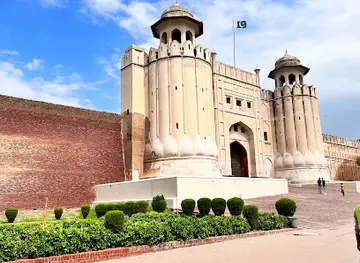
Lahore Fort
Uncover the rich history and architectural beauty of Lahore Fort, a UNESCO World Heritage Site that embodies the legacy of the Mughal Empire.

Pakistan Monument
Discover the majestic Pakistan Monument, a symbol of national unity and a stunning architectural marvel nestled in the heart of Islamabad.

Mazar-e-Quaid-e-Azam
Experience the historical grandeur and serene beauty of Mazar-e-Quaid-e-Azam, Karachi's iconic tribute to Pakistan's founder, Muhammad Ali Jinnah.

Best restaurants in Seraiki Wasaib
Top-rated picks
Best Restaurants

Kolachi Restaurant
Savor authentic Pakistani cuisine with stunning sea views at Kolachi Restaurant - a must-visit culinary destination in Karachi.

Spice Bazaar
Experience authentic Pakistani cuisine at Spice Bazaar - Lahore's premier fine dining destination offering exquisite flavors in a luxurious setting.

New Zahid Restaurant
Experience authentic Pakistani flavors at New Zahid Restaurant, where tradition meets taste in the heart of Karachi.

Khan Saab Restaurant
Discover exquisite Pakistani flavors at Khan Saab Restaurant along the Karachi-Hyderabad Motorway - an unforgettable dining experience awaits.

Best bars in Seraiki Wasaib
Top-rated picks
Best Bars

Al Sanaan Bar B Q family restaurant
Experience the authentic flavors of Balochistan at Al Sanaan Bar B Q, a family-friendly restaurant specializing in mouthwatering Pakistani barbecue.
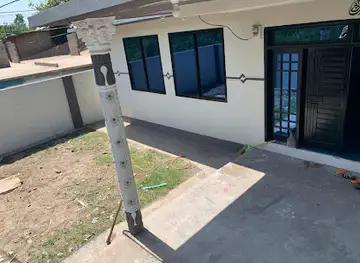
Shuja Khan Bar
Discover the vibrant ambiance and local flavors at Shuja Khan Bar, a must-visit for travelers seeking a taste of the nightlife in Pakistan.

SABIR HUSSAIN KBR
Experience the vibrant atmosphere of SABIR HUSSAIN KBR, a unique bar in Nankana Sahib, where local flavors and socializing come together.

Israr Drinks
Experience the refreshing charm of Israr Drinks, a top bar in Topi serving delightful beverages and local hospitality.

Best nightclubs in Seraiki Wasaib
Top-rated picks
Best Nightclubs

The French Club 21
Experience the vibrancy of Islamabad's nightlife at The French Club 21, where French elegance meets local energy in a chic setting.

Club
Discover the pulsating nightlife of Lahore at this exhilarating disco club, where music and fun blend perfectly.
Webpreneur Lounge
Discover the Webpreneur Lounge in Islamabad: A vibrant hub for creativity, networking, and inspiration for entrepreneurs and travelers alike.

Snoker Club
Experience the vibrant nightlife at Snoker Club in Hyderabad, where music, dancing, and unforgettable moments come together.

Best shops in Seraiki Wasaib
Top-rated picks
Best Shops

Chena Market Ali Clothes House
Explore the vibrant offerings of Chena Market Ali Clothes House, where local fashion meets authentic cultural heritage.

Shaukat Stop Kirani
Discover unique fashion at Shaukat Stop Kirani, a vibrant clothing store in Quetta, blending tradition with modern style for every tourist.

Sahebi Store
Explore the charm of Quetta through Sahebi Store, your local grocery and convenience destination for essential goods and Balochi flavors.

Sada Bahar gift senter Ehssan ullah khan
Explore Sada Bahar Gift Center for unique souvenirs and a taste of local craftsmanship in Kashmore, Sindh.

Explore Seraiki Wasaib on the Map
A handpicked selection of must-see spots in Seraiki Wasaib, mapped for you.
Seraiki Wasaib Essentials
-
Seraiki Wasaib is located in the southern part of Punjab, Pakistan. The nearest international airport is Multan International Airport. From there, you can hire a taxi or use ride-hailing services to reach various cities within Seraiki Wasaib, such as Bahawalpur, Dera Ghazi Khan, and Rahim Yar Khan. Train services are also available from major cities like Lahore, Karachi, and Islamabad to Multan, Bahawalpur, and other key points in the region.
-
Within Seraiki Wasaib, you can use local buses, rickshaws, and taxis to get around. Ride-hailing apps like Careem and Uber are available in larger cities such as Multan and Bahawalpur. Renting a car is also an option if you prefer to explore at your own pace. Be sure to check local driving regulations and road conditions before setting out.
-
The official currency in Pakistan is the Pakistani Rupee (PKR). Credit and debit cards are widely accepted in larger cities and tourist areas, but it's advisable to carry cash, especially when visiting smaller towns and rural areas. ATMs are available in most cities, but it's a good idea to withdraw sufficient cash before heading to more remote locations.
-
Seraiki Wasaib is generally safe for tourists, but it's important to exercise standard precautions. Avoid walking alone at night in unfamiliar areas and keep an eye on your belongings in crowded places. Some areas in Dera Ghazi Khan and Rahim Yar Khan have higher crime rates, so it's best to stay vigilant and consult local advice before visiting these regions.
-
In case of emergency, dial 15 for police assistance, 1122 for medical emergencies, and 16 for the fire department. Major hospitals are located in cities like Multan and Bahawalpur, but you may find basic medical facilities in smaller towns. It's recommended to have travel insurance that covers medical emergencies. Pharmacies are readily available for minor health issues.
-
Fashion: Do dress modestly, particularly when visiting religious sites. Avoid wearing revealing clothing. Religion: Do respect local customs and traditions, and always remove your shoes when entering mosques. Public Transport: Do be respectful and give up your seat to elderly passengers. Don’t eat or drink on public transport. Greetings: Do greet people with 'Assalamu Alaikum' and a handshake. A slight bow of the head is also a sign of respect. Eating & Drinking: Do try local delicacies and accept food offerings graciously. Don’t refuse hospitality, as it is considered impolite.
-
To experience Seraiki Wasaib like a local, visit the bustling bazaars where you can buy traditional crafts, embroidered garments, and local produce. Engage with locals; they are usually friendly and willing to share stories about their culture and history. Don't miss visiting historic sites like Derawar Fort in Bahawalpur and the shrines of Sufi saints in Multan. For a unique experience, take a boat ride on the Indus River.
When is the best time to visit Seraiki Wasaib?
Useful Local Phrases for Seraiki Wasaib
You don't need to speak the language perfectly. Even learning a few simple words can make conversations warmer—and locals usually appreciate the effort.
— Eve

Here are the phrases I use most often in Seraiki Wasaib. Try a few—you'll be surprised how far they go! 😊
❤️
-
- Helloسلام
[Salaam] - Goodbyeخدا حافظ
[Khuda Hafiz] - Yesجی ہاں
[Ji Haan] - Noنہیں
[Nahin] - Please/You’re welcomeبراہ کرم/خوش آمدید
[Barah-e-Karam/Khosh Aamdeed] - Thank youشکریہ
[Shukriya] - Excuse me/Sorryمعاف کرنا
[Maaf Karna] - How are you?آپ کیسے ہیں؟
[Aap Kaise Hain?] - Fine. And you?میں ٹھیک ہوں۔ اور آپ؟
[Main Theek Hoon. Aur Aap?] - Do you speak English?کیا آپ انگریزی بولتے ہیں؟
[Kya Aap Angrezi Bolte Hain?] - I don't understandمجھے سمجھ نہیں آتا
[Mujhe Samajh Nahin Aata]
- Helloسلام
-
- I’d like to see the menu, pleaseبراہ کرم مینو دکھائیں
[Barah-e-Karam Menu Dikhain] - I don't eat meatمیں گوشت نہیں کھاتا
[Main Gosht Nahin Khata] - Cheers!ہنسی خوشی!
[Hansi Khushi!] - I would like to pay, pleaseبراہ کرم میں بل ادا کرنا چاہتا ہوں
[Barah-e-Karam Main Bill Ada Karna Chahta Hoon]
- I’d like to see the menu, pleaseبراہ کرم مینو دکھائیں
-
- Help!مدد کریں!
[Madad Karein!] - Go away!چلے جاؤ!
[Chalay Jao!] - Call the Police!پولیس کو بلاؤ!
[Police Ko Bulao!] - Call a doctor!ڈاکٹر کو بلاؤ!
[Doctor Ko Bulao!] - I’m lostمیں کھو گیا ہوں
[Main Kho Gaya Hoon] - I’m illمیں بیمار ہوں
[Main Bimar Hoon]
- Help!مدد کریں!
-
- I’d like to buy...میں خریدنا چاہتا ہوں...
[Main Kharidna Chahta Hoon...] - I’m just lookingمیں صرف دیکھ رہا ہوں
[Main Sirf Dekh Raha Hoon] - How much is it?یہ کتنے کا ہے؟
[Yeh Kitne Ka Hai?] - That’s too expensiveیہ بہت مہنگا ہے
[Yeh Bohat Mehnga Hai] - Can you lower the price?کیا آپ قیمت کم کر سکتے ہیں؟
[Kya Aap Qeemat Kam Kar Sakte Hain?]
- I’d like to buy...میں خریدنا چاہتا ہوں...
-
- What time is it?کیا وقت ہوا ہے؟
[Kya Waqt Hua Hai?] - It’s one o'clockیہ ایک بجے ہیں
[Yeh Aik Baje Hain] - Half past (10)ساڑھے (10)
[Saadhe (10)] - Morningصبح
[Subah] - Afternoonدوپہر
[Dopahar] - Eveningشام
[Shaam] - Yesterdayکل
[Kal] - Todayآج
[Aaj] - Tomorrowکل
[Kal] - 1ایک
[Aik] - 2دو
[Do] - 3تین
[Teen] - 4چار
[Char] - 5پانچ
[Paanch] - 6چھ
[Chay] - 7سات
[Saat] - 8آٹھ
[Aath] - 9نو
[Nau] - 10دس
[Das]
- What time is it?کیا وقت ہوا ہے؟
-
- Where's a/the...?کہاں ہے ...؟
[Kahan Hai ...?] - What’s the address?پتا کیا ہے؟
[Pata Kya Hai?] - Can you show me (on the map)?کیا آپ مجھے دکھا سکتے ہیں (نقشے پر)؟
[Kya Aap Mujhe Dikha Sakte Hain (Naqshay Par)?] - When's the next (bus)?اگلی (بس) کب ہے؟
[Agli (Bus) Kab Hai?] - A ticket (to ....)ایک ٹکٹ (.... کے لیے)
[Aik Ticket (.... Ke Liye)]
- Where's a/the...?کہاں ہے ...؟
History of Seraiki Wasaib
-
The Seraiki Wasaib region boasts a rich history dating back to the Indus Valley Civilization, one of the world's earliest urban cultures. Archaeological sites such as Harappa and Mohenjo-Daro provide glimpses into the advanced societal structure, trade networks, and architectural prowess of these ancient communities. The region's fertile plains and strategic location along the Indus River made it a hub of economic and cultural activity.
-
In 326 BCE, Alexander the Great's campaign into the Indian subcontinent brought him to the Seraiki Wasaib region. The Battle of the Hydaspes River, fought against King Porus, took place near the Jhelum River. This encounter is remembered for Alexander's strategic brilliance and the valiant resistance of Porus. The Greek influence lingered in the region, contributing to its diverse cultural tapestry.
-
During the medieval period, Multan emerged as a significant center of power and culture within the Seraiki Wasaib. The Multan Sultanate, established in the 10th century, played a pivotal role in the region's history. The city of Multan, known as the 'City of Saints,' became a spiritual and commercial hub. The grand mausoleums of Sufi saints, such as Shah Rukn-e-Alam and Bahauddin Zakariya, reflect the city's rich Islamic heritage.
-
The Mughal Empire's influence extended into the Seraiki Wasaib, leaving an indelible mark on its architecture and culture. The fortresses of Derawar and Uch Sharif stand as testaments to the Mughal era's architectural prowess. These structures, adorned with intricate tile work and grandeur, reveal the opulence of the Mughal period. The region also flourished as a center of learning and art, with poets and scholars contributing to its intellectual legacy.
-
The arrival of the British in the 19th century brought significant socio-economic changes to the Seraiki Wasaib region. The construction of canals and railways transformed the agrarian landscape, boosting agricultural productivity and trade. However, colonial policies also led to displacement and socio-economic disparities. The region's strategic location made it a focal point during the struggle for independence, with many local leaders playing active roles in the freedom movement.
-
After the partition of India in 1947, the newly formed nation of Pakistan underwent significant administrative changes. The Seraiki Wasaib region continued to evolve, with ongoing efforts to preserve its cultural heritage and promote development. The establishment of educational institutions, cultural festivals, and infrastructural projects aimed to uplift the region while honoring its historical significance. The Seraiki language and identity have remained central to the region's cultural revival.
Neighbouring Regions of Seraiki Wasaib
The closest regions to Seraiki Wasaib, if you have time for more than one.


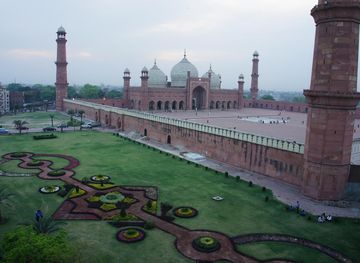

Your all‑in‑one travel companion app
Explore expert travel guides, compare and book tours, experiences, hotels, and more—all from the palm of your hand. Download now for seamless trip planning wherever your wanderlust takes you.


Explore More of Pakistan

Looking beyond Seraiki Wasaib? Discover Pakistan for broader travel guides, local hot-spots, and regional highlights.
Explore PakistanSeraiki Wasaib in Photos
Browse through our photo collection highlighting the charm and character of the destination.


The Enchanting Seraiki Wasaib: A Journey into Cultural Richness
Seraiki Wasaib is a culturally rich region in Pakistan, known for its deep-rooted traditions, vibrant festivals, and historical landmarks. The area, primarily inhabited by the Seraiki-speaking people, offers a unique blend of ancient heritage and modern charm, making it a fascinating destination for tourists seeking an authentic experience. One of the highlights of Seraiki Wasaib is its captivating architecture, with centuries-old forts and shrines dotting the landscape. The Derawar Fort, an imposing structure in the Cholistan Desert, and the exquisite Tomb of Bibi Jawindi in Uch Sharif are must-visit sites. These historical monuments tell stories of past dynasties and provide a glimpse into the region's illustrious past. The Seraiki culture is also celebrated through its colorful festivals and traditional crafts. The annual Seraiki Cultural Festival showcases folk music, dance, and handicrafts, allowing visitors to immerse themselves in the local way of life. The intricate Seraiki embroidery, pottery, and woodwork make for perfect souvenirs to remember your journey by. Nature enthusiasts will find solace in the lush green fields and serene rivers of Seraiki Wasaib. The Indus River, the lifeline of the region, offers scenic boat rides and fishing opportunities. The Lal Suhanra National Park, with its diverse flora and fauna, is a haven for wildlife lovers and bird watchers. Seraiki Wasaib is also renowned for its warm hospitality and delectable cuisine. Traditional Seraiki dishes, such as Sajji, Hareesa, and Sohan Halwa, tantalize the taste buds and provide an authentic culinary experience. The locals, known for their friendliness, make every visitor feel at home, offering a welcoming atmosphere that enhances the overall travel experience.