

Free Punjab Travel Guide & Mobile App
Explore Punjab with free travel guides. Discover regional history, expert tips, proposed trips, and audio guides on web or mobile app.


Explore Punjab, Pakistan for Mughal Lahore, Sufi Multan, ancient Taxila, fertile river plains, desert forts and richly varied Punjabi culture.
Read more about Punjab
When is the best time to visit Punjab?
Best: February–March, November · 21–27°C| Month | High (°C) | Rainfall (mm) |
|---|---|---|
| January | 17 | 20 |
| February (best) | 21 | 25 |
| March (best) | 27 | 30 |
| April | 36 | 20 |
| May | 41 | 10 |
| June | 42 | 20 |
| July | 39 | 100 |
| August | 38 | 110 |
| September | 35 | 50 |
| October | 30 | 20 |
| November (best) | 22 | 10 |
| December | 17 | 20 |
Getting to and around Punjab
How to get there
Transportation
Top city travel guides in Punjab
The cities of Punjab, and the easiest places to base yourself.
-

-

-

-

-

-


Swipe for more cities
Destinations in Punjab
Resorts, valleys and scenic spots worth a trip of their own.
-

-

-

-

-


Swipe for more destinations
Best attractions in Punjab
Punjab’s attractions range from major urban heritage districts to archaeological sites, shrines, gardens and open landscapes. Lahore provides the densest concentration, including the Lahore Fort, Shalimar Gardens, Wazir Khan Mosque, Badshahi Mosque and museums around the historic city. In the north-west, the Taxila archaeological complex presents settlements, monasteries and stupas from the Gandharan Buddhist world, while the Potohar Plateau and Salt Range offer routes through a more rugged landscape than the central plains. Multan is known for Sufi shrines, bazaars, tilework and craft traditions, and Bahawalpur is a useful base for exploring the Cholistan desert and its historic forts. Faisalabad and Sialkot reveal the province’s industrial and commercial character, while rural canal districts offer insight into irrigated agriculture and village life. Wildlife and outdoor experiences are generally more modest and seasonal than in Pakistan’s mountain regions, but birdwatching, countryside excursions and desert journeys can be rewarding when planned with local advice. Heat, dust, air quality and long travel times are important considerations when combining several parts of the province.
-
Tourist attraction
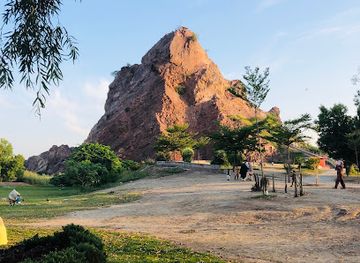
Hill Top Sangla
Discover the breathtaking beauty of Hill Top Sangla, a serene tourist attraction in Nankana Sahib, perfect for nature lovers and adventure seekers.
-
Tourist attraction
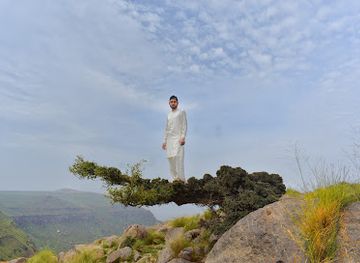
Anari orchard top
Discover the serene beauty of Anari Orchard, a lush haven in Dera Ghazi Khan, where nature and tranquility await.
-
Tourist attraction
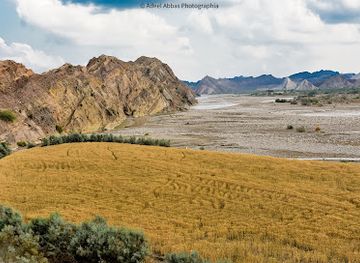
Gulki Hill Station Koh-e-suleman Range
Discover the tranquility of Gulki Hill Station in the Koh-e-Suleman Range, where breathtaking vistas and unique rock formations await.
-
Tourist attraction
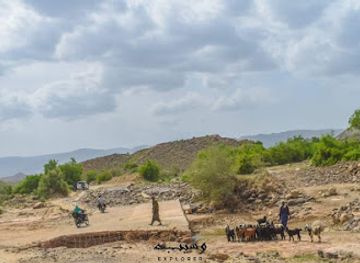
Marri Hill Station
Explore the breathtaking beauty of Marri Hill Station in Punjab, a serene retreat perfect for nature lovers and adventure seekers alike.
Best landmarks in Punjab
The Lahore Fort is Punjab’s most significant imperial landmark, a layered complex whose Mughal palaces, audience halls and later additions reveal the city’s changing political importance. Nearby, the Badshahi Mosque and Wazir Khan Mosque represent different dimensions of Mughal religious and urban architecture, while Shalimar Gardens preserve the formal garden ideals of the same era. In Multan, the blue-tiled shrines of Sufi saints, including the Mausoleum of Shah Rukn-e-Alam, give the city a distinctive skyline and devotional identity. Taxila’s archaeological remains are landmarks of an older, internationally connected Buddhist and Gandharan civilisation. Farther south, Derawar Fort rises above the Cholistan desert as a monumental reminder of historic frontier, caravan and princely networks. The Rohtas Fort near Dina, in northern Punjab, is a formidable sixteenth-century defensive structure associated with Sher Shah Suri and the strategic routes between the Punjab plains and the north-west. Together these places show how river corridors, imperial capitals, religious centres, trade routes and arid frontiers shaped the province.
-
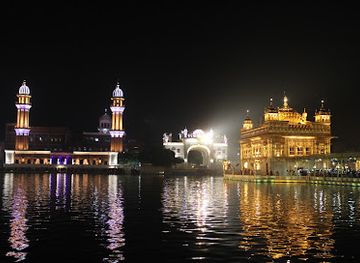
Gurudwara
Sri Harmandir Sahib
Discover the serenity and spiritual essence of Sri Harmandir Sahib, the Golden Temple, a must-visit historical landmark in Amritsar, Punjab.
-
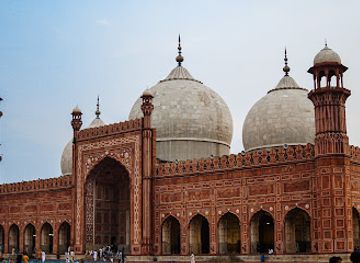
Mosque
Badshahi Mosque
Discover the grandeur of the Badshahi Mosque, an architectural marvel and a symbol of Lahore's rich cultural heritage.
-
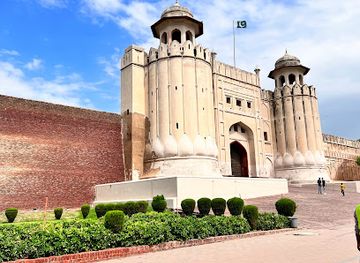
Historical landmark
Lahore Fort
Discover Lahore Fort, a UNESCO World Heritage site, where Mughal history and stunning architecture come together in the heart of Lahore's Walled City.
-
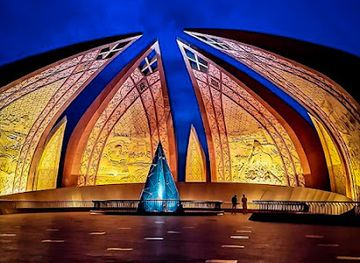
Monument
Pakistan Monument
Visit the Pakistan Monument in Islamabad for a captivating glimpse into the rich history and cultural diversity of Pakistan.
Explore Punjab on the map
Plan your trip on one map. See where the top cities, national parks and sights are, and book hotels and experiences in a few clicks.
Best hotels in Punjab
Best restaurants in Punjab
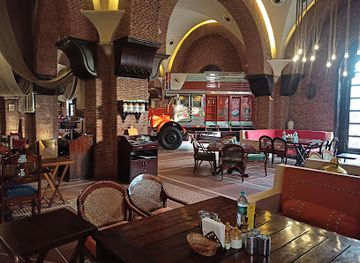
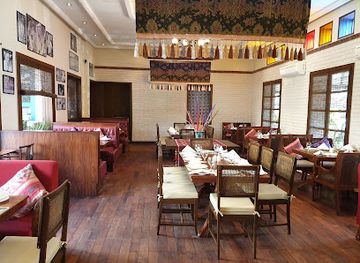
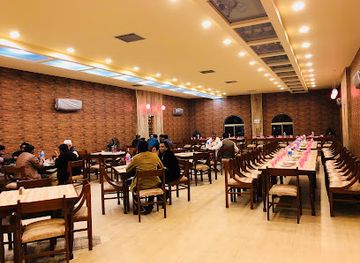
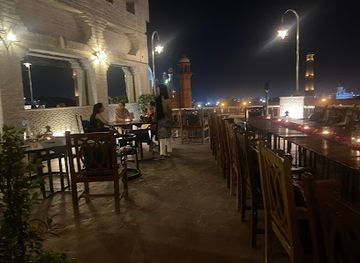
Punjab has one of Pakistan’s most recognisable food cultures, built around wheat breads, rice, dairy, pulses, vegetables and grilled or slow-cooked meat. Lahore is especially associated with street-food traditions such as nihari, paya, chargha, seekh kebabs, haleem and a wide range of breads, while its established restaurants also serve Punjabi, Pakistani and international cooking. Multan is known for its association with sohan halwa, mangoes and southern Punjabi flavours, and Gujranwala has a strong reputation for hearty meat dishes and generous roadside cooking. Rural eateries and dhabas provide simple meals of lentils, vegetable curries, roti and grilled foods, sometimes in settings far removed from formal restaurants. Markets and sweet shops are important places to encounter jalebi, gulab jamun, lassi and seasonal produce. Visitors should choose busy, well-maintained establishments for cooked food, take care with untreated water and expect spice levels and service styles to vary considerably.
-
Restaurant
Haveli
Experience authentic Punjabi cuisine at Haveli - where every meal tells a story steeped in tradition.
-
Pakistani
Spice Bazaar
Discover the essence of Pakistani cuisine at Spice Bazaar in Lahore - where tradition meets fine dining excellence.
-
Pakistani
Khan Baba Restaurant
Experience authentic Pakistani cuisine at Khan Baba Restaurant in Lahore – a must-visit culinary gem rich in flavor and culture.
-
Pakistani
Andaaz Restaurant
Andaaz Restaurant: A culinary gem in Lahore offering exquisite Pakistani dishes amidst stunning historical views.
Best bars in Punjab
Punjab does not have a broad, openly advertised bar and nightclub culture, and alcohol is restricted under Pakistani law, with limited legal access for eligible non-Muslim citizens and foreign visitors through authorised channels. Evening life instead centres on restaurants, tea houses, dessert shops, food streets, shopping areas, family gatherings, cinemas and cultural performances. Lahore has the province’s widest range of late-evening dining, live music, theatre and arts programming, while Faisalabad, Rawalpindi, Multan and Sialkot have active restaurant and café scenes shaped by local residents, students and business communities. In smaller towns and rural districts, traditional tea stalls, private gatherings and occasional folk or devotional performances are more typical than clubs. Dress modestly, follow venue rules and do not assume that alcohol is available or socially appropriate in ordinary public settings.
-
Bar
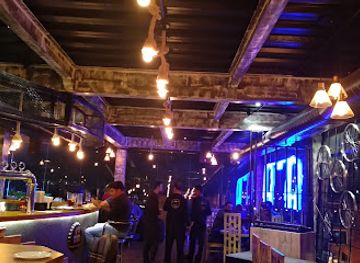
Papa Whiskey Amritsar
Discover the vibrant brewpub scene at Papa Whiskey Amritsar, where craft beers and delicious bites create a perfect evening out.
-
Pub
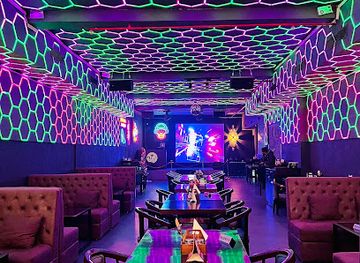
The Liquid Room- Best Pub, Club/Bar In Amritsar
Experience the vibrant nightlife of Amritsar at The Liquid Room, the ultimate destination for fun, food, and fantastic music.
-
Bar
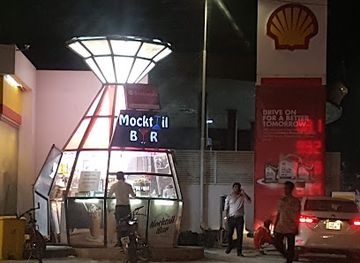
Mocktail Bar
Discover the refreshing allure of Mocktail Bar in Lahore, where delicious non-alcoholic drinks meet a lively atmosphere for an unforgettable experience.
-
Bar
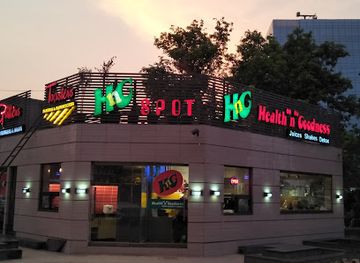
Health & Goodness
Discover the vibrant atmosphere of Health & Goodness, a trendy bar in Lahore offering health-conscious drinks and a lively nightlife experience.
Best nightclubs in Punjab
Punjab does not have a broad, openly advertised bar and nightclub culture, and alcohol is restricted under Pakistani law, with limited legal access for eligible non-Muslim citizens and foreign visitors through authorised channels. Evening life instead centres on restaurants, tea houses, dessert shops, food streets, shopping areas, family gatherings, cinemas and cultural performances. Lahore has the province’s widest range of late-evening dining, live music, theatre and arts programming, while Faisalabad, Rawalpindi, Multan and Sialkot have active restaurant and café scenes shaped by local residents, students and business communities. In smaller towns and rural districts, traditional tea stalls, private gatherings and occasional folk or devotional performances are more typical than clubs. Dress modestly, follow venue rules and do not assume that alcohol is available or socially appropriate in ordinary public settings.
-
Disco club
Club
Discover the electrifying nightlife of Lahore at Club, a premier disco club where rhythm and excitement come alive.
-
Night club
Bethak بیٹھک
Discover the vibrant nightlife at Bethak بیٹھک in Rawalpindi – where music, dance, and unforgettable memories come alive.
-
 Night club
Kashif Club
Experience the vibrant nightlife at Kashif Club in Dera Ghazi Khan, where music and dance create unforgettable memories.
-
Night club
Kashmir finger chapis
Discover the vibrant nightlife at Kashmir Finger Chapis in Lahore, where culture meets modern entertainment for an unforgettable evening.


Best shops in Punjab
Shopping in Punjab is closely tied to its cities, bazaars and specialised crafts. Lahore’s Anarkali and the surrounding old-city markets offer textiles, footwear, jewellery, books, household goods and traditional clothing, while Liberty Market and other modern commercial areas provide a more contemporary retail experience. Multan is particularly associated with blue pottery, embroidered textiles, handicrafts, sweets and mango products, although quality and provenance should be assessed carefully. Sialkot’s manufacturing culture is reflected in leather goods, sporting equipment and gloves, while Faisalabad is an important centre for cloth, ready-made garments and textile sourcing. Bahawalpur and southern Punjab offer camel-leather work, embroidery and desert-influenced crafts through local markets rather than uniform souvenir shops. Farmers’ markets and sweet shops are useful for regional food gifts, including packaged sohan halwa, spices and dried produce. Bargaining is common in many bazaars but not always in fixed-price stores; compare quality, check weights and keep valuables secure in crowded markets.
-
Shopping mall
Emporium Mall
Explore Emporium Mall in Lahore for an unparalleled shopping experience with luxury brands, delicious food, and entertainment under one roof.
-
Shopping mall
Packages Mall
Discover the vibrant shopping and dining experience at Packages Mall in Lahore, where fashion meets entertainment in a bustling atmosphere.
-
Shopping mall
Mall of Lahore
Experience the best of shopping, dining, and entertainment at the Mall of Lahore, the ultimate destination for tourists in Pakistan.
-
Gift shop
Aizasshop
Explore Aizasshop in Faisalabad for unique gifts and authentic souvenirs that capture the essence of Pakistan's rich culture.


Get your free copy of our complete guide to Punjab, delivered straight to you.
Everything on this page, from attractions and restaurants to essentials and local phrases, in one PDF you can read offline, print or share.
Already have an account? Sign in
Your Punjab guide is ready.
We'll send it to · Not you? Sign out

Getting your guide ready…
We are putting together a fresh copy of the Punjab guide. This can take up to a minute.
This can take a few moments. If your browser asks, choose Allow so the download can start. You'll find the guide in your Downloads folder.
Nothing happened? Download it again
Sorry, the guide is taking longer than usual. Please try again in a minute, or get it by email instead.
Punjab essentials
Currency and Payment
Safety
Emergency Situations
Do's and Don'ts
Local Tips
From Eve
Local phrases worth knowing
You don't need to get them perfect. A few words go a long way, and locals appreciate the effort.
Basics
| English | Local | Say it |
|---|---|---|
| Hello | ہیلو | [Hello] |
| Goodbye | خدا حافظ | [Khuda Hafiz] |
| Yes | جی ہاں | [Ji Haan] |
| No | نہیں | [Nahin] |
| Please/You're welcome | براہ کرم/خوش آمدید | [Barah-e-Karam/Khosh Aamdeed] |
| Thank you | شکریہ | [Shukriya] |
| Excuse me/Sorry | معاف کرنا/معذرت | [Maaf Karna/Maazrat] |
| How are you? | آپ کیسے ہیں؟ | [Aap Kaise Hain?] |
| Fine. And you? | ٹھیک ہوں۔ اور آپ؟ | [Theek Hoon. Aur Aap?] |
| Do you speak English? | کیا آپ انگریزی بولتے ہیں؟ | [Kya Aap Angrezi Bolte Hain?] |
| I don't understand | مجھے سمجھ نہیں آتی | [Mujhe Samaj Nahin Aati] |
Eating & Drinking
| English | Local | Say it |
|---|---|---|
| I'd like to see the menu, please | براہ کرم مینو دکھائیں | [Barah-e-Karam Menu Dikhaiye] |
| I don't eat meat | میں گوشت نہیں کھاتا | [Main Gosht Nahin Khata] |
| Cheers! | چلیں! | [Chalein!] |
| I would like to pay, please | براہ کرم میں بل ادا کرنا چاہتا ہوں | [Barah-e-Karam Main Bill Ada Karna Chahta Hoon] |
Emergencies
| English | Local | Say it |
|---|---|---|
| Help! | مدد! | [Madad!] |
| Go away! | چلے جاؤ! | [Chalay Jao!] |
| Call the Police! | پولیس کو بلائیں! | [Police Ko Bulain!] |
| Call a doctor! | ڈاکٹر کو بلائیں! | [Doctor Ko Bulain!] |
| I'm lost | میں گم ہو گیا ہوں | [Main Gum Ho Gaya Hoon] |
| I'm ill | میں بیمار ہوں | [Main Bimar Hoon] |
Shopping
| English | Local | Say it |
|---|---|---|
| I'd like to buy... | میں خریدنا چاہتا ہوں... | [Main Kharidna Chahta Hoon...] |
| I'm just looking | میں صرف دیکھ رہا ہوں | [Main Sirf Dekh Raha Hoon] |
| How much is it? | یہ کتنے کا ہے؟ | [Yeh Kitne Ka Hai?] |
| That's too expensive | یہ بہت مہنگا ہے | [Yeh Bohat Mehnga Hai] |
| Can you lower the price? | کیا آپ قیمت کم کر سکتے ہیں؟ | [Kya Aap Qeemat Kam Kar Sakte Hain?] |
Time & Numbers
| English | Local | Say it |
|---|---|---|
| What time is it? | کیا وقت ہوا ہے؟ | [Kya Waqt Hua Hai?] |
| It's one o'clock | یہ ایک بجے ہیں | [Yeh Aik Baje Hain] |
| Half past (10) | ساڑھے (10) | [Saadhe (10)] |
| Morning | صبح | [Subah] |
| Afternoon | دوپہر | [Dopahar] |
| Evening | شام | [Shaam] |
| Yesterday | کل | [Kal] |
| Today | آج | [Aaj] |
| Tomorrow | کل | [Kal] |
| 1 | ایک | [Aik] |
| 2 | دو | [Do] |
| 3 | تین | [Teen] |
| 4 | چار | [Chaar] |
| 5 | پانچ | [Paanch] |
| 6 | چھ | [Chay] |
| 7 | سات | [Saat] |
| 8 | آٹھ | [Aath] |
| 9 | نو | [Nau] |
| 10 | دس | [Das] |
Transport & Directions
| English | Local | Say it |
|---|---|---|
| Where's a/the...? | کہاں ہے ...؟ | [Kahan Hai ...?] |
| What's the address? | پتہ کیا ہے؟ | [Pata Kya Hai?] |
| Can you show me (on the map)? | کیا آپ مجھے دکھا سکتے ہیں (نقشے پر)؟ | [Kya Aap Mujhe Dikha Sakte Hain (Naqshay Par)?] |
| When's the next (bus)? | اگلی (بس) کب ہے؟ | [Agli (Bus) Kab Hai?] |
| A ticket (to ....) | ایک ٹکٹ (.... کے لیے) | [Aik Ticket (... Ke Liye)] |
History of Punjab
Indus Civilisation and Early Settlement
Punjab formed part of the wider Indus basin, where settled farming communities and early urban cultures developed long before the emergence of the modern province. Archaeological evidence across the region records changing patterns of agriculture, craft production and settlement, while the rivers supported movement and exchange between the Indus valley and the north-western passes. Sites associated with the broader Indus Civilisation are more prominent in other parts of Pakistan, but Punjab’s river plains and ancient mounds remain important for understanding the long continuity of habitation in northern South Asia.
Taxila and the Gandhara World
Taxila, in north-western Punjab, grew into a major centre of learning, trade and religious culture during the first millennium BCE and the early centuries CE. Its position near routes linking the Indian subcontinent with Central Asia brought Persian, Greek, Mauryan, Indo-Scythian, Kushan and later influences into contact. The archaeological remains include settlements, monasteries and stupas associated with Gandharan Buddhism. Taxila’s history illustrates how Punjab’s northern corridor connected local communities to wider imperial and commercial networks.
The Mughal Era and Lahore’s Imperial Role
From the sixteenth century, Lahore became one of the principal cities of the Mughal Empire. Emperors developed the Lahore Fort, commissioned gardens and mosques, and strengthened the city’s role within the imperial road and administrative system. The fort, Wazir Khan Mosque, Shalimar Gardens and surviving sections of the historic city reflect the period’s combination of military architecture, courtly culture, craftsmanship and hydraulic design. Mughal influence remains one of the clearest visual foundations of Punjab’s modern heritage, particularly in Lahore.
Sikh Rule and the Kingdom of Lahore
After the decline of Mughal authority and the political upheavals of the eighteenth century, Sikh power expanded across much of Punjab. Maharaja Ranjit Singh established the Sikh Empire, with Lahore as its capital, in the early nineteenth century. The period left important architectural and religious legacies, including additions and patronage at the Lahore Fort and the development of Sikh shrines across the wider Punjab region. Sikh rule also shaped military, administrative and commercial relationships that continued to influence the province after annexation by the British.
British Annexation, Canals and Railways
The British annexed Punjab in 1849 after the Anglo-Sikh wars and subsequently reorganised its administration, transport and agriculture. Extensive canal-building transformed large areas of the plains into irrigated farming districts, while railways and the Grand Trunk Road strengthened links between Lahore, Rawalpindi, Multan and emerging market towns. Canal colonies attracted settlers and helped expand wheat, cotton and other crops. Colonial cantonments, courts, railway stations and commercial buildings remain especially visible in Lahore, Rawalpindi, Multan and Faisalabad.
Partition and the Formation of Pakistani Punjab
The partition of British India in 1947 divided the historic Punjab between India and Pakistan and produced one of the largest and most traumatic migrations of the twentieth century. Cities and villages in Pakistani Punjab received large numbers of Muslim refugees from eastern Punjab, while many Sikh and Hindu communities departed for India. The upheaval altered the province’s demography, property patterns and urban life. Lahore, Rawalpindi, Amritsar across the border and numerous smaller settlements were deeply affected, and the boundary remains a defining fact of Punjab’s modern geography.
Industrial and Agricultural Transformation
Since 1947, Punjab has remained central to Pakistan’s food production, manufacturing and political life. Irrigated agriculture expanded alongside mechanisation and urban growth, while Faisalabad became strongly associated with textiles, Sialkot with export manufacturing and Lahore with education, media and services. Population growth has linked formerly separate settlements into large urban corridors, bringing investment and employment but also pressure on water, air quality, transport and farmland. The province’s contemporary identity is therefore shaped by both its old river-based rural economy and its rapidly expanding cities.
Punjab in Photos
Browse through our photo collection highlighting the charm and character of the destination.
Neighbouring regions of Punjab
The closest regions to Punjab, if you have time for more than one.
-

-

-

-

-


Swipe for more regions
Explore more

Explore more of Pakistan
Discover Pakistan: A land of majestic mountains, rich history, and delicious cuisine, where every journey is an adventure and every moment is filled with wonder.
Explore Pakistan