

Kalash Valley, Pakistan Travel Guide
Discover the mystical serenity and rich cultural heritage of Kalash Valley, nestled in the majestic Hindu Kush mountains of Pakistan.
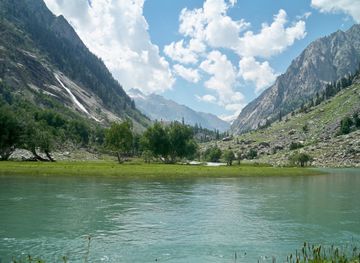
Nestled in the rugged mountains of the Hindu Kush range, Kalash Valley is a hidden gem in Pakistan that offers an enchanting blend of natural beauty and rich cultural heritage. The valley is home to the Kalash people, a unique ethnic group known for their distinct traditions, vibrant festivals, and colorful attire. Visitors are often captivated by the lush green landscapes, crystal-clear streams, and the serene ambiance that envelops the entire valley. One of the most striking features of Kalash Valley is its three main valleys: Bumburet, Rumbur, and Birir. Each valley has its own charm and offers different experiences. Bumburet is the most developed and is known for its picturesque beauty and accessibility. Rumbur is the cultural heart of the Kalash people, hosting many of their traditional festivals. Birir, the least visited, offers a more secluded and authentic experience. The Kalash people celebrate several unique festivals throughout the year, including Chilam Joshi, Uchau, and Choimus. These festivals are marked by traditional dances, music, and rituals that provide a fascinating insight into the Kalash way of life. For nature enthusiasts, the valley offers numerous hiking trails, opportunities for bird watching, and the chance to explore the diverse flora and fauna of the region.

Know before you go
Hi, I'm Eve. Here are a few practical things to know before exploring Kalash Valley.
- Respect local customs and traditions. The Kalash people have unique cultural practices that should be observed.
- Pack warm clothing, even in summer, as temperatures can drop significantly at night.
- Try local cuisine, especially the traditional bread and dairy products.
- Hire a local guide to enhance your understanding of the valley's history and culture.
- Visit during festival times for an unforgettable cultural experience.
Top City Travel Guides in Kalash Valley
The cities of Kalash Valley, and the easiest places to base yourself.

Explore Kalash Valley: Things to Do, Places to Eat, Hotels & More
Handpicked recommendations for top attractions, local dining, accommodations, and more

Top Attractions & Sightseeing in Kalash Valley
Top-rated picks
Best Attractions

Kalasha Museum
Explore the captivating Kalasha Museum, where history and culture of the Kalash people come alive amidst breathtaking landscapes.

Chitral Museum
Discover the rich cultural heritage of the Chitral Valley at the Chitral Museum, where history and tradition come to life.

Kalash Valley
Explore the breathtaking Kalash Valley, home to vibrant traditions, stunning landscapes, and the unique culture of the Kalash people.

Chitral Gol National Park
Discover the breathtaking beauty of Chitral Gol National Park, a paradise for wildlife enthusiasts and adventure seekers in Khyber Pakhtunkhwa, Pakistan.

Best landmarks in Kalash Valley
Top-rated picks
Best Landmarks

Kalasha Museum
Explore the Kalasha Museum: A Journey into the Heart of Kalasha Heritage, Culture, and Tradition in Khyber Pakhtunkhwa, Pakistan.

Chitral Museum
Explore the rich cultural heritage of the Chitral region at Chitral Museum, where history comes alive through a diverse collection of artifacts.

Chitral Fort
Discover the historical marvel of Chitral Fort, a stunning fortress offering breathtaking views and a glimpse into the rich heritage of Khyber Pakhtunkhwa.

Ahmadabad Kalash Valley
Discover the captivating beauty and rich culture of Ahmadabad Kalash Valley, where majestic mountains meet the vibrant traditions of the Kalash people.

Best restaurants in Kalash Valley
Top-rated picks
Best Restaurants

PTDC Motel Chitral
Discover tranquility and adventure at PTDC Motel Chitral - your ideal escape in Khyber Pakhtunkhwa's stunning landscapes.

Ayun Fort Inn
Discover serene stays and stunning landscapes at Ayun Fort Inn in Chitral's enchanting Kalash Valley.

Hindukush Sarai Chitral
Experience tranquility and adventure at Hindukush Sarai Chitral - your perfect retreat in Khyber Pakhtunkhwa's stunning landscapes.

Nagar Fort & Resorts
Experience serenity and breathtaking views at Nagar Fort & Resorts in Chitral - your ultimate getaway in Pakistan's northern paradise.

Best bars in Kalash Valley
Top-rated picks
Best Bars

Kalasha Museum
Explore the Kalasha Museum, a cultural gem showcasing the rich heritage and traditions of the Kalasha people in Chitral, Pakistan.
Hindukush Heights
Discover tranquility and breathtaking views at Hindukush Heights, your perfect escape in the heart of Chitrāl, Khyber Pakhtunkhwa.

Hindukush Sarai Chitral
Experience the perfect blend of comfort and adventure at Hindukush Sarai Chitral, your gateway to the breathtaking beauty of Khyber Pakhtunkhwa.

Nagar Fort & Resorts
Discover the tranquility and beauty of Nagar Fort & Resorts, a luxurious hotel amidst the stunning landscapes of Chitral, Khyber Pakhtunkhwa.

Best nightclubs in Kalash Valley
Top-rated picks
Best Nightclubs

Kaghan Valley
Kaghan Valley: A Majestic Retreat of Nature's Splendor in Khyber Pakhtunkhwa, Pakistan.

Kalasha Museum
Explore the Kalasha Museum, where the rich heritage and vibrant culture of the Kalasha people come alive through captivating exhibits and artifacts.
Bactak sakeel
Discover Islamabad's vibrant nightlife at Bactak Sakeel, a lively night club where music and dance come alive in the heart of the city.

Best shops in Kalash Valley
Top-rated picks
Best Shops

Kalasha Museum
Explore the Kalasha Museum, a cultural treasure trove showcasing the unique heritage of the Kalasha people in the beautiful Chitral Valley, Pakistan.

SARFARAZ SONS
Discover the heart of Chitral's local culture at Sarfaraz Sons, a vibrant grocery store offering fresh produce and authentic local flavors.

Shubinak Chitral
Explore Shubinak Chitral, where vibrant shopping meets the stunning beauty of Khyber Pakhtunkhwa's Chitrāl Valley.

Chitrali wooles shop
Explore the vibrant textile heritage at Chitrali Wooles Shop, home to exquisite handmade wool products showcasing the artistry of Chitrāl.

Explore Kalash Valley on the Map
A handpicked selection of must-see spots in Kalash Valley, mapped for you.
Kalash Valley Essentials
-
Kalash Valley is located in the Chitral District of Khyber Pakhtunkhwa province in Pakistan. The nearest major city is Chitral, which has its own domestic airport, Chitral Airport (CJL). From Islamabad, you can take a domestic flight to Chitral, which takes approximately 1-2 hours. Alternatively, you can travel by road from Islamabad to Chitral, a journey that can take around 8-10 hours, depending on the weather and road conditions. From Chitral, Kalash Valley is accessible via a 2-3 hour drive by local jeep or taxi.
-
Within Kalash Valley, the primary mode of transportation is by foot or local jeeps, as the terrain can be rugged and roads are narrow. Taxis and private cars can also be hired from Chitral to Kalash Valley. Public buses and vans occasionally operate between Chitral and the valleys, but they are less frequent and may not adhere to a fixed schedule. Renting a jeep with a local driver is a common option for tourists who wish to explore the area more comfortably.
-
The official currency in Pakistan is the Pakistani Rupee (PKR). It is advisable to carry cash, as credit cards are rarely accepted in the Kalash Valley. ATMs are available in Chitral, but they may not be reliable, so it's best to withdraw sufficient cash before heading to the valleys. Local shops and markets typically only accept cash payments.
-
Kalash Valley is generally a safe destination for tourists. However, it is important to take standard precautions, such as avoiding isolated areas after dark and safeguarding your belongings. While there are no specific high-crime areas targeting tourists, it is always wise to stay vigilant. Be mindful of the local customs and traditions, as the Kalash people have a distinct culture that they deeply respect.
-
In case of an emergency, dial 1122 for immediate assistance. The nearest police station is located in Chitral, and there are basic medical facilities available in the town. For more serious medical emergencies, it may be necessary to travel to a larger city such as Peshawar or Islamabad. It is highly recommended to have travel insurance that covers medical emergencies and evacuation. Pharmacies are available in Chitral for over-the-counter medications.
-
Fashion: Do dress modestly, especially when visiting villages and religious sites. Women should avoid wearing revealing clothing. Religion: Do respect the local customs and religious practices of the Kalash people. Always ask for permission before taking photos of people or religious ceremonies. Public Transport: Do be respectful and courteous to other passengers. Don't expect strict schedules, as local transport can be unpredictable. Greetings: Do greet people with a smile and a traditional greeting. A handshake is common, but always use the right hand. Eating & Drinking: Do try local delicacies and accept food offerings graciously. Don't refuse hospitality, as it is considered impolite.
-
To experience Kalash Valley like a local, visit during one of the traditional festivals such as Chilam Joshi (spring festival), Uchal (summer festival), or Choimus (winter festival). Engage with the local Kalash people, who are known for their hospitality and willingness to share their culture. Explore the local markets for traditional handicrafts and souvenirs. Don't miss the opportunity to hike the beautiful trails and enjoy the stunning natural scenery. Respect the environment and help preserve the valley's unique cultural and natural heritage.
When is the best time to visit Kalash Valley?
Useful Local Phrases for Kalash Valley
You don't need to speak the language perfectly. Even learning a few simple words can make conversations warmer—and locals usually appreciate the effort.
— Eve

Here are the phrases I use most often in Kalash Valley. Try a few—you'll be surprised how far they go! 😊
❤️
-
- Helloسَلام
[Salam] - Goodbyeخداحافظ
[Khuda Hafiz] - Yesہاں
[Haan] - Noنہیں
[Nahin] - Please/You're welcomeبراہ کرم / خوش آمدید
[Barah-e-Karam / Khush Aamdeed] - Thank youشکریہ
[Shukriya] - Excuse me/Sorryمعاف کرنا
[Maaf Karna] - How are you?آپ کیسے ہیں؟
[Aap Kaise Hain?] - Fine. And you?ٹھیک ہے۔ اور آپ؟
[Theek Hai. Aur Aap?] - Do you speak English?کیا آپ انگریزی بولتے ہیں؟
[Kya Aap Angrezi Bolte Hain?] - I don't understandمیں نہیں سمجھتا
[Main Nahin Samajhta]
- Helloسَلام
-
- I'd like to see the menu, pleaseبراہ کرم مینو دکھائیں
[Barah-e-Karam Menu Dikhain] - I don't eat meatمیں گوشت نہیں کھاتا
[Main Gosht Nahin Khata] - Cheers!چلیں!
[Chalain!] - I would like to pay, pleaseبراہ کرم میں ادائیگی کرنا چاہتا ہوں
[Barah-e-Karam Main Adaigi Karna Chahta Hoon]
- I'd like to see the menu, pleaseبراہ کرم مینو دکھائیں
-
- Help!مدد!
[Madad!] - Go away!چلے جاؤ!
[Chalay Jao!] - Call the Police!پولیس کو بلائیں!
[Police Ko Bulain!] - Call a doctor!ڈاکٹر کو بلائیں!
[Doctor Ko Bulain!] - I'm lostمیں کھو گیا ہوں
[Main Kho Gaya Hoon] - I'm illمیں بیمار ہوں
[Main Bimaar Hoon]
- Help!مدد!
-
- I'd like to buy...میں خریدنا چاہتا ہوں...
[Main Kharidna Chahta Hoon...] - I'm just lookingمیں بس دیکھ رہا ہوں
[Main Bas Deekh Raha Hoon] - How much is it?یہ کتنے کا ہے؟
[Yeh Kitne Ka Hai?] - That's too expensiveیہ بہت مہنگا ہے
[Yeh Bohat Mehnga Hai] - Can you lower the price?کیا آپ قیمت کم کر سکتے ہیں؟
[Kya Aap Qeemat Kam Kar Sakte Hain?]
- I'd like to buy...میں خریدنا چاہتا ہوں...
-
- What time is it?کیا وقت ہوا ہے؟
[Kya Waqt Hua Hai?] - It's one o'clockیہ ایک بجے ہے
[Yeh Aik Baje Hai] - Half past (10)ساڑھے دس
[Saade Das] - Morningصبح
[Subah] - Afternoonدوپہر
[Dopahar] - Eveningشام
[Shaam] - Yesterdayکل
[Kal] - Todayآج
[Aaj] - Tomorrowکل
[Kal] - 1ایک
[Aik] - 2دو
[Do] - 3تین
[Teen] - 4چار
[Chaar] - 5پانچ
[Paanch] - 6چھ
[Chay] - 7سات
[Saat] - 8آٹھ
[Aath] - 9نو
[Nau] - 10دس
[Das]
- What time is it?کیا وقت ہوا ہے؟
-
- Where's a/the...?ایک... کہاں ہے؟
[Aik... Kahan Hai?] - What's the address?پتہ کیا ہے؟
[Pata Kya Hai?] - Can you show me (on the map)?کیا آپ مجھے دکھا سکتے ہیں؟
[Kya Aap Mujhe Dikha Sakte Hain?] - When's the next (bus)?اگلی (بس) کب ہے؟
[Agli (Bus) Kab Hai?] - A ticket (to ....)ایک ٹکٹ (....) کے لیے
[Aik Ticket (....) Ke Liye]
- Where's a/the...?ایک... کہاں ہے؟
History of Kalash Valley
-
The Kalash Valley, nestled in the Hindu Kush mountain range, is believed to be one of the last remaining places sheltering the descendants of ancient Indo-European tribes. The Kalasha people, who inhabit the valley, have a rich mythology that traces their ancestry to Alexander the Great's soldiers. While this theory is debated among historians, it remains an integral part of the cultural identity of the Kalasha. Their myths and legends are preserved through oral traditions, colorful festivals, and unique rituals that have been passed down for centuries.
-
Unlike the predominantly Muslim population of Pakistan, the Kalasha people practice an ancient form of animism, which is intertwined with polytheistic beliefs. Their religious practices involve the worship of various deities, nature spirits, and ancestors. Sacred sites, such as the altars and temples dedicated to their gods, are scattered throughout the valley. One of the most significant religious festivals is the Chilimjusht, or Spring Festival, which is celebrated with music, dance, and the offering of libations to deities.
-
The Kalasha people are renowned for their vibrant cultural heritage, which is reflected in their traditional attire, music, dance, and festivals. Women wear distinctive black robes adorned with colorful embroidery and beaded headpieces, while men often don woolen caps and shawls. The Kalasha language, an Indo-Aryan language, is another vital aspect of their cultural identity. Traditional crafts, such as weaving and wood carving, are still practiced, and the architectural styles of their homes, with wooden beams and flat roofs, are uniquely adapted to the mountainous terrain.
-
Throughout history, the Kalash Valley has witnessed numerous invasions and the rise and fall of empires. The strategic location of the valley made it a crossroads for different civilizations, from the Achaemenid Empire to the Maurya and Kushan Empires. During the medieval period, the region experienced invasions by the Ghaznavids and later the Timurids. Despite these incursions, the Kalasha people managed to preserve their distinct cultural and religious identity, often retreating to more remote areas of the valley.
-
The Kalash Valley came under British influence in the late 19th century, during the era of the British Raj. The British were fascinated by the unique culture of the Kalasha and conducted several ethnographic studies to document their way of life. The establishment of the British Indian Empire brought some modernization to the valley, including infrastructure development and increased interaction with the outside world. However, the Kalasha people remained largely insulated from major changes, preserving their traditional lifestyle.
-
In recent decades, the Kalash Valley has faced various challenges, including pressures from modernization, tourism, and religious conversion. Efforts have been made to protect and preserve the unique cultural heritage of the Kalasha people. Organizations and government initiatives aim to promote sustainable tourism, support cultural festivals, and preserve the Kalasha language and traditions. The valley has also gained recognition as a potential UNESCO World Heritage site, highlighting the importance of safeguarding this cultural treasure for future generations.
Neighbouring Regions of Kalash Valley
The closest regions to Kalash Valley, if you have time for more than one.


Your all‑in‑one travel companion app
Explore expert travel guides, compare and book tours, experiences, hotels, and more—all from the palm of your hand. Download now for seamless trip planning wherever your wanderlust takes you.


Explore More of Pakistan

Looking beyond Kalash Valley? Discover Pakistan for broader travel guides, local hot-spots, and regional highlights.
Explore PakistanKalash Valley in Photos
Browse through our photo collection highlighting the charm and character of the destination.




Mystical Serenity of Kalash Valley
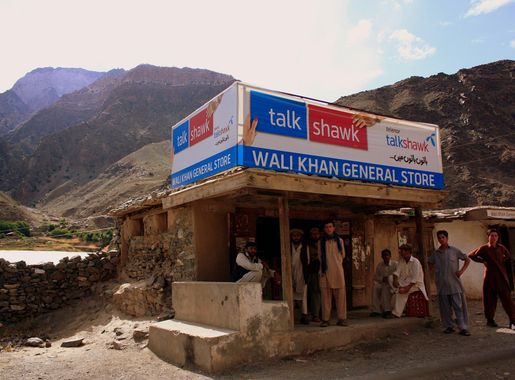
Nestled in the rugged mountains of the Hindu Kush range, Kalash Valley is a hidden gem in Pakistan that offers an enchanting blend of natural beauty and rich cultural heritage. The valley is home to the Kalash people, a unique ethnic group known for their distinct traditions, vibrant festivals, and colorful attire. Visitors are often captivated by the lush green landscapes, crystal-clear streams, and the serene ambiance that envelops the entire valley. One of the most striking features of Kalash Valley is its three main valleys: Bumburet, Rumbur, and Birir. Each valley has its own charm and offers different experiences. Bumburet is the most developed and is known for its picturesque beauty and accessibility. Rumbur is the cultural heart of the Kalash people, hosting many of their traditional festivals. Birir, the least visited, offers a more secluded and authentic experience. The Kalash people celebrate several unique festivals throughout the year, including Chilam Joshi, Uchau, and Choimus. These festivals are marked by traditional dances, music, and rituals that provide a fascinating insight into the Kalash way of life. For nature enthusiasts, the valley offers numerous hiking trails, opportunities for bird watching, and the chance to explore the diverse flora and fauna of the region.