
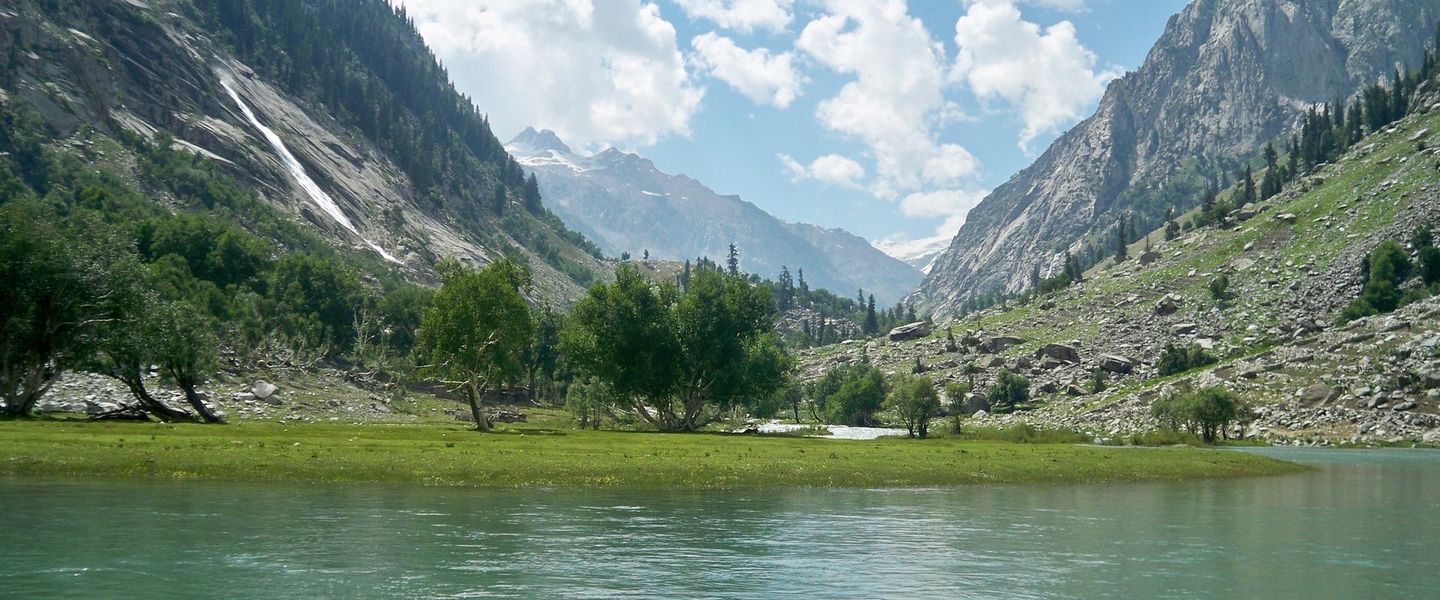
Malakand Division, Pakistan Travel Guide
Discover the breathtaking landscapes, rich cultural heritage, and historical landmarks of Malakand Division, a hidden gem in the heart of Pakistan.
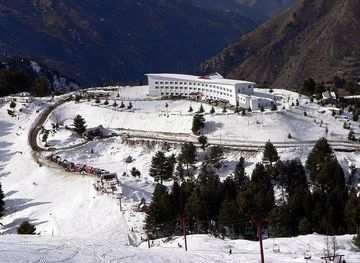
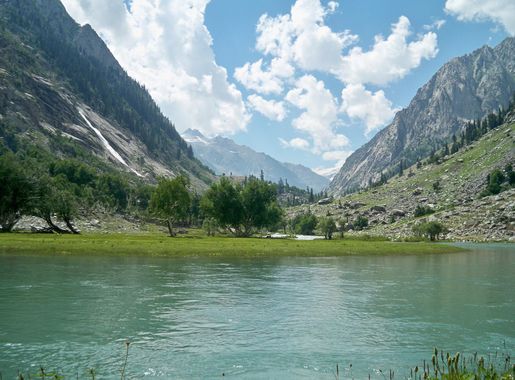
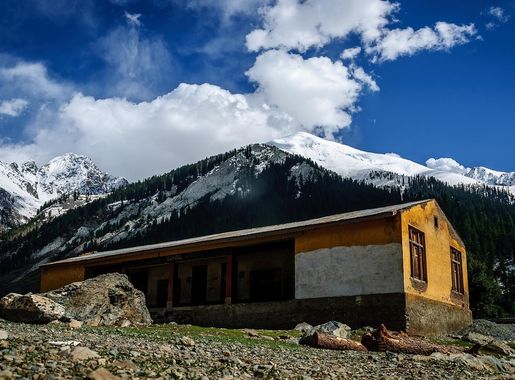
Nestled in the Khyber Pakhtunkhwa province of Pakistan, the Malakand Division is a mesmerizing region boasting an array of natural beauty, cultural richness, and historical significance. The division is a gateway to some of the most stunning valleys in Pakistan, including Swat, Dir, and Chitral, each offering unique landscapes and experiences for travelers. Whether you're an adventure enthusiast or a history buff, Malakand Division has something for everyone. The Swat Valley, often referred to as the 'Switzerland of the East,' is renowned for its lush green fields, crystal-clear rivers, and snow-capped mountains. It's a paradise for trekking, fishing, and skiing during the winter months. Meanwhile, Dir Valley offers a more serene experience with its ancient Buddhist sites and scenic hiking trails. The division is also rich in cultural heritage. Chitral is home to the Kalash people, known for their unique traditions, vibrant festivals, and distinctive attire. Visitors can immerse themselves in the local culture by attending one of the many festivals held throughout the year, such as the Chilam Joshi festival in spring. For history lovers, Malakand Division is dotted with ancient ruins and fortresses that tell the tale of its storied past. The region has been a crossroads for various civilizations, including the Gandhara civilization, which has left behind an array of archaeological treasures waiting to be explored. Overall, Malakand Division is a blend of natural wonders, cultural depth, and historical richness, making it a must-visit destination for any traveler looking to experience the true essence of Pakistan.

Know before you go
Hi, I'm Eve. Here are a few practical things to know before exploring Malakand Division.
- Visit during spring or autumn for the best weather and vibrant local festivals.
- Hire a local guide to explore the hidden gems and understand the cultural context.
- Respect local customs and dress modestly, especially in rural areas.
- Try local delicacies like chapli kebab and freshly caught trout.
- Carry cash as ATMs and card facilities may not be available in remote areas.
Top City Travel Guides in Malakand Division
The cities of Malakand Division, and the easiest places to base yourself.


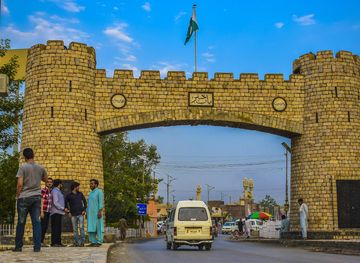

Destinations in Malakand Division
Resorts, valleys and scenic spots worth a trip of their own.


Explore Malakand Division: Things to Do, Places to Eat, Hotels & More
Handpicked recommendations for top attractions, local dining, accommodations, and more

Top Attractions & Sightseeing in Malakand Division
Top-rated picks
Best Attractions

Fiza Gat Park
Discover the tranquil beauty of Fiza Gat Park in Swat Valley, a perfect blend of nature, culture, and relaxation in Pakistan's stunning landscapes.

Shandur National Park
Explore the breathtaking landscapes and rich culture of Shandur National Park, a hidden gem in Pakistan's northern mountains, perfect for adventure and tranquility.

Chakdara Fort
Discover the historic Chakdara Fort in Lower Dir, Khyber Pakhtunkhwa, where history meets breathtaking natural beauty.

Malakand Pass
Experience the stunning beauty and rich history of Malakand Pass in Khyber Pakhtunkhwa, Pakistan, a must-visit destination for nature lovers and adventurers.

Best landmarks in Malakand Division
Top-rated picks
Best Landmarks

Shandur National Park
Discover the breathtaking beauty and cultural richness of Shandur National Park, home to the world's highest polo ground and stunning landscapes.

Malakand Pass
Discover the breathtaking beauty and cultural richness of Malakand Pass, a stunning mountain pass in Khyber Pakhtunkhwa, Pakistan.

Falak Sar
Experience the breathtaking beauty of Falak Sar, a majestic mountain peak in Kohistan, Pakistan, perfect for adventure seekers and nature lovers.
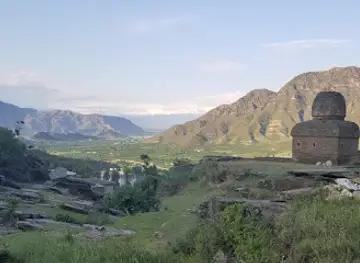
Balokalay Stupa
Discover the ancient Balokalay Stupa, a historical landmark in Swat Valley, where culture and nature converge in a breathtaking setting.

Best restaurants in Malakand Division
Top-rated picks
Best Restaurants

Khorak Mahal
Discover authentic Pakistani flavors at Khorak Mahal in Chakdara - where delicious cuisine meets warm hospitality.
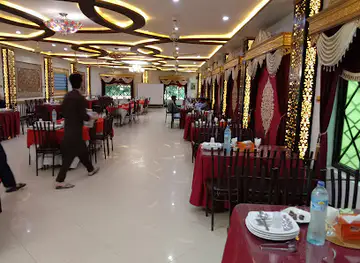
Hujra Restaurant & BBQ
Experience authentic Khyber Pakhtunkhwa cuisine at Hujra Restaurant & BBQ in Chakdara – where flavor meets tradition.

Meeral Restaurant
Experience authentic Pakistani cuisine at Meeral Restaurant in Chakdara – where every meal tells a story.
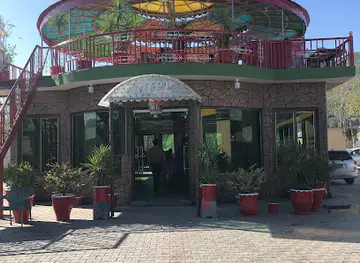
River Swat Restaurant
Discover exquisite local flavors and stunning river views at River Swat Restaurant in Malakand - an unforgettable dining experience awaits.

Best bars in Malakand Division
Top-rated picks
Best Bars

Khorak Mahal
Discover the rich flavors of Pakistan at Khorak Mahal, Chakdara's top dining destination for authentic cuisine and warm hospitality.

Meeral Restaurant
Discover the authentic flavors of Khyber Pakhtunkhwa at Meeral Restaurant in Chakdara, a culinary gem for every food lover.

Hameed Cold Drinks
Discover the refreshing delights of Hameed Cold Drinks, where every sip offers a taste of local culture in Batkhela, Khyber Pakhtunkhwa.

Marina Hotel
Discover the flavors of Khyber Pakhtunkhwa at Marina Hotel, where comfort meets culinary excellence in a warm and inviting setting.

Best nightclubs in Malakand Division
Top-rated picks
Best Nightclubs

Meeral Restaurant
Discover the authentic taste of Pakistan at Meeral Restaurant in Chakdara, where every meal is a celebration of local flavors and hospitality.

Malakand Press Club
Discover the vibrant heart of Batkhela's community at Malakand Press Club, where local narratives and culture come alive.

Bahrain Kedam Swat Pak.
Discover the lively nightlife of Bahrain Kedam, where music and culture create an unforgettable experience in the heart of Swat, Pakistan.

محمداسلام ٹینٹ سروس بٹ سیری
Discover the vibrant nightlife at Muhammad Islam Tent Service, a premier nightclub in Mardan, Khyber Pakhtunkhwa, perfect for tourists seeking local culture.

Best shops in Malakand Division
Top-rated picks
Best Shops

Shandur National Park
Explore the breathtaking Shandur National Park, a hidden gem in Pakistan offering stunning landscapes, cultural experiences, and vibrant wildlife.

Islampur Handicrafts
Discover unique local handicrafts at Islampur Handicrafts, a vibrant shopping destination in Thana, Khyber Pakhtunkhwa, perfect for cultural souvenirs.

Doulat Garments
Explore Doulat Garments in Booni for unique clothing that reflects the rich culture of Upper Chitral, Khyber Pakhtunkhwa.

Jeet General Store Chapali
Experience local culture and charm at Jeet General Store Chapali, your go-to stop for essentials and unique treasures in Chitral.

Explore Malakand Division on the Map
A handpicked selection of must-see spots in Malakand Division, mapped for you.
Malakand Division Essentials
-
Malakand Division is located in the Khyber Pakhtunkhwa province of Pakistan. The nearest major airport is Bacha Khan International Airport in Peshawar, approximately 150 kilometers away. From Peshawar, you can take a bus, taxi, or rent a car to reach Malakand Division. The journey typically takes around 3 to 4 hours by road. Additionally, there are local buses and vans that run between major cities and towns within the division.
-
Within Malakand Division, you can find a variety of transportation options. Local buses and vans are the most common and affordable means of travel for getting between towns and villages. Taxis and rickshaws are readily available for shorter distances. Renting a car can offer more flexibility and convenience, especially for exploring remote areas. Ensure to check the condition of the roads, as they can vary significantly.
-
The official currency in Pakistan is the Pakistani Rupee (PKR). Credit cards are accepted in some hotels, restaurants, and shops in larger towns, but it is advisable to carry cash, especially when visiting rural areas. ATMs are available in major towns like Mingora and Saidu Sharif, but it is wise to withdraw sufficient cash before heading to more remote locations.
-
Malakand Division is generally safe for tourists, but it is essential to stay informed about the current security situation. Avoid traveling to isolated areas after dark and be cautious in crowded places to protect your belongings. Mingora and Swat are popular tourist destinations and are generally safe, but always be vigilant. Areas near the Afghan border may have higher security risks, so it is advisable to avoid these regions.
-
In case of emergency, dial 1122 for immediate assistance. Hospitals and clinics are available in major towns like Mingora and Saidu Sharif. It is highly recommended to have travel insurance that covers medical emergencies. For minor health issues, there are pharmacies in the towns where you can purchase over-the-counter medications.
-
Fashion: Do dress modestly, especially when visiting religious sites. Avoid wearing revealing clothing. Religion: Do respect local customs and traditions. Always remove your shoes when entering mosques and cover your head when required. Public Transport: Do be respectful and give up your seat to elderly passengers. Don't eat or drink on public transport. Greetings: Do greet people with 'Salaam' and a handshake. A slight bow of the head is also a sign of respect. Eating & Drinking: Do try local delicacies and accept food offerings graciously. Don’t refuse hospitality, as it is considered impolite.
-
To experience Malakand Division like a local, visit the traditional bazaars where you can buy local crafts, textiles, and produce. Engage with the locals, who are known for their hospitality and willingness to share stories about their culture and history. Don't miss visiting historical sites like the Buddhist ruins in Swat Valley and the Malakand Pass. For a unique experience, take a hike in the scenic mountains and enjoy the natural beauty of the region.
When is the best time to visit Malakand Division?
Useful Local Phrases for Malakand Division
You don't need to speak the language perfectly. Even learning a few simple words can make conversations warmer—and locals usually appreciate the effort.
— Eve

Here are the phrases I use most often in Malakand Division. Try a few—you'll be surprised how far they go! 😊
❤️
-
- Helloاسلام علیکم
[As-salamu alaykum] - Goodbyeالوداع
[Alwida] - Yesجی ہاں
[Ji haan] - Noنہیں
[Nahin] - Please/You’re welcomeبراہ کرم / خوش آمدید
[Barah-e-karam / Khush amadid] - Thank youشکریہ
[Shukriya] - Excuse me/Sorryمعاف کیجیے
[Maaf kijiye] - How are you?آپ کیسے ہیں؟
[Aap kaise hain?] - Fine. And you?ٹھیک ہوں۔ اور آپ؟
[Theek hoon. Aur aap?] - Do you speak English?کیا آپ انگریزی بولتے ہیں؟
[Kya aap angrezi bolte hain?] - I don't understandمجھے سمجھ نہیں آتا
[Mujhe samajh nahin aata]
- Helloاسلام علیکم
-
- I’d like to see the menu, pleaseبراہ کرم مینو دکھائیں
[Barah-e-karam menu dikhain] - I don't eat meatمیں گوشت نہیں کھاتا
[Main gosht nahin khata] - Cheers!چئیرز!
[Cheers!] - I would like to pay, pleaseبراہ کرم میں ادائیگی کرنا چاہتا ہوں
[Barah-e-karam main adaigi karna chahta hoon]
- I’d like to see the menu, pleaseبراہ کرم مینو دکھائیں
-
- Help!مدد!
[Madad!] - Go away!چلے جاؤ!
[Chalay jao!] - Call the Police!پولیس کو بلائیں!
[Police ko bulain!] - Call a doctor!ڈاکٹر کو بلائیں!
[Doctor ko bulain!] - I’m lostمیں گم ہو گیا ہوں
[Main gum ho gaya hoon] - I’m illمیں بیمار ہوں
[Main bimaar hoon]
- Help!مدد!
-
- I’d like to buy...میں خریدنا چاہتا ہوں...
[Main kharidna chahta hoon...] - I’m just lookingمیں صرف دیکھ رہا ہوں
[Main sirf dekh raha hoon] - How much is it?یہ کتنے کا ہے؟
[Yeh kitne ka hai?] - That’s too expensiveیہ بہت مہنگا ہے
[Yeh bohat mehnga hai] - Can you lower the price?کیا آپ قیمت کم کر سکتے ہیں؟
[Kya aap qeemat kam kar sakte hain?]
- I’d like to buy...میں خریدنا چاہتا ہوں...
-
- What time is it?کیا وقت ہوا ہے؟
[Kya waqt hua hai?] - It’s one o’clockایک بجے ہیں
[Aik baje hain] - Half past (10)ساڑھے (10)
[Saadhe (10)] - Morningصبح
[Subah] - Afternoonدوپہر
[Dupahar] - Eveningشام
[Shaam] - Yesterdayکل
[Kal] - Todayآج
[Aaj] - Tomorrowکل
[Kal] - 1ایک
[Aik] - 2دو
[Do] - 3تین
[Teen] - 4چار
[Chaar] - 5پانچ
[Paanch] - 6چھ
[Chhay] - 7سات
[Saat] - 8آٹھ
[Aath] - 9نو
[Nau] - 10دس
[Das]
- What time is it?کیا وقت ہوا ہے؟
-
- Where's a/the...?کیا کہیں... ہے؟
[Kya kahin... hai?] - What's the address?پتہ کیا ہے؟
[Pata kya hai?] - Can you show me (on the map)?کیا آپ مجھے (نقشے پر) دکھا سکتے ہیں؟
[Kya aap mujhe (Naqshey par) dikhay sakte hain?] - When's the next (bus)?اگلی (بس) کب ہے؟
[Agli (bus) kab hai?] - A ticket (to ....)ایک ٹکٹ (.... کے لیے)
[Aik ticket (.... ke liye)]
- Where's a/the...?کیا کہیں... ہے؟
History of Malakand Division
-
The Battle of Malakand was a significant conflict between the British Empire and local Pashtun tribes. It took place in July 1897 and was part of a larger series of uprisings on the North-West Frontier of British India. The British forces, under the command of Sir Bindon Blood, faced fierce resistance but eventually managed to secure the Malakand Pass. This battle is also notable for the participation of a young Winston Churchill, who was serving as a war correspondent at the time.
-
Malakand Division is rich in Buddhist heritage, with numerous remnants from the Gandhara civilization. The region was a significant center of Buddhist culture and learning between the 1st and 7th centuries CE. Sites such as the Butkara Stupa in Swat Valley and the ruins at Takht-i-Bahi are testament to this rich historical period. These archaeological sites provide a glimpse into the ancient Buddhist practices and architectural advancements of the era.
-
Often referred to as 'The Switzerland of the East,' Swat Valley is renowned for its stunning natural beauty, lush green landscapes, and snow-capped peaks. Historically, Swat has been a melting pot of various cultures, including Buddhist, Hindu, and Islamic influences. The valley was also home to the ancient Uddiyana Kingdom and later became a princely state under the British Raj. The cultural diversity and natural splendor of Swat continue to attract tourists from around the world.
-
The Yousafzai State of Swat was established in 1917 under the leadership of Miangul Abdul Wadud. The state enjoyed a period of relative autonomy and progress, with significant developments in education, healthcare, and infrastructure. The last Wali (ruler) of Swat, Miangul Jahanzeb, continued these reforms until the state's merger with Pakistan in 1969. The legacy of this period is still evident in the region's well-preserved historical sites and institutions.
-
Operation Rah-e-Rast was a military campaign launched by the Pakistan Army in 2009 to combat the Taliban insurgency in Swat Valley and surrounding areas. The operation aimed to restore peace and stability to the region, which had been under the control of militant groups. The successful campaign led to the liberation of Swat and the return of displaced residents. This period marked a significant turning point in the modern history of Malakand Division, paving the way for reconstruction and development efforts.
Neighbouring Regions of Malakand Division
The closest regions to Malakand Division, if you have time for more than one.



Your all‑in‑one travel companion app
Explore expert travel guides, compare and book tours, experiences, hotels, and more—all from the palm of your hand. Download now for seamless trip planning wherever your wanderlust takes you.


Explore More of Pakistan

Looking beyond Malakand Division? Discover Pakistan for broader travel guides, local hot-spots, and regional highlights.
Explore PakistanMalakand Division in Photos
Browse through our photo collection highlighting the charm and character of the destination.




The Enchanting Valleys of Malakand Division
Nestled in the Khyber Pakhtunkhwa province of Pakistan, the Malakand Division is a mesmerizing region boasting an array of natural beauty, cultural richness, and historical significance. The division is a gateway to some of the most stunning valleys in Pakistan, including Swat, Dir, and Chitral, each offering unique landscapes and experiences for travelers. Whether you're an adventure enthusiast or a history buff, Malakand Division has something for everyone. The Swat Valley, often referred to as the 'Switzerland of the East,' is renowned for its lush green fields, crystal-clear rivers, and snow-capped mountains. It's a paradise for trekking, fishing, and skiing during the winter months. Meanwhile, Dir Valley offers a more serene experience with its ancient Buddhist sites and scenic hiking trails. The division is also rich in cultural heritage. Chitral is home to the Kalash people, known for their unique traditions, vibrant festivals, and distinctive attire. Visitors can immerse themselves in the local culture by attending one of the many festivals held throughout the year, such as the Chilam Joshi festival in spring. For history lovers, Malakand Division is dotted with ancient ruins and fortresses that tell the tale of its storied past. The region has been a crossroads for various civilizations, including the Gandhara civilization, which has left behind an array of archaeological treasures waiting to be explored. Overall, Malakand Division is a blend of natural wonders, cultural depth, and historical richness, making it a must-visit destination for any traveler looking to experience the true essence of Pakistan.