

Free Hazara Travel Guide & Mobile App
Explore Hazara with free travel guides. Discover regional history, expert tips, proposed trips, and audio guides on web or mobile app.


Explore Hazara in Pakistan for pine forests, high valleys, historic towns, mountain lakes, local food and scenic routes through Khyber Pakhtunkhwa.
Read more about Hazara
When is the best time to visit Hazara?
Best: April–May, October · 23–28°C| Month | High (°C) | Rainfall (mm) |
|---|---|---|
| January | 12 | 30 |
| February | 14 | 35 |
| March | 19 | 40 |
| April (best) | 23 | 45 |
| May (best) | 28 | 50 |
| June | 31 | 55 |
| July | 33 | 60 |
| August | 32 | 55 |
| September | 29 | 50 |
| October (best) | 23 | 45 |
| November | 16 | 40 |
| December | 12 | 35 |
Getting to and around Hazara
How to get there
Transportation
Top city travel guides in Hazara
The cities of Hazara, and the easiest places to base yourself.
-

-

-

-

-

-


Swipe for more cities
Destinations in Hazara
Resorts, valleys and scenic spots worth a trip of their own.
-

-

-

-

-

-


Swipe for more destinations
Best attractions in Hazara
Hazara's attractions range from accessible hill towns to demanding mountain journeys. Abbottabad and the Galyat provide forest walks, cool-weather retreats and access to Ayubia National Park, where coniferous woodland and steep ridges define the landscape. In southern Hazara, Haripur and the Indus corridor offer a lower-altitude contrast, with Tarbela Dam and its reservoir illustrating the scale of Pakistan's modern water infrastructure. Mansehra is important for early historic remains, while Balakot forms the gateway to the Kaghan Valley. Northwards, the Kunhar River, Naran, Saif-ul-Muluk Lake and the high road towards Babusar Pass create opportunities for sightseeing, photography, hiking and seasonal adventure. Battagram and Kohistan are more rugged and less developed for conventional tourism, rewarding travellers who have reliable local arrangements and realistic expectations. Rafting and other river activities should be undertaken only with qualified local operators and suitable conditions. The region's attraction landscape is defined less by a concentration of formal museums or amusement parks than by changing altitude, river valleys, forests, historic routes and communities living within dramatic mountain terrain.
-
Tourist attraction
Rawat Fort
Visit Rawat Fort, an iconic historical landmark in Islamabad, to explore Pakistan’s rich heritage and enjoy breathtaking views.
-
Tourist attraction
Thandiani Top
Discover the breathtaking beauty of Thandiani Top, a captivating mountain retreat in Khyber Pakhtunkhwa, perfect for nature lovers and adventure seekers alike.
-
Tourist attraction
Umbrella Waterfall
Experience the breathtaking beauty of Umbrella Waterfall in Abbottabad, a serene escape in Khyber Pakhtunkhwa perfect for nature lovers and adventure seekers.
-
Tourist attraction
Shimla Pahari Park
Discover the tranquility and beauty of Shimla Pahari Park, a serene escape in Abbottabad, perfect for nature lovers and families alike.


Best landmarks in Hazara
The Mansehra Rock Edicts are Hazara's most important ancient landmark, with Ashokan inscriptions cut into natural stone and providing direct evidence of Mauryan-era political and religious influence. Abbottabad's cantonment streets and institutional buildings reflect the town's nineteenth-century British foundation, although the area remains a working urban district rather than an open-air museum. Tarbela Dam and its enormous reservoir form a powerful modern landmark in southern Hazara, demonstrating how the Indus has been reshaped for electricity and irrigation. In the north, the Kunhar River is a defining natural feature of the Kaghan Valley, running through a succession of settlements and steep mountain scenery. Saif-ul-Muluk Lake, surrounded by high peaks and reached from the Naran area, is one of the region's most recognisable natural sites. The forested ridges of Ayubia National Park and the Galyat provide a contrasting landmark landscape of conifers, mist and winding hill roads, while Babusar Pass, when accessible, marks the dramatic transition from the Kaghan Valley towards the high country beyond Hazara.
-
Historical landmark
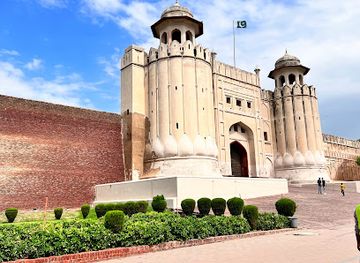
Lahore Fort
Discover the splendid Lahore Fort, a UNESCO World Heritage site, where Mughal architecture and rich history come alive amidst breathtaking beauty.
-
Monument
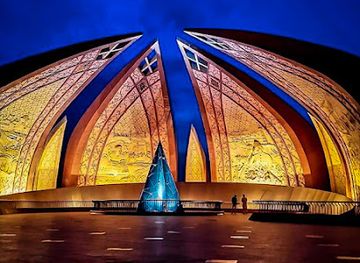
Pakistan Monument
Discover the beauty and history of Pakistan at the iconic Pakistan Monument, a must-visit landmark in Islamabad.
-
Historical landmark
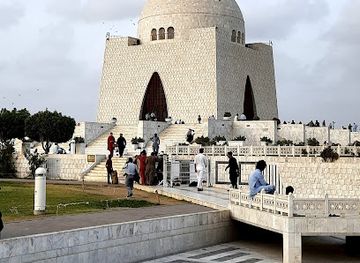
Mazar-e-Quaid-e-Azam
Discover Mazar-e-Quaid-e-Azam, a historical landmark in Karachi showcasing stunning Islamic architecture and a serene park setting.
-
Tourist attraction
Khewra Salt Mines
Explore the breathtaking Khewra Salt Mines in Punjab, Pakistan, where nature's artistry and rich history come together in a stunning underground adventure.
Explore Hazara on the map
Plan your trip on one map. See where the top cities, national parks and sights are, and book hotels and experiences in a few clicks.
Best hotels in Hazara
Best restaurants in Hazara
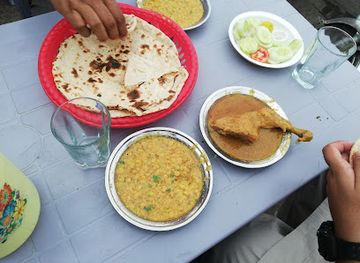
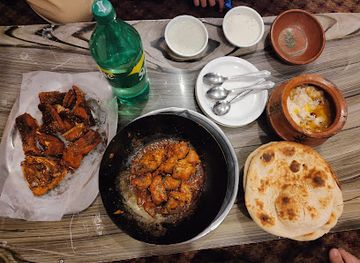
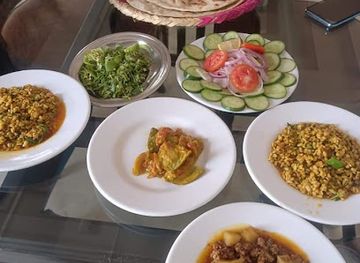
Dining in Hazara is centred on practical local restaurants, roadside cafés, family establishments, hotel dining rooms and markets rather than a formal fine-dining circuit. Abbottabad and Haripur offer the broadest choice of Pakistani and regional food, including biryani, karahi, kebabs, lentils, naan and tea. In Mansehra and the Kaghan Valley, trout is widely associated with mountain meals, while rice, meat dishes, seasonal vegetables, dairy products and flatbreads form much of the everyday menu. Chapli kebab is strongly associated with the wider Khyber Pakhtunkhwa culinary tradition, though recipes and availability vary from place to place. Naran and other tourist centres also sell simple breakfasts, grilled foods and hot drinks for visitors on the road. Walnuts, honey, dried fruit and local herbs make useful purchases from mountain markets. Standards and menus can vary in remote areas, so choose busy establishments, carry drinking water in rural districts and allow time for meals prepared to order.
-
Pakistani
Hazara Hotel Faisalabad
Experience authentic Pakistani cuisine in Faisalabad at Hazara Hotel - where every meal tells a story.
-
Restaurant
Arif Sardaryab Restaurant Hazara
Discover authentic Hazara cuisine at Arif Sardaryab Restaurant in Swat - where every dish tells a story.
-
Restaurant
Lahore Hazara Hotel
Experience the essence of Pakistani cuisine at Lahore Hazara Hotel – where every dish tells a story.
-
Restaurant
Taj Mansehra Hazara Hotel
Experience authentic Pakistani flavors at Taj Mansehra Hazara Hotel in Khairpur - where delicious meets affordable.
Best bars in Hazara
Hazara does not have a conventional bar or nightclub scene, and alcohol is restricted in Pakistan, with additional cultural and legal sensitivities around its use. Evening life is instead organised around tea houses, cafés, hotel restaurants, family dining rooms and informal gatherings. Abbottabad has the region's broadest urban choice, with students, residents and visitors using cafés and restaurants into the evening, while Haripur and Mansehra offer a more local town-centre atmosphere. In the Galyat and Kaghan Valley, evenings are generally quiet and shaped by hotel dining, fireside conversation, tea and early starts for mountain excursions. Some guesthouses or tourist hotels may provide live entertainment or seasonal activities, but these arrangements change and should be confirmed directly. Visitors should avoid assuming that remote resorts operate late and should respect family-oriented spaces and local religious conventions.
-
Hotel
Lalazar Family Resort
Experience the breathtaking beauty of Kaghan Valley at Lalazar Family Resort, where adventure meets relaxation in a stunning mountain setting.
-
Restaurant
Safari 99
Discover the vibrant flavors of Pakistani cuisine at Safari 99, a top-rated restaurant in Haripur offering a rich culinary experience.
-
Grill
Haji Taka Tak
Discover the essence of traditional Pakistani cuisine at Haji Taka Tak, where grilled delights and vibrant atmosphere await your taste buds.
-
Bar
Ch Sajjad Afzal warraich
Experience the vibrant nightlife at Ch Sajjad Afzal Warraich, a charming bar in Gujrat, Punjab, blending local culture with contemporary vibes.
Best nightclubs in Hazara
Hazara does not have a conventional bar or nightclub scene, and alcohol is restricted in Pakistan, with additional cultural and legal sensitivities around its use. Evening life is instead organised around tea houses, cafés, hotel restaurants, family dining rooms and informal gatherings. Abbottabad has the region's broadest urban choice, with students, residents and visitors using cafés and restaurants into the evening, while Haripur and Mansehra offer a more local town-centre atmosphere. In the Galyat and Kaghan Valley, evenings are generally quiet and shaped by hotel dining, fireside conversation, tea and early starts for mountain excursions. Some guesthouses or tourist hotels may provide live entertainment or seasonal activities, but these arrangements change and should be confirmed directly. Visitors should avoid assuming that remote resorts operate late and should respect family-oriented spaces and local religious conventions.
-
 Hotel
HotelPearl Continental Muzaffarabad
Experience unparalleled luxury and breathtaking views at Pearl Continental Muzaffarabad, your gateway to the stunning landscapes of Azad Jammu and Kashmir.
-
Night club
Hill Club
Discover the energetic nightlife at Hill Club, Haripur's premier destination for dancing, drinks, and unforgettable evenings.
-
Night club
Star Snooker Club
Experience the lively nightlife of Quetta at Star Snooker Club, where snooker games and good company await you.
-
Night club
Bethak بیٹھک
Discover the electrifying nightlife at Bethak بیٹھک, Rawalpindi's premier night club for music, dance, and unforgettable experiences.

Best shops in Hazara
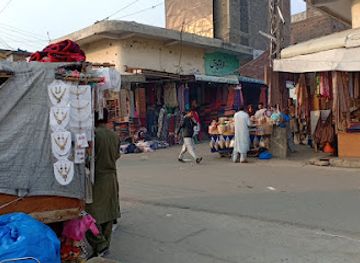
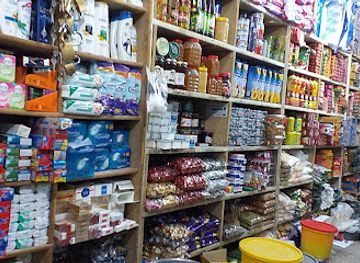
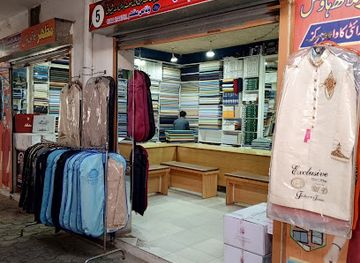
Shopping in Hazara is primarily local and practical, with the largest choice in Abbottabad, Haripur and Mansehra. Town markets sell clothing, footwear, household goods, spices, dried foods and locally used medicines, while smaller mountain bazaars cater to residents and seasonal visitors. The Galyat and Kaghan Valley are useful places to look for woollen caps, shawls, blankets, carved wooden items and simple mountain souvenirs, though quality and provenance vary. Walnuts, honey, dried apricots, other dried fruit and regional herbs are among the area's most characteristic food purchases. Haripur and the lower Indus districts have a stronger connection with agricultural and household trading, whereas high-valley markets are more seasonal and dependent on road access. Bargaining may be customary in some independent shops and markets but is not appropriate everywhere. Check packaging, weight and transport restrictions for food products, and prefer locally made goods over generic items labelled as regional without clear provenance.
-
Store
Chena Market Ali Clothes House
Discover unique clothing and local textiles at Chena Market Ali Clothes House, a vibrant shopping destination celebrating regional craftsmanship.
-
Clothing store
Shaukat Stop Kirani
Discover the vibrant fashion of Quetta at Shaukat Stop Kirani, where tradition meets modern style in unique clothing and accessories.
-
Clothing store
Mazhar Cloth House
Discover the essence of Punjab's fashion at Mazhar Cloth House, a top destination for men's clothing in Karianwala, offering quality and style.
-
Shopping mall
Ghulam Haider Market Awan Sharif
Discover the vibrant culture and shopping experience at Ghulam Haider Market in Awan Sharif, where tradition meets modern retail.
Get your free copy of our complete guide to Hazara, delivered straight to you.
Everything on this page, from attractions and restaurants to essentials and local phrases, in one PDF you can read offline, print or share.
Already have an account? Sign in
Your Hazara guide is ready.
We'll send it to · Not you? Sign out

Getting your guide ready…
We are putting together a fresh copy of the Hazara guide. This can take up to a minute.
This can take a few moments. If your browser asks, choose Allow so the download can start. You'll find the guide in your Downloads folder.
Nothing happened? Download it again
Sorry, the guide is taking longer than usual. Please try again in a minute, or get it by email instead.
Hazara essentials
Currency and Payment
Safety
Emergency Situations
Do's and Don'ts
Local Tips
From Eve
Local phrases worth knowing
You don't need to get them perfect. A few words go a long way, and locals appreciate the effort.
Basics
| English | Local | Say it |
|---|---|---|
| Hello | سلام | [Salam] |
| Goodbye | خداحافظ | [Khuda Hafiz] |
| Yes | بله | [Bale] |
| No | نه | [Na] |
| Please/You're welcome | لطفاً / خوش آمدید | [Lotfan / Khush Amadeed] |
| Thank you | تشکر | [Tashakur] |
| Excuse me/Sorry | ببخشید | [Bebakhshid] |
| How are you? | چطور هستید؟ | [Chetor hastid?] |
| Fine. And you? | خوبم. شما چطورید؟ | [Khobam. Shoma chetorid?] |
| Do you speak English? | آیا انگلیسی صحبت میکنید؟ | [Aya Engilisi sohbat mikonid?] |
| I don't understand | من نمیفهمم | [Man nemifahmam] |
Eating & Drinking
| English | Local | Say it |
|---|---|---|
| I'd like to see the menu, please | لطفاً منوی غذا را ببینم | [Lotfan menu-ye ghaza ra bebinam] |
| I don't eat meat | من گوشت نمیخورم | [Man gusht nemikhoram] |
| Cheers! | به سلامتی! | [Be salamat!] |
| I would like to pay, please | لطفاً میخواهم پرداخت کنم | [Lotfan mikhahm pardakht konam] |
Emergencies
| English | Local | Say it |
|---|---|---|
| Help! | کمک! | [Komak!] |
| Go away! | برو بیرون! | [Boro birun!] |
| Call the Police! | پلیس را صدا کنید! | [Polis ra seda konid!] |
| Call a doctor! | دکتر را صدا کنید! | [Doktor ra seda konid!] |
| I'm lost | من گم شدهام | [Man gom shode-am] |
| I'm ill | من بیمار هستم | [Man bimaar hastam] |
Shopping
| English | Local | Say it |
|---|---|---|
| I'd like to buy... | میخواهم بخرم... | [Mikham bekharam...] |
| I'm just looking | من فقط دارم نگاه میکنم | [Man faqat daram negah mikonam] |
| How much is it? | قیمتش چقدر است؟ | [Gheymatash chقدر ast?] |
| That's too expensive | این خیلی گران است | [In kheili geran ast] |
| Can you lower the price? | آیا میتوانید قیمت را کم کنید؟ | [Aya mitavanid gheymat ra kam konid?] |
Time & Numbers
| English | Local | Say it |
|---|---|---|
| What time is it? | ساعت چنده؟ | [Saat chande?] |
| It's one o'clock | ساعت یک است | [Saat yek ast] |
| Half past (10) | نیم ساعت (۱۰) | [Nim saat (10)] |
| Morning | صبح | [Sobh] |
| Afternoon | عصر | [Asr] |
| Evening | شب | [Shab] |
| Yesterday | دیروز | [Dirooz] |
| Today | امروز | [Emruz] |
| Tomorrow | فردا | [Farda] |
| 1 | یک | [Yek] |
| 2 | دو | [Do] |
| 3 | سه | [Se] |
| 4 | چهار | [Chahar] |
| 5 | پنج | [Panj] |
| 6 | شش | [Shesh] |
| 7 | هفت | [Haft] |
| 8 | هشت | [Hasht] |
| 9 | نه | [Na] |
| 10 | ده | [Dah] |
Transport & Directions
| English | Local | Say it |
|---|---|---|
| Where's a/the...? | کجا یک ... است؟ | [Koja yek ... ast?] |
| What's the address? | آدرس چیست؟ | [Adres chist?] |
| Can you show me (on the map)? | آیا میتوانید به من نشان بدهید (روی نقشه)؟ | [Aya mitavanid be man neshan bedahid (ruye naqsha)?] |
| When's the next (bus)? | باری بعدی کی میآید؟ | [Bari ba'di ki miayad?] |
| A ticket (to ....) | یک بلیط (به ....) | [Yek belit (be ....)] |
History of Hazara
Early Buddhist and Mauryan Legacy
Hazara lay between the plains of the Indus basin and the mountain corridors leading towards Kashmir and Central Asia. The Mansehra area preserves three groups of Ashokan rock edicts, generally dated to the third century BCE, carved in the ancient Kharosthi script. They are among the region's most important surviving records of Mauryan-era Buddhist patronage. Later Buddhist influence formed part of the wider cultural world of Gandhara, although Hazara's archaeological heritage is less concentrated in monumental remains than some neighbouring districts. Routes through the valleys continued to connect communities, armies and traders across the Himalayan foothills.
Medieval Mountain Corridors
After the decline of Mauryan authority, Hazara was influenced by successive regional powers connected with Kashmir, the Punjab and the upper Indus. Control in the mountain valleys was often more local and negotiated than it was in the plains, with settlements, clans and small estates controlling access through difficult terrain. Islam spread gradually through travelling scholars, rulers, traders and local conversion, and shrines and village religious institutions became important features of community life. The region's position between major political centres gave it strategic importance even when direct administration remained difficult.
Durrani, Sikh and Local Rule
In the eighteenth and early nineteenth centuries, Hazara was contested by the Durrani sphere, Sikh expansion from the Punjab and local chiefs. Sikh authority was extended into the area during the reign of Ranjit Singh, though control over the upland districts was uneven. Repeated military expeditions reflected the importance of routes towards Kashmir and the Indus. Fortified sites, old roads and settlement patterns in lower Hazara retain traces of this period, while the political memory of local resistance remains part of regional historical awareness.
British Administration and Abbottabad
The British annexation of the Punjab in 1849 brought Hazara into a new administrative order. Abbottabad, founded as a British cantonment and named after Major James Abbott, became the principal centre of administration. Roads, cantonment buildings and later communications infrastructure linked the district more closely with the Punjab and the North-West Frontier. British officials regarded the cooler uplands as strategically useful and as a summer refuge, helping establish the hill-station character of Abbottabad and the Galyat. Administration also altered landholding, taxation and relations between local communities and the state.
Partition and Pakistan
The end of British rule in 1947 transformed Hazara's political and social environment as the region became part of Pakistan's North-West Frontier Province, now Khyber Pakhtunkhwa. Population movements, the reorganisation of administrative institutions and the incorporation of frontier transport routes shaped the early decades of the new state. Abbottabad continued as a major military and educational centre, while Haripur, Mansehra and other district towns expanded as roads, schools and public services developed. The region's position between the national heartland and the northern mountains remained central to its strategic importance.
Dams, Highways and Mountain Development
The construction of Tarbela Dam on the Indus, completed in the 1970s, transformed parts of southern Hazara through large-scale engineering, electricity generation, irrigation and the creation of a major reservoir. Later roads, including the Karakoram Highway through the upper Indus corridor, improved connections between Hazara, Gilgit-Baltistan and the rest of Pakistan. These projects brought economic opportunity and easier movement but also affected settlements, land and river landscapes. Tourism in Abbottabad, the Galyat and the Kaghan Valley grew alongside this expanding road network.
The 2005 Kashmir Earthquake
The earthquake of 8 October 2005 caused severe destruction across northern Pakistan, including large parts of Hazara. Balakot and surrounding areas in particular suffered extensive loss of life and buildings, while roads, schools, bridges and homes were damaged throughout affected districts. Reconstruction changed the appearance of many settlements and led to major investment in earthquake-resistant construction and infrastructure. The event remains a defining part of modern regional history and a reminder that mountain travel routes can be vulnerable to seismic activity, landslides and severe weather.
Hazara in Photos
Browse through our photo collection highlighting the charm and character of the destination.
Neighbouring regions of Hazara
The closest regions to Hazara, if you have time for more than one.
-

-

-

-

-


Swipe for more regions
Explore more

Explore more of Pakistan
Discover Pakistan: A land of majestic mountains, rich history, and delicious cuisine, where every journey is an adventure and every moment is filled with wonder.
Explore Pakistan