

Free Hindko Region Travel Guide & Mobile App
Explore Hindko Region with free travel guides. Discover regional history, expert tips, proposed trips, and audio guides on web or mobile app.


Explore Pakistan's Hindko Region for pine-clad hills, historic Hazara towns, river valleys, mountain roads and distinctive northern food traditions.
Read more about Hindko Region
When is the best time to visit Hindko Region?
Best: March–April, October · 21–27°C| Month | High (°C) | Rainfall (mm) |
|---|---|---|
| January | 15 | 40 |
| February | 16 | 45 |
| March (best) | 21 | 50 |
| April (best) | 26 | 55 |
| May | 32 | 60 |
| June | 36 | 65 |
| July | 37 | 70 |
| August | 36 | 75 |
| September | 33 | 65 |
| October (best) | 27 | 60 |
| November | 19 | 55 |
| December | 14 | 50 |
Getting to and around Hindko Region
How to get there
Transportation
Top city travel guides in Hindko Region
The cities of Hindko Region, and the easiest places to base yourself.
-

-

-

-

-

-


Swipe for more cities
Destinations in Hindko Region
Resorts, valleys and scenic spots worth a trip of their own.
-

-

-

-

-

-


Swipe for more destinations
Best attractions in Hindko Region
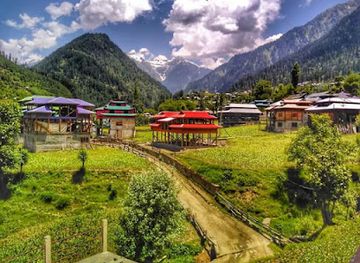
Hindko Region's attractions range from historic evidence in the lower valleys to high mountain scenery. The Ashokan rock edicts at Mansehra provide an important archaeological encounter, while Abbottabad offers access to older cantonment landscapes, museums and the pine-covered Galiyat. Nathia Gali, Ayubia and Thandiani are associated with forest walks, cool summers and hill viewpoints, although trails and facilities vary by season. In the east and north, the Kaghan Valley follows the Kunhar River through Balakot, Kawai and Naran towards high lakes, meadows and mountain passes. Saiful Muluk is among the best-known natural destinations in the upper valley, reached seasonally from Naran subject to road conditions. The region also supports rafting and other river activities in suitable sections, fishing where permitted, hiking and scenic driving. Haripur and the Indus-side districts provide a lower-elevation contrast, with reservoirs, agricultural landscapes and access to the Tarbela area. Winter snow, summer monsoon rain and occasional landslides can alter what is accessible, so mountain sightseeing requires flexible planning rather than a fixed checklist.
-
Ilyasi Masjid
Discover the architectural beauty and spiritual tranquility of Ilyasi Masjid, a must-visit landmark in Abbottabad's cultural landscape.
-
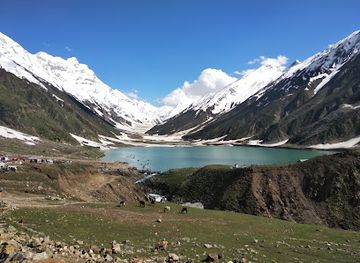
Saif ul Malook National Park
Discover the breathtaking landscapes and serene beauty of Saif ul Malook National Park, a must-visit destination for nature lovers in Pakistan.
-
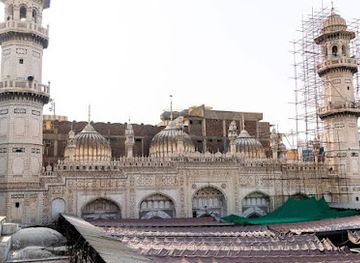
Mahabat Khan Mosque
Explore the majestic Mahabat Khan Mosque in Peshawar, a stunning example of Mughal architecture, rich history, and serene atmosphere.
-
Peshawar Museum
Explore the Peshawar Museum, a treasure trove of Khyber Pakhtunkhwa's rich heritage and history, showcasing remarkable ancient artifacts and stunning architecture.


Best landmarks in Hindko Region
The Mansehra Rock Edicts are Hindko Region's most important ancient landmark: inscriptions cut into a natural rock face preserve the third-century BCE moral proclamations associated with Ashoka and connect the area to the wider history of South Asian empires. Abbottabad's older cantonment and institutional streets form a distinct colonial-era urban landscape, with broad planning and surviving administrative architecture contrasting with the surrounding hills. In the Galiyat, the forested ridges around Nathia Gali and Ayubia are recognisable geographical landmarks as well as historic summer-resort settings. The Kunhar River gives the Kaghan Valley its defining linear form, passing through Balakot and Naran before the landscape rises towards alpine terrain. Saiful Muluk, a high mountain lake above Naran, is one of the region's most familiar natural symbols, while the Indus and Tarbela reservoir mark the lower eastern edge of the Hazara travel landscape. These places reflect the region's layered identity: ancient routes, planned colonial settlements, river corridors and high mountain environments.
-
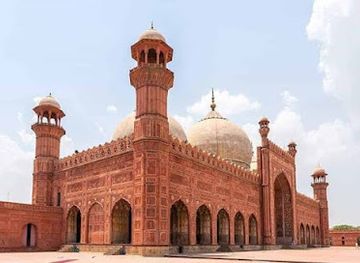
Mosque
Badshahi Mosque
Explore the Badshahi Mosque, a magnificent Mughal architectural wonder and a symbol of Lahore's rich Islamic heritage, offering breathtaking views and serene ambiance.
-
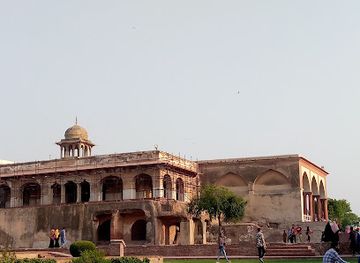
Historical landmark
Lahore Fort
Discover the majestic Lahore Fort, a UNESCO World Heritage site that embodies the rich history and architectural beauty of Punjab's Mughal era.
-
Monument
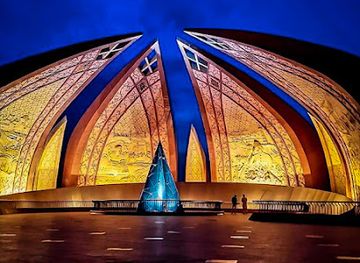
Pakistan Monument
Discover the awe-inspiring Pakistan Monument, a symbol of national pride, unity, and history nestled in the scenic hills of Islamabad.
-
Tourist attraction
Rakaposhi View Point Hotel & Restaurant
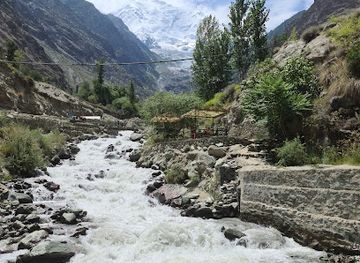
Discover the breathtaking views and exquisite cuisine at Rakaposhi View Point Hotel & Restaurant in Ghulmet, a perfect spot for tourists seeking adventure and relaxation.
Explore Hindko Region on the map
Plan your trip on one map. See where the top cities, national parks and sights are, and book hotels and experiences in a few clicks.
Best hotels in Hindko Region
Best restaurants in Hindko Region
Dining in Hindko Region is centred on straightforward northern Pakistani cooking served in family restaurants, roadside eateries, hotel dining rooms and traditional tea shops. Chapati, paratha, rice, daal, seasonal vegetables, chicken and grilled meats are widely available, while mountain towns commonly offer trout and warming dishes suited to cool evenings. The region's orchards and upland agriculture contribute apples, plums, peaches, walnuts and other seasonal produce, although availability varies by district and time of year. Abbottabad and Mansehra have the broadest choice of cafés, bakeries and restaurants, while smaller resorts tend towards guesthouse meals, kebabs, noodles, tea and simple Pakistani menus. Hindko-speaking communities share many food traditions with neighbouring parts of Khyber Pakhtunkhwa and Punjab, so not every popular dish is exclusively regional. Visitors should expect generous tea service, modest interiors and variable opening arrangements, particularly in valleys where tourism is seasonal. Bottled or treated water is the sensible choice, and travellers with dietary restrictions should explain them clearly in advance.
-
Pakistani
Hujra Restaurant
Experience the rich flavors of traditional Pakistani cuisine at Hujra Restaurant in Mingora, Swat – where every meal tells a story.
-
Pakistani
Pakistan Restaurant
Experience authentic Pakistani cuisine at Pakistan Restaurant in Islamabad - where tradition meets flavor.
-
Pakistani
G Qurban Restaurant
Discover the vibrant flavors of Pakistan at G Qurban Restaurant in Mingora - where authentic cuisine meets warm hospitality.
-
Restaurant
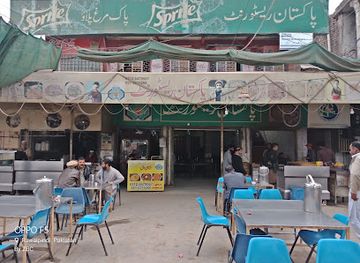
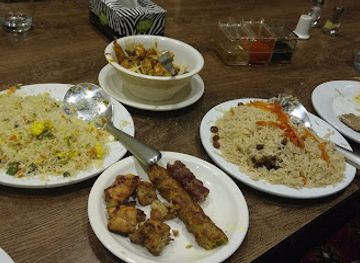
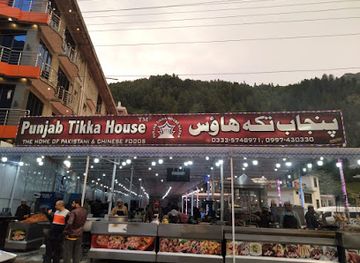
Punjab Tikka House - (Naran)
Discover authentic Pakistani flavors at Punjab Tikka House - a must-visit restaurant in scenic Naran.
Best bars in Hindko Region
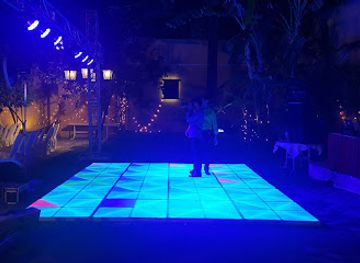
Nightlife in Hindko Region is generally quiet and social rather than club-oriented. Abbottabad and Mansehra have the widest selection of cafés, tea houses, family restaurants and informal evening meeting places, while the Galiyat and Kaghan resorts become busier during the main summer travel season. In smaller settlements, evenings usually centre on hotel dining rooms, roadside tea stalls, family gatherings and conversation rather than bars or nightclubs. Pakistan's laws and local customs mean that alcohol is not an ordinary part of public nightlife, and visitors should not expect a licensed bar scene. Some hotels provide indoor leisure areas or cafés, but arrangements differ and should be confirmed directly. After dark in mountain areas, limited lighting, steep roads and changing weather make it wiser to remain near established accommodation unless travelling with trusted local guidance.
-
Restaurant
Big Dreams Inn hotel
Experience the serene beauty of Neelum Valley at Big Dreams Inn, where comfort meets nature's grandeur.
-
Restaurant
Day Night Restaurant
Experience the essence of Pakistani cuisine at Day Night Restaurant in Landi Kotal, where every meal tells a story of tradition and flavor.
-
Bar
KUNDE.ONE
Experience the vibrant nightlife of Kundi at Kunde.One, a bar that blends local flavors with a welcoming atmosphere in Khyber Pakhtunkhwa.
-
Bar
دیگان شادی خان
Experience the vibrant nightlife at دیگان شادی خان, a lively bar in Surani, Bannu, offering delicious beverages and a friendly atmosphere.
Best nightclubs in Hindko Region
Nightlife in Hindko Region is generally quiet and social rather than club-oriented. Abbottabad and Mansehra have the widest selection of cafés, tea houses, family restaurants and informal evening meeting places, while the Galiyat and Kaghan resorts become busier during the main summer travel season. In smaller settlements, evenings usually centre on hotel dining rooms, roadside tea stalls, family gatherings and conversation rather than bars or nightclubs. Pakistan's laws and local customs mean that alcohol is not an ordinary part of public nightlife, and visitors should not expect a licensed bar scene. Some hotels provide indoor leisure areas or cafés, but arrangements differ and should be confirmed directly. After dark in mountain areas, limited lighting, steep roads and changing weather make it wiser to remain near established accommodation unless travelling with trusted local guidance.
-
 Hotel
HotelFairy Meadows Hotel
Discover the tranquility and adventure at Fairy Meadows Hotel, your gateway to the breathtaking beauty of Naran, Khyber Pakhtunkhwa.
-
Night club
The French Club 21
Discover the nightlife at The French Club 21 in Islamabad, where style meets excitement in the heart of the city.
-
Resort hotel
Wadi Resort Sharda Valley, AJK
Experience the serene beauty of Sharda Valley at Wadi Resort, where comfort meets nature in Azad Jammu and Kashmir.
-
Tourist attraction
Patlian Lake
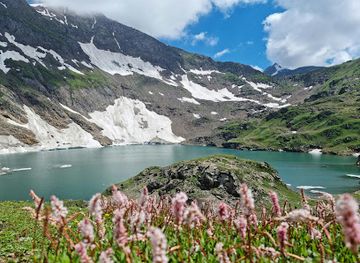
Experience the tranquil beauty of Patlian Lake, a hidden gem in Neelum Valley, Azad Jammu and Kashmir, ideal for nature lovers and adventure seekers.
Best shops in Hindko Region
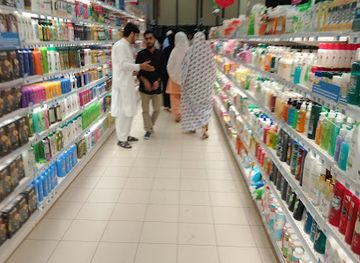
Shopping in Hindko Region is largely local and practical, with the busiest choices found in the bazaars of Abbottabad, Mansehra, Haripur and smaller district towns. Visitors can browse clothing, shawls, embroidered textiles, household goods, dried fruit, walnuts, honey, spices and seasonal orchard produce. Mountain resorts sell warm garments, carved souvenirs and packaged foods aimed at domestic visitors, although quality and provenance vary, so compare items before buying. Traditional markets are more useful for experiencing everyday commerce than for luxury retail, while Abbottabad offers the region's broadest selection of modern shops, bakeries, bookshops and larger grocery outlets. Farmers' produce is particularly worthwhile when travelling through upland valleys during harvest seasons. Handicrafts and decorative objects may be available in tourist areas, but sellers' claims about age or local manufacture should be treated cautiously. Bargaining is common in informal markets, whereas established shops and supermarkets usually use fixed prices.
-
Shopping mall
HBK Arena
Discover shopping, dining, and entertainment at HBK Arena, Peshawar's premier shopping mall, perfect for a delightful day out.
-
Hotel
Fairy Meadows Hotel
Discover the serene beauty of Fairy Meadows Hotel, where adventure meets tranquility in the heart of Khyber Pakhtunkhwa.
-
Clothing store
Wadud Home Store
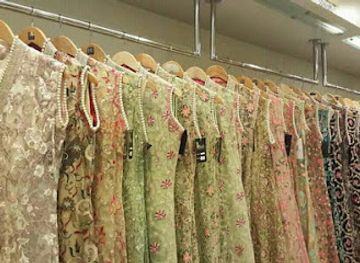
Explore Wadud Home Store in Peshawar for a unique blend of traditional and contemporary fashion, offering stylish clothing for every taste.
-
Clothing store
Outfitters Peshawar
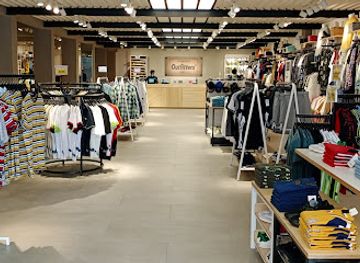
Explore trendy fashion at Outfitters Peshawar, where modern styles meet local cultural influences in a vibrant shopping atmosphere.
Get your free copy of our complete guide to Hindko Region, delivered straight to you.
Everything on this page, from attractions and restaurants to essentials and local phrases, in one PDF you can read offline, print or share.
Already have an account? Sign in
Your Hindko Region guide is ready.
We'll send it to · Not you? Sign out

Getting your guide ready…
We are putting together a fresh copy of the Hindko Region guide. This can take up to a minute.
This can take a few moments. If your browser asks, choose Allow so the download can start. You'll find the guide in your Downloads folder.
Nothing happened? Download it again
Sorry, the guide is taking longer than usual. Please try again in a minute, or get it by email instead.
Hindko Region essentials
Currency and Payment
Safety
Emergency Situations
Do's and Don'ts
Local Tips
From Eve
Local phrases worth knowing
You don't need to get them perfect. A few words go a long way, and locals appreciate the effort.
Basics
| English | Local | Say it |
|---|---|---|
| Hello | ہیلو | [Hello] |
| Goodbye | الوداع | [Aldwa] |
| Yes | ہاں | [Haan] |
| No | نہیں | [Nahin] |
| Please/You're welcome | براہ کرم/خوش آمدید | [Barah karam/Khosh aamadid] |
| Thank you | شکریہ | [Shukriya] |
| Excuse me/Sorry | معاف کرنا/بس | [Maaf karna/Bas] |
| How are you? | آپ کیسے ہیں؟ | [Aap kaisay hain?] |
| Fine. And you? | ٹھیک۔ اور آپ؟ | [Theek. Aur aap?] |
| Do you speak English? | کیا آپ انگریزی بولتے ہیں؟ | [Kya aap Angrezi boltay hain?] |
| I don't understand | مجھے سمجھ نہیں آتا | [Mujhe samajh nahin aata] |
Eating & Drinking
| English | Local | Say it |
|---|---|---|
| I'd like to see the menu, please | براہ کرم مینو دکھائیں | [Barah karam menu dikhain] |
| I don't eat meat | میں گوشت نہیں کھاتا | [Main gosht nahin khata] |
| Cheers! | پینے کا وقت! | [Peenay ka waqt!] |
| I would like to pay, please | براہ کرم میں ادا کرنا چاہتا ہوں | [Barah karam main ada karna chahta hun] |
Emergencies
| English | Local | Say it |
|---|---|---|
| Help! | مدد! | [Madad!] |
| Go away! | چلے جاؤ! | [Chalay jao!] |
| Call the Police! | پولیس کو بلائیں! | [Police ko bulain!] |
| Call a doctor! | ڈاکٹر کو بلائیں! | [Doctor ko bulain!] |
| I'm lost | میں کھو گیا ہوں | [Main kho gaya hun] |
| I'm ill | میں بیمار ہوں | [Main bimaar hun] |
Shopping
| English | Local | Say it |
|---|---|---|
| I'd like to buy... | میں خریدنا چاہتا ہوں... | [Main khareedna chahta hun...] |
| I'm just looking | میں صرف دیکھ رہا ہوں | [Main sirf dekh raha hun] |
| How much is it? | یہ کتنے کا ہے؟ | [Yeh kitne ka hai?] |
| That's too expensive | یہ بہت مہنگا ہے | [Yeh bohat mehnga hai] |
| Can you lower the price? | کیا آپ قیمت کم کر سکتے ہیں؟ | [Kya aap qeemat kam kar sakte hain?] |
Time & Numbers
| English | Local | Say it |
|---|---|---|
| What time is it? | کیا وقت ہوا ہے؟ | [Kya waqt hua hai?] |
| It's one o'clock | یہ ایک بجے ہیں | [Yeh aik baje hain] |
| Half past (10) | ساڑھے (10) | [Saadhe (10)] |
| Morning | صبح | [Subah] |
| Afternoon | دوپہر | [Dopahar] |
| Evening | شام | [Shaam] |
| Yesterday | کل | [Kal] |
| Today | آج | [Aaj] |
| Tomorrow | کل | [Kal] |
| 1 | ایک | [Aik] |
| 2 | دو | [Do] |
| 3 | تین | [Teen] |
| 4 | چار | [Chaar] |
| 5 | پانچ | [Paanch] |
| 6 | چھ | [Chay] |
| 7 | سات | [Saat] |
| 8 | آٹھ | [Aath] |
| 9 | نو | [Nau] |
| 10 | دس | [Das] |
Transport & Directions
| English | Local | Say it |
|---|---|---|
| Where's a/the...? | کہاں ہے ...؟ | [Kahan hai ...?] |
| What's the address? | پتہ کیا ہے؟ | [Pata kya hai?] |
| Can you show me (on the map)? | کیا آپ مجھے دکھا سکتے ہیں (نقشے پر)؟ | [Kya aap mujhe dikha sakte hain (naqshay par)?] |
| When's the next (bus)? | اگلی (بس) کب ہے؟ | [Agli (bus) kab hai?] |
| A ticket (to ....) | ایک ٹکٹ (.... کے لئے) | [Aik ticket (.... ke liye)] |
History of Hindko Region
Early Routes and the Mansehra Rock Edicts
Hazara occupied an important position between the Indus plains, the Kashmir–Kaghan mountain routes and the wider north-western frontier. The most visible ancient testimony is at Mansehra, where edicts attributed to the Mauryan emperor Ashoka were carved into rock in the third century BCE. Written in the Kharosthi script and concerned with moral principles, they demonstrate the region's connection to the political and cultural networks of ancient South Asia. Local valleys also preserved older routes used by traders, pilgrims and armies moving between the plains and the mountain country.
Hindu Shahi and Medieval Mountain Kingdoms
After the Mauryan period, the wider Hazara landscape passed through the influence of successive regional powers, including Indo-Scythian, Kushan and Hindu Shahi authorities. Control was rarely uniform in the valleys and uplands, where local chiefs and fortified settlements retained importance. From the medieval period, Muslim dynasties and later Afghan and Mughal administrations extended their influence through the principal routes, while religious centres and shrines became enduring features of settlement. The area's strategic value came from its position between Punjab, Kashmir and the north-western passes.
Mughal, Durrani and Sikh Influence
The Mughal Empire used the routes through Hazara as part of its wider system linking the Punjab with Kashmir and the frontier. Mughal authority varied according to distance from the main roads and the strength of local communities. In the eighteenth century, Durrani influence replaced much of the earlier imperial structure, followed in the early nineteenth century by the expansion of Sikh power under Ranjit Singh. These changes brought taxation, military campaigns and administrative competition to the valleys, leaving the region connected to the political struggles of the Punjab and Kashmir borderlands.
British Annexation and the Hazara District
The British annexed the Punjab in 1849 after the Second Anglo-Sikh War and subsequently incorporated Hazara into their frontier administration. Abbottabad, founded in the nineteenth century and named after Major James Abbott, developed as an administrative and military centre. Roads, cantonments and government buildings altered the urban landscape, while local agriculture, forestry and trade continued to support the population. Hazara became part of the North-West Frontier Province when it was created in 1901, linking the district to a new provincial framework while retaining its distinctive linguistic and geographic character.
Partition and Pakistan's Northern Frontier
The partition of British India in 1947 transformed political borders, administration and patterns of movement across the region. Hazara became part of Pakistan, and Abbottabad, Mansehra and Haripur grew as administrative, educational and commercial centres. Later decades brought roads, hydroelectric and reservoir projects, tourism development and increased migration to larger Pakistani cities. The region has also been affected by earthquakes, notably the severe 2005 earthquake in northern Pakistan, which caused extensive damage and led to major reconstruction across parts of Hazara.
Hindko Identity and Contemporary Regional Change
Hindko is a group of closely related varieties of Indo-Aryan speech used across parts of northern Pakistan, with important communities in Hazara and historic urban communities elsewhere, including Peshawar. Hindko-language poetry, music and everyday conversation remain central to regional identity, although Urdu, Pashto and other languages are also widely used. Administrative debates, migration, education and expanding tourism continue to shape the region. The creation of Khyber Pakhtunkhwa in 2010 changed the province's official name but did not erase the distinct cultural identity associated with Hindko-speaking towns and the wider Hazara landscape.
Hindko Region in Photos
Browse through our photo collection highlighting the charm and character of the destination.
Neighbouring regions of Hindko Region
The closest regions to Hindko Region, if you have time for more than one.
-

-

-

-

-


Swipe for more regions
Explore more

Explore more of Pakistan
Discover Pakistan: A land of majestic mountains, rich history, and delicious cuisine, where every journey is an adventure and every moment is filled with wonder.
Explore Pakistan