

Free Swat Valley Travel Guide & Mobile App
Explore Swat Valley with free travel guides. Discover regional history, expert tips, proposed trips, and audio guides on web or mobile app.


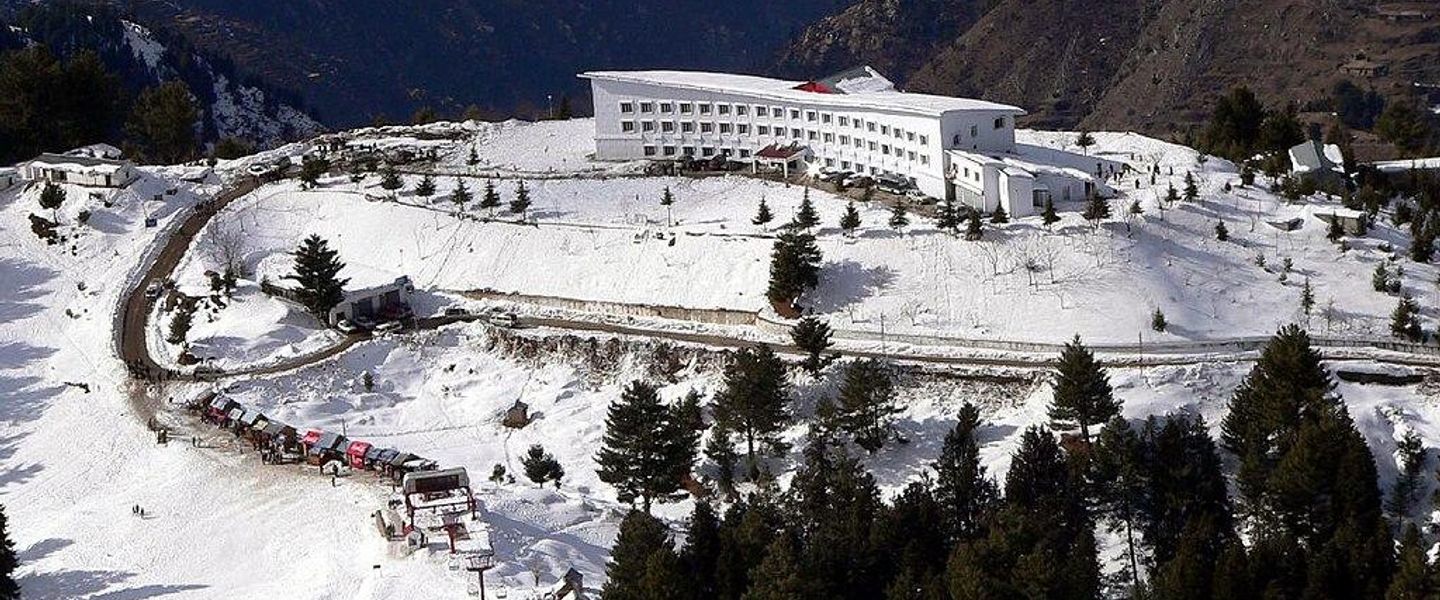


Explore Swat Valley in Pakistan for Gandharan heritage, river towns, forested mountains, orchards, alpine scenery and cool-weather escapes.
Read more about Swat Valley
When is the best time to visit Swat Valley?
Best: April–May, October · 24–30°C| Month | High (°C) | Rainfall (mm) |
|---|---|---|
| January | 10 | 70 |
| February | 13 | 60 |
| March | 18 | 50 |
| April (best) | 24 | 40 |
| May (best) | 30 | 30 |
| June | 34 | 20 |
| July | 36 | 50 |
| August | 35 | 40 |
| September | 31 | 30 |
| October (best) | 25 | 40 |
| November | 15 | 50 |
| December | 11 | 60 |
Getting to and around Swat Valley
How to get there
Transportation
Top city travel guides in Swat Valley
The cities of Swat Valley, and the easiest places to base yourself.

Swipe for more cities
Best attractions in Swat Valley
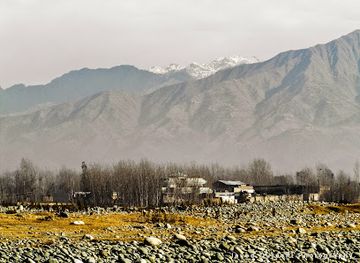
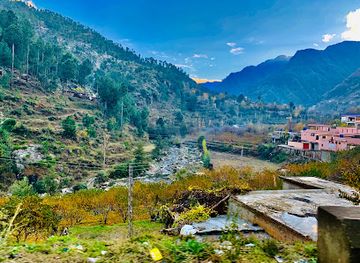
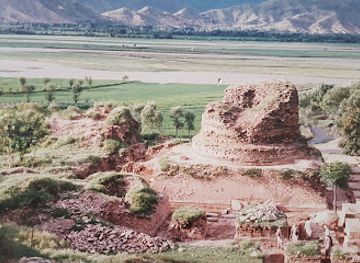
Swat’s attractions range from archaeological remains near Saidu Sharif to high mountain scenery beyond Bahrain. The Swat Museum introduces the valley’s Buddhist and Gandharan heritage, while Butkara I provides a tangible connection with the monasteries and stupas that once made the region an important religious centre. Mingora and Saidu Sharif are also useful bases for understanding the former state of Swat and its modern cultural institutions. Upstream, the Swat River accompanies the road through market settlements, wooded slopes and cultivated terraces. Bahrain offers riverside views and access towards smaller valleys, while Kalam is a starting point for excursions to Ushu, Matiltan, meadows, waterfalls and forested mountain landscapes. Malam Jabba provides a more developed setting for mountain recreation, including seasonal winter sports. Walking, photography, picnicking and scenic drives are the principal outdoor pursuits, but conditions vary with altitude and season. Visitors should distinguish established public attractions from informal viewpoints or trails, obtain local advice before entering remote areas and avoid treating fragile archaeological or natural sites as recreation grounds.
-
National forest
Usho Forest (Plain Forest)
Explore the enchanting Usho Forest in Kalam, Swat – a breathtaking national forest filled with lush greenery and diverse wildlife, perfect for nature lovers.
-
Scenic spot
Fizagat
Experience the natural beauty and cultural richness of Fizagat, a scenic spot in Swat, Pakistan, perfect for nature lovers and adventurous travelers.
-
Amusement park
Wonder World Amusement Park
Experience endless fun and excitement at Wonder World Amusement Park in Mingora, the jewel of Swat Valley, Pakistan.
-
Tourist attraction
Jarogo Waterfall Swat Valley
Explore Jarogo Waterfall in Swat Valley, Pakistan – a stunning natural attraction perfect for hiking, photography, and enjoying nature's beauty.
Best landmarks in Swat Valley
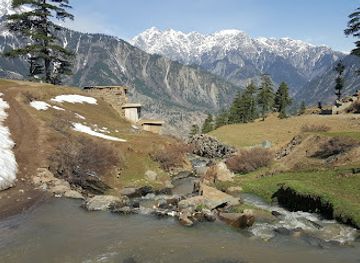
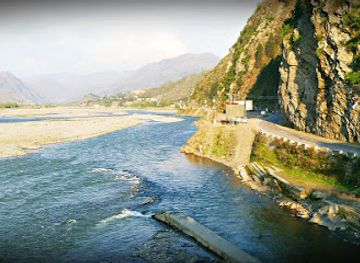
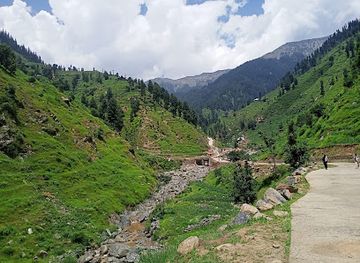
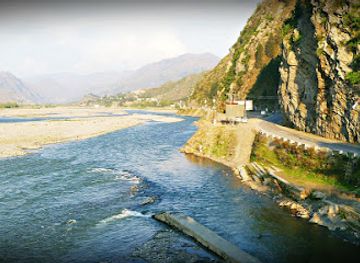
Butkara I near Saidu Sharif is Swat’s most important archaeological landmark, with the remains of a Buddhist sacred complex that illustrates the valley’s role in the Gandharan world. The nearby Swat Museum provides essential context, although the museum is a cultural institution rather than a monument itself. Saidu Sharif also contains the architectural legacy of the former Swat state, whose administrative and educational developments shaped the modern lower valley. The Swat River is the region’s defining natural landmark, widening through cultivated areas and narrowing into mountain gorges as it runs north. In the upper valley, the coniferous slopes and highland scenery around Kalam, Ushu and Matiltan create a different kind of landmark: recognisable through forests, meadows, waterfalls and snow-bound peaks rather than masonry. Malam Jabba’s ski and mountain-recreation setting is another prominent modern marker in the landscape. Because archaeological remains and mountain environments are vulnerable, visitors should keep to permitted areas, avoid removing objects and follow local instructions near rivers, forests and high-altitude routes.
-
Park
Fiza Gat Park
Experience the natural beauty and tranquility of Fiza Gat Park in Mingora, a perfect escape for nature lovers and adventure seekers alike.
-
Historical place museum
The White Palace | Marghazar
Explore The White Palace in Marghazar, an architectural marvel of Swat, showcasing royal history and breathtaking natural beauty.
-
Scenic spot
Fizagat
Discover the breathtaking beauty of Fizagat, a scenic spot in Swat Valley offering tranquility, culture, and adventure in the heart of nature.
-
Archaeological museum
Swat Museum
Explore the Swat Museum: A Gateway to Pakistan's Rich Archaeological Heritage and Cultural Treasures.
Explore Swat Valley on the map
Plan your trip on one map. See where the top cities, national parks and sights are, and book hotels and experiences in a few clicks.
Best hotels in Swat Valley
Best restaurants in Swat Valley
Dining in Swat reflects the valley’s agricultural setting and Pashtun culinary traditions. In Mingora and Saidu Sharif, restaurants offer Pakistani staples such as kebabs, pulao, karahi, breads and seasonal vegetable dishes, alongside tea and familiar national fare. In the upper valley, trout is a notable menu choice, particularly around Kalam and other mountain settlements where cold streams support trout fishing and farming. Orchards produce peaches, plums, apples and pears, and dried fruit is commonly sold in bazaars. Roadside cafés and simple family-run eateries are often more characteristic than formal dining rooms, while hotels in the larger resorts provide broader menus for domestic and international visitors. Hygiene standards and opening arrangements vary, so busy establishments with good local custom are often a sensible choice. Vegetarian food is available, but visitors with strict dietary requirements should explain them clearly. Markets and small shops are useful for fruit, nuts, bread and locally made products, although card payment becomes less dependable outside the main urban centres.
-
Hotel
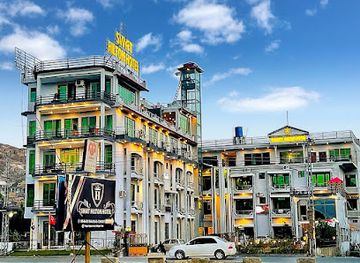
Swat Hilton Hotel
Experience luxury in the heart of nature at Swat Hilton Hotel - your gateway to exploring the enchanting beauty of Swat Valley.
-
Hotel
Pearl-Continental Hotel Malam Jabba
Discover unparalleled luxury at Pearl-Continental Hotel Malam Jabba amidst the breathtaking beauty of Swat Valley.
-
 Hotel
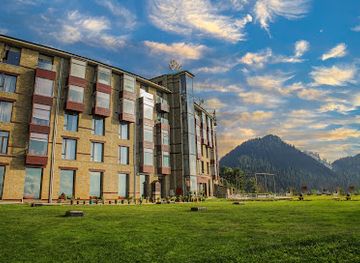
HotelSwat Serena Hotel
Discover serenity at Swat Serena Hotel - your gateway to nature's beauty and cultural richness in Khyber Pakhtunkhwa.
-
Hotel
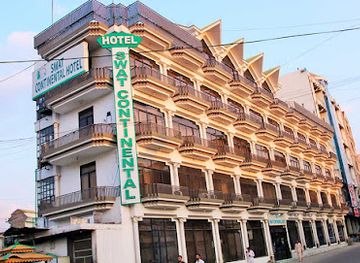
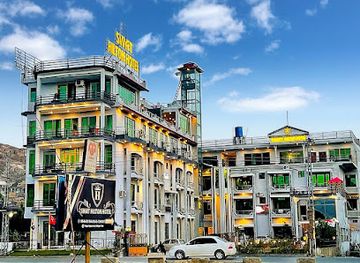
Swat Continental
Discover unmatched comfort and authentic experiences at Swat Continental Hotel in Mingora, a gateway to the stunning beauty of Swat Valley.
Best bars in Swat Valley
Swat is a conservative, predominantly Muslim region, so nightlife is not organised around bars or nightclubs. Evening life generally centres on family restaurants, tea shops, hotel dining rooms, illuminated bazaars and informal gatherings rather than public drinking venues. Mingora and Saidu Sharif offer the widest choice of cafés and restaurants, while Bahrain and Kalam become sociable evening bases during the domestic summer tourism season. Some hotels may provide indoor recreation or limited evening entertainment, but facilities and policies vary and should not be assumed. Alcohol is restricted under Pakistan’s laws and social norms, and visitors should not expect a conventional pub scene. After dark, the mountain towns are more suited to an early meal, tea and a walk in a busy central area than to late-night roaming. Seasonal crowds can make resort streets lively, but quieter conditions are normal outside holiday periods.
-
Restaurant
Swat Hilton Hotel
Discover the Swat Hilton Hotel – where exceptional dining and luxurious stays meet the breathtaking beauty of Swat Valley.
-
Resort hotel
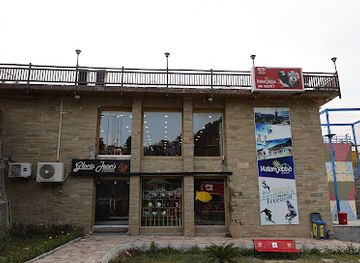
Malam Jabba Ski Resort by Samsons Group
Experience the thrill of skiing in the stunning Malam Jabba Ski Resort, where adventure meets breathtaking natural beauty in Swat Valley.
-
Hotel
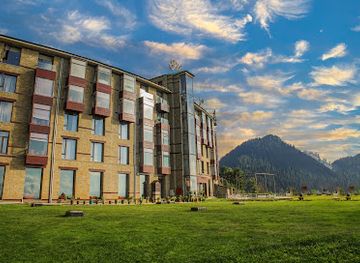
Pearl-Continental Hotel Malam Jabba
Discover the ultimate blend of luxury and adventure at Pearl-Continental Hotel Malam Jabba, your gateway to stunning landscapes and thrilling experiences.
-
Pakistani
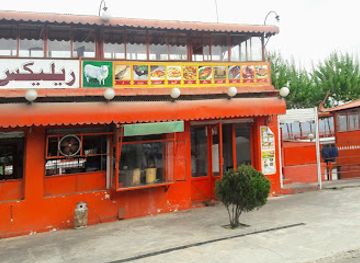
Relax Food Point
Savor authentic Pakistani cuisine in a cozy setting at Relax Food Point, Mingora, where every dish tells a story of tradition and flavor.
Best nightclubs in Swat Valley
Swat is a conservative, predominantly Muslim region, so nightlife is not organised around bars or nightclubs. Evening life generally centres on family restaurants, tea shops, hotel dining rooms, illuminated bazaars and informal gatherings rather than public drinking venues. Mingora and Saidu Sharif offer the widest choice of cafés and restaurants, while Bahrain and Kalam become sociable evening bases during the domestic summer tourism season. Some hotels may provide indoor recreation or limited evening entertainment, but facilities and policies vary and should not be assumed. Alcohol is restricted under Pakistan’s laws and social norms, and visitors should not expect a conventional pub scene. After dark, the mountain towns are more suited to an early meal, tea and a walk in a busy central area than to late-night roaming. Seasonal crowds can make resort streets lively, but quieter conditions are normal outside holiday periods.
-
Night club
Rafiullah Swat Nagoha
Discover the electrifying nightlife of Rafiullah Swat Nagoha, a premier night club in the heart of Swat, Khyber Pakhtunkhwa.
-
Night club
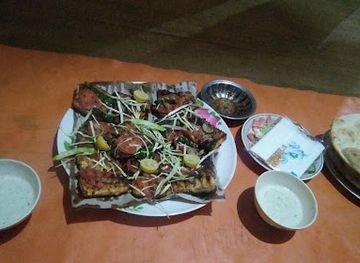
M.Alam BBQ
Experience the best of Mingora's nightlife at M.Alam BBQ, where delicious barbecue meets vibrant atmosphere in the heart of Swat.
Best shops in Swat Valley
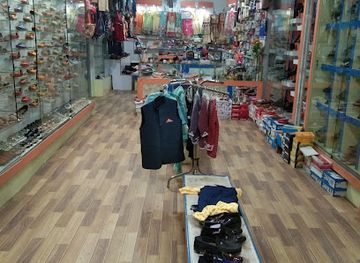
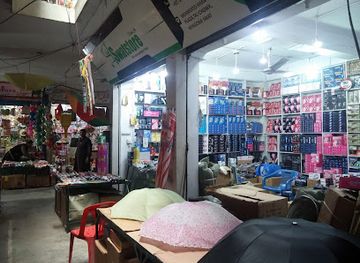
Shopping in Swat is strongest in the bazaars of Mingora, Saidu Sharif, Bahrain and Kalam, where practical commerce overlaps with regional handicrafts and food products. Visitors may find embroidered fabrics, shawls, woollen garments, carved wooden goods, traditional caps, jewellery and woven items, although quality and provenance vary between sellers. Dried fruit, nuts, honey and seasonal orchard produce are useful edible reminders of the valley’s agricultural economy. Mingora offers the broadest range of everyday goods and services, while upper-valley markets are more closely tied to domestic tourism and mountain travel. Bargaining may be normal in informal markets, but it should remain courteous and proportionate; fixed-price shops are common for some goods. Check textiles and carved items carefully, and avoid buying anything that appears archaeological or made from protected wildlife materials. In smaller settlements, cash is more reliable than cards, and opening arrangements can change with weather, holidays and local conditions.
-
Shopping mall
Swat Shopping Mall
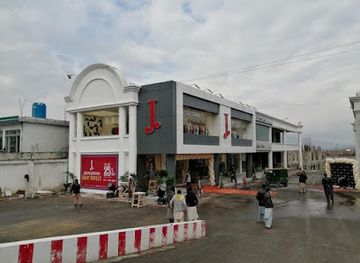
Discover a blend of local culture and modern shopping at Swat Shopping Mall, an essential stop for every traveler in Mingora.
-
Store
Swat Store
Explore the Swat Store in Mingora for authentic local crafts and souvenirs that embody the rich heritage of Swat Valley.
-
Shopping mall
MALL OF SWAT
Explore the Mall of Swat, a shopping paradise in Balogram offering a blend of local charm and modern retail experiences.
-
Market
Swat Market
Experience the lively charm of Swat Market, where local crafts, delicious street food, and vibrant culture await every visitor.
Get your free copy of our complete guide to Swat Valley, delivered straight to you.
Everything on this page, from attractions and restaurants to essentials and local phrases, in one PDF you can read offline, print or share.
Already have an account? Sign in
Your Swat Valley guide is ready.
We'll send it to · Not you? Sign out

Getting your guide ready…
We are putting together a fresh copy of the Swat Valley guide. This can take up to a minute.
This can take a few moments. If your browser asks, choose Allow so the download can start. You'll find the guide in your Downloads folder.
Nothing happened? Download it again
Sorry, the guide is taking longer than usual. Please try again in a minute, or get it by email instead.
Swat Valley essentials
Currency and Payment
Safety
Emergency Situations
Do's and Don'ts
Local Tips
From Eve
Local phrases worth knowing
You don't need to get them perfect. A few words go a long way, and locals appreciate the effort.
Basics
| English | Local | Say it |
|---|---|---|
| Hello | السلام علیکم | [Assalamu Alaikum] |
| Goodbye | الوداع | [Alwada] |
| Yes | جی ہاں | [Ji Han] |
| No | نہیں | [Nahin] |
| Please/You're welcome | براہ کرم/خوش آمدید | [Barah-e-Karam/Khosh Aamdeed] |
| Thank you | شکریہ | [Shukriya] |
| Excuse me/Sorry | معاف کریں | [Maaf Karein] |
| How are you? | آپ کیسے ہیں؟ | [Aap Kaise Hain?] |
| Fine. And you? | ٹھیک ہوں، آپ کیسے ہیں؟ | [Theek Hoon, Aap Kaise Hain?] |
| Do you speak English? | کیا آپ انگریزی بولتے ہیں؟ | [Kya Aap Angrezi Bolte Hain?] |
| I don't understand | مجھے سمجھ نہیں آتا | [Mujhe Samajh Nahin Aata] |
Eating & Drinking
| English | Local | Say it |
|---|---|---|
| I'd like to see the menu, please | براہ کرم، مینو دکھائیں | [Barah-e-Karam, Menu Dikhain] |
| I don't eat meat | میں گوشت نہیں کھاتا | [Main Gosht Nahin Khata] |
| Cheers! | زندہ باد! | [Zinda Bad!] |
| I would like to pay, please | براہ کرم، میں ادائیگی کرنا چاہتا ہوں | [Barah-e-Karam, Main Adaigi Karna Chahta Hoon] |
Emergencies
| English | Local | Say it |
|---|---|---|
| Help! | مدد! | [Madad!] |
| Go away! | چلے جاؤ! | [Chalay Jao!] |
| Call the Police! | پولیس کو بلائیں! | [Police Ko Bulain!] |
| Call a doctor! | ڈاکٹر کو بلائیں! | [Doctor Ko Bulain!] |
| I'm lost | میں کھو گیا ہوں | [Main Kho Gaya Hoon] |
| I'm ill | میں بیمار ہوں | [Main Beemar Hoon] |
Shopping
| English | Local | Say it |
|---|---|---|
| I'd like to buy... | میں خریدنا چاہتا ہوں... | [Main Kharidna Chahta Hoon...] |
| I'm just looking | میں صرف دیکھ رہا ہوں | [Main Sirf Dekh Raha Hoon] |
| How much is it? | یہ کتنے کا ہے؟ | [Yeh Kitne Ka Hai?] |
| That's too expensive | یہ بہت مہنگا ہے | [Yeh Bohat Mehnga Hai] |
| Can you lower the price? | کیا آپ قیمت کم کر سکتے ہیں؟ | [Kya Aap Qeemat Kam Kar Sakte Hain?] |
Time & Numbers
| English | Local | Say it |
|---|---|---|
| What time is it? | کیا وقت ہوا ہے؟ | [Kya Waqt Hua Hai?] |
| It's one o'clock | یہ ایک بجے ہیں | [Yeh Ek Baje Hain] |
| Half past (10) | ساڑھے (10) | [Saadhe (10)] |
| Morning | صبح | [Subah] |
| Afternoon | دوپہر | [Dopahar] |
| Evening | شام | [Shaam] |
| Yesterday | کل | [Kal] |
| Today | آج | [Aaj] |
| Tomorrow | کل | [Kal] |
| 1 | ایک | [Ek] |
| 2 | دو | [Do] |
| 3 | تین | [Teen] |
| 4 | چار | [Chaar] |
| 5 | پانچ | [Paanch] |
| 6 | چھ | [Chay] |
| 7 | سات | [Saat] |
| 8 | آٹھ | [Aath] |
| 9 | نو | [Nau] |
| 10 | دس | [Das] |
Transport & Directions
| English | Local | Say it |
|---|---|---|
| Where's a/the...? | کہاں ہے ...؟ | [Kahan Hai ...?] |
| What's the address? | پتہ کیا ہے؟ | [Pata Kya Hai?] |
| Can you show me (on the map)? | کیا آپ مجھے دکھا سکتے ہیں (نقشے پر)؟ | [Kya Aap Mujhe Dikhah Sakte Hain (Naqshe Par)?] |
| When's the next (bus)? | اگلی (بس) کب ہے؟ | [Agli (Bus) Kab Hai?] |
| A ticket (to ....) | ایک ٹکٹ (کے لیے) | [Ek Ticket (Ke Liye)] |
History of Swat Valley
Early Buddhist Swat and the Gandharan World
Swat was known in ancient sources as part of the cultural region of Uddiyana and later formed an important northern zone of the Gandharan Buddhist world. Monasteries, stupas and sculptures were established along routes connecting the Indus basin with the mountain passes towards Central Asia. The remains at Butkara I near Saidu Sharif, together with other archaeological sites in the lower valley, show how Buddhist institutions developed over several centuries. The region’s art combined local traditions with influences that travelled across the ancient cultural networks of north-western South Asia.
Kushan and Post-Kushan Religious Centres
During the Kushan period and the centuries that followed, Swat remained a significant centre of Buddhist learning and pilgrimage. Monastic complexes were often built near settlements, watercourses and routes through the valley, creating a landscape in which religious buildings, agricultural communities and mountain travel were closely connected. Buddhist activity continued under changing political authorities, and the valley’s sculptural tradition contributed to the wider development of Gandharan art. Archaeological remains are unevenly preserved, but the concentration of sites around the lower valley remains an important part of Swat’s historical identity.
Islamisation and Medieval Mountain Societies
Islam spread gradually through the Swat region through a combination of political change, migration, scholarship and local conversion rather than a single event. Over the medieval period, Pashtun communities and other groups shaped the social and linguistic character of the valley, while religious scholars and local leaders influenced settlement life. The mountains also connected Swat to neighbouring areas of Dir, Buner, Chitral and the wider Peshawar region. The resulting cultural landscape retained traces of earlier civilisations while becoming firmly rooted in Muslim and Pashtun traditions.
The State of Swat and Abdul Wadud
A modern Swat state emerged in the early twentieth century under Miangul Abdul Wadud, who consolidated authority over much of the valley and is commonly remembered as the first Wali of Swat. His administration developed roads, schools, bridges and government institutions, helping connect formerly dispersed communities. Saidu Sharif became the administrative centre, while Mingora grew as the commercial heart. These changes brought a more centralised political system to the valley and left a visible legacy in historic public buildings, roads and the urban organisation of the lower valley.
The Wali of Swat and Modernisation
Miangul Jahan Zeb, who succeeded Abdul Wadud as Wali in 1949, continued programmes of education, healthcare, communications and public construction. The state joined Pakistan in 1969, ending its separate administrative status and bringing Swat into the provincial and national system. The transition accelerated the valley’s integration with the rest of Pakistan, although older institutions and memories of the princely period remain important to local history. Saidu Sharif’s museums and historic sites help visitors understand this period alongside the much older Buddhist and medieval legacies.
Tourism, Conflict and Recovery
Improved roads and the valley’s cooler climate made Swat a major domestic tourism destination, particularly for visitors seeking riverside resorts, mountain scenery and summer relief. The region also experienced serious conflict in the early twenty-first century, causing displacement, damage and disruption to everyday life and tourism. Military operations and subsequent reconstruction restored access to much of the valley, but conditions can vary and visitors should obtain current local advice. Swat’s present tourism economy reflects both its established resort tradition and continuing efforts to protect heritage, improve infrastructure and support communities.
Swat Valley in Photos
Browse through our photo collection highlighting the charm and character of the destination.
Neighbouring regions of Swat Valley
The closest regions to Swat Valley, if you have time for more than one.
-

-

-

-

-


Swipe for more regions
Explore more

Explore more of Pakistan
Discover Pakistan: A land of majestic mountains, rich history, and delicious cuisine, where every journey is an adventure and every moment is filled with wonder.
Explore Pakistan