

Kohistan, Pakistan Travel Guide
Discover the untouched beauty of Kohistan, Pakistan, where lush valleys, majestic mountains, and rich cultural heritage await every curious traveler.
Kohistan, nestled in the heart of Pakistan, is a hidden gem that offers a mesmerizing blend of natural beauty and cultural richness. This region, characterized by its lush green valleys, towering mountains, and crystal-clear rivers, is a haven for nature enthusiasts and adventure seekers alike. The majestic Indus River flows through Kohistan, providing stunning scenic views and opportunities for thrilling water sports. The area is also home to a diverse array of flora and fauna, making it a paradise for wildlife photographers and bird watchers. The local culture is equally captivating, with traditional dances, music, and crafts that offer a glimpse into the vibrant heritage of the Kohistani people. Visitors can explore quaint villages, interact with friendly locals, and enjoy delicious traditional cuisine. Kohistan's unique landscape and serene environment make it an ideal destination for trekking and camping. The region boasts numerous trails that cater to both novice and experienced hikers, each offering breathtaking views and a chance to connect with nature. Whether you're looking to relax in the tranquil surroundings or embark on an adventurous journey, Kohistan promises an unforgettable experience.

Know before you go
Hi, I'm Eve. Here are a few practical things to know before exploring Kohistan.
- Plan your visit during the spring or summer months for the best weather and vibrant natural scenery.
- Hire a local guide to explore hidden trails and learn about the region's rich cultural history.
- Pack light but warm clothing, as temperatures can drop significantly in the evenings.
- Respect local customs and traditions, especially when visiting villages and interacting with residents.
- Ensure you have a reliable means of transportation, as public transport options can be limited.
Top City Travel Guides in Kohistan
The cities of Kohistan, and the easiest places to base yourself.


Destinations in Kohistan
Resorts, valleys and scenic spots worth a trip of their own.


Explore Kohistan: Things to Do, Places to Eat, Hotels & More
Handpicked recommendations for top attractions, local dining, accommodations, and more

Top Attractions & Sightseeing in Kohistan
Top-rated picks
Best Attractions

Babusar Top
Discover the awe-inspiring beauty of Babusar Top, a stunning mountain pass in Pakistan offering breathtaking views and thrilling adventures.

Lulusar-Dudipatsar National Park
Experience the untouched beauty of Lulusar-Dudipatsar National Park, a national treasure offering stunning lakes, incredible hikes, and diverse wildlife.

Kumrat Valley Dir
Explore the enchanting Kumrat Valley, a lush paradise in Upper Dir, where nature's beauty and adventure await you.

Babusar Pass
Experience the breathtaking beauty of Babusar Pass, a serene mountain pass in Pakistan, perfect for adventure and nature lovers alike.

Best landmarks in Kohistan
Top-rated picks
Best Landmarks

Pakistan Monument
Discover the Pakistan Monument, a stunning symbol of national unity and cultural heritage, nestled in the scenic Shakarparian Hills of Islamabad.
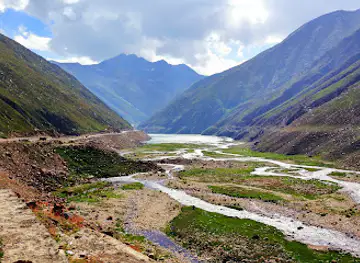
Lulusar-Dudipatsar National Park
Discover the breathtaking beauty of Lulusar-Dudipatsar National Park in Khyber Pakhtunkhwa, a paradise for hikers and nature lovers.

Babusar Pass
Experience the breathtaking beauty of Babusar Pass, a majestic mountain pass in Pakistan, perfect for adventurers and nature lovers alike.

Kohistan Tourist Inn
Discover Kohistan Tourist Inn, a serene escape in the heart of Khyber Pakhtunkhwa, where breathtaking views and local cuisine await.

Best restaurants in Kohistan
Top-rated picks
Best Restaurants

The Monal Islamabad
Experience exceptional Pakistani cuisine with breathtaking views at The Monal Islamabad – where dining meets nature's beauty.

Moon Restaurant Besar
Experience the best of local and international cuisine at Moon Restaurant Besar in Mansehra - A true culinary delight for every traveler.

Moon Restaurant
Discover authentic Pakistani cuisine at Moon Restaurant in Naran – where every meal is paired with breathtaking mountain views.

JüSTa igloo Resort
Discover unique culinary experiences at JüSTa Igloo Resort in Kumrat Valley—where nature meets comfort and exquisite flavors.

Best bars in Kohistan
Top-rated picks
Best Bars

Habibi Restaurant F-8
Experience the authentic flavors of Pakistan at Habibi Restaurant F-8, a culinary delight in the heart of Islamabad.

Hazara Hotel Faisalabad
Discover the rich flavors and warm hospitality of Hazara Hotel Faisalabad, a must-visit for lovers of authentic Pakistani cuisine.

Roomi Park
Experience the tranquil beauty of Roomi Park in Rawalpindi, a perfect blend of nature and culture for a relaxing day out.

Shiraz Ronaq
Discover the vibrant flavors of Peshawar at Shiraz Ronaq, a buffet restaurant offering a delicious blend of traditional and modern culinary delights.

Best nightclubs in Kohistan
Top-rated picks
Best Nightclubs

Malam Jabba Ski Resort by Samsons Group
Experience the thrill of skiing and the beauty of nature at Malam Jabba Ski Resort, the premier winter getaway in Swat, Pakistan.

Odeon Cineplex
Immerse yourself in the cinematic experience at Odeon Cineplex, Rawalpindi's premier movie theater with the latest films and top-notch facilities.

Latitude Resort
Experience the serenity of nature at Latitude Resort, a luxurious getaway in the stunning Kumrat Valley, Upper Dir, Khyber Pakhtunkhwa.

Bismillah Snoker Club
Dive into the vibrant nightlife at Bismillah Snoker Club in Sialkot, where music, dance, and fun come together for an unforgettable experience.

Best shops in Kohistan
Top-rated picks
Best Shops

Komila, Bazar
Explore the colorful Komila Bazar in Upper Kohistan, a vibrant market teeming with local crafts, delicious food, and rich cultural experiences.

tangtoo
Explore Tangtoo in Kohistan for unique home goods that blend local craftsmanship with modern design, perfect for souvenirs and decor.

Ajab Khan general store
Discover the essence of Kohistan at Ajab Khan General Store, where local culture meets convenience in Dasu.

Jajial Bazar
Discover the charm of Jajial Bazar, a vibrant shopping mall in Kohistan, where local culture meets modern retail.

Explore Kohistan on the Map
A handpicked selection of must-see spots in Kohistan, mapped for you.
Kohistan Essentials
-
Kohistan is located in the Khyber Pakhtunkhwa province of Pakistan. The nearest international airport is Islamabad International Airport, approximately 300 kilometers away. From Islamabad, you can hire a private taxi or use public transport to reach Kohistan. The journey typically takes around 7 to 8 hours by road, depending on traffic and road conditions. It is advisable to check the road conditions and weather forecast before traveling, as mountainous regions can be challenging during certain times of the year.
-
Within Kohistan, local transportation options include taxis, minibuses, and jeeps. Public buses and minibuses are available for intercity travel and are relatively inexpensive. For exploring remote areas and valleys, renting a jeep is highly recommended due to the rugged terrain. Walking is also a popular way to explore the local villages and scenic spots, but be prepared for steep and uneven paths.
-
The official currency in Pakistan is the Pakistani Rupee (PKR). Credit cards are accepted in some hotels and larger establishments, but it is advisable to carry cash, especially when traveling to smaller towns and rural areas. ATMs are available in larger towns, but it is wise to withdraw sufficient cash in major cities like Islamabad before traveling to Kohistan to ensure you have enough funds.
-
Kohistan is generally safe for tourists, but it is important to take standard precautions. Avoid traveling alone at night and be cautious in unfamiliar areas. It is advisable to stay updated on local news and travel advisories. Some areas in Kohistan may have limited law enforcement presence, so it is best to travel with a local guide or in groups. Be respectful of local customs and traditions to avoid any misunderstandings.
-
In case of emergency, dial 1122 for immediate assistance. The local police station and basic medical facilities are available in larger towns. It is highly recommended to have travel insurance that covers medical emergencies. For minor health issues, there are pharmacies in the towns where you can purchase over-the-counter medications. Always carry a basic first-aid kit when traveling to remote areas.
-
Fashion: Do dress modestly, especially when visiting religious sites or rural areas. Avoid wearing revealing clothing. Religion: Do respect local customs and traditions. Always ask for permission before taking photographs of people or religious sites. Public Transport: Do be respectful and give up your seat to elderly passengers. Don’t eat or drink on public transport. Greetings: Do greet people with a polite 'Assalamu Alaikum.' A handshake is common among men, but it is best to avoid handshakes with women unless they extend their hand first. Eating & Drinking: Do try local delicacies and accept food offerings graciously. Don’t refuse hospitality, as it is considered impolite.
-
To experience Kohistan like a local, visit the local bazaars where you can buy traditional handicrafts and fresh produce. Engage with locals, as they are often friendly and willing to share stories about the region's history and culture. Don’t miss visiting the beautiful valleys such as Kaghan and Naran. For a unique experience, participate in local festivals and cultural events, which offer a glimpse into the traditional Kohistani way of life.
When is the best time to visit Kohistan?
Useful Local Phrases for Kohistan
You don't need to speak the language perfectly. Even learning a few simple words can make conversations warmer—and locals usually appreciate the effort.
— Eve

Here are the phrases I use most often in Kohistan. Try a few—you'll be surprised how far they go! 😊
❤️
-
- Helloسلام
[Salam] - Goodbyeخدا حافظ
[Khuda Hafiz] - Yesجی ہاں
[Ji Haaan] - Noنہیں
[Nahi] - Please/You're welcomeبراہ کرم/خوش آمدید
[Barah-e-Karam/Khosh Aamdeed] - Thank youشکریہ
[Shukriya] - Excuse me/Sorryمعاف کیجیے
[Maaf Kijiye] - How are you?آپ کیسے ہیں؟
[Aap Kaisay Hain?] - Fine. And you?ٹھیک ہوں۔ اور آپ؟
[Theek Hoon. Aur Aap?] - Do you speak English?کیا آپ انگریزی بولتے ہیں؟
[Kya Aap Angrezi Boltay Hain?] - I don't understandمجھے سمجھ نہیں آتا
[Mujhe Samajh Nahi Aata]
- Helloسلام
-
- I'd like to see the menu, pleaseبراہ کرم مینو دکھائیں
[Barah-e-Karam Menu Dikhain] - I don't eat meatمیں گوشت نہیں کھاتا
[Main Gosht Nahi Khaata] - Cheers!صحت کے لئے!
[Sehat Ke Liye!] - I would like to pay, pleaseبراہ کرم میں بل ادا کرنا چاہتا ہوں
[Barah-e-Karam Main Bill Ada Karna Chahta Hoon]
- I'd like to see the menu, pleaseبراہ کرم مینو دکھائیں
-
- Help!مدد!
[Madad!] - Go away!چلے جاؤ!
[Chalay Jao!] - Call the Police!پولیس کو بلائیں!
[Police Ko Bulain!] - Call a doctor!ڈاکٹر کو بلائیں!
[Doctor Ko Bulain!] - I'm lostمیں گم ہو گیا ہوں
[Main Gum Ho Gaya Hoon] - I'm illمیں بیمار ہوں
[Main Bimaar Hoon]
- Help!مدد!
-
- I'd like to buy...میں خریدنا چاہتا ہوں...
[Main Kharidna Chahta Hoon...] - I'm just lookingمیں صرف دیکھ رہا ہوں
[Main Sirf Dekh Raha Hoon] - How much is it?یہ کتنے کا ہے؟
[Yeh Kitney Ka Hai?] - That's too expensiveیہ بہت مہنگا ہے
[Yeh Bohat Mehnga Hai] - Can you lower the price?کیا آپ قیمت کم کر سکتے ہیں؟
[Kya Aap Qeemat Kam Kar Sakte Hain?]
- I'd like to buy...میں خریدنا چاہتا ہوں...
-
- What time is it?کیا وقت ہوا ہے؟
[Kya Waqt Hua Hai?] - It's one o'clockیہ ایک بجے ہیں
[Yeh Aik Baje Hain] - Half past (10)ساڑھے (10)
[Saadhe (10)] - Morningصبح
[Subah] - Afternoonدن کے بعد
[Din Ke Baad] - Eveningشام
[Shaam] - Yesterdayکل
[Kal] - Todayآج
[Aaj] - Tomorrowکل
[Kal] - 11
[1] - 22
[2] - 33
[3] - 44
[4] - 55
[5] - 66
[6] - 77
[7] - 88
[8] - 99
[9] - 1010
[10]
- What time is it?کیا وقت ہوا ہے؟
-
- Where's a/the...?کہاں ہے ...؟
[Kahan Hai ...?] - What's the address?پتہ کیا ہے؟
[Pata Kya Hai?] - Can you show me (on the map)?کیا آپ مجھے (نقشے پر) دکھا سکتے ہیں؟
[Kya Aap Mujhe (Naqshey Par) Dikhah Sakte Hain?] - When's the next (bus)?اگلی (بس) کب ہے؟
[Agli (Bus) Kab Hai?] - A ticket (to ....)ایک ٹکٹ (.... کے لئے)
[Aik Ticket (.... Ke Liye)]
- Where's a/the...?کہاں ہے ...؟
History of Kohistan
-
Kohistan, translating to 'Land of Mountains,' has a history that stretches back to ancient times. The region was home to various indigenous tribes who lived in relative isolation due to its rugged terrain. These early inhabitants developed unique cultural practices and languages that have been preserved to some extent in the modern Kohistani communities.
-
During the ancient period, parts of Kohistan were under the influence of the Gandhara civilization, which thrived from the 6th century BCE to the 11th century CE. This civilization is renowned for its unique art and architecture, blending Indian and Hellenistic styles. The remnants of Buddhist stupas and monasteries scattered in the region are a testament to the cultural richness of that era.
-
With the advent of Islam in the Indian subcontinent, Kohistan came under the influence of various Islamic empires. The Ghaznavids, Ghurids, and later the Mughals left their mark on the region. Islamic architecture, including mosques and mausoleums, started to appear, and the cultural practices of the local tribes began to fuse with Islamic traditions.
-
During the British colonial period, Kohistan remained relatively insulated due to its difficult terrain. However, the British made attempts to map and explore the area, driven by their strategic interests in the North-West Frontier. The region's autonomous tribal structure posed a challenge to British administration, and Kohistan retained much of its traditional governance.
-
After the independence of Pakistan in 1947, Kohistan became part of the newly formed country. The Pakistani government made efforts to integrate the region into the national framework, though it remained somewhat isolated due to its geography. Development initiatives were launched to improve infrastructure and education, aiming to bring Kohistan closer to the rest of the country.
-
Kohistan is a tapestry of diverse languages and traditions. The people of Kohistan speak a variety of languages, including Kohistani, Shina, and Pashto. Each community has its own set of customs, festivals, and folklore, which have been preserved through generations. Traditional music and dance are integral to their cultural expression, reflecting the vibrant heritage of the region.
-
In recent years, Kohistan has been navigating the challenges of modernity while striving to preserve its rich cultural heritage. The construction of the Karakoram Highway has improved connectivity, bringing more tourists and development projects to the area. This has led to a gradual transformation in the lifestyle of the local population, who are finding ways to blend traditional practices with contemporary life.
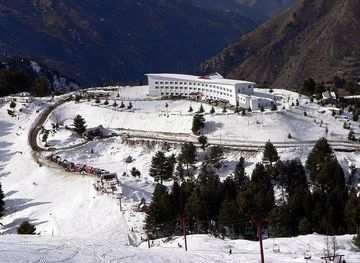
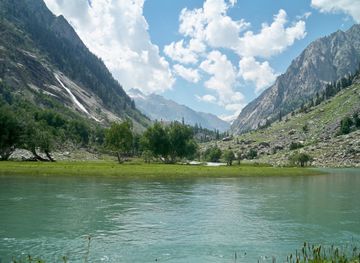
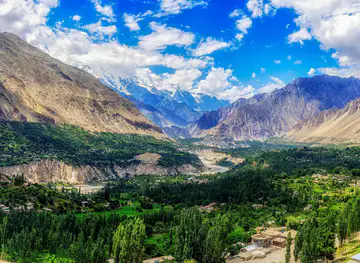
Neighbouring Regions of Kohistan
The closest regions to Kohistan, if you have time for more than one.



Your all‑in‑one travel companion app
Explore expert travel guides, compare and book tours, experiences, hotels, and more—all from the palm of your hand. Download now for seamless trip planning wherever your wanderlust takes you.


Explore More of Pakistan

Looking beyond Kohistan? Discover Pakistan for broader travel guides, local hot-spots, and regional highlights.
Explore PakistanKohistan in Photos
Browse through our photo collection highlighting the charm and character of the destination.

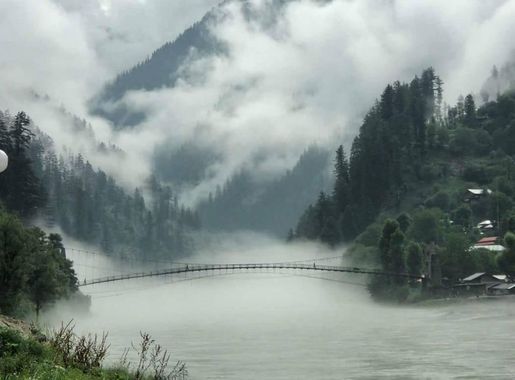


The Enchanting Valleys of Kohistan
Kohistan, nestled in the heart of Pakistan, is a hidden gem that offers a mesmerizing blend of natural beauty and cultural richness. This region, characterized by its lush green valleys, towering mountains, and crystal-clear rivers, is a haven for nature enthusiasts and adventure seekers alike. The majestic Indus River flows through Kohistan, providing stunning scenic views and opportunities for thrilling water sports. The area is also home to a diverse array of flora and fauna, making it a paradise for wildlife photographers and bird watchers. The local culture is equally captivating, with traditional dances, music, and crafts that offer a glimpse into the vibrant heritage of the Kohistani people. Visitors can explore quaint villages, interact with friendly locals, and enjoy delicious traditional cuisine. Kohistan's unique landscape and serene environment make it an ideal destination for trekking and camping. The region boasts numerous trails that cater to both novice and experienced hikers, each offering breathtaking views and a chance to connect with nature. Whether you're looking to relax in the tranquil surroundings or embark on an adventurous journey, Kohistan promises an unforgettable experience.