

Free Angaur Travel Guide & Mobile App
Explore Angaur with free travel guides. Discover regional history, expert tips, proposed trips, and audio guides on web or mobile app.


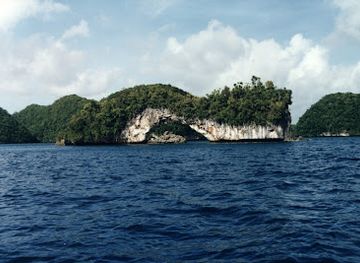
Angaur, Palau, combines quiet beaches, forest, wartime history, a German-era lighthouse and an intimate island community away from Koror.
Read more about Angaur
When is the best time to visit Angaur?
Best: February–March, November · 30°C| Month | High (°C) | Rainfall (mm) |
|---|---|---|
| January | 30 | 315 |
| February (best) | 30 | 240 |
| March (best) | 30 | 301 |
| April | 31 | 324 |
| May | 31 | 367 |
| June | 30 | 324 |
| July | 30 | 360 |
| August | 30 | 396 |
| September | 30 | 438 |
| October | 30 | 360 |
| November (best) | 30 | 310 |
| December | 30 | 368 |
Getting to and around Angaur
How to get there
Transportation
Best attractions in Angaur
Angaur’s attractions are primarily historical, environmental and community-based rather than resort-oriented. The island’s former phosphate-mining areas reveal how colonial and Japanese industries reshaped the landscape, while wartime remnants around the airfield and former defensive positions connect the island to the 1944 Palau campaign. A local guide is particularly valuable because many remains are dispersed, overgrown or structurally unsafe. The German-era lighthouse is a notable maritime landmark, although access and the condition of surrounding paths should be checked locally. Beaches, reefs and forest tracks offer opportunities for quiet walking, birdwatching, swimming and snorkelling when sea conditions permit. Angaur is also known for introduced Japanese macaques, which should be observed without feeding or approaching them. The island’s small settlement and customary land relationships are part of the visitor experience, but community spaces should be entered respectfully and with permission. Visitors seeking the major battlefield museums and memorial landscape of Peleliu should note that Peleliu is a separate state and island, requiring its own transport arrangements rather than forming part of Angaur’s attractions.
-
Tourist attraction
Milky Way
Discover the breathtaking underwater world at Milky Way, a stunning tourist attraction in Koror, Palau, perfect for snorkeling and diving adventures.
-
National museum
Belau National Museum
Explore the Belau National Museum in Koror and immerse yourself in the unique culture and rich history of Palau's heritage.
-
Park
Ngermeaus Island Park
Discover the breathtaking beauty of Ngermeaus Island Park in Palau, a tropical paradise perfect for nature lovers and adventure seekers.
-
Park
Ngardok Nature Reserve
Explore the lush landscapes and wildlife of Ngardok Nature Reserve, a serene park in Palau perfect for nature lovers and adventure seekers.
Best landmarks in Angaur
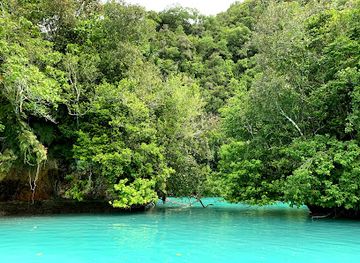
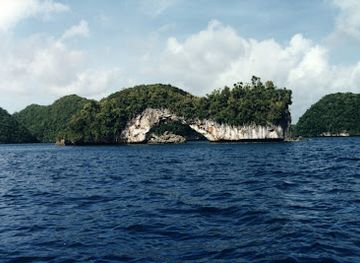
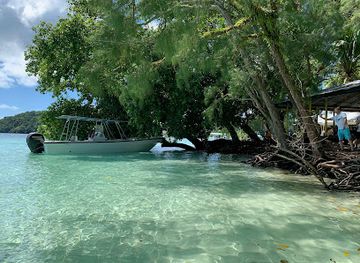
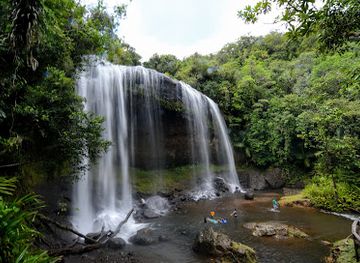
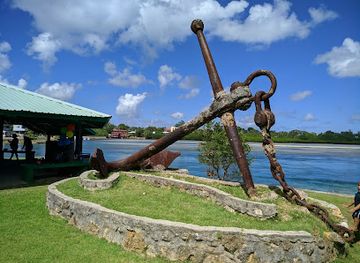
Angaur’s most prominent built landmark is its German-era lighthouse, a reminder of the island’s importance to colonial maritime navigation and the phosphate trade. Its isolated setting gives it a strong visual presence, although visitors should confirm access conditions and avoid assuming that all surrounding land is publicly open. The island’s former phosphate works and airfield are less monumental but equally significant, showing how industrial infrastructure and military strategy transformed a small Pacific community. Concrete bunkers, foundations and other wartime traces survive in vegetation and around former operational areas; they should be viewed from a safe distance because instability and unexploded ordnance remain possible concerns. Angaur’s beaches, reef edges and forested interior also function as natural landmarks, contrasting with the scarred ground left by mining and battle. The island should be understood as a layered landscape rather than a collection of isolated monuments, with customary land, industrial history, wartime memory and coastal ecology closely interwoven.
-
National museum
Belau National Museum
Explore the rich heritage of Palau at the Belau National Museum, showcasing the island's culture, history, and natural wonders.
-
Park
Long Island Park
Discover the serene beauty of Long Island Park in Koror, Palau, where nature meets tranquility in a breathtaking tropical setting.
-
Bridge
Japan-Palau Friendship Bridge
Experience the breathtaking Japan-Palau Friendship Bridge, a symbol of unity and stunning views, connecting cultures and showcasing Palau's natural beauty.
-
Aquarium
Palau Aquarium
Explore the mesmerizing marine life at Palau Aquarium, an essential stop for every traveler seeking to experience Palau's underwater beauty.

Explore Angaur on the map
Plan your trip on one map. See where the top cities, national parks and sights are, and book hotels and experiences in a few clicks.
Best hotels in Angaur
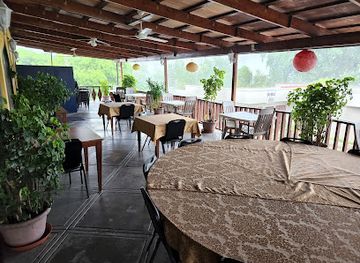
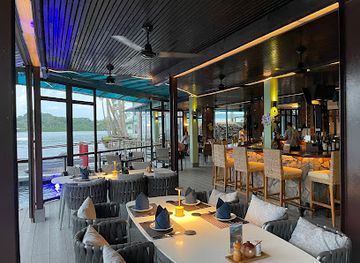
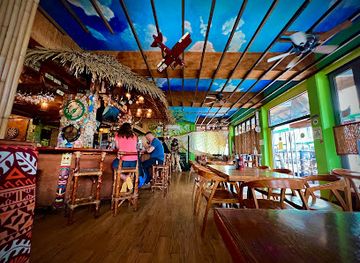
Best restaurants in Angaur
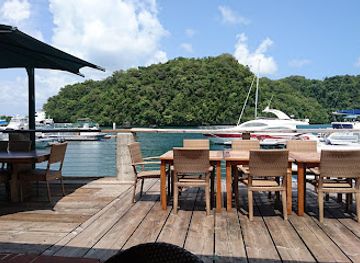
Angaur has no substantial restaurant district, and dining is generally arranged through accommodation providers, private hosts or locally organised meals. Palauan food commonly draws on fish, shellfish, taro, cassava, breadfruit, coconut and tropical fruit, with recipes and ingredients varying according to household and availability. A pre-arranged meal may provide a more realistic introduction to island food than searching for a conventional café after arrival. Visitors should confirm dietary requirements, meal times and payment arrangements before travelling, and carry snacks because supplies are limited. Fresh seafood may be available when local conditions and fishing allow, but it should not be assumed as a daily menu item. Koror offers the widest selection of Palauan and international dining and is the sensible place to eat, stock up or accommodate special diets before a trip to Angaur. As on other remote islands, responsible visitors minimise packaging, avoid wasting food and take unnecessary rubbish back with them.
-
Restaurant
Drop Off Bar and Grill
Experience the best of local flavors at Drop Off Bar and Grill in Koror, Palau – where every meal is a celebration of culinary artistry.
-
Indian
The Taj
Experience authentic Indian cuisine at The Taj in Koror; a culinary delight awaits every visitor.
-
Fine Dining
Elilai Seaside Dining
Discover exquisite fine dining at Elilai Seaside Dining in Koror, Palau—where stunning ocean views meet culinary excellence.
-
Restaurant
The Canoe House
Experience vibrant dining at The Canoe House in Koror, where fresh seafood meets lively entertainment amid stunning Palauan scenery.
Best bars in Angaur
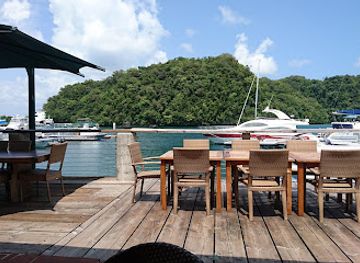
Angaur does not have a developed bar or nightclub scene. Evening life is centred on households, community relationships and the quiet rhythm of a small island, with any social drinking taking place privately or through locally arranged hospitality rather than in a dedicated nightlife district. Visitors should not expect late-opening venues, live entertainment schedules or reliable supplies of alcohol, and should never assume that public drinking is appropriate around homes or community spaces. The island’s evenings are better suited to stargazing, listening to the sea or discussing the day’s history and wildlife with a host. Koror is Palau’s principal centre for organised evening entertainment, while Peleliu has its own small-scale accommodation and dining options but is outside Angaur State. Anyone travelling between islands after dark should rely only on arrangements confirmed with an experienced local operator.
-
Restaurant
Drop Off Bar and Grill
Discover the essence of Palauan flavors and breathtaking views at Drop Off Bar and Grill in Koror, the perfect spot for relaxation and good food.
-
Indian
The Taj
Experience the vibrant flavors of India at The Taj, a premier dining destination in Koror, Palau, offering a blend of authentic cuisine and lively atmosphere.
-
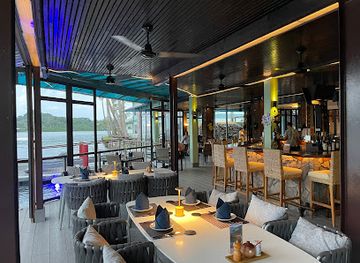
Fine Dining
Elilai Seaside Dining
Experience the exquisite flavors and breathtaking ocean views at Elilai Seaside Dining in Koror, Palau, where fine dining meets tropical paradise.
-
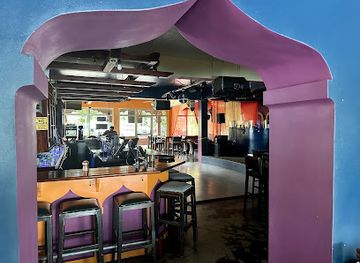
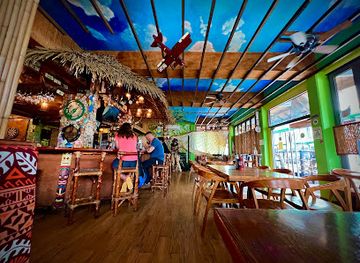
Bar
The Canoe House
Experience the vibrant flavors and lively atmosphere at The Canoe House, Koror's top spot for great food, drinks, and entertainment.
Best nightclubs in Angaur
Angaur does not have a developed bar or nightclub scene. Evening life is centred on households, community relationships and the quiet rhythm of a small island, with any social drinking taking place privately or through locally arranged hospitality rather than in a dedicated nightlife district. Visitors should not expect late-opening venues, live entertainment schedules or reliable supplies of alcohol, and should never assume that public drinking is appropriate around homes or community spaces. The island’s evenings are better suited to stargazing, listening to the sea or discussing the day’s history and wildlife with a host. Koror is Palau’s principal centre for organised evening entertainment, while Peleliu has its own small-scale accommodation and dining options but is outside Angaur State. Anyone travelling between islands after dark should rely only on arrangements confirmed with an experienced local operator.
-
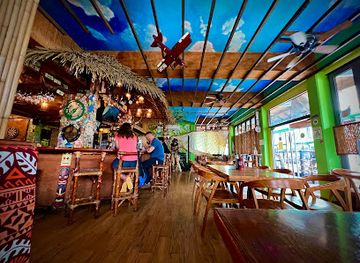
Restaurant
The Canoe House
Experience vibrant dining and lively entertainment at The Canoe House in Koror, Palau - a culinary haven for food lovers and fun seekers.
-
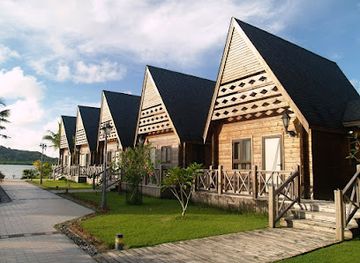
Resort hotel
Island Paradise Resort Club
Experience unmatched tranquility and adventure at Island Paradise Resort Club, Palau’s premier resort hotel surrounded by nature’s beauty.
-
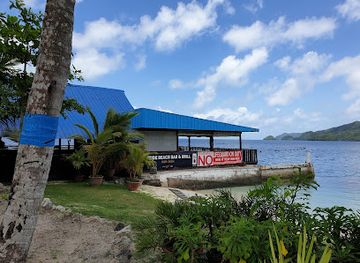
Restaurant
Riptide Beach Bar & Grill
Discover a tropical dining experience at Riptide Beach Bar & Grill, where local flavors meet breathtaking ocean views in Koror, Palau.
-
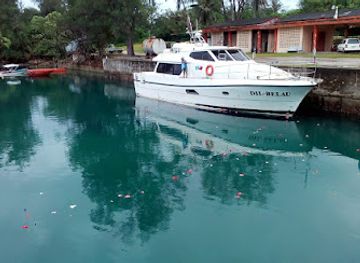
Island
Ngeaur Island
Explore the serene beauty of Ngeaur Island in Angaur, Palau, where nature meets tranquility and adventure awaits.
Best shops in Angaur
Shopping on Angaur is extremely limited, with no substantial high street, shopping centre or dependable craft market. Visitors should purchase food, medication, specialist equipment, cash and gifts in Koror before travelling. Locally arranged stays may provide small household items or handmade products when available, but these should not be treated as permanent retail services. Angaur’s most appropriate souvenirs are responsibly purchased items offered by residents, provided that their origin and price are clear; never buy archaeological objects, military relics, coral, shells or wildlife products. Palauan handicrafts, woven work, locally produced food and cultural items are more readily found in Koror and other established visitor centres elsewhere in the country. Carry reusable bags and minimise packaging, since waste disposal and resupply are more difficult on a remote island. Shopping in Angaur is therefore less about browsing and more about arriving prepared, supporting local households where possible and respecting the island’s environmental and historical limits.
-
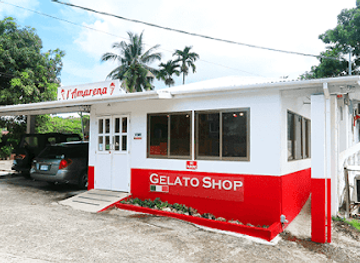
Ice Cream
L'Amarena Gelato Shop (Gelateria Italiana)
Experience authentic Italian gelato and delightful desserts at L'Amarena Gelato Shop in Airai, Palau - a sweet escape for every traveler.
-
Shopping mall
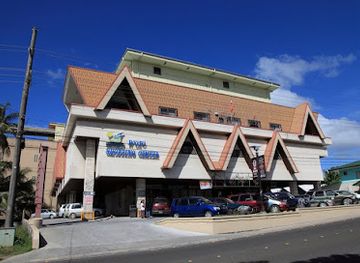
WCTC Shopping Center
Explore WCTC Shopping Center in Koror, Palau - A vibrant hub for shopping, dining, and cultural experiences.
-
Shopping mall
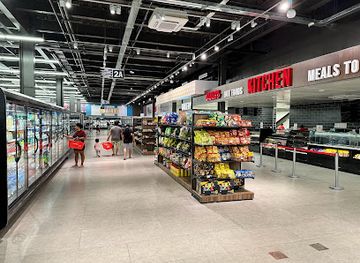
Surangel and Sons Co. - Koror
Discover the vibrant shopping experience at Surangel and Sons Co. in Koror, where local culture meets modern convenience.
-
Shopping mall
Surangel's Surpercenter Airai
Discover the vibrant shopping experience at Surangel's Supercenter in Airai, a blend of culture, cuisine, and local craftsmanship.
Get your free copy of our complete guide to Angaur, delivered straight to you.
Everything on this page, from attractions and restaurants to essentials and local phrases, in one PDF you can read offline, print or share.
Already have an account? Sign in
Your Angaur guide is ready.
We'll send it to · Not you? Sign out

Getting your guide ready…
We are putting together a fresh copy of the Angaur guide. This can take up to a minute.
This can take a few moments. If your browser asks, choose Allow so the download can start. You'll find the guide in your Downloads folder.
Nothing happened? Download it again
Sorry, the guide is taking longer than usual. Please try again in a minute, or get it by email instead.
Angaur essentials
Currency and Payment
Safety
Emergency Situations
Do's and Don'ts
Local Tips
From Eve
Local phrases worth knowing
You don't need to get them perfect. A few words go a long way, and locals appreciate the effort.
Basics
| English | Local | Say it |
|---|---|---|
| Hello | Alii | [ah-lee] |
| Goodbye | Chad el mo | [chahd el mo] |
| Yes | Ong | [ong] |
| No | Ngel | [ng-el] |
| Please/You’re welcome | Bai | [bye] |
| Thank you | Melek | [meh-lek] |
| Excuse me/Sorry | Ngara | [ng-ah-rah] |
| How are you? | Ngara ma? | [ng-ah-rah mah] |
| Fine. And you? | Melek. Ngara ma? | [meh-lek ng-ah-rah mah] |
| Do you speak English? | Ong e nglise? | [ong eh ng-leese] |
| I don't understand | Ngara el mo | [ng-ah-rah el mo] |
Eating & Drinking
| English | Local | Say it |
|---|---|---|
| I’d like to see the menu, please | Bai el mo menu | [bye el mo meh-noo] |
| I don’t eat meat | Ngara el mo ungil | [ng-ah-rah el mo oong-eel] |
| Cheers! | Salud! | [sah-lud] |
| I would like to pay, please | Bai el mo pwe | [bye el mo pweh] |
Emergencies
| English | Local | Say it |
|---|---|---|
| Help! | Chad! | [chahd] |
| Go away! | Chad el mo! | [chahd el mo] |
| Call the Police! | Chad el Police! | [chahd el poh-lees] |
| Call a doctor! | Chad el doctor! | [chahd el dok-tor] |
| I’m lost | Ngara el mo a chad | [ng-ah-rah el mo ah chahd] |
| I’m ill | Ngara el mo a ngara | [ng-ah-rah el mo ah ng-ah-rah] |
Shopping
| English | Local | Say it |
|---|---|---|
| I’d like to buy... | Bai el mo a... | [bye el mo ah] |
| I’m just looking | Ngara el mo a chad | [ng-ah-rah el mo ah chahd] |
| How much is it? | Ngara el mo a chad? | [ng-ah-rah el mo ah chahd] |
| That’s too expensive | A chad el mo a ngara | [ah chahd el mo ah ng-ah-rah] |
| Can you lower the price? | Ong e ngara el mo a chad? | [ong eh ng-ah-rah el mo ah chahd] |
Time & Numbers
| English | Local | Say it |
|---|---|---|
| What time is it? | Ngara el mo a chad? | [ng-ah-rah el mo ah chahd] |
| It’s one o’clock | El mo a chad | [el mo ah chahd] |
| Half past (10) | Melek el mo a chad (10) | [meh-lek el mo ah chahd] |
| Morning | Chadl | [chahdl] |
| Afternoon | Melek | [meh-lek] |
| Evening | Ngel! | [ng-el] |
| Yesterday | Chad el | [chahd el] |
| Today | Melek el | [meh-lek el] |
| Tomorrow | A chad el | [ah chahd el] |
| 1 | 1 | [1] |
| 2 | 2 | [2] |
| 3 | 3 | [3] |
| 4 | 4 | [4] |
| 5 | 5 | [5] |
| 6 | 6 | [6] |
| 7 | 7 | [7] |
| 8 | 8 | [8] |
| 9 | 9 | [9] |
| 10 | 10 | [10] |
Transport & Directions
| English | Local | Say it |
|---|---|---|
| Where's a/the...? | Ngara el mo a...? | [ng-ah-rah el mo ah] |
| What’s the address? | Ngara el mo address? | [ng-ah-rah el mo ah-dress] |
| Can you show me (on the map)? | Ong e ngara el mo a map? | [ong eh ng-ah-rah el mo ah map] |
| When's the next (bus)? | Ngara el mo a next bus? | [ng-ah-rah el mo ah next bus] |
| A ticket (to ....) | A ticket (to ...) | [ah ticket (to ...)] |
History of Angaur
Early Palauan settlement and island society
Angaur has long formed part of Palau’s island world, whose communities were connected by customary relationships, seafaring and exchange. Palauan society developed through clan affiliations, chiefly authority and close knowledge of reefs, forests and seasonal resources. Although the island is small, its coastal position gave it significance within local maritime networks. Traditional land and family relationships remain important to understanding Angaur today, and visitors should recognise that the island is a lived-in community rather than an open-air archaeological site.
German colonial rule and phosphate extraction
Germany acquired the Caroline Islands, including Palau, from Spain in 1899 and began developing commercial interests in the archipelago. Angaur became particularly important because of its phosphate deposits, which were mined for agricultural fertiliser. Extraction brought industrial equipment, imported labour and new administrative structures to an island previously shaped principally by customary life and subsistence activities. The lighthouse and altered interior landscape are enduring reminders of this period of colonial economic exploitation and maritime development.
Japanese administration and mining expansion
After the First World War, Palau was administered by Japan under a League of Nations mandate. Japanese authorities expanded phosphate mining on Angaur, improved transport and communications, and developed an airfield and other facilities that later became strategically important. Japanese settlers and workers lived alongside Palauan communities, while the island was increasingly connected to Japan’s wider economic and military system. Some wartime structures and introduced wildlife, including macaques associated with the Japanese period, remain part of Angaur’s modern historical landscape.
The Battle of Angaur, 1944
Angaur became a battlefield during the United States campaign to secure the Palau Islands in September 1944. American forces landed on the island and fought Japanese defenders around the airfield, phosphate works and fortified positions. Combat continued for several weeks and caused severe destruction, displacement and loss of life. The battle formed part of the wider Palau campaign, but Angaur should not be conflated with Peleliu, a separate island and state where another major battle took place. Concrete remnants and other traces of the conflict survive on Angaur.
United States administration and the road to independence
After the Second World War, Palau became part of the United Nations Trust Territory of the Pacific Islands administered by the United States. Wartime facilities gradually lost their strategic role, while communities rebuilt and adapted to changing economic conditions. Palau later entered its Compact of Free Association with the United States in 1994, becoming an independent republic. Angaur’s small population, state government and limited infrastructure reflect both its island scale and the broader challenges of maintaining services across a dispersed Pacific nation.
Angaur in contemporary Palau
Modern Angaur combines community life with a landscape marked by mining and war. The island is no longer a major industrial site, and its economy is shaped more by local governance, fishing, subsistence activities, public employment and a small amount of visiting tourism. Its historic remains have value as part of Palau’s national memory, while its reefs and forests remain environmentally important. Contemporary visits therefore require a balance between learning from the past, respecting residents and avoiding damage to fragile or hazardous sites.
Angaur in Photos
Browse through our photo collection highlighting the charm and character of the destination.
Neighbouring regions of Angaur
The closest regions to Angaur, if you have time for more than one.
-

-

-

-

-


Swipe for more regions
Explore more

Explore more of Palau
Discover Palau's pristine beaches, vibrant marine life, and rich cultural heritage—an untouched paradise in the Pacific Ocean.
Explore Palau