

Free Eil Malk Travel Guide & Mobile App
Explore Eil Malk with free travel guides. Discover regional history, expert tips, proposed trips, and audio guides on web or mobile app.


Eil Malk in Palau offers Jellyfish Lake, limestone islands, sheltered lagoons and conservation-focused excursions from Koror.
Read more about Eil Malk
When is the best time to visit Eil Malk?
Best: January–March · 31°C| Month | High (°C) | Rainfall (mm) |
|---|---|---|
| January (best) | 31 | 260 |
| February (best) | 31 | 230 |
| March (best) | 31 | 250 |
| April | 31 | 260 |
| May | 31 | 290 |
| June | 31 | 300 |
| July | 31 | 310 |
| August | 31 | 320 |
| September | 31 | 310 |
| October | 31 | 300 |
| November | 31 | 290 |
| December | 31 | 280 |
Getting to and around Eil Malk
How to get there
Transportation
Destinations in Eil Malk
Resorts, valleys and scenic spots worth a trip of their own.

Swipe for more destinations
Best attractions in Eil Malk
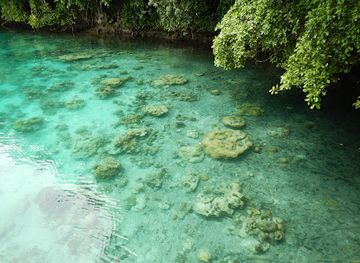
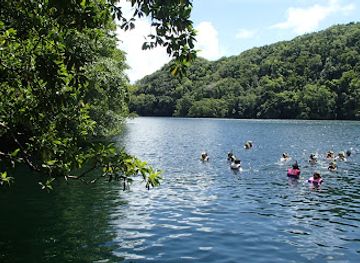
Eil Malk’s attractions are concentrated in a small natural area and are experienced through guided access rather than through a large collection of built facilities. Jellyfish Lake is the principal draw: this enclosed marine lake allows visitors to observe its distinctive golden jellyfish while learning about isolation, adaptation and the need for careful conservation. The walk to the lake passes through tropical vegetation and over weathered limestone, offering a close view of the island’s karst geology. Around the coast, boat excursions reveal forested limestone slopes, shallow coves, mangrove edges and narrow channels characteristic of the Rock Islands Southern Lagoon. Snorkelling and kayaking are generally organised in the wider Rock Islands rather than confined to Eil Malk itself, and the exact sites depend on weather, permits and local operating arrangements. There are no museums, restaurants, galleries or family entertainment complexes on the island. Its attraction landscape is instead defined by geology, marine ecology, quiet observation and the contrast between an enclosed lake and the open lagoon beyond. Visitors should treat every landing and water activity as part of a conservation setting and follow current local restrictions.
-
Swimming lake
Jellyfish Lake
Explore Jellyfish Lake in Palau, a unique swimming lake where you can swim with millions of harmless jellyfish amidst stunning natural beauty.
-
Park
Ngermeaus Island Park
Experience the tranquil beauty of Ngermeaus Island Park in Palau – a perfect escape into nature with lush landscapes and stunning coastal views.
-
The Rock Islands
Explore the breathtaking Rock Islands of Palau, a UNESCO World Heritage site with stunning landscapes, vibrant marine life, and endless adventure opportunities.
-
Island
Mecherchar
Explore the breathtaking landscapes and vibrant marine life of Mecherchar Island, a hidden paradise in Palau's stunning natural scenery.


Best landmarks in Eil Malk
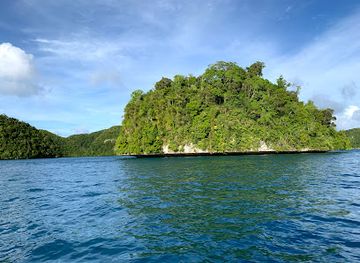
Jellyfish Lake is Eil Malk’s defining landmark, not because of monumental architecture but because its enclosed waters contain a remarkable example of ecological isolation. The lake’s relationship with the surrounding limestone is crucial: ancient geological changes separated it from the open sea while retaining a marine environment in altered form. The island’s steep, rounded limestone profile is another recognisable feature, with dense forest covering rock that has been sculpted by rain, erosion and changing sea levels. Along the coast, pale cliffs, narrow inlets and sheltered lagoon passages form part of the visual identity of the Rock Islands Southern Lagoon UNESCO World Heritage property. These are living natural landmarks rather than static monuments, and their condition can change with weather, water quality and ecological cycles. Visitors should avoid treating the landscape as a backdrop for unrestricted access; paths, landings and swimming areas are controlled to reduce damage. Eil Malk has no cathedral, fort or historic civic centre, so its significance lies in the combined geological, ecological and cultural meaning of the island and its waters.
-
Swimming lake
Jellyfish Lake
Explore the serene beauty of Jellyfish Lake, where you can swim with thousands of harmless jellyfish in Palau's stunning natural paradise.
Explore Eil Malk on the map
Plan your trip on one map. See where the top cities, national parks and sights are, and book hotels and experiences in a few clicks.
Best hotels in Eil Malk
Best restaurants in Eil Malk
Eil Malk has no restaurants, cafés, market stalls or permanent food outlets, so visitors should eat before departure or confirm whether their boat excursion supplies water, snacks or a packed meal. The island is visited for its natural environment, while Palau’s dining options are concentrated outside the region in Koror and elsewhere on the main islands. Travellers based there can look for Palauan dishes featuring fish, reef and ocean produce, taro, tapioca and locally familiar root crops, alongside Japanese, Chinese, Filipino, American and other Pacific influences that reflect Palau’s history and contemporary population. Seafood is common, but responsible visitors should ask about sourcing and avoid assuming that every marine species is appropriate to consume. Bring only what the operator permits and carry all rubbish back with you. A dry bag is useful for protecting food and water during the boat journey, though meals should never be left on the island or used to feed wildlife.
-
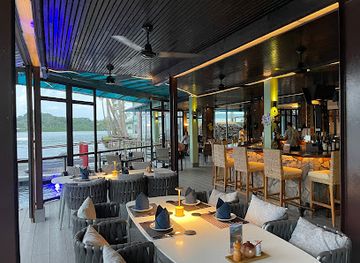
Fine Dining
Elilai Seaside Dining
Discover culinary excellence at Elilai Seaside Dining in Koror, where breathtaking views meet exquisite flavors for an unforgettable dining experience.
-
Restaurant
Hungry Marlin Restaurant & Bar at COVE Resort Palau
Experience exquisite seafood dining with stunning ocean views at Hungry Marlin Restaurant & Bar in COVE Resort Palau.

Best bars in Eil Malk
Eil Malk has no bars, nightclubs or evening entertainment. It is an uninhabited excursion island, and visitors normally return to Koror after spending the day on the lake and surrounding lagoon. Evening activities connected with an Eil Malk visit therefore take place outside the region, in Palau’s main urban centre, where travellers can find restaurants, hotel bars and a modest selection of social venues rather than a large international club scene. The island itself is best appreciated during daylight, when the limestone formations, forest and water are visible and boat movements can be managed safely. Do not plan to remain after dark unless an authorised operator has made a specific arrangement, and never attempt an independent overnight camp. Quiet evenings, early boat departures and attention to weather are more relevant to the Eil Malk experience than nightlife.
-
Restaurant
Drop Off Bar and Grill
Experience mouthwatering local and international cuisine at Drop Off Bar and Grill in Koror, a vibrant dining hub in Palau.
-
Fine Dining
Elilai Seaside Dining
Discover the exquisite flavors of Elilai Seaside Dining in Koror, Palau - where fine dining meets breathtaking ocean views.
-
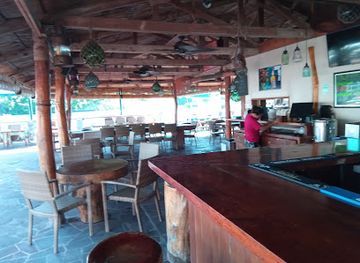
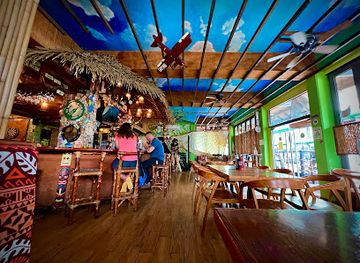
Bar
The Canoe House
Discover the vibrant flavors of The Canoe House in Palau, where fresh seafood, delicious burgers, and lively entertainment await you.
-
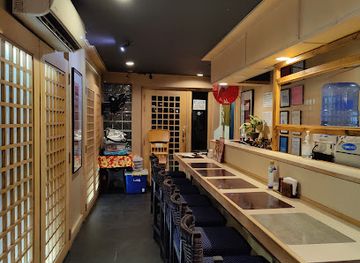
Japanese
Tori Tori
Experience authentic Japanese cuisine at Tori Tori in Koror, Palau, where every meal is a celebration of tradition and flavor.
Best nightclubs in Eil Malk
Eil Malk has no bars, nightclubs or evening entertainment. It is an uninhabited excursion island, and visitors normally return to Koror after spending the day on the lake and surrounding lagoon. Evening activities connected with an Eil Malk visit therefore take place outside the region, in Palau’s main urban centre, where travellers can find restaurants, hotel bars and a modest selection of social venues rather than a large international club scene. The island itself is best appreciated during daylight, when the limestone formations, forest and water are visible and boat movements can be managed safely. Do not plan to remain after dark unless an authorised operator has made a specific arrangement, and never attempt an independent overnight camp. Quiet evenings, early boat departures and attention to weather are more relevant to the Eil Malk experience than nightlife.
-
Grill
Peleliu Club
Discover the flavors of the islands at Peleliu Club, Koror's premier grill restaurant, where delicious food meets a vibrant atmosphere.

Best shops in Eil Malk
There is no shopping on Eil Malk. The island has no shops, market, gallery, craft outlet or visitor centre, and souvenirs, snacks, water and practical equipment should be obtained in Koror before joining the boat excursion. Shopping associated with the wider Palau trip may include locally made handicrafts, woven items, carvings, artwork and packaged food products, but visitors should ask whether an item is genuinely made in Palau and avoid buying coral, shells, wildlife products or archaeological material. Because Eil Malk lies within a protected and carefully managed marine landscape, nothing should be collected from the shore, forest, lake or lagoon. A useful purchase before departure is a dry bag or reusable water container rather than a disposable item. The island’s absence of retail infrastructure is part of its character and helps keep the focus on conservation rather than commercial development.
-
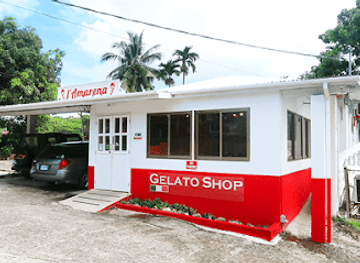
Ice Cream
L'Amarena Gelato Shop (Gelateria Italiana)
Discover the authentic flavors of Italy with delightful gelato, coffee, and desserts at L'Amarena Gelato Shop in Palau.
-
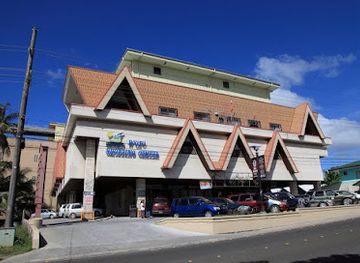
Shopping mall
WCTC Shopping Center
Explore the vibrant WCTC Shopping Center in Koror, Palau, offering unique shopping and dining experiences amidst a tropical setting.
-
Shopping mall
Surangel and Sons Co. - Koror
Explore Surangel and Sons Co. in Koror – a vibrant shopping mall offering unique local and international products amidst a cultural hub.
-
Dive shop
Neco Marine Palau
Discover unparalleled diving adventures at Neco Marine Palau, where vibrant marine life meets stunning underwater landscapes.
Get your free copy of our complete guide to Eil Malk, delivered straight to you.
Everything on this page, from attractions and restaurants to essentials and local phrases, in one PDF you can read offline, print or share.
Already have an account? Sign in
Your Eil Malk guide is ready.
We'll send it to · Not you? Sign out

Getting your guide ready…
We are putting together a fresh copy of the Eil Malk guide. This can take up to a minute.
This can take a few moments. If your browser asks, choose Allow so the download can start. You'll find the guide in your Downloads folder.
Nothing happened? Download it again
Sorry, the guide is taking longer than usual. Please try again in a minute, or get it by email instead.
Eil Malk essentials
Currency and Payment
Safety
Emergency Situations
Do's and Don'ts
Local Tips
From Eve
Local phrases worth knowing
You don't need to get them perfect. A few words go a long way, and locals appreciate the effort.
Basics
| English | Local | Say it |
|---|---|---|
| Hello | Alii | [ah-lee] |
| Goodbye | Chad ra omer | [chahd rah oh-mehr] |
| Yes | Ome | [oh-meh] |
| No | Ngara | [ngah-rah] |
| Please/You're welcome | Tia beluu | [tee-ah beh-loo] |
| Thank you | Tia bo | [tee-ah boh] |
| Excuse me/Sorry | Chad duai | [chahd doo-eye] |
| How are you? | Mechei? | [meh-chay] |
| Fine. And you? | Ome. E mechei? | [oh-meh. eh meh-chay] |
| Do you speak English? | Tia ngara mo ngel a tekoi? | [tee-ah ngah-rah moh ngel ah teh-koi] |
| I don't understand | Ngara ngii chad? | [ngah-rah ngee chahd] |
Eating & Drinking
| English | Local | Say it |
|---|---|---|
| I'd like to see the menu, please | Tia beluu ngara ngii ra menu | [tee-ah beh-loo ngah-rah ngee rah meh-noo] |
| I don't eat meat | Ngara ngii ra mesek | [ngah-rah ngee rah meh-sek] |
| Cheers! | Chad ra le! | [chahd rah leh] |
| I would like to pay, please | Tia beluu ngara ra pay | [tee-ah beh-loo ngah-rah rah pay] |
Emergencies
| English | Local | Say it |
|---|---|---|
| Help! | Chad ra! | [chahd rah] |
| Go away! | Chad ra ngii! | [chahd rah ngee] |
| Call the Police! | Chad ra ngii ra Police! | [chahd rah ngee rah poh-lees] |
| Call a doctor! | Chad ra ngii ra doctor! | [chahd rah ngee rah dok-tor] |
| I'm lost | Ngara ngii ra ngii | [ngah-rah ngee rah ngee] |
| I'm ill | Ngara ngii ra diong | [ngah-rah ngee rah dee-ong] |
Shopping
| English | Local | Say it |
|---|---|---|
| I'd like to buy... | Tia beluu ra buy... | [tee-ah beh-loo rah buy] |
| I'm just looking | Ngara me ngii ra | [ngah-rah meh ngee rah] |
| How much is it? | Chad ra ngii? | [chahd rah ngee] |
| That's too expensive | Ngara ra ngii chels | [ngah-rah rah ngee chels] |
| Can you lower the price? | Tia ngara ra ngii chels? | [tee-ah ngah-rah rah ngee chels] |
Time & Numbers
| English | Local | Say it |
|---|---|---|
| What time is it? | Chad ra ngii ra time? | [chahd rah ngee rah tahym] |
| It's one o'clock | Chad ra ngii ra 1 | [chahd rah ngee rah one] |
| Half past (10) | Chad ra ngii ra half past 10 | [chahd rah ngee rah half past ten] |
| Morning | Aldan | [ahl-dahn] |
| Afternoon | Melel | [meh-lel] |
| Evening | Melel ra | [meh-lel rah] |
| Yesterday | Ngii ra yesterday | [ngei rah yes-ter-day] |
| Today | Ngii ra today | [ngei rah to-day] |
| Tomorrow | Ngii ra tomorrow | [ngei rah to-mor-row] |
| 1 | Sui | [swee] |
| 2 | Sui el | [swee el] |
| 3 | Sui er | [swee air] |
| 4 | Sui om | [swee om] |
| 5 | Sui ol | [swee ol] |
| 6 | Sui olo | [swee oh-lo] |
| 7 | Sui sel | [swee sel] |
| 8 | Sui val | [swee val] |
| 9 | Sui iol | [swee eol] |
| 10 | Sui de | [swee deh] |
Transport & Directions
| English | Local | Say it |
|---|---|---|
| Where's a/the...? | Ngii ra a/the...? | [ngei rah ah/the] |
| What's the address? | Chad ra ngii ra address? | [chahd rah ngee rah ad-dress] |
| Can you show me (on the map)? | Tia ngara ngii ra show (on the map)? | [tee-ah ngah-rah ngee rah show (on the map)] |
| When's the next (bus)? | Chad ra ngii ra next (bus)? | [chahd rah ngee rah next (bus)] |
| A ticket (to ....) | Ra ticket (to ...) | [rah ti-ket (to ...)] |
History of Eil Malk
Limestone formation and the Rock Islands landscape
Eil Malk is part of Palau’s Rock Islands, a group of uplifted limestone islands shaped by erosion, dissolution and changes in sea level. Over long periods, former reef limestone developed the steep, rounded forms and enclosed marine lakes that distinguish the Southern Lagoon. The geological relationship between island, forest, lagoon and reef is central to understanding Eil Malk: Jellyfish Lake is not an isolated curiosity but one expression of a wider karst landscape. This natural history is also why the island is managed primarily as a conservation destination rather than an urban or agricultural settlement.
Ancient Palauan seafaring and marine life
Palau’s islands have been inhabited for thousands of years, and Palauan communities developed sophisticated knowledge of reefs, currents, weather, fishing grounds and canoe travel. Although Eil Malk is not principally presented as an archaeological site, it lies within the same seascape that supported movement and resource use across the Rock Islands. Traditional relationships with the sea remain important to Palauan identity and customary stewardship. Visitors encounter this history indirectly through local guiding, marine regulations and the continuing importance of island waters rather than through a large built heritage complex on Eil Malk itself.
Palauan customary authority and island stewardship
Palauan social and political life historically developed through communities, chiefly systems and customary relationships with land and sea. Authority over resources and access has not been limited to distant state administration, and customary perspectives continue to inform conservation and tourism in the Rock Islands. Eil Malk’s present-day visitor experience reflects this layered governance: access, permits and responsible conduct are part of visiting a living cultural landscape. The island should not be treated as an empty wilderness simply because it has no permanent town or commercial infrastructure.
German, Japanese and American administration
Palau came under German administration in the late nineteenth century, was transferred to Japan after the First World War, and later became part of the United States-administered Trust Territory of the Pacific Islands after the Second World War. These successive administrations affected Palau’s wider economy, infrastructure, political development and relationship with external powers. Eil Malk itself is not chiefly a battlefield or colonial monument, but its waters were incorporated into the changing administrative frameworks that eventually led to the modern Republic of Palau.
The Republic of Palau and marine conservation
Palau became an independent sovereign state in 1994 in free association with the United States. Since then, marine conservation has become a defining part of national policy and international identity. The Rock Islands Southern Lagoon was designated a UNESCO World Heritage property in 2012 for its exceptional natural and cultural values. Eil Malk, with Jellyfish Lake and its surrounding limestone and marine habitats, illustrates the practical challenge behind that recognition: tourism must be managed so that access to celebrated natural features does not damage the ecosystems that make them significant.
Eil Malk in Photos
Browse through our photo collection highlighting the charm and character of the destination.
Neighbouring regions of Eil Malk
The closest regions to Eil Malk, if you have time for more than one.
-

-

-

-

-


Swipe for more regions
Explore more

Explore more of Palau
Discover Palau's pristine beaches, vibrant marine life, and rich cultural heritage—an untouched paradise in the Pacific Ocean.
Explore Palau